By Renew Dental ClinicPublished on
Wisdom Tooth Surgery
Swelling after wisdom tooth removal is one of those things that every surgeon mentions and almost nobody adequately prepares patients for. "Some swelling is normal" doesn't quite cover waking up on day two looking like you've been in a minor altercation.
The good news is that swelling follows a predictable pattern in most cases, and knowing that pattern in advance helps you tell the difference between normal healing and something that needs attention. Here's the actual day-by-day breakdown.
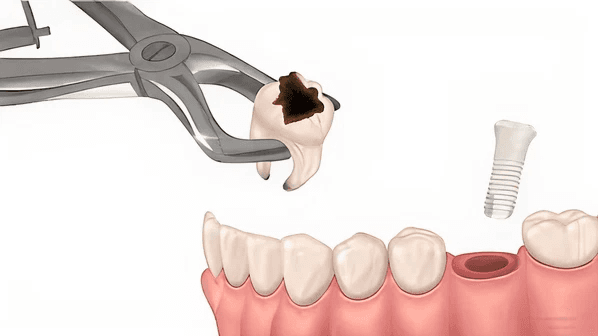
Removing a wisdom tooth — particularly an impacted one — involves incising the gum, removing bone, and mobilising tissue that's been undisturbed in that position for years. The body responds to this surgical trauma with an inflammatory cascade: blood flow to the area increases, blood vessels become more permeable, and fluid moves into the surrounding tissue. The result is swelling, redness, and heat in the operated area.
This inflammation is not malfunction. It's the body initiating healing. The cells and proteins that arrive in that inflammatory fluid include everything needed to repair the surgical site. The swelling is, literally, the healing process making itself visible.
The degree of swelling depends on how involved the procedure was. A simple extraction of an erupted wisdom tooth produces little swelling. A deeply impacted lower wisdom tooth that required significant bone removal and tooth sectioning produces considerably more. The OPG assessment that precedes surgery at Renew Dental Clinic gives a reasonable prediction of how extensive the post-operative response will be.
Day of surgery. Minimal to no visible swelling while the anaesthetic is active. The swelling begins developing in the hours after the procedure. By the evening of day one, most patients notice some puffiness in the cheek on the operated side. Applying an ice pack — 20 minutes on, 20 minutes off — during the first 24 hours reduces the degree of peak swelling that develops. This is the window where ice actually helps.
Day 1–2. Swelling increases. For most impacted lower wisdom tooth removals, swelling peaks around 48 hours after surgery. This is the point where many patients are most alarmed — the cheek may feel significantly puffy, the jaw may feel stiff, and the whole area feels tight. All of this is expected.
Some patients also notice bruising (ecchymosis) beginning to appear on the skin overlying the operated area, or extending down toward the neck and jaw. This is blood tracking under the skin from the surgical site — harmless, looks dramatic, resolves on its own over 1–2 weeks.
Day 3. Swelling should begin to reduce. This is the key transition point. If swelling has been steadily reducing from its peak on day 2, recovery is on track. If swelling is continuing to increase on day 3, something may be developing — contact the clinic.
Warm compresses can begin from day 3 onward (not before — heat in the first 48 hours increases rather than reduces swelling). A warm cloth applied to the cheek gently accelerates fluid reabsorption and can reduce the remaining swelling faster.
Days 4–7. Progressive reduction. By day 5, most patients look noticeably better than the day 2 peak. Jaw stiffness — the trismus that makes opening the mouth difficult — also improves during this period. Most patients can eat more varied soft foods by day 5.
Week 2. Residual swelling resolves. Some mild asymmetry between the operated side and the other side can persist for 2–3 weeks — particularly with complex cases — but the dramatic swelling of days 1–3 is long gone by this point.
Ice packs in the first 24 hours. The 20-on, 20-off cycle is the practical protocol that works. Continuous ice application doesn't work better and can damage skin. Never apply ice directly to skin — wrap it in a cloth. After 24 hours, ice is no longer helpful; the inflammatory cascade is past the stage where ice affects it.
Head elevation. Sleeping with your head slightly elevated — an extra pillow or two — reduces fluid accumulation in the lower face and lessens how much swelling develops overnight. Sleeping completely flat increases morning swelling.
Prescribed or recommended anti-inflammatory medication. Ibuprofen, taken consistently at the prescribed dose during the first 48–72 hours (with food, and assuming no medical contraindications), reduces the inflammatory response and its associated swelling. Taking it only when pain becomes bad is less effective than maintaining consistent dosing during the acute period.
Salt water rinses from day 2. Gentle warm saline rinses help clear the wound of debris and reduce localised bacterial activity. The technique matters — tilt the head toward the operated side and let the saline flow over the area. Don't swish vigorously. Vigorous swishing can dislodge the blood clot, causing dry socket.
Soft diet. Chewing on the operated side increases trauma to the area and worsens swelling. Eating on the opposite side only, with soft foods that don't require significant jaw movement, allows the operated area to rest.
Most post-wisdom-tooth swelling is exactly what it looks like — normal healing. But a few patterns warrant calling the clinic:
Swelling that's still increasing after 72 hours. The peak should be around day 2. Continued increase after day 3 suggests infection is developing rather than healing progressing.
Swelling accompanied by fever above 38°C. This combination indicates the infection has moved beyond the local area and is causing a systemic response.
Inability to open the mouth at all. Some trismus is normal after lower wisdom tooth surgery. Complete inability to open the mouth — less than a finger-width — combined with increasing pain is a sign of a more significant infection or complication.
Swelling of the throat, difficulty swallowing, or difficulty breathing. This is a medical emergency. Dental infections can occasionally spread into the deep neck spaces. If swallowing is becoming difficult or breathing is at all affected, go to a hospital emergency department immediately — don't wait.
Hot, red, increasingly tender swelling after day 4. Fluctuant (soft, fluid-filled) swelling that gets warmer and more painful after the initial healing period has started suggests abscess formation requiring drainage.
Dry socket — the loss of the blood clot from the extraction socket — is sometimes confused with post-operative infection because both are painful after the initial period. But dry socket feels different. It's an intense, throbbing, poorly localised pain that begins 2–4 days after surgery, is often described as radiating toward the ear and temple, and is not associated with fever or increasing swelling.
The socket, if visible, appears empty or greyish rather than the normal darkening of a clot. There may be a bad taste.
Dry socket doesn't resolve on its own. A medicated dressing placed in the socket by Dr. Suchi Singh provides significant and often immediate pain relief. Call Renew Dental Clinic at +91 99710 35300 if this description matches what you're experiencing after surgery.
A few practical notes for recovery specific to eating habits in Noida and Delhi NCR:
Chai and coffee should be avoided for the first 48 hours — both the heat and the caffeine are counterproductive during the acute recovery. After 48 hours, lukewarm chai (not hot) without a straw is fine.
Khichdi, curd rice, soft dal, and idli are among the best recovery foods available in the Indian diet — soft, moist, nutritious, and requiring minimal jaw movement. Spice level should stay low for the first week, as spicy food irritates the healing wound.
No straws for 5–7 days. The sucking action creates negative pressure that can dislodge the clot.
Q: I had surgery 5 days ago and still have some swelling — is this normal?
A: Yes, if the swelling is clearly less than it was on day 2. Residual mild swelling for 10–14 days after a complex impacted wisdom tooth removal is normal. As long as the trend is reduction rather than increase and there's no fever, this is healing rather than complication.
Q: My face is bruised along the jaw — should I be worried?
A: No. Bruising along the jaw and sometimes extending toward the neck is blood tracking under the skin from the surgical site. It looks alarming but is harmless and resolves on its own.
Q: How soon after surgery can I go to the gym?
A: Strenuous exercise should wait until day 5 at minimum. Increased blood pressure from exercise raises the risk of renewed bleeding and dislodging the clot. Light walking from day 3 is fine.
Q: Can I smoke after wisdom tooth surgery?
A: This is strongly inadvisable. Nicotine constricts blood vessels and impairs healing, and the sucking action of smoking is one of the most reliable ways to dislodge the clot and cause dry socket. At minimum, avoid smoking for 72 hours. Honestly, the longer the better.
If you have concerns about your recovery after wisdom tooth surgery at Renew Dental Clinic, Sector 47, Noida, don't hesitate to call. We'd rather answer a question that turns out to be nothing than have a patient manage a complication at home.
📞 +91 99710 35300
A-321, Basement Floor, Next to Mother Dairy Store, Sector 47, Noida, Uttar Pradesh 201303
Monday–Saturday 10:30 AM – 8:00 PM | Sunday 11:00 AM – 2:30 PM
 Copy
Copy
A gap between your front teeth has multiple treatment options in Noida — and which...
20 Sept 2026
by Renew Dental Clinic
Booked for wisdom tooth surgery in Noida and not sure what to expect? This guide...
15 Sept 2026
by Renew Dental Clinic
White spots on teeth aren't all the same — they come from very different causes...
14 Sept 2026
by Renew Dental Clinic

Jaw pain, clicking or trouble opening your mouth? Learn what causes TMJ problems in Noida, how Renew Dental diagnoses them and what treatment can achieve.
07 Oct 2026
by Renew Dental Clinic
Brushing alone cleans only 60% of tooth surfaces. This guide explains what happens to the...
07 Jul 2026
by Renew Dental Clinic
White spots on teeth look different from person to person — and the right way...
24 Sept 2026
by Renew Dental Clinic
The right food choices after wisdom tooth removal protect the blood clot, speed healing, and...
30 Sept 2026
by Renew Dental Clinic

Getting your wisdom teeth removed seems to sound scary, but with proper preparation and post-treatment care, it can be a trouble-free and tensionless process.
21 Oct 2025
by Renew Dental Clinic
An impacted wisdom tooth doesn't always hurt — which is why so many people ignore...
05 Oct 2026
by Renew Dental Clinic
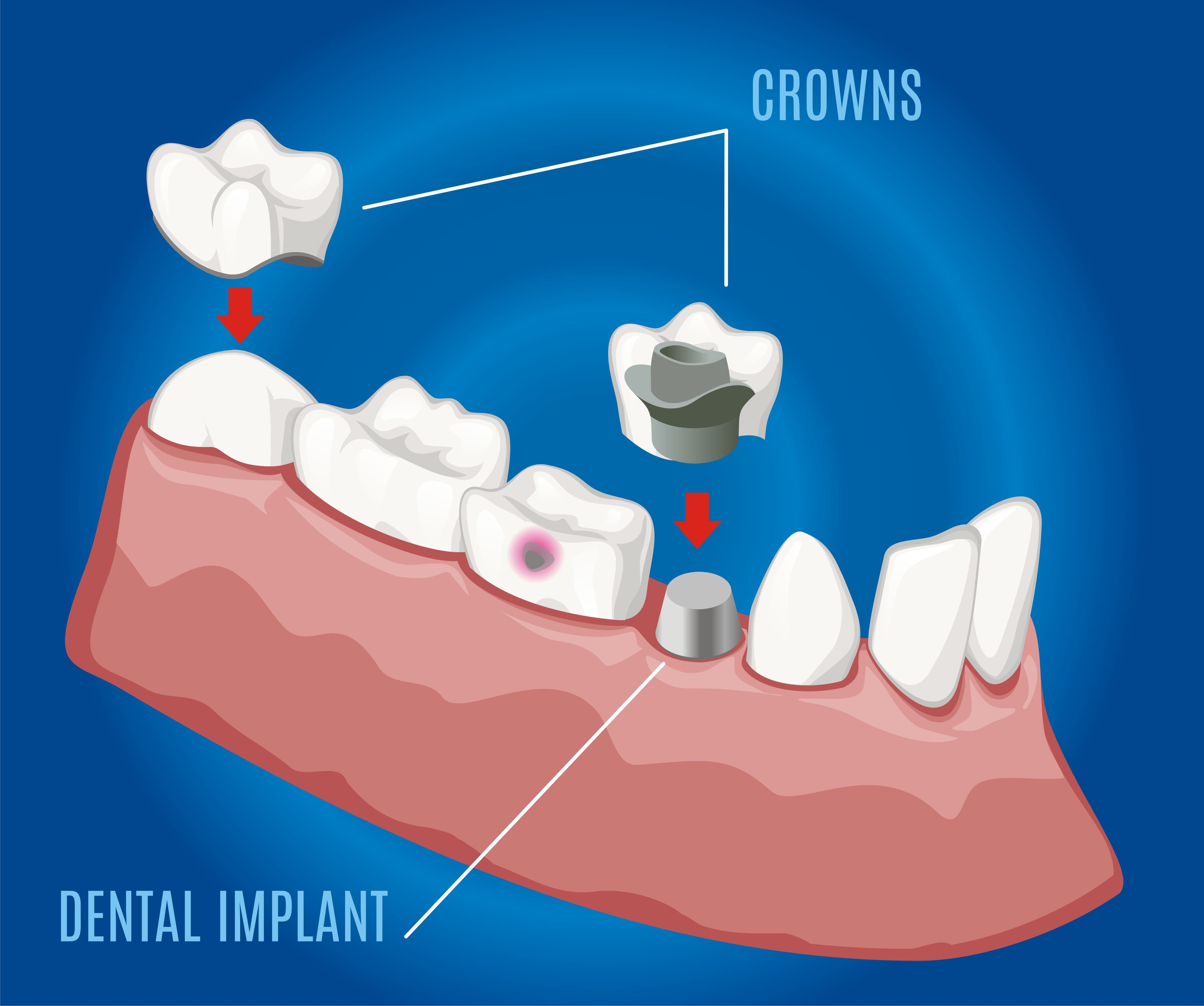
Been told you need a bone graft before an implant? This guide explains what dental...
26 Jun 2026
by Renew Dental Clinic
Thinking about dental implants in Noida? This complete guide covers how implants work, who qualifies,...
14 May 2026
by Renew Dental Clinic

Dilemma between dental implants and bridges? Weigh the cost, longevity, procedure, and advantages to determine which tooth replacement method is superior.
03 Oct 2025
by Renew Dental Clinic
Looking for the best children's dentist in Noida? This parent's guide covers when to start...
19 Jun 2026
by Renew Dental Clinic

Healthy teeth during childhood are the key to a lifetime of healthy smiles. Similar to...
01 Sept 2025
by Renew Dental Clinic

Discover the benefits of dental sealants for kids and adults. Understand how this protective procedure...
22 Sept 2025
by Renew Dental Clinic
Explore More
Discover how thousands of patients trust Renew Dental Clinic with their smiles.
Hi,I would like to thank Renew Clinic and special thanks to Dr.Suchi and Dr.Ganguli,Had ever best experience with you both and also would like to thank your supporting staff as well,Since I am working professional therefore I wanted to seamless procedure and that both Drs. Worked really hard and it’s a remarkable Job,,Had 14 Crowns and 8 root Canal almost they have transformed my smile the way I wanted to.Both are very polite and humble .
Very kind, smart, polite and cooperative. She explains everything so well and prepares patients for procedure very nicely. Very confident. Great work
Wonderful experience, the staff was extremely accomodating from start to finish.
I had an outstanding experience at this dental clinic in Sector 47, Noida. I opted for Basel/Cortical implants, and the entire treatment was started and completed in just 5 days, beginning on 2nd January. The efficiency and expertise of the doctor truly amazed me - highly competent, reassuring, and deeply committed to patient care.
Best dental clinic I ever seen in Noida, Dr Shuchi is expert in his profession. I recommend her for your dental care.
I had a very positive experience at this dental clinic. The support staff were extremely helpful, polite, and well-organized, making the entire process smooth from appointment booking to follow-up. The doctors were not only highly professional but also very kind and patient in explaining the treatment procedures, which made me feel comfortable and well-informed.
I have taken my rct at Renew dental clinic.Dr.suchi is very humble and knowledgeable person .100% satisfied with doc and her treatment.
She is the Best Dentist in Noida, She has a gentle touch as well and I'm glad I discovered this practice. An extra bonus is that the clinic is extremely efficient and well run.
I have never been one to like going to the dentist because of past bad experiences but Dr Suchi and her team extremely change my attitude towards dentist.
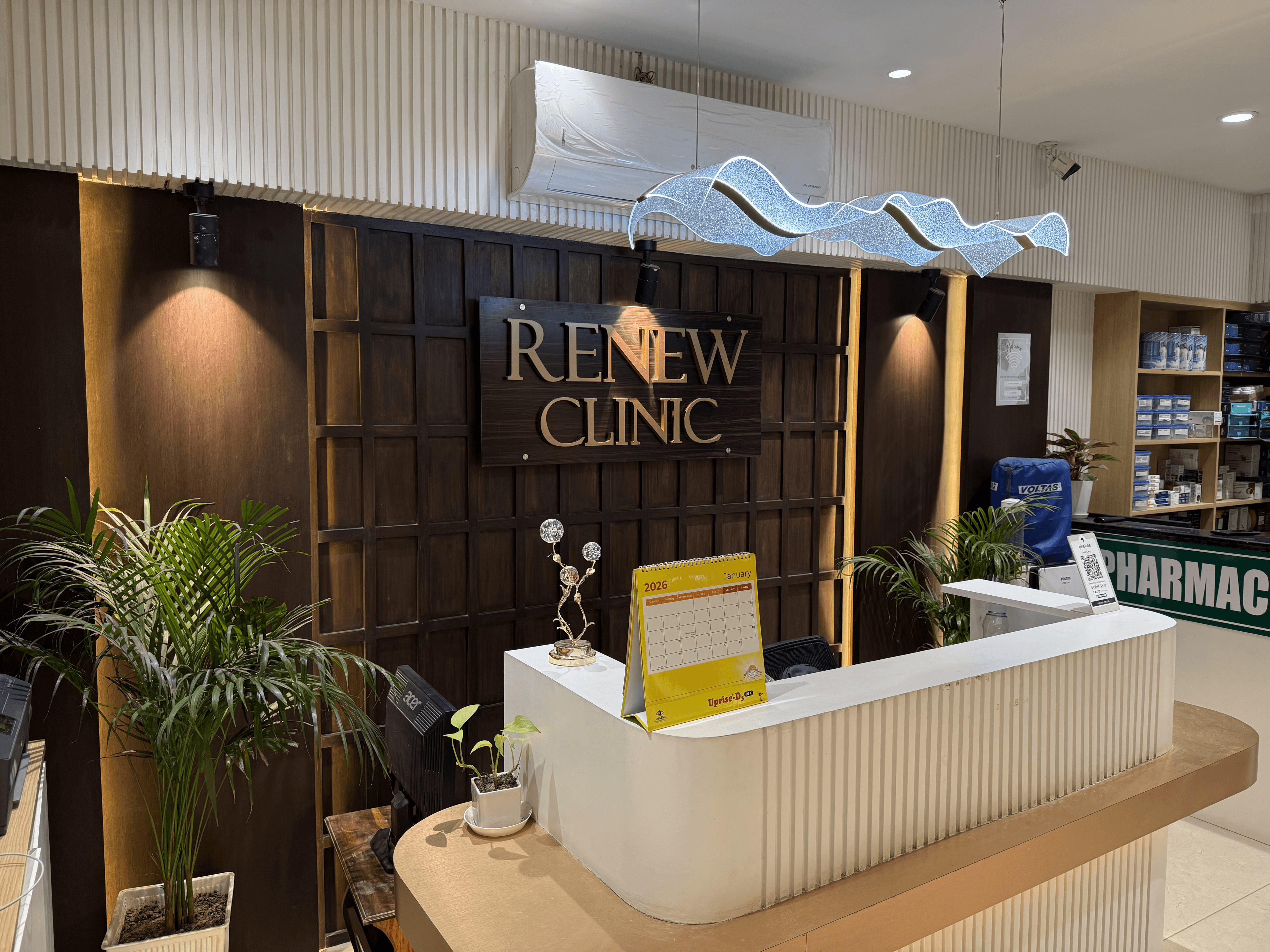
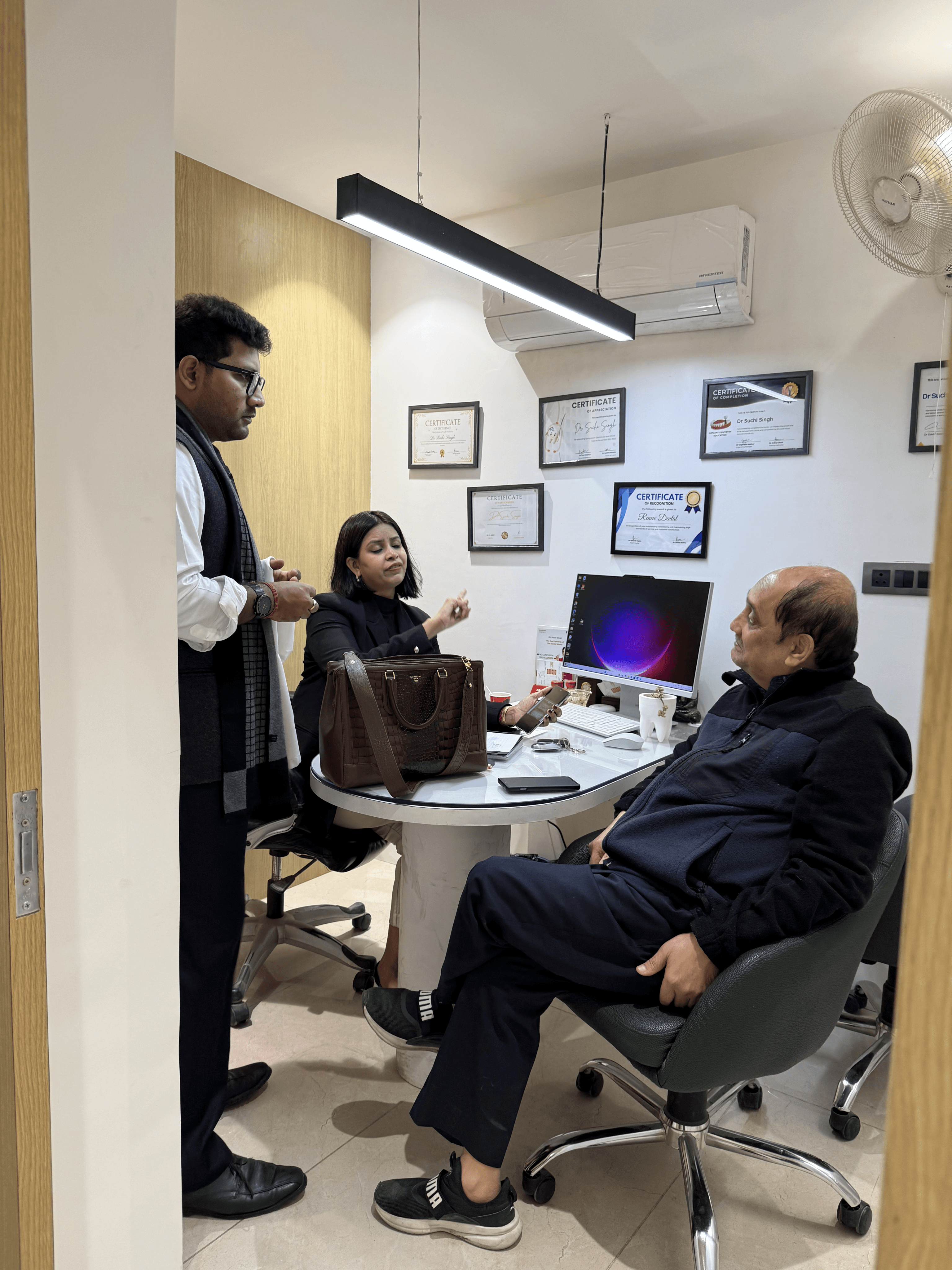
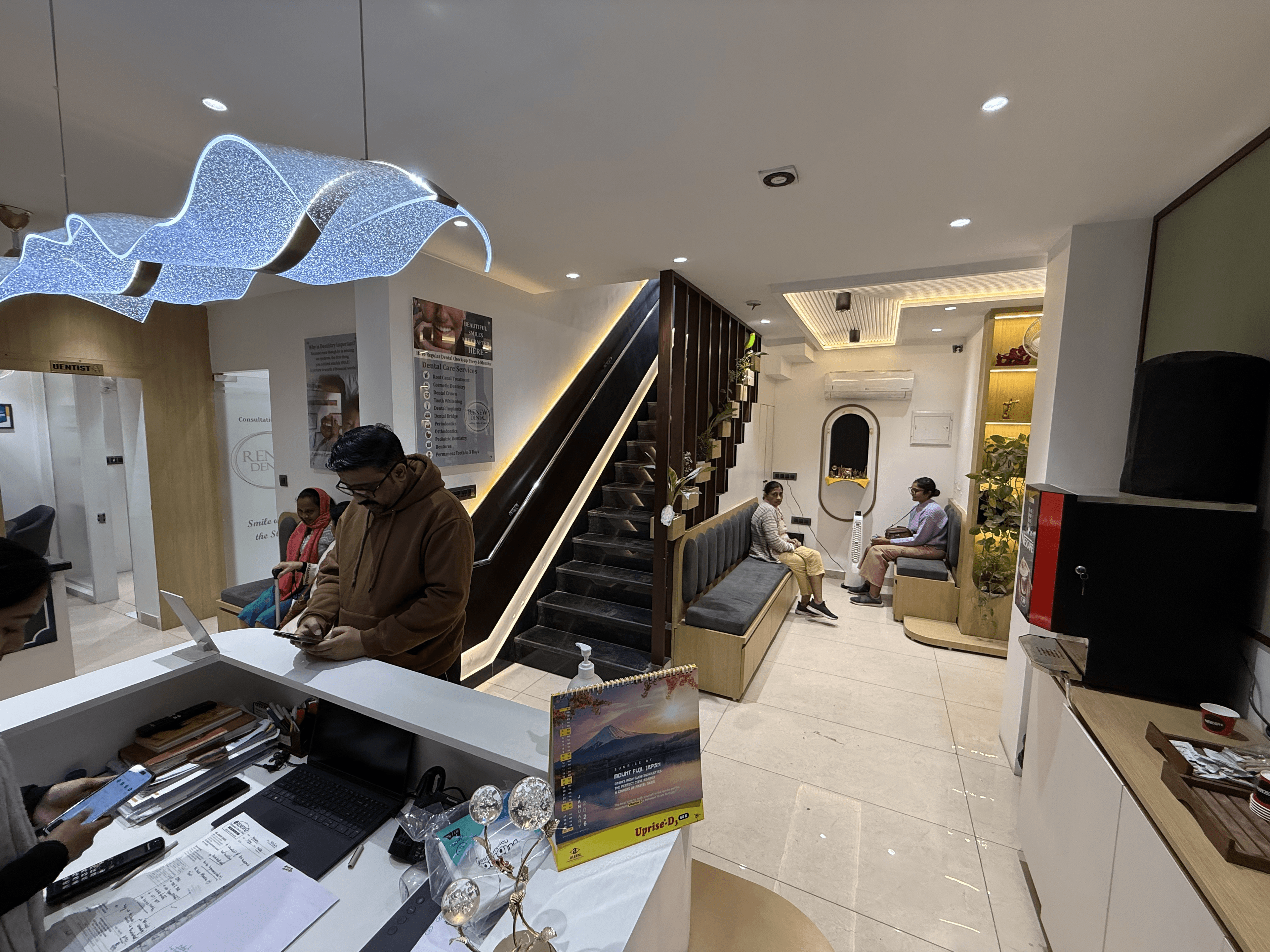
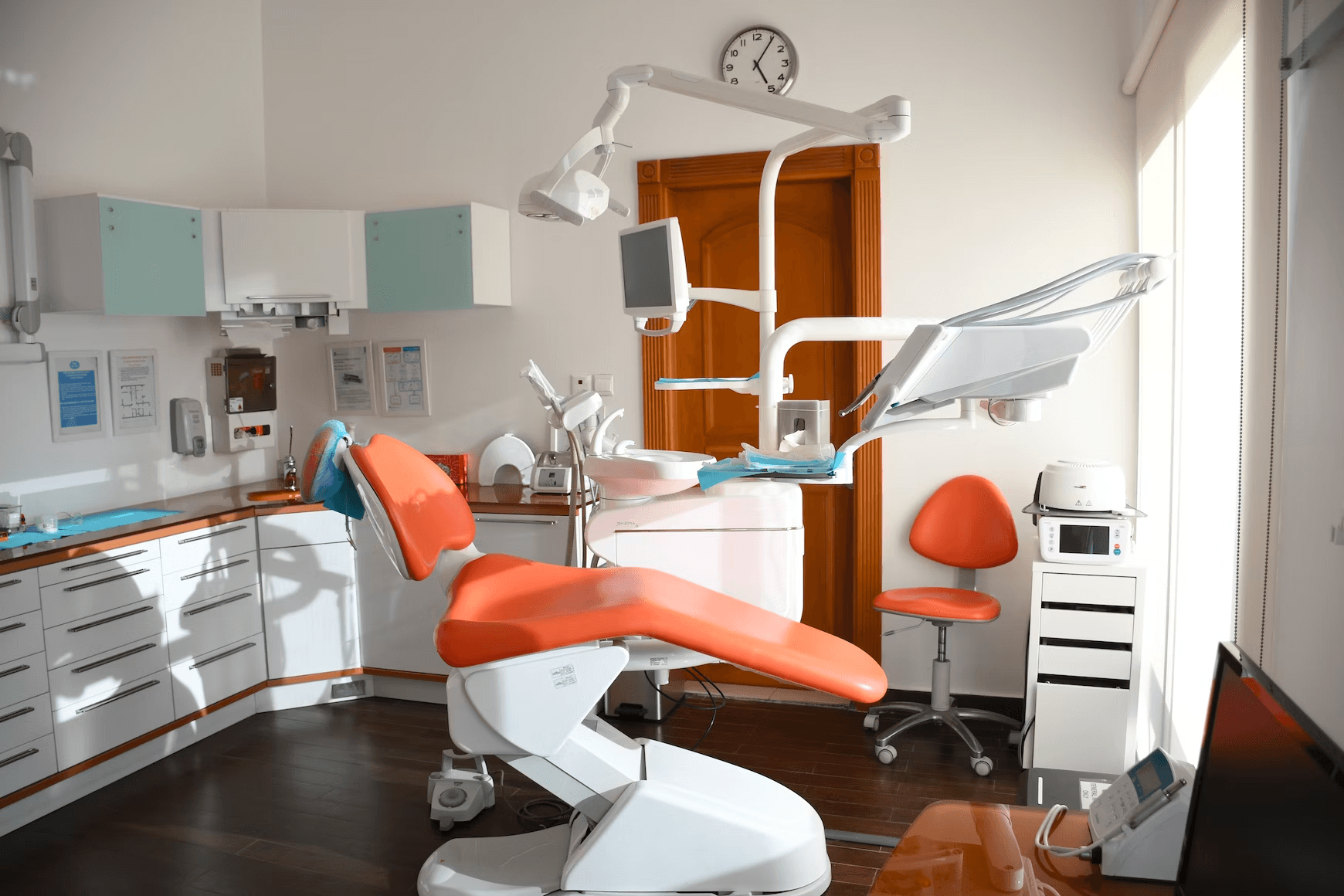
A glimpse into our modern dental clinic, advanced technology, and patient-friendly environment at Renew Dental.
Explore our thoughtfully designed clinic spaces built to provide comfort, cleanliness, and a calming experience for patients of all ages.
Best Dentist in Noida
Renew Dental Clinic located in Noida, Sector 47, is one of the leading dental clinics. Founded by Dr. Suchi Singh who is widely regarded as one of the best dentists in Noida, the clinic is committed to delivering personalised and high-quality dental care. Dr. Suchi Singh focuses on customised treatment plans designed around each patient’s unique needs, ensuring advanced, comfortable and reliable dental care at Renew Dental Clinic.

Your Trusted Dental Experts

Complete Dental Care

Friendly Dental Space

No Hidden Charges
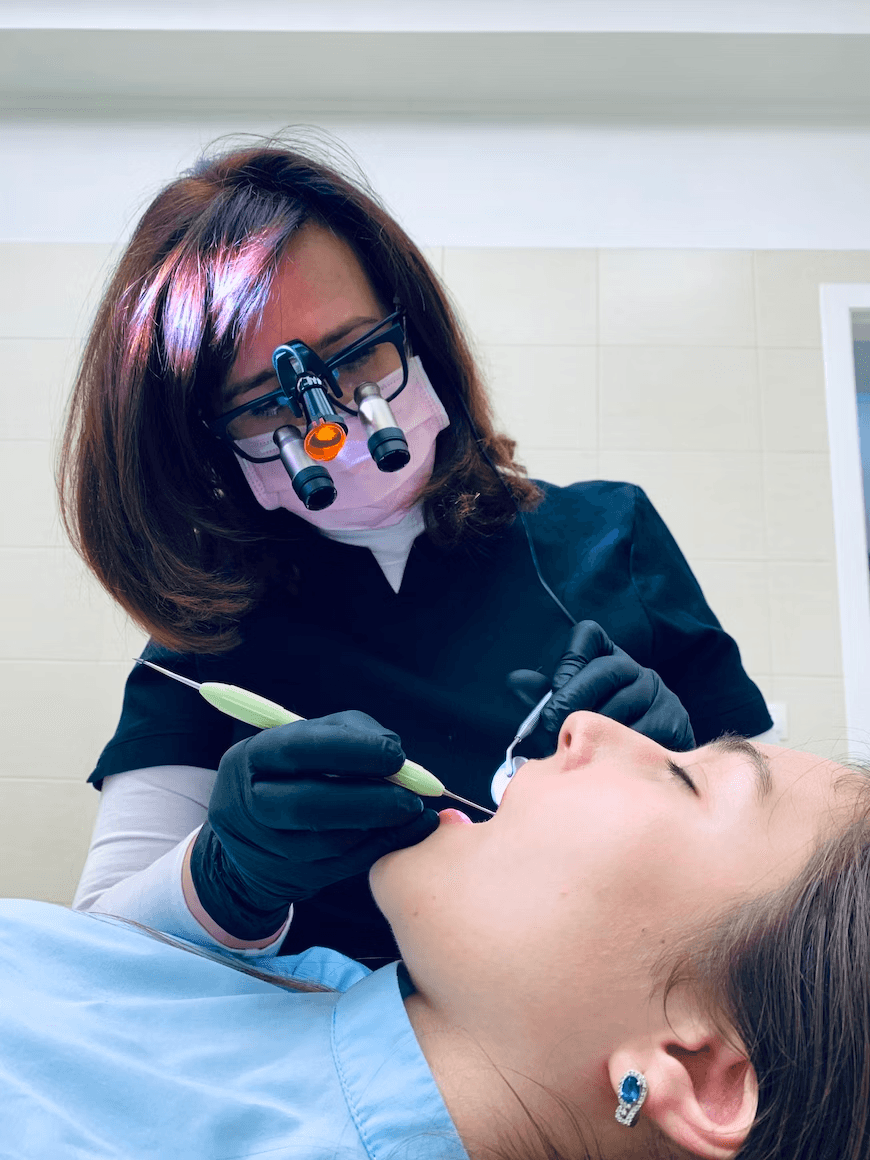

Two trusted dental clinics in Noida — Renew Dental (Sector 47) and Tooth & Truth (Sector 34) — for gentle, modern care.

Renew Orthopedic Clinic, A-321, Basement Floor, Next to Mother Dairy Store, Sector 47, Noida, Uttar Pradesh 201303
 +91 99710 35300
A-98/A, Block A, Sector 34, Noida, Uttar Pradesh 201307
+91 99710 45002© 2026. All rights reserved | Designed and Developed by Zarle Infotech