By Renew Dental ClinicPublished on
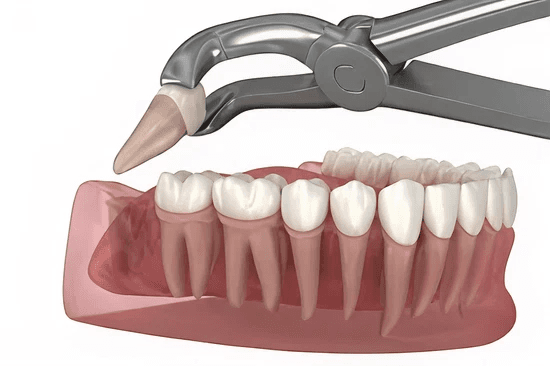
Wisdom Tooth Surgery
An impacted wisdom tooth is one that can't erupt normally into the mouth because of a lack of space, an obstacle in its path, or an angle that doesn't line up with the normal eruption direction. It's stuck — partially or fully — in the jawbone or gum tissue.
What surprises many patients is that impacted wisdom teeth often cause no pain at all, particularly when they're deeply buried. The tooth is there, the bone is dealing with it, and nothing is obviously wrong. This is precisely what makes them easy to ignore and — in some cases — genuinely important not to.
The third molars are the last teeth to erupt, typically between the ages of 17 and 25. By the time they attempt to come through, the jaw is essentially fully formed. If the jaw doesn't have adequate space — which is increasingly common in modern populations with refined diets and smaller jaw dimensions — the wisdom tooth has nowhere to go.
The result is impaction. The tooth tilts, rotates, or remains trapped at various depths. The classification of impaction describes the angle and depth:
Mesioangular impaction — the most common type. The tooth tilts toward the front of the mouth, pressing against the second molar's root.
Distoangular impaction — the tooth tilts backward, away from the second molar. Less common, sometimes more straightforward to remove.
Horizontal impaction — the tooth lies completely sideways, pointing toward the second molar root. The most complex type for surgery.
Vertical impaction — the tooth is upright but hasn't erupted fully. Sometimes the least complicated for removal if space allows.
Depth classifications describe whether the tooth is partially under gum only (soft tissue impaction), partly under bone (partial bony), or completely covered in bone (full bony). Each level increases the surgical complexity.
Not every impacted wisdom tooth needs removal. The clinical decision depends on what the specific impaction is doing, not just that it's impacted.
Pericoronitis is the most common active problem from a partially erupted wisdom tooth. The tooth has broken through the gum partially, creating a flap of gum tissue (the operculum) over its crown. Food and bacteria accumulate under this flap in a space that's impossible to clean adequately. The result is recurring infection — swelling, pain, difficulty opening the mouth fully, sometimes spread to the throat area on the same side.
Pericoronitis resolves temporarily with antibiotics and professional cleaning under the flap. It comes back. Each episode is treated similarly. The cycle continues until the tooth is removed. Some patients manage recurring pericoronitis for years without realising the only definitive solution is removing the tooth causing it.
Second molar root resorption is a more insidious problem. A mesioangularly impacted wisdom tooth pressing against the second molar's root places chronic pressure on it. Over years, this can cause the second molar's root to dissolve — a process called root resorption. In severe cases, the second molar becomes unrestorable because its root has been damaged by the impacted tooth pressing against it.
This doesn't hurt. It doesn't produce obvious symptoms. It's visible on X-ray, which is why an OPG panoramic X-ray is essential for any patient with impacted wisdom teeth — to check what the impacted tooth is doing to its neighbour.
Cyst formation can occur around the crown of an unerupted wisdom tooth. The follicle (the sac that surrounds the developing tooth) can enlarge into a dentigerous cyst. These cysts expand slowly within the jawbone, destroying bone as they grow. A small cyst around an impacted wisdom tooth found incidentally on an X-ray can be managed conservatively. A large cyst found later requires more extensive surgery.
Decay in the second molar — not from pressure on the root, but from decay on the side of the second molar's crown adjacent to the partially erupted wisdom tooth. The wisdom tooth creates a space that's inaccessible for cleaning or flossing, where food and bacteria accumulate against the second molar. Decay on the second molar that progresses undetected because neither the patient nor the dentist can see it well on clinical examination is a significant and under-recognised risk of adjacent impacted wisdom teeth.
Some impacted wisdom teeth — particularly fully buried, asymptomatic, horizontally impacted lower wisdom teeth — are followed rather than immediately removed. The surgical risk for some of these cases (particularly their proximity to the inferior alveolar nerve) means the risk-benefit calculation favours monitoring over proactive removal in certain patients.
Watchful waiting is not the same as ignoring. It involves regular X-ray monitoring — typically annually — to assess whether the cyst associated with the tooth is growing, whether adjacent teeth are showing root resorption, and whether any symptoms are developing.
Patients who "just leave it and see what happens" without formal monitoring are not in watchful waiting. They're in the category of people who discover a problem later, when it's more complex to address.
Any patient with known or suspected impacted wisdom teeth at Renew Dental Clinic in Sector 47, Noida is assessed with an OPG panoramic X-ray as the baseline. This gives Dr. Suchi Singh a full view of all four wisdom teeth simultaneously — their position, angle, depth, proximity to the inferior alveolar nerve in the lower jaw, any associated cyst, and the condition of the adjacent second molars.
This X-ray is the decision-making tool. Without it, recommendations about whether to remove, monitor, or reassess are based on guesswork. With it, the clinical picture is specific and the recommendation is grounded in the actual anatomy.
After the X-ray assessment, patients leave with a clear answer: this wisdom tooth should be removed because of specific finding X, or this wisdom tooth can be monitored with a follow-up X-ray in 12 months, or this wisdom tooth is unlikely to cause any problems and doesn't require specific action.
Q: My wisdom tooth has been impacted for years and never caused problems — do I still need to see a dentist about it?
A: Yes, at minimum for baseline imaging. A wisdom tooth that's been asymptomatic for years is not definitively harmless — second molar root resorption and cyst expansion both proceed without symptoms. An OPG establishes what's happening and whether monitoring or removal is appropriate.
Q: Will the surgery for an impacted wisdom tooth be more complicated than a regular extraction?
A: Yes, typically. The degree of complexity depends on the impaction type and depth. A soft tissue impaction (partially through the gum but not under bone) is simpler than a full bony impaction. The OPG tells the surgeon what to plan for. Dr. Suchi Singh explains the expected complexity based on your specific imaging before the procedure.
Q: How close is the impacted wisdom tooth to the nerve — should I worry?
A: The inferior alveolar nerve runs through the lower jaw in close proximity to the lower wisdom tooth roots. On the OPG, the relationship between the tooth roots and the nerve canal is visible. In most cases, there's adequate separation. In some, the roots are in very close contact with the canal, which informs how cautiously the surgery needs to be approached. A 3D cone beam CT scan provides more precise information for complex cases where the OPG relationship is ambiguous.
Q: Is it better to remove impacted wisdom teeth when young?
A: Generally, yes. In younger patients (late teens to mid-twenties), the roots are not fully formed and the surrounding bone is less dense, making extraction easier and healing faster. The roots are also more likely to have some flexibility before they're fully calcified. After 35–40, impacted wisdom tooth surgery tends to be somewhat more complex with slower recovery. This doesn't mean older patients shouldn't have them removed when indicated — it's just one of the factors in timing.
For wisdom tooth assessment and OPG review at Renew Dental Clinic, Sector 47, Noida:
📞 +91 99710 35300
A-321, Basement Floor, Next to Mother Dairy Store, Sector 47, Noida, Uttar Pradesh 201303
Monday–Saturday 10:30 AM – 8:00 PM | Sunday 11:00 AM – 2:30 PM
 Copy
CopyComposite bonding is a minimally invasive cosmetic treatment. Learn what it fixes, its real limits, and when Renew Dental Noida recommends another option.
08 Oct 2026
by Renew Dental Clinic
The fear around root canals is almost always worse than the procedure itself. This guide...
04 Oct 2026
by Renew Dental Clinic
The choice between root canal and extraction is one of the most common decisions in...
01 Oct 2026
by Renew Dental Clinic
Choosing between traditional braces and clear aligners in Noida? This practical comparison covers appearance, effectiveness,...
11 Jun 2026
by Renew Dental Clinic
Nervous about your first dental consultation in Noida? This guide explains exactly what happens at...
02 Jun 2026
by Renew Dental Clinic

Sensitive teeth stopping you from enjoying hot chai or cold water? This guide explains which...
06 Jul 2026
by Renew Dental Clinic
Nervous about minor oral surgery in Noida? This guide covers what procedures fall under minor...
24 Jun 2026
by Renew Dental Clinic

Getting your wisdom teeth removed seems to sound scary, but with proper preparation and post-treatment care, it can be a trouble-free and tensionless process.
21 Oct 2025
by Renew Dental Clinic
Most wisdom tooth stitches dissolve on their own — but not all do, and knowing...
27 Sept 2026
by Renew Dental Clinic
Considering clear aligners in Noida? This complete guide covers how invisible braces work, who they're...
25 May 2026
by Renew Dental Clinic
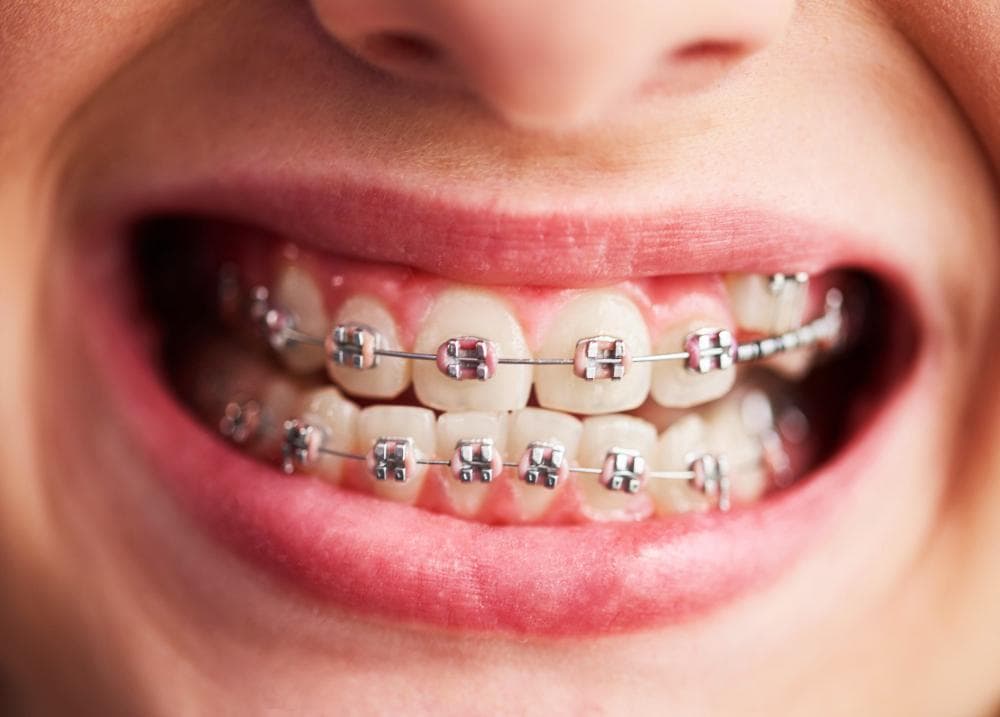
Discover the benefits, types, and treatment process of dental braces on teeth. Learn how braces...
12 May 2026
by Renew Dental Clinic
Braces make cleaning between teeth harder — and more important. This guide covers every method...
26 Aug 2026
by Renew Dental Clinic
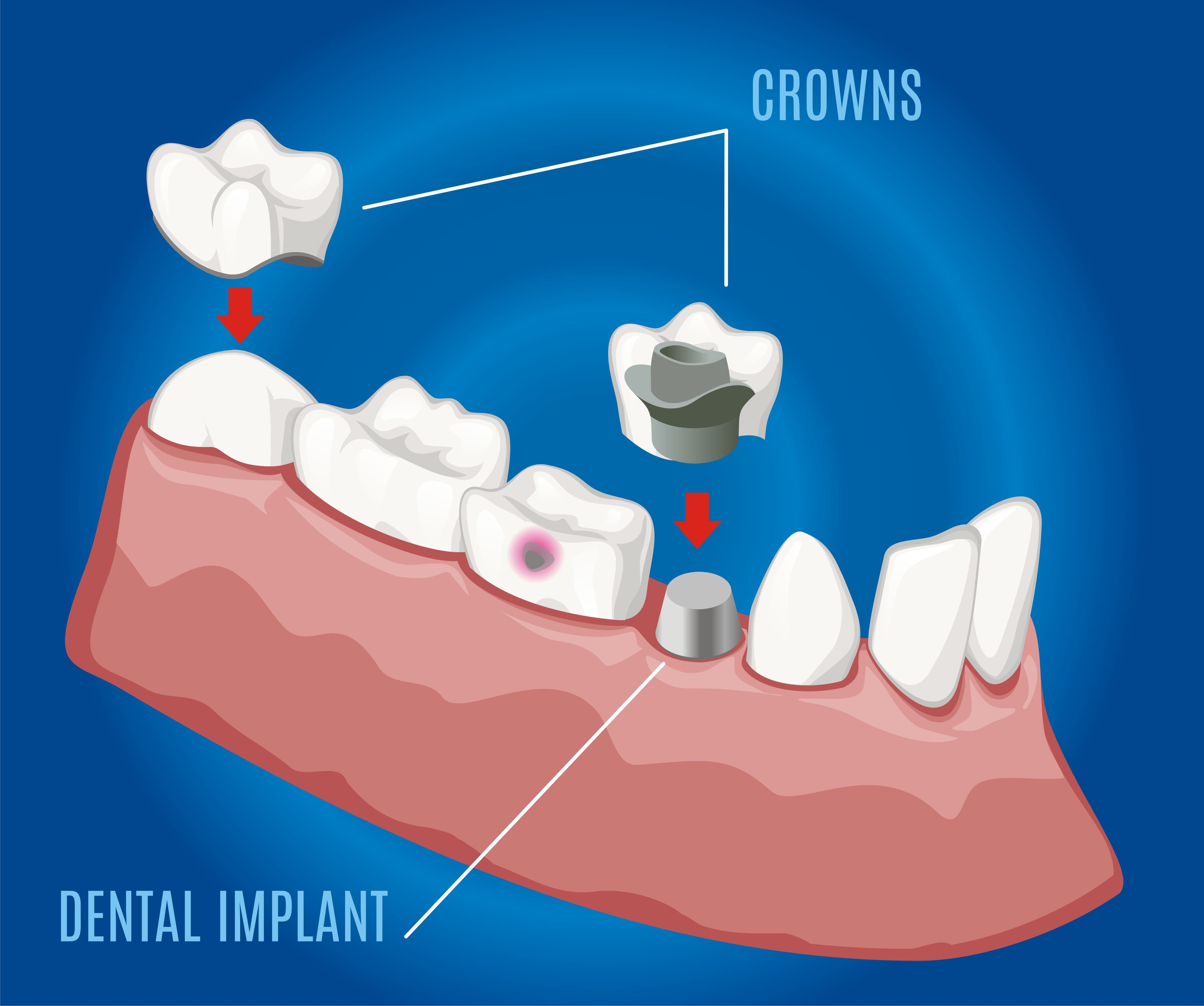
Been told you need a bone graft before an implant? This guide explains what dental...
26 Jun 2026
by Renew Dental Clinic
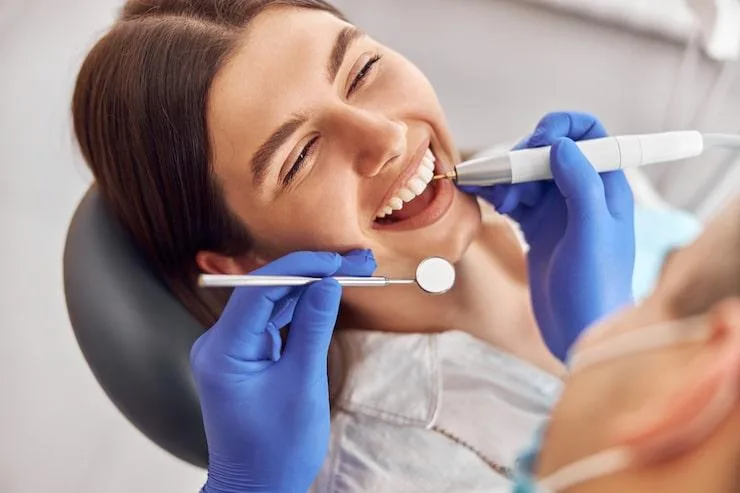
Thinking about dental implants in Noida? This complete guide covers how implants work, who qualifies,...
14 May 2026
by Renew Dental Clinic

Dilemma between dental implants and bridges? Weigh the cost, longevity, procedure, and advantages to determine which tooth replacement method is superior.
03 Oct 2025
by Renew Dental Clinic
Explore More
Discover how thousands of patients trust Renew Dental Clinic with their smiles.
Had a great experience with Dr. Suchi singh.. Best doctor in Noida...
Best clinic for dental treatment 😊
Excellent.....
Excellent explanation, punctual, welcoming staff, High hygiene standards, great team..
Best dental clinic in Noida
Dr. Suchi, Dr Ganguly and Dr srishti, at Renew Dental Clinic did an excellent job with my full-mouth rehabilitation. The shift from old bridges to premium Zirconia crowns, along with laser gum treatment, was handled with great care and professionalism.
Great Work With Best Treatment
Excellent and satisfactory services at this clinic.
Excellent experience. Having tried multiple dentists earlier, finally found the one that is excellent at what they do. I live in Delhi, but it was worth traveling to Noida all the way for my treatment. The coordinators were on point, maintained clean hygiene, Dr Pooja in specific was very accommodating and made sure I was comfortable.
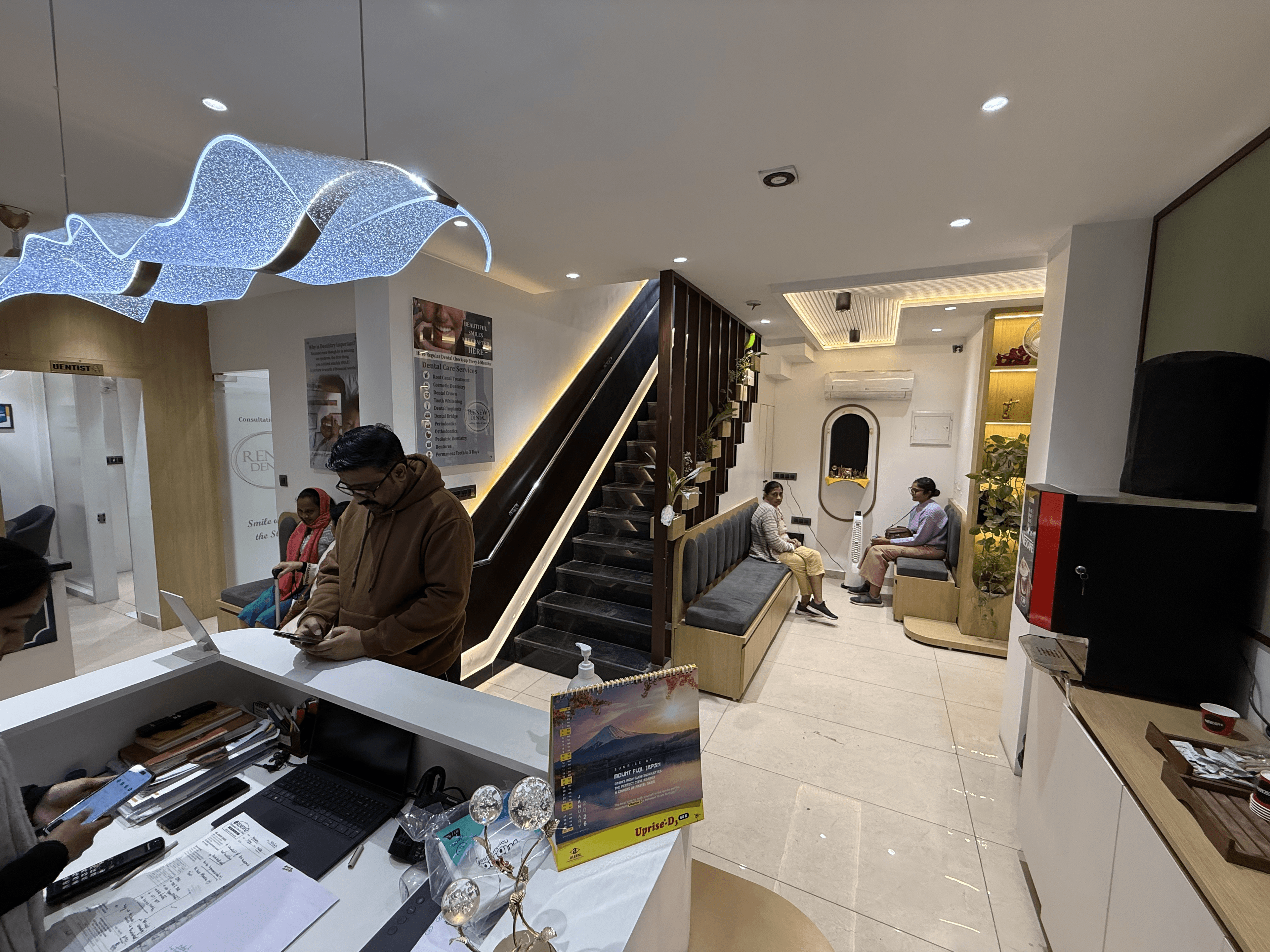
A glimpse into our modern dental clinic, advanced technology, and patient-friendly environment at Renew Dental.
Explore our thoughtfully designed clinic spaces built to provide comfort, cleanliness, and a calming experience for patients of all ages.
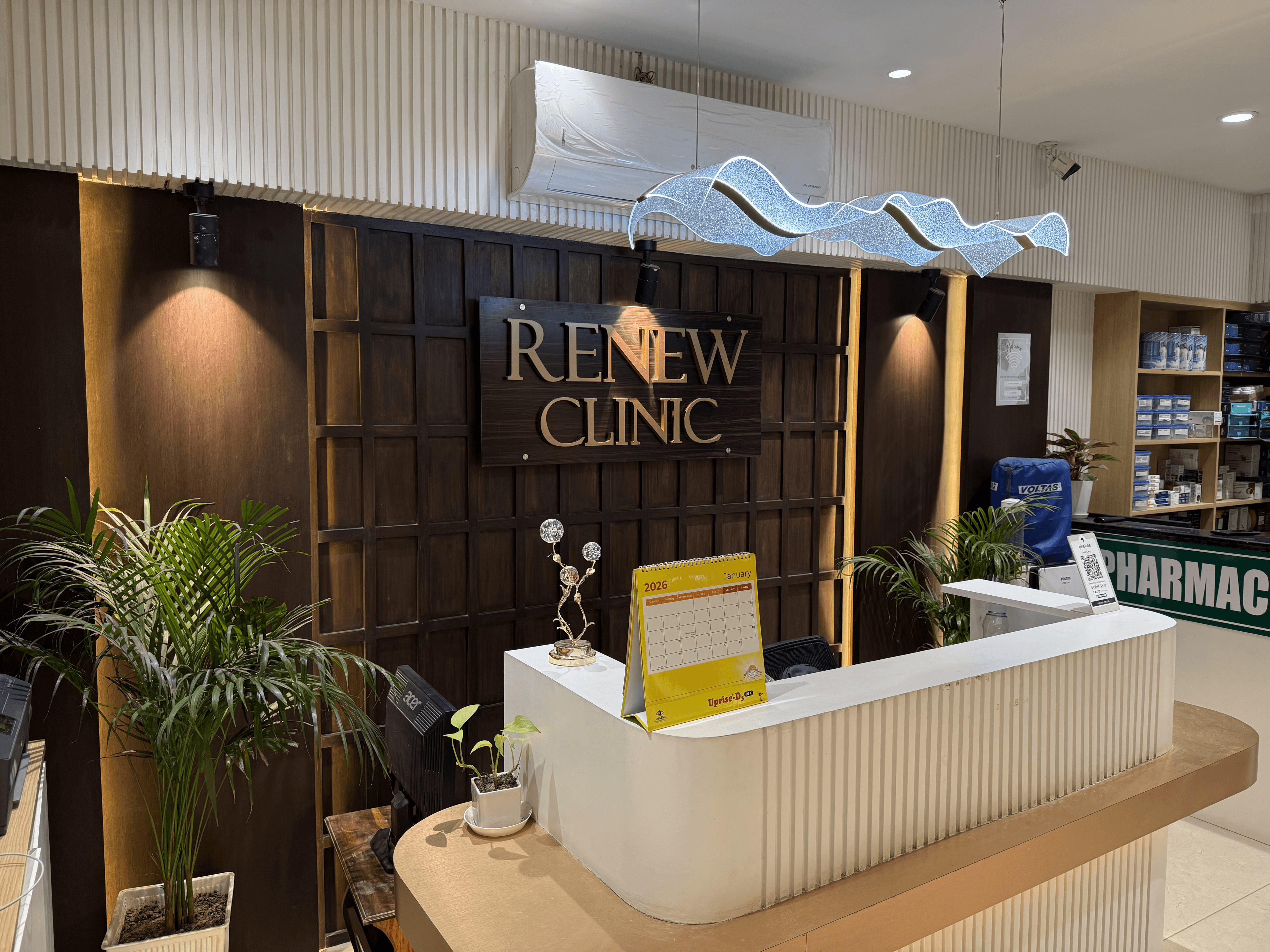
Best Dentist in Noida
Renew Dental Clinic located in Noida, Sector 47, is one of the leading dental clinics. Founded by Dr. Suchi Singh who is widely regarded as one of the best dentists in Noida, the clinic is committed to delivering personalised and high-quality dental care. Dr. Suchi Singh focuses on customised treatment plans designed around each patient’s unique needs, ensuring advanced, comfortable and reliable dental care at Renew Dental Clinic.

Your Trusted Dental Experts

Complete Dental Care

Friendly Dental Space

No Hidden Charges
Two trusted dental clinics in Noida — Renew Dental (Sector 47) and Tooth & Truth (Sector 34) — for gentle, modern care.

Renew Orthopedic Clinic, A-321, Basement Floor, Next to Mother Dairy Store, Sector 47, Noida, Uttar Pradesh 201303
 +91 99710 35300
A-98/A, Block A, Sector 34, Noida, Uttar Pradesh 201307
+91 99710 45002© 2026. All rights reserved | Designed and Developed by Zarle Infotech