By Renew Dental ClinicPublished on
Wisdom Tooth Surgery
The list of foods to avoid after wisdom tooth removal is easy: nothing hard, crunchy, sticky, or spicy. The list of what you can actually eat is where most patients in India get stuck. The standard post-surgical advice from western dental content tends to suggest yoghurt, mashed potatoes, and smoothies — which is fine if your kitchen reliably contains those things.
This guide is built around an Indian diet. The foods available in most Noida households, the typical meal structures, and the specific Indian dietary habits that need to be thought about after oral surgery.
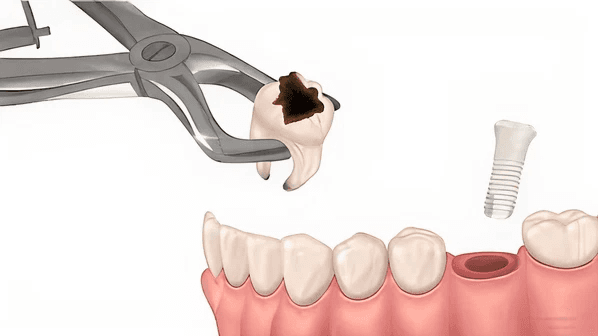
After wisdom tooth removal, a blood clot forms in the empty socket. This clot is the foundation of healing — it covers the exposed bone and nerve endings, provides the scaffold for new tissue to grow into, and prevents the dry socket complication that is significantly more painful than the surgery itself.
Hard or crunchy foods that require significant chewing pressure near the surgical site. The mechanical forces can physically dislodge the clot.
Foods with small, sharp particles — seeds, husks, crunchy bits — that can lodge in the socket and create infection risk.
Very hot food and drinks, which dilate blood vessels and can restart bleeding, and which also soften the clot through direct heat.
The soft diet isn't just about managing discomfort. It's genuinely protective of a structure that, if it fails, means at least another week of considerably worse pain and multiple additional clinic visits.
Don't eat anything while the anaesthetic is working. The numbness typically lasts 2–4 hours after leaving the clinic. Eating while numb means you can bite your cheek, tongue, or lip without feeling it, and wake up to a painful mucosa injury on top of the surgery.
Once the anaesthetic wears off, start with something cold and extremely gentle. Cold is actually helpful in the first few hours — it helps with local swelling.
Suitable: cold curd (straight from the fridge), cold lassi (no straw — drink directly from the glass), cold plain milk.
Keep it simple, keep it cold or room temperature, and don't put anything near the operated side. The surgical site is doing its most critical work in these first few hours.
This is the highest-risk period for dry socket. Diet discipline matters most now.
The operated side should be entirely avoided for eating. All food goes on the other side, chewed gently.
Curd rice (thayir sadam) — one of the best foods for post-surgical dental recovery. Soft, cool or room temperature, requires minimal chewing, provides carbohydrate and protein, and the slight acidity of the curd is mild enough not to irritate the wound. Eaten lukewarm rather than hot.
Khichdi — well-cooked, soft dal-rice combination. The standard Indian recovery food for many illnesses. After wisdom tooth surgery, make it softer than usual and ensure there are no hard or whole spices (remove whole jeera, cloves, cardamom before eating).
Soft moong dal soup — strained so there are no whole lentils, just the liquid with some dissolved dal. Easy to drink slowly without approaching the surgical site.
Idli — soft, moist, requires very little chewing. Eat with smooth coconut chutney (no coarse coconut pieces) or soft sambar strained of vegetables. One of the most dental-surgery-friendly foods in the Indian repertoire.
Mashed banana — soft, requires no chewing, provides potassium and easy calories.
Curd — plain, smooth. Can be eaten multiple times a day. Cooling, gentle, nutritious.
Porridge / daliya — cooked until very soft. Smooth consistency. Mildly flavoured.
Boiled egg (scrambled very soft) — protein source that doesn't require chewing. No added spice.
Hot food or drinks — anything that feels noticeably warm when you drink or eat it. Lukewarm is the maximum. No hot chai, no hot dal, no hot sabzi.
Anything crunchy or hard — namkeen, biscuits, toast, roti or chapati (even soft ones can be tougher than they look near the edges), rice crackers.
Sticky or chewy foods — sticky sweets, very sticky rice varieties, anything gummy.
Straws — the suction of a straw is one of the most reliable ways to dislodge the blood clot. Drink directly from the glass, sipping gently.
Spicy food — chilli and spice irritate the healing wound. Keep everything bland for at least the first three days.
Tobacco in any form — gutka, paan masala, cigarettes. All dramatically increase dry socket risk and impair healing.
If recovery is progressing normally — pain is decreasing, no fever, no worsening — diet can begin expanding gently.
The test for a new food is simple: can you eat it entirely on the unoperated side without chewing near the surgical area? If yes, it's probably fine. If it requires significant jaw force or tends to move around unpredictably in the mouth, wait another day or two.
Soft sabzi — well-cooked vegetable dishes where the vegetables are completely soft and easy to break with minimal pressure. No hard vegetables. No whole spices.
Soft roti or chapati — soaked in dal or sabzi so it's completely softened rather than the normally somewhat tough texture of a fresh roti. Small pieces.
Well-cooked rice — standard cooked rice in daal is softer and safer than biryani or fried rice. Biryani at this stage is problematic because of the hard fried onions, dried fruits, and harder rice grains.
Soft paneer — cut into small pieces. Avoid the firmer varieties. Regular paneer in a soft sabzi or dal works well.
Soft upma — cooked until well softened, without crunchy additions.
Banana, papaya, or other very soft fruits — avoid seeded fruits where seeds could lodge in the socket.
By around day 7–10 for most straightforward wisdom tooth removals, the socket has consolidated enough that diet can approach normal, with some continued caution about the surgical area.
The main continued restriction: no very hard foods (hard nuts, very hard raw vegetables, hard-shelled items) directly on the surgical side. By two weeks, most patients can eat normally on both sides for uncomplicated cases.
For complex impacted lower wisdom tooth surgery, the soft diet period is often 10–14 days rather than 7, because the wound is larger and the healing timeline is longer.
Adequate hydration is important for healing. In Noida's heat — and with the general reduced fluid intake that tends to happen when eating is uncomfortable — dehydration can significantly slow recovery.
Plain water is the best hydration choice. Room temperature or cool (not cold and not hot). Sip consistently throughout the day.
Coconut water — mild, hydrating, easily tolerated, and gentle on the surgical site. Good option for the first few days.
Chai — avoid for the first 48 hours (heat, caffeine). After 48 hours, lukewarm chai without a straw is acceptable. No very hot chai for the first week.
Alcohol — avoid entirely for the first week. Alcohol is vasodilatory (can restart bleeding), dehydrating, and interacts with pain medication.
The surgery is over in under an hour. The healing takes weeks. During those weeks, the body is actively regenerating tissue, and the raw materials for that process come from what you eat.
Adequate protein intake supports tissue repair — this is why curd, dal, eggs, soft paneer, and soft fish are particularly good post-surgical foods rather than just carbohydrates.
Vitamin C supports collagen synthesis and gum tissue healing — fresh juice (room temperature, no straw) from day 3 provides this. Guava, amla products (in non-hard forms), and orange juice from day 3 onward.
Iron and B12 — particularly relevant for patients who were already borderline on these, as healing creates additional demand. Normal dal-based diet provides reasonable iron; vegetarians who don't eat eggs should ensure dal and green vegetable intake is consistent.
Q: Can I have chai the day after surgery?
A: Lukewarm chai (not hot) from day 2 is generally fine. No straw. The temperature is the important variable — avoid anything hot enough to feel distinctly warm in the mouth.
Q: What about cold drinks like nimbu paani or cola?
A: Nimbu paani (lemon water) is acidic and should wait until about day 5, as citric acid can irritate the wound. Cola contains carbonic acid and also shouldn't be consumed through a straw; after day 3–4, drinking directly from a glass in modest amounts is unlikely to cause significant problems.
Q: My family wants to give me biryani — when is that appropriate?
A: Most biryani has hard fried onions, harder rice, and dried fruits that are problematic in the first week. The softer version of biryani — well-cooked rice without crispy additions — from around day 7–10 is a reasonable middle ground.
Q: I'm not eating much because of the discomfort — is that okay?
A: For a day or two, reduced intake is normal. Adequate hydration is the priority. If eating remains significantly impaired beyond 3–4 days, or weight loss is a concern, contact the clinic to discuss whether anything needs assessment.
For recovery guidance after wisdom tooth surgery at Renew Dental Clinic, Sector 47, Noida:
📞 +91 99710 35300
A-321, Basement Floor, Next to Mother Dairy Store, Sector 47, Noida, Uttar Pradesh 201303
Monday–Saturday 10:30 AM – 8:00 PM | Sunday 11:00 AM – 2:30 PM
 Copy
Copy
The fear around root canals is almost always worse than the procedure itself. This guide...
04 Oct 2026
by Renew Dental Clinic
Dry socket is the most painful post-extraction complication and it doesn't get better on its...
28 Sept 2026
by Renew Dental Clinic
Most wisdom tooth stitches dissolve on their own — but not all do, and knowing...
27 Sept 2026
by Renew Dental Clinic
Need a tooth filling in Noida? This complete guide covers every type of dental filling...
08 Jun 2026
by Renew Dental Clinic

Healthy teeth during childhood are the key to a lifetime of healthy smiles. Similar to...
01 Sept 2025
by Renew Dental Clinic

Jaw pain, clicking or trouble opening your mouth? Learn what causes TMJ problems in Noida, how Renew Dental diagnoses them and what treatment can achieve.
07 Oct 2026
by Renew Dental Clinic
Had a tooth removed in Noida? This practical day-by-day guide covers exactly what to eat...
17 Jun 2026
by Renew Dental Clinic
Booked for wisdom tooth surgery in Noida and not sure what to expect? This guide...
15 Sept 2026
by Renew Dental Clinic
Nervous about minor oral surgery in Noida? This guide covers what procedures fall under minor...
24 Jun 2026
by Renew Dental Clinic

Bad breath, also known as halitosis, is a very common condition that affects people of...
06 Nov 2025
by Renew Dental Clinic
Laser gum treatment is becoming more common at dental clinics in Noida. This guide explains...
17 Sept 2026
by Renew Dental Clinic
Gums bleeding when you brush? This guide covers why it happens, what you can do...
08 Jul 2026
by Renew Dental Clinic

Want a long-lasting white smile? Discover five simple steps to keep white teeth after tooth whitening, from diet adjustment to oral health and dentist-approved tips.
03 Oct 2025
by Renew Dental Clinic
Looking for professional teeth whitening in Noida? This guide covers what's available at Renew Dental...
29 Jun 2026
by Renew Dental Clinic
Noticing your teeth turning yellow despite brushing regularly? This guide explains every cause of tooth...
12 Jun 2026
by Renew Dental Clinic
Explore More
Discover how thousands of patients trust Renew Dental Clinic with their smiles.
Excellent service, very clean facility, and highly professional staff. Dr. Ganguly was extremely patient and attentive throughout the entire procedure. He clearly explained the process, its impact, and addressed all my concerns. Highly recommended — a truly satisfactory experience.
I had a very positive experience at this dental clinic. The support staff were extremely helpful, polite, and well-organized, making the entire process smooth from appointment booking to follow-up. The doctors were not only highly professional but also very kind and patient in explaining the treatment procedures, which made me feel comfortable and well-informed.
My experience here is very good..I recommend PPL to visit this clinic for their dental problems
I had a great experience at this dental clinic with Dr Suchi and Dr Pooja right from appointment till all my dental issues were resolved.. Got my root canal done very comfortably. Very polite compassionate drs and staff. I have and will recommend them to my friends and family. God bless you.
I had a very pleasant experience in root canal procedure with Renew Dental Clinic. Appointments, sessions and treatment were very smooth. Moreover Dr Suchi and her staff is very professional and cordial.
Best dental clinic in Noida
Exellant work doneby Dr suchi in a phase manner. Strongly Recommend others to consult for the genuine and reasonable treatment
Excellent work and so gentle on my mouth. My dentist talking me though the entire process so that I could understand what was going on and my options. Very knowledgeable and considerate. Thank you so much doctor. Dr. Suchi singh.
The hygienist cleaned my teeth so gently, it was the most comfortable cleaning ever. No pain, just great results. Scaling / teeth cleaning Cleaning/Scaling, Painless, Clean/Hygienic
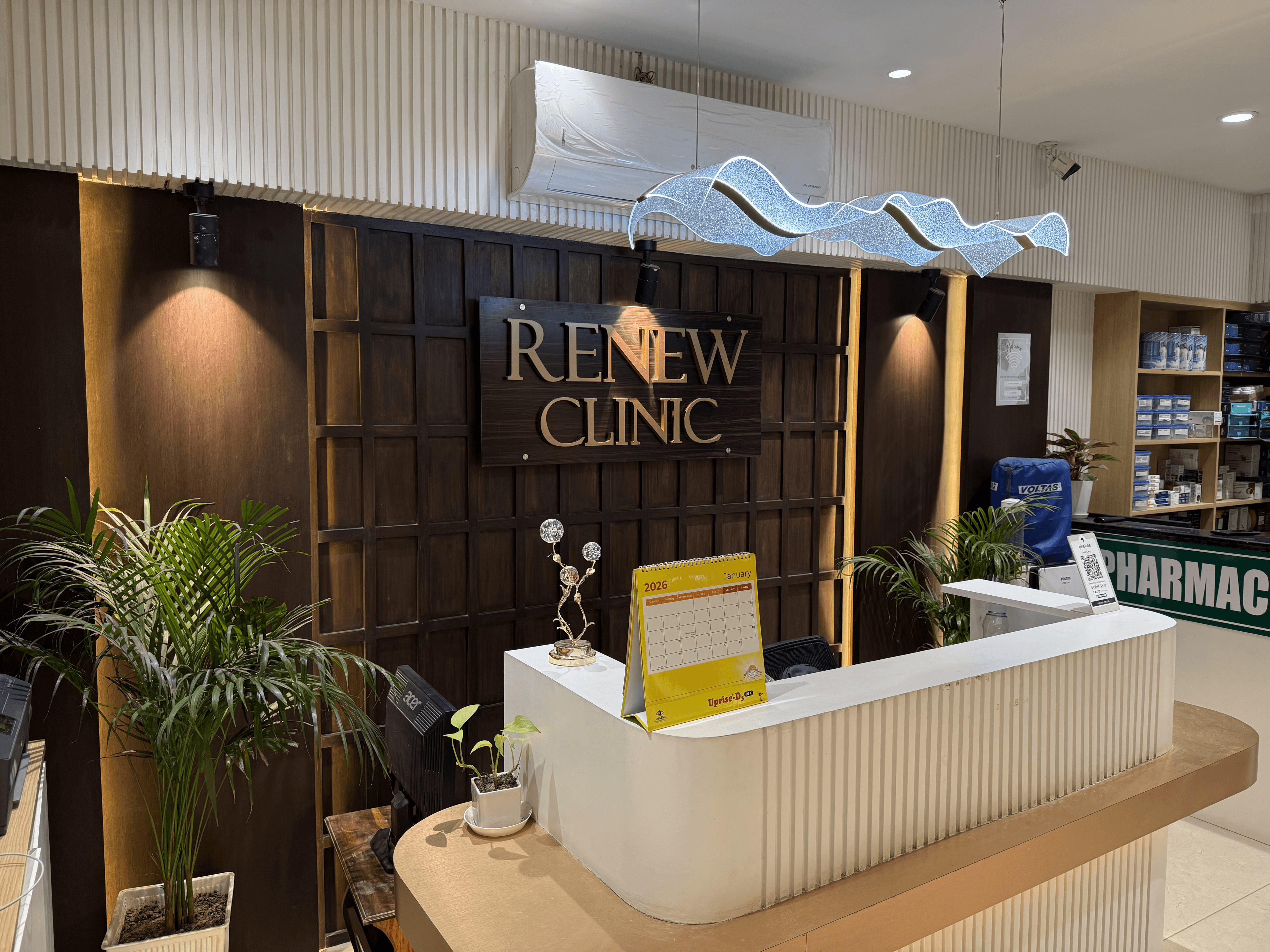
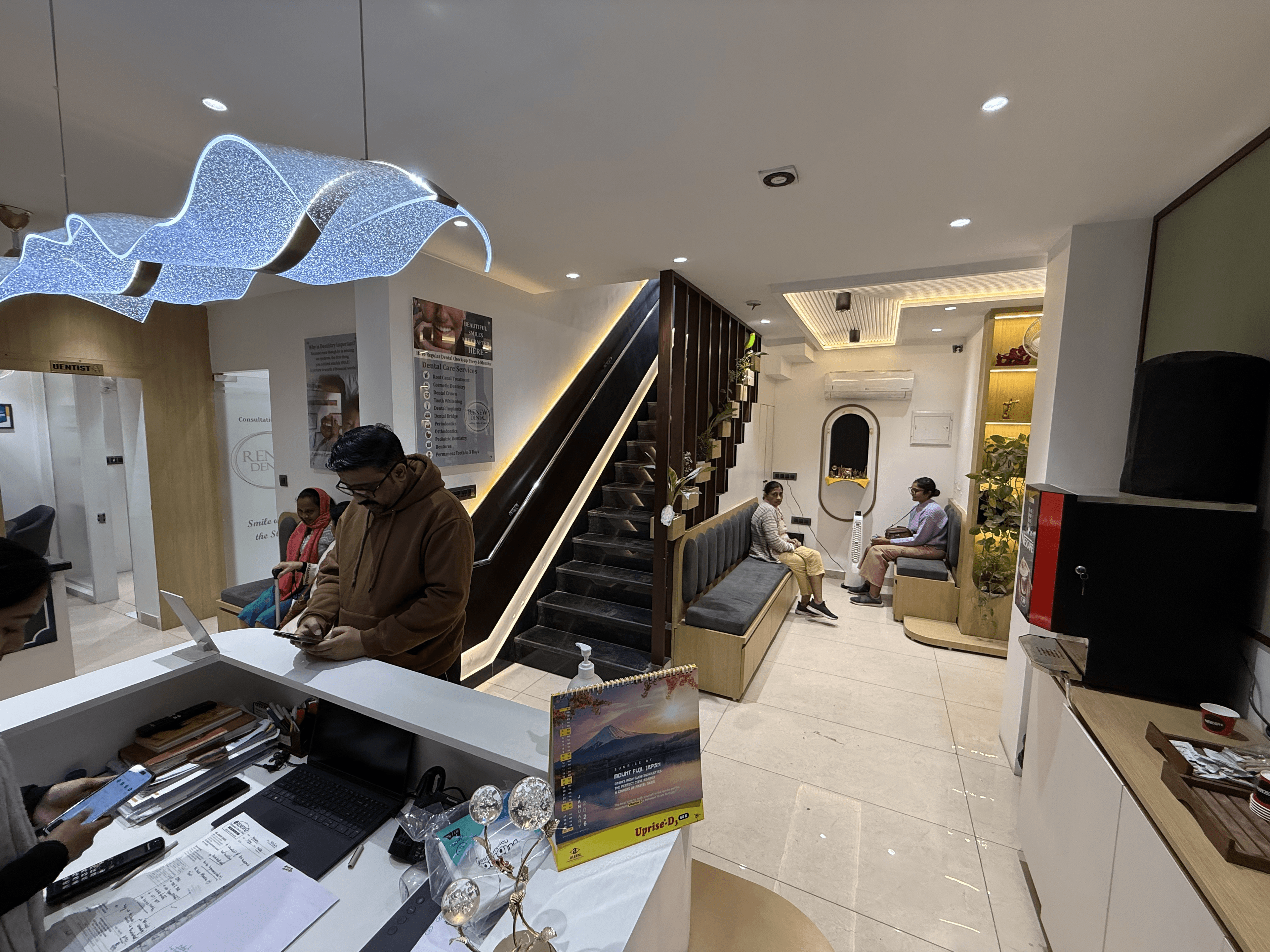
A glimpse into our modern dental clinic, advanced technology, and patient-friendly environment at Renew Dental.
Explore our thoughtfully designed clinic spaces built to provide comfort, cleanliness, and a calming experience for patients of all ages.
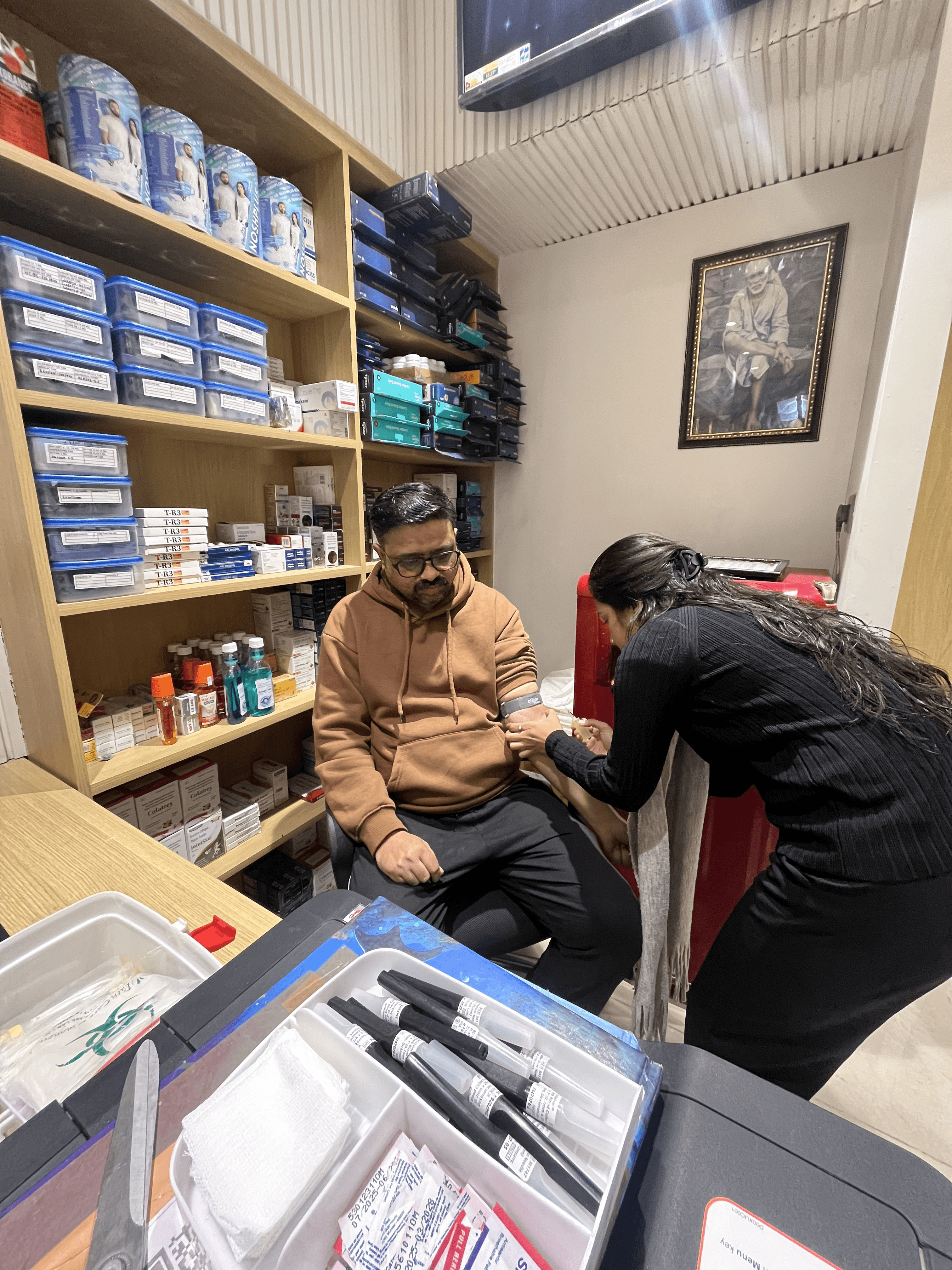
Best Dentist in Noida
Renew Dental Clinic located in Noida, Sector 47, is one of the leading dental clinics. Founded by Dr. Suchi Singh who is widely regarded as one of the best dentists in Noida, the clinic is committed to delivering personalised and high-quality dental care. Dr. Suchi Singh focuses on customised treatment plans designed around each patient’s unique needs, ensuring advanced, comfortable and reliable dental care at Renew Dental Clinic.

Your Trusted Dental Experts

Complete Dental Care

Friendly Dental Space

No Hidden Charges

Two trusted dental clinics in Noida — Renew Dental (Sector 47) and Tooth & Truth (Sector 34) — for gentle, modern care.

Renew Orthopedic Clinic, A-321, Basement Floor, Next to Mother Dairy Store, Sector 47, Noida, Uttar Pradesh 201303
 +91 99710 35300
A-98/A, Block A, Sector 34, Noida, Uttar Pradesh 201307
+91 99710 45002© 2026. All rights reserved | Designed and Developed by Zarle Infotech