The Benefits of Dental Sealants for Kids and Adults

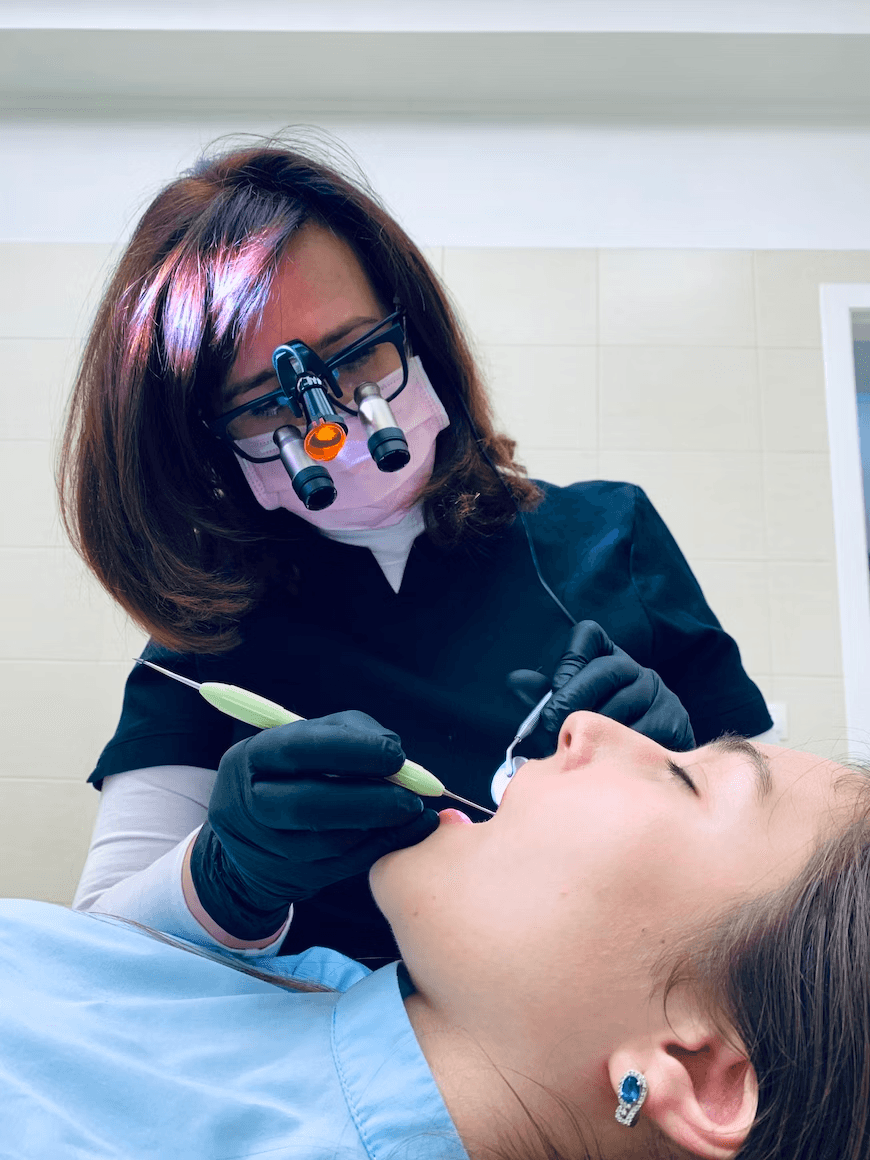
Dental sealants act as a protective shield on the chewing surfaces of teeth.
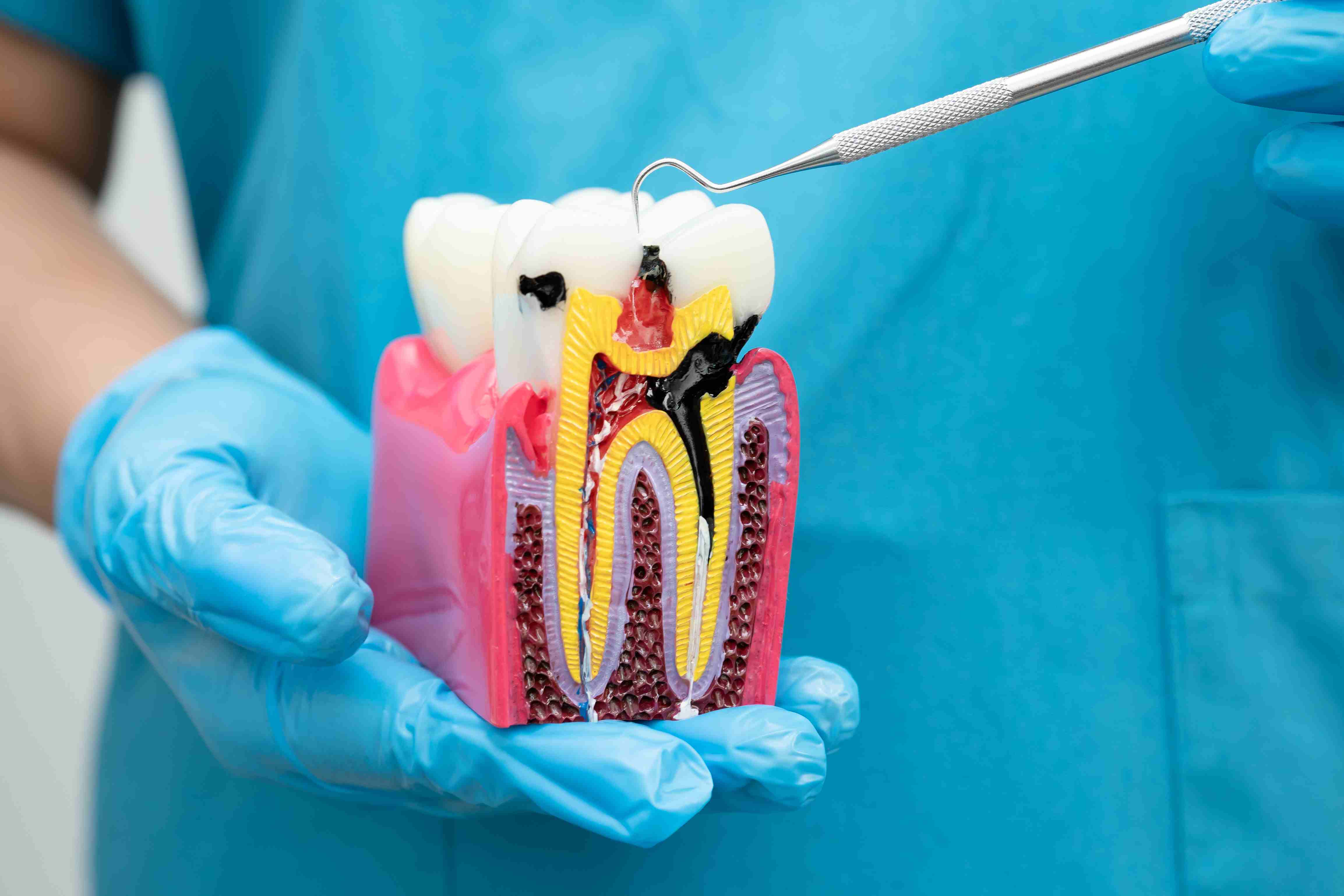
Dental sealants are a preventive oral method in modern dentistry with the function of safeguarding teeth against cavities. These are thin protective layers applied to the chewing surfaces of the back teeth, including premolars and molars, where decay is most likely to occur. For use as a barrier against food particles and bacteria, sealants are priceless to oral health. This handbook explores the application of dental sealants for children and adults and discusses their benefits, application, and maintenance.
What Are Dental Sealants?
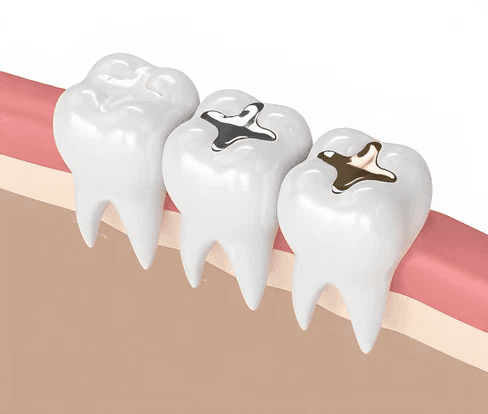
Sealants are plastic coatings placed on the chewing surfaces of the back teeth. Sealants exist mainly as a barrier for food particles and bacteria to accumulate in the deep crevices and pits of these teeth, which can decay.
Materials Used
Sealants generally employ two substances:
- Resin-based sealants: These are most commonly used and are very effective. They are a plastic that sticks well to the tooth surface.
- Glass ionomer sealants: They release fluoride, which helps prevent cavities. These are generally applied to primary teeth.
Why Are Dental Sealants Important?
Prevention of Cavities
Sealants are very effective in preventing cavities. They can reduce the likelihood of decay by as much as 80% on back teeth, where 9 out of 10 cavities occur.
Hard-to-Clean Areas
The grooves and deep crevices on molar and premolar biting surfaces are difficult to brush off. Sealants fill these areas, making it simple to have clean and plaque-free teeth.
Enamel Health
By preventing the food particles and bacteria from piling up, sealants maintain tooth enamel in a healthy condition, and thus, the risk of decay and repair work is minimized.
Benefits of Dental Sealants in Children

Kids benefit from sealants because their newly erupted teeth are more vulnerable.
Early Protection
Sealants are also recommended for recently erupted permanent teeth, typically at age 6, to achieve early cavity protection. Early use of sealants can prevent the threat of tooth decay among children and teenagers to a large degree.
Easy Process and Pain-Free Treatment
Sealant application of dental sealants is a pain-free, brief treatment that is minimally invasive. It is done without the use of drilling or anesthesia, hence a great prevention among children.
Long-Term Oral Health
Cavity prevention, dental sealants enable children to have sound teeth in their later years, thereby reducing the rate of costly dental procedures in the future.
Benefits of Dental Sealants among Adults
Prevention of Cavity Tooth in Hard-to-Reach Teeth
Sealants are also good for healthy adults, especially those who have deep grooves or crevices on their premolars and molars. Sealants provide a second layer of defense against cavities in these teeth.
Building on Past Dental Treatment
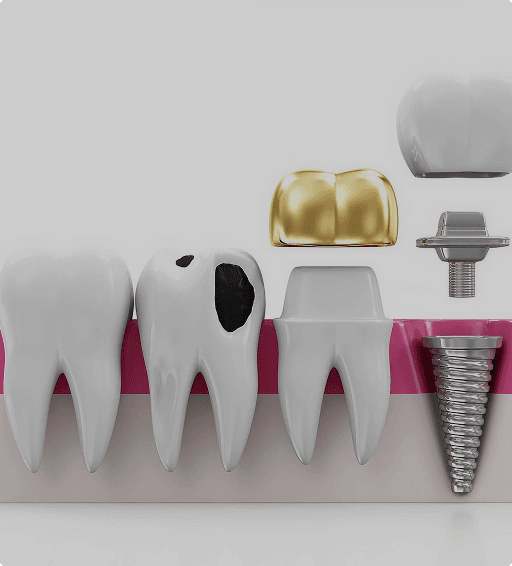
Sealants can also cover existing restorations in teeth, such as fillings and crowns, by preventing future decay around the areas.
Enhancing Overall Oral Health
By making it simpler to clean chewing surfaces on teeth, sealants help support good general oral health, reducing the chance of gum disease and other oral problems.
Who Should Get Dental Sealants?

Sealants work alongside fluoride treatments to maximize protection.
Children and Teenagers
Children and teenagers are the most common candidates for dental sealants, particularly those with recently erupted permanent teeth and who are at the highest risk of cavities.
Adults with No Cavities
Adult patients with deep grooves in their back teeth and no cavity history are good candidates for sealants as well.
People With Limited Brushing Ability
People who are unable to do an adequate job of brushing their teeth due to a physical or mental disability can use sealants to prevent cavities.
How Long Do Dental Sealants Last?
Average Duration
Dental sealants will last for several years, generally between 5 and 10 years, depending on oral behavior and wear and tear on teeth.
Maintenance and Reapplication
Routine dental visits are necessary in order to assess the status of sealants. When a sealant is chipped or worn away, it will be simple to reapply it at a routine checkup.
Additional Tips for Getting the Most Out of Sealants
Sealants Plus Fluoride Treatment
In addition to sealants, fluoride toothpaste and mouthwashes may add a little extra cavity protection.
The Right Brushing and Flossing Routine
While chewing surfaces are protected by sealants, good oral hygiene still requires proper brushing and flossing.
Healthy Diet Tips
Cutting down on sugary drinks and snacks can decrease the risk of tooth decay and make sealants more effective.
Conclusion
Dental sealants are an easy, effective, and affordable way to prevent cavities and maintain oral health. Sealants are an added protection for children, adults, or seniors against decay, especially in areas where it can be hard to brush. A trip to the dentist will determine if you or your child can have dental sealants done. Putting sealants in a complete oral care routine will result in a lifetime of healthy smiles.
Frequently Asked Questions
What are dental sealants, and how do they work?
Dental sealants are thin layers of plastic placed over the back teeth's chewing surfaces to prevent cavities by sealing grooves and pits where food and bacteria collect and cause tooth decay.
Are dental sealants safe for children and adults?
Yes, dental sealants are painless, safe, and efficient to prevent decay and achieve a healthy oral status for children and adults.
How long do dental sealants last before they have to be reapplied?
Sealants last 5 to 10 years, but regular dental checkup is needed to determine and provide their efficacy.
Do dental sealants completely prevent cavities?
Even though sealants prevent cavities very effectively, they have to be applied along with once-daily brushing, flossing, and proper diet to provide maximum protection.
Who needs dental sealants?
Newly erupted teeth, adults with grooves or fillings, and those who are prone to decay due to dry mouth or neglect of oral hygiene may consider using sealants.
Do dental sealants require special care?
They don't require any special care, but routine dental check-ups and good oral hygiene will make sealants last longer.