By Renew Dental ClinicPublished on
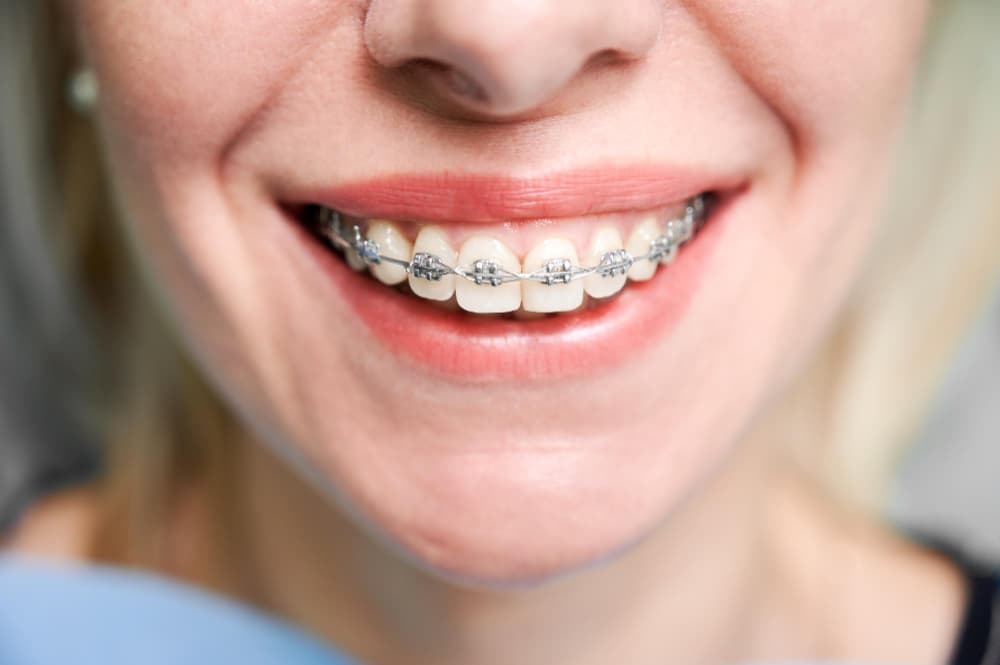
A close-up of a woman's teeth which have braces on them.
A gap between the front teeth — a diastema — is one of those dental concerns that sits somewhere between cosmetic and functional. Most small gaps cause no dental problems whatsoever. A few larger ones genuinely affect how the bite functions and how easily food traps in certain areas. Many people simply don't like how they look.
All three of these are legitimate reasons to seek treatment. The question is which treatment makes sense, because the answer varies considerably depending on the gap's size, its cause, and what you're actually hoping to achieve.
This matters more than most people realise, because the cause directly influences which treatment options are appropriate and stable.
The most common cause of a gap between upper front teeth is a low or thick labial frenum — the small band of tissue that connects the inner surface of the upper lip to the gum between the upper front teeth. If the frenum is particularly thick and attached low, it physically prevents the two front teeth from closing together. In these cases, orthodontic treatment that closes the gap often produces relapse — the teeth drift apart again once the braces come off — unless the frenum is addressed first or simultaneously.
Gaps can also result from missing teeth elsewhere in the arch — if teeth are missing on the sides, the remaining teeth may drift and spread. Gum disease causing bone loss can allow teeth to shift and create spaces. Habits like thumb sucking in early childhood can push the upper front teeth forward and create spacing. Or simply, the teeth are naturally smaller than the jaw they're sitting in.
Understanding the cause is what separates a durable solution from one that reverses itself within a few years. At Renew Dental Clinic in Sector 47, Noida, Dr. Suchi Singh assesses the cause before recommending any treatment — because recommending composite bonding for a gap that will reopen within 18 months due to a frenum pull doesn't serve the patient.
Braces or clear aligners are the only option that actually moves the teeth into a new position. For gaps caused by tooth size-jaw size discrepancy or general spacing, orthodontic treatment is usually the most appropriate and most stable long-term solution.
The advantage: braces address the root cause. The teeth are moved to where they should be, the underlying bone remodels to support the new position, and with proper retainer use, the result is permanent.
The disadvantages: time (6–24 months depending on the extent of treatment needed), the visibility of fixed braces (though ceramic braces and clear aligners are much less obvious), and the commitment of regular appointments.
For a large gap or multiple spaces throughout the arch, orthodontics is almost always the recommended starting point. For a small, isolated gap between just the two upper front teeth, the other options below may be more appropriate — particularly if the patient isn't interested in full orthodontic treatment.
Composite resin — the same tooth-coloured material used for fillings — can be applied directly to the sides of the teeth adjacent to the gap, building out their width to close the space. No drilling or enamel removal is necessary in most cases. The procedure is done in a single appointment, involves no anaesthesia for most patients, and produces an immediate result.
Composite bonding is particularly well-suited for small to moderate gaps where the teeth are otherwise healthy and well-shaped. The dentist builds up each tooth incrementally, sculpting the resin to a natural-looking shape before hardening it with a curing light and polishing it smooth.
The limitations: composite stains over time — particularly with tea, coffee, and tobacco, which is a relevant consideration given Indian dietary habits. It chips under heavy biting force. And it typically needs refreshing or replacement every 5–8 years. It's also limited by how large a gap it can close without making the teeth look disproportionately wide — if the gap is large enough, the bonded teeth would need to be widened so much that the result looks unnatural.
For gaps up to about 2–3 mm, composite bonding often produces very natural results. For larger gaps, it's either combined with orthodontics (braces to partially close, bonding to refine) or veneers are the better option.
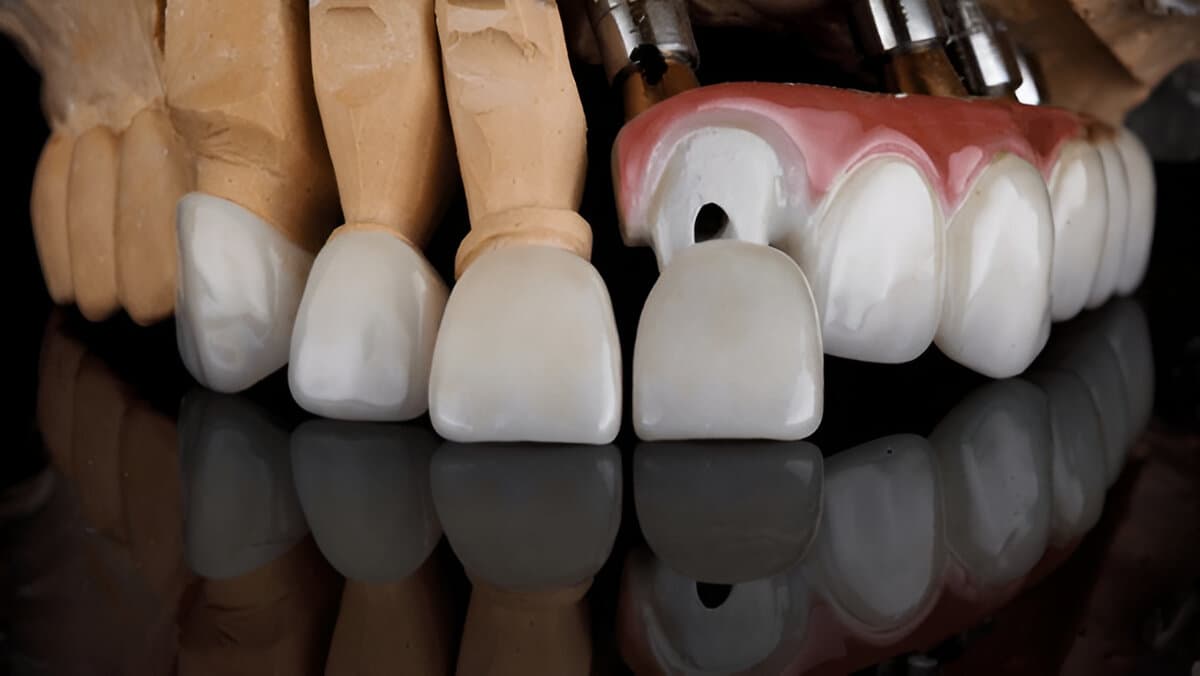
Porcelain veneers are custom-fabricated thin shells bonded to the front surfaces of teeth. They're the most durable cosmetic option and the most comprehensive for larger gaps or cases where the teeth themselves have other cosmetic concerns (shape, colour, chipping) alongside the spacing.
Veneers require removing a small amount of enamel from the front surface of the teeth to create space for the veneer — this is irreversible. The procedure takes two appointments: one for preparation and impressions, a second for fitting the fabricated veneers.
The advantages: extremely natural appearance (porcelain transmits light similarly to enamel), high stain resistance, durability of 10–15 years with good care, and the ability to simultaneously address other cosmetic concerns beyond just the gap.
The considerations: cost is higher than composite bonding, the preparation is irreversible, and if a veneer chips or fails, it requires professional replacement — you can't touch it up at home.
Veneers are most appropriate for patients who have larger gaps, who want to simultaneously address colour or shape concerns, or who want a longer-lasting result without needing to return for bonding maintenance.
If the gap is caused by a thick or low-attached frenum, the frenum itself needs to be addressed. A frenectomy is a simple minor surgical procedure that removes or repositions the frenum. It's typically done under local anaesthesia in a single appointment.
In children and teenagers, a frenectomy performed when the gap is present can allow the permanent teeth to naturally drift closer together afterward (particularly if the canines haven't yet erupted — their eruption naturally pushes the incisors together). In adults, a frenectomy is usually combined with orthodontic treatment or bonding to actually close the gap, since the frenum's absence doesn't automatically cause the gap to close.
Many patients with persistent gaps that have relapsed after previous treatment discover that a frenectomy was the missing step.
A brief but important note: small rubber bands or hair ties placed around gapped teeth to pull them together, promoted in various WhatsApp forwards and informal advice, have caused teeth to become mobile, loose, and in some cases lost entirely. The band migrates under the gum, destroys the bone and ligament supporting the tooth, and the tooth — once lost this way — cannot be retrieved. This is documented in dental literature globally and in Indian dental practice specifically.
Do not use rubber bands to close tooth gaps.
Is the gap small (under 2 mm) or large (3 mm or more)? Small gaps are excellent candidates for bonding. Larger gaps generally need orthodontics, with or without bonding afterward.
Are you willing to wear braces or aligners for 12–24 months? If yes, orthodontics is almost always the most stable long-term result. If no, bonding or veneers are the alternatives.
Is the gap your only cosmetic concern, or are there other issues — colour, shape, chips? If there are multiple concerns, veneers that address all of them simultaneously may be more cost-effective than separate treatments.
Has a gap that was previously closed (with bonding or braces) reopened? This is the strongest indicator that a frenum assessment is needed before any further treatment.
Q: How long does composite bonding for a gap take?
A: Usually 1–2 hours for a single gap in one appointment. No anaesthesia needed for most cases since no drilling is involved.
Q: Will the bonded teeth look noticeably different from my other teeth?
A: When done well, composite bonding is matched to the natural shade and texture of adjacent teeth. At a normal conversation distance, the difference is not visible.
Q: Can I get my gap closed without braces in Noida?
A: Yes — composite bonding and veneers are both non-orthodontic options. The right choice depends on gap size and other factors assessed at consultation.
Q: How do I prevent the gap from coming back after treatment?
A: Retainer use after orthodontic treatment, and avoiding habits that cause relapse (thumb pressure on teeth, certain sleep positions). If a frenum was the cause, frenectomy as part of the treatment plan. For bonded gaps, the bonding itself holds the position.
For a consultation on teeth gap treatment at Renew Dental Clinic, Sector 47, Noida, contact:
📞 +91 99710 35300
A-321, Basement Floor, Next to Mother Dairy Store, Sector 47, Noida, Uttar Pradesh 201303
Monday–Saturday 10:30 AM – 8:00 PM | Sunday 11:00 AM – 2:30 PM
 Copy
Copy
Not all yellow teeth respond to the same treatment. This guide explains what's actually causing...
23 Sept 2026
by Renew Dental Clinic
Laser gum treatment is becoming more common at dental clinics in Noida. This guide explains...
17 Sept 2026
by Renew Dental Clinic
Swelling after wisdom tooth surgery is normal — but how much is normal, when should...
16 Sept 2026
by Renew Dental Clinic

Healthy teeth are not necessarily achieved by brushing twice a day or flossing gums periodically;...
26 Aug 2025
by Renew Dental Clinic
Think scaling is just about cleaner teeth? This guide explains what dental scaling actually does,...
15 Jun 2026
by Renew Dental Clinic
Composite bonding is a minimally invasive cosmetic treatment. Learn what it fixes, its real limits, and when Renew Dental Noida recommends another option.
08 Oct 2026
by Renew Dental Clinic

Explore the pros, cons, costs, durability, and suitability of teeth whitening and veneers. Learn which cosmetic dental procedure is best for your unique smile.
27 Jun 2025
by Renew Dental Clinic

Find out all about dental veneers, such as types, advantages, price, and upkeep suggestions. Find out how veneers can revolutionize your smile and increase confidence.
16 Sept 2025
by Renew Dental Clinic

Compare Invisalign with traditional braces to find a treatment option that fits your lifestyle, comfort...
18 Nov 2025
by Renew Dental Clinic
The choice between root canal and extraction is one of the most common decisions in...
01 Oct 2026
by Renew Dental Clinic

Getting your wisdom teeth removed seems to sound scary, but with proper preparation and post-treatment care, it can be a trouble-free and tensionless process.
21 Oct 2025
by Renew Dental Clinic
Nervous about minor oral surgery in Noida? This guide covers what procedures fall under minor...
24 Jun 2026
by Renew Dental Clinic

Thinking about dental implants in Noida? This complete guide covers how implants work, who qualifies,...
14 May 2026
by Renew Dental Clinic
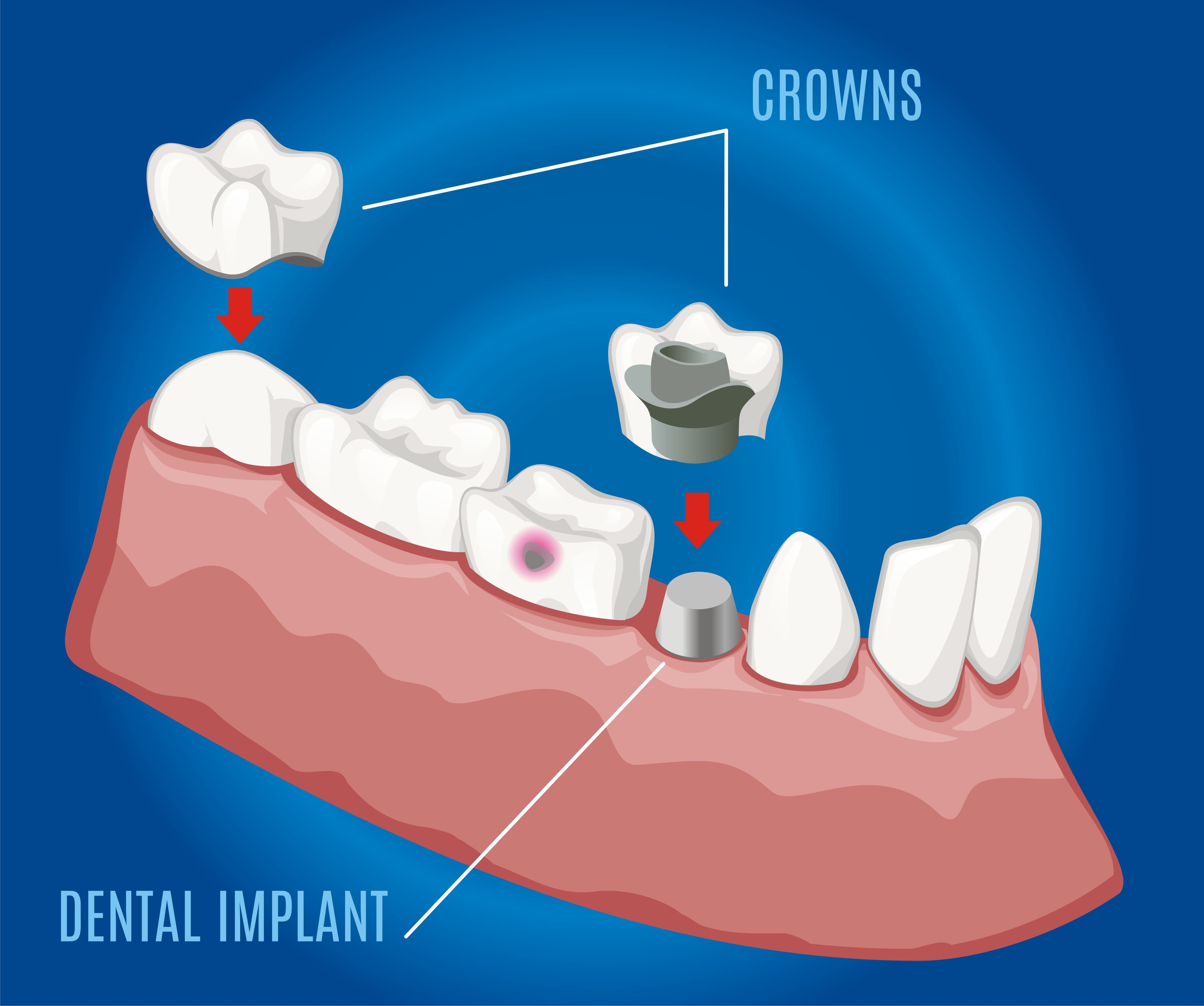
Been told you need a bone graft before an implant? This guide explains what dental...
26 Jun 2026
by Renew Dental Clinic
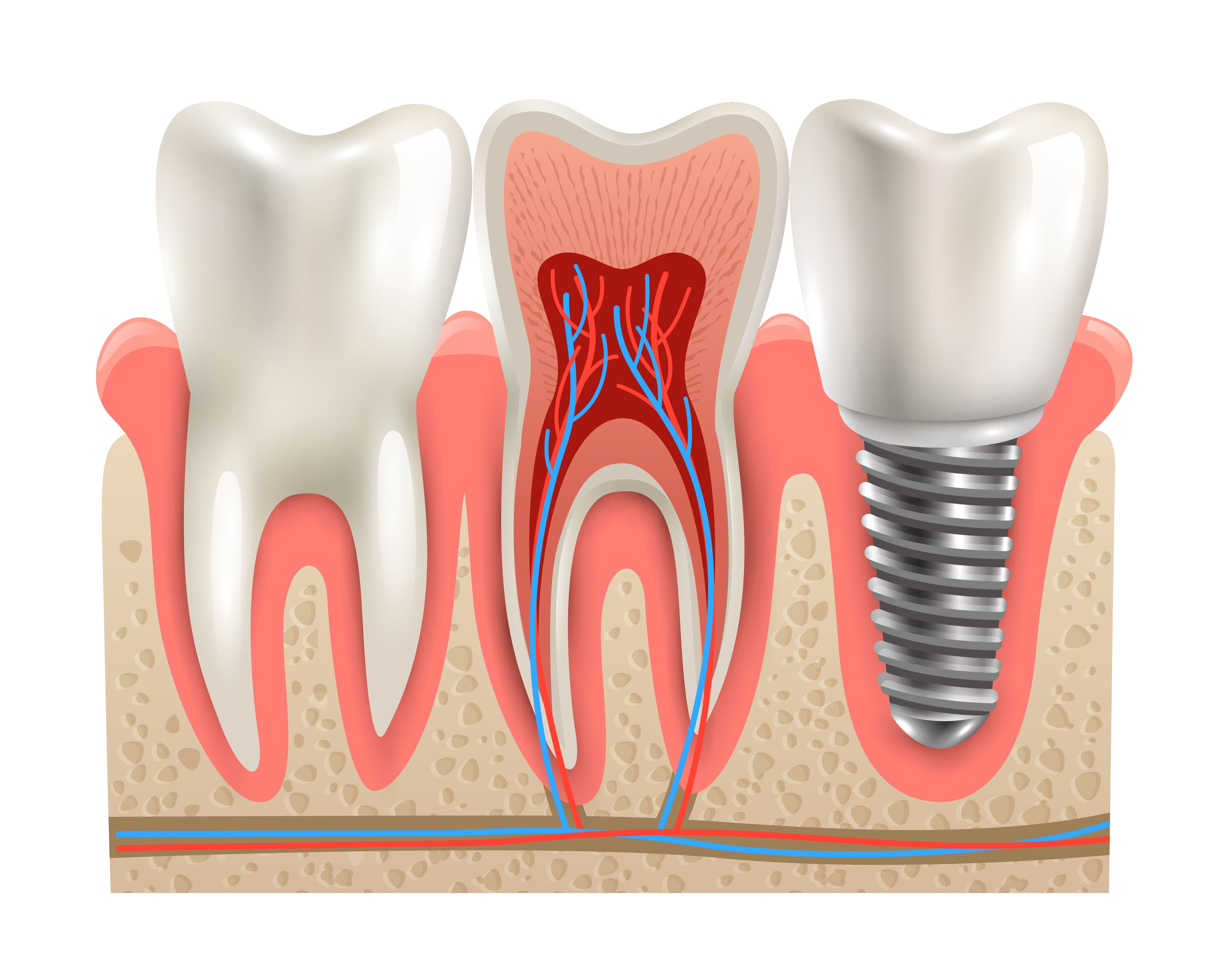
Considering dental implants in Delhi NCR? This first-timer's guide covers everything — how implants work,...
03 Jun 2026
by Renew Dental Clinic
Explore More
Discover how thousands of patients trust Renew Dental Clinic with their smiles.
Best dental treatment in noida NCR
Excellent place for solution of all your dental problems.
Excellent dental care and friendly doctor. The doctor is very professional and gentle. Highly recommended! Professional, Caring, Recommended, Positive Experience
I had an excellent experience with dr. Suchi regarding my dental treatment..
Had a really good experience at the clinic with Dr Suchi and Dr Chandrava Ganguli
Excellent treatment with all due care, Dr Suchi is very polite and attentive.
Great dental care provided by Dr. Suchi Singh and Dr. Chandrava Ganguli. They are knowledgeable, gentle, and attentive to patients' needs. The clinic staff is courteous and helpful, making the entire experience smooth and pleasant. Highly recommended! 🦷✨ Caring, Supportive Staff, Recommended
Have been a long standing customer of Dr Suchi's dental services. Her knowledge, attention to detail and empathy is one of the best
Excellent facilities and infrastructure ,
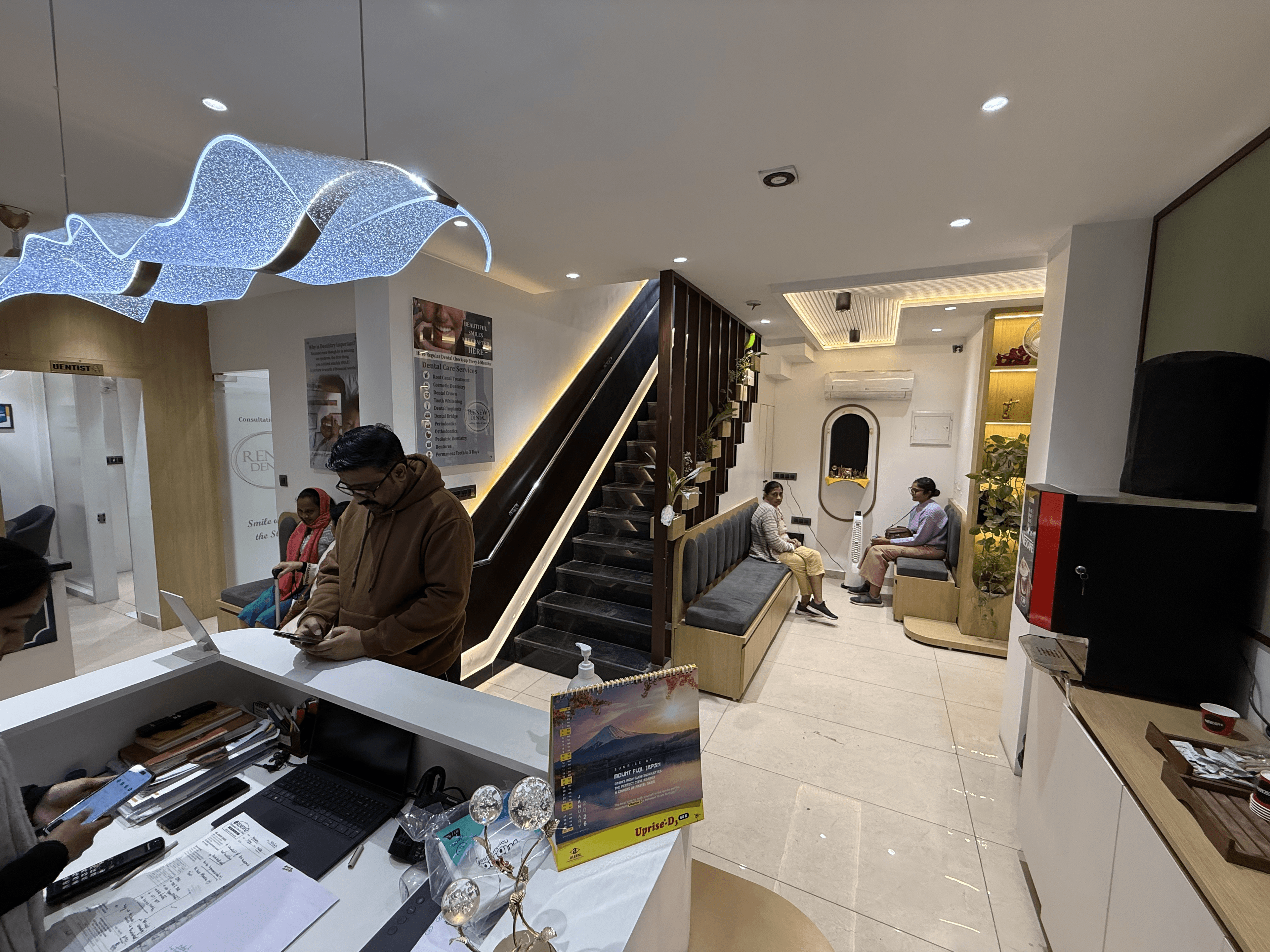
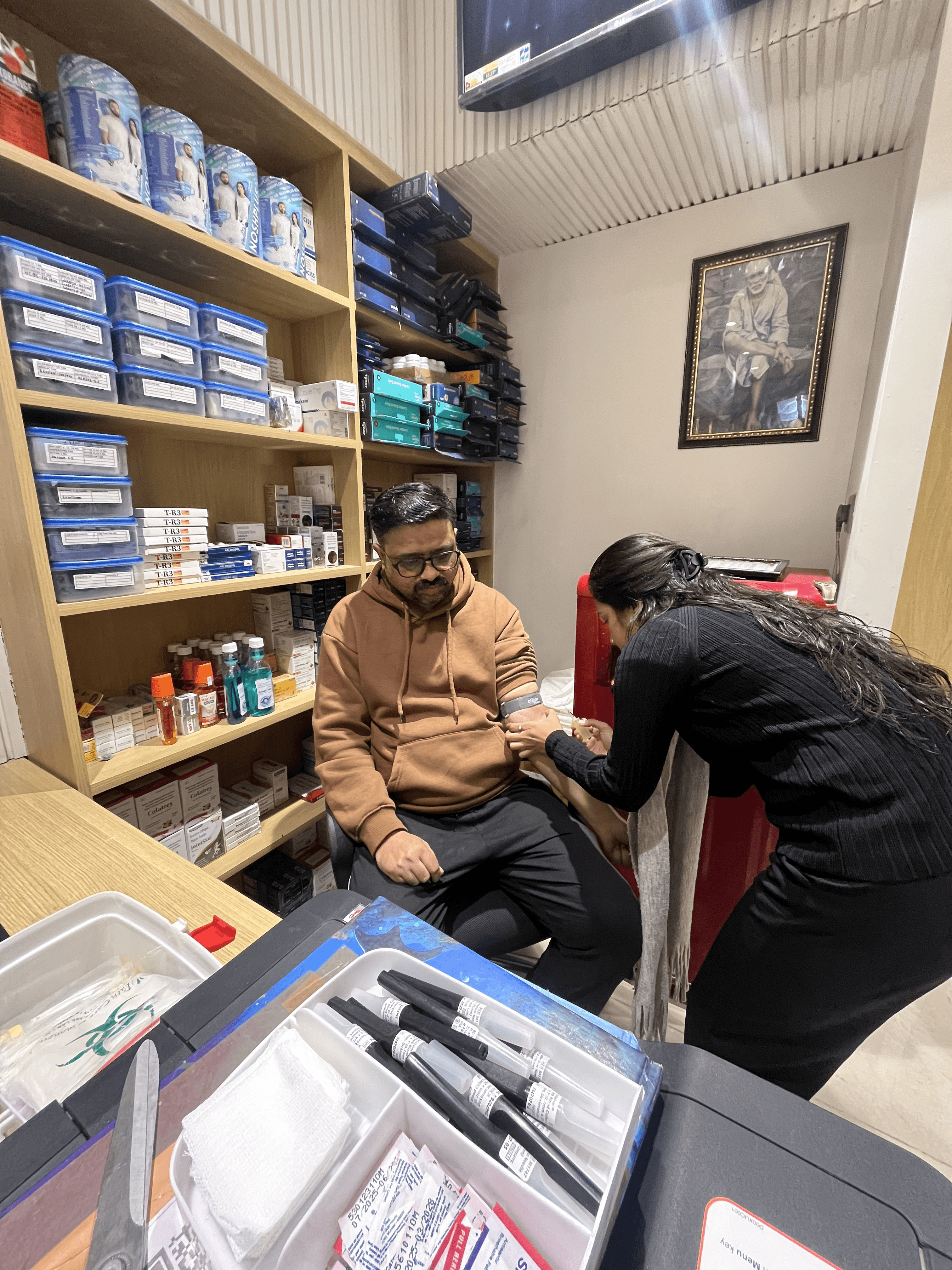
A glimpse into our modern dental clinic, advanced technology, and patient-friendly environment at Renew Dental.
Explore our thoughtfully designed clinic spaces built to provide comfort, cleanliness, and a calming experience for patients of all ages.


Best Dentist in Noida
Renew Dental Clinic located in Noida, Sector 47, is one of the leading dental clinics. Founded by Dr. Suchi Singh who is widely regarded as one of the best dentists in Noida, the clinic is committed to delivering personalised and high-quality dental care. Dr. Suchi Singh focuses on customised treatment plans designed around each patient’s unique needs, ensuring advanced, comfortable and reliable dental care at Renew Dental Clinic.

Your Trusted Dental Experts

Complete Dental Care

Friendly Dental Space

No Hidden Charges

Two trusted dental clinics in Noida — Renew Dental (Sector 47) and Tooth & Truth (Sector 34) — for gentle, modern care.

Renew Orthopedic Clinic, A-321, Basement Floor, Next to Mother Dairy Store, Sector 47, Noida, Uttar Pradesh 201303
 +91 99710 35300
A-98/A, Block A, Sector 34, Noida, Uttar Pradesh 201307
+91 99710 45002© 2026. All rights reserved | Designed and Developed by Zarle Infotech