Why Flossing Is Not Optional — What Happens to Teeth That Never Get Flossed
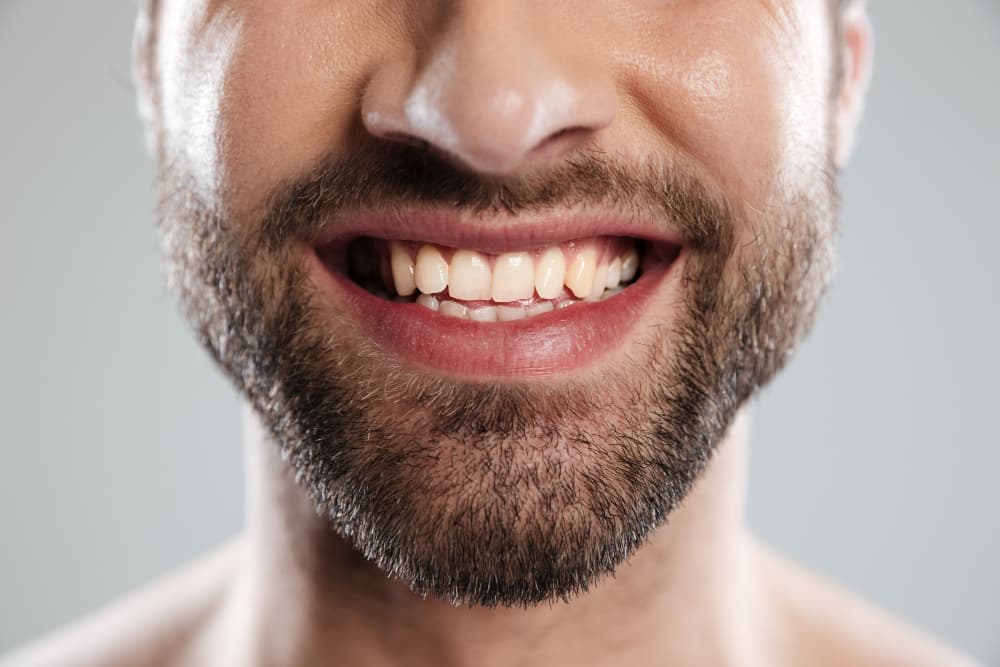
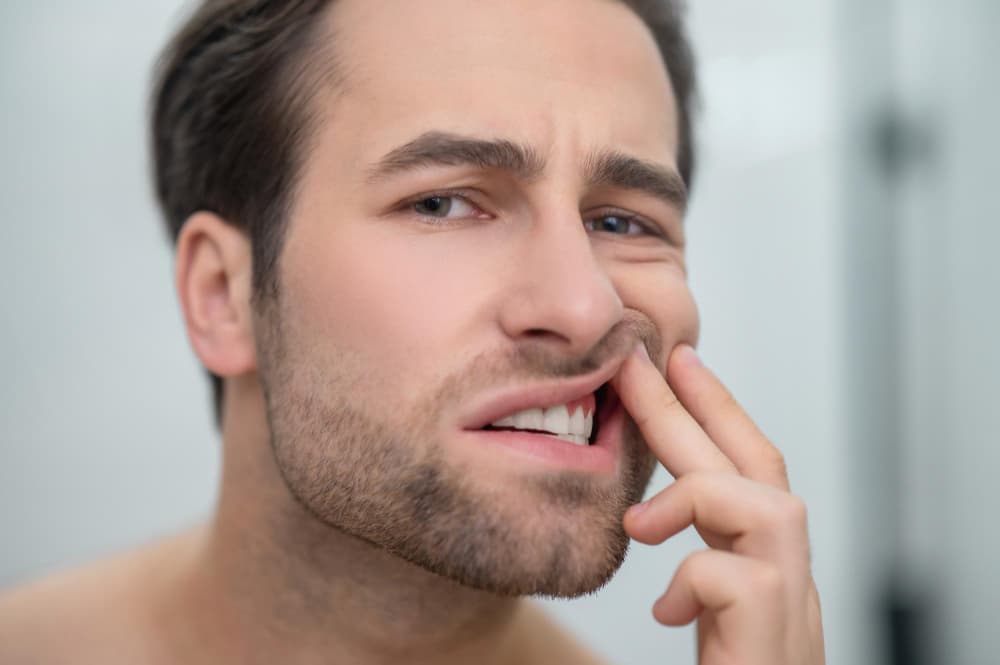
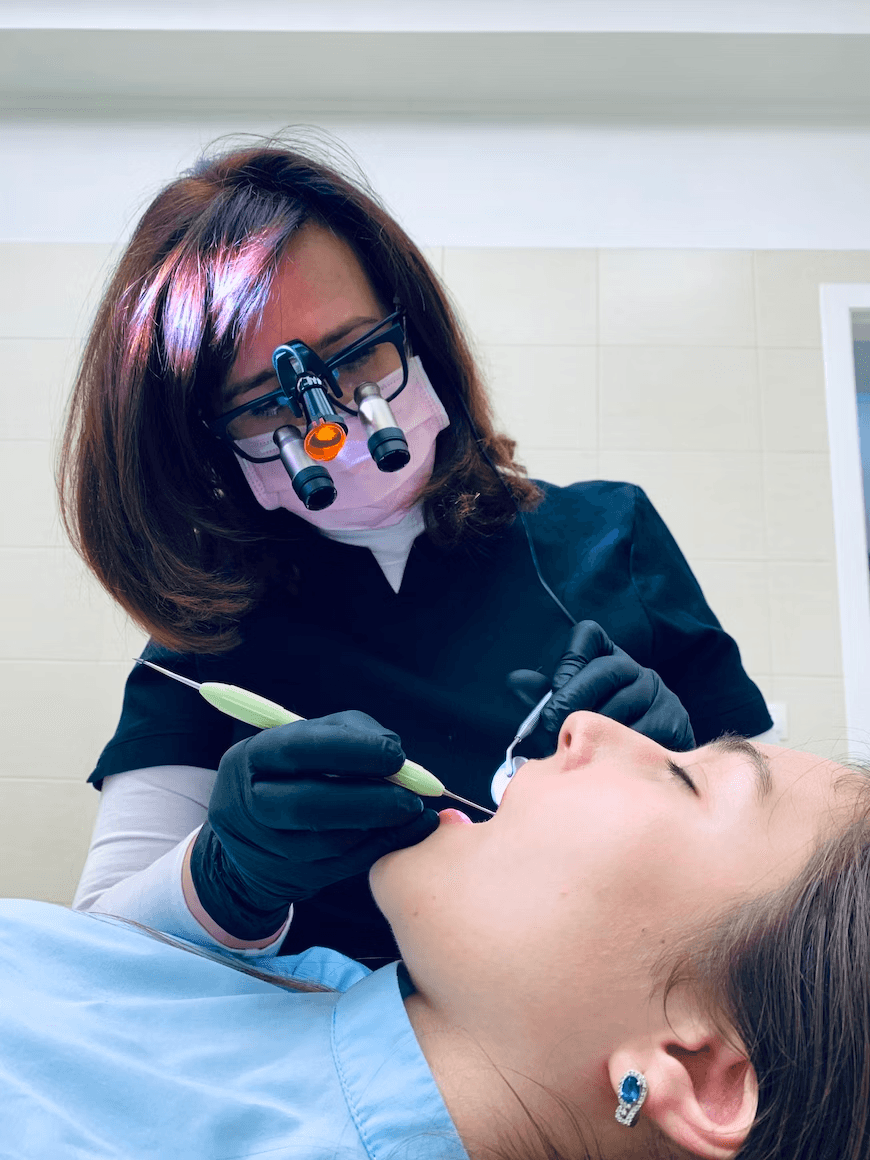
Man's face showing his teeth.
Here's an uncomfortable fact: brushing your teeth cleans about 60% of the tooth surface. The other 40% — the spaces between teeth and under the gumline — stays dirty unless you floss.
Most people know they're supposed to floss. Most people don't. And dentists can always tell.
The question worth answering isn't whether you should floss. It's what's actually happening in those spaces you're not cleaning, and whether the evidence for flossing is strong enough to justify making it a daily habit.
What a Toothbrush Cannot Do
A toothbrush cleans the front, back, and chewing surfaces of teeth. Those surfaces matter. But between each tooth, there's a contact point — and below that contact, a small space where the tooth meets the gum. This is where a toothbrush cannot go.
Food particles collect here. Bacteria follow. Plaque — the sticky biofilm that bacteria live in — forms within a few hours of eating. Left undisturbed for 48 to 72 hours, plaque mineralises into tartar (calculus). Once calculus has formed, a toothbrush cannot remove it. Neither can a rinse, a mouthwash, or any home remedy. A dental scaler is the only thing that removes calculus, which is why professional cleaning exists.
The trouble is that between-tooth decay is particularly insidious. It develops in a location that's hard to see and causes no symptoms until it's substantial. Many patients discover interproximal cavities only on dental X-rays — already large, already requiring fillings that could have been avoided with a piece of floss used regularly over the preceding year.
What Actually Happens When You Never Floss
The timeline is roughly predictable.
Within days: Plaque accumulates between the teeth. Not visible, not symptomatic. Just bacteria multiplying in a space that's warm, moist, and consistently supplied with food residue.
Within 2 to 3 weeks: Gum tissue at the contact points becomes inflamed. The gums bleed on brushing — the first and most consistent sign that the area isn't being cleaned.
Within months: Gingivitis is established. The gum tissue is chronically inflamed, slightly swollen, reddish. Between-tooth cavities may begin developing, particularly if the diet is high in sugar or carbohydrates.
Within years: Gingivitis progresses to periodontitis in susceptible patients — bone begins to be destroyed by the immune system's response to persistent bacterial presence. This bone loss is irreversible. The teeth lose their structural support. Treatment shifts from prevention to damage control.
There are people who never floss and never develop severe gum disease. Genetics, saliva composition, and immune response all play a role. But a dentist examining a patient who's never flossed will almost always find evidence of it — calculus between teeth, gum inflammation, possibly early bone loss on X-ray. The variation is in severity, not in whether it occurs.
The Flossing Controversy — Addressed Honestly
Several years ago, an Associated Press investigation reported that the evidence for flossing was weak — citing short-term studies that showed limited benefit. This was picked up widely and caused a lot of people to feel validated in not flossing.
The actual story is more nuanced. The limitation identified was in study design, not in flossing itself. Most flossing studies followed participants for weeks rather than years, making it difficult to measure long-term outcomes like bone preservation and cavity prevention. The University of Iowa's College of Dentistry, the American Dental Association, and the National Institute of Dental and Craniofacial Research continue to recommend daily flossing — not from inertia, but because the biological mechanism is clear: if you don't remove bacteria from between teeth, they stay there, causing damage.
One review of 12 studies found that brushing plus flossing reduced bleeding gums more than brushing alone. That's a consistently reproducible finding. The debate is about the magnitude of benefit and how to measure it — not about whether cleaning between teeth matters.
Flossing vs Interdental Brushes vs Water Flossers
Classic string floss is effective, but it's not the only option. The evidence actually suggests interdental brushes may be more effective than floss for patients who use them correctly — they have more surface contact with the tooth and clean around the tooth more thoroughly. Research published by the University of California (UCLA) supports this.
String floss: Good for tight contacts where interdental brushes won't fit. Requires correct technique — wrapping the floss in a C-shape around each tooth and sliding it below the gumline, not just snapping it between the contact points.
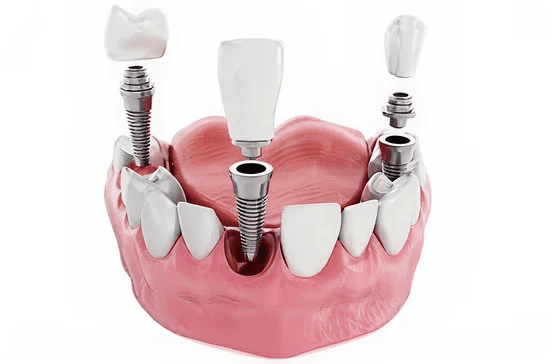
Interdental brushes (bottle brushes): Better for patients with wider gaps, crowns, bridges, braces, or implants. Come in multiple sizes — the right size should fit snugly without forcing.
Water flosser: Useful as an adjunct, particularly for patients with braces, implants, or poor manual dexterity. Removes food debris and reduces gum inflammation well. Whether it removes plaque as thoroughly as floss or interdental brushes is still debated.
The most effective option is the one you'll actually use consistently. Dr. Suchi Singh at Renew Dental Clinic assesses each patient's specific anatomy and situation to recommend which method is most appropriate — because that detail genuinely varies.
How to Actually Floss Correctly
Most people who floss do it wrong. They snap the floss between the teeth, run it up and down once, and move on. This cleans very little.
The correct technique:
- Use about 45 cm of floss. Wind most of it around one middle finger, a small amount around the other.
- Hold the floss taut between thumbs and forefingers.
- Slide it gently between two teeth — don't force it or snap it.
- Curve the floss into a C-shape around one tooth. Slide it gently below the gumline, where the gum meets the tooth.
- Move it up and down against the tooth surface — you're cleaning the side of the tooth, not just the gap.
- Reshape the floss and repeat the C-shape on the adjacent tooth.
- Move to a fresh section of floss for each tooth gap.
The key step most people skip: going below the gumline. This is where plaque does most of its damage, and this is what the C-shape technique reaches.
The Habit Problem — Why People Don't Floss and What Helps
Flossing is one of the most widely recommended and least consistently followed dental habits. The reasons are practical: it takes longer than brushing, it's fiddly, and the consequences of skipping are invisible in the short term.
Some approaches that genuinely help:
Do it in the shower. This sounds unusual but works for many patients — water naturally rinses, and the shower routine provides a cue that flossing can attach to.
Use floss picks if string floss is off-putting. They're less thorough than string floss but considerably better than nothing. For someone who has never flossed consistently, floss picks are a reasonable starting point.
Put it before brushing, not after. Flossing first loosens debris between teeth, which brushing then clears away. It also avoids the problem of feeling "done" after brushing and then not bothering with floss.
Set a 30-day target. Habits form over time. Thirty days of consistent flossing tends to make it feel normal enough that stopping feels odd.
What Renew Dental Patients Are Told About Flossing
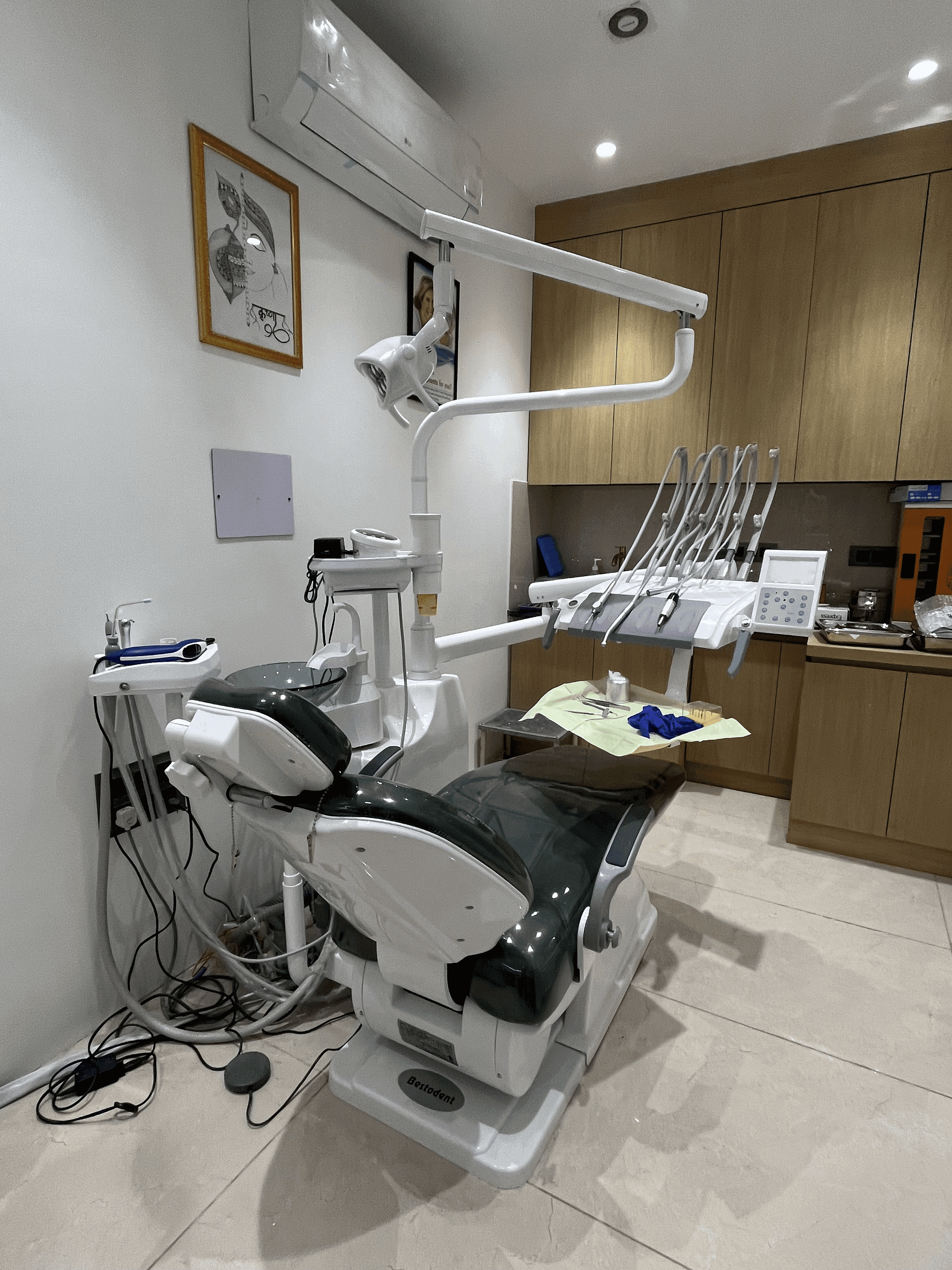
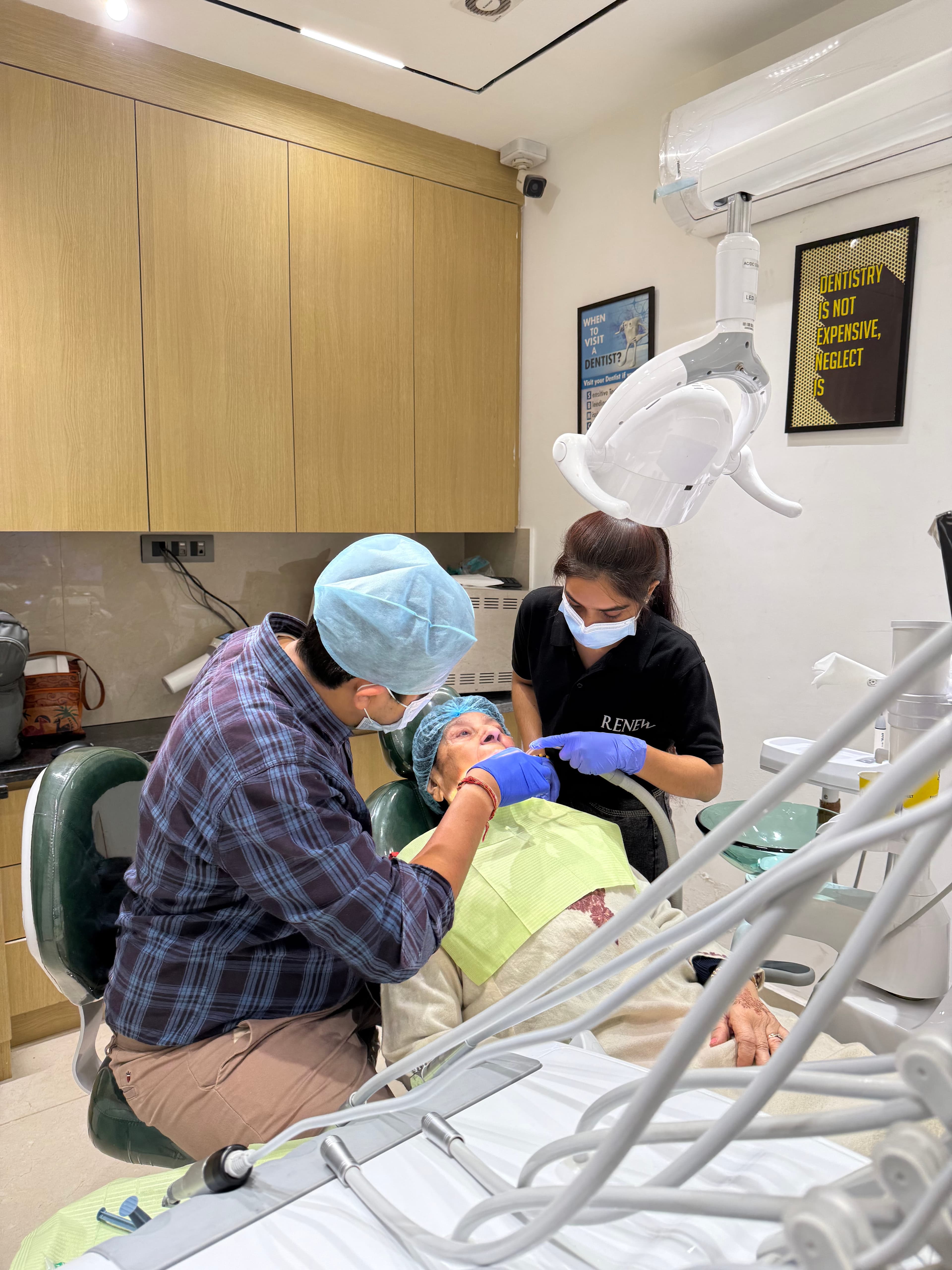
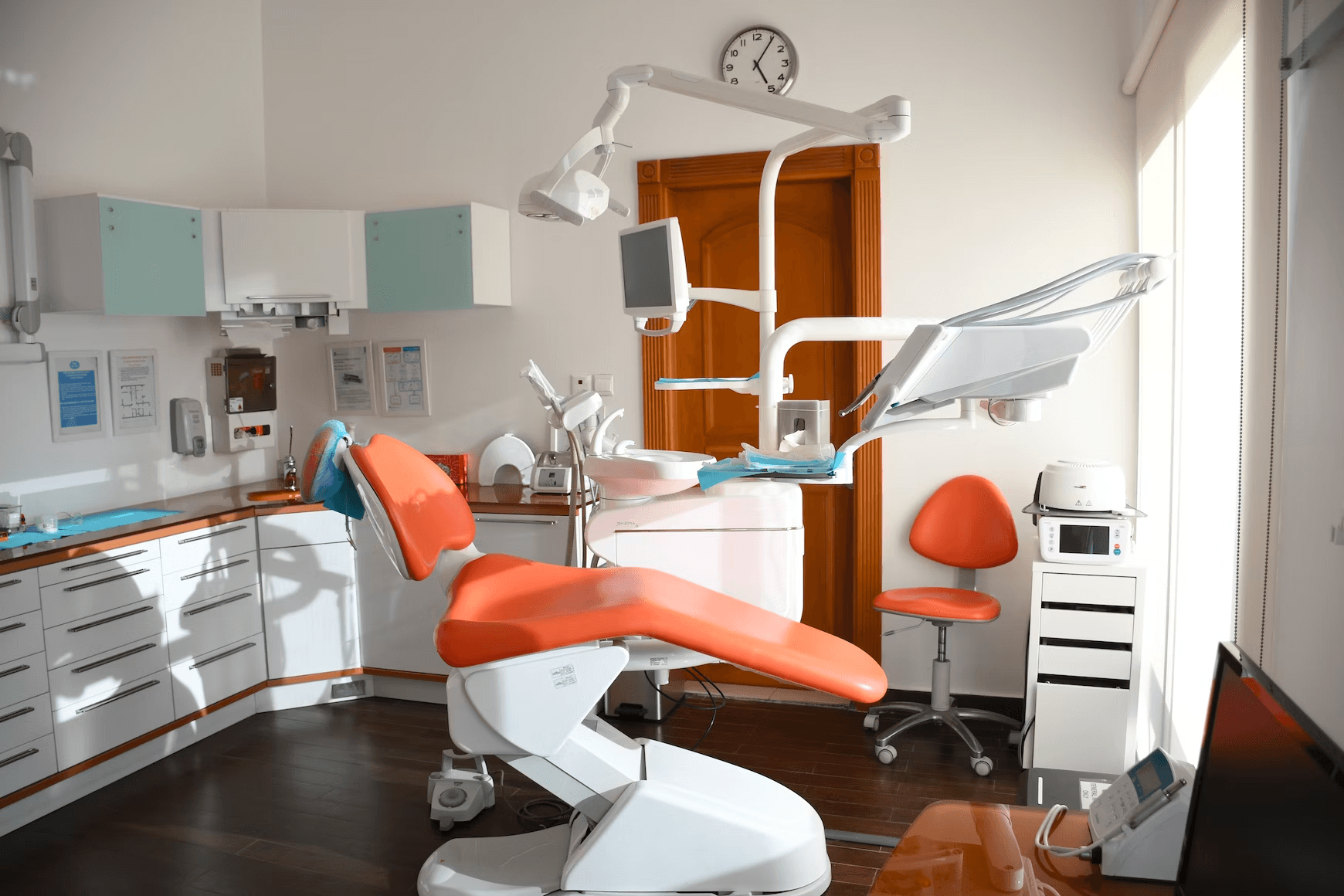
At Renew Dental Clinic, Sector 47, Noida, oral hygiene instruction is part of every routine check-up. Dr. Suchi Singh doesn't just tell patients to floss — she assesses the specific gaps and anatomy in each patient's mouth and recommends the right interdental cleaning method for them.
Patients with tight contacts get guidance on string floss technique. Patients with wider gaps, bridges, or braces get interdental brushes in the appropriate sizes. Patients with dexterity issues or very tight time constraints get honest guidance on which method gives the most benefit per minute of time invested.
The goal isn't a lecture. It's a practical plan that accounts for the person's actual situation.
To book a check-up at Renew Dental Clinic, Sector 47, Noida, call (0120) 498-8333.
Monday–Saturday 10:30 AM – 8:00 PM | Sunday 11:00 AM – 2:30 PM.