By Renew Dental ClinicPublished on

Young child sitting comfortably in a dental chair while a dentist examines their teeth, highlighting the importance of early dental care for healthy growth and strong oral hygiene habits.
The first thing to say about removing white spots is this: you can't make the decision about how to treat them until you know what caused them. Two patients can come to a dental clinic with identical-looking white patches and need completely different treatments — one needs a fluoride programme, the other needs microabrasion or veneers.
This guide walks through every option from least to most invasive, with an honest appraisal of who each one actually helps.
White spots fall into a few distinct categories, and identifying yours is the essential first step:
Early decay (white spot lesion) — the enamel has lost mineral density from acid exposure. Appears chalky, typically at or near the gumline or in enamel fissures. This type is potentially reversible with fluoride treatment in the early stages.
Fluorosis — disrupted enamel formation from excess fluoride during childhood tooth development. White lines, spots, or patches that were present when the teeth erupted. Structural; cannot be reversed, but can be treated aesthetically.
Enamel hypoplasia / MIH — white, yellow, or brownish patches from disrupted enamel formation during illness or nutritional deficiency. Structurally compromised enamel; cannot be reversed.
Dehydration — temporary opacity when enamel loses water content. Resolves when the mouth rehydrates. Nothing needs treatment.
Post-braces white spot lesions — a specific presentation of early decay around orthodontic bracket margins. Reversible if caught early.
Getting this diagnosis right is the entire game. Dr. Suchi Singh at Renew Dental Clinic in Sector 47, Noida determines the type based on when the spots appeared, their distribution pattern, the patient's dental and medical history, and clinical examination.
For white spot lesions from early decay that haven't yet broken the enamel surface, remineralisation is genuinely possible. The mineral has been dissolved out of the enamel; it can be replaced if the conditions support it.
Professional fluoride varnish — applied at the dental clinic, 5% sodium fluoride varnish delivers a much higher fluoride concentration to the enamel surface than any toothpaste can. Applied every 3–6 months, it drives mineral back into the porous enamel. This is the most effective clinical measure for early white spot lesion reversal.
CPP-ACP products (Tooth Mousse, GC Fuji) — casein phosphopeptide-amorphous calcium phosphate is a remineralising agent that deposits calcium and phosphate into demineralised enamel. Applied at home after brushing (not rinsed away), it provides the mineral building blocks that fluoride needs to lay down new mineral. Available at dental clinics in India. Used in combination with fluoride varnish, this combination produces better results than either alone for early white spot lesions.
Prescription-strength fluoride toothpaste (5000 ppm NaF) — available only through dental prescription. For patients with multiple white spot lesions or high decay risk, this concentration accelerates remineralisation compared to standard 1000–1450 ppm toothpaste.
Timeline for remineralisation: visible improvement in early decay spots typically takes 3–6 months of consistent treatment. Complete reversal — the spot becoming fully translucent again — is possible in mild early lesions but not guaranteed. More advanced lesions may fade significantly but not completely.
The critical success factor: the acid source causing the demineralisation must be controlled simultaneously. Using fluoride varnish while continuing to sip cola three times a day means the remineralisation can't keep up with the ongoing demineralisation.
For white spots that are structural (fluorosis, mild hypoplasia) and confined to the very outer layer of enamel, microabrasion is often the best option. It's minimally invasive, immediate, and effective for the right type of spot.
The procedure uses a mildly abrasive acid compound (typically phosphoric acid or hydrochloric acid at low concentration mixed with pumice) applied to the white spot and gently worked across the surface with a rubber cup. This removes a very thin outer layer of enamel — typically 25–200 micrometres, a fraction of the enamel's total thickness — along with the discolouration contained within it.
What remains is polished smooth and often appears dramatically improved. Fluorosis spots that were opaque white can become significantly less visible or disappear entirely if they were confined to the outer enamel zone.
The procedure takes 15–30 minutes per tooth. No anaesthesia needed. Some mild tooth sensitivity for a day or two afterward. Often combined with fluoride varnish application immediately after to strengthen the freshly treated enamel.
Limitations: it only works if the discolouration is superficial enough to be reached by removing a thin enamel layer. Spots that extend through more of the enamel thickness won't resolve with microabrasion. And it removes enamel — a finite resource — which is why it's done conservatively and not repeated unnecessarily.
For white spots that are too extensive for microabrasion to fully address, or where the enamel surface itself has some roughness or pitting from hypoplasia, composite resin bonding covers the affected area with tooth-coloured material.
In most cases, this can be done without drilling. A mild etching agent opens the enamel surface slightly, the composite is applied and shaped to blend with the surrounding tooth, cured with a light, and polished. The affected area is covered with material that's matched to the natural tooth shade.
Results are immediately visible and aesthetically very good when done well. Durability is 5–8 years before the bonding may need refreshing (it can stain, chip, or develop marginal wear over this period).
Bonding is a good middle-ground option for white spots that are aesthetically significant, affect the visible portion of the tooth, and are too large for microabrasion alone but not extensive enough to warrant the more involved veneer approach.
When white spots are extensive, cover large portions of the visible tooth surface, or are accompanied by other shape or colour concerns, veneers are the most comprehensive treatment. The veneer covers the entire front surface of the tooth, masking discolouration completely regardless of its depth or extent.
This works for tetracycline staining, severe fluorosis, extensive hypoplasia, and any case where the spot is too deep or widespread for microabrasion or bonding to address adequately.
Veneers require enamel preparation — a thin layer of enamel is removed to make space for the veneer. This is irreversible. The veneer is fabricated in a dental laboratory and bonded at a second appointment. Porcelain veneers last 10–15 years with good care and are stain-resistant.
The decision to do veneers for white spots should be made carefully — it's the most effective option for significant cases, but it's also the most involved and the only irreversible one. A good dentist will try microabrasion and bonding before veneers when those options are clinically appropriate.
Whitening toothpastes do not remove white spots — they're designed to remove surface staining on otherwise normal enamel. Whitening gels and strips also don't address structural white spots; in fact, whitening temporarily increases white spot visibility by dehydrating the enamel and making the demineralised areas appear more prominent (an effect that reverses as the enamel rehydrates, but it's distressing for patients who see their spots worsen immediately after whitening).
Home application of acidic products — lemon juice, apple cider vinegar — actively worsens white spots by further dissolving the already-compromised enamel.
Q: Will my white spots just go away on their own?
A: Early decay spots may partially reverse with fluoride if the acid exposure that caused them is controlled. Fluorosis and hypoplasia spots won't change on their own — they're structural. Dehydration spots resolve within an hour.
Q: My child has white spots after getting their braces off — will they fade?
A: Post-braces white spots are early decay lesions. With fluoride varnish applications and prescription-strength fluoride toothpaste, they often fade significantly over 6–12 months. Some may require microabrasion afterward if residual discolouration is cosmetically concerning.
Q: How long does microabrasion take and is it painful?
A: Typically 15–30 minutes per tooth. Not painful — no anaesthesia needed. Mild sensitivity for 1–2 days afterward as the freshly treated enamel settles.
Q: Can I prevent white spots from getting worse?
A: For early decay spots: yes — fluoride, controlling the acid source, and consistent home hygiene. For fluorosis or hypoplasia spots: they're stable from eruption and don't progress. Good oral hygiene is important to prevent them from attracting additional staining or decay.
For white spot assessment and treatment options at Renew Dental Clinic, Sector 47, Noida:
📞 +91 99710 35300
A-321, Basement Floor, Next to Mother Dairy Store, Sector 47, Noida, Uttar Pradesh 201303
Monday–Saturday 10:30 AM – 8:00 PM | Sunday 11:00 AM – 2:30 PM
 Copy
Copy
Dry socket is the most painful post-extraction complication and it doesn't get better on its...
28 Sept 2026
by Renew Dental Clinic
Not every cavity needs a root canal — but many patients aren't sure where the...
23 Sept 2026
by Renew Dental Clinic
Not all yellow teeth respond to the same treatment. This guide explains what's actually causing...
23 Sept 2026
by Renew Dental Clinic
The staining is just the beginning. This guide explains what tobacco — cigarettes, bidi, paan...
22 Jul 2026
by Renew Dental Clinic
The answer to whether chewing gum is good for teeth is more interesting than yes...
23 Jun 2026
by Renew Dental Clinic
Alcohol affects oral health in ways most people don't expect — from dry mouth to...
23 Jul 2026
by Renew Dental Clinic
Searching for relief from sensitive teeth at home? This guide separates the evidence-based remedies from...
10 Jul 2026
by Renew Dental Clinic
Looking for professional teeth whitening in Noida? This guide covers what's available at Renew Dental...
29 Jun 2026
by Renew Dental Clinic

A toothache at midnight when clinics are closed. This guide covers every home remedy for...
21 Sept 2026
by Renew Dental Clinic

Discover the benefits of dental sealants for kids and adults. Understand how this protective procedure...
22 Sept 2025
by Renew Dental Clinic

Learn affordable handy tips on how to prevent tooth decay at home. Learn daily habits,...
21 Oct 2025
by Renew Dental Clinic

Tooth decay starts silently, but the signs are easy to spot if you know what...
27 Jun 2025
by Renew Dental Clinic
Considering dental implants in Delhi NCR? This first-timer's guide covers everything — how implants work,...
03 Jun 2026
by Renew Dental Clinic
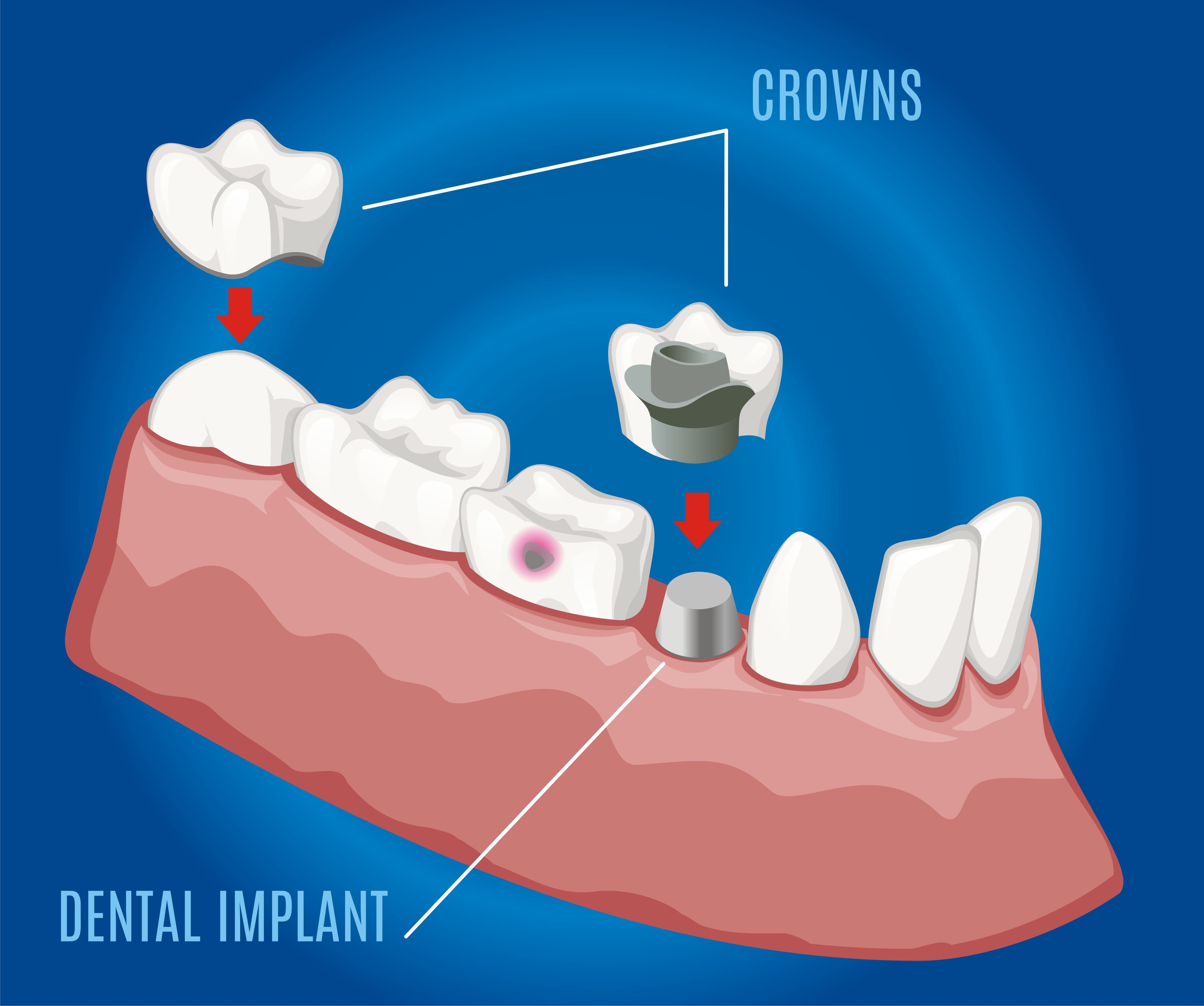
Been told you need a bone graft before an implant? This guide explains what dental...
26 Jun 2026
by Renew Dental Clinic

Dilemma between dental implants and bridges? Weigh the cost, longevity, procedure, and advantages to determine which tooth replacement method is superior.
03 Oct 2025
by Renew Dental Clinic
Explore More
Explore More
Discover how thousands of patients trust Renew Dental Clinic with their smiles.
I don’t usually write reviews, but this one comes straight from the heart.
Best dental treatment ....
Best doc in Noida
Excellent service, very clean facility, and highly professional staff. Dr. Ganguly was extremely patient and attentive throughout the entire procedure. He clearly explained the process, its impact, and addressed all my concerns. Highly recommended — a truly satisfactory experience.
I had a very good experience at Renew Dental Clinic during my implant and RCT treatment. The doctors and staff were extremely kind, supportive, and professional throughout the entire process. What I appreciated the most was their care and attention towards patient comfort — the treatment was smooth and almost painless.
I have taken my rct at Renew dental clinic.Dr.suchi is very humble and knowledgeable person .100% satisfied with doc and her treatment.
Excellent treatment with all due care, Dr Suchi is very polite and attentive.
Dr.Suchi Singh is definitely the best dentist in Noida! She saved my smile after an unfortunate accident that knocked my front teeth out. Now my teeth, truthfully, look better than they ever did before
I visited Renew Orthopedic Clinic for my wisdom tooth extraction. It was totally comfortable and painless. Thanks Dr. Suchi maam and entire staff for treating me so well.
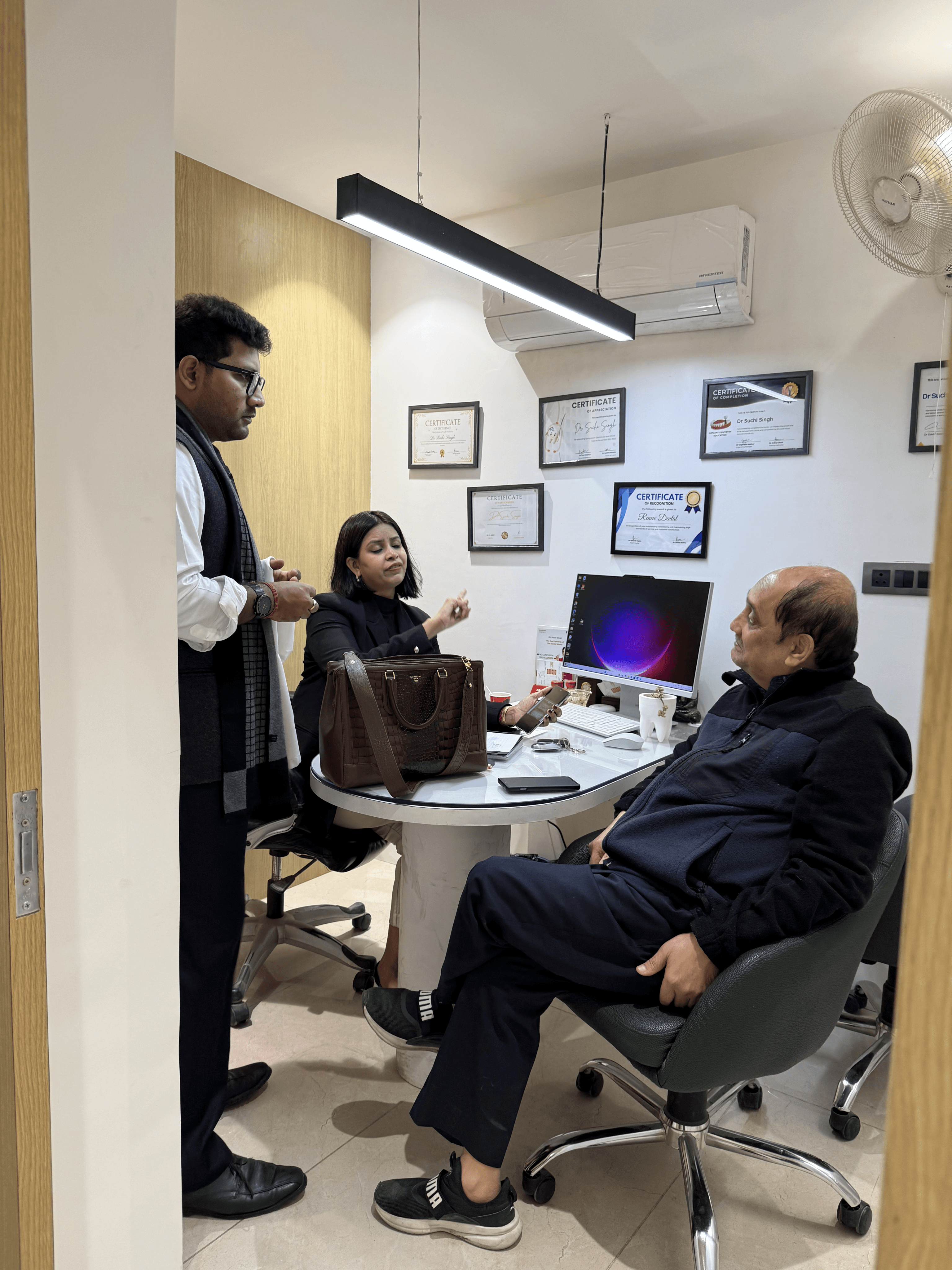
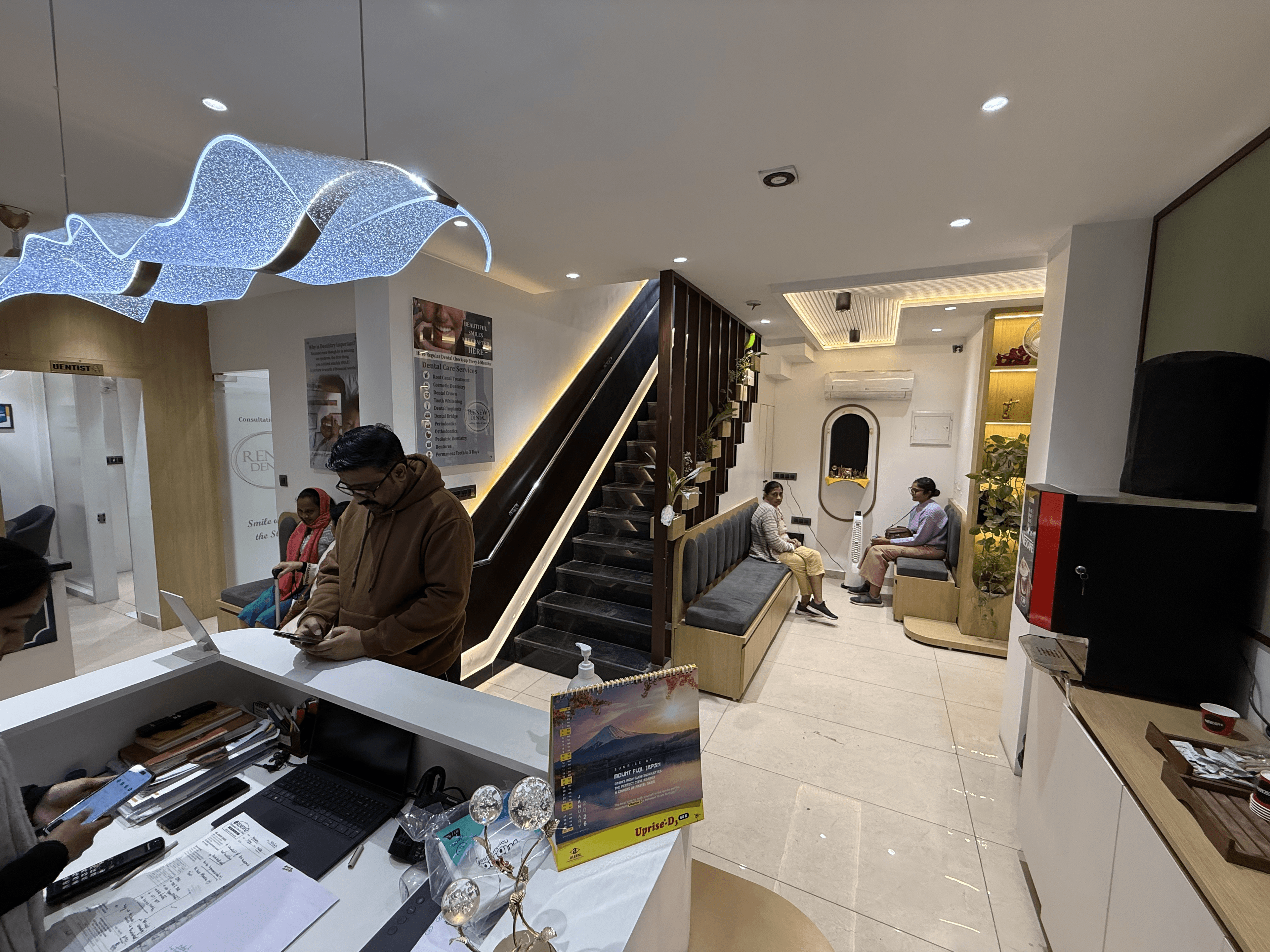
A glimpse into our modern dental clinic, advanced technology, and patient-friendly environment at Renew Dental.
Explore our thoughtfully designed clinic spaces built to provide comfort, cleanliness, and a calming experience for patients of all ages.


Best Dentist in Noida
Renew Dental Clinic located in Noida, Sector 47, is one of the leading dental clinics. Founded by Dr. Suchi Singh who is widely regarded as one of the best dentists in Noida, the clinic is committed to delivering personalised and high-quality dental care. Dr. Suchi Singh focuses on customised treatment plans designed around each patient’s unique needs, ensuring advanced, comfortable and reliable dental care at Renew Dental Clinic.

Your Trusted Dental Experts

Complete Dental Care

Friendly Dental Space

No Hidden Charges


Two trusted dental clinics in Noida — Renew Dental (Sector 47) and Tooth & Truth (Sector 34) — for gentle, modern care.

Renew Orthopedic Clinic, A-321, Basement Floor, Next to Mother Dairy Store, Sector 47, Noida, Uttar Pradesh 201303
 +91 99710 35300
A-98/A, Block A, Sector 34, Noida, Uttar Pradesh 201307
+91 99710 45002© 2026. All rights reserved | Designed and Developed by Zarle Infotech