Dental Implants vs Bridges: Which Is Better?

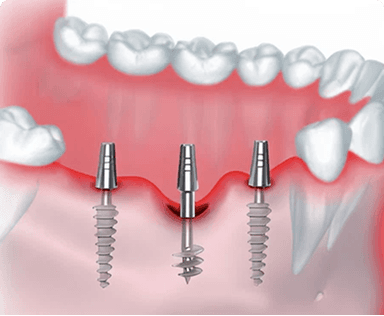
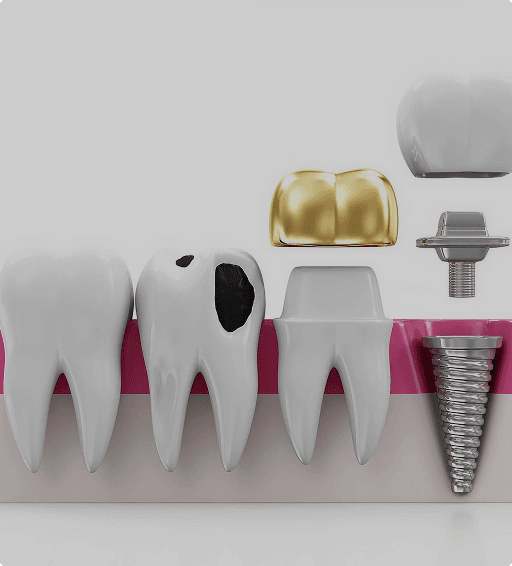
Dental implants are artificial tooth roots made of titanium that fuse with the jawbone.
A lost tooth is more than a cosmetic concern; it can influence the health of your mouth, your bite's functioning, your speech, and your overall self-esteem. Loss of teeth may result from decay, trauma, gum loss, or congenital loss. Whatever the cause, the replacement of a lost tooth is necessary in order to allow normal mouth function, to prevent the migration of the neighboring teeth, and to maintain your jawbone health.
Two of the most common solutions to restoring teeth are dental bridges and dental implants. Both address form and function, but differ in procedure, cost, longevity, and long-term benefits.
This handbook will help you make sense of the difference between bridges and dental implants, present each's advantages, and provide you with information to make an informed choice for the best tooth replacement option for you.
What Are Dental Implants?
Dental implants are the most current tooth replacement choice. Dental implants are titanium anchors that are placed into the jawbone as a replacement for tooth roots. A personalized crown is then attached at the top of the implant to produce the look and functionality of a natural tooth.
The procedure generally consists of:
- Consultation and planning: Your dentist or oral surgeon evaluates your overall oral health, bone density, and overall implant suitability.
- Implant placement: A titanium post is inserted into the jawbone during a surgical procedure under local anesthesia.
- Healing period (osseointegration): The implant integrates with the jawbone over a period of several months, forming a stable and permanent foundation.
- Crown placement: A custom-made crown is cemented onto the implant, completing the restoration.
Advantages of Dental Implants
- Long-term solution: They can last for 15-25 years or a lifetime with proper maintenance.
- Supports jawbone and facial shape: Implants prevent bone loss, which otherwise occurs after tooth loss.
- Natural look and feel: Implants are colour and shape-matched to your natural teeth.
- Does not affect other teeth: Implants, as opposed to bridges, do not require the change of adjacent healthy teeth.
Dental implants are a wonderful option for patients who desire a permanent, strong, and natural-fitting solution to missing teeth.
What Are Dental Bridges?

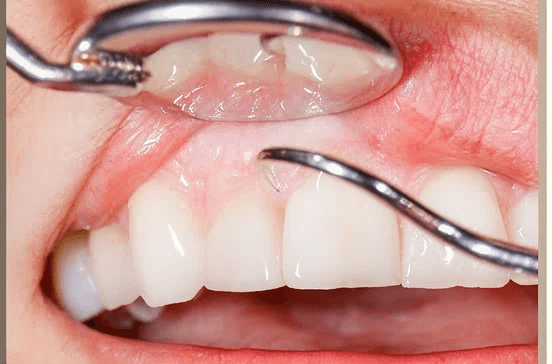
Dental bridges are prosthetic teeth anchored to adjacent natural teeth.
Dental bridges are an attractive alternative to the replacement of missing teeth, particularly for those who desire a quicker, non-surgical option. A dental bridge is a fixed prosthesis that restores the space resulting from missing teeth by being cemented to adjacent natural teeth.
There are many forms of dental bridges:
- Traditional bridges: Hold the artificial tooth on crowns on the adjacent teeth.
- Cantilever bridges: One-sided anchored when there is only a single adjacent tooth.
- Maryland bridges: Use a metal or porcelain framework bonded to adjacent teeth.
- Implant-supported bridges: Use implants and crowns to support more than one tooth.
The treatment process typically includes:
- Shaping the adjacent teeth for crown support.
- Taking dental impressions to prepare the bridge design.
- Placing the specially constructed bridge and securing it in position for life.
Benefits of Dental Bridges
- Faster treatment: Usually done in a course of dental visits without the need for surgery.
- This surgery-free treatment is suitable for patients who cannot be operated on because of existing health issues.
- Satisfactory appearance: Provides a natural appearance for tooth replacement, especially for front teeth that are visible.
- Less initial cost: Bridges are less expensive than implants.
- Dental bridges are suitable for those who want an operating and cosmetically appropriate restoration within a reduced timeframe.
Dental Implants possess certain strong benefits:
- Long-term function: Implants are healthy forever with proper care, which is an economic long-term solution.
- Preserve jawbone health: Implants maintain the jawbone stimulated to prevent bone loss and facial structure.
- Natural look and sensation: The implants blend with your natural teeth and allow for normal chewing and talking.
- No other tooth modification: No adjustment of healthy supporting teeth required, unlike bridges.
- Healthier mouth: Easier to clean than bridges, reducing the risk of tooth decay and gum disease.
Dental implants are best suited to younger patients or to a patient who would rather have a permanent solution with the most natural appearance.
Benefits of a Dental Bridge

Healing time for implants can take 3–6 months before the crown is placed.
Dental bridges also have some advantages, primarily for patients who prefer convenience and quicker outcomes:
- Quicker treatment: Bridges may be placed in several visits without having to undergo surgery or extended recovery time.
- Non-surgical procedure: For individuals with medical conditions that discourage them from undergoing surgery or those who do not prefer surgery.
- Lower starting cost: Bridges are less expensive up front than implants and a wonderful choice for price-conscious patients.
- Cosmetically attractive: Excellent when utilized to replace front teeth, where appearance is most important.
- Shape up right away: Bridges restore normal chewing and speaking capability pretty much immediately when placed.
Bridges are ideal for individuals who prefer a less invasive, faster option, particularly when the lost tooth does not require preserving the jawbone.
What to Keep in Mind Before Deciding?
Dental bridges or implants are based on several factors:
- Bone health and density: Implants require sufficient jawbone; bone loss may need bone grafting.
- Age and overall health: Implants are suitable for most adults, but certain medical conditions limit surgery.
- Cost and insurance: Implants cost more initially but are more permanent, while bridges are less expensive initially but may need to be replaced.
- Personal preference: Certain patients are more interested in durability and the sensation of having natural teeth, while others are more interested in quicker treatment.
- Lifestyle: Implants are more committed to oral care; bridges can be harder to clean around abutting teeth.
Always consult a dentist to evaluate your oral condition and receive personalized guidance.
Conclusion
Both bridges and dental implants are excellent choices for the replacement of missing teeth, both with advantages and disadvantages.
Dental implants are durable, keep the jawbone in place, and feel the same as natural teeth, but are surgical and more costly up front. Dental bridges are quicker, non-surgical, and cheaper up front, but don't halt bone shrinkage and aren't generally there as long.
The "better" choice is yours and will be based on your oral health, long-term goals, budget, and personal preferences. Having a qualified dentist to guide you means you choose the solution best fitting your unique needs, restoring function and confidence to your smile.
Frequently Asked Questions
1. Are dental implants better than bridges?
Implants are better in long-term stability, hold of the jaw, and normal function. Bridges take less time and are less invasive for those who value instant satisfaction.
2. How long does it take for the dental implant procedure?
The whole procedure from consultation to implant placement, healing (osseointegration), and crown placement typically takes 3-6 months.
3. Do bridges ruin the teeth adjacent to the missing one?
Yes, the old teeth have the teeth next to them ground down to support the bridge, which will compromise and be harmful to them in the long term.
4. Are implants or bridges more expensive?
Implants are more expensive in the first instance but will generally last longer and provide a superior long-term result. Bridges are less expensive in the first instance, but might need to be replaced sooner.
5. How do I care for implants and bridges?
They both require proper oral care:
- Brush twice a day with fluoride toothpaste.
- Floss once a day, especially for back teeth below bridges.
- Arrange regular dental visits to examine oral health.