By Renew Dental HospitalPublished on
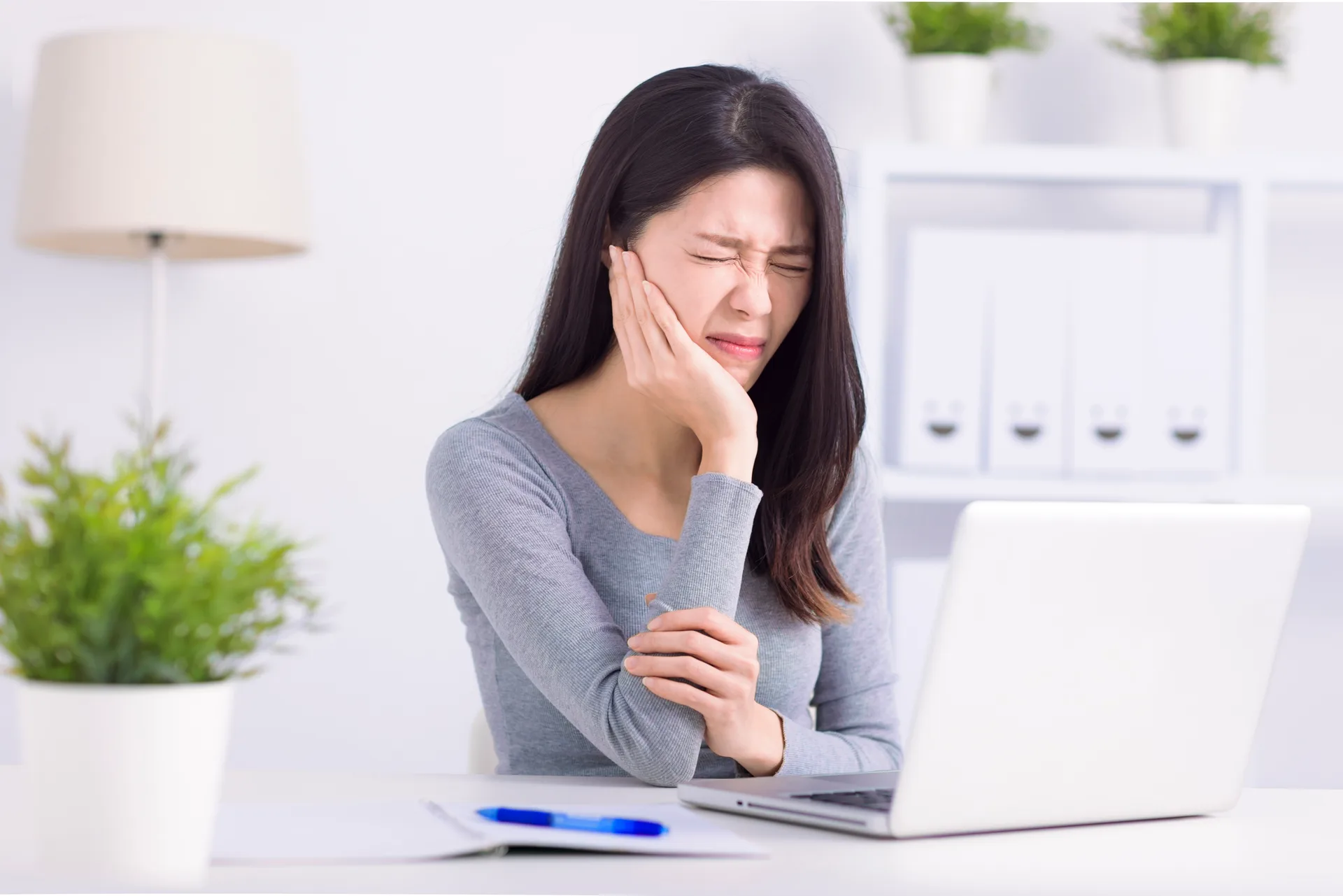
TMJ pain often begins with stress-driven clenching during long hours of screen work.
Jaw pain has become a distinctly urban complaint in cities like Noida and Delhi NCR. Long work hours, high stress, poor sleep, and the clenching and grinding that tend to accompany all three — these are the background conditions that produce temporomandibular joint (TMJ) problems in a significant proportion of the workforce. It's estimated that 10–15% of adults experience TMJ-related symptoms at some point, and the proportion among stressed urban professionals is considerably higher.
Understanding what's actually happening in the jaw joint, why it produces the symptoms it does, and what treatment realistically achieves helps patients make sense of what can be a confusing and chronic complaint.
The temporomandibular joint connects the lower jaw (mandible) to the temporal bone of the skull, just in front of each ear. Unlike most joints in the body, which hinge in a single plane, the TMJ performs two simultaneous movements: rotation (when the mouth opens slightly) and translation (the jaw sliding forward as it opens wider). This combined movement is mechanically complex and requires the coordinated action of multiple muscles, the joint disc (an articular cartilage-like structure), and the ligaments holding everything together.
The joint disc sits between the condyle (the rounded head of the lower jaw) and the socket of the temporal bone. In a healthy TMJ, this disc moves with the condyle in a smooth, coordinated way as the jaw opens and closes. When the disc's position or function is disrupted, the smooth movement is interrupted — producing clicking, popping, or catching sensations.
The muscles of mastication (chewing) — the masseter, temporalis, medial and lateral pterygoids — attach to the jaw and control its movements. When these muscles are chronically overloaded from clenching or grinding, they develop the same kind of tension and soreness that any overloaded skeletal muscle does, producing pain that can radiate widely.
TMJ-related symptoms (the clinical term is temporomandibular disorders, or TMDs) present in several patterns, sometimes alone and sometimes in combination.
Jaw joint sounds. Clicking, popping, or grating when opening or closing the mouth — often felt in front of the ear or in the ear canal itself. These sounds arise when the disc moves abnormally relative to the condyle. A simple click without pain is often not clinically significant. Clicking with pain, or grating (which suggests articular surface contact rather than disc displacement), warrants assessment.
Jaw pain. Pain at the joint itself, typically in front of the ear, or in the masseter muscle (the thick muscle in the cheek that you can feel when you clench your jaw). Often worst in the morning after a night of clenching, or at the end of a day of significant jaw use.
Muscle tenderness. The temporalis muscle (along the temple) and the masseter are commonly tender in patients with masticatory muscle overload. Touching these areas produces pain. Some patients present initially to neurologists with "headache" that turns out to be temporalis tension from clenching.
Limited jaw opening. Difficulty opening the mouth fully — either from muscle spasm restricting movement or from disc displacement blocking the condyle. Normal maximum jaw opening is approximately 35–50 mm (measured between the upper and lower front teeth). Opening below 35 mm warrants assessment.
Deviation on opening. The jaw deviates to one side as it opens — a sign of unilateral disc displacement or muscular imbalance.
Facial pain. Pain radiating through the face, temple, behind the eye, or into the neck and shoulder. TMJ-related muscle and joint pain radiates along predictable pathways that can mimic sinus pain, eye pain, ear pain, or cervical pain. Many TMJ patients have been investigated for sinusitis, eye problems, or inner ear conditions before the jaw joint is identified as the source.
Ear symptoms. Fullness in the ear, tinnitus (ringing), or subjective hearing changes — the TMJ is immediately adjacent to the external auditory canal and middle ear. Disc displacement and joint pressure can produce referred symptoms that feel entirely like ear problems.
Headache. Particularly in the morning, tension-type headache in the temporal region. Clenching during sleep produces sustained muscle contraction in the temporalis that causes headache on waking — sometimes the first and most prominent symptom of night-time bruxism.
The profile of patients presenting to Renew Dental Clinic in Sector 47, Noida with TMJ symptoms is recognisable: working professionals in the 25–45 age range, often in high-pressure corporate or IT environments, with poor sleep quality, high sustained stress, and a history of becoming aware they're clenching their jaw during work or grinding during sleep.
The connection between psychological stress and bruxism (jaw clenching and grinding) is well-established. Elevated cortisol and sympathetic nervous system activation increase jaw muscle tension. The pandemic years accelerated this trend significantly — the shift to prolonged home-based screen work, reduced physical activity, and high ambient anxiety produced a noticeable increase in bruxism and TMJ complaints across Delhi NCR dental practices.
The assessment of TMJ symptoms involves:
Clinical examination of the joint: palpating both joints while the patient opens and closes, feeling for clicking, assessing the range of motion, checking whether opening deviates.
Muscle palpation: assessing tenderness in the masseter, temporalis, and pterygoid muscles on both sides. Asymmetric tenderness often indicates which side is primary.
Bite assessment: looking at how the teeth meet and whether there are any bite interferences that create asymmetric loading.
Sleep and stress history: many TMJ patients are unaware of grinding during sleep until their partner mentions it or until a dentist shows them the characteristic wear patterns on the teeth. Discussing sleep quality, stress levels, and caffeine intake is part of the assessment.
Imaging: for most TMJ cases, a panoramic X-ray (OPG) provides useful initial information about the condylar shape and joint space. More detailed assessment of the disc position requires MRI, which is recommended for patients with significant limitation of opening, suspected disc displacement, or when surgical options are being considered.
Custom occlusal splint (night guard) is the most broadly effective first-line treatment for bruxism-related TMJ symptoms. A hard acrylic splint custom-fabricated from impressions of the patient's teeth is worn at night. It provides a flat surface for the upper and lower teeth to meet on, distributing clenching forces more evenly, protecting the teeth from wear, and reducing the peak forces transmitted to the jaw joint.
Many patients notice significant improvement in morning jaw soreness and headache within 2–4 weeks of consistent night guard use. The splint doesn't stop bruxism — the clenching continues — but it changes the load pattern enough to allow the joint and muscles to recover.
Physiotherapy-based muscle management: jaw exercises, specific stretching protocols, and heat application reduce muscle tension and gradually improve range of motion in patients with restricted opening. Some physiotherapists in Noida specialize in temporomandibular disorders; Dr. Suchi Singh provides referral where appropriate.
Stress management: because the underlying driver is often stress-related hyperactivation of the jaw muscles, addressing sleep, exercise, and stress management produces meaningful improvement in a subset of patients for whom the bruxism is purely stress-driven. This is rarely sufficient alone but is an important component.
Analgesics and anti-inflammatories: short-term use of ibuprofen reduces acute joint and muscle inflammation. Not a long-term solution but appropriate during flare-ups.
Botulinum toxin (Botox) injections into the masseter: for patients with severe bruxism and significant masseter hypertrophy (the muscle has enlarged from chronic overuse), injection of botulinum toxin reduces the masseter's contractile force. This is a specialist intervention with a few months of effect, requiring repeat treatment. It's not first-line but is helpful for patients who haven't responded to splints.
Surgical treatment for TMJ disc displacement or articular surface damage is reserved for a small subset of patients with significant structural pathology unresponsive to conservative management. Most TMJ patients don't require surgery.
Q: I have jaw clicking but no pain — is treatment needed? A: Not necessarily urgently. Clicking without pain and without limitation of jaw opening is often clinically benign and doesn't progress to significant TMD. It's worth mentioning at your next dental check-up so it's documented and monitored.
Q: Is a night guard from a pharmacy as good as a custom one? A: No. Pharmacy night guards are generic, soft, and don't fit the specific occlusal surface of your teeth. Poorly fitting guards can actually worsen the TMJ problem by creating unstable biting contacts. A custom hard acrylic splint from Renew Dental fits precisely and provides proper occlusal stability.
Q: Can TMJ problems cause ear pain? A: Yes. The TMJ is immediately adjacent to the ear canal. Disc displacement, joint pressure, and referred muscle pain from the pterygoid muscles all produce symptoms that feel like ear pain — fullness, discomfort, tinnitus. Many TMJ patients have seen ENT specialists before the jaw joint connection is identified.
Q: How long does it take for a night guard to help? A: Most patients notice some improvement in morning symptoms within 2–4 weeks of consistent nightly use. Full benefit develops over 2–3 months. The guard needs to be worn every night for continuous benefit.
For TMJ assessment and night guard fabrication at Renew Dental Clinic, Sector 47, Noida:
📞 +91 99710 35300 A-321, Basement Floor, Next to Mother Dairy Store, Sector 47, Noida, Uttar Pradesh 201303 Monday–Saturday 10:30 AM – 8:00 PM | Sunday 11:00 AM – 2:30 PM
 Copy
Copy
Most Noida parents wait until their teenager asks for braces. Learn when to book an orthodontic assessment, which options suit teens, and what to expect.
09 Oct 2026
by Renew Dental Clinic
An impacted wisdom tooth doesn't always hurt — which is why so many people ignore...
05 Oct 2026
by Renew Dental Clinic
The fear around root canals is almost always worse than the procedure itself. This guide...
04 Oct 2026
by Renew Dental Clinic
Most people have never been told what "healthy" actually looks like in their mouth. This...
30 Jul 2026
by Renew Dental Clinic

Discover how diseases of the gums and poor oral hygiene accelerate heart ailments. Explore the...
18 Nov 2025
by Renew Dental Clinic

Most people brush their teeth but skip the tongue. This guide explains what lives on...
16 Jul 2026
by Renew Dental Clinic
Need a dental crown in Noida? This complete patient guide explains every type of dental...
18 Jun 2026
by Renew Dental Clinic

Dilemma between dental implants and bridges? Weigh the cost, longevity, procedure, and advantages to determine which tooth replacement method is superior.
03 Oct 2025
by Renew Dental Clinic

If you’ve ever had a damaged, cracked, or root canal-treated tooth, your dentist probably suggested...
21 Oct 2025
by Renew Dental Clinic

Explore the pros, cons, costs, durability, and suitability of teeth whitening and veneers. Learn which cosmetic dental procedure is best for your unique smile.
27 Jun 2025
by Renew Dental Clinic
Teeth reshaping removes small amounts of enamel to refine tooth shape, with no injections and...
13 Oct 2026
by Renew Dental Clinic
Considering dental veneers in Noida? This complete guide explains what veneers are, the types available,...
20 May 2026
by Renew Dental Clinic
Explore More
Discover how thousands of patients trust Renew Dental Clinic with their smiles.
Excellent explanation, punctual, welcoming staff, High hygiene standards, great team..
I am in touch with Dr.Suchi as a patient from last 8 years during this period i have gone through number of times dental treatment eg Root Canal , Implant etc. I am fully satisfied with the work of Dr.Suchi Singh she is excellent.
Best dental treatment ....
Had an appointment with doctor Ankur Singh
We feel homely at clinic
Very good staff, within budget and hygienic environment..
Excellent and satisfactory services at this clinic.
I don’t usually write reviews, but this one comes straight from the heart.
I brought my mom for her dental care to Dr. Suchi. We highly recommend the doc for such an expertise.
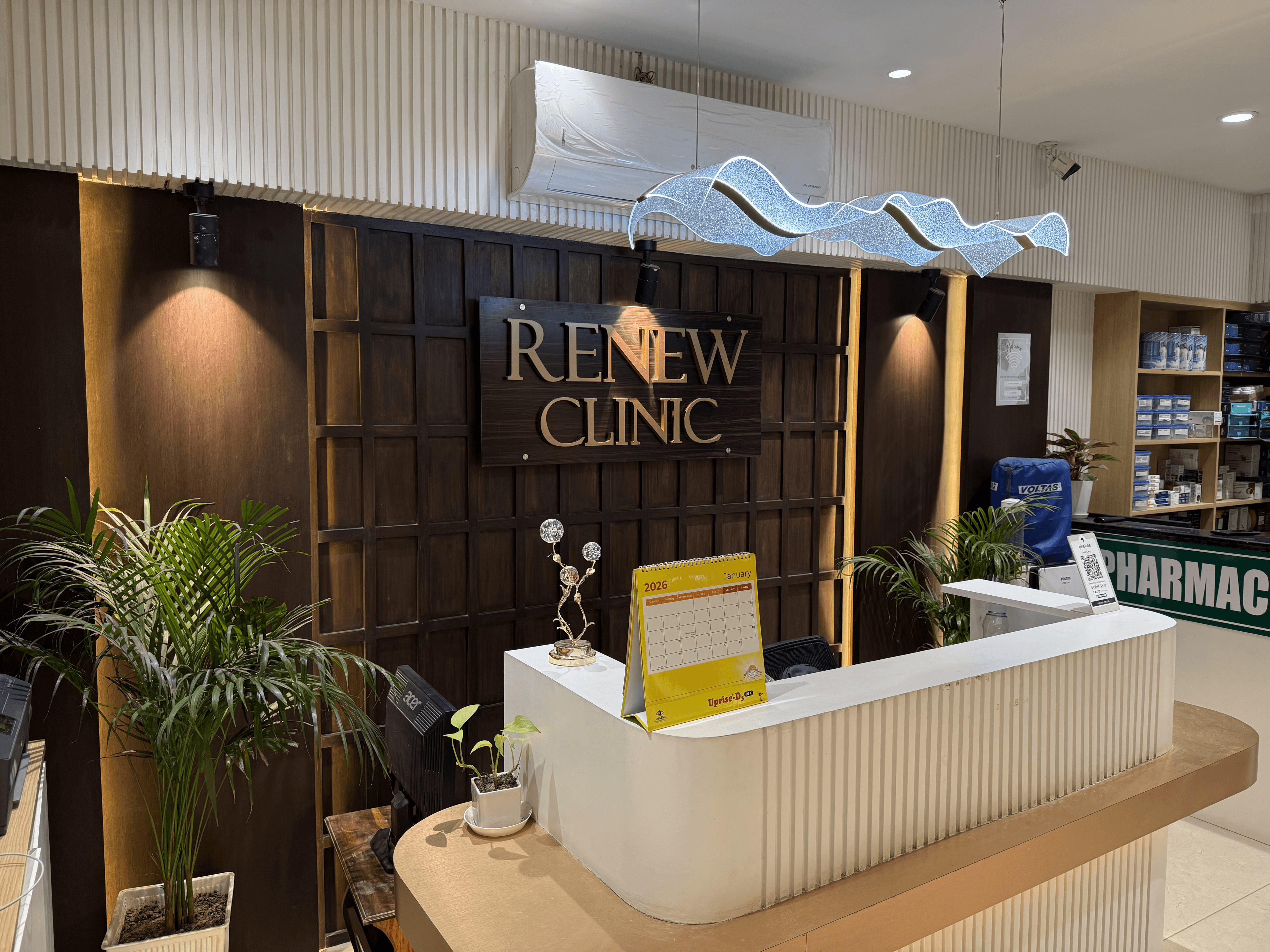
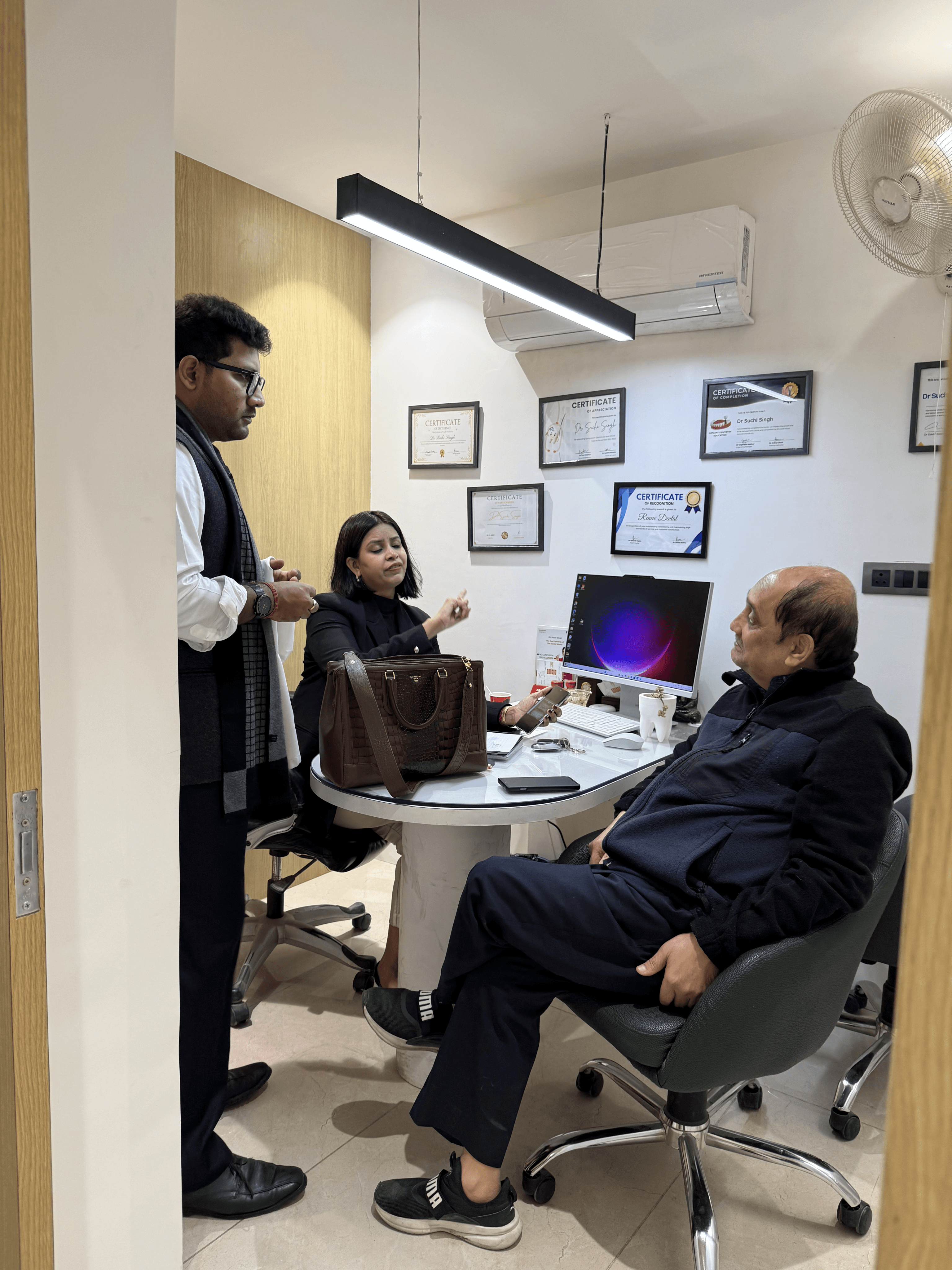
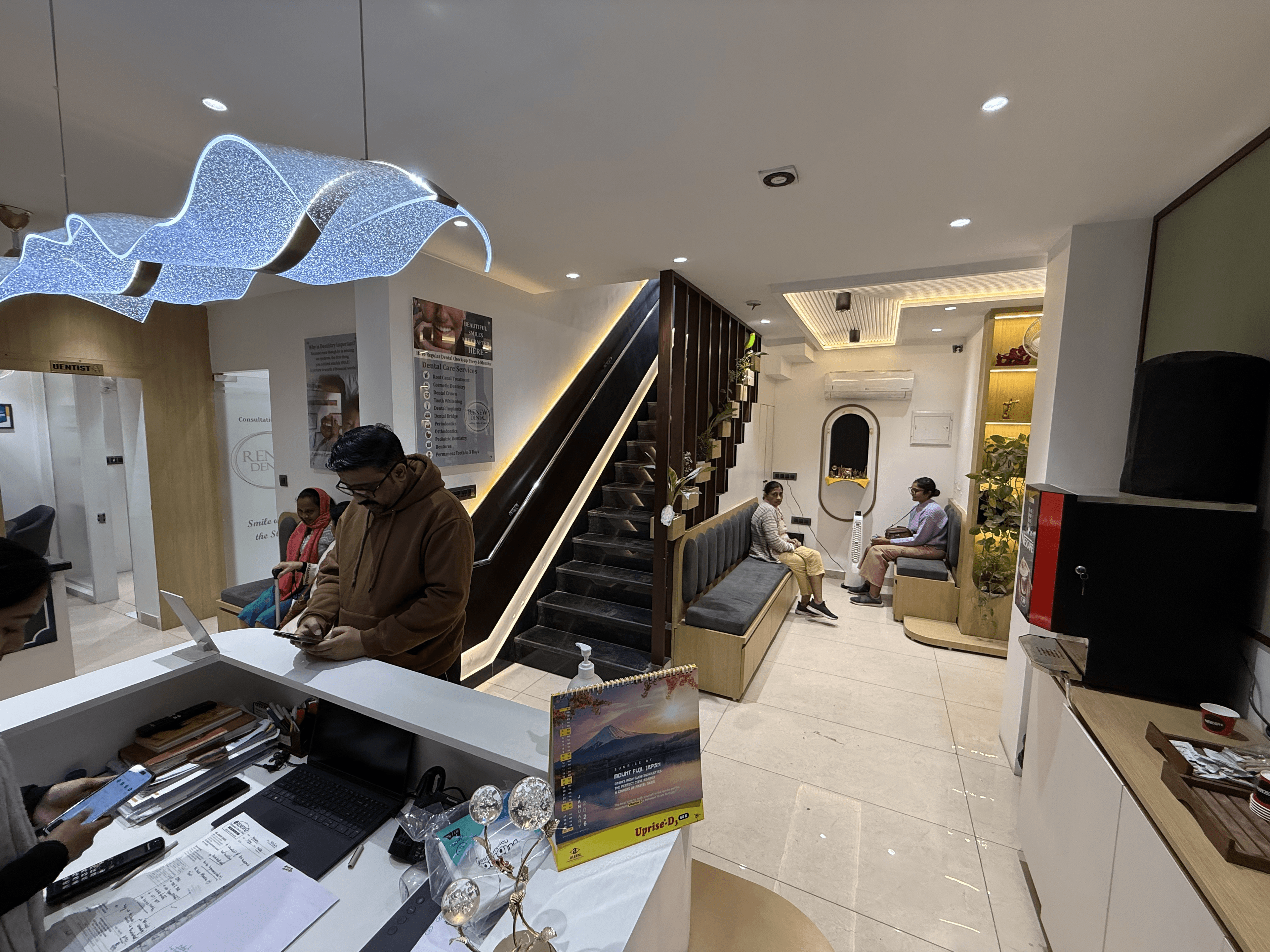
A glimpse into our modern dental clinic, advanced technology, and patient-friendly environment at Renew Dental.
Explore our thoughtfully designed clinic spaces built to provide comfort, cleanliness, and a calming experience for patients of all ages.
Best Dentist in Noida
Renew Dental Clinic located in Noida, Sector 47, is one of the leading dental clinics. Founded by Dr. Suchi Singh who is widely regarded as one of the best dentists in Noida, the clinic is committed to delivering personalised and high-quality dental care. Dr. Suchi Singh focuses on customised treatment plans designed around each patient’s unique needs, ensuring advanced, comfortable and reliable dental care at Renew Dental Clinic.

Your Trusted Dental Experts

Complete Dental Care

Friendly Dental Space

No Hidden Charges

Two trusted dental clinics in Noida — Renew Dental (Sector 47) and Tooth & Truth (Sector 34) — for gentle, modern care.

Renew Orthopedic Clinic, A-321, Basement Floor, Next to Mother Dairy Store, Sector 47, Noida, Uttar Pradesh 201303
 +91 99710 35300
A-98/A, Block A, Sector 34, Noida, Uttar Pradesh 201307
+91 99710 45002© 2026. All rights reserved | Designed and Developed by Zarle Infotech