Best Oral Care Practice for Children

Start brushing your child’s teeth as soon as the first tooth appears to prevent cavities.
Healthy teeth during childhood are the key to a lifetime of healthy smiles. Similar to adults, children also require good oral care, but in a slightly different manner. Baby teeth are smaller, softer, and more fragile than permanent teeth, and are prone to decay. As children develop habits, they are very reliant on parents to guide and monitor them.
The purpose of this article is to provide easy and convenient tips that parents can follow daily to keep their child's gums and teeth healthy through a daily routine of brushing and flossing, as well as what and when they eat, and to understand what materials they can play with. Thee following steps will make dental care for children quick and effective.
Oral Care is Crucial in Kids
All the parents share the view that baby teeth are not so significant since they all fall off anyway. This is an excellent myth. Baby teeth play a crucial role in helping the child chew food effectively, speak clearly, and guide the development of their permanent teeth and jaw. Losing them early due to decay can lead to speech problems, malnutrition, and crooked permanent teeth down the line.
Poor oral health in children can quickly lead to cavities, gum disease, and even a painful infection. Studies reveal that kids with untreated cavities are more likely to experience issues at school due to sore teeth and distraction. A small cavity in a baby tooth also affects the developing adult tooth below.
Thus, early exposure to dental treatment is highly critical. Building good habits from the first tooth helps children develop healthy, robust teeth as well as healthy oral attitudes in adulthood.
Good Brushing and Flossing Regimens
Tooth brushing should begin as soon as the first tooth erupts, typically around 6 months of age. The tooth should be gently cleaned with a soft-bristle baby toothbrush. For toothless babies, gums can be wiped after meals using a clean, damp cloth.
When choosing a toothbrush, choose one with soft bristles, a tiny head, and not a tubby handle. It is kind to little mouths to brush and soothe. Choose fluoride toothpaste, but use only the smallest amount: a grain of rice for children under 3 years and a pea-sized amount for children aged 3- 6 years.
Educate children to brush their teeth twice a day, morning and night. Parents need to accompany or guide their children until the age of 7 to ensure they are brushing correctly. Begin flossing when two teeth touch each other, between the ages of 2 and 3, to stop food particles from developing cavities among teeth.
Although brushing is important, diet is equally significant. Certain foods strengthen teeth, while others leave them vulnerable to cavities. Foods for healthy mouths in children include milk, cheese, yogurt, green vegetables, nuts, apples, and carrots. All of these are high in calcium, vitamin D, and other minerals that make the teeth and bones hard.
Families should limit the consumption of sweet foods and drinks, such as candy, soft drinks, cookies, and juice boxes. Sugar feeds disease-causing oral bacteria that produce acids to break down tooth enamel. If children do consume these types of foods, it is easier to provide them as meals rather than snacks, as eating stimulates salivary flow and helps clear sugar.
Water also needs to be drunk. It cleans out food particles, keeps the mouth wet, and prevents cavities. Encourage children to have water between meals and snacks instead of flavored beverages.
Regular Dental Checkups
Take your child for their first dental visit by their first birthday.
Take your child for their first dental visit by their first birthday.
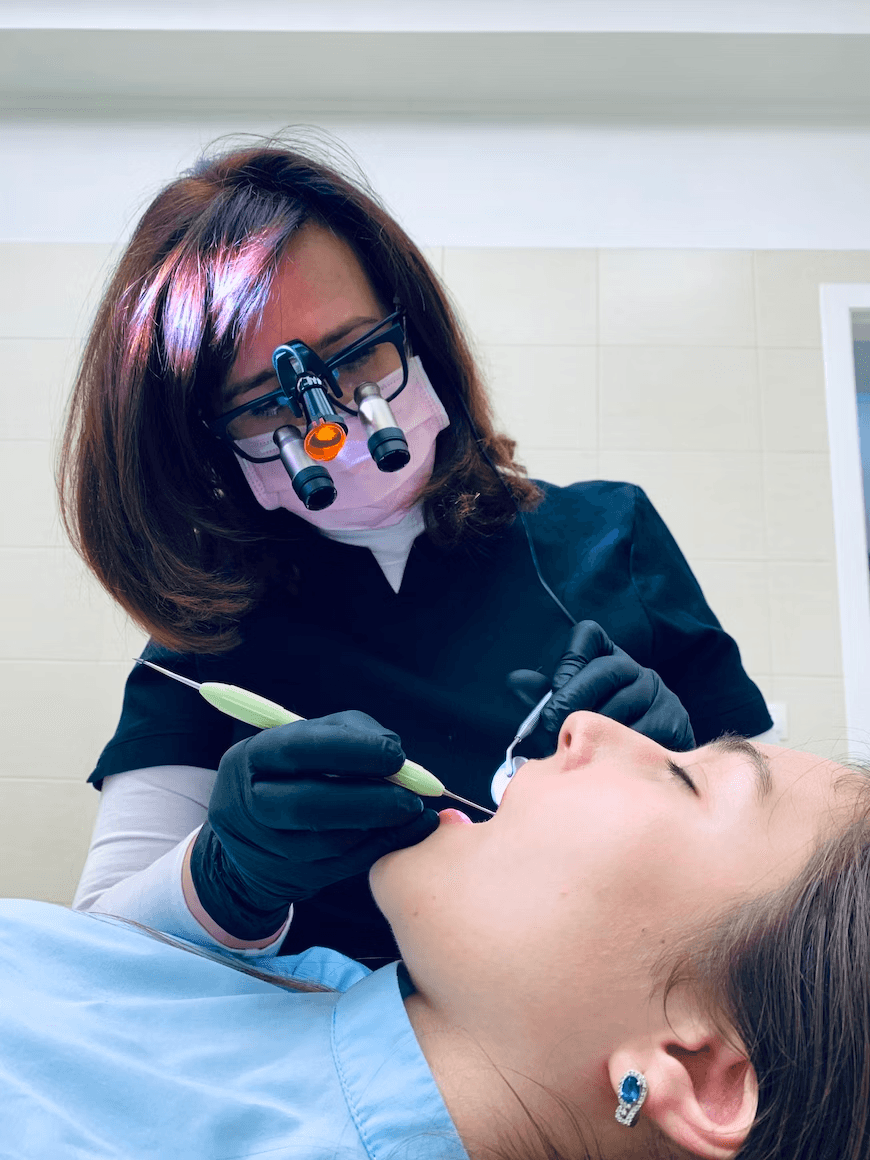
Not many parents visit the dentist only when they have a problem with their child, but the dental visits must be much sooner. The initial dental visit must be when the child is 1 or 6 months after the first tooth eruption. It is where any malfunctions are detected early, and parents can gain knowledge on how to care for their children's teeth.
Second, children must see a dentist every 6 months for a checkup. This allows dentists to clean teeth, provide fluoride, and examine for cavities or crookedness problems. Checkups prevent children from developing major problems later in life, sparing children pain and parents costly dental procedures.
Getting Oral Hygiene Enjoyable for Kids
Getting kids excited about brushing can be challenging, but making it fun is a magic trick. Parents can try brushing games, songs, or apps to make brushing more enjoyable. Brushing takes less time when kids are having a good time.
Let children choose their own brightly colored toothbrush or flavored toothpaste (e.g., strawberry or bubblegum) to make the experience enjoyable. Sticker, star, or treat rewards for daily brushing can also encourage children to take brushing seriously.
If fun is made out of oral hygiene, children are likely to form habits that last a lifetime.
Special Care Tips by Age Group
Toddlers (0–3 years)
Lightly brush with parents at this age. Pea-sized fluoride toothpaste and a soft brush. Never permit toddlers to sleep with a bottle of milk or juice because it causes "baby bottle tooth decay."
Preschoolers (3–6 years)
Children may start learning to brush their own teeth, but parents must supervise and correct them. Demonstrate circular strokes and instruct them to brush all surfaces of their teeth.
School age (6–12 years)
Children can brush their teeth more independently, but they still need their parents to inspect their technique. It is also an age when permanent teeth begin to erupt, and hence, prevention of cavities becomes more critical.
Teenagers (13+ years)
Adolescents may have unique oral health demands due to the use of braces, participation in sports, or social pressures. Mouthguarding during athletics guards teeth, and orthodontia requires more extensive brushing and flossing. Encourage teenagers to avoid sweet beverages and adopt healthy habits.
Typical Blunders Parents Must Avoid

Supervise brushing until at least age 7 to ensure proper technique and thorough cleaning.
Even with the best of intentions, parents may harm their child's oral health. Some of the most frequent pitfalls are:
- Having children sleep with milk bottles or sweet drinks exposes them to sugar during the day and increases the risk of rapid tooth decay.
- Failing to fill cavities of baby teeth: Parents believe baby teeth are not essential, as they will come out anyway. In fact, if the cavities are not filled, it can lead to pain, infection, and also affect the alignment of permanent teeth.
- Too much fluoride toothpaste: Fluoride. Suitable for the teeth, but too much swallowed at one time will cause fluorosis (spotted teeth). Always. Use the proper amount.
- Letting children brush too soon on their own: Kids may miss spots or brush too briefly. Adult supervision until they can brush all their teeth every time.
Avoiding these pitfalls ensures that your child develops safe and effective oral hygiene practices.
Conclusion
Fending for children's teeth is more than avoiding cavities; it is establishing a habit that may endure a lifetime. Early care, daily brushing and flossing, a tooth-aware diet, and regular dental visits are all key components.
It is the parents who have the most influence and control over their child's oral hygiene. With patience, persistence, and a little imagination, you can watch your child with healthy, healthy teeth and a brilliant smile.
Frequently Asked Questions
1. At what age should children brush their teeth?
Children may start brushing as early as the first tooth appears, typically at around 6 months of age. A pea-sized amount of fluoride toothpaste on a soft-bristle toothbrush would do at this age.
2. How much toothpaste do children need to use?
Young children under the age of 3 must apply a rice-grain amount of toothpaste that has fluoride. For children between 3 and 6 years old, use a pea-sized amount. This offers protection without endangering by swallowing too much fluoride.
3. How frequently must children see the dentist?
Kids need to visit the dentist every 6 months. The first visit should be at age 1 to ensure healthy tooth development and early prevention.
4. What foods can children eat to have healthy teeth?
A diet that is high in calcium and in foods that are rich in vitamins, such as milk, cheese, yogurt, greens, apples, and carrots, promotes healthy gums and teeth. Fruits and vegetables that are crunchy also help clean teeth effectively.
5. How do I make brushing enjoyable for my child?
Brushing can be enjoyable by playing with colorful toothbrushes, using delicious toothpaste, listening to brushing songs, or using toothpaste applications. A reward sticker or star chart can motivate children to brush teeth regularly.
6. Are cavities in baby teeth important?
Yes. Cavities in baby teeth can cause pain, infection, and issues with the permanent teeth developing properly. Although baby teeth are lost, they are still significant to the child's health and well-being.