Wisdom Tooth Extraction: Pre and Post Care Instructions for Safe and Quick Recovery

Wisdom teeth are the third molars, typically appearing between the ages of 17 and 25, often being the last teeth to erupt in the mouth.
Getting your wisdom teeth removed seems to sound scary, but with proper preparation and post-treatment care, it can be a trouble-free and tensionless process.
Far and away the most common dental procedure, the removal of wisdom teeth is done typically to prevent or eliminate pain, swelling, infection, or crowding in the mouth. These third molars, or "wisdom teeth," typically erupt between the ages of 17 and 25, when normally there is not enough room for them to emerge like they are supposed to.
That is why dentists generally recommend that a tooth be pulled when it isn't quite yet at the hard-to-handle stage. The hook, though, is, no matter what you do to your mouth before and after it really comes back to bite you when it is about recovering in a hurry and without pain.
Here's step by step what we're going to guide you through, from preparation before surgery to post-surgery care, diet plan, and warning signs, to make you heal quicker and return to normal faster.
When Do Dentists Prescribe Wisdom Tooth Removal
Not everyone needs wisdom teeth removed. If they are coming in straight, healthy, and through the gum completely, you won't need any treatment. Some individuals, though, have one or more of the following issues:
- Impacted wisdom teeth, the tooth becomes stuck under the gum or bone and won't emerge as it should.
- Occasional infections or swelling behind the molars.
- Food entrapment or cavities due to the improper alignment of wisdom teeth.
- Injury to nearby teeth due to overlapping or misaligning.
- Pre-emptive extraction before braces, jaw surgery, or orthodontics for avoiding future problems.
Your dentist would likely instruct X-rays in order to discover where the wisdom teeth are located prior to making a decision for extraction.
Preparation for Wisdom Tooth Removal (Before-Care Instructions)
Preparation in advance minimizes discomfort and increases healing. Following are some pre-surgical requirements:
1. Discuss your medical history and medications.
Let your dentist know all ongoing medical conditions, allergies, or medications. Certain medications like blood thinners will need to be stopped prior to surgery.
2. Fast as instructed.
If you are having sedation or general anesthesia for your extraction, you will be required to stop eating and drinking 6–8 hours prior to.
3. Plan your ride home so that you can drive yourself.
Sedation or anesthesia will make you sleepy. It is best to have a number of people bring you home and have one of them drive.
4. Quit smoking and drinking.
They both suppress healing and put you at risk for bleed and infection.
5. Get ready for your recovery supplies.
Stock all of the soft foods, pain medications (if instructed), and ice packs. Having them on hand will make post-op a snap.
By doing all of this, you allow your dentist to work with less tension and help you heal comfortably afterwards.

Many people don’t have enough space in their jaws for wisdom teeth to grow properly, which can lead to crowding, misalignment, or impaction.
What Happens During the Procedure?
Knowing what happens during extraction, anxiety can be eliminated.
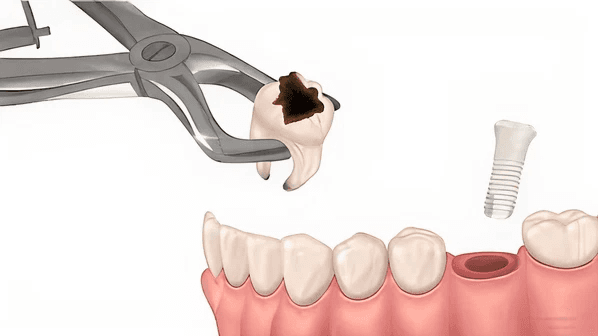
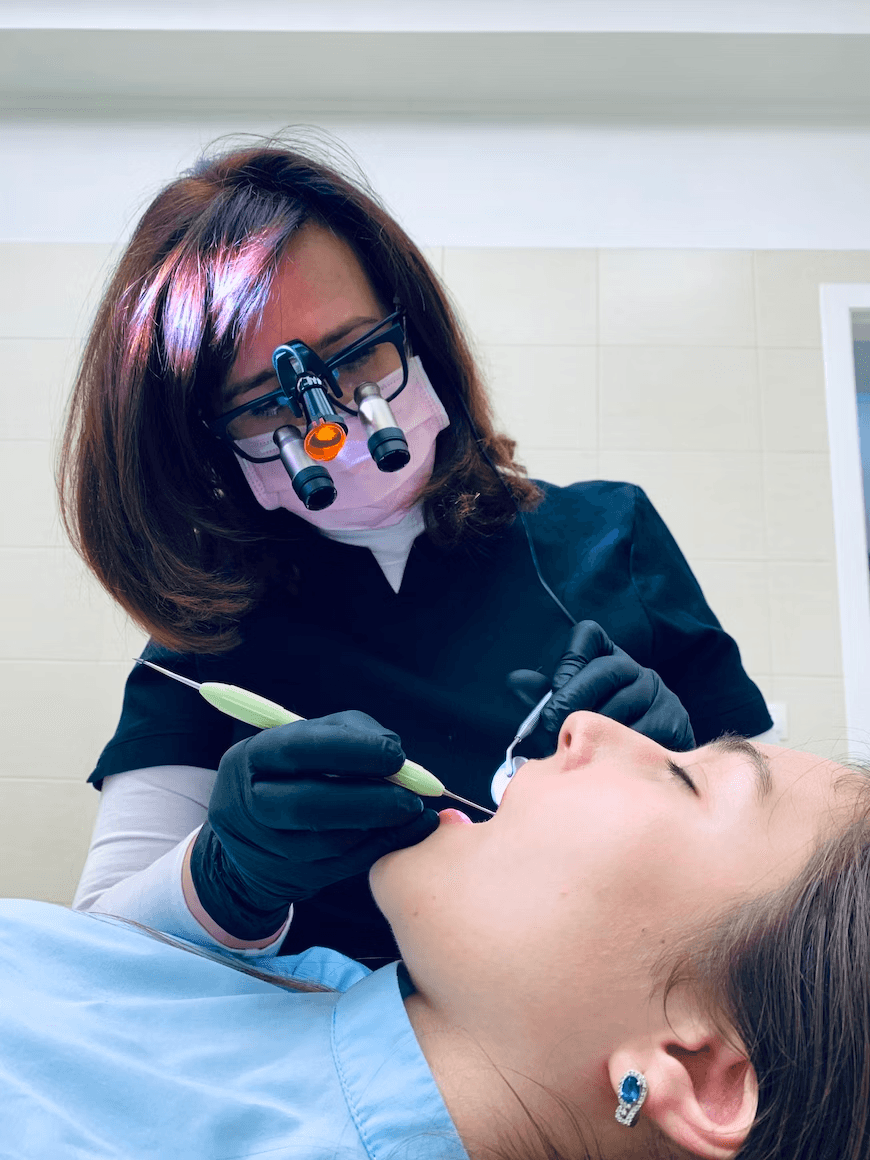
IV sedation or local anesthetic starts the process, depending on the ease with which one can perform a case and your comfort. Once numbed, the dentist accesses the wisdom tooth through a small cut in the gum.
If the tooth is impacted or stuck in the bone, it may be divided into smaller pieces for easier removal. After extraction, the area is cleaned and may be stitched closed to promote faster healing.
Most procedures last 30–60 minutes, and since anesthesia is used, you’ll feel no pain, only slight pressure during the process.
Immediate After-Care Tips (First 24–48 Hours)
The first two days following your wisdom tooth extraction are the most important for your healing. Do these (don't do these):
- Prevent bleeding: Bite on the gauze pad your dentist provides for 30–45 minutes gently to stop bleeding.
- Stop swelling: Place an ice pack on your cheek for 10–15 minutes at a time. Swelling will usually be at its worst within 24 hours, so a soon cold compression is magic.
- Don't spit or rinse: Do not force spitting, rinsing, or use of a straw for 24 hours, they will dislodge the blood clot and result in dry socket, which hurts.
- No smoking, no drinking: They lead to infection and delayed healing. Both are best avoided for at least 3–5 days.
- Take medications: Take painkillers and antibiotic as prescribed by your dentist to manage pain and fight infection.
Resting matters, too. Try resting with the head raised a little and spare your body the work of straining for a day or more.
Diet and Oral Care After Removal
The way you eat and take care of your mouth after surgery directly affects recovery.
Start with cold, soft foods:
- Eat soft foods like yogurt, smoothies, mashed potatoes, pudding, or ice cream on the first 1-2 days. They are comforting and comfortable to swallow.
- Crunchy foods: Anything that might traumatize the wound or plug up in the socket (e.g., chips, nuts, or rice) should be avoided for one week.
- Hydrate: Drink plenty of water but not with a straw, the suction can loosen the clot that's healing.
- Soft oral care: Brush teeth gently, but not on the surgery area for the initial few days.
- As an option, 24 hours after surgery, you may rinse with warm salt water (warm water with ½ teaspoon of salt) a few times a day to maintain the area clean.
Healing Timeline & What to Expect
Recovery of the wisdom tooth is a process, and knowing what to expect will reassure you along the way.
- First 24 hours: Clotting, possibly a little swelling and oozing.
- 2-3 days: Swelling worst, and you should be feeling some minimal tenderness or stiffness of your jaw.
- 1 week: Stitches (if any) dissolve or are removed. Swelling and pain start to get much better.
- 2-3 weeks: Gum tissue heals almost completely.
- 1-3 months: Bone below heals and remodels completely.
We all heal differently, but paying attention to keep up with your dentist's schedule is the secret to rapid and healthy healing.

Wisdom tooth extraction is a common oral surgery, performed to remove one or more of these third molars to prevent or treat dental issues.
When to Visit a Dentist Post-Surgery?
It's normal to be sore and swollen, but certain signs must never be ignored.
Call your dentist immediately if you experience:
- Continued bleeding that won't let up after 3–4 hours
- Nerve pain escalating after 3–4 days (possible dry socket)
- Garlic smell or unpleasant taste from the wound (sign of infection)
- Fever or shifting swelling of the neck or face
- Numbness or tingling that doesn't resolve after the anesthesia has taken effect
These are infection or complication signs that need immediate care.
Tips to Recover Quicker
Want to heal quicker and minimize pain? Look at these dentist-approved tips:
Rest.
Keep off straining with exercises like running or lifting heavy weights for a few days.
Drink plenty of water.
Water washes out poisons and keeps your mouth lubricated.
Take medicine on schedule.
Don't miss the doses, antibiotics and painkillers work best if taken on schedule.
Don't disturb the wound.
Don't lick it with your tongue or touch it with your fingers, that will cause the space to open up or bring bacteria in.
Sleep with your head up higher than your feet.
This reduces swelling and allows for circulation to heal.
Conclusion
Most folks are fine in a week and can probably make it through their activities just fine.
Having wisdom teeth removed does seem intimidating, but it's actually a relatively standard and harmless dental procedure, and then again, it's the fix to not having to suffer from constant dental ache, infection, and overcrowding.
If you have good pre-op and post-op treatment, you'll be fine within no time with a speedy, painless, and trouble-free recovery.
Remember, ice packs, rest, soft foods, and salt water rinses are your best friends during recovery. And if anything feels unusual or painful, don’t wait, contact your dentist right away.
With careful preparation and disciplined aftercare, you’ll be back to smiling and eating comfortably in no time.
Frequently Asked Questions
1. How long does it take to recover after wisdom tooth removal?
It takes most individuals 3-5 days to recover from a normal extraction but 2 weeks to heal gum tissue with surgical extractions. Bone healing underneath the gums may take months. Follow-ups after post-care speed up recovery.
2. Is wisdom tooth surgery painful?
No, the process itself is completely painless since it's performed under local anaesthesia or sedation. You will barely notice any pressure but completely no pain. Swelling or pain following the procedure is to be expected and can be managed with cold compresses and painkillers.
3. Are all four wisdom teeth removed at the same time?
Yes, most people like to have all four wisdom teeth removed at once, especially if they're impacted or crowded. It's quick and easy, but you'll lose a few extra days off to fully recover. Your dentist will talk it over with you before recommending it.
4. What shouldn't I eat after the extraction?
Avoid hot, spicy, hard, and sticky foods like chips, popcorn, nuts, and hard candy. These cause the wound to be irritated or the socket to get plugged. During the first three to four days, have cold, soft foods like yogurt, soups, and mashed potatoes.
5. What is a dry socket?
A dry socket occurs when the blood clot at the extraction site dislodges too early, exposing the bone. You’ll notice severe pain, bad breath, and an empty-looking socket a few days after surgery. If this happens, contact your dentist immediately for treatment, it’s easily managed with medicated dressings.