Dental Implants in Noida — Everything You Need to Know Before Getting One

Dental Implants in Noida — Everything You Need to Know Before Getting One
Missing a tooth changes more than your smile. It shifts how you chew, affects how you speak, and over time, it can quietly alter the structure of your jawbone. If you've been putting off a decision about dental implants because you're not sure what's involved — this guide is written for you.
At Renew Dental Clinic, Sector 47, Noida, we see patients every week who arrive with months of hesitation behind them. Most of them say the same thing after their consultation: "I wish I'd come in sooner." Here's everything you actually need to know before making that appointment.
What Is a Dental Implant?
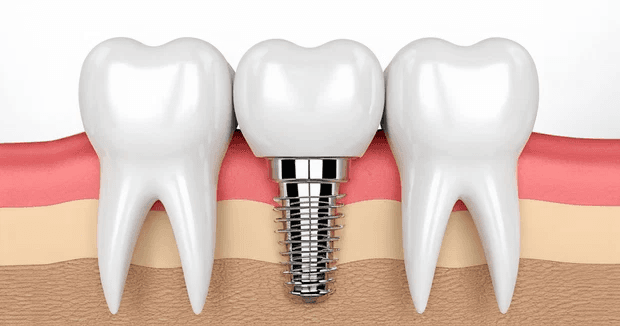
A dental implant is a small titanium post that your dentist places directly into your jawbone, where it acts as an artificial tooth root. Once it bonds with the bone — a process called osseointegration — a crown (the visible tooth) is attached on top.
The result is a replacement tooth that looks, feels, and functions almost exactly like a natural one. Unlike dentures, it doesn't come out. Unlike a bridge, it doesn't require grinding down the healthy teeth next to the gap.
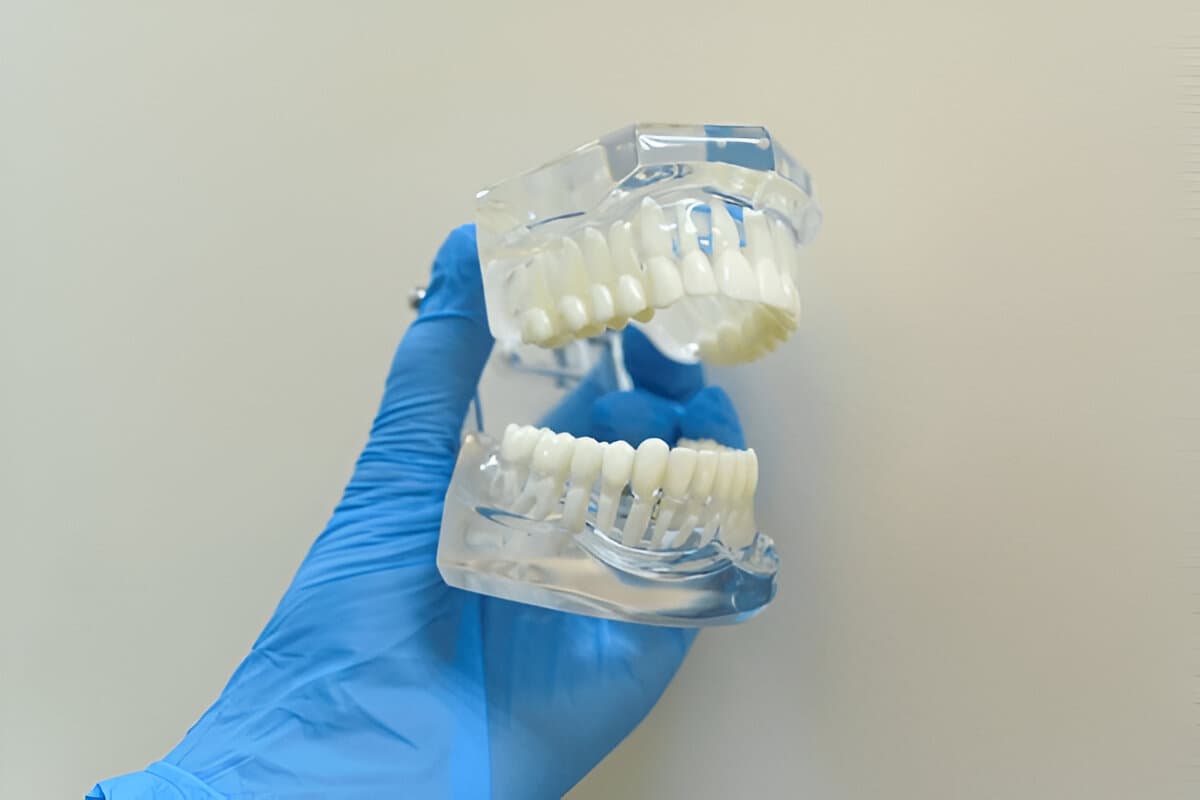
Three components make up a complete implant:
- The implant post — titanium screw anchored into the jawbone
- The abutment — a connector piece that sits just above the gumline
- The crown — the custom-made tooth that everyone sees
Together, they work as one unit and can last many years with proper care.
Why Do People in Noida Choose Implants Over Other Options?
There are a few ways to replace a missing tooth — bridges, partial dentures, and implants being the main ones. Each has its place. But patients who come to Renew Dental Clinic in Noida looking specifically at implants usually have good reasons.
1. They preserve jawbone
When a tooth is missing, the bone beneath it starts to shrink. It has no root to stimulate it, so the body slowly reabsorbs it. An implant mimics a tooth root and keeps that bone alive. A denture or bridge does not.
2. They don't touch neighboring teeth
A traditional dental bridge requires the dentist to file down the two teeth on either side of the gap so the bridge can anchor onto them. Those teeth are perfectly healthy. With an implant, they stay untouched.
3. They're fixed
Dentures shift, click, and sometimes need adhesive. An implant is held in place by the bone itself. You eat, laugh, and talk without thinking about it.
4. They feel natural
Most patients forget which tooth was replaced within a few weeks of the crown being fitted.
Types of Dental Implants
Not every patient needs the same type of implant. At Renew Dental Clinic, treatment is tailored to your bone structure, how many teeth are missing, and your overall oral health.
1. Endosteal Implants
The most common type. The titanium post goes directly into the jawbone. This works best for patients with good bone density and healthy gums. A single implant can support one crown, but it can also anchor a bridge or denture for multiple missing teeth.
2. Subperiosteal Implants
Placed under the gum but above the jawbone, these are used when a patient doesn't have enough bone depth for a standard endosteal implant — and isn't a candidate for bone grafting.
3. All-on-4 Implants
For patients who have lost most or all of their teeth, this approach uses just four strategically placed implants to support an entire arch of teeth. It reduces the number of surgeries needed and is often faster than placing individual implants for every tooth.
4. Mini Implants
Smaller in diameter, these are used for stabilizing lower jaw dentures or in cases where the bone is too narrow for a standard implant. They require less invasive surgery.
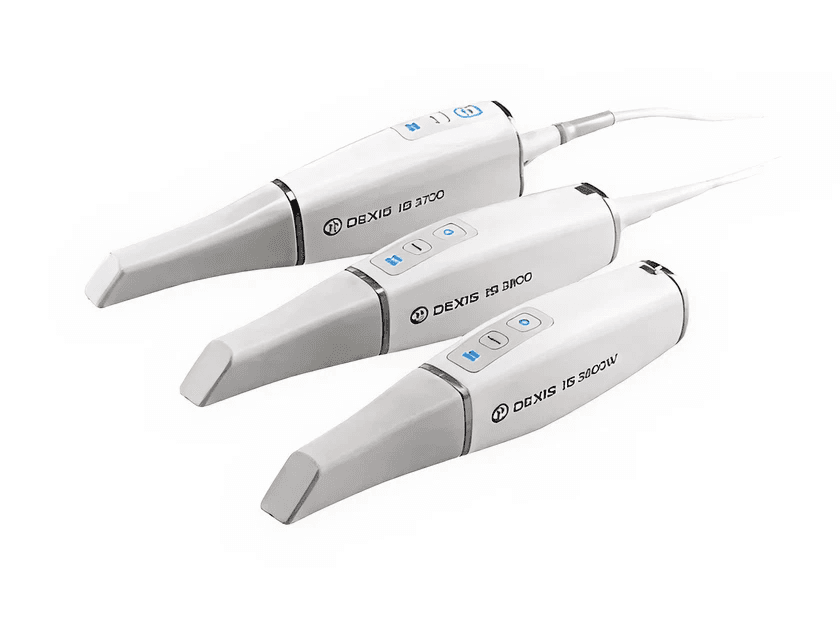
Your dentist will recommend the right type after a thorough assessment — including X-rays and sometimes a 3D CBCT scan to evaluate your bone structure precisely.
Am I a Good Candidate for Dental Implants in Noida?
Most healthy adults are eligible. The basic requirements are:
- Healthy gums — active gum disease needs to be treated first
- Sufficient bone density — enough bone to anchor the implant securely
- Good general health — no conditions that would interfere with healing
- Non-smoker or willing to quit — smoking significantly reduces implant success rates
If you have diabetes or hypertension, you can still be a candidate, but your general physician will be consulted as part of the planning. Patients who have had radiation therapy to the head or neck region need individual evaluation.
One thing that surprises many patients: age is rarely a barrier. Both younger adults and older patients in their 60s and 70s get implants successfully. The key factor is bone health, not age.
If your bone has thinned due to a long-standing gap, a bone graft can often be done beforehand to build it back up. This adds time to the process but opens the door for patients who might otherwise have been told they're not eligible.
The Dental Implant Procedure — Step by Step
Understanding what happens at each stage takes away most of the anxiety around implants.
Step 1 — Consultation and Assessment
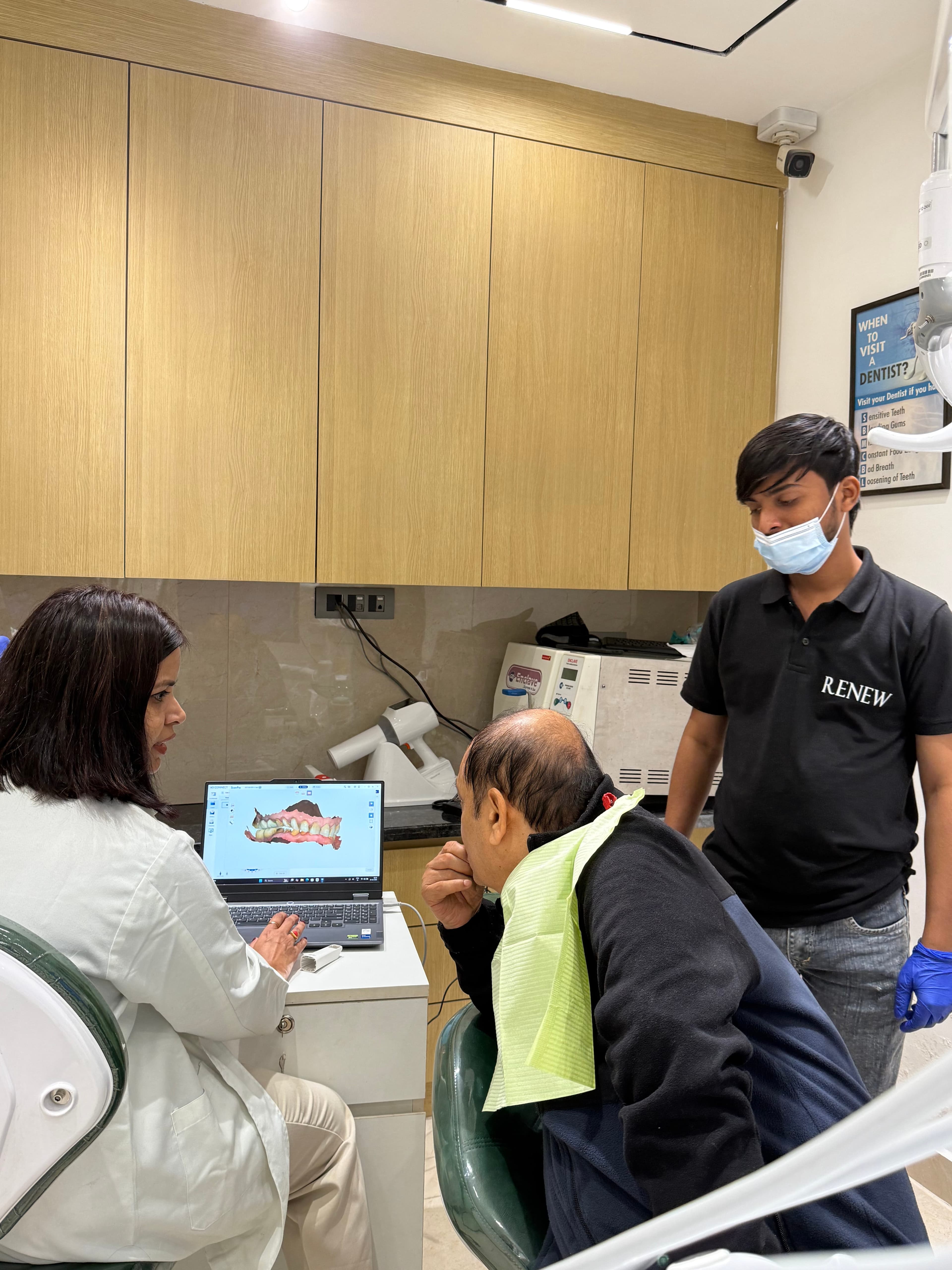
Your dentist examines your mouth, reviews your medical history, and takes X-rays. A 3D scan may be done to assess bone volume precisely. This is where your treatment plan is made.
Step 2 — Tooth Extraction (if needed)
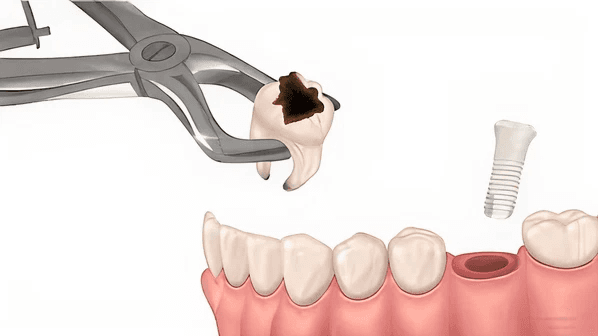
If the damaged or broken tooth hasn't already been removed, it is extracted at this stage. In some cases, an implant can be placed immediately after extraction. In others, the site is given time to heal first.

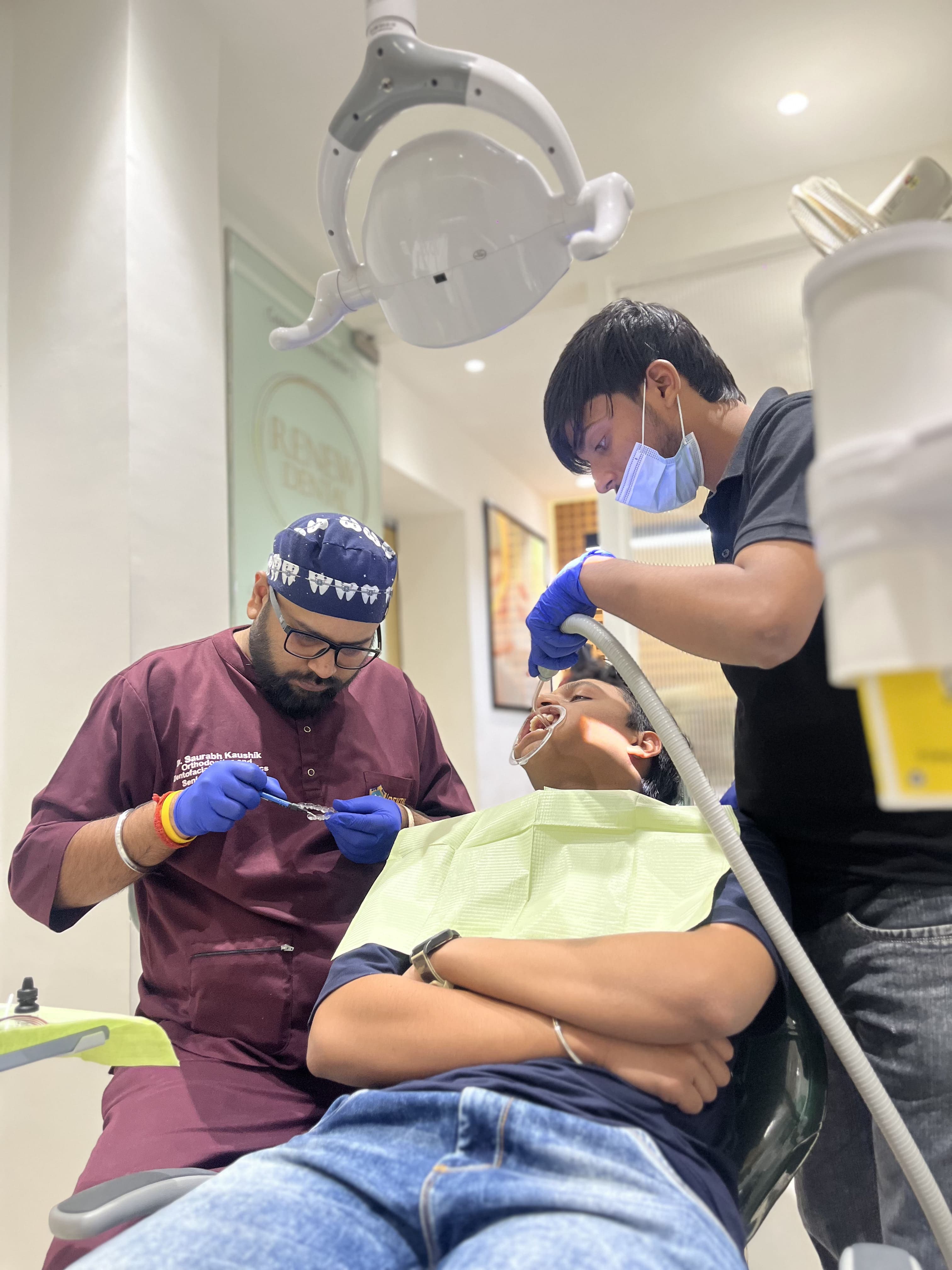
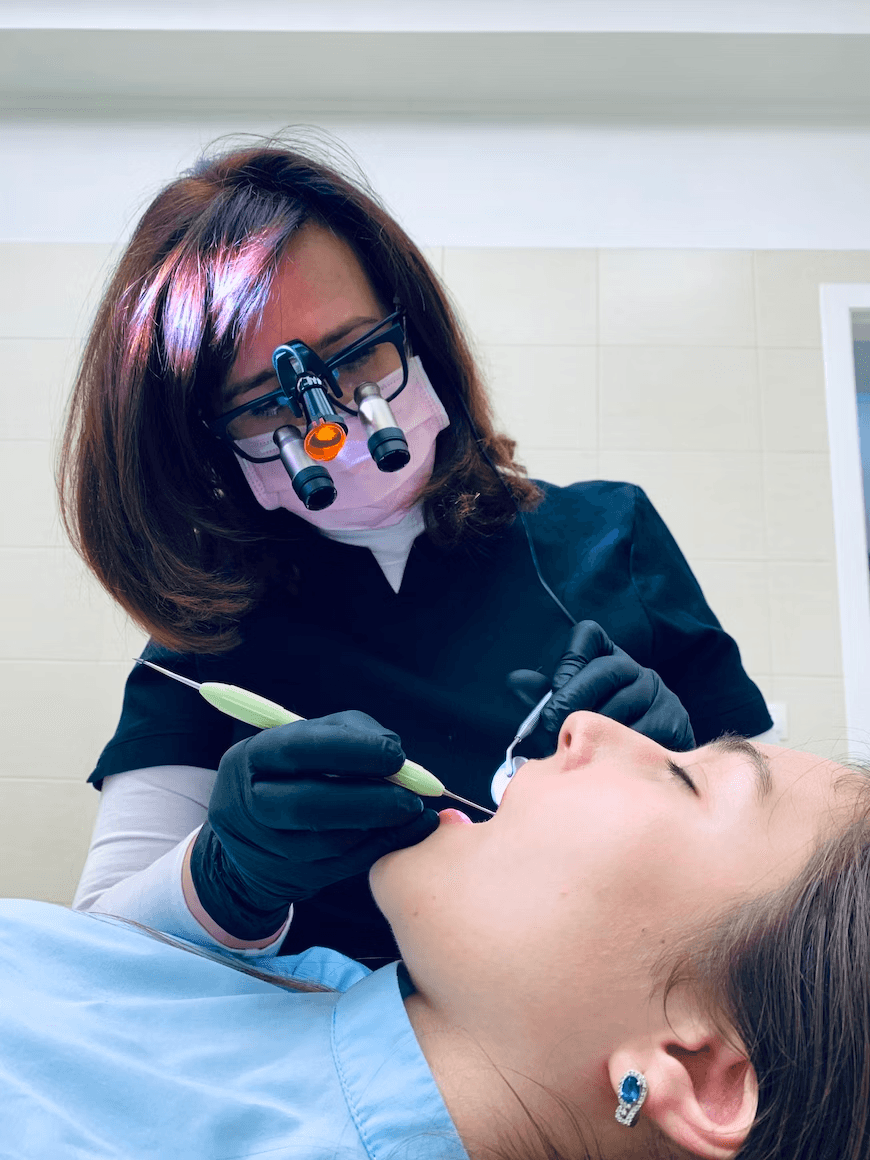
Patient sitting in a dental chair during a tooth extraction.
Step 3 — Implant Placement
Under local anesthesia, a small incision is made in the gum. The titanium post is precisely positioned into the jawbone. The gum is then stitched over or around it. Most patients report this is less uncomfortable than a tooth extraction.
Step 4 — Osseointegration (Healing Phase)
This is the waiting period — typically 3 to 6 months — during which the implant fuses with the surrounding bone. You will have a temporary crown or filling during this time. The bone grows around the implant, creating a permanent anchor.
Step 5 — Abutment Placement
Once osseointegration is confirmed, a small connector called an abutment is attached to the implant. This is what the crown will sit on.
Step 6 — Crown Placement
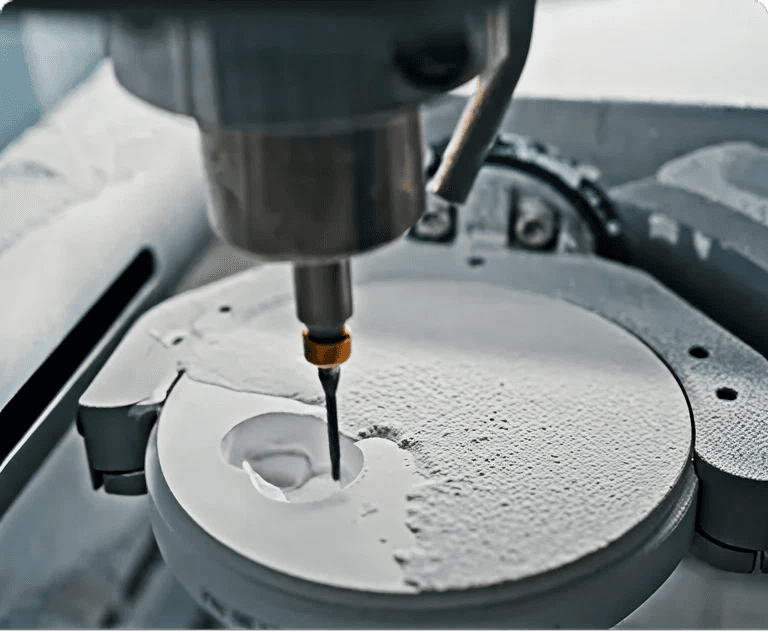
Your permanent crown is custom-made to match the color, shape, and size of your surrounding teeth. It's attached to the abutment, and your new tooth is complete.
Does It Hurt?
This is the question almost every patient asks first, and the honest answer is: not as much as you'd expect.
Local anesthesia is used throughout the surgical steps, so you feel pressure but not pain during the procedure. Post-operative soreness is common for a few days and is managed with prescribed medication. Most patients are surprised to find that an implant procedure is, in their own words, easier than they feared.
How Long Do Dental Implants Last?
With good oral hygiene and regular dental check-ups, implants can last 20 to 25 years or more. The implant post itself often lasts a lifetime. The crown on top may need replacement after 10 to 15 years depending on wear.
This is a key reason why implants are considered a long-term investment. A bridge or denture may need replacement or adjustment every several years. An implant, maintained properly, rarely does.
Aftercare — How to Look After Your Implant
An implant needs the same care as a natural tooth.
- Brush twice daily using a soft-bristled toothbrush
- Floss daily, paying attention to the base of the implant
- Avoid chewing hard objects like ice, pens, or bones directly on the implant
- Attend regular dental check-ups at Renew Dental — at least every 6 months
- Don't smoke — smoking is one of the top reasons implants fail
There are no restrictions on what you can eat long-term. Once the crown is fitted and the area has fully settled, you eat normally.
Possible Side Effects and Risks
Like any surgical procedure, dental implants carry a small degree of risk. These include:
- Temporary swelling, bruising, or minor bleeding after surgery
- Infection at the implant site (rare with proper hygiene)
- Implant failure if the bone doesn't fuse correctly — more common in smokers and uncontrolled diabetics
- Nerve or tissue sensitivity in the area (usually temporary)
The success rate for dental implants is generally cited at around 95 to 98% when placed by an experienced implantologist and maintained correctly. Choosing the right clinic and following aftercare instructions are the biggest factors in your favour.
Why Patients Across Delhi NCR Choose Renew Dental for Implants
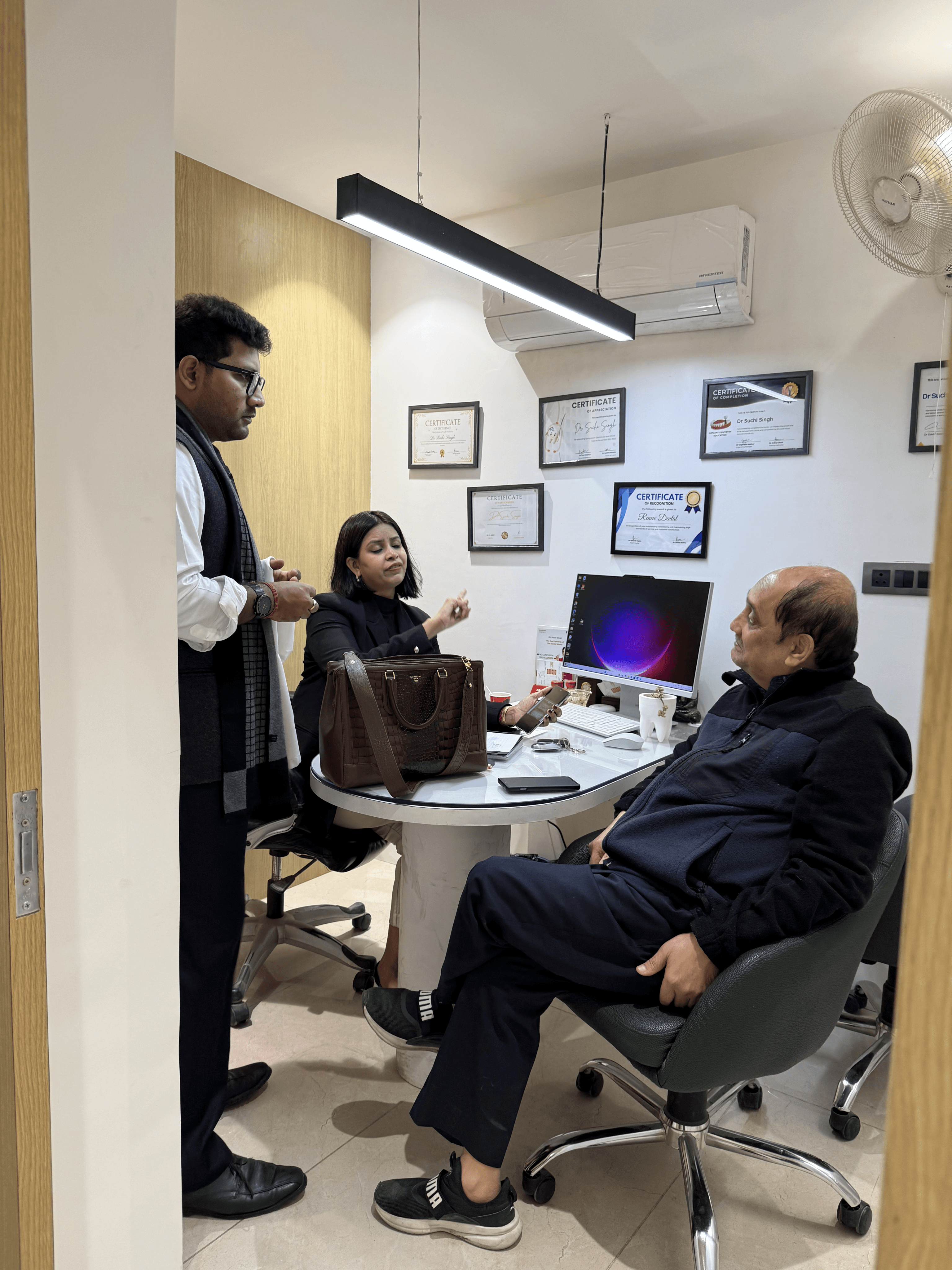
Renew Dental Clinic in Sector 47, Noida has been providing dental care for over 12 years. Led by Dr. Suchi Singh, one of the most trusted dentists in Noida, the clinic offers individualised treatment plans — meaning you're never given a one-size-fits-all approach.
What patients consistently value:
- Honest assessment — you're told exactly what's needed and why, without being pushed toward any procedure
- Personalised treatment — your bone structure, health background, and preferences all factor into your plan
- No hidden charges — everything is explained upfront
- Experienced hands — Dr. Suchi Singh's 12+ years of expertise cover the full range of implant cases
The clinic is located in Noida Sector 47, easily accessible from Greater Noida, Delhi, and other parts of NCR.
Frequently Asked Questions
1. Can I get an implant if I've had a tooth missing for years?
Yes, but a bone graft may be needed first since the bone beneath the gap may have reduced. Your dentist will assess this during consultation.
2. How many visits will I need?
A standard single-tooth implant involves several visits across a period of 3 to 6 months. All-on-4 procedures may have a different timeline.
3. Is there an age limit?
There's no upper age limit. Implants are not suitable for children or teenagers whose jaw is still growing.
4. Can I get an implant if I have diabetes?
Yes, in many cases, as long as your blood sugar is well controlled and your dentist coordinates with your physician.
5. What should I do if my implant feels loose or uncomfortable?
Contact your dental clinic immediately. This needs to be assessed as soon as possible.
Ready to Take the Next Step?
If you've been living with a missing tooth and are considering dental implants in Noida or across Delhi NCR, the best starting point is a proper consultation. Not a search result. Not a guess.
To book a consultation at Renew Dental Clinic, Sector 47, Noida, call (0120) 498-8333.
Your jawbone, your confidence, and your long-term oral health all benefit from addressing a missing tooth sooner rather than later. Come in and let's talk about what's right for you.