Sensitive Teeth Home Remedies — What Works and What Dentists Say About Them

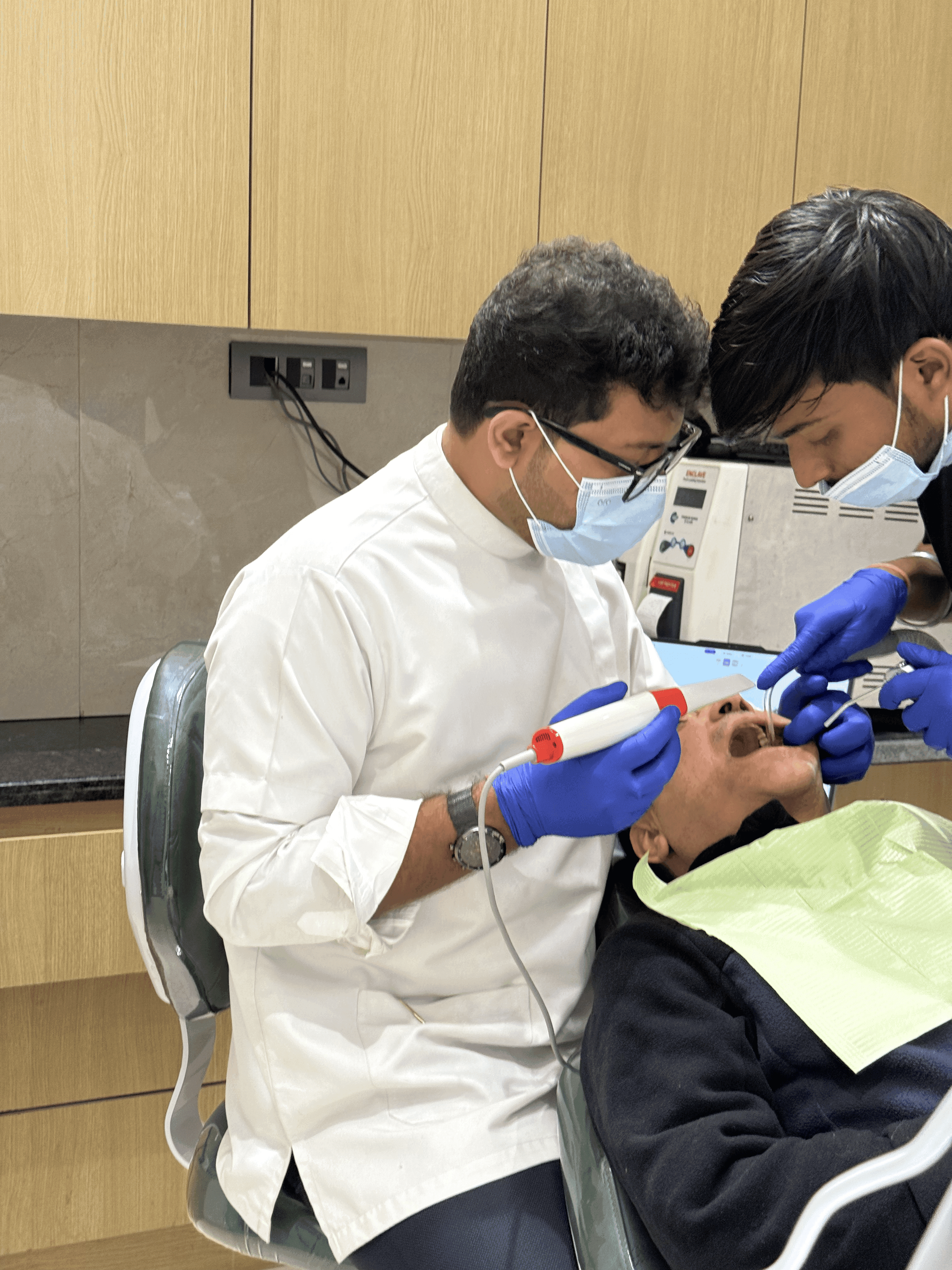
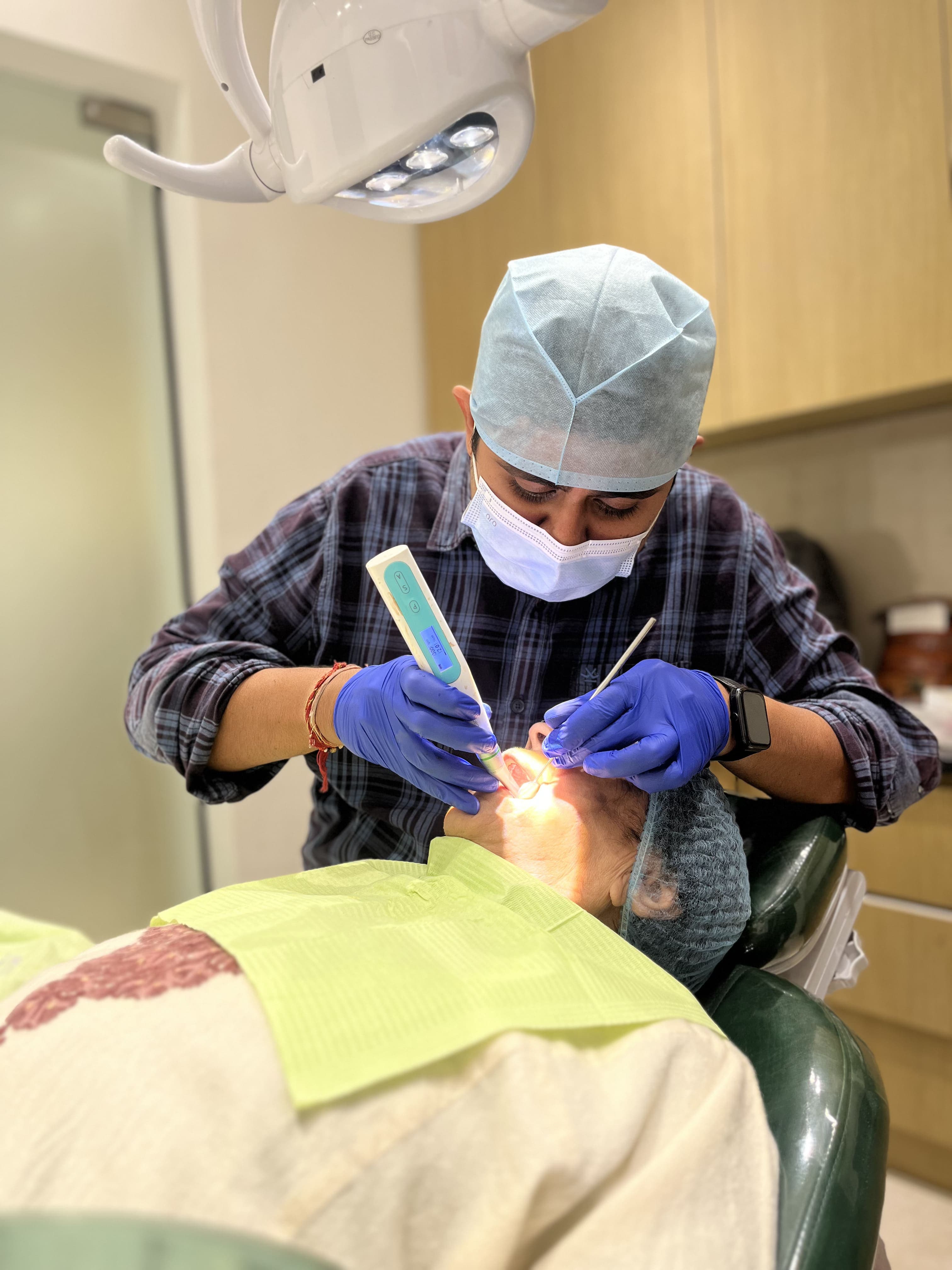
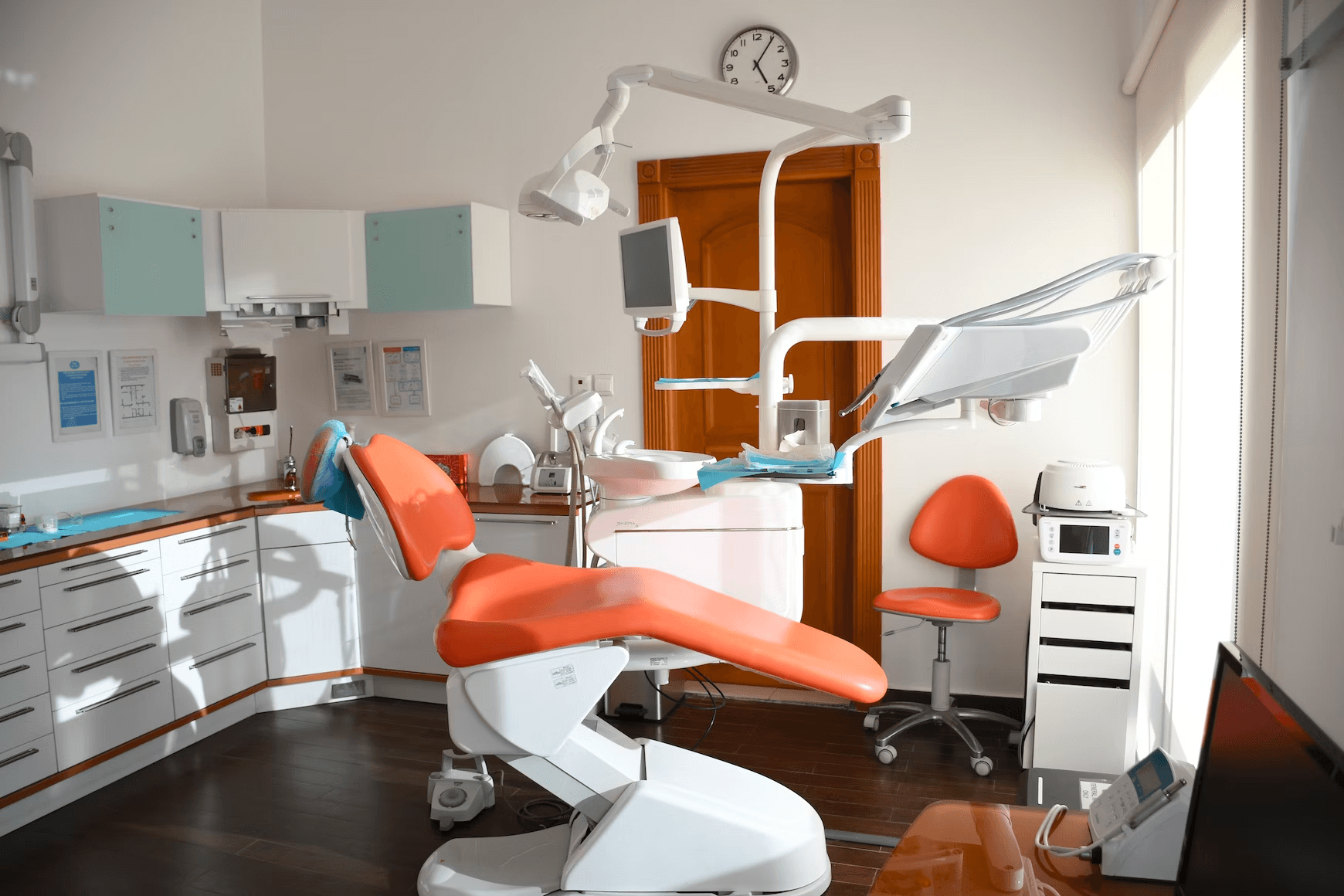
A girl getting her teeth examined by a dentist to maintain her oral health
Type "sensitive teeth home remedy" into any search engine and you'll find an overwhelming list of suggestions. Salt water. Cloves. Honey. Turmeric. Baking soda. Coconut oil. Garlic. Green tea. Some of these have actual evidence behind them. Some are harmless but do nothing. And a couple — baking soda in particular — can make sensitivity worse if used incorrectly.
Here's an honest breakdown.
Before the Remedies: Understanding What You're Treating
Tooth sensitivity — the sharp, brief pain triggered by cold, hot, sweet, or acidic stimuli — happens when dentine is exposed. Dentine contains tiny tubes (dentinal tubules) that connect the tooth surface to the nerve. When enamel covers them, the nerve is protected. When enamel wears away or gums recede exposing root surfaces, those tubes are open. Temperature and chemical changes travel through the tubes to the nerve, producing pain.
Home remedies can help in two ways: by desensitising the nerve, or by temporarily reducing the stimulus reaching it. What they cannot do is regrow enamel or reverse gum recession. Understanding this keeps expectations realistic.
Remedies That Actually Have Evidence
1. Sensitive Toothpaste — Used Correctly
This isn't glamorous, but it's the most effective home-based intervention for dentinal hypersensitivity.
Toothpastes containing potassium nitrate (5%) gradually desensitise the nerve by accumulating around it and raising its firing threshold. Formulations with stannous fluoride or arginine physically block the dentinal tubules. Both work — over 2 to 4 weeks of consistent twice-daily use.
The critical part that most people miss: don't rinse after brushing. Spit, leave the residue. Rinsing washes away the active ingredient before it can work. Many dentists also recommend applying a small amount directly to the sensitive tooth with a fingertip and leaving it for a few minutes before brushing.
If you're using sensitive toothpaste but rinsing it off, it's not going to do much.
2. Salt Water Rinse
The most consistently useful kitchen-cabinet remedy for oral inflammation of any kind. Dissolve half a teaspoon of salt in warm water and rinse for 30 to 60 seconds.
Salt creates a mildly hypertonic environment that draws fluid from inflamed tissue and reduces swelling. It has antimicrobial properties. It doesn't taste pleasant, which is probably why people don't do it as often as they should.
For sensitivity specifically, it helps most when gum inflammation around the sensitive tooth is a contributing factor. It's not addressing the dentinal tubules directly, but reducing gum inflammation reduces the overall irritability of the area.
Do this once or twice daily, not instead of brushing.
3. Desensitising Gel (Topical Application at Home)
Dentists sometimes provide patients with a desensitising gel for home use — typically containing fluoride, stannous fluoride, or potassium nitrate at higher concentrations than toothpaste. Applied with a soft brush or a finger directly to the sensitive area and left for several minutes before rinsing, this concentrates the active ingredient exactly where it's needed.
This is more targeted than toothpaste applied during normal brushing. If over-the-counter sensitive toothpaste alone isn't giving adequate relief, asking your dentist for a prescription gel or in-office fluoride varnish application is the logical escalation.
Remedies That Are Probably Harmless But Limited
1. Cloves / Clove Oil
Cloves contain eugenol, a natural compound with genuine anaesthetic properties. Clove oil applied to a painful spot provides temporary numbing relief — this is real and pharmacologically explainable.
What it doesn't do: address the underlying sensitivity, remineralise enamel, or seal dentinal tubules. It's temporary pain relief, not treatment. The analogy is paracetamol for a headache: useful for the symptom, not addressing the cause.
Apply sparingly with a cotton bud to the affected area. Swallowing clove oil in quantity causes irritation. Don't use it daily long-term — eugenol can irritate gum tissue with repeated contact.
2. Green Tea
Green tea contains polyphenols and tannins with mild astringent and antibacterial properties. Some small studies suggest rinsing with green tea reduces gum inflammation and bacterial counts. For sensitivity directly, the evidence is limited.
Green tea rinsing won't hurt, may help slightly with gum inflammation, and shouldn't replace the core measures. It's not a remedy so much as a mild supportive addition.
3. Coconut Oil Pulling
Discussed in an earlier blog — oil pulling has some evidence for reducing oral bacterial load. For sensitivity specifically, there's no convincing evidence it reduces dentinal hypersensitivity. It's not harmful when done correctly but is unlikely to change your sensitivity pattern meaningfully.
4. Honey with Warm Water
Sometimes suggested as an antibacterial rinse. Honey does have antibacterial properties in wound care contexts. For gum inflammation, the evidence is weak. For sensitivity, essentially none. Sugar content in honey is also a consideration for dental health.
Remedies That Can Make Sensitivity Worse
1. Baking Soda (Sodium Bicarbonate) Applied Directly
Baking soda is alkaline and abrasive. Some people apply it directly to teeth as a home whitening remedy, or use it in high quantities as a "natural" toothpaste.
The problem: baking soda's abrasiveness removes surface staining — which is why it appears to whiten — but with repeated use it also wears enamel. Thinner enamel means more exposed dentine means more sensitivity. If your teeth are already sensitive, using baking soda as a regular tooth cleaner is counterproductive.
Occasional use in very small amounts (as an ingredient in a formulated toothpaste, not applied directly as a paste) is a different matter. Direct daily application is not recommended for sensitive teeth.
2. Lemon Juice or Apple Cider Vinegar "Rinses"
These appear online constantly as whitening and antibacterial remedies. Both are highly acidic. Lemon juice has a pH of around 2 to 3; apple cider vinegar around 2.5 to 3.
Acid dissolves enamel. Repeated rinsing with acidic solutions is one of the established causes of enamel erosion, which worsens dentinal hypersensitivity significantly. Do not use these as dental care products.
3. Hydrogen Peroxide (High Concentration)
Food-grade hydrogen peroxide at high concentrations causes sensitivity even in people who don't have it, because it opens dentinal tubules. Using it as a regular home whitening treatment when you already have sensitive teeth is a reliable way to make the problem considerably worse.
Dentist-supervised whitening uses appropriate concentrations with protective measures — which is a fundamentally different proposition.
The Sensitivity That Won't Respond to Any Home Remedy
Some sensitivity requires clinical intervention, not home care. If you've been using sensitive toothpaste correctly for 4 to 6 weeks and seen minimal improvement, consider these possibilities:
A cracked tooth. Sensitivity from a crack is often localised, triggered specifically by biting, and can worsen over weeks. No toothpaste helps with cracks — only clinical assessment and appropriate restoration.
A cavity near the nerve. Decay that's close to the pulp causes sensitivity that intensifies over time. Left longer, it becomes a root canal situation.
Significant gum recession. When extensive root surface is exposed, the area of sensitivity may be too large for toothpaste to adequately address. Composite bonding over the root surface or a gum graft procedure provides more lasting protection.
Active gum disease. Inflamed gum tissue around a tooth makes the whole tooth more sensitive. Professional treatment of the gum disease is what's needed.
At Renew Dental Clinic in Sector 47, Noida, Dr. Suchi Singh assesses the actual cause of sensitivity — not just its presence — and recommends treatment proportionate to what's actually happening.
To book a consultation, call (0120) 498-8333.
Monday–Saturday 10:30 AM – 8:00 PM | Sunday 11:00 AM – 2:30 PM.