Root Canal Treatment: Step-by-Step Guide

Root canal treatment is a dental procedure used to save a tooth that is severely decayed or infected.
The foundation of a healthy smile is having healthy gums and teeth. Sometimes the pulp of a tooth, the soft inner tissue of the tooth composed of blood vessels, nerves, and connective tissue, can become infected or damaged due to decay, cracks, or trauma. When this happens, the tooth would need root canal therapy so that the tooth can be saved and further damage can be prevented.
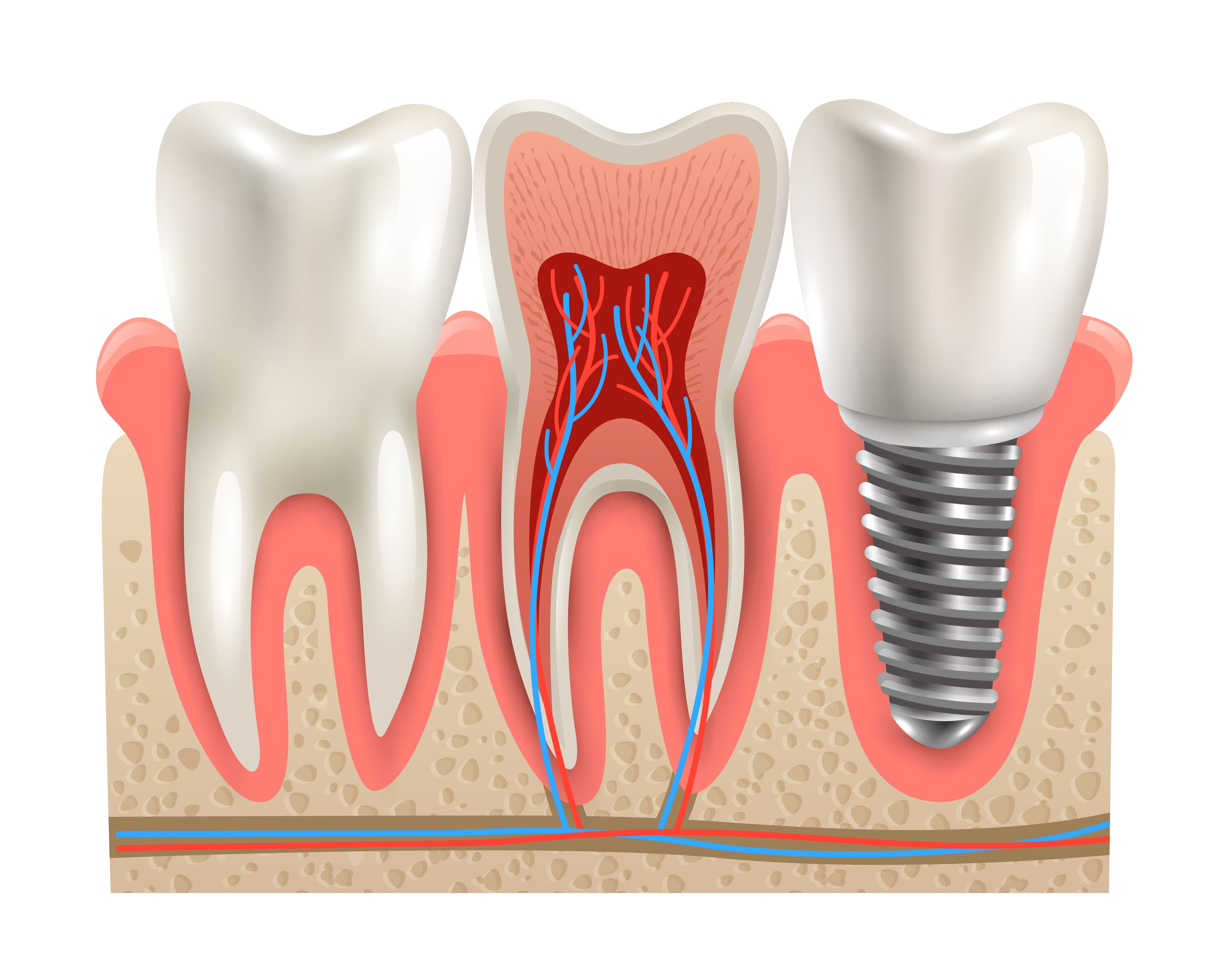
Root canal treatment, or endodontic therapy, is designed to remove infected pulp, disinfect the tooth from the inside out, and prepare the tooth to function. Root canals terrify most patients with horror stories of discomfort and complications. But in reality, root canals today are standard, safe, and virtually pain-free due to advances in dental care.
This is supposed to walk you through a step-by-step guide to root canal treatment in a manner you will be able to comprehend when you need it, what it entails, and how you can recover well.
What Is a Root Canal Treatment?
Root canal treatment involves the removal of infected or damaged pulp from inside a tooth. After the canals are disinfected and cleaned, your dentist will seal and fill them to prevent reinfection.
Requirement for Natural Tooth Preservation
- Your natural tooth is preserved since it helps maintain your jaw alignment and bite.
- A natural tooth is preferable to a bridge or dental implant.
- Root canal therapy avoids extraction, which may lead to bone loss or movement of the teeth adjacent to it.
When Dentists Choose Root Canal Therapy
Root canal therapy is recommended when:
- There is extensive decay that penetrated to the pulp.
- The tooth has a crack or fracture that revealed the pulp.
- A tooth has had trauma, resulting in pulp injury.
- There is a recurring infection or formation of an abscess periapical to the tooth.
By fixing the tooth early, a root canal will prevent the tooth from being lost and restore oral health.
Symptoms Which Might Need a Root Canal
Root canal success rates are very high, often above 95%.
Root canal success rates are very high, often above 95%.
Symptoms might be identified at an early point by avoiding complications. You might need a root canal if you experience:
- Severe pain when chewing or putting pressure: Pain typically indicates inflammation or infection of the pulp.
- Cold or heat sensitivity for a prolonged time: When pain lingers after temperature exposure, the pulp is damaged.
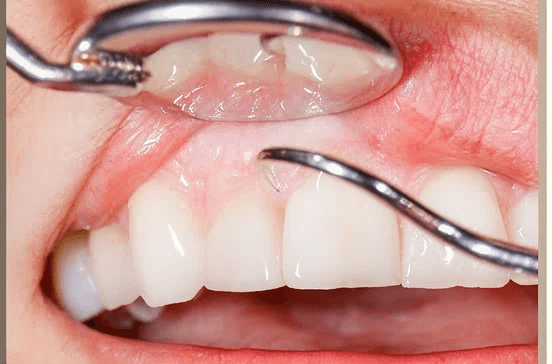
- Inflamed or tender gums: An Infected root will result in inflammation or cause abscesses near the infected tooth.
- Change in tooth color: Tooth color change may indicate pulp necrosis or trauma.
- Pimples or bumps continue to appear on the gums: These are indications of an abscessed tooth that will require a root canal.
If you notice any of them, it's best to get to a dentist sooner to prevent further infection.
Step-by-Step Root Canal Treatment
Root canal treatment typically takes a number of steps to make sure that the tooth is cleaned, disinfected, and rebuilt properly.
Step 1: Diagnosis and X-rays
Dentists initially test your tooth and symptoms. Dental X-rays are utilized to confirm pulp infection, root canal shape, and loss of surrounding bone. Effective diagnosis guarantees success in the treatment process.
Step 2: Local Anesthesia
Local anesthesia is initially administered by your dentist to anesthetize the tooth and the area around it prior to commencing the procedure. State-of-the-art anesthetic renders the procedure virtually painless. Other comfort amenities, like sedation for apprehensive patients, can be incorporated if needed.
Step 3: Isolation of Tooth With Rubber Dam
A rubber dam is used to clamp around the tooth in order to isolate the tooth from the saliva and bacteria within the mouth. It avoids contamination and maintains the area clean throughout the treatment. Isolation also prevents the patient from swallowing dental materials or instruments.
Step 4: Access Opening
The dentist makes a small access opening within the tooth crown in preparation to access the pulp chamber and root canals. This access guarantees thorough cleaning and treatment of the inner structures.
Step 5: Shaping and Cleaning the Root Canals
Specialized tools are used to remove the infected or destroyed pulp in each canal. The canals are cleaned thoroughly to remove bacteria and debris. Shaping the canals allows for the filling material to be positioned optimally. Antibacterial drugs can be used to sterilize the canals completely.
Step 6: Canal Filling
The canals are then filled with a biocompatible material, usually gutta-percha, after cleaning and shaping. A sealer closes the canals tightly, shutting out future infection. Healthy filling keeps the tooth in its functional state.
Step 7: Final Restoration
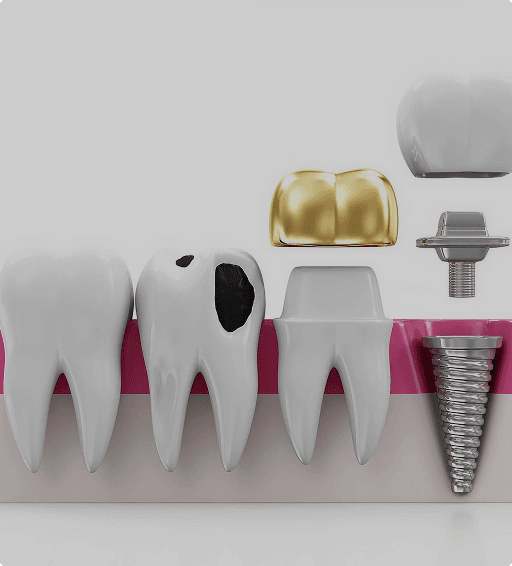
After root canal treatment is done, the tooth is restored using a crown or filling. Crowns are most suitable for posterior teeth (molars and premolars) to strengthen them and avoid fracture. Front teeth can be filled sometimes when the structural damage is minimal. Optimum restoration permits the tooth to function normally for decades.
Root Canal Treatment Benefits

Without treatment, the infection may spread to the jawbone or surrounding tissues.
Root canal treatment contains a number of key benefits:
- Preserves your own tooth: Preserving your own tooth is superior to removal and replacement options.
- Prevents infection spreading: Pulp removal eliminates the spread of bacteria to neighboring teeth or the jawbone.
- Restores chewing ability: After treatment and restoration, you chew as usual with no pain.
- Maintains natural appearance: The restored tooth appears identical to your other teeth and won't be seen in your smile.
Generally, root canal treatment saves oral health and promotes quality of life.
Recovery and Aftercare Tips
Recovery after a root canal is generally uneventful, but maintaining attention to good aftercare is essential:
- Mild discomfort: You might feel some discomfort for a few days, which can be relieved by taking over-the-counter pain relievers.
- Take medication: Take the medication prescribed by your dentist, if any.
- Avoid hard foods: Eat soft food for a couple of days to avoid damaging the treated tooth.
- Don't neglect oral hygiene: Brush lightly and floss regularly to avoid infection.
- Follow-up visits: Your dentist will check the treated tooth and ensure there is healing and strengthening.
A root canal-treated tooth, if well maintained, can be a long-term oral treasure.
Myths vs. Facts About Root Canals
Root canal therapy is replete with myths that are prone to engender unnecessary fear.
Myth: Root canals are extremely painful.
Fact: Most patients experience little to no pain during the procedure with current techniques and anesthetics. Mild, temporary post-treatment soreness is expected.
Myth: A tooth needs to be pulled instead of a root canal.
Fact: Maintaining your natural teeth is healthier, more economical, and better for keeping your jaw functioning properly. Pulling is only indicated as an absolute last resort when a tooth cannot be saved.
Awareness of facts gives patients more confidence to accept root canal treatment.
Conclusion
Root canal treatment is a short, painless, and very successful method of saving infected or broken teeth. The process involves careful diagnosis, precise cleaning of root canals, and correct filling of the tooth. By adhering to the dentist's recommendations and good oral health, patients can enjoy long-term success, restored function, and a healthy smile.
Root canal therapy is a crucial treatment that saves natural teeth, prevents oral decay, and stops infection from spreading. Understanding the step-by-step procedure, benefits, and recovery time encourages patients to undergo treatment with confidence, certain that it will provide long-term results. With regular maintenance, your treated tooth can last decades in function and beauty.
If you are feeling a severe toothache, sensitivity for extended periods, swelling, or discoloration, then you have to go to a dentist right away. It helps in saving the tooth and avoiding complicated procedures in the future.
Frequently Asked Questions
1. Is a root canal painful?
With enhanced anesthesia, the majority of patients feel minimal discomfort in undergoing the procedure. Some soreness is felt after the treatment, which is alleviated with over-the-counter pain relievers.
2. What is the duration of the root canal?
The majority of root canals are done in one or two visits, lasting 60–90 minutes each, based on the complexity of the tooth.
3. How long will a root canal last?
A root canal tooth can last a lifetime if properly maintained and topped with a crown. Regular check-ups and good hygiene are the key to a long life.
4. What happens if I delay a root canal?
Delay can allow the spread of infection, which will keep growing into an abscess, bone loss, or loss of a tooth. These are prevented if caught early.
5. Can I eat after a root canal?
Yes, but do not bite your tongue or cheek until the anesthesia has fully worn off from your system. Eat softer, chewier foods for a few days to let the treated tooth heal.