By Renew Dental ClinicPublished on

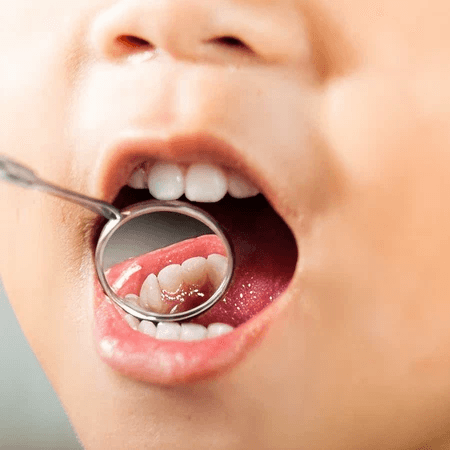
Young child sitting comfortably in a dental chair while a dentist examines their teeth, highlighting the importance of early dental care for healthy growth and strong oral hygiene habits.
Root canal treatment carries a reputation entirely out of proportion to the actual experience. Ask most people in India to describe it and you get a story involving significant pain, multiple terrifying appointments, and a result that was somehow still unsatisfying. Ask the same people whether they'd had root canal treatment themselves and many of them haven't — the fear is inherited, often from parents or relatives whose experience was in an era of less refined anaesthesia and technique.
Modern root canal treatment at Renew Dental Clinic in Sector 47, Noida is a procedure that — done well, with proper anaesthesia — should not be painful during the appointment. What follows is the actual experience, stage by stage.
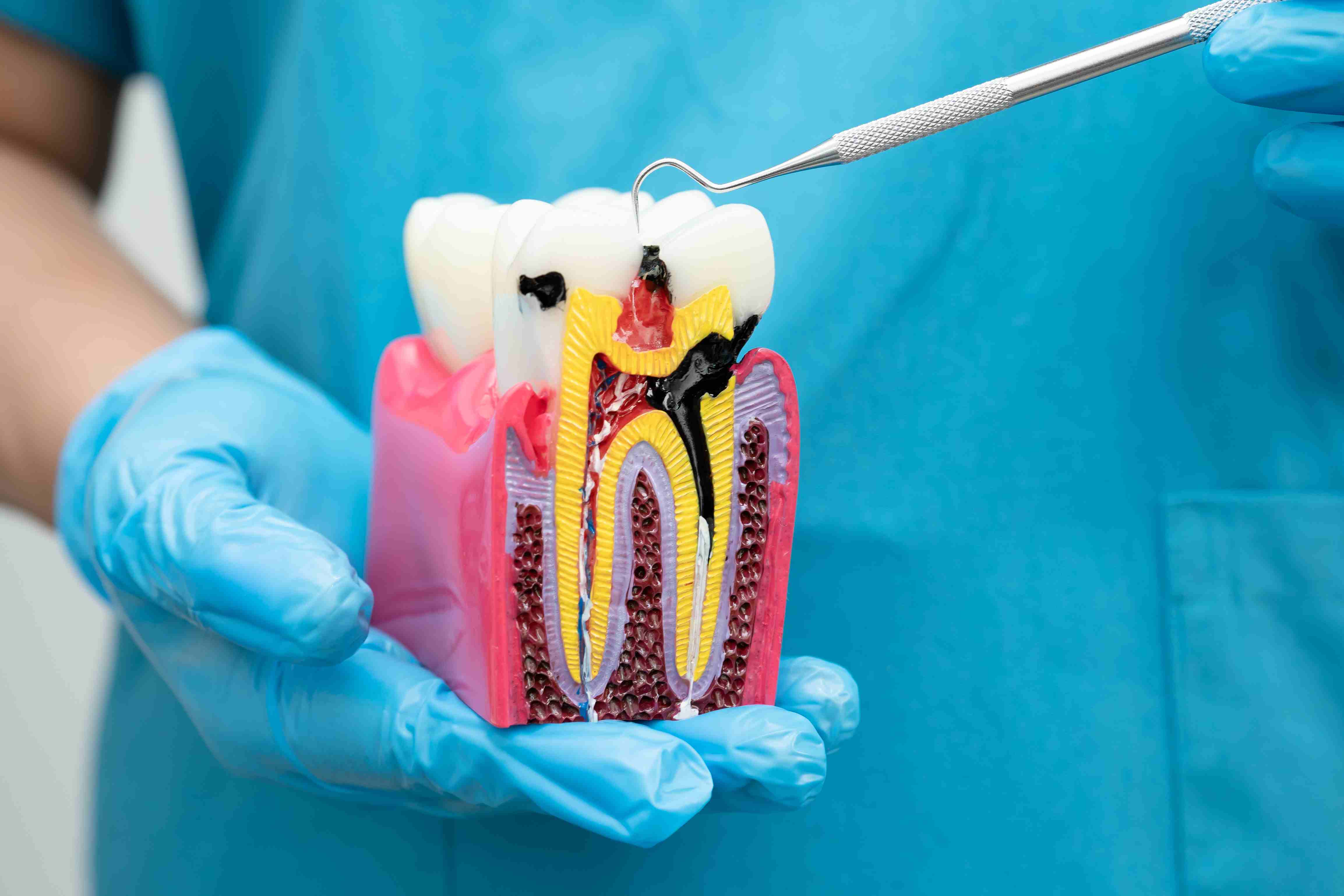
The pulp — the inner nerve and blood supply tissue at the centre of a tooth — becomes infected or significantly inflamed when bacteria from decay access it. This happens when a cavity is left untreated long enough to progress through the enamel and dentine into the pulp chamber.
Once infected, the pulp can't fight the infection from within a sealed chamber. The bacteria spread through the root canals and exit at the root tips, where they cause an abscess in the surrounding bone. The pain this produces — the throbbing, spontaneous pain that makes it impossible to sleep — is from the infection, not from the eventual root canal treatment.
Root canal treatment is what removes this source of pain. It's paradoxical that a procedure people fear as painful is the one that resolves pain.
Root canal treatment in Noida typically takes two appointments for most posterior (back) teeth and sometimes one appointment for simpler front teeth.
The first appointment focuses on removing the infected pulp, disinfecting the canals, and placing a temporary filling or medicated dressing to allow any remaining infection to settle.
The second appointment — usually 1–2 weeks later — completes the cleaning of the canals, ensures no remaining infection, and places the permanent filling material (gutta-percha) that seals the canals.
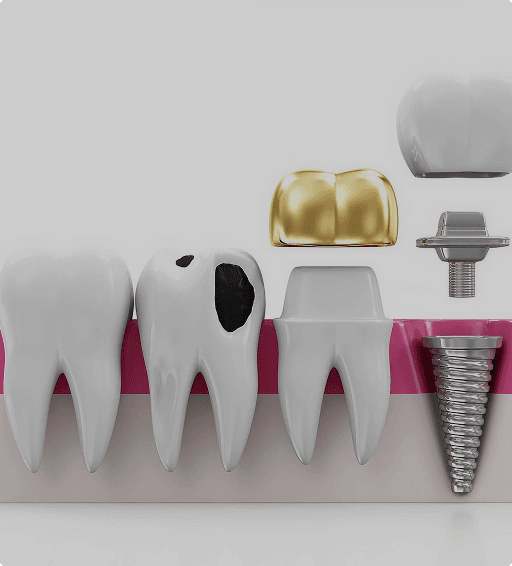
After the second appointment, a crown is placed over the treated tooth — usually at a third appointment. The crown is essential for back teeth because root-canal-treated teeth are more brittle than living teeth and need protection from the forces of chewing.
You arrive, the area is prepared, and a topical anaesthetic gel is applied to the gum surface where the injection will be given. This numbs the surface tissue so the injection causes minimal sensation. The local anaesthetic injection is then given slowly — typically taking 15–30 seconds. With the topical gel and a slow injection technique, the sensation for most patients is pressure and very mild sting, not the sharp pain many anticipate.
Once the anaesthetic takes full effect — 3–5 minutes — the area is completely numb. Dr. Suchi Singh checks this before any instruments touch the tooth.
A rubber dam is placed — a small sheet of rubber with a hole in it that fits over the tooth being treated. The dam isolates the tooth from the rest of the mouth, keeps it dry during treatment, and prevents any small instruments or irrigating solutions from being swallowed. It looks more dramatic than it feels; most patients adapt to it within a minute.
Access to the pulp chamber is made through the top of the tooth. Small, flexible files are then used to work through the root canals — removing the infected pulp tissue, shaping the canal walls, and extending the cleaning to the full length of each canal. The tooth typically has one to four canals depending on which tooth it is. Back molars usually have three or four.
The canals are irrigated throughout with sodium hypochlorite (a disinfecting solution) to flush out bacteria and tissue debris. This is the main disinfection step.
At the end of the first appointment, the canals are dried and a medicament paste placed inside — either an anti-inflammatory calcium hydroxide or an antibiotic paste — and a temporary filling placed on top. The appointment typically takes 60–90 minutes.
During the procedure: pressure, the sensation of instruments working in the tooth, occasional vibration. None of this is pain if the anaesthesia is adequate. The main discomfort for most patients is the length of time sitting with the mouth open and the slightly claustrophobic feeling of the rubber dam.
The one situation where some sensation occurs: very acutely infected teeth with active abscesses can be more difficult to adequately anaesthetise, because the acidic environment of an infection partially neutralises local anaesthetic. In these cases, additional anaesthetic may be needed, or the first step may be antibiotics to reduce the acute infection before the root canal is started. If you feel anything beyond pressure during the procedure, signal Dr. Suchi Singh — the procedure stops and more anaesthetic is given.
After the appointment, once the anaesthetic wears off: mild soreness for 2–3 days. The tooth and surrounding area feel tender, particularly to biting pressure. Standard pain relief (ibuprofen and paracetamol alternating) manages this well. Normal sensitivity to biting usually resolves within a week as the periapical tissue settles.
Patients are typically advised to avoid biting hard on the treated tooth while the temporary filling is in place. The tooth is not structurally sound without a crown, and a temporary filling is not designed for significant biting load. Chewing on the other side is advisable.
If the temporary filling chips or falls out, contact the clinic — the canals need to remain protected between appointments.
Mild soreness during this period is normal. Significant pain increasing rather than decreasing warrants contacting the clinic.
At the second appointment, the temporary filling is removed, the canals are reassessed, additional cleaning is performed if needed, and the permanent filling material is placed.
Gutta-percha — a rubber-based material — is placed in the shaped, disinfected canals in the form of cones fitted to the exact dimensions of each canal. A sealer cement is used alongside it to ensure complete sealing at the canal walls. The canals are then permanently filled and the access cavity is sealed.
X-rays confirm the fill is complete — gutta-percha is visible on X-ray, allowing the clinician to verify that the entire canal length has been filled without gaps.
This appointment is typically 45–60 minutes. The experience is very similar to the first appointment. Post-procedure soreness is usually less than after the first appointment because the acute infection has been cleared.
For molars and premolars, a crown is needed. This is a separate procedure that follows the root canal by typically a few weeks, allowing the tooth to settle.
Without a crown, a root-canal-treated back tooth is brittle and prone to vertical fracture under normal chewing forces. A vertically fractured molar is usually unrestorable and requires extraction. This is why "I'll get the crown later" often results in a patient losing the tooth they just invested in saving — the crown is not optional for back teeth.
Q: Is root canal treatment painful in 2025?
A: No — not with proper anaesthesia and technique. The fear comes from accounts of older root canal experiences when anaesthetic delivery was less refined. Modern root canal treatment should be no more uncomfortable than a filling appointment for most patients.
Q: How long does the treated tooth last?
A: Root-canal-treated teeth with properly placed crowns can last decades — in many cases, for life. Studies show 10-year survival rates of 85–95% for root-canal-treated teeth with appropriate restorations. The crown is what determines longevity as much as the root canal itself.
Q: Will I be able to eat and work normally after the appointment?
A: Yes. You can drive yourself home. Eating on the other side is advisable while numb. Most patients go to work the following day without issues. Some take the appointment day off by preference.
Q: What's the chance my root canal fails and I need to redo it?
A: Initial root canal success rates are 85–95% when done under proper conditions with complete treatment and appropriate crown placement. Failures that do occur are usually retreatable.
For root canal treatment at Renew Dental Clinic, Sector 47, Noida, contact:
📞 +91 99710 35300
A-321, Basement Floor, Next to Mother Dairy Store, Sector 47, Noida, Uttar Pradesh 201303
Monday–Saturday 10:30 AM – 8:00 PM | Sunday 11:00 AM – 2:30 PM
 Copy
Copy
Jaw pain, clicking or trouble opening your mouth? Learn what causes TMJ problems in Noida, how Renew Dental diagnoses them and what treatment can achieve.
07 Oct 2026
by Renew Dental Clinic
The choice between root canal and extraction is one of the most common decisions in...
01 Oct 2026
by Renew Dental Clinic
The right food choices after wisdom tooth removal protect the blood clot, speed healing, and...
30 Sept 2026
by Renew Dental Clinic

Reveal the truth surrounding fluoride treatment, its benefits to dentistry, and popular myths that prevail...
22 Sept 2025
by Renew Dental Clinic

Bleeding gums that don't respond to better brushing may have a nutritional cause. Several vitamin...
20 Aug 2026
by Renew Dental Clinic
The mouth isn't isolated from the rest of the body — it's connected to it...
14 Aug 2026
by Renew Dental Clinic

Curious about the root canal treatment? Learn the step-by-step process, benefits, recovery, and FAQs to know the popular dental procedure.
03 Oct 2025
by Renew Dental Clinic

When people hear the words "root canal," they groan, but the reality is, a root...
21 Oct 2025
by Renew Dental Clinic
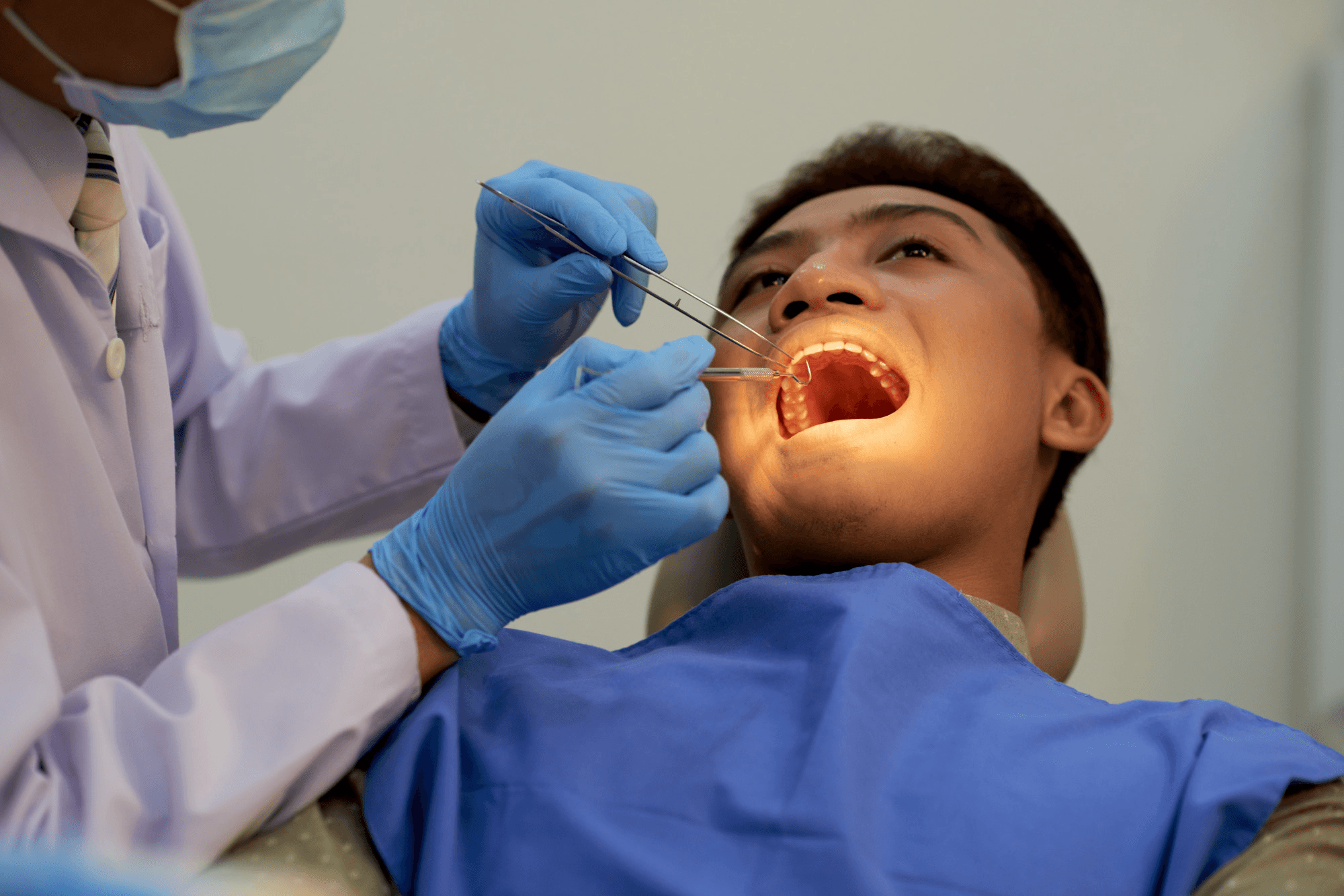
Learn whether root canal treatment is painful, how the procedure works, and what to expect before, during, and after treatment.
11 May 2026
by Renew Dental Clinic

Dilemma between dental implants and bridges? Weigh the cost, longevity, procedure, and advantages to determine which tooth replacement method is superior.
03 Oct 2025
by Renew Dental Clinic

If you’ve ever had a damaged, cracked, or root canal-treated tooth, your dentist probably suggested...
21 Oct 2025
by Renew Dental Clinic
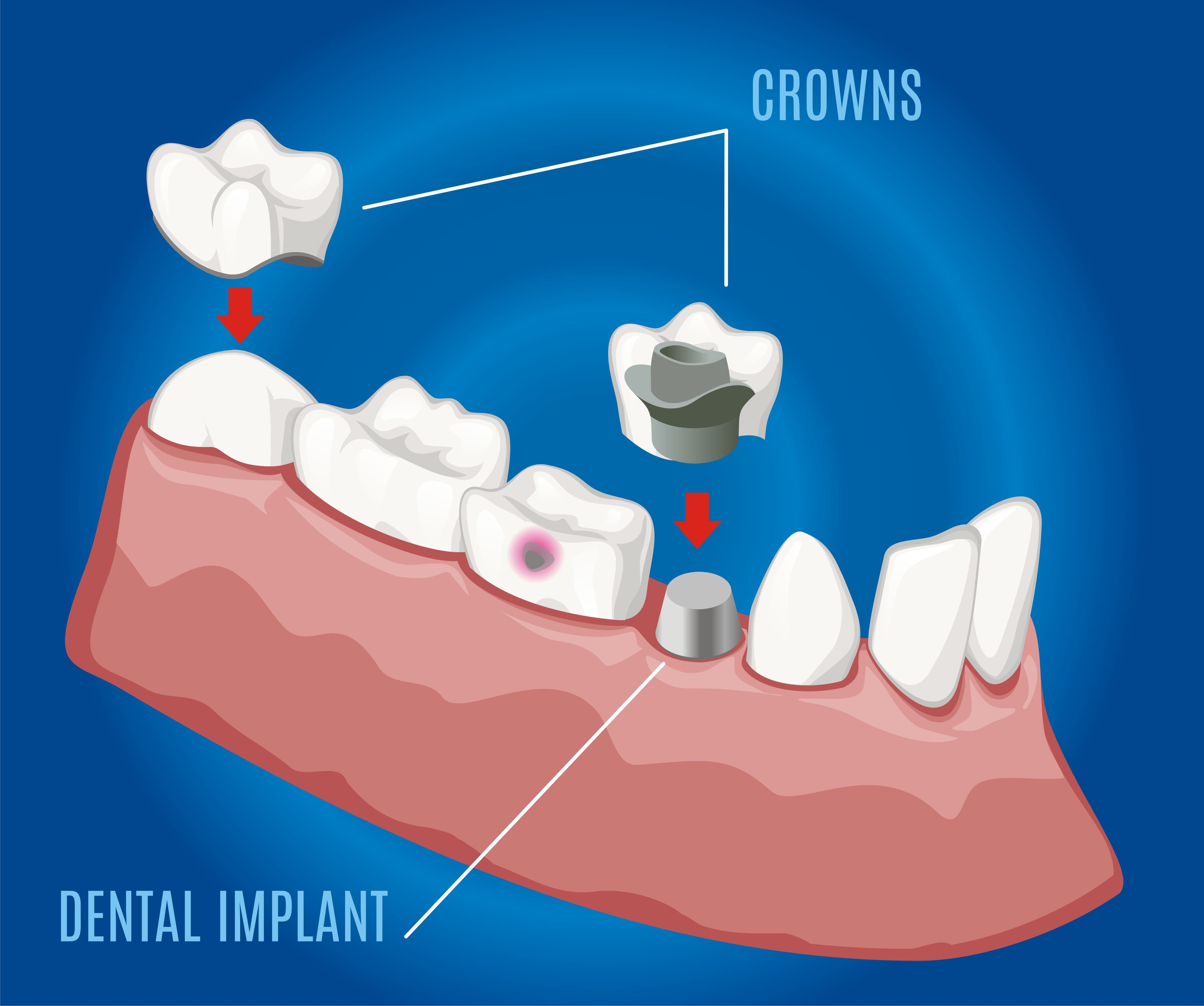
Need a dental crown in Noida? This complete patient guide explains every type of dental...
18 Jun 2026
by Renew Dental Clinic

Skipping dental check-ups to save money is one of the costliest decisions in healthcare. This...
27 Aug 2026
by Renew Dental Clinic

Searching for a trusted dental clinic in Delhi NCR? Discover why patients from across Noida,...
22 May 2026
by Renew Dental Clinic
White spots on teeth look different from person to person — and the right way...
24 Sept 2026
by Renew Dental Clinic
Explore More
Explore More
Discover how thousands of patients trust Renew Dental Clinic with their smiles.
I have never been one to like going to the dentist because of past bad experiences but Dr Suchi and her team extremely change my attitude towards dentist.
I would recommend Renew Dental Clinic Noida, I went there for my Dental Fillings. 5 Star Response.
Hello everyone. I m taking my dental treatment from Dr Shuchi Singh last six months. She is very very good dentist professionally and a very good human being. She treats her patients very well. She listens to her patients, pays full attention and
A cute little clinic loaded with modern amenities and welcoming soft spoken doctors, am looking forward to getting a bridge from them.
I had a very pleasant experience in root canal procedure with Renew Dental Clinic. Appointments, sessions and treatment were very smooth. Moreover Dr Suchi and her staff is very professional and cordial.
FULLY SATISFIED WITH THE SERVICES PROVIDED BY DR.RENU TANWAR.
I took tratment recently and got full satisfaction . Human touch of doctor and quality of service are excellent.
Excellent dental services. Best in NOIDA.
Dr.Suchi Singh is definitely the best dentist in Noida! She saved my smile after an unfortunate accident that knocked my front teeth out. Now my teeth, truthfully, look better than they ever did before
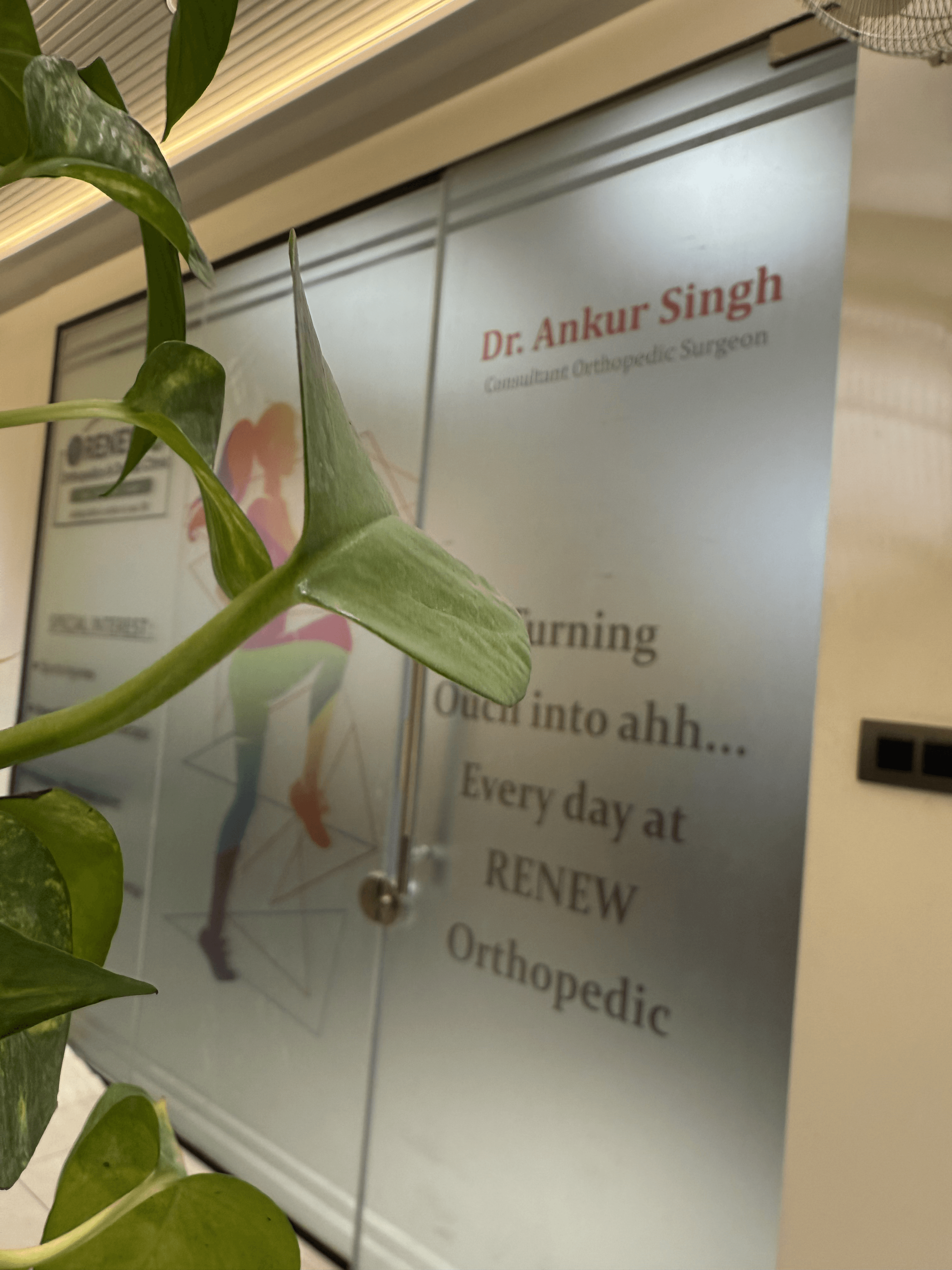
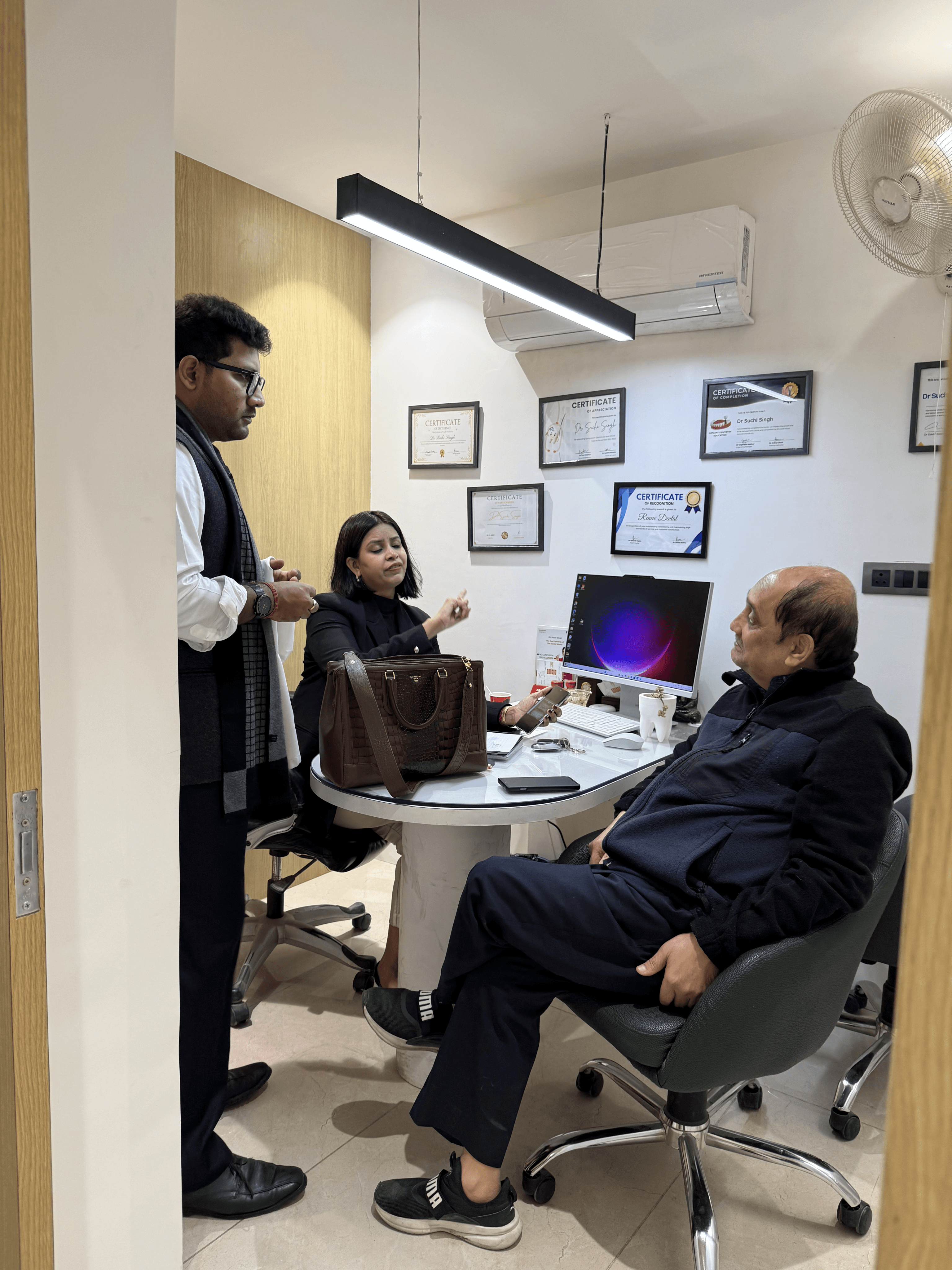
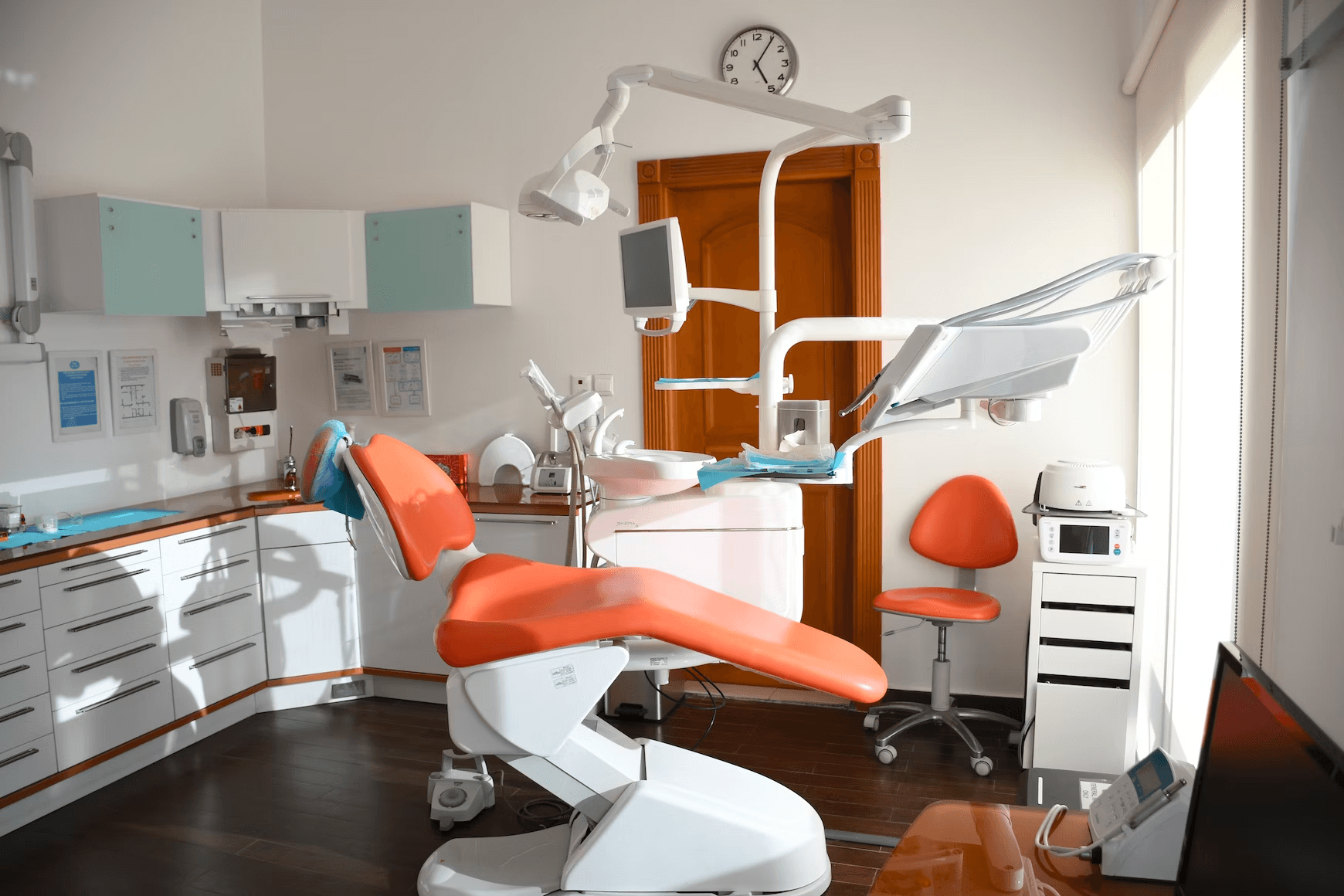
A glimpse into our modern dental clinic, advanced technology, and patient-friendly environment at Renew Dental.
Explore our thoughtfully designed clinic spaces built to provide comfort, cleanliness, and a calming experience for patients of all ages.

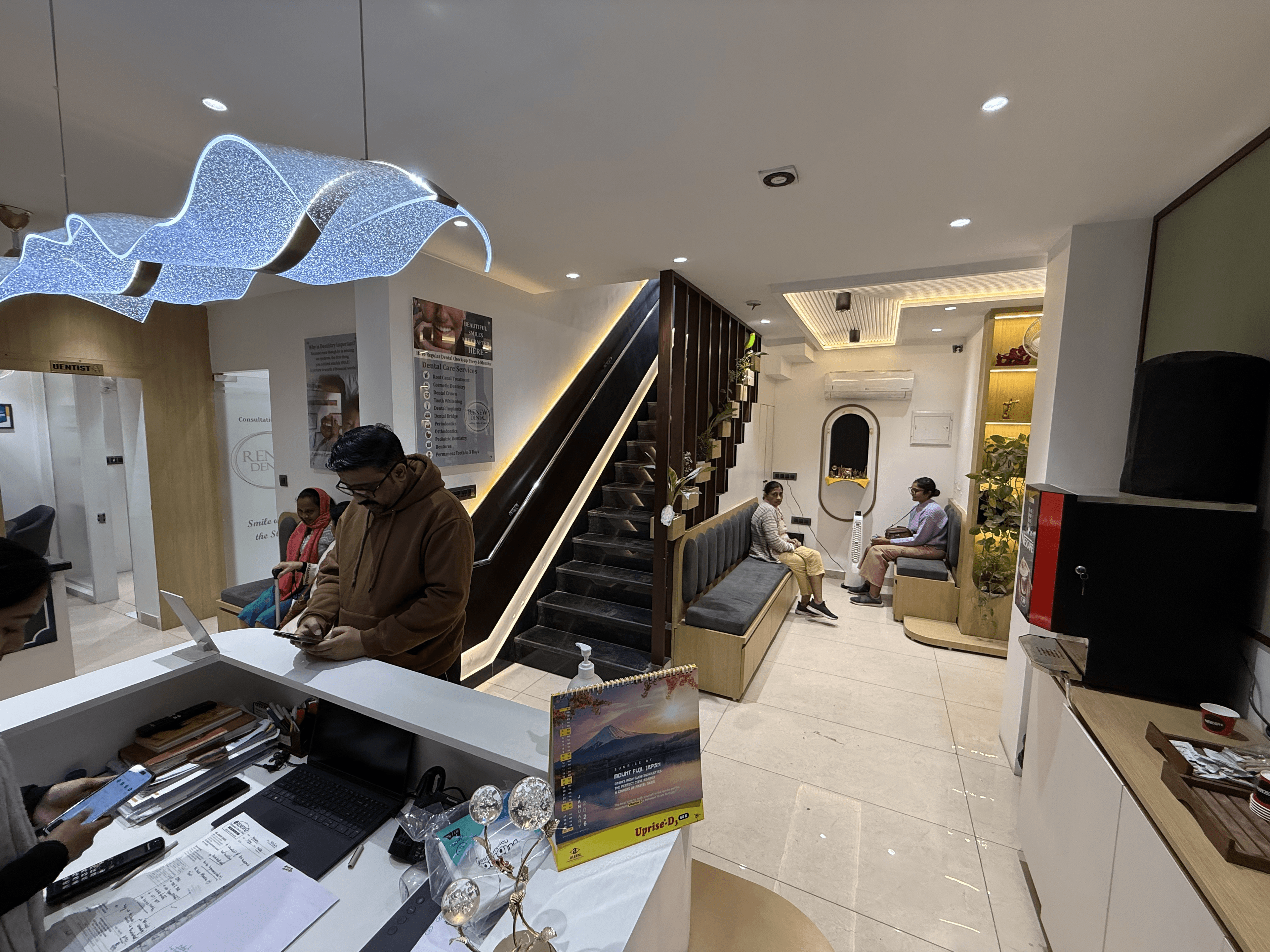
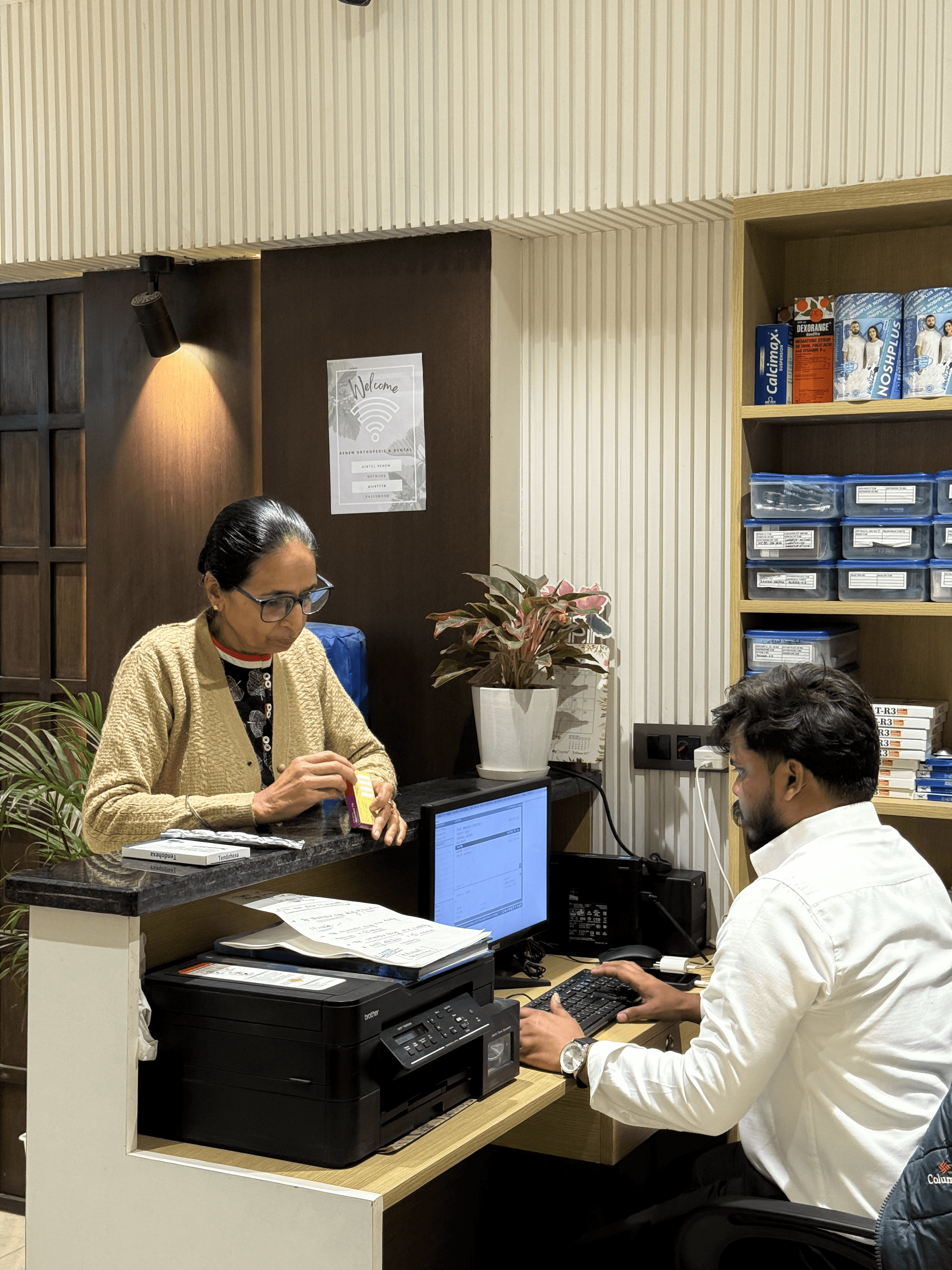
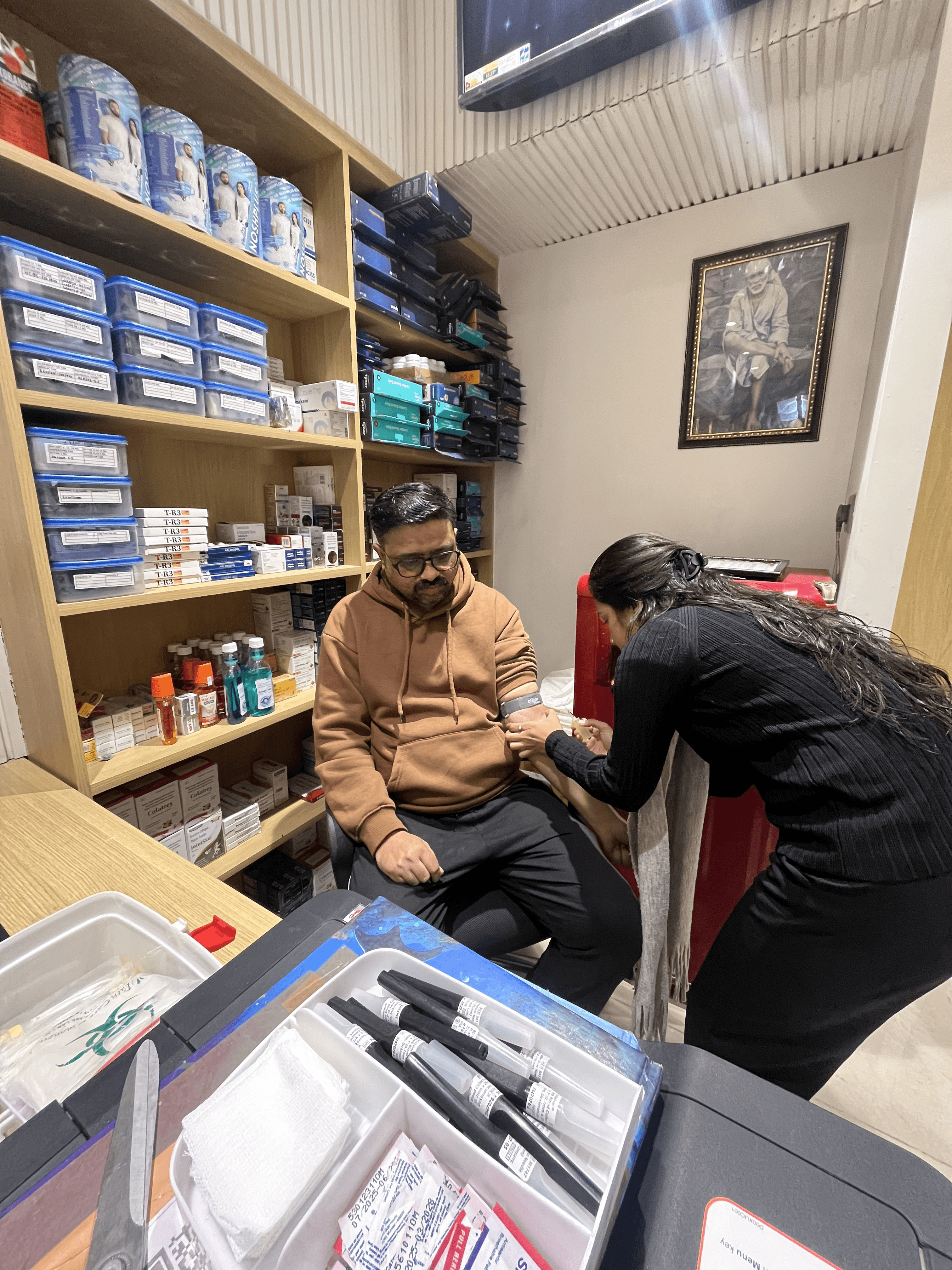
Best Dentist in Noida
Renew Dental Clinic located in Noida, Sector 47, is one of the leading dental clinics. Founded by Dr. Suchi Singh who is widely regarded as one of the best dentists in Noida, the clinic is committed to delivering personalised and high-quality dental care. Dr. Suchi Singh focuses on customised treatment plans designed around each patient’s unique needs, ensuring advanced, comfortable and reliable dental care at Renew Dental Clinic.

Your Trusted Dental Experts

Complete Dental Care

Friendly Dental Space

No Hidden Charges
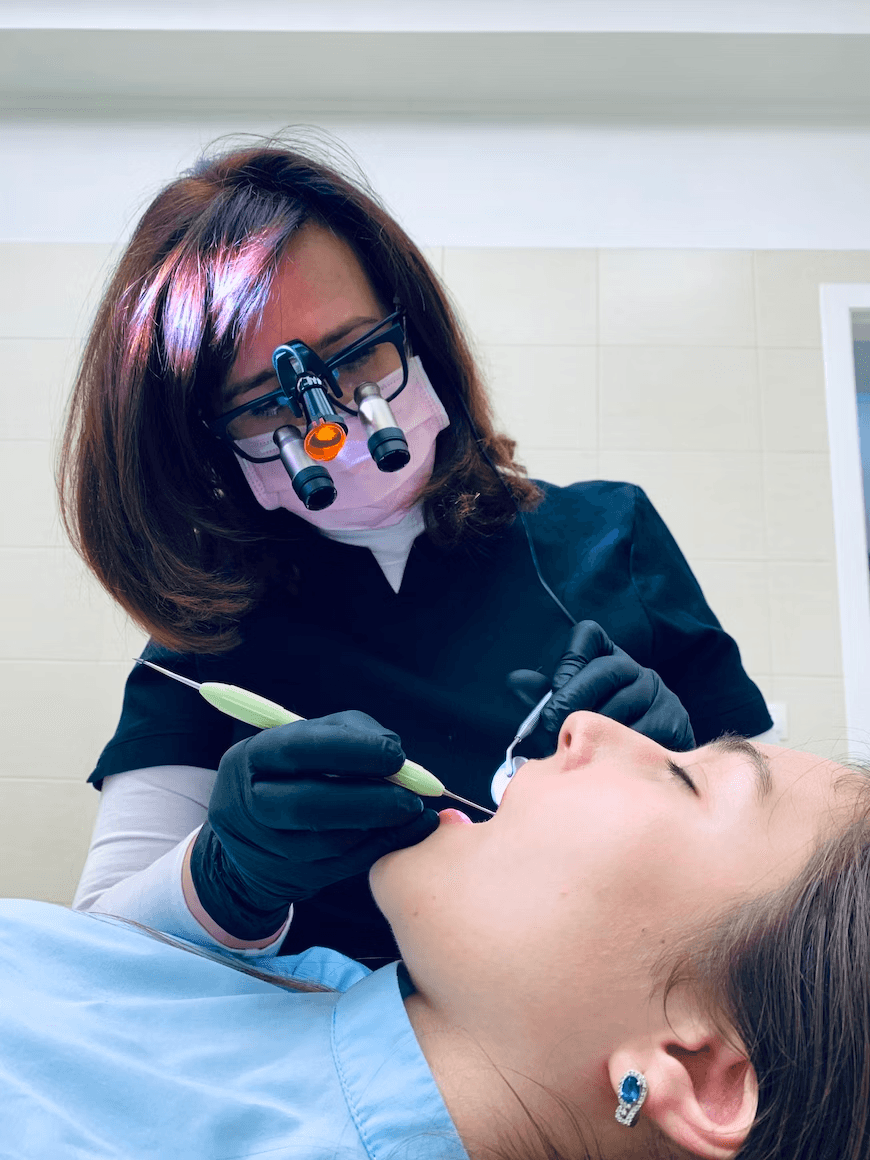


Two trusted dental clinics in Noida — Renew Dental (Sector 47) and Tooth & Truth (Sector 34) — for gentle, modern care.

Renew Orthopedic Clinic, A-321, Basement Floor, Next to Mother Dairy Store, Sector 47, Noida, Uttar Pradesh 201303
 +91 99710 35300
A-98/A, Block A, Sector 34, Noida, Uttar Pradesh 201307
+91 99710 45002© 2026. All rights reserved | Designed and Developed by Zarle Infotech