By Renew Dental ClinicPublished on
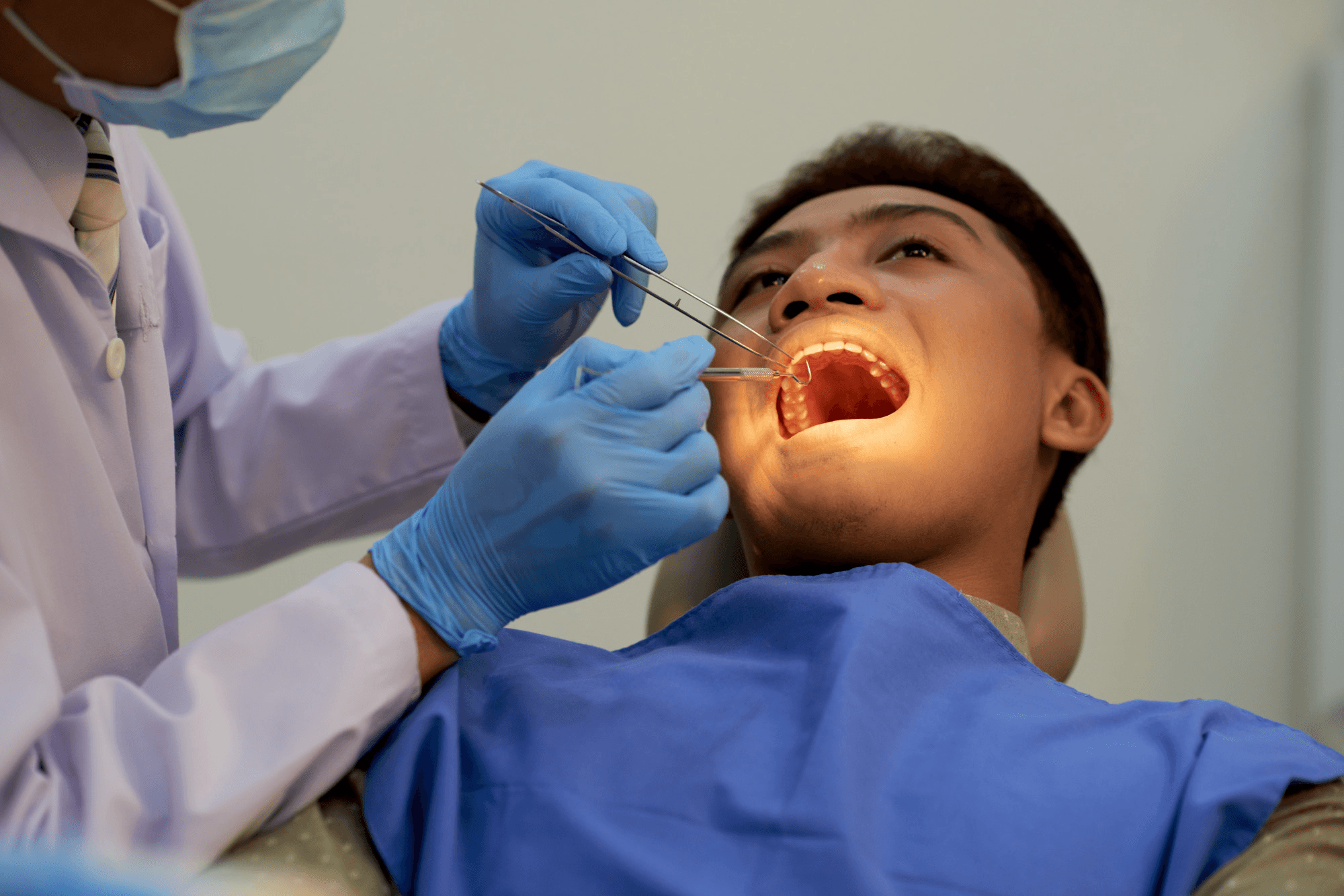
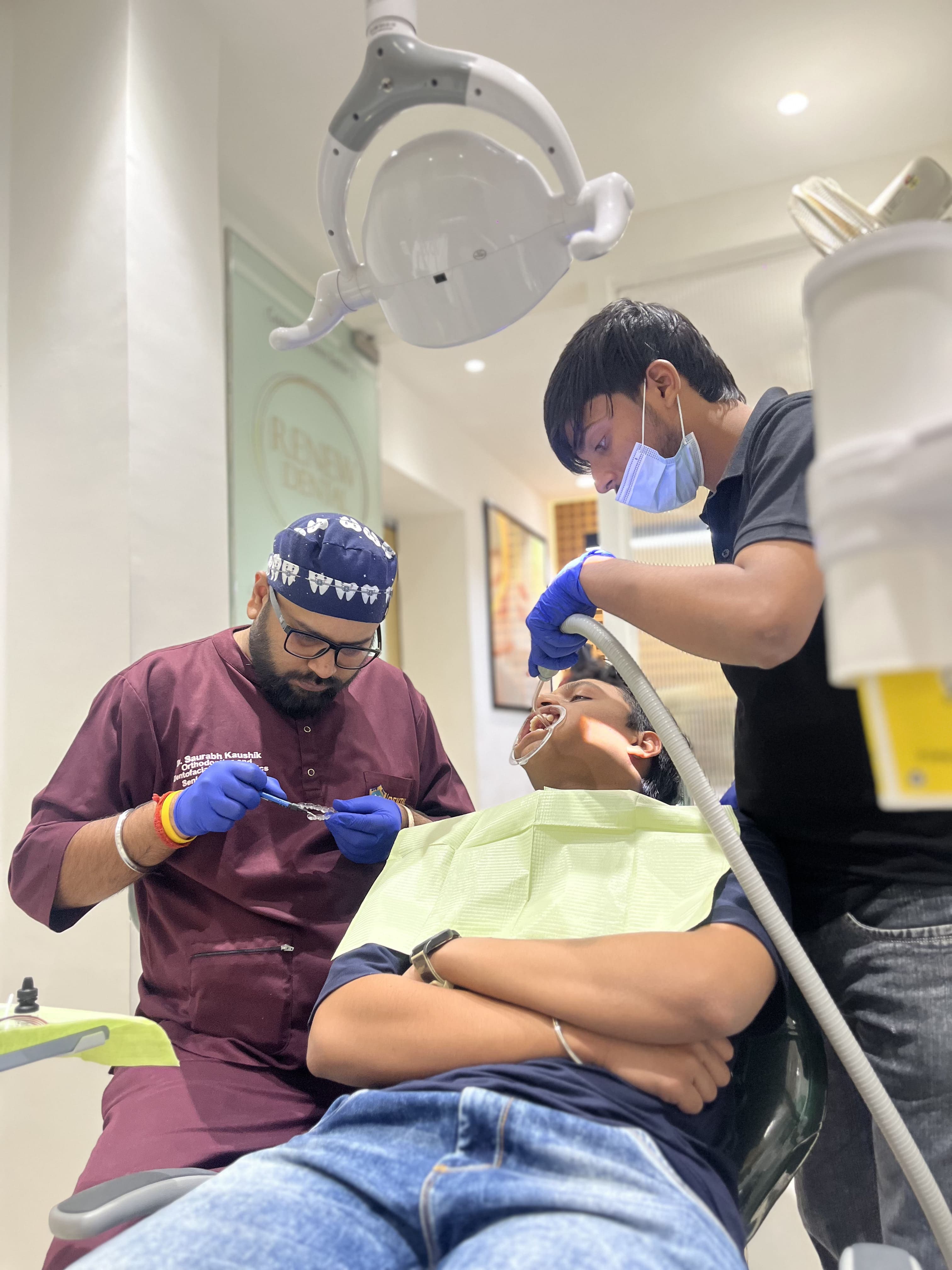
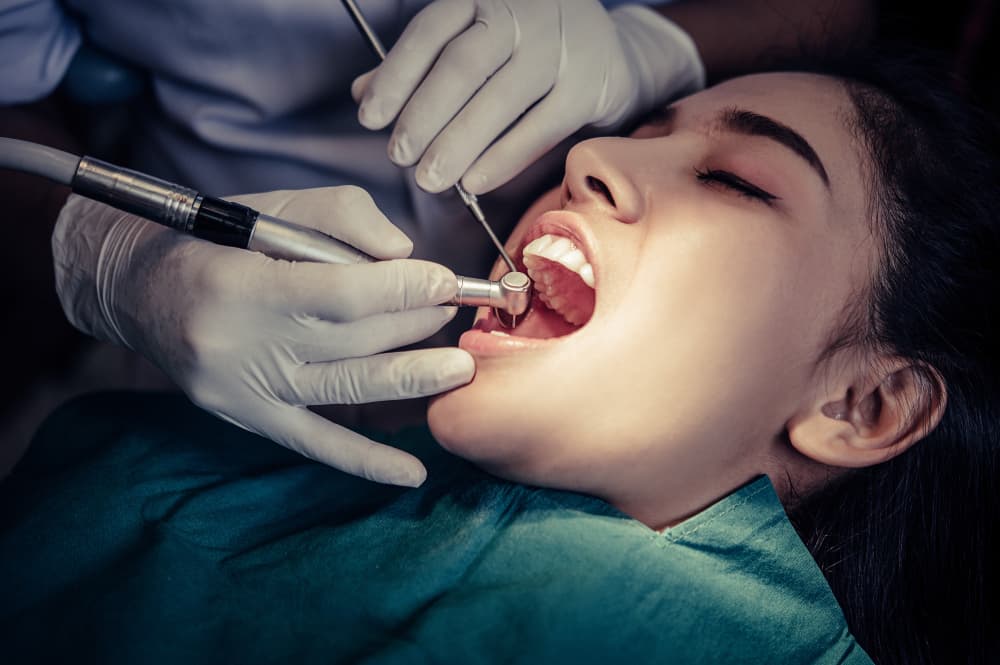
A man receiving root canal treatment at a dental clinic while a dentist performs the procedure.
The words "root canal" make many people anxious. For decades, the procedure has had a reputation for being one of the most painful dental treatments. Patients delay it. Some avoid it altogether.
But here is the truth: that reputation is outdated.
Modern root canal treatment is performed under local anaesthesia and is, for most patients, no more uncomfortable than getting a routine filling. The pain people associate with root canals is not from the procedure itself. It comes from the infected tooth before treatment begins.
This article explains what root canal treatment involves, why it is necessary, what to expect during and after the procedure, and how to care for your tooth once it is done.
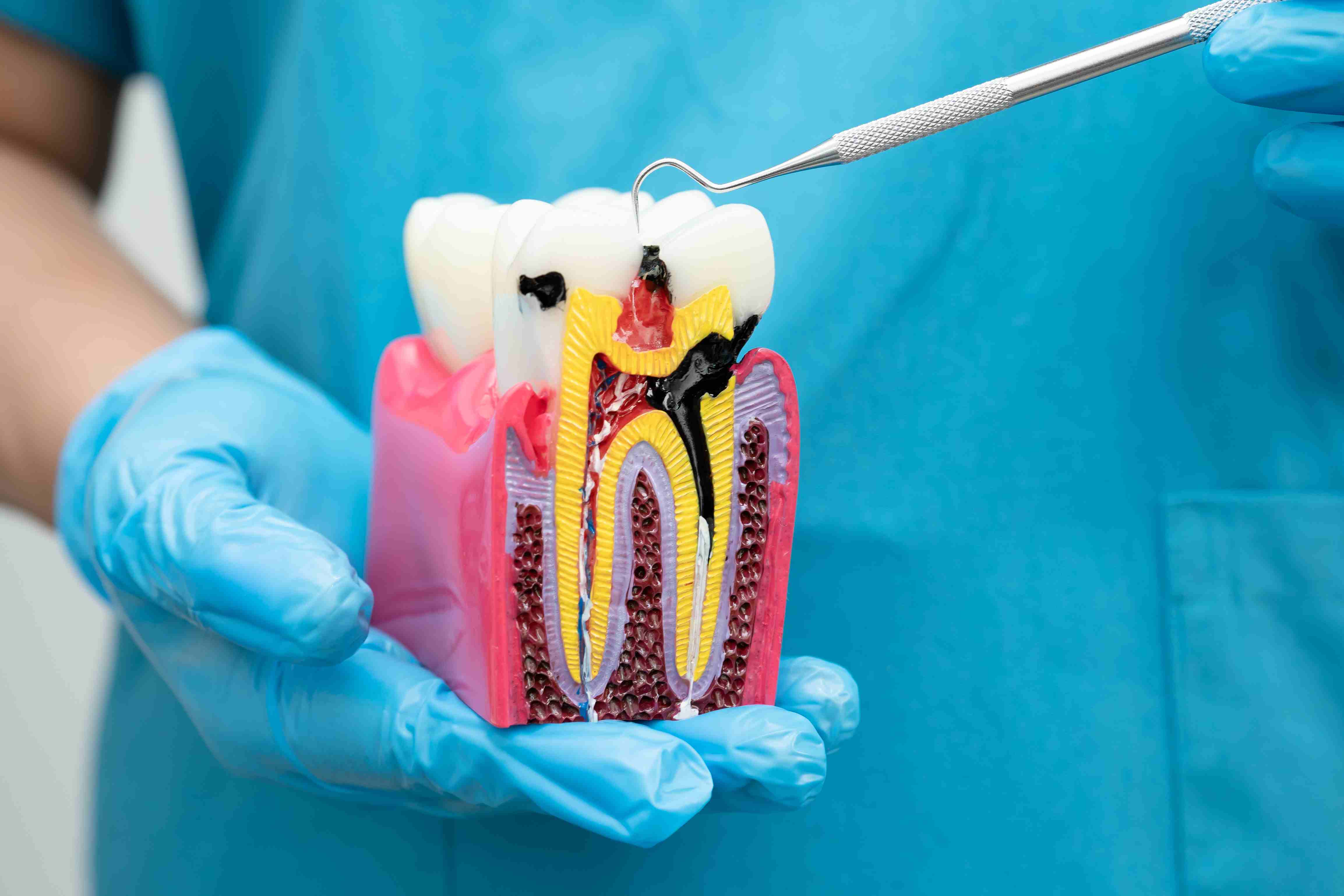
Root canal treatment, also called endodontic therapy, is a procedure used to treat infection inside a tooth. Every tooth contains a soft tissue called the pulp. The pulp sits inside the root canals, narrow channels that run through the roots of the tooth.
The pulp contains nerves, blood vessels, and connective tissue. It plays an important role in the development of the tooth. Once the tooth is fully formed, however, it can survive without the pulp.
When the pulp becomes infected or inflamed due to deep decay, a crack, or repeated dental procedures, root canal treatment is used to remove the damaged pulp, clean the canals, and seal the tooth.
The pulp is protected by the hard outer layers of the tooth: the enamel and the dentine. When these layers are compromised, bacteria can reach the pulp.
Common causes of pulp infection include:
Once the pulp is infected, the infection does not resolve on its own. It worsens over time and can spread to the surrounding bone, leading to an abscess.
Many people are unaware that their tooth requires treatment until the infection becomes severe. Watch for these signs:
A deep, throbbing pain that does not go away, even at rest.
Sensitivity to hot or cold that continues long after the stimulus is removed.
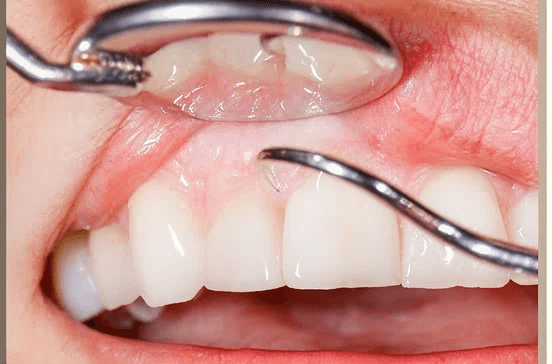
Swelling near the affected tooth, sometimes accompanied by a small pimple-like bump on the gum.
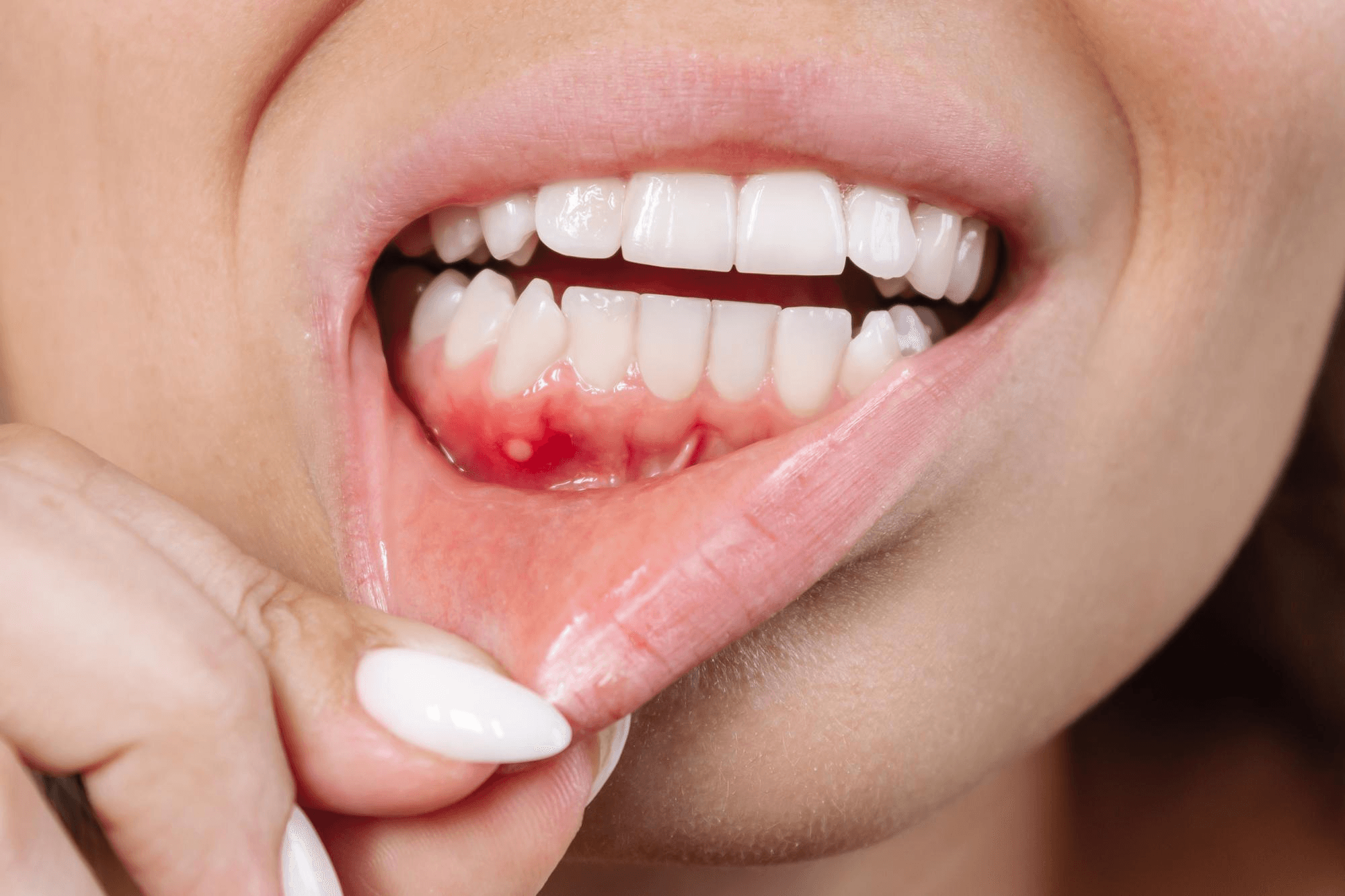
Close-up of swollen and tender gums showing signs of irritation, inflammation, or gum disease.
A tooth that has changed colour may indicate that the pulp has died.
Discomfort when pressure is applied to the tooth.
This can indicate that pus from an abscess is draining into the mouth.
Not all infected teeth cause pain. Some pulp infections are symptom-free, which is why regular dental check-ups are important. X-rays can detect infections that are not yet causing visible symptoms.
Understanding exactly what happens during the procedure removes much of the fear associated with it.
The dentist first examines the tooth and takes an X-ray to assess the extent of the infection and the shape of the root canals. This helps plan the procedure accurately.
Local anaesthetic is injected around the affected tooth. The area becomes completely numb before any work begins. Most patients report that the injection itself is the most uncomfortable part. Once the anaesthetic takes effect, the procedure is painless.
A rubber dam — a small sheet of rubber — is placed around the tooth. This keeps the area clean and dry throughout the procedure and prevents saliva from entering the canals.
The dentist drills a small opening through the top of the tooth to access the pulp chamber and root canals beneath.
Tiny, flexible instruments called files are used to remove the infected pulp tissue from the canals. The canals are then shaped and widened to prepare them for filling.
The canals are irrigated with an antiseptic solution to remove any remaining bacteria and debris. This is a critical step in preventing reinfection.
Once cleaned and dried, the canals are filled with a biocompatible rubber-like material called gutta-percha. This seals the canals completely to prevent future bacterial entry.
A temporary filling is placed immediately after the procedure. In most cases, a permanent crown is recommended to protect the treated tooth, as it can become more brittle over time.
The entire procedure usually takes one to two appointments, depending on the complexity of the case.
This is the most common question patients ask. The honest answer is: during the procedure, most patients feel no pain at all.
Here is what patients typically experience:
Severe or worsening pain after the procedure is not normal and should be reported to your dentist immediately.
The fear surrounding root canal treatment comes from two sources.
First, outdated experiences. Before modern anaesthesia and techniques, the procedure was genuinely uncomfortable. Those experiences were passed down through generations and created a lasting reputation that no longer reflects reality.
Second, the pain of the infection itself. Patients often arrive for root canal treatment already in significant pain from an abscess or severe infection. That pain is sometimes incorrectly associated with the procedure rather than the condition it is treating.
Some patients choose to delay or avoid treatment, hoping the pain will resolve on its own. This is a serious mistake.
An untreated pulp infection will:
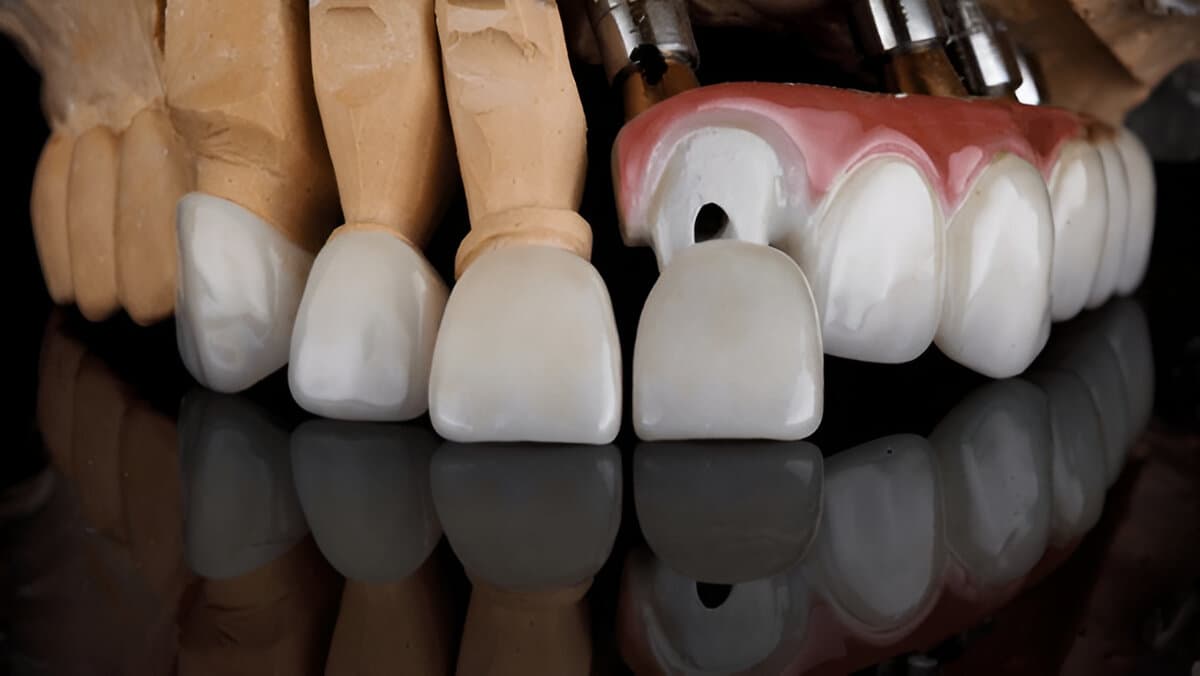
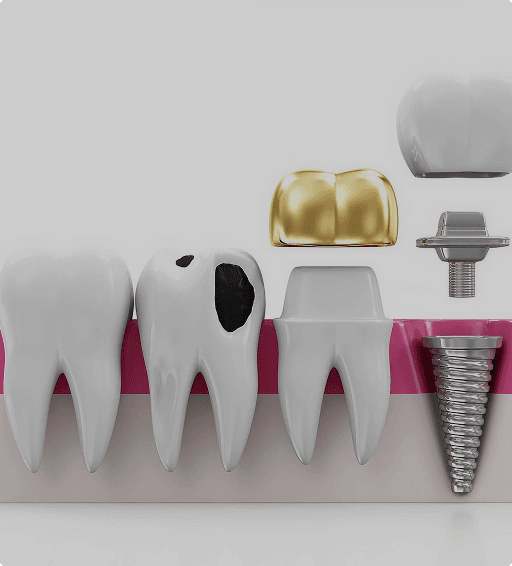
Tooth extraction is sometimes presented as an alternative. While extraction removes the immediate problem, it leaves a gap that must be filled with an implant or bridge. These solutions are more expensive and time-consuming than a root canal. Saving the natural tooth is always the preferred option.
Proper aftercare is essential for a smooth recovery and long-term success.
A root canal-treated tooth with a well-fitted crown can last a lifetime with proper care.
Dental anxiety is real and very common. Here are some evidence-based strategies:
Tell them about your fears. A good dentist will explain every step and check in with you throughout.
Raise your hand if you need a break. Knowing you have control reduces anxiety significantly.

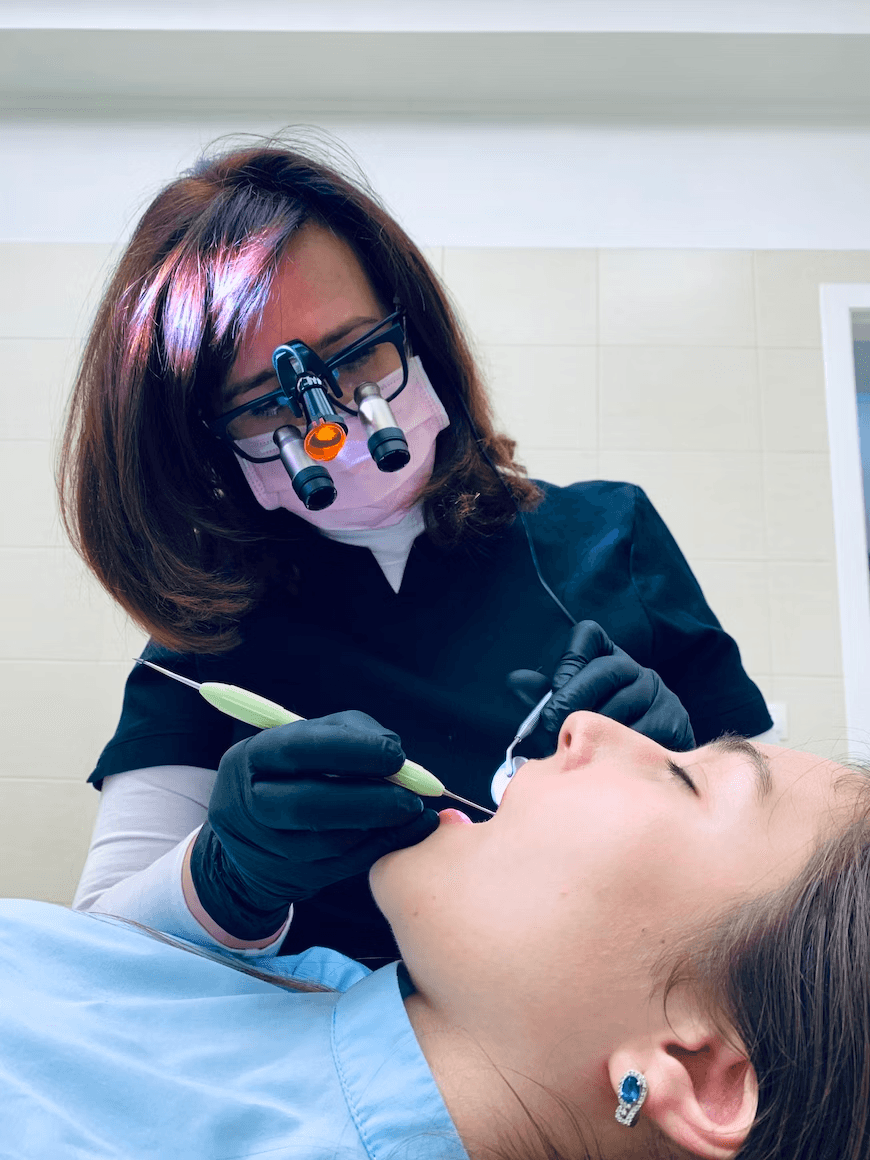
A woman receiving root canal treatment at a dental clinic during a dental procedure.
Slow, controlled breathing activates the parasympathetic nervous system and reduces the physical symptoms of anxiety.
Fear of the unknown is the biggest driver of dental anxiety. Reading articles like this one genuinely helps.
For patients with severe anxiety, conscious sedation or nitrous oxide may be offered. Ask your dentist what is available.
Worried About a Toothache or Dental Infection? Do not ignore it. Early treatment is always simpler and less costly.
Book a consultation at Renew Dental Clinic, Noida. Visit www.renewdental.in or call us today.
Dr. Suchi Singh will assess your tooth and guide you through every step.
A filling is used when decay is limited to the outer layers of the tooth. A root canal is needed when the infection has reached the pulp. Your dentist will assess this with an examination and X-ray.
Most root canal procedures take between 60 and 90 minutes per appointment. Some complex cases with multiple canals may require a second visit.
Root canal treatment has a very high success rate — over 95% in most studies. In rare cases, reinfection can occur, particularly if the crown is delayed or if there is a crack in the root. Re-treatment or a minor surgical procedure called an apicoectomy can address this.
For back teeth that bear significant chewing load, a crown is strongly recommended. For front teeth, a crown may not always be necessary, but your dentist will advise based on the extent of damage.
Yes, if only local anaesthesia was used. If sedation was involved, you will need someone to accompany you.
Yes. With a properly placed crown or filling, the treated tooth looks and functions like a natural tooth. Darkening of the treated tooth is rare with modern materials and techniques.
 Copy
Copy
Mouth ulcers may signal stress, nutritional deficiencies, infections, or oral health issues. Learn about causes,...
12 May 2026
by Renew Dental Clinic
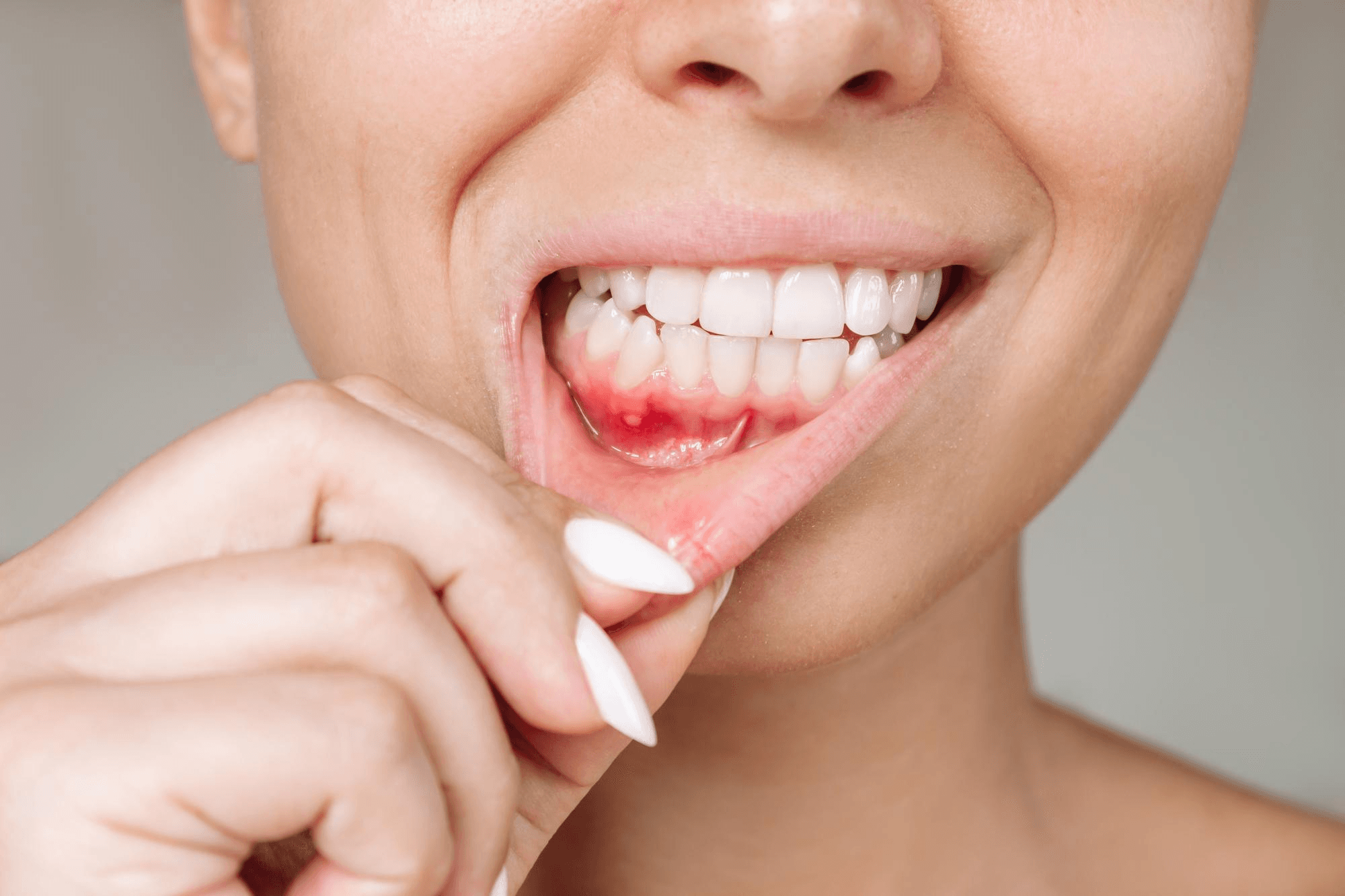
Learn about gum disease, its causes, symptoms, stages, and treatment options to protect your oral health and prevent serious dental problems.
08 May 2026
by Renew Dental Clinic

Discover essential oral hygiene habits every adult should follow to maintain healthy teeth, fresh breath, and overall dental health.
08 May 2026
by Renew Dental Clinic

Most people brush the same way they have since childhood — which is usually wrong....
06 Aug 2026
by Renew Dental Clinic

We all know we should go to the dentist periodically, but the only thing ever...
19 Aug 2025
by Renew Dental Clinic

Learn about the most common dental problems that beset seniors, including gum disease, dry mouth,...
18 Nov 2025
by Renew Dental Clinic
Not every cavity needs a root canal — but many patients aren't sure where the...
23 Sept 2026
by Renew Dental Clinic

Curious about the root canal treatment? Learn the step-by-step process, benefits, recovery, and FAQs to know the popular dental procedure.
03 Oct 2025
by Renew Dental Clinic

The fear around root canals is almost always worse than the procedure itself. This guide...
04 Oct 2026
by Renew Dental Clinic
Considering dental implants in Delhi NCR? This first-timer's guide covers everything — how implants work,...
03 Jun 2026
by Renew Dental Clinic

Dilemma between dental implants and bridges? Weigh the cost, longevity, procedure, and advantages to determine which tooth replacement method is superior.
03 Oct 2025
by Renew Dental Clinic

Thinking about dental implants in Noida? This complete guide covers how implants work, who qualifies,...
14 May 2026
by Renew Dental Clinic

Learn about cosmetic dentistry, popular smile transformation procedures, benefits, and how treatments can improve your dental appearance and confidence.
11 May 2026
by Renew Dental Clinic
Considering dental veneers in Noida? This complete guide explains what veneers are, the types available,...
20 May 2026
by Renew Dental Clinic

Find out all about dental veneers, such as types, advantages, price, and upkeep suggestions. Find out how veneers can revolutionize your smile and increase confidence.
16 Sept 2025
by Renew Dental Clinic
Explore More
Explore More
Discover how thousands of patients trust Renew Dental Clinic with their smiles.
I had a very good experience at Renew Dental Clinic during my implant and RCT treatment. The doctors and staff were extremely kind, supportive, and professional throughout the entire process. What I appreciated the most was their care and attention towards patient comfort — the treatment was smooth and almost painless.
The best dental clinic in Noida.
Very nice Dr & very good supportive team ...Aaj mai 12 saal se jada ho gya yhi pr treatment karva rha hua apne dant ka bahut hi badhiya response Mila mujhe jitna bhi taarif kru km hai ..dant ke treatment ke liye bahut hi badhiya clinic hai koi bhi problem ho dant me a to z acha treatment hota hai mera bhi dant ka implant karvana tha to bahut hi badhiya suggestion Mila mujhe but kuch personal reasons ke vjh se mai avi nhi Krva paya hu but jldi hi karvavunga again thanks Dr maim and team
Very kind, smart, polite and cooperative. She explains everything so well and prepares patients for procedure very nicely. Very confident. Great work
Best dental treatment
She is the Best Dentist in Noida, She has a gentle touch as well and I'm glad I discovered this practice. An extra bonus is that the clinic is extremely efficient and well run.
Best dentist I have visited here, the doctor listed here is a very experienced doctor and the staff here is very nice and caring.
Visited for routine checkup and Dental fillings. Done by experienced hands of Dr. Suchi. Highly recommended for all dental issues.
Very nice professional and genuine advice and treatment given at Renew clinic. Both Dr. Suchi singh and Dr. Ankur singh are awesome. I recommend visit to renew clinic for any dental or orthopedic problem.
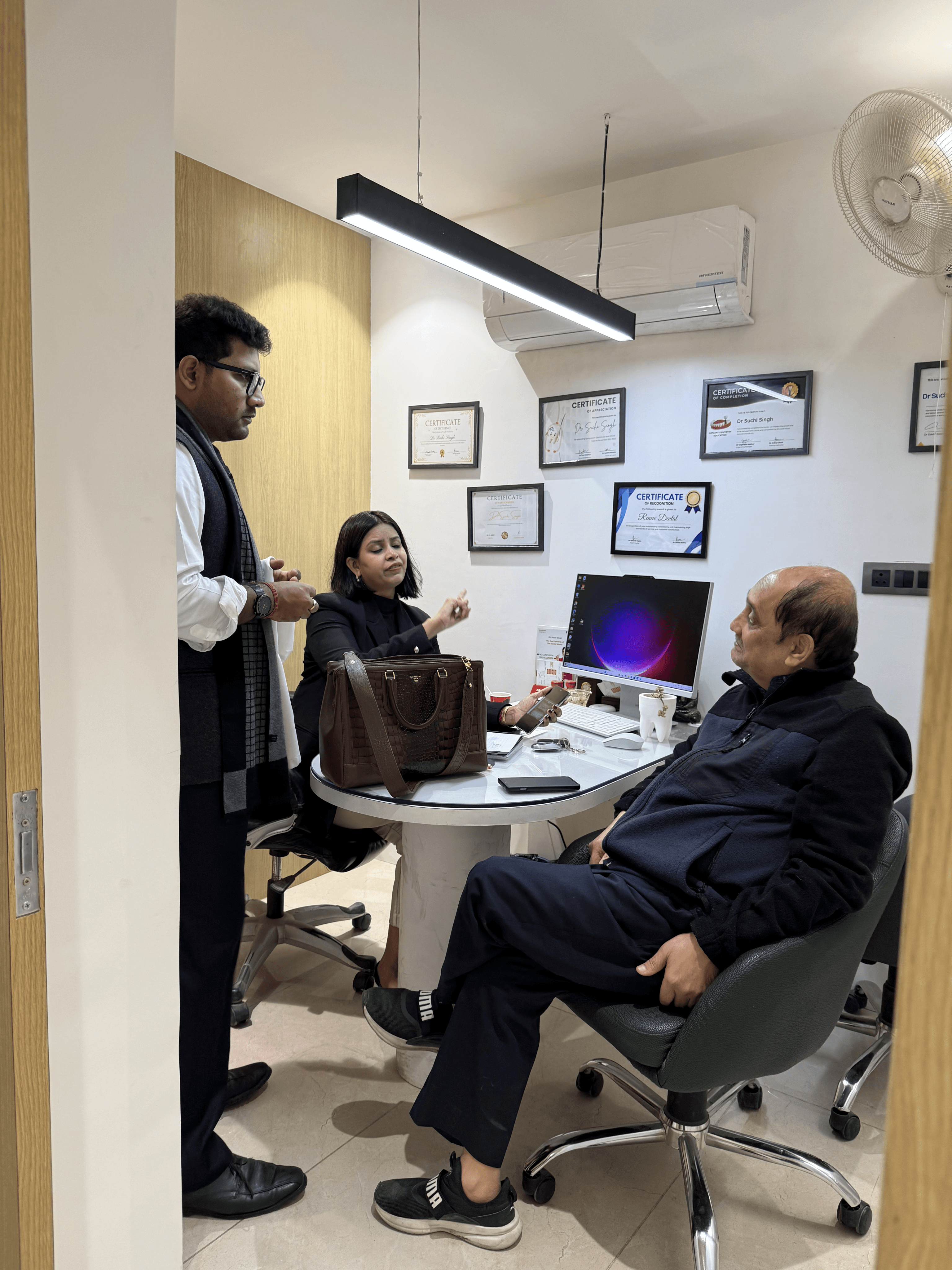
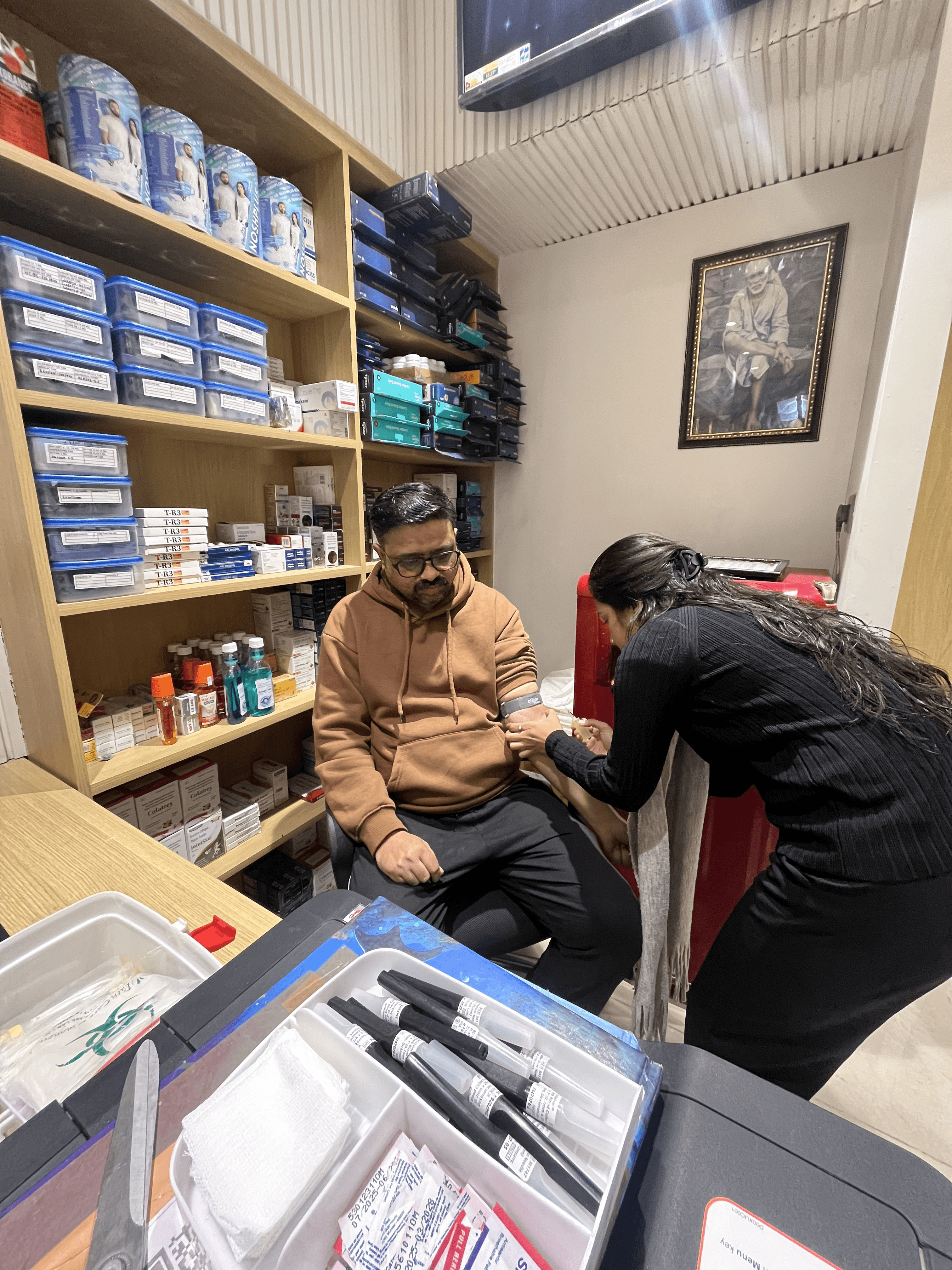
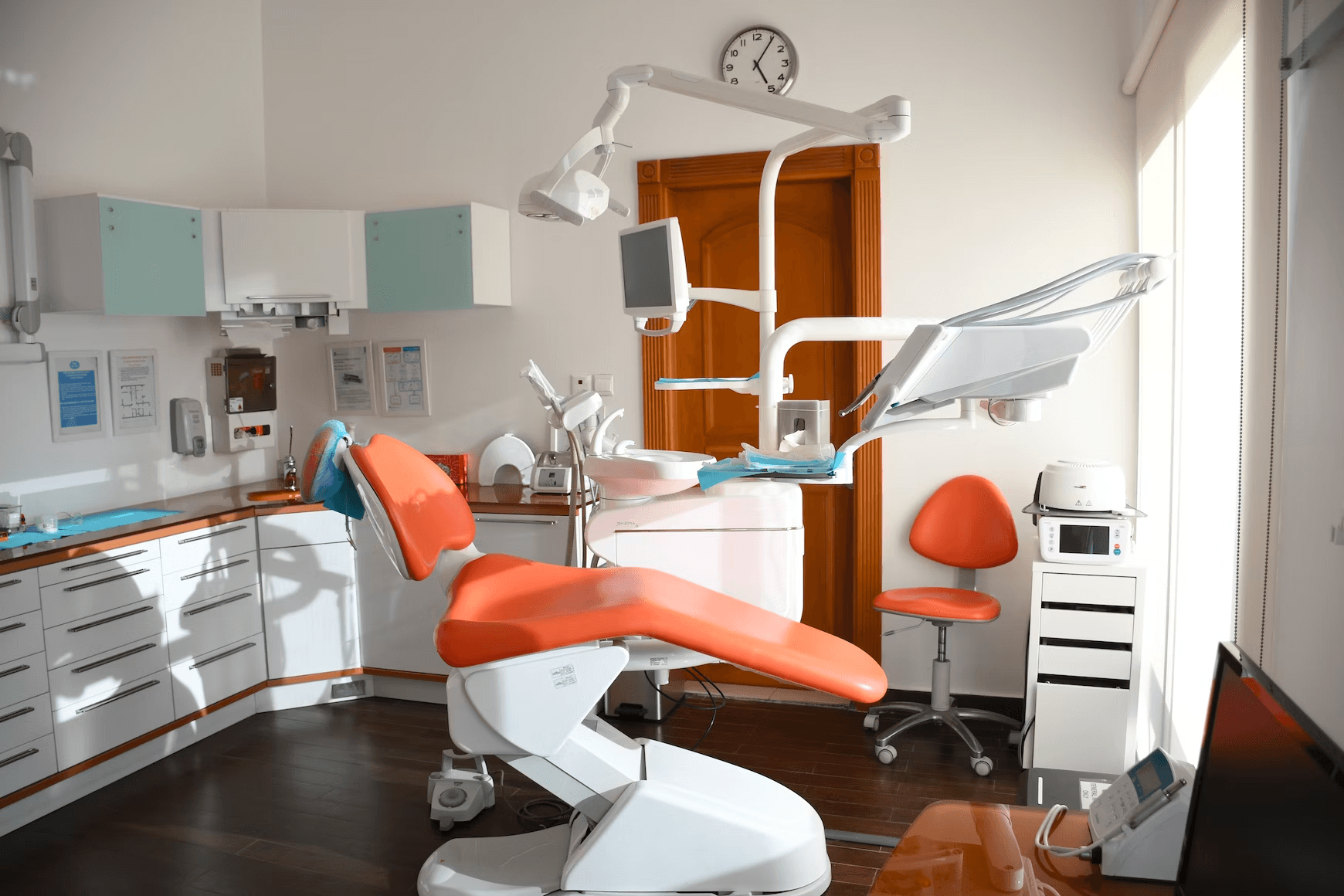
A glimpse into our modern dental clinic, advanced technology, and patient-friendly environment at Renew Dental.
Explore our thoughtfully designed clinic spaces built to provide comfort, cleanliness, and a calming experience for patients of all ages.



Best Dentist in Noida
Renew Dental Clinic located in Noida, Sector 47, is one of the leading dental clinics. Founded by Dr. Suchi Singh who is widely regarded as one of the best dentists in Noida, the clinic is committed to delivering personalised and high-quality dental care. Dr. Suchi Singh focuses on customised treatment plans designed around each patient’s unique needs, ensuring advanced, comfortable and reliable dental care at Renew Dental Clinic.

Your Trusted Dental Experts

Complete Dental Care

Friendly Dental Space

No Hidden Charges


Two trusted dental clinics in Noida — Renew Dental (Sector 47) and Tooth & Truth (Sector 34) — for gentle, modern care.

Renew Orthopedic Clinic, A-321, Basement Floor, Next to Mother Dairy Store, Sector 47, Noida, Uttar Pradesh 201303
 +91 99710 35300
A-98/A, Block A, Sector 34, Noida, Uttar Pradesh 201307
+91 99710 45002© 2026. All rights reserved | Designed and Developed by Zarle Infotech