Teeth Whitening in Noida — Professional Options at Renew Dental Clinic
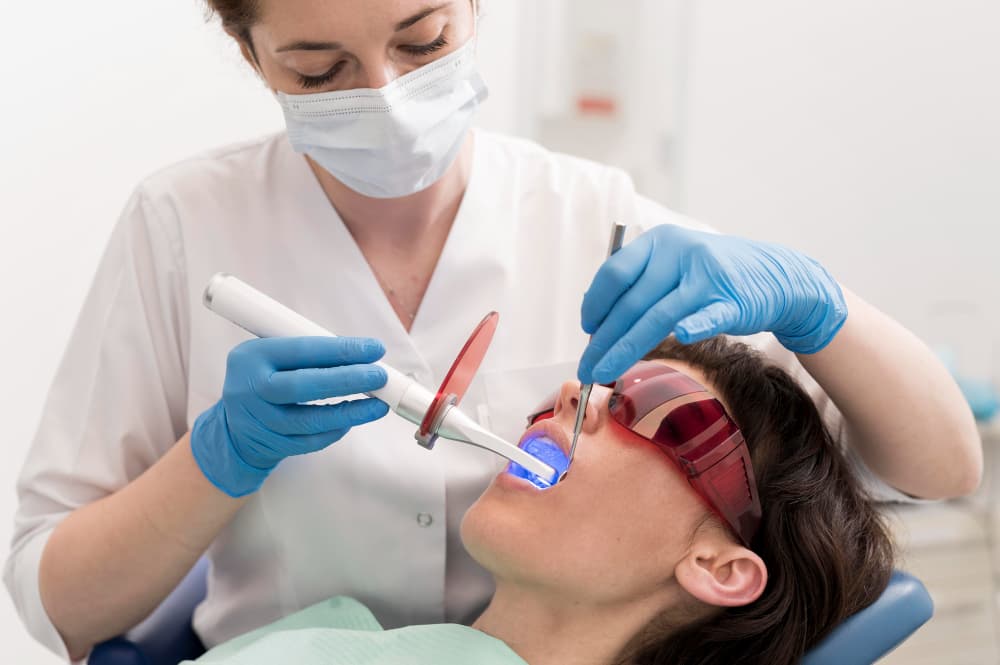
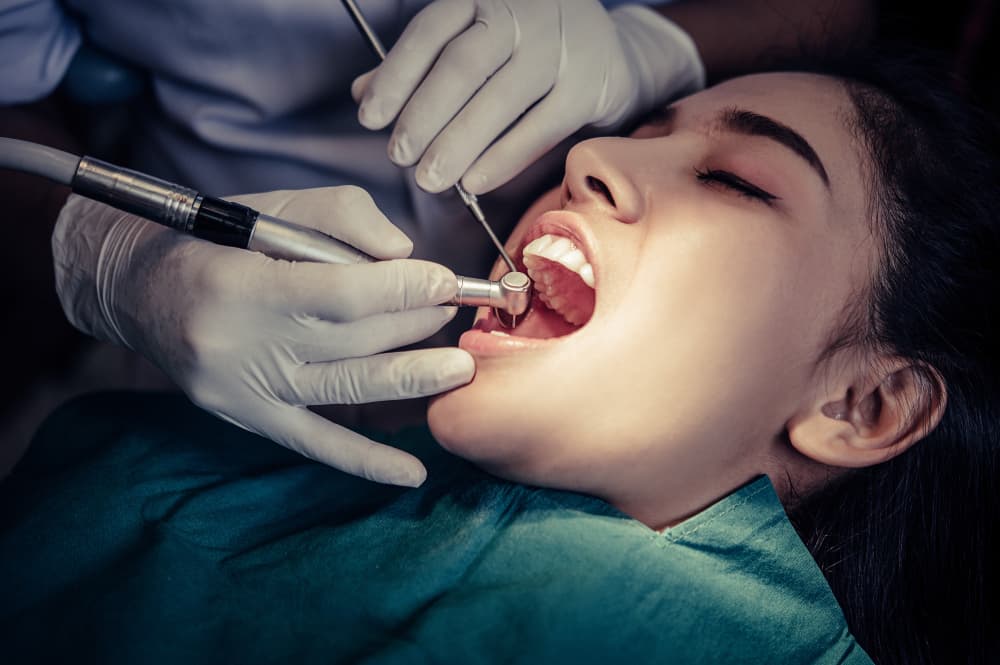
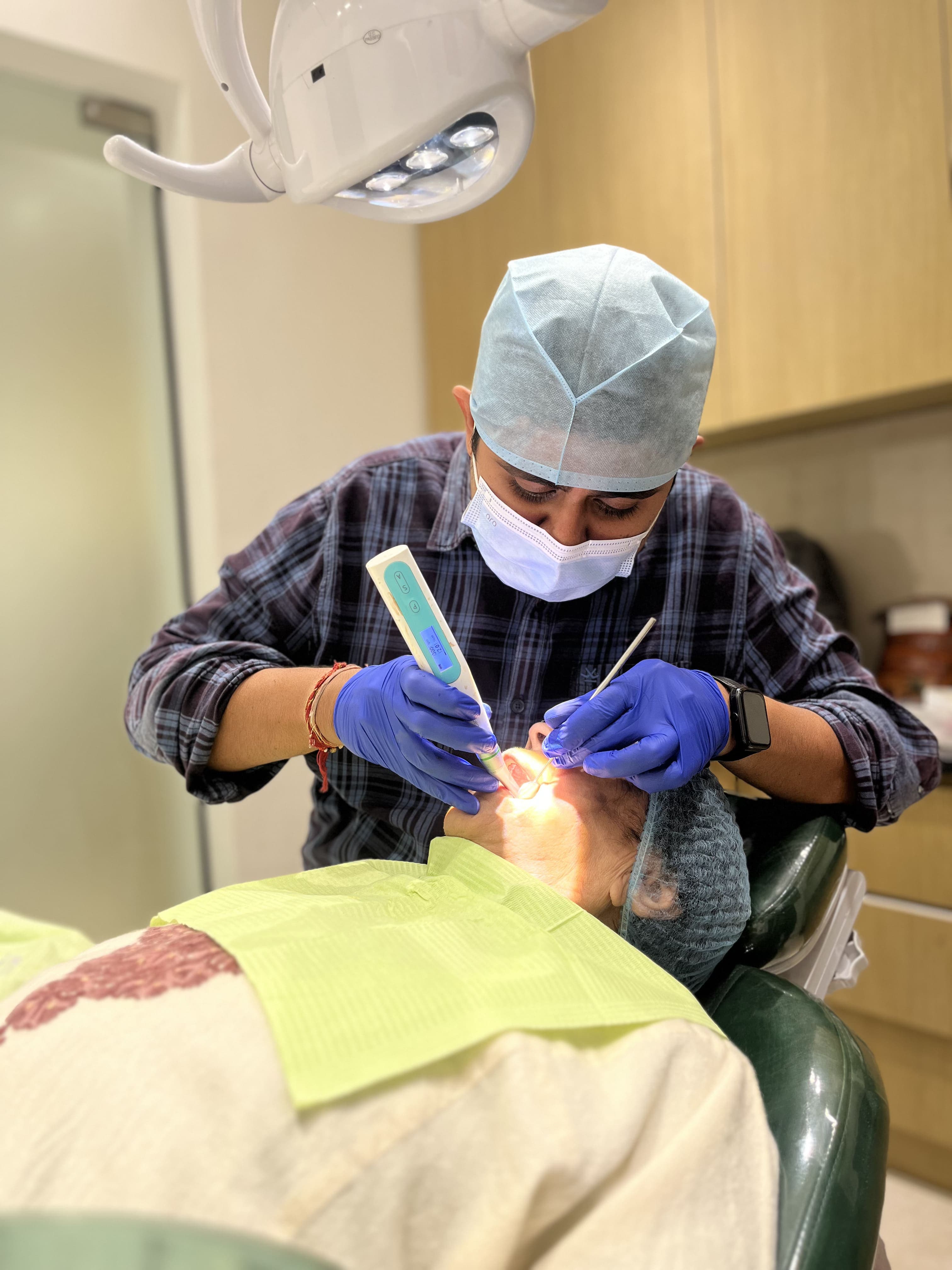
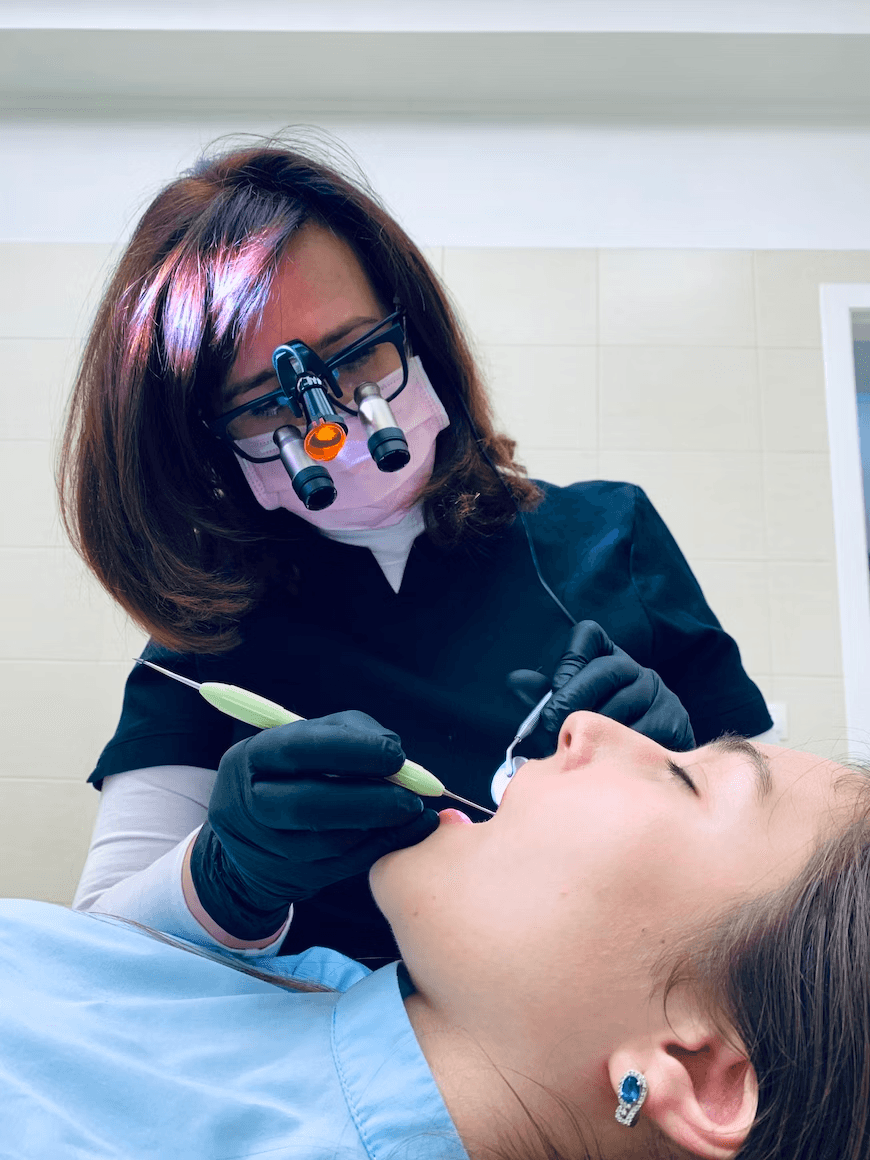
Female patient having a procedure done at the dentist.
Most people have some level of tooth discolouration. Years of tea, coffee, and natural ageing produce it almost inevitably. The question isn't whether whitening can help — for most patients with extrinsic staining, it absolutely can. The question is which option is actually right for your teeth and your timeline.
Renew Dental Clinic in Sector 47, Noida offers professional whitening for patients across Noida, Greater Noida, and Delhi NCR — done properly, with a clinical assessment first, not as a quick cosmetic procedure without context.
Who Professional Whitening Is For
Whitening works for one specific type of discolouration: extrinsic staining on natural enamel. Tea, coffee, tobacco, certain foods — these build up on the enamel surface and within the pellicle (protein film coating the teeth) over time. They respond to bleaching.
It won't work — or will work poorly — for:
- Intrinsic staining from tetracycline antibiotics, fluorosis, or internal tooth damage
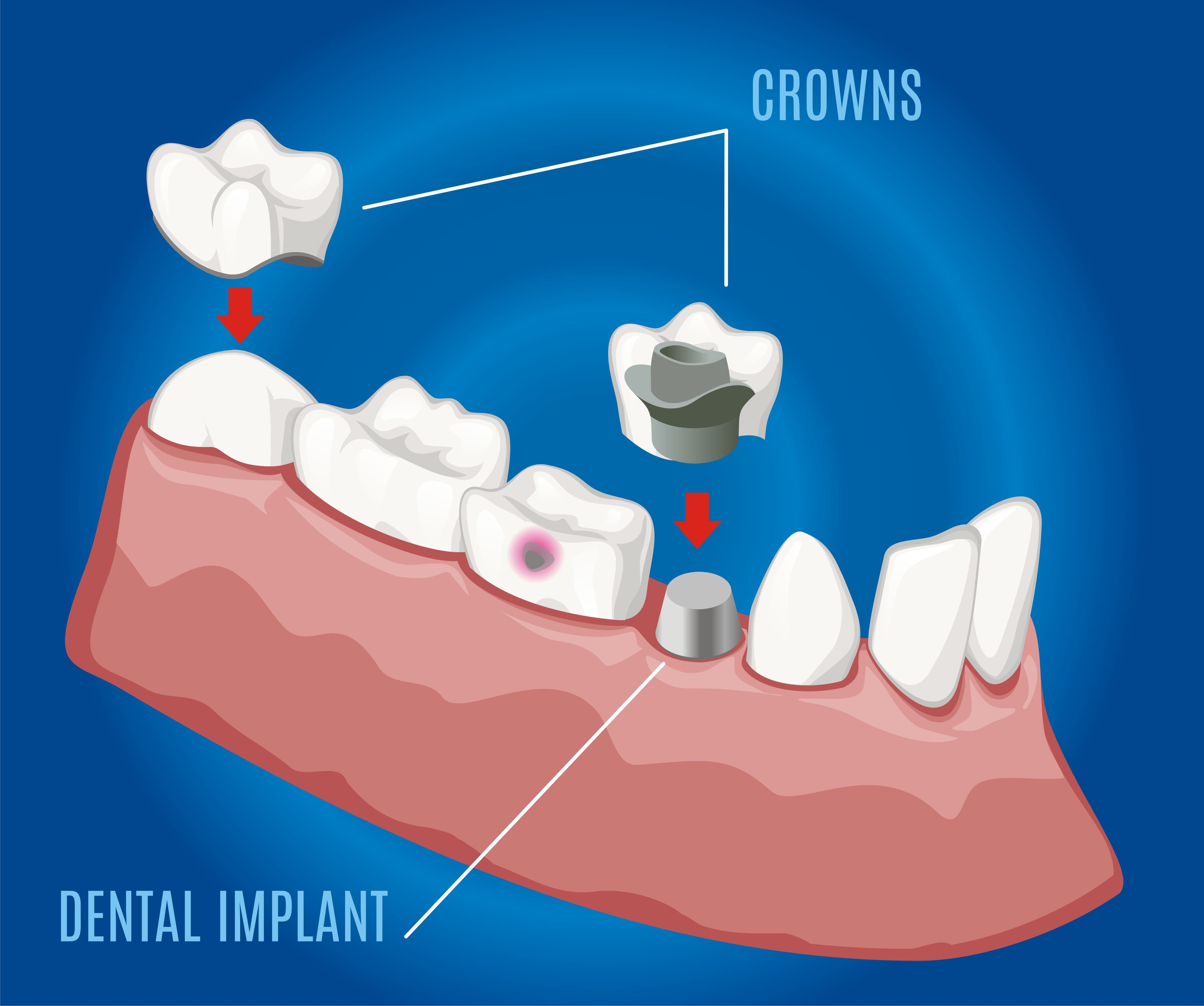
- Dental restorations — crowns, veneers, and composite fillings don't bleach. If you whiten your natural teeth, any visible restorations will remain at their existing shade and may become more noticeable
- Severely thinned enamel — the yellowing from enamel thinning (ageing) reflects dentine colour showing through, not surface staining; whitening can help partially but has limits
This is why the consultation at Renew Dental matters. Dr. Suchi Singh assesses the cause of discolouration before recommending whitening. If veneers would serve you better, you're told that. If whitening will achieve your goal, it's recommended on that basis.
Laser Teeth Whitening at Renew Dental, Noida
Laser whitening — also called light-activated or power whitening — is the fastest professional option available.
A high-concentration hydrogen peroxide gel is applied to the teeth. A dental laser or specialised light source is then directed at the gel, activating it. The laser energy breaks down the bleaching agent more rapidly, accelerating the oxidation reaction that disrupts and clears stain molecules within the enamel. Results are visible within a single 45 to 60-minute appointment.
Before the gel goes on:
- Teeth are cleaned to remove surface deposits that would interfere with even gel penetration
- A protective dam or gel is applied to the gums and soft tissues — this is critical. The bleaching gel is strong; unprotected gum tissue will be irritated
During the procedure:
You feel nothing. You sit with your mouth open, teeth exposed to the light, for the treatment cycle. The cycle may be repeated 2 to 3 times within the same session depending on the degree of staining.
Immediately after:
The teeth are several shades lighter — visible immediately. The exact improvement varies based on the original shade and the type of staining. Most patients achieve 4 to 8 shades of improvement. Some with very heavy staining from years of tobacco use see a more modest initial result and may benefit from a second session.
Professional Take-Home Whitening Trays
An alternative to in-clinic laser whitening that some patients prefer. Custom trays are fabricated from dental impressions and a professional-grade bleaching gel is provided for home use.
The trays fit precisely over the teeth — far more accurately than any pharmacy kit. The gel concentration is professional-grade, stronger than over-the-counter products. Worn for 1 to 2 hours daily (or overnight, depending on the concentration), most patients achieve their target shade within 2 to 4 weeks.
The final result is comparable to laser whitening. The difference is pace and experience. Some patients with sensitivity prefer the lower-concentration gel applied over a longer period. Others simply want immediate results.
How Long Results Last
Professional whitening results last 12 to 24 months in most patients, sometimes longer.
What shortens the result:
- Daily heavy tea or coffee consumption
- Tobacco use
- Not attending regular cleaning appointments
What extends it:
- Rinsing with water after every staining beverage
- Regular scaling at Renew Dental, which removes surface deposits before they accumulate into new staining
- A touch-up session at the one-year mark for patients who want to maintain peak whiteness
The 48 hours following whitening are the most critical. Enamel pores are temporarily more open after bleaching. Tea, coffee, red wine, and tobacco during this window restain the teeth faster than normal. A "white diet" for 48 hours — pale-coloured foods, water — protects the result during this vulnerable period.
What About Sensitivity?
Post-whitening sensitivity is real and affects roughly 30 to 40% of patients to some degree. It's almost always mild and temporary — 24 to 48 hours of increased sensitivity to cold, usually.
For patients who are already sensitive:
- Using a potassium nitrate toothpaste for two weeks before and after whitening reduces sensitivity significantly
- The take-home tray option with lower-concentration gel at a longer exposure is better tolerated than high-concentration in-office treatment
- Desensitising gel applied immediately after the whitening session at the clinic helps
Patients with severely sensitive teeth, active gum disease, or cracked teeth may not be appropriate candidates for whitening — the clinical assessment identifies these situations.
The Shade Guide Conversation
At the whitening consultation, Dr. Suchi Singh uses a shade guide — a series of tooth-shaped samples from the whitest to the most yellow — to assess your current shade and establish a realistic target.
This conversation matters for one specific reason: whitening cannot lighten teeth beyond the maximum whiteness of your natural dentine. Some people have naturally warm, ivory dentine and will not achieve the very bright whites seen in advertising, regardless of the treatment used. Setting a realistic target beforehand prevents disappointment.
It also matters if you have visible dental restorations. If your upper front tooth has a crown, whitening the surrounding natural teeth may make the crown's existing shade look darker by comparison. Discussing this before whitening — and planning whether the crown needs replacement after whitening if a match is wanted — saves complications later.
What Happens at the Whitening Appointment
- Dental assessment and shade recording
- Professional cleaning to remove any surface deposits
- Gum protection applied
- Whitening gel applied to teeth
- Laser/light activation for the treatment cycle
- Post-treatment assessment and comparison with baseline shade
- Aftercare instructions — specific to your case, not generic
The appointment is typically 60 to 75 minutes including the consultation and cleaning.
Pharmacy Kits vs Professional — The Actual Difference
The comparison comes up constantly. The short version: pharmacy whitening strips and at-home kits work, but modestly. A professional laser session at Renew Dental works considerably better.
The peroxide concentration in over-the-counter products is limited to protect consumers who use them without clinical supervision. Professional products are much stronger — and applied safely because a trained dentist is managing the process.
The tray fit also matters. Pharmacy boil-and-bite trays don't conform precisely to your teeth. Gel contacts gum tissue, the application is uneven, and results reflect both.
For mild surface staining in someone who's never had professional whitening, pharmacy strips might be adequate. For anyone with more established staining, anyone preparing for a significant event, or anyone who has tried OTC products without satisfaction — professional treatment produces genuinely better results.
Frequently Asked Questions
1. Can whitening damage my teeth?
Professional whitening done correctly doesn't damage enamel. Excessive use of high-concentration products without professional supervision can cause sensitivity and surface change — which is why clinical oversight matters.
2. Can I whiten if I have braces?
No — brackets are bonded to the teeth and block the whitening gel from that portion of the tooth surface. The result would be uneven. Whitening after braces are removed (and teeth are clean and settled) is the appropriate sequence.
3. Can whitening help fluorosis spots?
Sometimes. Mild fluorosis with diffuse white spots may respond to prolonged professional whitening. More significant fluorosis doesn't whiten satisfactorily — veneers are the more reliable approach.
4. How soon after whitening can I drink tea?
48 hours. Before that, water only, and pale-coloured foods.
Book a Whitening Consultation at Renew Dental Clinic, Noida
A brighter smile is a 60-minute appointment away. But the right starting point is a clinical assessment to confirm whitening is appropriate for your specific teeth.
To book at Renew Dental Clinic, Sector 47, Noida, call (0120) 498-8333.
Monday–Saturday 10:30 AM – 8:00 PM | Sunday 11:00 AM – 2:30 PM.