By Renew Dental ClinicPublished on

Dentists treat patients' teeth.
"Bas nikal do" — just remove it. It's a phrase dentists in India hear regularly, and it's completely understandable. A root canal sounds expensive and intimidating. Extraction sounds simple and final. Why go through the longer process when removing the tooth gets rid of the pain just as quickly?
The thing is, the question isn't really "which gets rid of the pain faster." It's "which leaves you in a better position five, ten, or fifteen years from now." And on that timeline, the two options look very different.
A root canal removes the infected or inflamed pulp — the nerve and blood supply — from inside the tooth, disinfects and shapes the root canals, and seals them to prevent reinfection. The tooth stays in your mouth. A crown is placed over it to protect the now-devitalised (nerve-removed) tooth from fracture. After that, the tooth functions normally for chewing, speaking, and smile aesthetics.
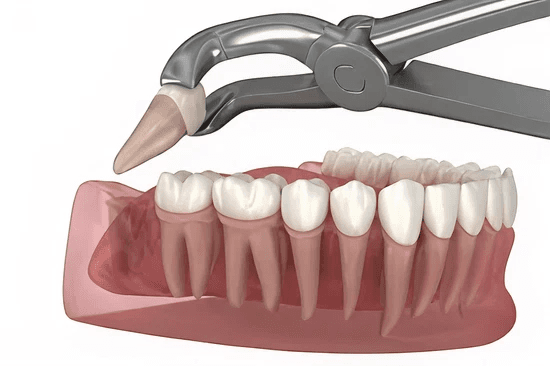
An extraction removes the tooth entirely from the jaw. The socket heals. What's left is a gap — unless a replacement is planned.
The distinction that matters most: extraction ends the problem with that tooth, but creates a new situation that requires management. Root canal saves the tooth and, done correctly, ends the problem without creating a new one.
Every tooth in your mouth has a job. The molars do the heavy work of chewing — they absorb the forces of biting and grinding and distribute them into the jaw. The premolars assist with this. The front teeth handle incising and aesthetics. When any tooth is missing, its neighbours are affected.
Teeth adjacent to a gap drift into it over months and years. The teeth above or below a gap overerupt — they grow downward or upward into the space because the tooth that was providing contact resistance is gone. This drift and tipping changes the bite, makes some teeth harder to clean, and sets up conditions for future cavities and gum disease.
The jawbone beneath a missing tooth begins to shrink. Bone, like muscle, maintains its density through use. A tooth root in the bone transmits the forces of biting into the bone, maintaining the stimulation that keeps it dense. Without a tooth, that stimulation disappears. The bone resorbs — loses height and width — progressively over years. This bone loss matters practically if you later want an implant (there may not be enough bone) and cosmetically (the face can look subtly different with significant bone loss in the jaw).
None of this happens when a root-canal-treated tooth is in place. The tooth still transmits biting forces into the bone. The adjacent teeth still have their neighbour providing the contact that keeps them in position. The bone is maintained.
Root canal is typically recommended and appropriate when:
The tooth has enough remaining structure to support a crown. A tooth with a significant amount of crown remaining after decay removal is restorable. The root canal treats the infection; the crown protects the treated tooth.
The infection is contained — not spread into the bone at the root tip to an extent that makes prognosis poor, and not forming an abscess that has expanded to a point where root canal alone can't adequately address it.
The root structure is intact — no significant vertical fracture through the root that would make the tooth unrestorable regardless of root canal treatment.
The patient's overall dental health is such that a restored tooth will function well — no severe gum disease around the tooth making its prognosis poor anyway.
There are specific situations where extracting the tooth is genuinely the better decision — not a shortcut, but clinically correct.
The tooth has a vertical root fracture. A crack running lengthwise through the root is an almost certain extraction scenario. There's no restorative option for a vertically fractured root. Root canal treatment over a fractured root leads to persistent infection and eventual failure. Extraction now is better than root canal, crown, eventual failure, and extraction later.
The tooth has insufficient remaining structure. If decay has destroyed so much of the tooth that there isn't enough sound tooth structure to support a crown, root canal treatment isn't useful — there's nothing to restore. Extraction and implant planning is the more rational path.
Advanced gum disease is affecting the tooth specifically. If the tooth has lost most of its bone support from periodontitis and is significantly mobile, saving it with root canal treatment doesn't address the structural problem. The tooth is unrestorable for a different reason than the pulp infection.
The economics don't make sense for that specific tooth. This is a real consideration in dentistry and shouldn't be dismissed. A severely compromised molar in an older patient — where root canal, post, and crown would be required — may have a prognosis that doesn't justify the investment when implant or bridge as a planned replacement after extraction is a more predictable long-term outcome for that patient's specific situation.
This is the calculation that patients most often get wrong. Extraction costs less on day one than a root canal plus crown. This is true. But it's usually not cheaper over the following years.
An extracted tooth that isn't replaced leaves a gap with the consequences described above. Most patients who lose a back molar eventually decide to replace it — either because of functional difficulty chewing or because of visible changes in adjacent teeth. The replacement options are an implant (expensive, involves surgery, takes months) or a bridge (requires modifying the adjacent teeth, which then need their own maintenance over decades). Either way, the long-term cost of a replacement almost always exceeds what the root canal and crown would have cost when the tooth was still there to save.
Patients who choose extraction "to save money" and don't replace the tooth often have more complex and expensive dental situations 5–10 years later than they would have if the tooth had been saved.
Dr. Suchi Singh at Renew Dental Clinic in Sector 47, Noida doesn't recommend root canal or extraction as a default. The recommendation comes from the clinical picture of that specific tooth: X-ray assessment of root structure and bone support, clinical evaluation of the remaining tooth structure, assessment of any fracture, and discussion of the patient's overall dental health and long-term priorities.
Some teeth clearly warrant root canal. Some clearly warrant extraction. Many fall into a middle ground where the clinical evidence leans one way but patient preference and practical considerations are also part of the conversation.
The important thing is that this is a decision made with complete information — not "just remove it" because it sounds simpler, and not "always save the tooth" as an automatic principle regardless of the clinical situation.
Q: Is root canal treatment painful in Noida?
A: During the procedure, no — it's performed under local anaesthesia and shouldn't be painful. There's a persistent myth (particularly in India, where older root canal experiences are often cited) that it's an extremely painful procedure. Modern root canal treatment with adequate anaesthesia is comparable in discomfort to a filling appointment. The day or two afterward, mild soreness is normal.
Q: My tooth already had a root canal years ago and is now infected again — does it need to come out?
A: Not necessarily. Re-treatment of a previously root-canalled tooth (retreatment) is possible in many cases and can successfully resolve reinfection. In others, a surgical approach (apicoectomy) addresses infection at the root tip. Extraction becomes the recommendation when these options have failed or aren't feasible — not as the first response to recurrent infection.
Q: If I extract the tooth, how long before I need to think about an implant?
A: Implant placement is typically possible from 3–6 months after extraction, once the socket has healed. Socket preservation bone grafting at the time of extraction can maintain the bone volume needed for a later implant. This is worth discussing before extraction if an implant is the likely plan.
Q: Can I leave the gap after extraction without replacing the tooth?
A: Yes — you can. But the bone loss and tooth drifting described above will occur. Whether this is clinically significant depends on which tooth it is and your overall dental situation. Dr. Suchi Singh can discuss the specific consequences for your situation.
For a detailed assessment of your specific tooth at Renew Dental Clinic, Sector 47, Noida:
📞 +91 99710 35300
A-321, Basement Floor, Next to Mother Dairy Store, Sector 47, Noida, Uttar Pradesh 201303
Monday–Saturday 10:30 AM – 8:00 PM | Sunday 11:00 AM – 2:30 PM
 Copy
Copy
An impacted wisdom tooth doesn't always hurt — which is why so many people ignore...
05 Oct 2026
by Renew Dental Clinic
The right food choices after wisdom tooth removal protect the blood clot, speed healing, and...
30 Sept 2026
by Renew Dental Clinic

Dry socket is the most painful post-extraction complication and it doesn't get better on its...
28 Sept 2026
by Renew Dental Clinic

Discover essential oral hygiene habits every adult should follow to maintain healthy teeth, fresh breath, and overall dental health.
08 May 2026
by Renew Dental Clinic
Brushing alone cleans only 60% of tooth surfaces. This guide explains what happens to the...
07 Jul 2026
by Renew Dental Clinic

Bad breath, also known as halitosis, is a very common condition that affects people of...
06 Nov 2025
by Renew Dental Clinic
Swelling after wisdom tooth surgery is normal — but how much is normal, when should...
16 Sept 2026
by Renew Dental Clinic
Had a tooth removed in Noida? This practical day-by-day guide covers exactly what to eat...
17 Jun 2026
by Renew Dental Clinic

Not all pain after wisdom tooth surgery in Noida is normal. Learn which signs mean...
14 Oct 2026
by Renew Dental Clinic
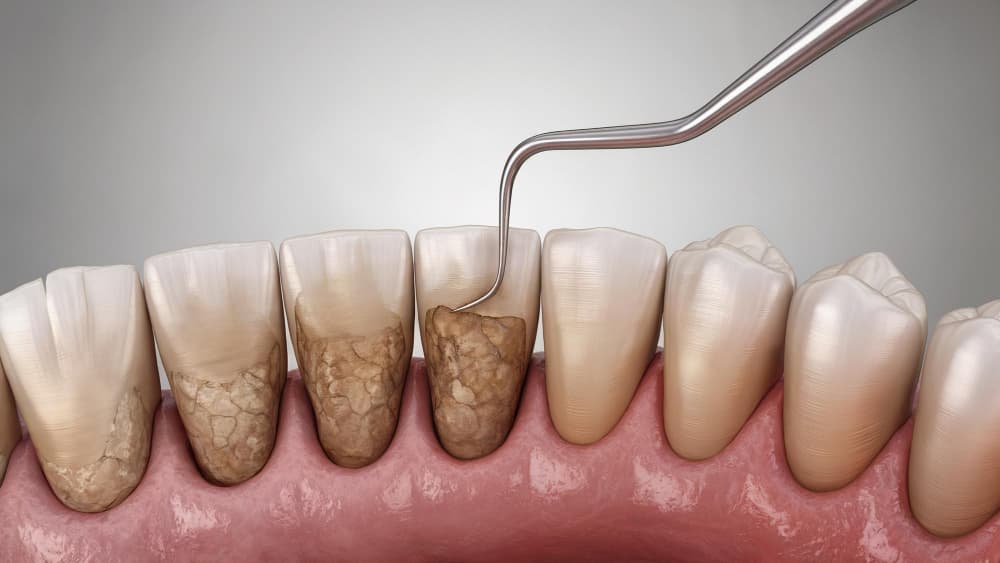
Think scaling is just about cleaner teeth? This guide explains what dental scaling actually does,...
15 Jun 2026
by Renew Dental Clinic

Most people brush their teeth but skip the tongue. This guide explains what lives on...
16 Jul 2026
by Renew Dental Clinic
Gums bleeding when you brush? This guide covers why it happens, what you can do...
08 Jul 2026
by Renew Dental Clinic
A gap between your front teeth has multiple treatment options in Noida — and which...
20 Sept 2026
by Renew Dental Clinic

Compare Invisalign with traditional braces to find a treatment option that fits your lifestyle, comfort...
18 Nov 2025
by Renew Dental Clinic
Discover the benefits, types, and treatment process of dental braces on teeth. Learn how braces...
12 May 2026
by Renew Dental Clinic
Explore More
Discover how thousands of patients trust Renew Dental Clinic with their smiles.
Totally painless treatment... Excellent doctor's ... Excellent service Dr suchi singh.
Great treatment and much hospitality.
My experience here is very good..I recommend PPL to visit this clinic for their dental problems
Great clinic with nice staff satisfied with the treatment .
Very nice and senenior doctor.
Great dental care provided by Dr. Suchi Singh and Dr. Chandrava Ganguli. They are knowledgeable, gentle, and attentive to patients' needs. The clinic staff is courteous and helpful, making the entire experience smooth and pleasant. Highly recommended! 🦷✨ Caring, Supportive Staff, Recommended
Excellent service, very clean facility, and highly professional staff. Dr. Ganguly was extremely patient and attentive throughout the entire procedure. He clearly explained the process, its impact, and addressed all my concerns. Highly recommended — a truly satisfactory experience.
My family members and I have been visiting Dr. Suchi Singh for all our dental concerns for a few years now, and my recent visit prompted me to write this review in the hope that others can benefit from it too.
Very good service
A glimpse into our modern dental clinic, advanced technology, and patient-friendly environment at Renew Dental.
Explore our thoughtfully designed clinic spaces built to provide comfort, cleanliness, and a calming experience for patients of all ages.



Best Dentist in Noida
Renew Dental Clinic located in Noida, Sector 47, is one of the leading dental clinics. Founded by Dr. Suchi Singh who is widely regarded as one of the best dentists in Noida, the clinic is committed to delivering personalised and high-quality dental care. Dr. Suchi Singh focuses on customised treatment plans designed around each patient’s unique needs, ensuring advanced, comfortable and reliable dental care at Renew Dental Clinic.

Your Trusted Dental Experts

Complete Dental Care

Friendly Dental Space

No Hidden Charges

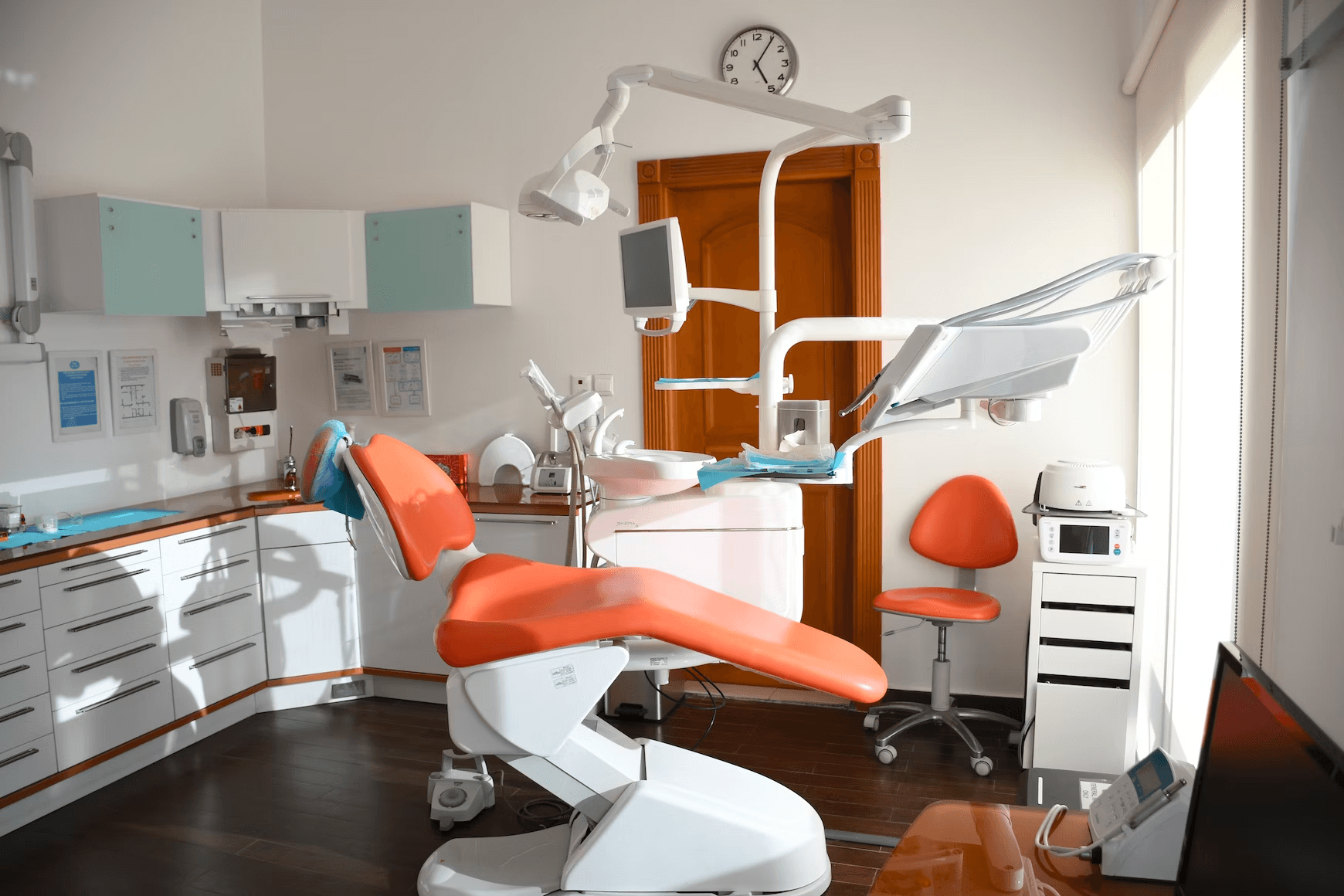

Two trusted dental clinics in Noida — Renew Dental (Sector 47) and Tooth & Truth (Sector 34) — for gentle, modern care.

Renew Orthopedic Clinic, A-321, Basement Floor, Next to Mother Dairy Store, Sector 47, Noida, Uttar Pradesh 201303
 +91 99710 35300
A-98/A, Block A, Sector 34, Noida, Uttar Pradesh 201307
+91 99710 45002© 2026. All rights reserved | Designed and Developed by Zarle Infotech