By Renew Dental ClinicPublished on

Young child touching their cheek in discomfort, showing signs of tooth pain caused by cavities, infection or poor dental hygiene.
There's a specific quality to toothache that's different from other pain. It's persistent, it's difficult to ignore, and it has a way of being significantly worse at 11 PM on a Saturday when every dental clinic in Noida is closed. Home remedies exist in exactly this gap — between "the pain started" and "I can get to a dentist."
The key phrase in that last sentence is "until I can get to a dentist." Home remedies manage the symptom. They do not treat the cause. And the cause — whatever infection, structural damage, or nerve involvement is producing the pain — continues while you're managing symptoms at home. Understanding this prevents the very common mistake of treating symptoms well enough to feel manageable and then not following up on the appointment.
Before getting to the remedies, worth understanding why toothache is often worse at night. When you lie down, blood pressure to the head increases. Inflamed tissue around an infected tooth becomes more engorged, increasing pressure on the nerve. The distraction of daytime activity is also gone, so the pain occupies more of your attention.
This is why a dull awareness in the afternoon becomes genuinely difficult pain by midnight. It's not that the tooth got worse — it's that the conditions for feeling pain changed.
Clove oil is the most consistently effective home remedy available, and this is not folk wisdom — it's pharmacology. Clove oil contains eugenol, a compound with genuine local anaesthetic and anti-inflammatory properties. Dentists have used eugenol-based materials professionally for over a century. ZOE (zinc oxide eugenol) cement is a standard temporary filling material that works specifically because of eugenol's soothing effect on the dental pulp.
To use it correctly: dilute 2–3 drops of clove oil in a teaspoon of carrier oil (coconut or sesame). Soak a small cotton ball or bud in the diluted oil. Apply directly to the painful tooth and surrounding gum, holding it in place for 5–10 minutes. The numbing effect starts within a few minutes and lasts 30–60 minutes.
Important caveats: use it diluted, not pure — undiluted clove oil can chemically burn gum tissue. Whole cloves pressed against the tooth also work as a slower-releasing alternative if you don't have the oil. And this is a temporary bridge to dental treatment, not a treatment in itself.
Ibuprofen and paracetamol in combination is the single most effective home management option available, and it's not strictly a "remedy" in the traditional sense — but it belongs here because it's what actually works. Ibuprofen as a non-steroidal anti-inflammatory addresses both the pain and the underlying inflammation. Paracetamol adds pain relief through a different mechanism.
Used in alternating doses — ibuprofen 400–600 mg, then paracetamol 500–1000 mg two hours later, then ibuprofen again two hours after that — this combination provides better coverage than either alone. Standard precautions apply: take with food, don't use if you have peptic ulcer disease or relevant kidney issues, check for contraindications before combining with other medications.
Warm salt water rinse does two useful things. First, it creates a mildly antibacterial environment in the mouth that modestly reduces bacterial activity around the affected tooth. Second, it reduces gum tissue swelling and inflammation by creating a hypertonic environment that draws fluid from the inflamed tissue. Half a teaspoon of salt in warm (not hot — hot water worsens inflammation) water, rinsed gently for 60 seconds, repeated several times a day.
This is particularly effective when the pain has a gum infection component — swollen gum around a tooth, painful to pressure — as opposed to a deeper pulpal pain. For the deep nerve pain of advanced decay, salt water rinses help but have limited reach to the actual source.
Cold compress on the cheek — ice pack or frozen vegetables wrapped in cloth, applied to the outside of the cheek — reduces inflammation and provides some numbing effect in the area. The 20-minutes-on, 20-minutes-off cycle works best; continuous application doesn't add benefit and can damage skin.
This helps more with sharp, acute pain and swelling than with deep, throbbing pain that comes from a pulp infection — where the source is too deep for surface cold to reach effectively.
Garlic has genuine antimicrobial properties through allicin, its active compound. Pressing a crushed garlic clove against a painful tooth releases these compounds in the area. Some temporary relief from gum inflammation is plausible. Effect on deep tooth infection: minimal, because allicin at this concentration doesn't penetrate into infected tissue. Safe to try. Useful at the margins.
Peppermint tea bag (damp, cooled) applied to the area provides mild numbing from menthol and mild astringent effects from tannic acid. Mostly provides comfort rather than meaningful pain reduction, but better than nothing when other options aren't available.
Hydrogen peroxide rinse (diluted) — one part 3% hydrogen peroxide diluted with one part water, rinsed briefly, not swallowed — has antibacterial properties. Useful for reducing surface bacterial load around an infected gum area. Should not be used repeatedly in high concentration.
Aspirin placed directly on the tooth or gum. Aspirin is acetylsalicylic acid. Placed directly on gum tissue for extended periods, it produces chemical burns — an acid injury to the mucosa. Take aspirin orally if you want its analgesic effect. Never apply it directly to dental tissue.
Lemon juice or apple cider vinegar. Acidic, will dissolve enamel with repeated contact. The antimicrobial argument doesn't justify the enamel damage. Not appropriate as a dental pain remedy.
Whisky held against the tooth. Alcohol provides mild topical anaesthesia at low concentration. The effect is far weaker than clove oil and shorter-lasting. Not harmful in a single application. Not particularly effective either.
This section matters more than the remedies above.
Pain + swelling of the face or jaw. Dental infection spreading into surrounding tissue. This can progress to involve the airway and neck spaces. If swallowing becomes difficult or you have any breathing changes, this is a medical emergency — go to a hospital emergency department.
Pain + fever above 38°C. The infection has caused a systemic response. Antibiotics alone are not sufficient treatment; the source needs to be drained. Dental assessment urgently.
Pain that's getting worse despite pain relief, or that isn't responding to maximum recommended doses of ibuprofen + paracetamol. The infection is likely building pressure that needs drainage.
Pain that was present and then suddenly stops. This sometimes means the pulp has died. The pain stops because the nerve tissue that was hurting is no longer alive. The infection continues. Bacteria now have access to the bone at the root tip. A periapical abscess typically follows — and it's sometimes painless initially. Don't be reassured by the pain stopping.
Practical sequence for a Noida patient dealing with tooth pain when clinics are closed:
Take ibuprofen (if no contraindications) with food. Apply diluted clove oil to the affected tooth. Use a warm salt water rinse to reduce gum inflammation. Sleep with head elevated — one extra pillow reduces the blood pressure increase that worsens pain at night. Keep a cold compress available for acute flares.
Call Renew Dental Clinic first thing when it opens in the morning. Don't wait to see if it gets better.
Q: Can I keep using clove oil every day until the pain goes away?
A: For a few days while you're waiting for a dental appointment, yes. As an ongoing substitute for treatment, no. Repeated daily clove oil application can irritate the gum tissue. More importantly, the tooth's condition is worsening while you manage it symptomatically.
Q: What's the quickest home remedy for immediate relief?
A: Diluted clove oil applied directly to the tooth. Within 5–10 minutes, most patients notice significant reduction in acute pain. Combine it with ibuprofen taken orally for maximum effect.
Q: My toothache was very bad and now it's gone — should I still see a dentist?
A: Yes. This is actually more important to follow up on, not less. Spontaneous resolution of acute toothache often means the nerve has died, which removes the pain signal while leaving the infection progressing.
Q: Is there anything I can eat or drink that helps?
A: Avoid extremes of temperature — lukewarm food is most comfortable. Avoid sugar, which feeds bacteria. Avoid alcohol, which is vasodilating and can worsen inflammation. Plain, room-temperature food on the unaffected side is the practical answer.
For dental pain that needs assessment in Noida, contact Renew Dental Clinic, Sector 47, Noida. Same-day assessment is prioritised for acute pain.
📞 +91 99710 35300
A-321, Basement Floor, Next to Mother Dairy Store, Sector 47, Noida, Uttar Pradesh 201303
Monday–Saturday 10:30 AM – 8:00 PM | Sunday 11:00 AM – 2:30 PM
 Copy
Copy
Not every cavity needs a root canal — but many patients aren't sure where the...
23 Sept 2026
by Renew Dental Clinic
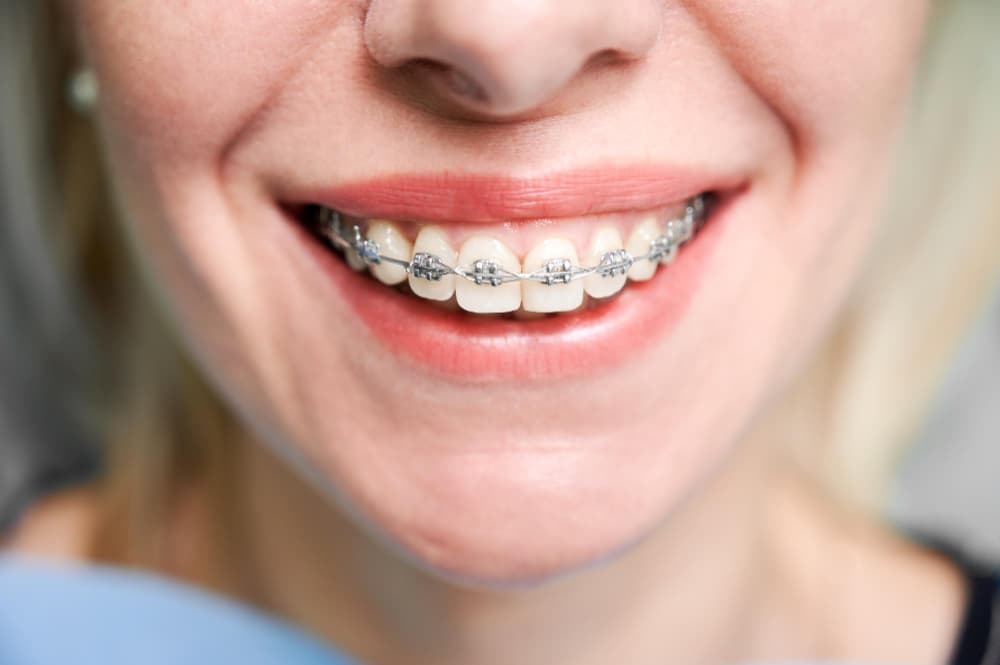
A gap between your front teeth has multiple treatment options in Noida — and which...
20 Sept 2026
by Renew Dental Clinic

Laser gum treatment is becoming more common at dental clinics in Noida. This guide explains...
17 Sept 2026
by Renew Dental Clinic
Looking for the best children's dentist in Noida? This parent's guide covers when to start...
19 Jun 2026
by Renew Dental Clinic

Want a long-lasting white smile? Discover five simple steps to keep white teeth after tooth whitening, from diet adjustment to oral health and dentist-approved tips.
03 Oct 2025
by Renew Dental Clinic

Compare Invisalign with traditional braces to find a treatment option that fits your lifestyle, comfort...
18 Nov 2025
by Renew Dental Clinic
Looking for the best dental clinic in Noida Sector 47? Discover what makes Renew Dental...
14 May 2026
by Renew Dental Clinic

Learn about cosmetic dentistry, popular smile transformation procedures, benefits, and how treatments can improve your dental appearance and confidence.
11 May 2026
by Renew Dental Clinic

A child's smile is one of life's most valued possessions, and their dental care begins...
10 Nov 2025
by Renew Dental Clinic

Explore the pros, cons, costs, durability, and suitability of teeth whitening and veneers. Learn which cosmetic dental procedure is best for your unique smile.
27 Jun 2025
by Renew Dental Clinic
Considering dental veneers in Noida? This complete guide explains what veneers are, the types available,...
20 May 2026
by Renew Dental Clinic

Find out all about dental veneers, such as types, advantages, price, and upkeep suggestions. Find out how veneers can revolutionize your smile and increase confidence.
16 Sept 2025
by Renew Dental Clinic

The stages of tooth decay—starting from enamel damage to deep infection—highlight the importance of early diagnosis and timely dental care.
08 Jul 2025
by Renew Dental Clinic

Most people brush the same way they have since childhood — which is usually wrong....
06 Aug 2026
by Renew Dental Clinic

Having a healthy mouth for life is not just about having a bright smile; it...
03 Sept 2025
by Renew Dental Clinic
Explore More
Explore More
Discover how thousands of patients trust Renew Dental Clinic with their smiles.
Excellent doc. The entire team is very comforting .
Super clean clinic and beautiful facility. The staff and dentist took their time and were very calming. Great experience! Best Dental Clinic in Noida.
Dr.suchi is the best dentist
Excellent doctor!!!Very thorough and caring.with my future experience i was afraid of the dentist but Dr.Suchi is very sensitive to that and goes the extra mile to make you feel comfortable. She is the Best.
Suchi was a fabulous dentist and she fixed the teeth in an hour or so, pretty great and I plan to visit her again. Thanks again!
I am very thankful to dr Suchi and her entire team for doing my RTC so seamlessly, completed in 3 sittings, no painkillers were required post treatment.. she is my family doctor n highly recommended for her professionalism. 😇
I really had a good experience with Dr Suchi and Dr Ganguly. They not even helped with a successful tooth extraction but also helped me overcome my fear of seeing a dentist. I highly recommend this team of amazing dentists. Thank you so much Dr Suchi and Dr Ganguly.
I brought my mom for her dental care to Dr. Suchi. We highly recommend the doc for such an expertise.
Very good staff, within budget and hygienic environment..
A glimpse into our modern dental clinic, advanced technology, and patient-friendly environment at Renew Dental.
Explore our thoughtfully designed clinic spaces built to provide comfort, cleanliness, and a calming experience for patients of all ages.



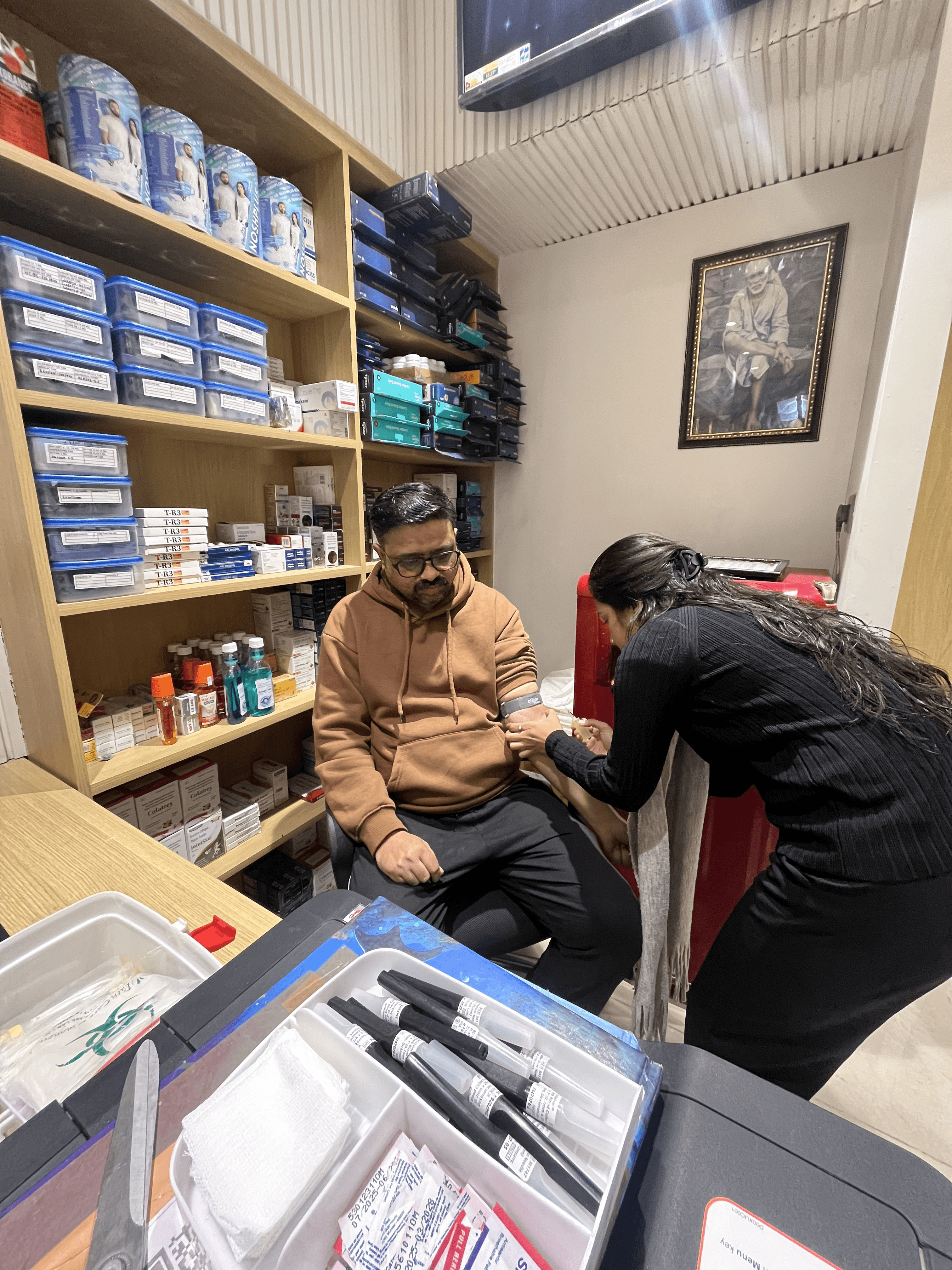
Best Dentist in Noida
Renew Dental Clinic located in Noida, Sector 47, is one of the leading dental clinics. Founded by Dr. Suchi Singh who is widely regarded as one of the best dentists in Noida, the clinic is committed to delivering personalised and high-quality dental care. Dr. Suchi Singh focuses on customised treatment plans designed around each patient’s unique needs, ensuring advanced, comfortable and reliable dental care at Renew Dental Clinic.

Your Trusted Dental Experts

Complete Dental Care

Friendly Dental Space

No Hidden Charges

Two trusted dental clinics in Noida — Renew Dental (Sector 47) and Tooth & Truth (Sector 34) — for gentle, modern care.

Renew Orthopedic Clinic, A-321, Basement Floor, Next to Mother Dairy Store, Sector 47, Noida, Uttar Pradesh 201303
 +91 99710 35300
A-98/A, Block A, Sector 34, Noida, Uttar Pradesh 201307
+91 99710 45002© 2026. All rights reserved | Designed and Developed by Zarle Infotech