How to Stop Sensitive Teeth Pain Immediately — What Actually Helps Right Now
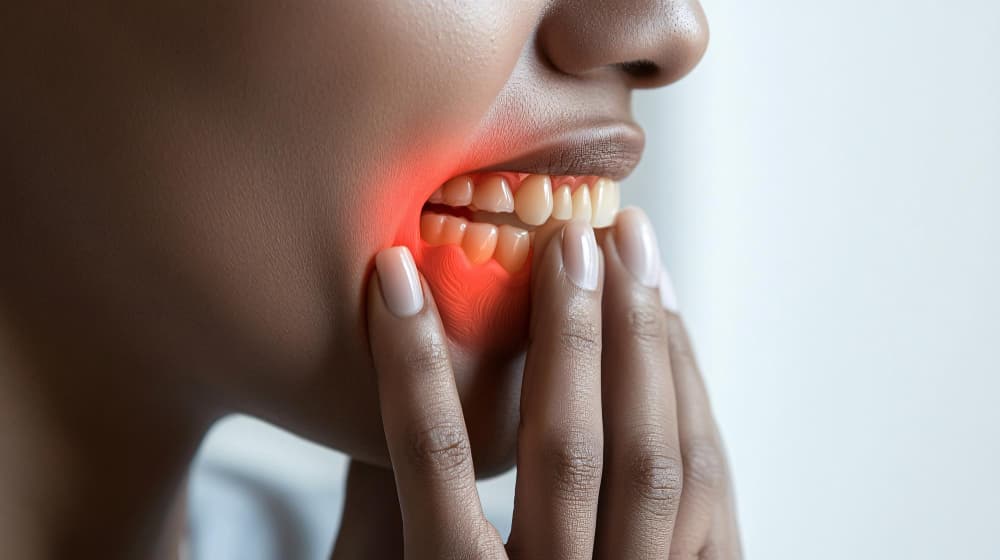
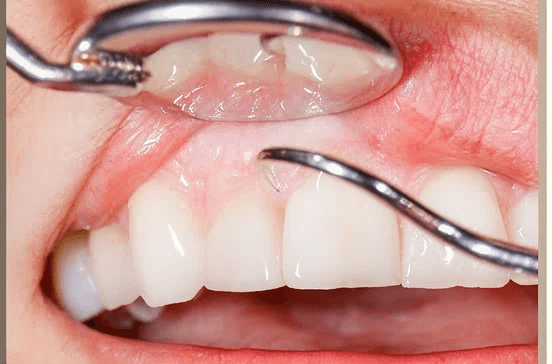
closeup of person Suffering from teeth pain
The sharp jolt from a sensitive tooth is one of those pains that stops you mid-sentence. It's brief, it's intense, and it leaves you wondering whether you should be worried.
Here's what you can actually do about it — broken into immediate relief (right now), short-term management (over the next few weeks), and when the pain is signalling something that needs a dentist's attention.
In the Moment — Immediate Relief
There is no single remedy that completely and instantly eliminates dental sensitivity. Anyone claiming otherwise is selling something. But these measures reduce the stimulus reaching the nerve quickly.
1. Stop the trigger. The pain from sensitivity is brief — it lasts seconds to a minute and stops when the stimulus is removed. If cold water triggered it, rinse with room-temperature water to dilute and equalise the temperature in your mouth quickly.
2. Apply desensitising toothpaste directly. Most people brush with sensitive toothpaste and rinse it off — which largely defeats the purpose. For immediate relief, squeeze a small amount of potassium nitrate or stannous fluoride toothpaste onto a fingertip, apply it to the sensitive tooth, and leave it there for several minutes without rinsing. This concentrates the active ingredient directly on the exposed dentine and provides faster localised relief than brushing and rinsing.
3. Clove oil on a cotton bud. Eugenol in cloves is a genuine local anaesthetic. A small amount of clove oil applied to the specific sensitive spot with a cotton bud provides temporary numbing. Don't swallow it, don't apply it to gum tissue repeatedly, and don't confuse temporary anaesthesia with treatment. But for getting through an acute episode while you sort out the underlying situation, it works.
4. Avoid the trigger. This is obvious but often ignored. If cold drinks consistently trigger one particular tooth, switch to room-temperature drinks until you've addressed the sensitivity. Keep the sensitive tooth away from ice, cold water, and cold air while the area is irritable.
Over the Next 2 to 4 Weeks — Reducing Sensitivity
Immediate measures manage the symptom. These measures actually change the underlying situation.
1. Sensitive toothpaste — used correctly. The active ingredients in sensitive toothpaste (potassium nitrate, stannous fluoride, arginine) work by either desensitising the nerve or physically blocking the dentinal tubules. Either way, they need time. Two weeks minimum before expecting significant change; four weeks for the full effect.
The correct method: brush twice daily, spit afterwards but don't rinse with water. The residue left in your mouth continues working. Rinsing immediately neutralises the benefit.
2. Identify and reduce the acid in your diet. Acidic foods and drinks — cola, fruit juice, lemon, tamarind, citrus — dissolve the mineral plugs that naturally form over exposed dentinal tubules. Every acid challenge reopens the channels. While you're trying to calm sensitivity, reducing acid exposure gives the remineralisation process a chance to catch up. Rinse with plain water after anything acidic; don't brush for 30 to 60 minutes after acid exposure.
3. Check your brushing technique. Brushing too hard, particularly with a medium or firm bristle toothbrush, physically wears enamel and pushes the gumline down. Both worsen sensitivity over time. Switch to a soft-bristled toothbrush. Hold it with the same force you'd use to hold a pen — lighter than most people realise.
4. Fluoride treatment. Fluoride — from toothpaste, mouthwash, or professional application — helps remineralise weakened enamel and form a more acid-resistant surface layer over exposed dentine. Using a fluoride mouthwash at a different time from brushing adds a second daily fluoride application without interfering with the toothpaste fluoride.
5. Night guard if you grind. If you wake with jaw soreness or your partner hears grinding, bruxism may be wearing your enamel faster than any toothpaste can manage. A custom-fitted night guard from Renew Dental Clinic stops the mechanical damage overnight.
Sensitivity by Location — What the Position Tells You
The location of sensitivity carries information worth paying attention to.
1. All teeth, uniform sensitivity: Often generalised enamel erosion from acidic diet, dry mouth, or GERD. Sensitive toothpaste and reducing acid exposure are the first steps.
2. One specific tooth, cold sensitivity: Could be a cavity, a crack, or an area of localised gum recession exposing root. If sensitive toothpaste doesn't resolve it within 4 weeks, get it assessed. One specific tooth behaving differently from all the others almost always has a specific explanation.
3. Sensitivity to heat specifically: This is a different situation from cold sensitivity. Heat sensitivity — especially if the pain lingers for more than a few seconds after the stimulus is removed — can indicate pulpitis: inflammation of the nerve inside the tooth. This may mean a root canal is needed, not just toothpaste.
4. Sensitivity on biting, not on temperature: Pain specifically when pressing on a tooth suggests a crack or a failing restoration. Sensitive toothpaste won't help with this.
5. New sensitivity after a filling: Mild cold sensitivity after a filling is normal and typically resolves within a few weeks. If it's getting worse rather than better, contact the dental clinic.
The Pain That Should Not Be Managed at Home
Some tooth pain that presents as "sensitivity" is actually a signal that something clinical needs attention urgently.
1. Pain that lingers for more than 30 seconds after the stimulus is removed. Brief, sharp sensitivity that disappears immediately when the cold drink is taken away is characteristic of dentinal hypersensitivity. Pain that takes minutes to settle — or that continues without any ongoing stimulus — suggests the nerve itself is inflamed (pulpitis). This trajectory points toward a root canal.
2. Spontaneous pain with no trigger. Sensitivity from exposed dentine requires a stimulus. Pain that occurs at rest, at night, or without any obvious trigger suggests an infected or dying nerve. This is a dental emergency requiring timely treatment — not home management.
3. Throbbing pain. Throbbing pain is a classic sign of dental infection. Along with swelling, a bad taste, or fever, it means the infection is active and spreading. This needs dental attention promptly.
4. Pain from a tooth that has already had root canal treatment. A root-canal-treated tooth has no nerve — it can't be sensitive to temperature. Pain around a previously treated tooth likely indicates infection at the root tip (periapical abscess), which needs assessment.
Frequently Asked Questions
1. Does sensitivity go away on its own?
Mild, transient sensitivity — for example, after whitening — typically resolves within 1 to 2 weeks without treatment. Chronic sensitivity from enamel erosion or gum recession does not self-resolve. The underlying structural change is permanent. Sensitive toothpaste manages it; it doesn't cure it.
2. Is there anything my dentist can do that I can't do at home?
Yes, significantly. Professional fluoride varnish applied at the clinic provides enamel protection far stronger than anything available over the counter. Bonding resin applied directly over exposed root surfaces seals the dentine permanently. For patients where these measures are appropriate, they provide lasting relief that toothpaste alone cannot.
3. My child has a sensitive tooth — what should I do?
Children under 12 with tooth sensitivity should be assessed by a dentist. Sensitivity in children often indicates decay rather than simple enamel wear, and the treatment is different. Don't apply adult sensitive toothpaste products without dental guidance.
Get Persistent Sensitivity Assessed at Renew Dental, Noida
Sensitive teeth that don't respond to 4 to 6 weeks of correct sensitive toothpaste use, pain in a single specific tooth, or any of the warning signs above all warrant a clinical assessment.
At Renew Dental Clinic, Sector 47, Noida, Dr. Suchi Singh identifies the specific cause of sensitivity and recommends treatment matched to what's actually happening — not just another suggestion to try sensitive toothpaste.
To book, call (0120) 498-8333.
Monday–Saturday 10:30 AM – 8:00 PM | Sunday 11:00 AM – 2:30 PM.