Best Foods for Strong Teeth - What Delhi NCR Residents Should Eat More Of
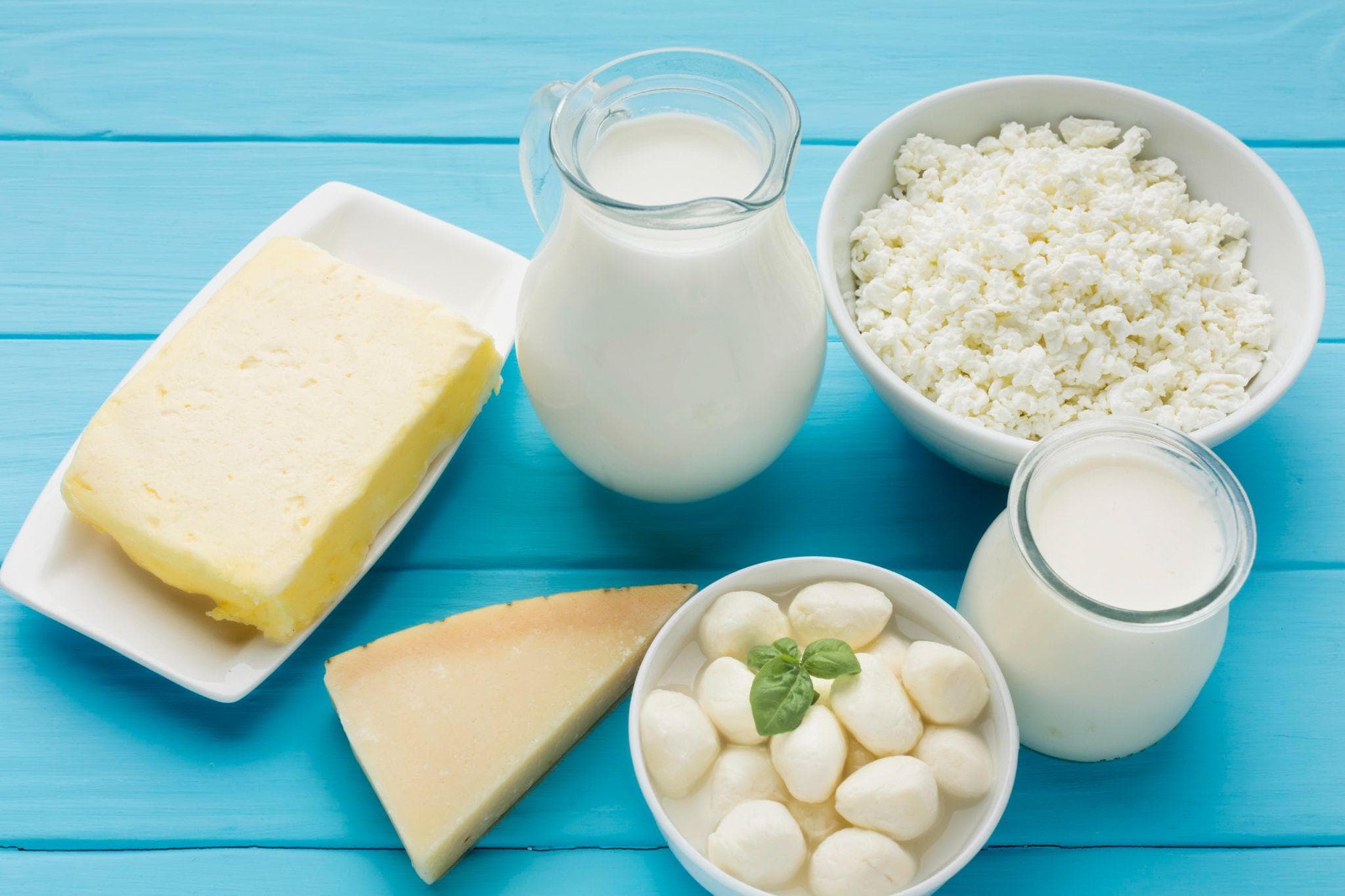
A top-view arrangement of milk, cheese, and curd showcasing calcium-rich foods essential for dental health.
Dental health isn't built only in the dental chair. It's built — and undermined — three times a day, at every meal. What you eat determines whether your mouth's natural repair cycle (remineralisation) keeps pace with the damage cycle (demineralisation). It affects gum tissue health, the strength of enamel, and how quickly oral bacteria can produce the acids that drive decay.
In the food environment of urban Delhi NCR — with its mix of traditional Indian diets, packaged foods, late-night eating, and constant access to sugary beverages — the oral health challenges are specific. This guide from Renew Dental Clinic in Sector 47, Noida identifies exactly which foods strengthen your teeth, which ones undermine them, and how to make practical changes that actually work.
How Diet Affects Dental Health — The Basics
Every time you eat, you're feeding both yourself and the bacteria in your mouth. Oral bacteria — particularly Streptococcus mutans — metabolise fermentable carbohydrates (sugars and refined starches) and produce lactic acid as a byproduct. This acid dissolves the mineral content of enamel in a process called demineralisation.
After the acid attack, saliva gradually neutralises the pH and delivers calcium and phosphate back to the enamel surface — remineralisation. This natural repair cycle is remarkable, but it has limits:
- Frequency matters more than total quantity. Eating a sweet snack every 20 minutes keeps the mouth in a constant acidic state. Eating the same quantity in one sitting creates one acid attack followed by recovery. It's the repeated, prolonged exposure that drives damage.
- Saliva quality and quantity affect the repair rate. Foods that stimulate saliva flow — particularly fibrous foods requiring chewing — help neutralise acids faster.
- Certain nutrients are essential for enamel and gum health. Diet deficiencies translate directly into weakened teeth and more vulnerable gum tissue.
The Best Foods for Tooth Strength and Gum Health
Dairy Products — The Dental Powerhouse
Milk, curd (dahi), paneer, lassi, and cheese are among the most consistently beneficial foods for dental health. They work through multiple mechanisms:
Calcium and phosphate. The primary minerals in tooth enamel. Dietary calcium and phosphate are absorbed and delivered to the saliva, where they're available for remineralisation of enamel after acid exposure. Indians who eat dairy regularly are continually resupplying the minerals their teeth need to self-repair.
Casein protein. A protein found in dairy that adsorbs onto enamel surfaces and provides a protective layer against acid. Casein phosphopeptide (CPP) — derived from casein — is now used clinically in dental products specifically for its remineralising properties.
Alkaline pH. Dairy has a near-neutral or slightly alkaline pH, which helps counter the acidic oral environment created by sugary or fermented foods. Finishing a meal with a small amount of curd or a piece of paneer is a genuine evidence-based strategy for reducing post-meal acid exposure.
For practical Delhi NCR eating habits: Curd rice is an excellent post-meal choice from a dental perspective. A small glass of plain lassi after lunch. Paneer in sabzi or salad. These are not exotic additions — they're everyday foods that happen to be genuinely good for your teeth.
Leafy Green Vegetables
Spinach (palak), methi (fenugreek leaves), sarson (mustard greens), and other leafy greens are rich in
- Calcium — important for enamel and alveolar bone (the bone supporting the teeth)
- Folic acid (folate) — essential for healthy gum tissue. Folate deficiency is associated with gum disease. In pregnant women specifically, adequate folate intake is important for both general health and the health of the developing baby's teeth.
- Vitamin K2 — important for directing calcium into bone and teeth rather than soft tissues
Leafy greens also require substantial chewing — stimulating saliva production that helps neutralise acids and mechanically clean the mouth.
Crunchy, Fibrous Vegetables
Raw carrots, cucumber (kheera), celery, radish (mooli), and similar vegetables provide two benefits
Mechanical cleaning. The physical action of biting into and chewing fibrous vegetables provides a mild scrubbing effect on tooth surfaces — not a replacement for brushing, but a useful adjunct that removes some surface deposits.
Saliva stimulation. The chewing required increases saliva flow, which buffers acids and delivers remineralising minerals to the tooth surface.
In the traditional Indian diet, raw salads and chutneys containing these vegetables have a long history — from a dental perspective, they deserve a consistent place in the meal.
Nuts and Seeds
Almonds (badam), sesame seeds (til), pumpkin seeds, and sunflower seeds are rich in
- Calcium — particularly sesame seeds, which have a remarkably high calcium content per gram
- Phosphorus — essential for tooth mineral structure
- Healthy fats — which support absorption of fat-soluble vitamins important for gum and bone health
Almonds and other hard nuts also require sustained chewing — stimulating saliva flow. They're a snack choice that contributes to dental health rather than undermining it.
Eggs
Eggs are a rich source of phosphorus and vitamin D. Vitamin D is essential for the body to absorb dietary calcium effectively — without adequate vitamin D, calcium intake alone doesn't translate to strong teeth and bones. In the NCR region, where many working adults spend most of the day indoors, vitamin D deficiency is common. The combination of dietary vitamin D (from eggs, fatty fish) and sensible sun exposure meaningfully supports dental health.
Fatty Fish
Salmon, mackerel, sardines, and other fatty fish provide
- Vitamin D — as above
- Omega-3 fatty acids — which have anti-inflammatory properties. Gum disease is an inflammatory condition; diets rich in omega-3s are associated with lower rates and severity of periodontitis
Tea (Plain, Unsweetened)
This is a nuanced entry. Unsweetened plain green and black tea contain polyphenols — plant compounds with antibacterial properties that inhibit the growth of cavity-causing oral bacteria. Studies have shown that tea drinking reduces levels of oral pathogens. The catch: tea stains teeth when consumed frequently. And in India, where tea is almost universally consumed with milk and sugar, the benefits are significantly reduced by the sugar content.
The practical recommendation: If you drink chai (tea with milk and sugar), rinse with water afterward. If you drink plain green tea or black tea, you're getting some antibacterial benefit — but still rinse to reduce staining. Avoid sipping tea slowly over extended periods.
Water — The Simplest and Most Overlooked
Water deserves its own mention because it's so consistently underestimated.
Water washes acids and food particles from the mouth, diluting the post-meal acidic environment. It maintains saliva flow — dehydration leads to a dry mouth, which significantly increases cavity and erosion risk. In the hot climate of Delhi NCR, where substantial fluid is lost through perspiration, many residents are chronically mildly dehydrated without realising it.
Practical recommendation: Keep a water bottle accessible throughout the day. After every meal or acidic beverage, rinse with plain water. The habit of drinking water between meals is one of the simplest and most effective dietary choices for dental health.
Foods and Habits That Damage Teeth — Specific to Delhi NCR
Sugary Beverages — The Single Biggest Risk
Cold drinks (cola, orange drinks, lemon drinks), packaged fruit juices, flavoured milk, iced teas, and energy drinks are all high in sugar, often high in acid, and — critically — consumed frequently and slowly in the urban environment. Walking through any market area in Noida or Greater Noida, it's common to see people sipping cold drinks continuously.
This sustained acid and sugar exposure is one of the most damaging habits for enamel. The carbonation in cold drinks adds carbonic acid to the sugar. Fruit juices — despite being perceived as healthy — are often as high in sugar as cola and significantly acidic.
Frequent Snacking
The urban eating pattern of Delhi NCR often involves frequent small snacks between meals — biscuits, namkeen, fruits, sweet chai. Each snack episode creates a new acid attack. Multiple snacks spaced 30 to 45 minutes apart keep the mouth in a near-constant acidic state throughout the day.
Consolidating snacking into fewer, more deliberate episodes — and finishing with a piece of cheese, a sip of plain milk, or a rinse of water — significantly reduces the acid exposure burden on teeth.
Pan Masala and Tobacco Products
The chewing of pan masala, gutka, and tobacco products is associated with significant oral health risks — including staining, gum damage, and substantially elevated oral cancer risk. This is worth mentioning specifically in the NCR context, where these products remain widely used.
Sour and Tangy Foods Eaten Frequently
Tamarind, amla, raw mango, lemon pickle, and imli chutney are common and beloved parts of the Indian palate — but all are highly acidic. Consumed occasionally as part of a meal, they're fine. Consumed frequently as standalone snacks or condiments multiple times daily, they contribute meaningfully to enamel erosion over time.
Packaged and Ultra-Processed Foods
Biscuits, instant noodles, white bread, chips, and packaged snacks are refined carbohydrates that ferment rapidly in the mouth, providing an easy fuel source for acid-producing bacteria. They also tend to be sticky — adhering to the tooth surface for longer than whole foods, extending the acid exposure window.
Timing Matters — Practical Guidance for Delhi NCR Eating Habits
Eat sweets and treats as part of a meal, not as standalone snacks. Finishing a meal with something sweet is far less damaging than having a sweet snack between meals, because the saliva produced during the full meal buffers the acid more effectively.
Avoid brushing immediately after acidic food or drink. Wait 30 minutes after acidic exposure before brushing — brushing on softened enamel accelerates damage. Rinse with water immediately, brush later.
Don't sip cold drinks slowly. Drink acidic beverages quickly (ideally through a straw positioned toward the back of the mouth to reduce tooth contact), then rinse with water.
Finish meals strategically. Curd, milk, paneer, or plain water after a meal helps neutralise the acid environment and initiate remineralisation.
The Relationship Between Diet and Gum Health
Diet affects not just the teeth but the supporting structures — gums, periodontal ligament, and alveolar bone.
Vitamin C deficiency causes scurvy, the classic manifestation of which is severe gum disease. Mild vitamin C insufficiency is associated with increased gum bleeding and slower gum tissue repair. Amla (Indian gooseberry) is one of the highest vitamin C foods available in India — an excellent reason to include it in the diet, even accounting for its mild acidity.
Vitamin D deficiency — extremely common across urban India where sun exposure is limited — affects bone density, including the alveolar bone supporting the teeth. Low vitamin D is associated with higher rates of periodontitis.
Omega-3 fatty acids reduce systemic and local inflammation, which has direct relevance to gum disease management.
Frequently Asked Questions
Is fruit bad for teeth?
Whole fruit is not. The fibre in whole fruit requires chewing (stimulating saliva) and slows sugar absorption. Fruit juice removes the fibre and concentrates the sugar and acid. Whole fruit eaten as part of a meal is far better for teeth than fruit juice consumed throughout the day.
Is jaggery (gur) better than refined sugar for teeth?
Jaggery contains some minerals absent from refined white sugar. However, from a dental health perspective, both are fermentable carbohydrates that provide fuel for acid-producing bacteria. Neither is significantly better for dental health than the other.
Does eating more dairy mean stronger teeth?
Consistently including dairy in the diet provides calcium, phosphate, and casein — all of which support enamel remineralisation. But diet alone can't override poor oral hygiene. Dairy is beneficial in the context of a complete oral health routine.
Dietary Guidance at Renew Dental Clinic, Noida
Diet advice is part of the preventive care Dr. Suchi Singh provides at Renew Dental Clinic in Sector 47, Noida. During check-ups, dietary habits that may be contributing to a patient's cavity rate or enamel erosion are discussed specifically — not with generic advice, but with targeted guidance based on what's actually being found clinically.
To book a check-up and dental consultation, call (0120) 498-8333.
Open Monday–Saturday, 10:30 AM – 8:00 PM | Sunday, 11:00 AM – 2:30 PM.