Is Brushing Twice a Day Really Necessary? What Dentists Actually Say

Two kids brushing their teeth, promoting healthy dental habits and the importance of daily oral care from an early age.
Most people brush their teeth in the morning. Whether they do it again at night is considerably more varied — and also considerably more consequential for dental health.
The twice-daily rule isn't arbitrary. There's a reason behind it, and understanding that reason explains both why it matters and which of the two brushings actually matters more.
What You're Actually Removing When You Brush
Dental plaque is a biofilm — a structured community of bacteria that adheres to tooth surfaces. It begins forming within hours of brushing and becomes clinically significant in 12 to 24 hours of undisturbed accumulation. The bacteria in plaque metabolise sugars and produce acids. Those acids dissolve enamel and inflame gum tissue.
Brushing physically disrupts and removes this biofilm. The fluoride in toothpaste remineralises early enamel damage and strengthens the remaining enamel against future acid attack. Together, these effects are what prevent cavities and gum disease.
The question "is twice daily enough?" is really asking: how often does plaque need to be disrupted to prevent accumulation from causing damage?
The honest answer from the evidence: once daily is considerably better than nothing, and twice daily is meaningfully better than once for most people. Three times or more daily doesn't add proportionate benefit.
Why the Night Brush Matters More
This surprises people. The morning brush feels important — it freshens breath, clears the overnight accumulation, and sets you up for the day. But from a dental health perspective, the bedtime brush is more consequential.
Here's why: during sleep, saliva flow drops significantly. Saliva is your mouth's primary defence — it buffers acid, rinses away food debris, and delivers minerals to enamel. During sleep, all of that protection is reduced.
If you go to sleep without brushing, bacteria in your mouth spend the night metabolising whatever residue from your last meal is still present, producing acid continuously, in a mouth with limited saliva to buffer or wash it away. This is the highest-risk period for acid attack on enamel.
If you go to sleep after brushing with fluoride toothpaste — particularly if you don't rinse immediately after brushing, leaving the fluoride residue in contact with enamel overnight — the reverse happens. The fluoride works throughout the night, remineralising enamel during the hours when the environment is otherwise most favourable for damage.
The morning brush removes the overnight accumulation and freshens breath. Both matter. But if you had to choose one, the evidence points to the bedtime brush as the more protective of the two.
How Long Should You Actually Brush?
Two minutes. This recommendation comes from the time it takes to brush all tooth surfaces adequately with a manual toothbrush using a systematic technique.
Most people brush for less than 45 seconds — and they tend to focus on the front teeth that are easy to see, neglecting the harder-to-reach back molars and the inner surfaces.
Electric toothbrushes with a built-in timer are useful here not because they clean better per stroke (manual brushing, done correctly, is comparable) but because they enforce the time and often have quadrant timers that prompt you to move around the mouth systematically.
If you brush for 2 minutes but stay on the same four front teeth the whole time, the duration means little. The 2 minutes needs to cover all surfaces — outer, inner, and chewing — of all teeth, top and bottom.
The Morning Brush Question: Before or After Breakfast?
This comes up regularly and the answer depends on what you're trying to achieve.
Brushing before breakfast removes the overnight plaque accumulation before it mixes with breakfast food and acid. It also applies fluoride to the teeth before you eat. If you're having something acidic for breakfast — orange juice, fruit, chai — brushing before means the fluoride has a chance to strengthen enamel before the acid hits.
Brushing after breakfast removes food residue from the meal. The complication is the 30-minute rule: if you've had anything acidic, brushing immediately afterwards can scrub away acid-softened enamel. The advice in this scenario is to wait 30 to 60 minutes.
The dentist's verdict: brushing before breakfast is the better default. If you prefer after breakfast, wait the 30 minutes. Either way, the bedtime brush is non-negotiable.
Does What You Eat Between Brushes Matter?
Yes, significantly — and this is where the twice-daily rule's limitations become apparent.
Brushing twice daily protects against the plaque accumulation that develops between sessions. But it doesn't override the acid attacks that happen every time you eat or drink something acidic or sugary throughout the day.
Every cup of tea, every biscuit, every cold drink initiates an acid attack on enamel. The attacks are brief — typically 20 to 30 minutes — and saliva neutralises the acid if the exposures aren't too frequent. But patients who graze throughout the day — multiple cups of chai with sugar, snacking frequently, sipping cold drinks slowly — are subjecting their enamel to near-continuous acid attack. Twice-daily brushing doesn't fully compensate for this.
The frequency of eating episodes matters as much as oral hygiene frequency. Consolidating eating into distinct mealtimes, with plain water between them, allows the saliva adequate time to neutralise and remineralise between acid exposures. This works alongside brushing, not as an alternative to it.
What About Rinsing After Meals When You Can't Brush?
Useful but limited.
Plain water rinsed around the mouth after a meal dilutes acids and washes away food residue. It's not comparable to brushing but it meaningfully reduces the acid environment between sessions. If you can't brush after lunch, rinsing with water is the next best thing.
Sugar-free gum with xylitol, chewed for 20 minutes after meals, stimulates saliva production and helps neutralise post-meal acid. This has good clinical evidence behind it and is worth knowing as a practical between-meal option.
The Patients Who Could Brush More Often — Or Less
Higher risk patients — those with active gum disease, a history of frequent cavities, dry mouth, or those undergoing chemotherapy or radiation — may benefit from a third brushing session (after lunch) and prescription-strength fluoride toothpaste. Dr. Suchi Singh advises on this individually based on each patient's clinical picture.
Lower risk patients — those with excellent home hygiene, low-sugar diets, good saliva flow, and no history of dental disease — sometimes get away with once-daily brushing without obvious consequences. This is not a recommendation. It's an acknowledgment that individual variation is real.
The twice-daily standard applies to most adults as the appropriate baseline. Below it, risk increases. Above it, the additional brushing sessions have diminishing returns unless there are specific clinical reasons.
Frequently Asked Questions
1. Can I brush too much?
Yes. More than three times daily, particularly with a firm brush or abrasive toothpaste, can wear enamel and cause gum recession. Twice daily is the evidence-based standard; more than three times is counterproductive for most people.
2. What if I forget the bedtime brush?
Rinse with water, chew sugar-free gum if available, and brush in the morning. One missed night won't cause cavities. A consistent pattern of skipping the bedtime brush over months and years does.
3. Does using mouthwash instead of brushing at night count?
No. Mouthwash doesn't remove plaque from tooth surfaces. It's an adjunct, not a substitute.
4. Is an electric toothbrush better than manual?
For most people, both achieve comparable cleaning with correct technique. Electric toothbrushes are genuinely better for patients who struggle with technique — particularly those with limited hand dexterity, a habit of brushing too hard, or who consistently brush for less than 60 seconds. The timer and pressure sensor on many electric brushes solve real problems for these patients.
Get Your Brushing Technique Assessed at Renew Dental, Noida
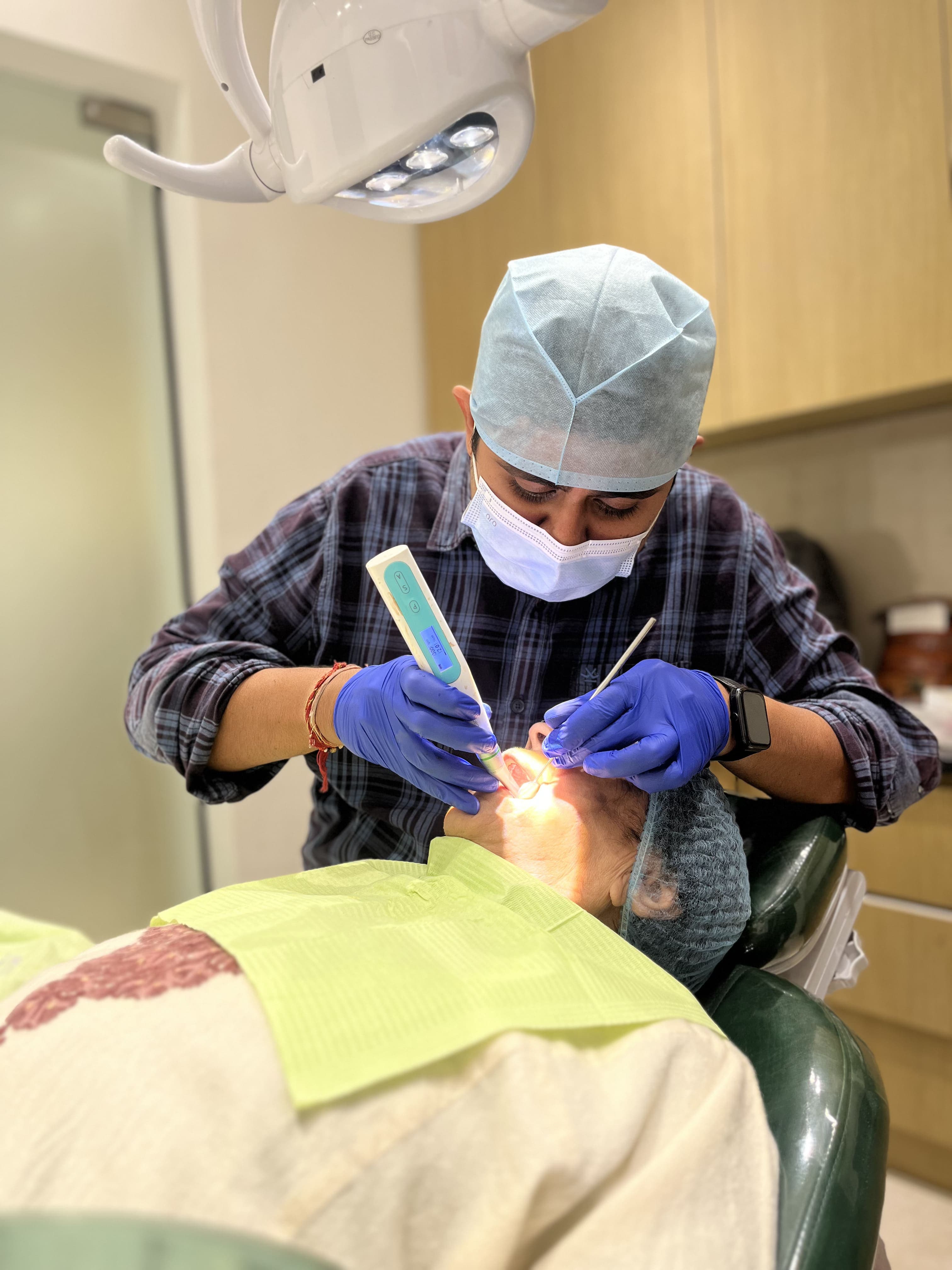
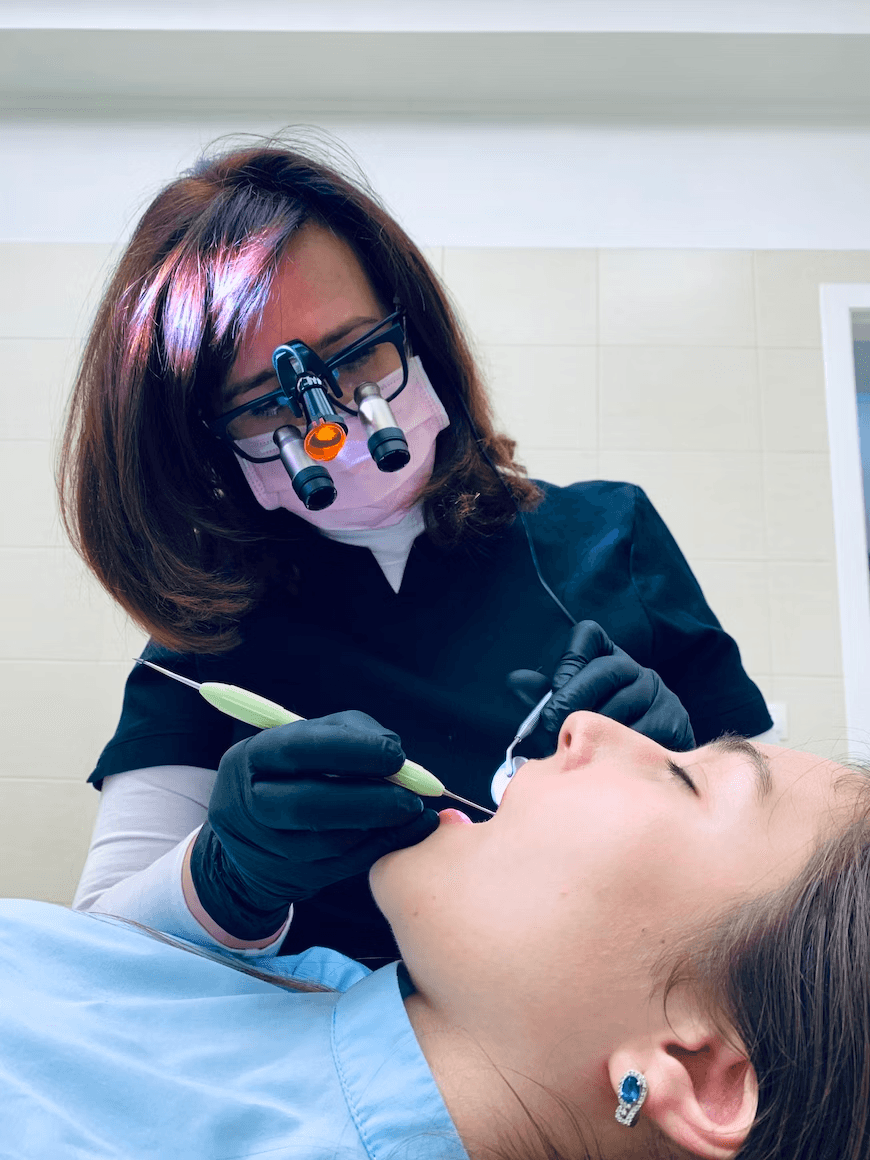
At Renew Dental Clinic, Sector 47, Noida, oral hygiene instruction is part of every check-up. Dr. Suchi Singh doesn't just ask whether you brush twice — she looks at the evidence: where plaque has accumulated, where enamel is wearing unevenly, and what your brushing pattern is actually producing.
To book a check-up, call (0120) 498-8333.
Monday–Saturday 10:30 AM – 8:00 PM | Sunday 11:00 AM – 2:30 PM.