By Renew Dental ClinicPublished on

Man checking his gums and looking disturbed.
Discovering that your gums are bleeding more than usual when you're pregnant is alarming enough on its own. Add the uncertainty about what's safe to do during pregnancy, and many women end up doing nothing — which is often the worst possible choice.
Gum bleeding during pregnancy is not unusual. It's not a sign of poor hygiene. And it's not something to ignore. Here's the complete picture.
The most direct explanation: hormones. Elevated oestrogen and progesterone during pregnancy alter the gum tissue's response to bacteria in a very specific way.
In a non-pregnant state, the immune system maintains a calibrated response to the bacteria in dental plaque. A moderate amount of plaque produces a moderate degree of gum inflammation — which, with adequate oral hygiene, is kept in check.
During pregnancy, the same amount of plaque produces a dramatically amplified inflammatory response. The gum tissue becomes hyper-reactive. Blood vessels in the gum multiply and become more fragile. The gum swells, reddens, and bleeds on minimal contact.
This condition is called pregnancy gingivitis — and it's estimated to affect 60 to 75% of pregnant women to some degree. It typically becomes noticeable in the second trimester, peaks in the third, and in most women resolves or significantly improves within a few months of delivery.
The key point: pregnancy gingivitis is not caused by bad oral hygiene. It's caused by the hormonal environment amplifying the gum's response to whatever plaque is present. This is why women with previously healthy gums and good hygiene can develop significant gum bleeding during pregnancy — the rules of the game have changed.
The affected gums are:
In more severe cases, the gum tissue may be so swollen that it begins to encroach on the tooth surface, partially covering the crown. This makes cleaning even harder and feeds the cycle of plaque accumulation and inflammation.
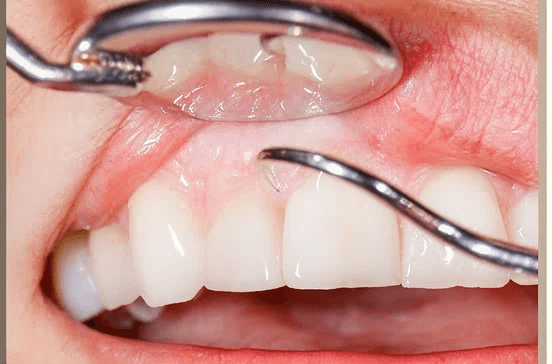
Occasionally, pregnancy gingivitis produces a more florid response in a specific location: a raised, red, rounded overgrowth of gum tissue that appears between two teeth — most often in the upper front region. This is called a pregnancy epulis or, alarmingly, a "pregnancy tumour."
Despite the name, it's entirely benign. It's not a cancer or a true tumour — it's an exaggerated vascular and inflammatory response to local plaque irritation at a site of pre-existing inflammation, amplified by pregnancy hormones.
A pregnancy epulis bleeds dramatically when touched, even minimally. It can interfere with eating and tooth cleaning if it becomes large. Most resolve after delivery without intervention. If one is causing significant bleeding, difficulty eating, or significant growth, it can be safely removed during pregnancy — though surgeons often prefer to wait until after delivery if the situation allows.
Yes. This needs to be stated clearly because this is the most common reason women don't receive the dental care they need during pregnancy.
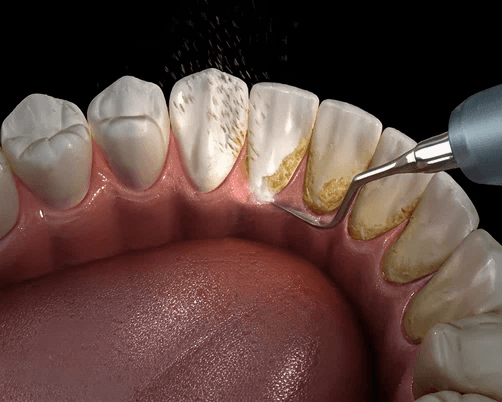
Professional dental cleaning is safe at any stage of pregnancy. The cleaning doesn't harm the baby. The water spray, the ultrasonic scaler, the instruments — none of these reach the uterus or affect the foetus. Professional scaling is also one of the most effective interventions available for pregnancy gingivitis, and deferring it until after delivery means 6 to 9 months of unmanaged gum inflammation.
Local anaesthesia is safe during pregnancy. Lidocaine — the standard dental anaesthetic — is used routinely in pregnant patients and has not been associated with foetal harm at the doses used in dental procedures.
Dental X-rays are safe when necessary. The radiation exposure from dental X-rays is minimal and focused on the mouth, not the abdomen. A lead apron provides additional protection. Elective X-rays can be deferred to after delivery; X-rays needed for diagnosis are appropriate at any trimester.
The risk of NOT treating is consistently greater than the risk of treatment. Untreated dental infection spreads. Untreated severe gum disease has been associated with adverse pregnancy outcomes (discussed below). The notion that pregnancy requires avoiding all dental care is not evidence-based and actively harms pregnant patients.
If treatment needs to be scheduled, the second trimester (weeks 14 to 28) is generally the preferred window for most dental procedures.
By the second trimester, morning sickness has typically reduced. The gag reflex is less exaggerated. The uterus is large enough for foetal movement to be detected but small enough that lying in the dental chair doesn't produce significant discomfort. Complex procedures — if clinically needed — are most practically and safely managed at this stage.
The first trimester: emergency treatment is appropriate when needed. Elective procedures are better deferred if possible, as this is the period of maximum embryonic development.
The third trimester: increasingly uncomfortable lying flat as the uterus grows. Shorter appointments, positioning accommodations (slight tilt to one side to relieve pressure on the vena cava), and limiting treatment to what's necessary are practical concessions.
After delivery: the priority normalises. Resume regular check-ups, complete any deferred treatment, and address any residual gum changes.
This is the aspect of pregnancy oral health that's become increasingly recognised in the research literature and that most patients don't know about.
Several studies have found associations between severe periodontal disease (established gum disease with bone loss, not simple gingivitis) and adverse pregnancy outcomes, including:
The proposed mechanism: active periodontitis produces systemic inflammatory mediators — prostaglandin E2, TNF-alpha, interleukin-6 — that circulate in the bloodstream. These same mediators are involved in the mechanisms that initiate labour. Elevated levels from chronic periodontal infection may contribute to early activation of these mechanisms.
Additionally, periodontal bacteria have been found in amniotic fluid in some studies, suggesting possible direct microbial access to the uterine environment.
The evidence for causation is not conclusive — clinical trials of periodontal treatment during pregnancy have had inconsistent results in reducing preterm birth rates. But the associations are consistent enough that maintaining good gum health during pregnancy is recommended not only for the mother's benefit but as a prudent element of prenatal care.
Women who enter pregnancy with pre-existing gum disease are at higher risk. Ideally, significant gum disease should be assessed and treated before conception rather than during pregnancy.
Don't reduce brushing. The natural inclination when gums are sore and bleeding is to brush more gently or less frequently. This makes the situation worse. Reducing plaque removal allows more bacterial accumulation, which drives more inflammation, which causes more bleeding.
Brush with a soft-bristled toothbrush. Soft bristles are essential for inflamed gum tissue. Medium or hard bristles will worsen the bleeding and potentially drive recession.
Use the correct gumline technique. 45-degree angle, short circular strokes at the gumline. This is where the bacteria are. Reach the gumline at every tooth, every session.
Floss daily — even though it bleeds. Same principle as brushing: the bleeding comes from the inflammation, which reduces when plaque is consistently removed. Starting to floss daily when gums are bleeding typically produces visible improvement in gum health within 2 to 3 weeks, even during pregnancy.
Rinse with warm salt water. After brushing and flossing, a warm salt water rinse is safe, soothing, and mildly antimicrobial. Half a teaspoon of salt in warm water, rinsed gently for 30 seconds.
Use alcohol-free mouthwash if desired. Standard alcohol-containing mouthwashes should be avoided during pregnancy. Alcohol-free chlorhexidine mouthwash (short-term) or alcohol-free CPC-based mouthwash is appropriate for additional antibacterial benefit.
Stay hydrated. Adequate hydration maintains saliva flow, which is the mouth's natural bacterial suppression system. Dehydration worsens dry mouth and bacterial proliferation.
Home care alone manages mild pregnancy gingivitis adequately for many women. For moderate to significant gingivitis — significantly swollen, dark red gum tissue with heavy bleeding — professional cleaning is required.
Scaling removes the calculus (tartar) deposits that home hygiene cannot. As discussed, professional scaling during pregnancy is safe and is the most effective single intervention for pregnancy gingivitis. For women who are hesitant to attend, the risk of leaving heavy calculus in place — fuelling chronic gum inflammation — is greater than any risk from the cleaning procedure.
At Renew Dental Clinic, Sector 47, Noida, pregnant patients receive appropriately positioned care (with adjustments for comfort and the positioning considerations of late pregnancy), shorter appointments if needed, and a clinically appropriate approach that prioritises the most important treatment within the most comfortable circumstances.
In most women, pregnancy gingivitis improves significantly or resolves within 2 to 3 months of delivery as hormones normalise. The exaggerated inflammatory response reduces. The gum tissue firms and the bleeding reduces.
In women who had pre-existing gum disease before pregnancy — not just hormone-amplified gingivitis, but established periodontitis with bone loss — the improvement is less complete. The hormonal amplification may have driven further progression during pregnancy, and post-delivery assessment of the gum condition is important.
The post-delivery check-up at Renew Dental is also the time to:
Is it normal to bleed from the gums a lot more than usual during pregnancy?
Yes — pregnancy gingivitis is extremely common. But "normal" doesn't mean it should be ignored. Professional cleaning and improved home hygiene manage it effectively, and it matters for both maternal comfort and overall gum health.
I'm in the first trimester and my gums have started bleeding — should I go to the dentist?
Yes. A check-up and professional cleaning is appropriate and safe in the first trimester. Emergency or necessary treatment is managed at any trimester.
Can I use my regular mouthwash while pregnant?
Alcohol-free versions are preferred. Standard Listerine and similar alcohol-containing mouthwashes are not recommended during pregnancy. Chlorhexidine mouthwash in short-term use is generally considered acceptable.
My gums look swollen near one specific tooth — should I be worried?
A localised swelling could be a pregnancy epulis (benign), or it could be a gum or tooth infection at a specific site. It's worth having it assessed rather than assuming it's the harmless form.
To book a dental appointment during pregnancy at Renew Dental Clinic, Sector 47, Noida, call (0120) 498-8333.
Monday–Saturday 10:30 AM – 8:00 PM | Sunday 11:00 AM – 2:30 PM.
 Copy
Copy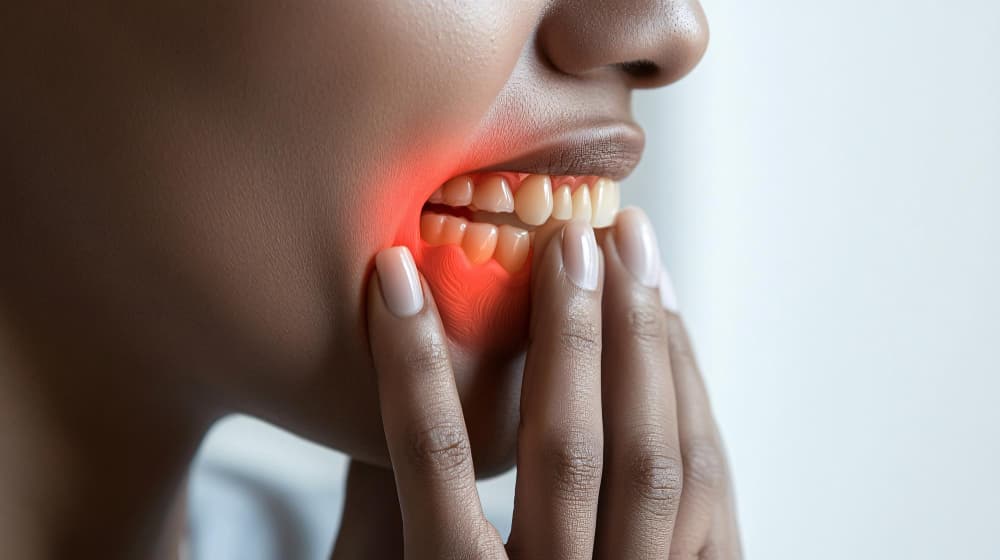
A toothache at midnight. A long weekend ahead. This guide covers every common home remedy...
08 Sept 2026
by Renew Dental Clinic
A sharp jolt from cold water hitting a tooth is hard to ignore. This guide...
04 Sept 2026
by Renew Dental Clinic

Copper tongue cleaners are recommended everywhere in Ayurveda. Plastic and stainless steel ones are cheaper...
03 Sept 2026
by Renew Dental Clinic

A toothache at midnight when clinics are closed. This guide covers every home remedy for...
21 Sept 2026
by Renew Dental Clinic

Most people skip dental check-ups to save money. This guide tracks exactly what dental neglect...
08 Sept 2026
by Renew Dental Clinic

Not drinking enough water doesn't just leave you thirsty — it directly reduces saliva, weakens...
24 Jul 2026
by Renew Dental Clinic
Learn about gum disease, its causes, symptoms, stages, and treatment options to protect your oral health and prevent serious dental problems.
08 May 2026
by Renew Dental Clinic
Toothpaste ads show a full brush of foam. Dentists recommend a pea-sized amount. This guide...
17 Aug 2026
by Renew Dental Clinic

Hormonal changes during pregnancy significantly affect gum health, and untreated dental infections carry real risks....
25 Aug 2026
by Renew Dental Clinic
Looking for orthodontic treatment near Greater Noida? This guide covers all braces and aligner options...
10 Jun 2026
by Renew Dental Clinic
Choosing between traditional braces and clear aligners in Noida? This practical comparison covers appearance, effectiveness,...
11 Jun 2026
by Renew Dental Clinic

Compare Invisalign with traditional braces to find a treatment option that fits your lifestyle, comfort...
18 Nov 2025
by Renew Dental Clinic

Dilemma between dental implants and bridges? Weigh the cost, longevity, procedure, and advantages to determine which tooth replacement method is superior.
03 Oct 2025
by Renew Dental Clinic
Recommended a crown instead of a filling? Learn how your dentist decides, the structural threshold...
22 Oct 2026
by Renew Dental Clinic

If you’ve ever had a damaged, cracked, or root canal-treated tooth, your dentist probably suggested...
21 Oct 2025
by Renew Dental Clinic
Explore More
Discover how thousands of patients trust Renew Dental Clinic with their smiles.
I am extremely satisfied with the treatment given by Dr. Suchi. Renew dental clinic offers excellent treatment with a professional and friendly team, ensuring a comfortable and positive experience for patients. I highly recommend anyone seeking quality dental services.
I am very thankful to dr Suchi and her entire team for doing my RTC so seamlessly, completed in 3 sittings, no painkillers were required post treatment.. she is my family doctor n highly recommended for her professionalism. 😇
Best clinic for dental treatment 😊
1.Highly satisfied
I have done my rct with dr suchi and my experience is wonderfull
All over very good experience....... specially thanks to Dr.suchi mam& Dr.chandrava sir.....teeth Extraction procedure very smoothly...all staff very helpful.. behavioural are good.... Thank you so much 🥰🥰🥰
We had such a wonderful experience with Dr. Suchi and her dental clinic. She handled my mumma’s entire dental procedure with so much patience, care and gentleness. What truly stood out was how thoughtfully she followed up throughout the process and made sure Mumma was comfortable at every step. ❤️
Excellent doctor who gives right advice and treatment
Great Work With Best Treatment
A glimpse into our modern dental clinic, advanced technology, and patient-friendly environment at Renew Dental.
Explore our thoughtfully designed clinic spaces built to provide comfort, cleanliness, and a calming experience for patients of all ages.
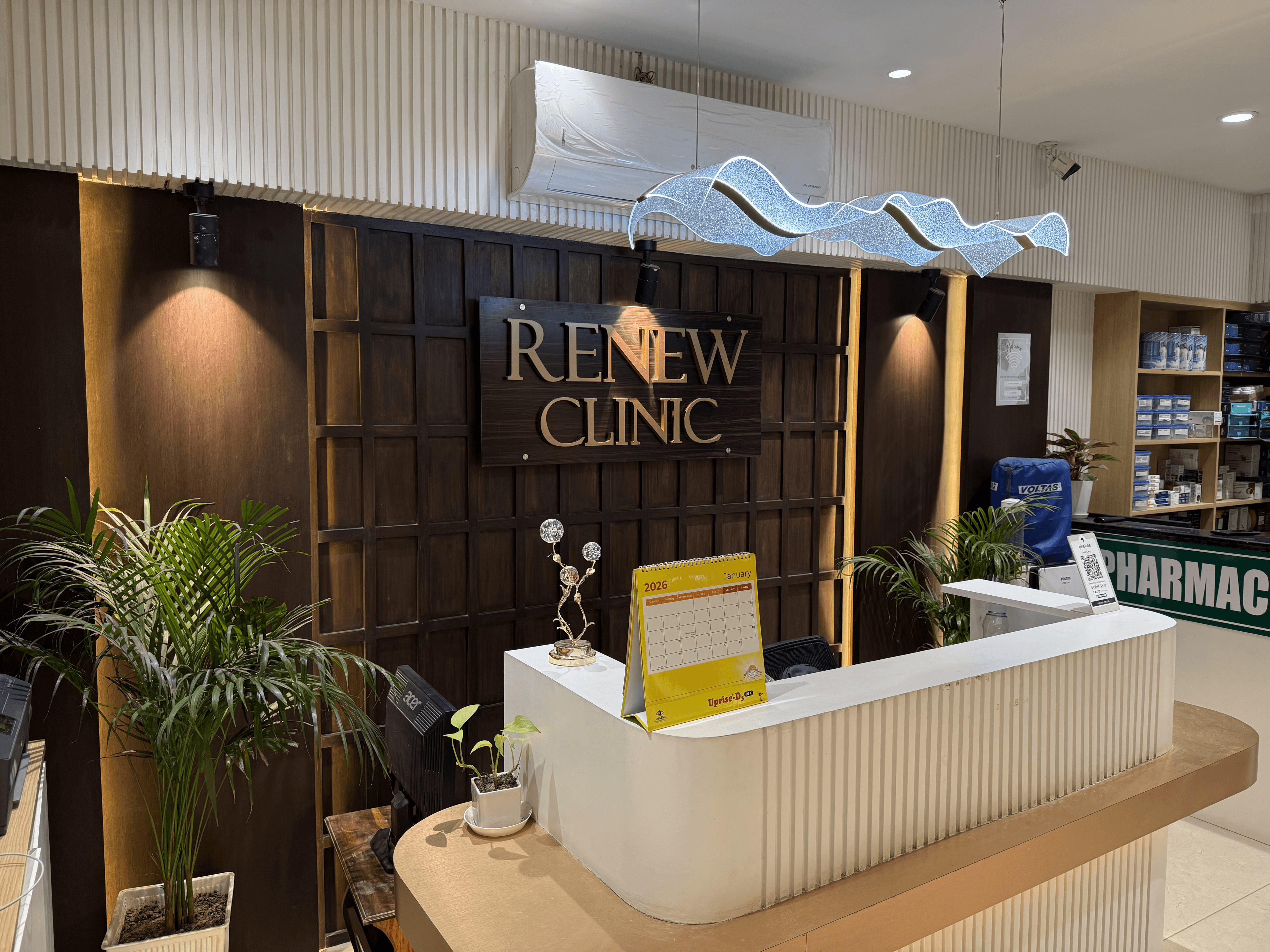


Best Dentist in Noida
Renew Dental Clinic located in Noida, Sector 47, is one of the leading dental clinics. Founded by Dr. Suchi Singh who is widely regarded as one of the best dentists in Noida, the clinic is committed to delivering personalised and high-quality dental care. Dr. Suchi Singh focuses on customised treatment plans designed around each patient’s unique needs, ensuring advanced, comfortable and reliable dental care at Renew Dental Clinic.

Your Trusted Dental Experts

Complete Dental Care

Friendly Dental Space

No Hidden Charges
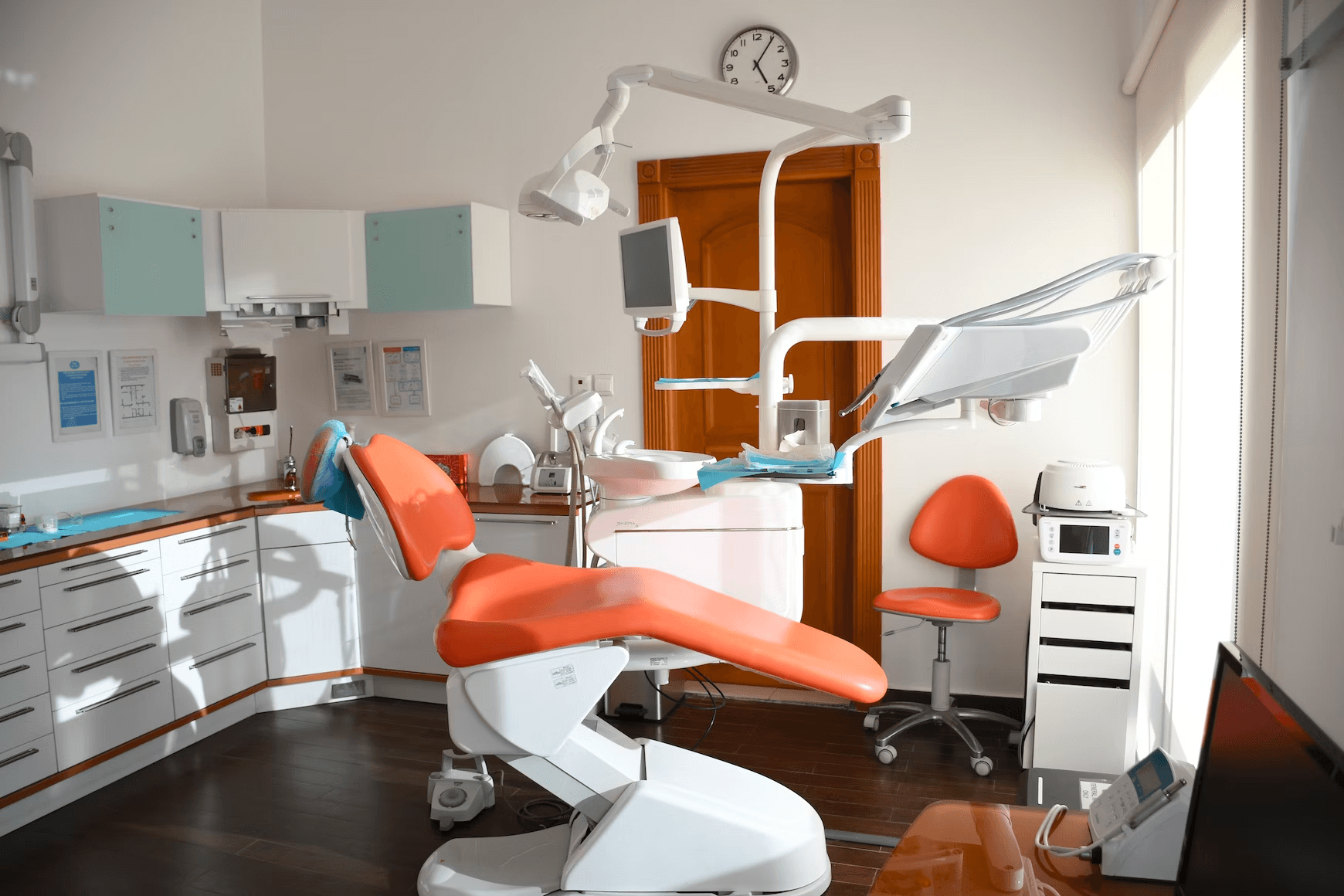

Two trusted dental clinics in Noida — Renew Dental (Sector 47) and Tooth & Truth (Sector 34) — for gentle, modern care.

Renew Orthopedic Clinic, A-321, Basement Floor, Next to Mother Dairy Store, Sector 47, Noida, Uttar Pradesh 201303
 +91 99710 35300
A-98/A, Block A, Sector 34, Noida, Uttar Pradesh 201307
+91 99710 45002© 2026. All rights reserved | Designed and Developed by Zarle Infotech