By Renew Dental ClinicPublished on
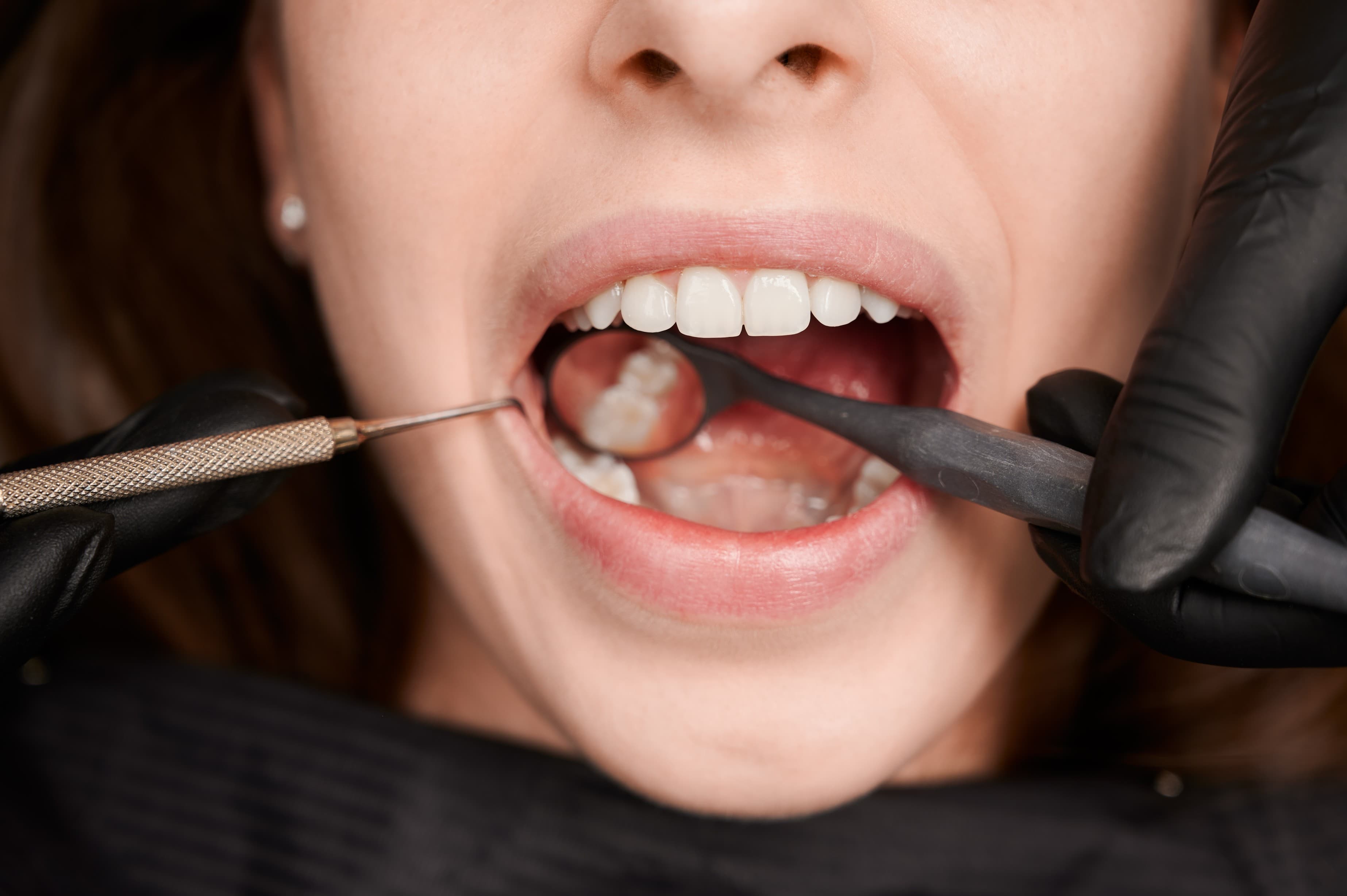
Wisdom Tooth Surgery
After wisdom tooth surgery, most patients leave the clinic with stitches and a set of questions they forgot to ask. Chief among them: will these stitches come out on their own, or do I need to come back to have them removed?
The short answer is that in most cases at Renew Dental Clinic in Sector 47, Noida, dissolvable sutures are used — meaning you don't need to return specifically for stitch removal. But "most cases" isn't all cases, and the behaviour of stitches in the mouth is different enough from skin stitches that it's worth understanding what's happening and what you should be watching for.
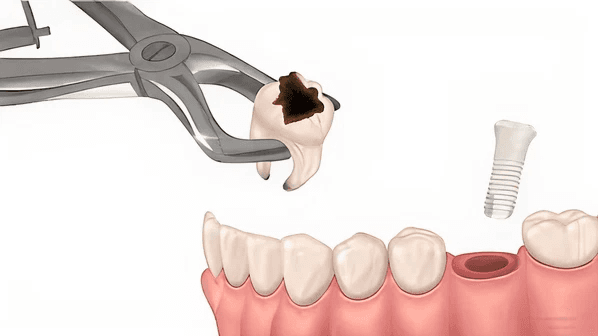
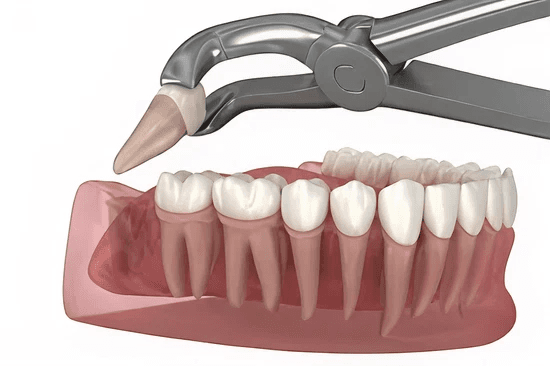
When a wisdom tooth is surgically removed, an incision is made in the gum tissue to access the tooth. Once the tooth is out, the gum flap that was lifted needs to be repositioned and held in place while it heals. Sutures do this — they hold the gum tissue in its correct position so the wound closes properly, healing occurs from the tissue edges inward, and the underlying bone is protected during the first critical days.
Without sutures, the gum tissue could migrate or fail to properly seal the wound, increasing the risk of infection, dry socket, and delayed healing. The sutures also reduce bleeding from the surgical site by maintaining pressure on the wound edges.
The number and placement of sutures depends on the size of the incision and the extent of surgery. A simple, partially erupted wisdom tooth removal might need two to three sutures. A deeply impacted molar requiring more extensive gum incision and bone removal may need five or more.
Dental surgeons use two main types of sutures.
Dissolvable (absorbable) sutures are by far the most commonly used for wisdom tooth surgery in routine dental practice. These are made from materials — typically polyglactin (Vicryl), polyglycolic acid, or catgut — that the body's enzymes and tissue fluids gradually break down over time. They don't need to be removed. They simply loosen, fragment, and disappear as the wound heals.
Non-dissolvable (non-absorbable) sutures are made from nylon or silk and must be physically removed at a follow-up appointment. They're used less commonly for routine wisdom tooth cases but may be chosen for specific situations — very large incisions, areas where high tension on the wound is expected, or cases where the surgeon prefers greater control over the suture lifespan.
When you leave after wisdom tooth surgery at Renew Dental, Dr. Suchi Singh will tell you which type was used. If dissolvable, you don't need a return appointment for removal. If non-dissolvable, you'll be given a follow-up appointment — typically 7–10 days post-surgery — for removal.
This is where patient expectations often diverge from reality. Most people assume dissolvable stitches are gone within a few days. In practice, the timeline is longer.
Dissolvable sutures used in the mouth typically take 7–21 days to fully dissolve, depending on the material used and the individual's tissue enzymes. During this time, the sutures are doing their job — holding the wound edges together while new connective tissue forms across the incision.
In the first 3–5 days, sutures are intact and relatively tight. The gum tissue around them may be swollen and tender.
By days 5–10, the sutures begin to loosen. The knots may feel like small bumps under the tongue when explored. Threads may start to feel looser.
By days 10–14, sutures typically begin to fray or shed in small fragments. Patients sometimes notice a piece of suture material in their mouth — this is normal and can be gently removed or swallowed (it's harmless).
By day 21 in most cases, nothing remains. The wound has closed with new tissue and the sutures have dissolved.
The variability exists because different suture materials dissolve at different rates, and the oral environment — with its constant moisture, enzymes, and bacterial activity — is different from a skin wound.
The area around sutures will go through predictable changes during healing.
In the first 48 hours: the gum tissue adjacent to the sutures is swollen, dark pink to reddish, and tender to touch. This is normal inflammation — the healing response.
Days 3–7: swelling reduces. The tissue begins to look less angry. A white or yellowish coating may appear on the wound surface — this is fibrin, a normal part of wound healing, and is often mistaken for infection by patients. It's not infection unless it's accompanied by increasing pain, increasing swelling, and a foul taste.
Days 7–14: the wound edges appear to be coming together. The stitches are visibly looser. The gum tissue is lighter in colour and less swollen.
Days 14–21: sutures fragmenting, wound almost fully closed, gum surface approaching normal appearance.
The first 7–10 days are when the wound is most vulnerable and the sutures are doing the most work.
Don't probe the stitches with your tongue or finger. It's tempting — they're a new texture in your mouth and curiosity is understandable. But repeated contact can loosen sutures before the wound has adequately healed underneath.
Don't rinse vigorously. Vigorous swishing creates shear forces that can pull at the suture knots. Gentle warm salt water rinses from day 2 are appropriate — gentle tilting of the head toward the operated side rather than active swishing.
Don't use an electric toothbrush directly over the surgical area in the first week. The vibration is fine for other teeth; avoid the immediate wound site until the tissue has consolidated.
Avoid foods that require significant jaw movement or that could lodge in the wound — hard, crunchy, sticky foods. Soft diet for the first 5–7 days protects the wound and the sutures.
A suture has come out early — within the first 3 days. If the wound still appears to be closing and there's no significant bleeding or gaping, this is usually fine. If the wound edge appears to have opened significantly or there's ongoing bleeding, call the clinic.
The area around the suture is increasingly painful beyond day 4. This warrants contact. Increasing pain after the initial period should be settling is the pattern for dry socket or infection, not normal healing.
A suture has become embedded in the healing tissue. This can happen when the surrounding gum tissue heals over the knot. It's harmless for dissolvable sutures, which will dissolve under the tissue. For non-dissolvable sutures that become embedded, a return visit is needed for removal.
Persistent swelling beyond day 7 that isn't improving, or a new swelling developing after initial improvement. This warrants assessment for infection.
If non-dissolvable sutures were placed, the removal appointment at Renew Dental is quick — typically 10–15 minutes. The area is inspected, any swelling or healing concerns are noted, and each suture is gently lifted and cut with small scissors before being pulled free. This is done under normal conditions without anaesthesia in most cases. Patients who found the surgery anxiety-inducing sometimes anticipate suture removal with similar dread; the reality is considerably less eventful.
Q: I can feel something rough in my mouth where the stitches are — is this normal?
A: Yes. Dissolving suture material feels rough and slightly foreign as it breaks down. Small threads and knot fragments are normal to feel and occasionally notice in the mouth. If a piece comes loose and is in a position where it's bothering you, it can be gently removed.
Q: Can I eat normally with stitches in?
A: Soft foods on the opposite side for the first 5–7 days. Gradually expanding to softer normal foods after that. Hard or crunchy foods are avoided until the wound has consolidated — typically days 7–10 onward, depending on how the healing progresses.
Q: My stitches have dissolved but the area still looks slightly white — is this normal?
A: Yes. A slightly lighter, scar-like appearance is normal as the gum tissue fully matures over several weeks. The tissue eventually returns to a normal colour and texture as it remodels.
Q: I accidentally swallowed a piece of suture material — is that dangerous?
A: No. Dissolvable suture materials are biocompatible and are safely processed by the digestive system. This is fairly common and not a concern.
If you have any concerns about your healing after wisdom tooth surgery at Renew Dental Clinic, Sector 47, Noida, we'd much rather answer a question that turns out to be unnecessary than have you worry at home.
📞 +91 99710 35300
A-321, Basement Floor, Next to Mother Dairy Store, Sector 47, Noida, Uttar Pradesh 201303
Monday–Saturday 10:30 AM – 8:00 PM | Sunday 11:00 AM – 2:30 PM
 Copy
CopyThe right food choices after wisdom tooth removal protect the blood clot, speed healing, and...
30 Sept 2026
by Renew Dental Clinic
White spots on teeth look different from person to person — and the right way...
24 Sept 2026
by Renew Dental Clinic
Not every cavity needs a root canal — but many patients aren't sure where the...
23 Sept 2026
by Renew Dental Clinic

Two minutes sounds simple. Most people brush for 45 seconds. Here's what the research says...
03 Aug 2026
by Renew Dental Clinic

Hormonal changes during pregnancy significantly affect gum health, and untreated dental infections carry real risks....
25 Aug 2026
by Renew Dental Clinic
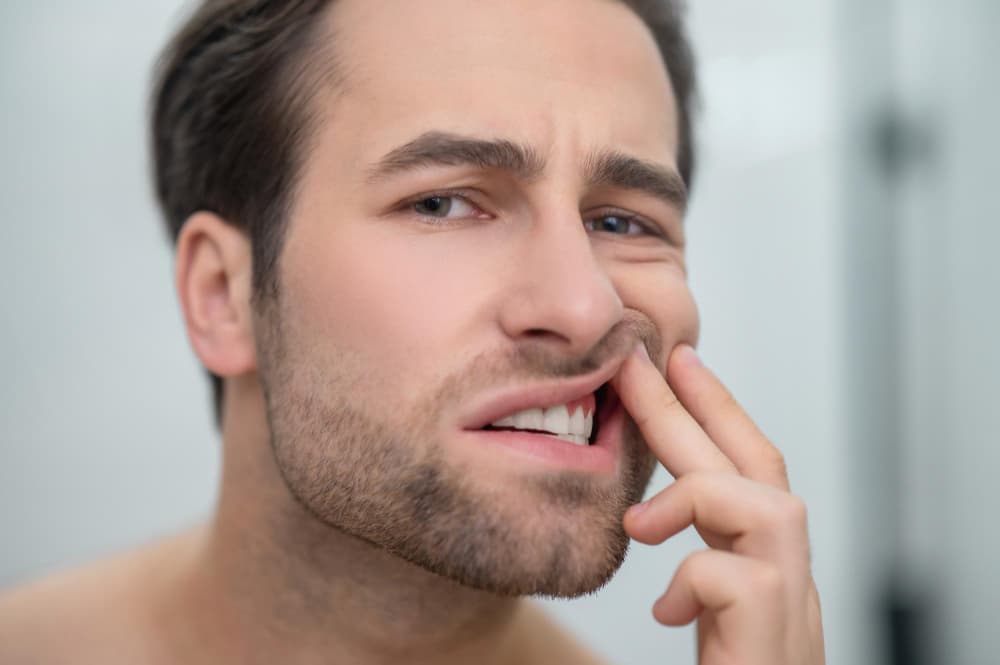
Water flossers are increasingly popular in India's urban markets. This guide explains what they actually...
10 Aug 2026
by Renew Dental Clinic
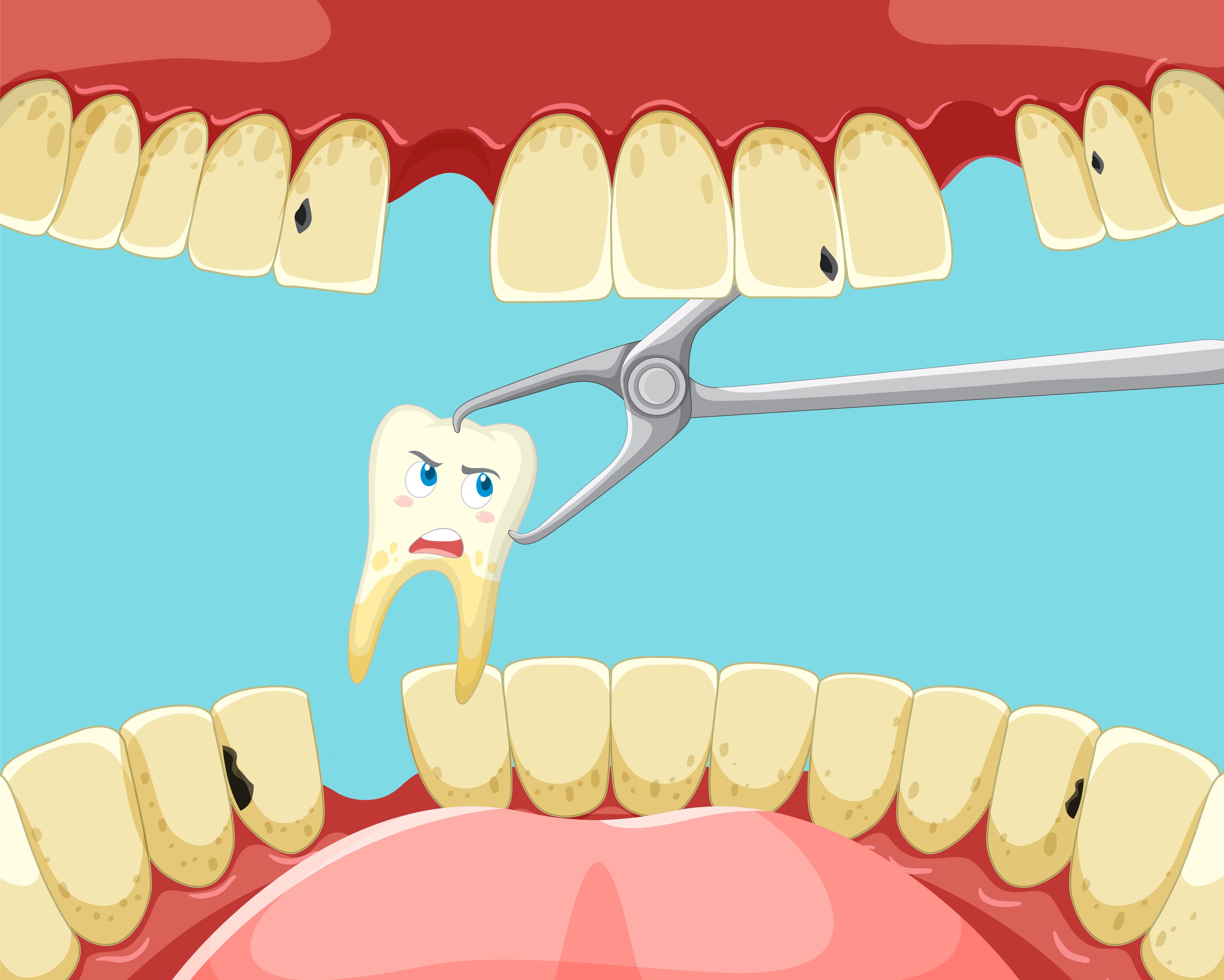
Had a tooth removed in Noida? This practical day-by-day guide covers exactly what to eat...
17 Jun 2026
by Renew Dental Clinic
Booked for wisdom tooth surgery in Noida and not sure what to expect? This guide...
15 Sept 2026
by Renew Dental Clinic
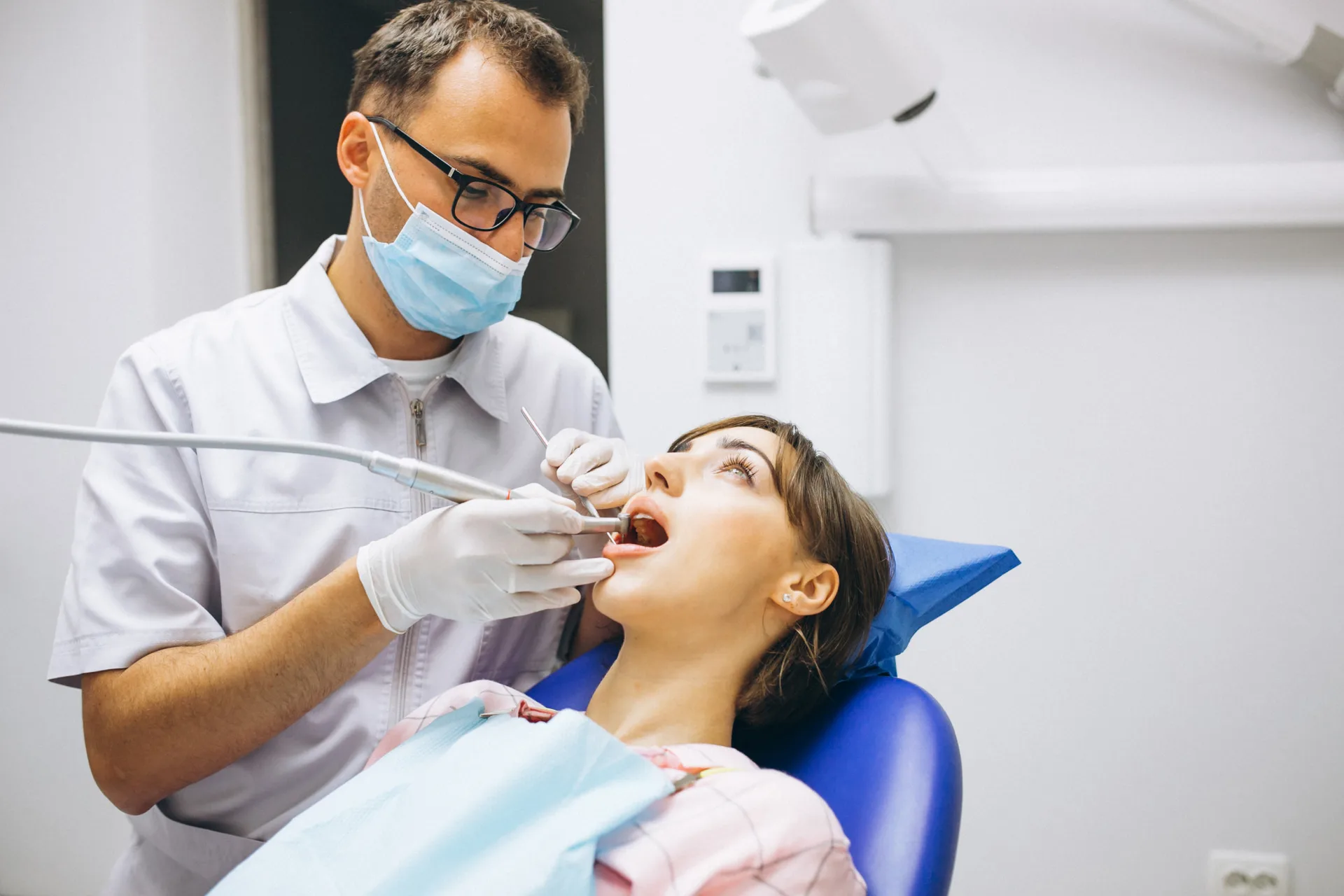
Not all pain after wisdom tooth surgery in Noida is normal. Learn which signs mean...
14 Oct 2026
by Renew Dental Clinic

Learn affordable handy tips on how to prevent tooth decay at home. Learn daily habits,...
21 Oct 2025
by Renew Dental Clinic
Spotted a dark mark on your tooth and not sure if it's a stain or...
25 Jun 2026
by Renew Dental Clinic
White or brown spots on your teeth that appeared without any obvious cause? This guide...
01 Jul 2026
by Renew Dental Clinic

Recurring mouth ulcers that flare up during stressful periods? This guide explains exactly why stress...
22 Jun 2026
by Renew Dental Clinic

You may associate toothpaste with a boring part of brushing your teeth. However, the reality...
01 Sept 2025
by Renew Dental Clinic

Discover how diseases of the gums and poor oral hygiene accelerate heart ailments. Explore the...
18 Nov 2025
by Renew Dental Clinic
Explore More
Discover how thousands of patients trust Renew Dental Clinic with their smiles.
I really had a good experience with Dr Suchi and Dr Ganguly. They not even helped with a successful tooth extraction but also helped me overcome my fear of seeing a dentist. I highly recommend this team of amazing dentists. Thank you so much Dr Suchi and Dr Ganguly.
Feel Positive vibes once I visited Renew Dental Clinic. It was more comfortable once meet Dr. Suchi. Post treatment no complications. RCT and other treatments were painless and results were satisfactory. All clinic employees were very friendly.
Best dentist I have visited here, the doctor listed here is a very experienced doctor and the staff here is very nice and caring.
Yet to come across such a efficient,well behaved and dedicated Doctor. Will go high like sky.
Awesomely excellent services…amazing
"Highly recommended.."
Amazing state of art techniques with a very skillfully doctor incharge.
Very good experience at Renew Dental Clinic. The staff is polite, the clinic is clean, and the treatment was smooth and painless. Highly recommended.
Very good service
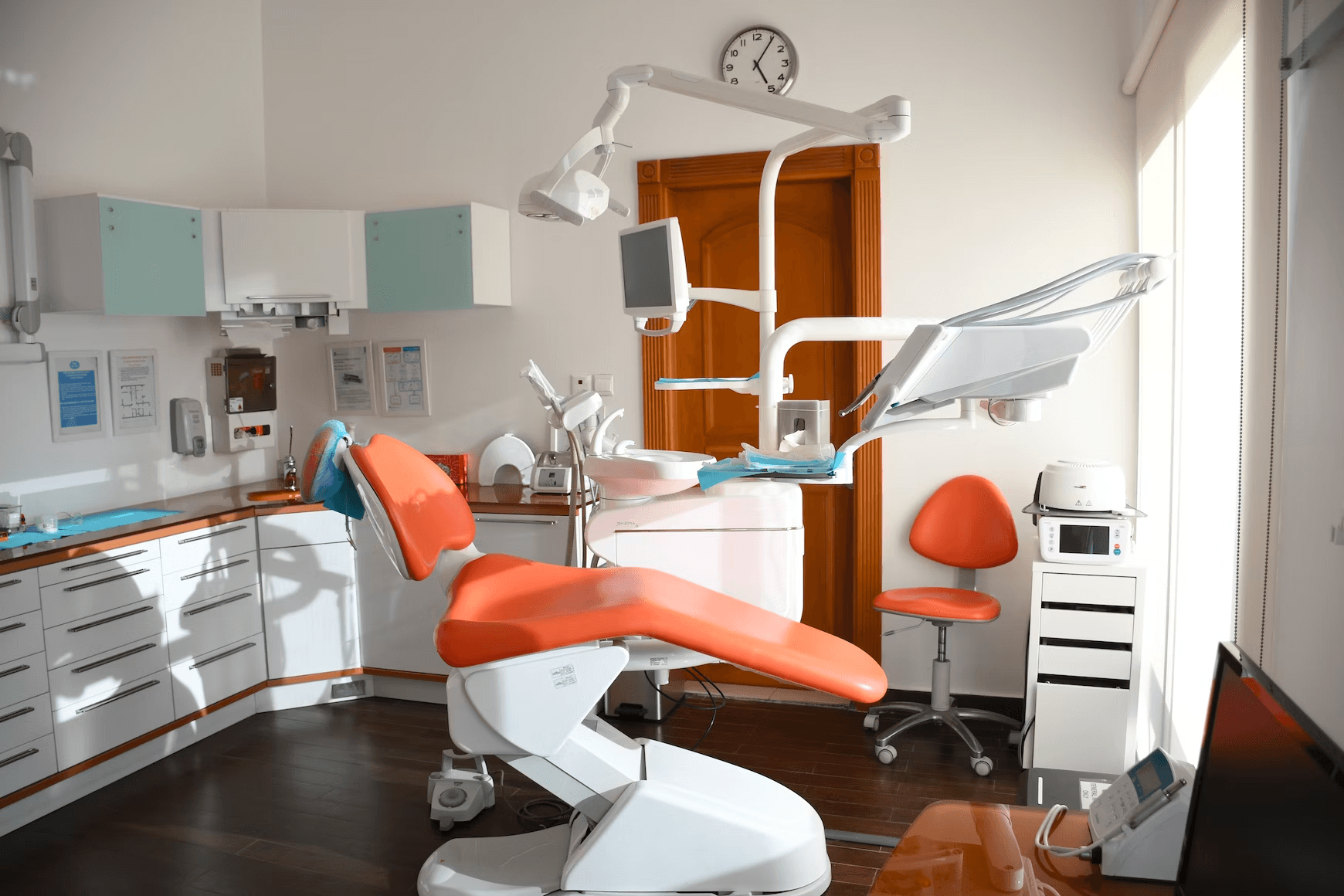
A glimpse into our modern dental clinic, advanced technology, and patient-friendly environment at Renew Dental.
Explore our thoughtfully designed clinic spaces built to provide comfort, cleanliness, and a calming experience for patients of all ages.
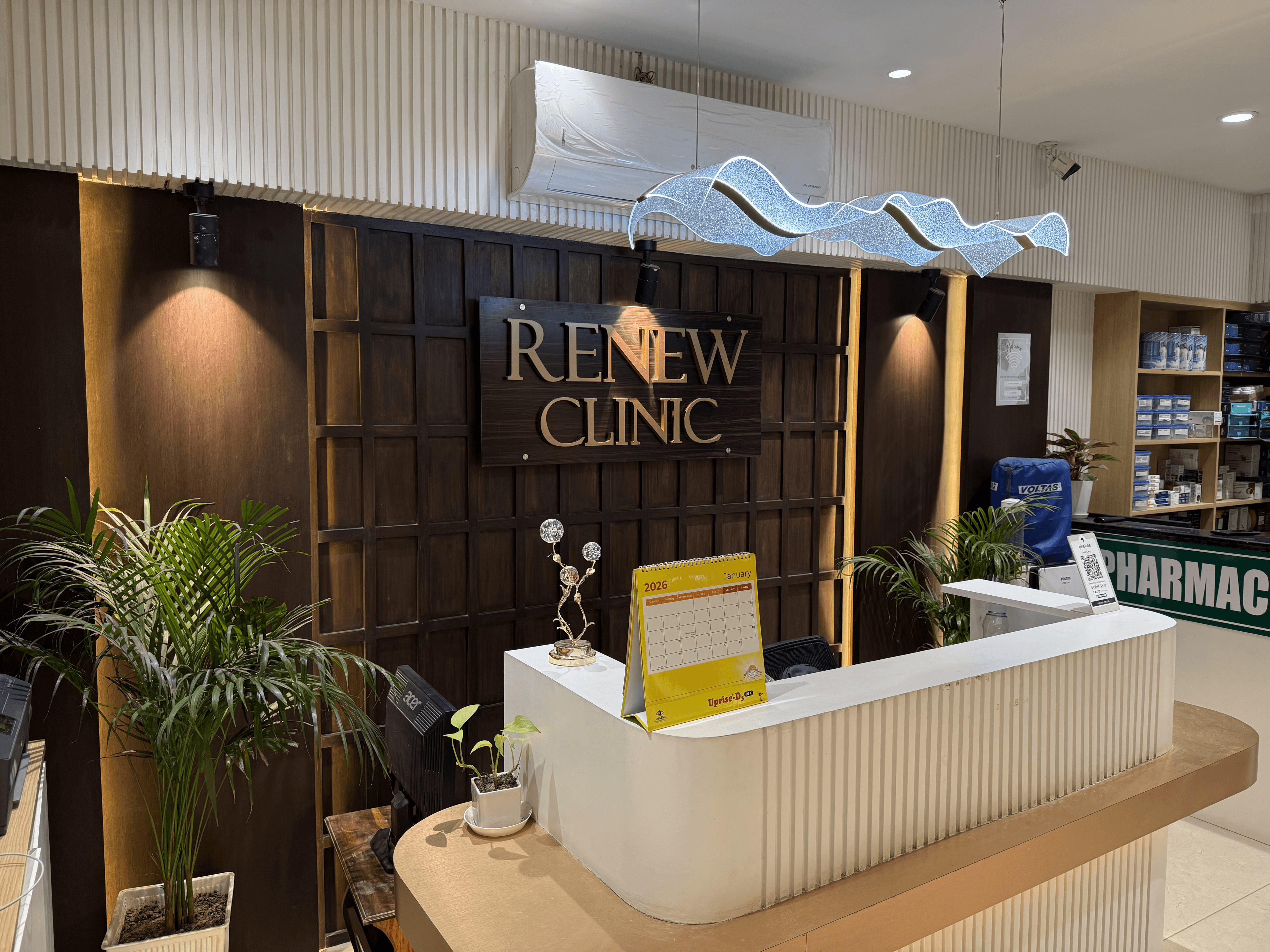


Best Dentist in Noida
Renew Dental Clinic located in Noida, Sector 47, is one of the leading dental clinics. Founded by Dr. Suchi Singh who is widely regarded as one of the best dentists in Noida, the clinic is committed to delivering personalised and high-quality dental care. Dr. Suchi Singh focuses on customised treatment plans designed around each patient’s unique needs, ensuring advanced, comfortable and reliable dental care at Renew Dental Clinic.

Your Trusted Dental Experts

Complete Dental Care

Friendly Dental Space

No Hidden Charges

Two trusted dental clinics in Noida — Renew Dental (Sector 47) and Tooth & Truth (Sector 34) — for gentle, modern care.

Renew Orthopedic Clinic, A-321, Basement Floor, Next to Mother Dairy Store, Sector 47, Noida, Uttar Pradesh 201303
 +91 99710 35300
A-98/A, Block A, Sector 34, Noida, Uttar Pradesh 201307
+91 99710 45002© 2026. All rights reserved | Designed and Developed by Zarle Infotech