By Renew Dental ClinicPublished on
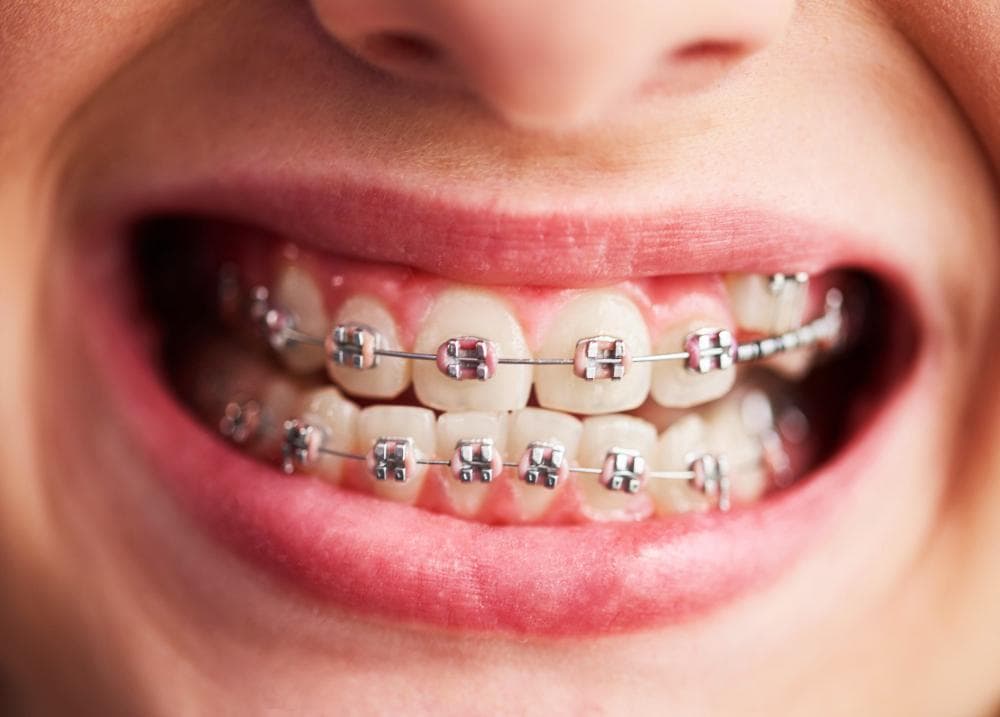
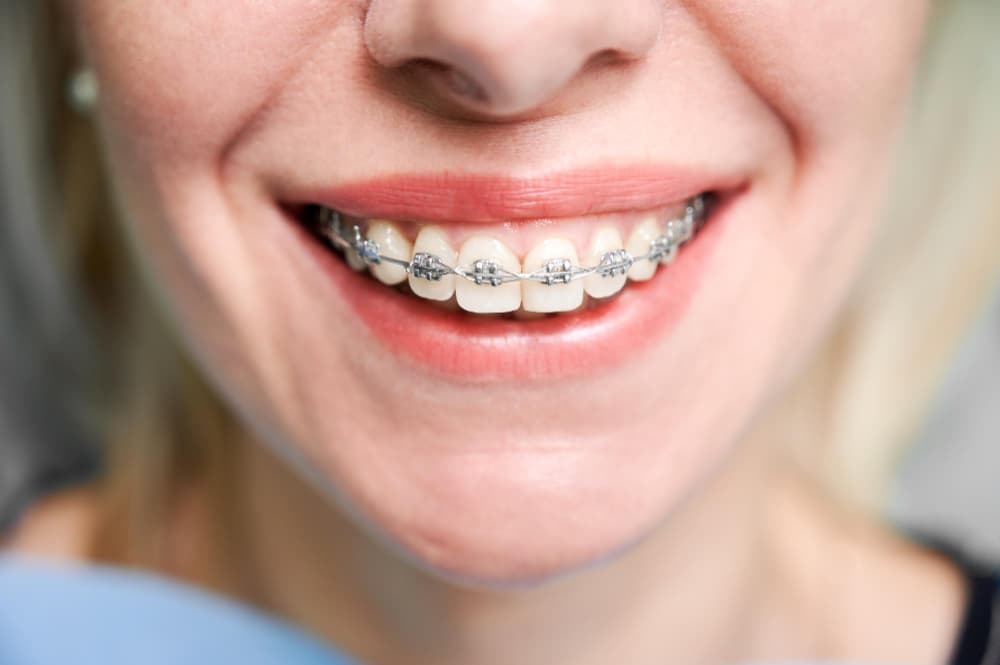
A close-up of teeth with braces, highlighting the orthodontic appliances.
It's not just about a pretty smile either; teeth straightening is important for oral health, a functioning bite, and to avoid dental issues later in life. If your teeth are crowded or uneven, it can be hard to keep them clean, leading to decay, and if they're not straight, over time, it can lead to a bad bite and jaw pain.
Braces are perhaps the most popular form of orthodontic treatment. They straighten your teeth and correct your bite, allowing you to have healthier teeth and a straighter smile! From children and teens right through to adults, they're a common treatment method and a proven way to have a more functional and aesthetically pleasing smile.
Today, there is now a vast array of braces available to treat misaligned teeth and crooked smiles, meaning orthodontic treatment is now even more comfortable and less visually intrusive than ever before. This ensures people of all ages can tackle their dental needs, from gaps in teeth to being unable to effectively bite into food!
At Renew Dental, Noida, you receive orthodontic treatments that are completely individualised to your personal needs, giving effective teeth straightening and orthodontic results that prioritize your dental care and comfort.
Dental braces are a type of orthodontic appliance designed to align teeth and correct problems with the jaw and bite. This is done by applying a small amount of continuous pressure on the teeth over an extended period of time. Braces are used to treat problems with the following:
Having orthodontic treatment can give patients both a great smile and improve eating, speaking, and oral hygiene.
Braces, wires, and elastic bands are used to help to straighten your teeth. The wires are put on the brackets, which hold on to the tooth, and they help to slowly move the teeth. The orthodontist will check up on the braces and will sometimes alter them to help the movement of the teeth occur correctly. Your jawbone may adjust to the movement of your teeth, and when they move, the bone around the tooth might mould itself into the correct position. The treatment depends on what is needed. Sometimes the patient is wearing braces for between twelve and twenty-four months, though the actual time taken depends on each case.
Dental braces are used for patients whose teeth and bite problems are detrimental to their oral health and smile.
Braces can be worn by a range of ages. Evaluating a child early can sometimes diagnose potential issues that may worsen later on.
Depending on your dental situation, your lifestyle, and personal preferences for both comfort and appearance, there is a wide array of braces that you can have. There are a variety of types of treatment available that can help effectively align your teeth with your lifestyle and desired look.
These are the traditional braces and typically are made of stainless steel brackets and wires that are used to apply gradual pressure to move your teeth into place. Modern metal braces are made so much smaller, much lighter, and much more comfortable than older varieties. Because they are extremely durable, they are generally used to help treat issues with complex alignment and bite problems where long-term and consistent results are desired.
These function much like metal braces but are fabricated from tooth-colored or transparent brackets that naturally blend with your teeth and can make them extremely discreet to wear. They are generally preferred by teenagers and adults because the brackets are not noticeable against their teeth and therefore provide a more aesthetic look during the course of treatment. Because they are not metal, however, it may be possible for the ceramic braces to stain during the treatment period.
These are applied to the inside of your teeth instead of the outside and therefore remain hidden and are invisible. They can be custom-made according to your teeth's exact dimensions and are a perfect option for anyone looking for a nearly undetectable orthodontic treatment, but you may find they take time to get used to, with a few words that sound off, and your tongue may be bothered slightly initially.
These braces are an innovative approach that uses a special clip to hold the archwire in place without the need for elastic bands, which can be more comfortable as there is no need to use extra forces. This may make them work more quickly or require less frequent visits to the orthodontist to adjust, and also they may be slightly easier to clean than braces with elastic bands. They are also available in both metal and ceramic.
The use of transparent aligner trays to treat teeth that require straightening is becoming increasingly popular with adults and working professionals because they are nearly impossible to detect during the course of treatment. The trays can also be removed during eating and drinking, when you brush and floss, making them very convenient and comfortable to wear, but they are best suited to treating mild to moderate cases of alignment problems, as they require constant use to work properly.

A young woman smiles for a selfie, showcasing her braces and bright outfit.
While straightening your teeth, orthodontic treatment is also working towards a healthy mouth that will last a lifetime. It also increases day-to-day comfort.
There is a period of adjustment during the first week that the teeth and the mouth have with braces. Expect:
Having the correct food options not only ensures that braces will not be bent or loosened, but will also decrease the damage.
Eat:
Don't Eat:
Taking proper care of your teeth and gums can avoid plaque build-up and cavities.
Minor and temporary discomfort can be expected when undergoing braces treatment because of the constant changes the teeth make throughout the course of your treatment.
It may take time, but the result of braces can make a big change to the way a person looks and how their mouth works.
Signs and symptoms that braces may need to be adjusted:
They not only correct the aesthetic presentation of the mouth, but also optimize function and oral health.
Orthodontic treatment follows several meticulously planned stages that ensure the safe and efficient movement of teeth into the correct position. Treatment plans vary based on the individual patient's oral condition, age, and desired outcome. Regular check-ups and appropriate care are essential for the success of orthodontic treatment.
The treatment begins with a comprehensive orthodontic examination by the orthodontist, which includes an evaluation of the teeth, jaw alignment, bite, and overall oral health to identify any malocclusions and the specific treatment required. Radiographs, photographs, and/or dental scans might be taken to assess the exact positioning of the teeth and jaw. A personalized treatment plan that includes the proposed braces, length of treatment, and estimated cost is then drawn up based on the findings.
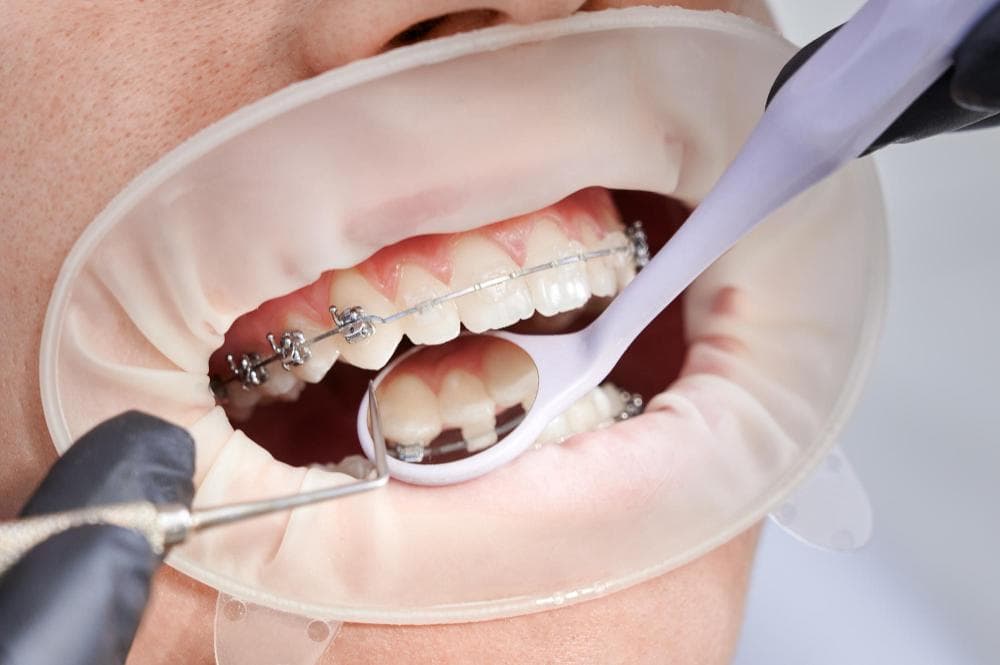
A patient’s mouth with braces is being examined by an orthodontist.
Once the treatment plan has been agreed upon, the orthodontist begins applying the braces to the teeth. Small brackets are firmly attached to each tooth using dental adhesive, and an archwire is attached to the brackets to hold the teeth in position. The entire procedure is usually painless and can be completed within a single visit. For the first few days after the braces are placed on the teeth, the patient might experience some tightness or pressure as the teeth adjust to the new positioning.
The patient is expected to attend follow-up appointments every few weeks, where the orthodontist will check on the progress and make the necessary adjustments to the braces. During the adjustments, the archwires are tightened or changed to ensure continuous pressure is applied to the teeth for the desired movement and to keep them moving in the intended direction. Regular visits are important to prevent complications and ensure the treatment stays on schedule.
During orthodontic treatment with braces, it is crucial to maintain good oral hygiene. Brackets and wires make it easy for food particles to accumulate on teeth, increasing the risk of plaque buildup and cavity formation. Patients should clean their teeth and the braces thoroughly with a toothbrush and dental floss. They might be provided with specialized tools like interdental brushes, orthodontic wax, and water flossers, and should avoid chewing hard, sticky, or chewy foods that could dislodge or damage the braces.
When the desired tooth position has been reached and the braces have been removed by the orthodontist, the treatment phase does not end there, as retainers will be provided to help maintain the new alignment and prevent the teeth from drifting back to their initial positions. Depending on the complexity of the case, retainers may be worn full-time initially and then only at night. Using retainers as prescribed by the orthodontist is extremely important to sustain long-term orthodontic results.
The following is a brief list of orthodontic issues commonly treated by braces:
The care you take when wearing braces will determine the successful treatment and potential complications.
Orthodontic treatment may be required if the person experiences the following issues:
Braces are the best long-term way to align your teeth, correct your bite, and boost your dental health. With advances in orthodontic care today, it's comfortable and discreet enough for patients of any age. Good alignment leads to a better smile, and importantly, a reduced risk of future dental problems. If you invest in the correct care from orthodontists and ensure regular checkups, braces can last a lifetime. Renew Dental, Noida, provides personalized treatments that use orthodontics to create perfectly aligned and confident smiles, backed by up-to-date care and excellent technology.
1. How long does braces treatment usually take?
Most braces treatments take between 12 and 24 months; the duration varies based on how severely the teeth are misaligned.
2. Are dental braces painful?
While it might cause some mild pain or discomfort after each appointment with the orthodontist, this is temporary, and it's usually nothing more than a feeling that the teeth need to move into position.
3. Can adults get dental braces?
Certainly, adults can achieve straight, beautiful smiles with either dental braces or clear aligners.
4. How Long Does It Take For Braces To Show Results?
The patient can expect to see an improvement in teeth alignment in just a few months, with teeth alignment continuing to improve until the conclusion of their treatment, which can take 12-24 months.
5. Can Braces Fix Jaw Alignment Problems?
Yes, Braces are excellent for correcting both bite problems and misalignment of the jaw, though only in mild to moderate cases.
 Copy
Copy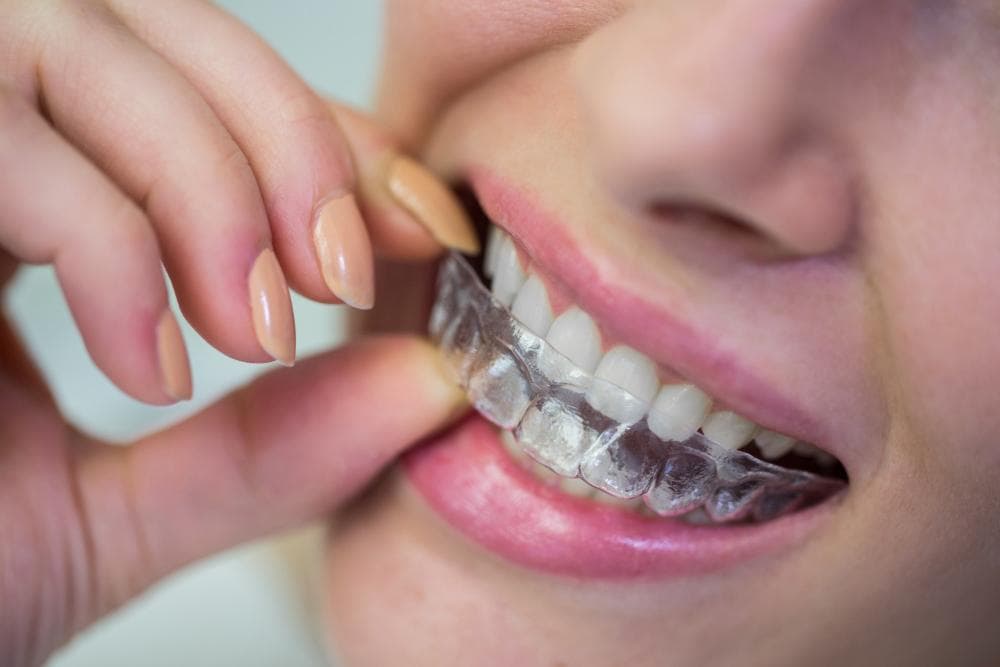
Wondering whether clear aligners are better than braces? Discover the differences, benefits, treatment time, comfort, and which option suits you best at Renew Dental Noida.
13 May 2026
by Renew Dental Clinic
Mouth ulcers may signal stress, nutritional deficiencies, infections, or oral health issues. Learn about causes,...
12 May 2026
by Renew Dental Clinic
Learn about cosmetic dentistry, popular smile transformation procedures, benefits, and how treatments can improve your dental appearance and confidence.
11 May 2026
by Renew Dental Clinic
Searching for relief from sensitive teeth at home? This guide separates the evidence-based remedies from...
10 Jul 2026
by Renew Dental Clinic

Having your first dental cleaning? Want to know what to expect during the appointment step-by-step,...
03 Oct 2025
by Renew Dental Clinic
Busy professionals in Noida often skip dental care until something hurts. This guide explains why...
03 Jul 2026
by Renew Dental Clinic
A gap between your front teeth has multiple treatment options in Noida — and which...
20 Sept 2026
by Renew Dental Clinic
Braces make cleaning between teeth harder — and more important. This guide covers every method...
26 Aug 2026
by Renew Dental Clinic

Compare Invisalign with traditional braces to find a treatment option that fits your lifestyle, comfort...
18 Nov 2025
by Renew Dental Clinic

Oral health is a part of overall well-being, but one often overlooked until it's painful...
21 Aug 2025
by Renew Dental Clinic

Most people who grind their teeth do it during sleep and have no idea. Learn...
20 Oct 2026
by Renew Dental Clinic

What you eat directly affects your dental health. This guide from Renew Dental Clinic Noida...
05 Jun 2026
by Renew Dental Clinic
Water flossers are increasingly popular in India's urban markets. This guide explains what they actually...
10 Aug 2026
by Renew Dental Clinic
Gums bleeding when you brush or floss? This guide explains the real causes of gum...
09 Jul 2026
by Renew Dental Clinic

Bad breath, also known as halitosis, is a very common condition that affects people of...
06 Nov 2025
by Renew Dental Clinic
Explore More
Discover how thousands of patients trust Renew Dental Clinic with their smiles.
I got my dental implant crown and RCT crown done at Renew Dental Clinic, and I am extremely satisfied with the treatment. The doctors and the entire team were very professional, caring, and supportive throughout the process. I am really happy with the results and would definitely recommend Renew Dental Clinic to others.
Outstanding
Excellent explanation, punctual, welcoming staff, High hygiene standards, great team..
Have been a long standing customer of Dr Suchi's dental services. Her knowledge, attention to detail and empathy is one of the best
Dr.suchi is the best dentist
I had a very good experience at Renew Dental Clinic during my implant and RCT treatment. The doctors and staff were extremely kind, supportive, and professional throughout the entire process. What I appreciated the most was their care and attention towards patient comfort — the treatment was smooth and almost painless.
I had a wonderful, painless experience at Renew dental clinic Dr. Suchi Singh was incredibly gentle, and the staff was very friendly and professional. Highly recommend!
Dr. Suchi, Dr Ganguly and Dr srishti, at Renew Dental Clinic did an excellent job with my full-mouth rehabilitation. The shift from old bridges to premium Zirconia crowns, along with laser gum treatment, was handled with great care and professionalism.
Best doc in Noida
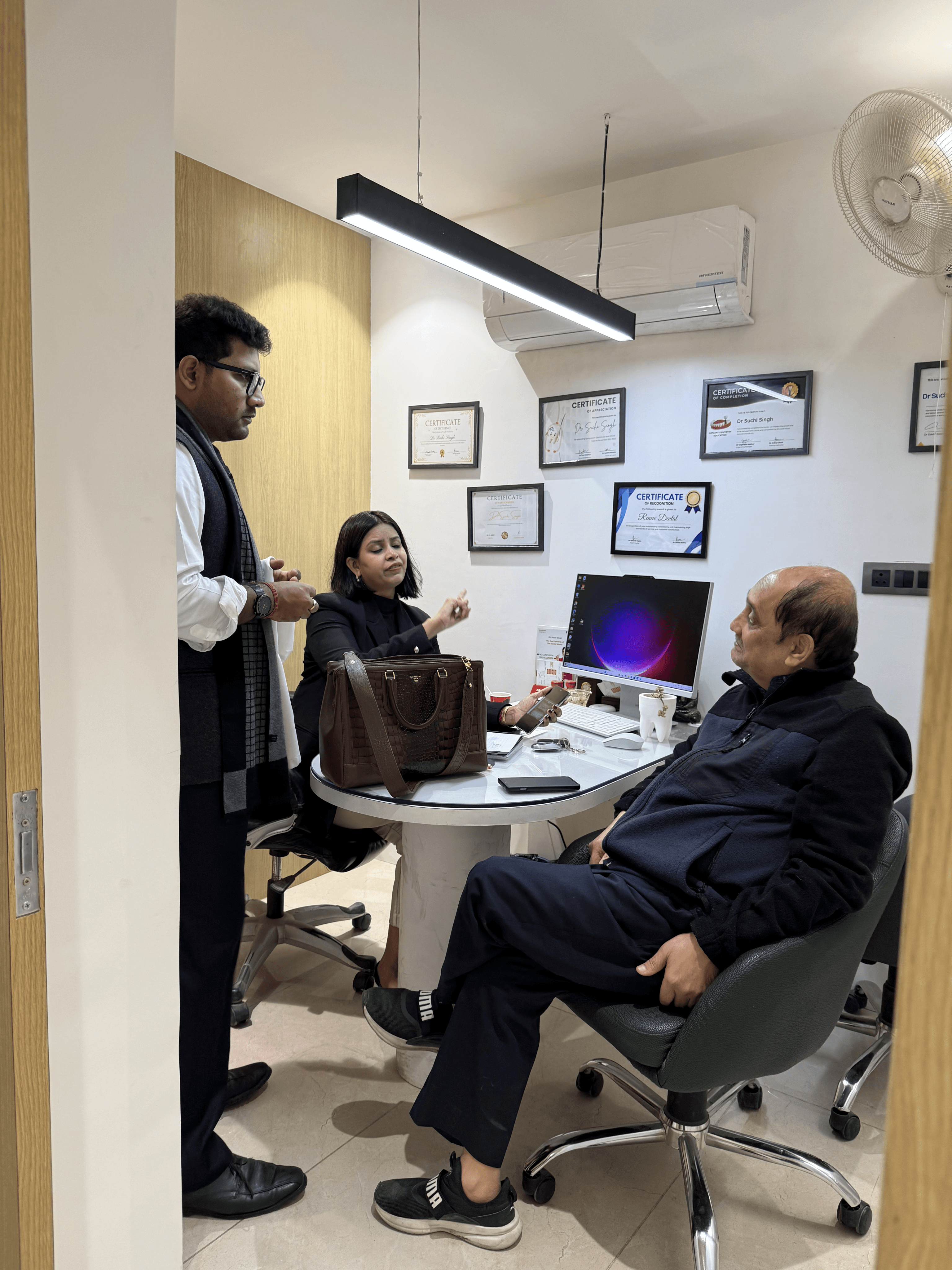
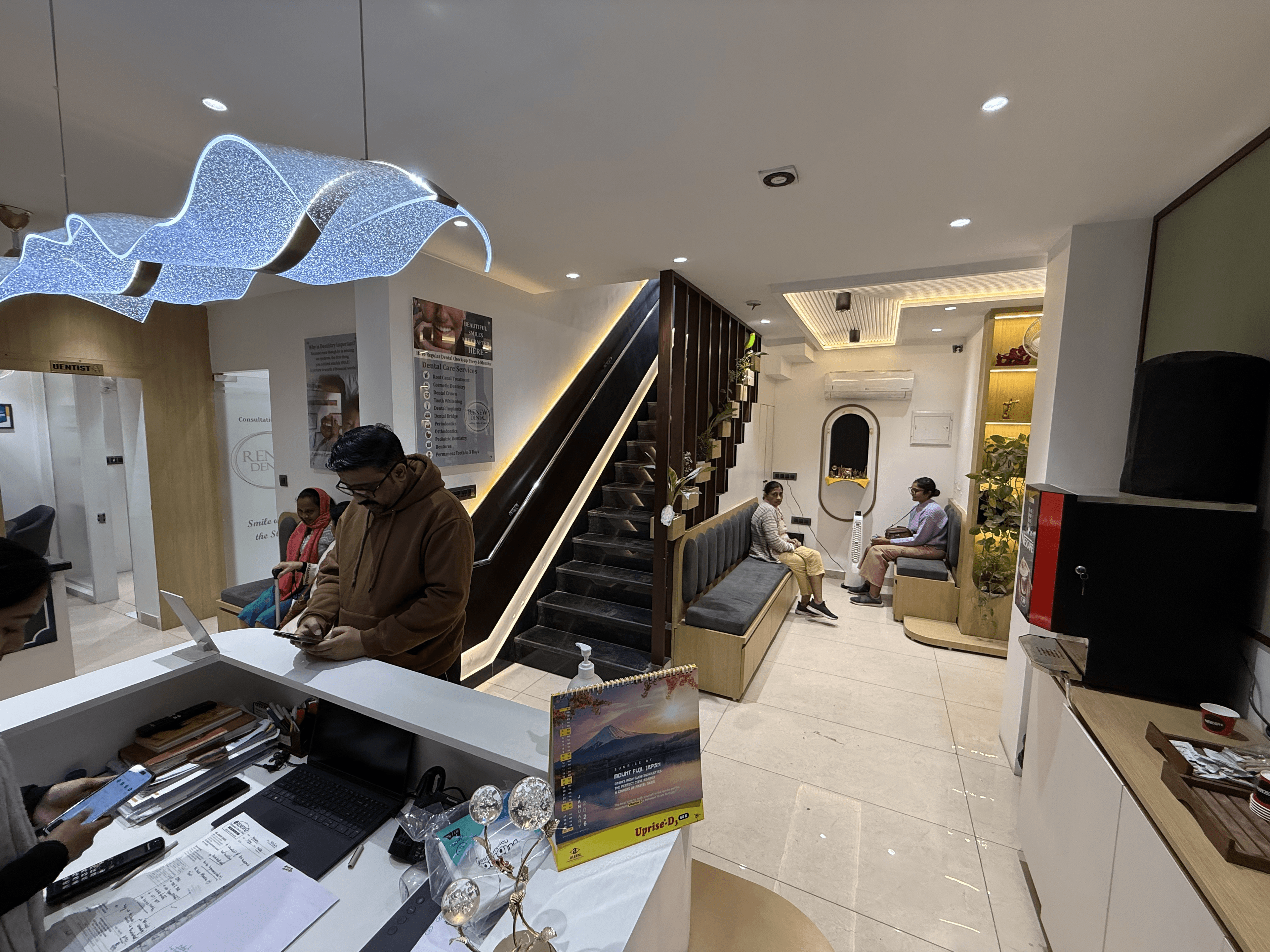
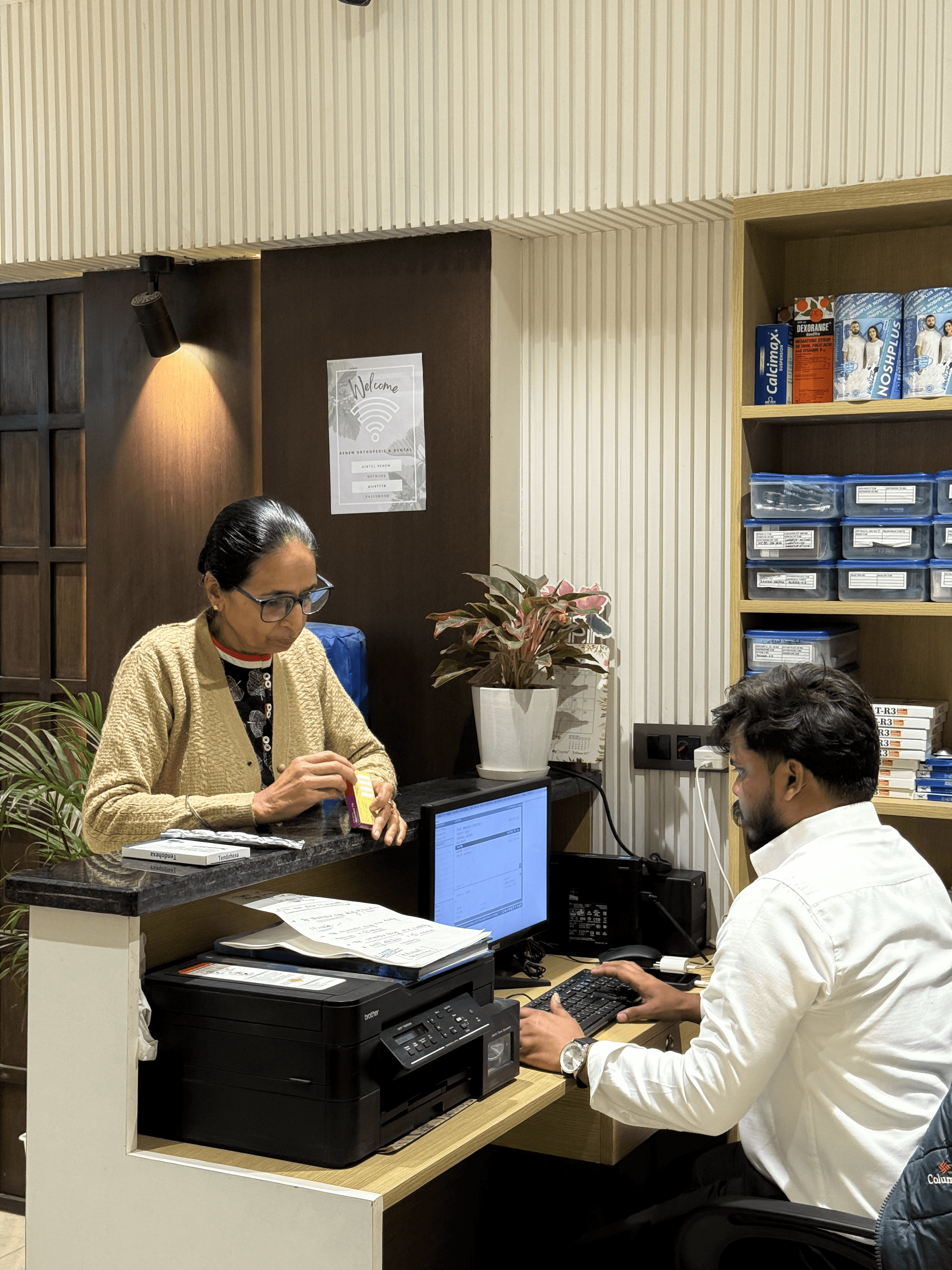
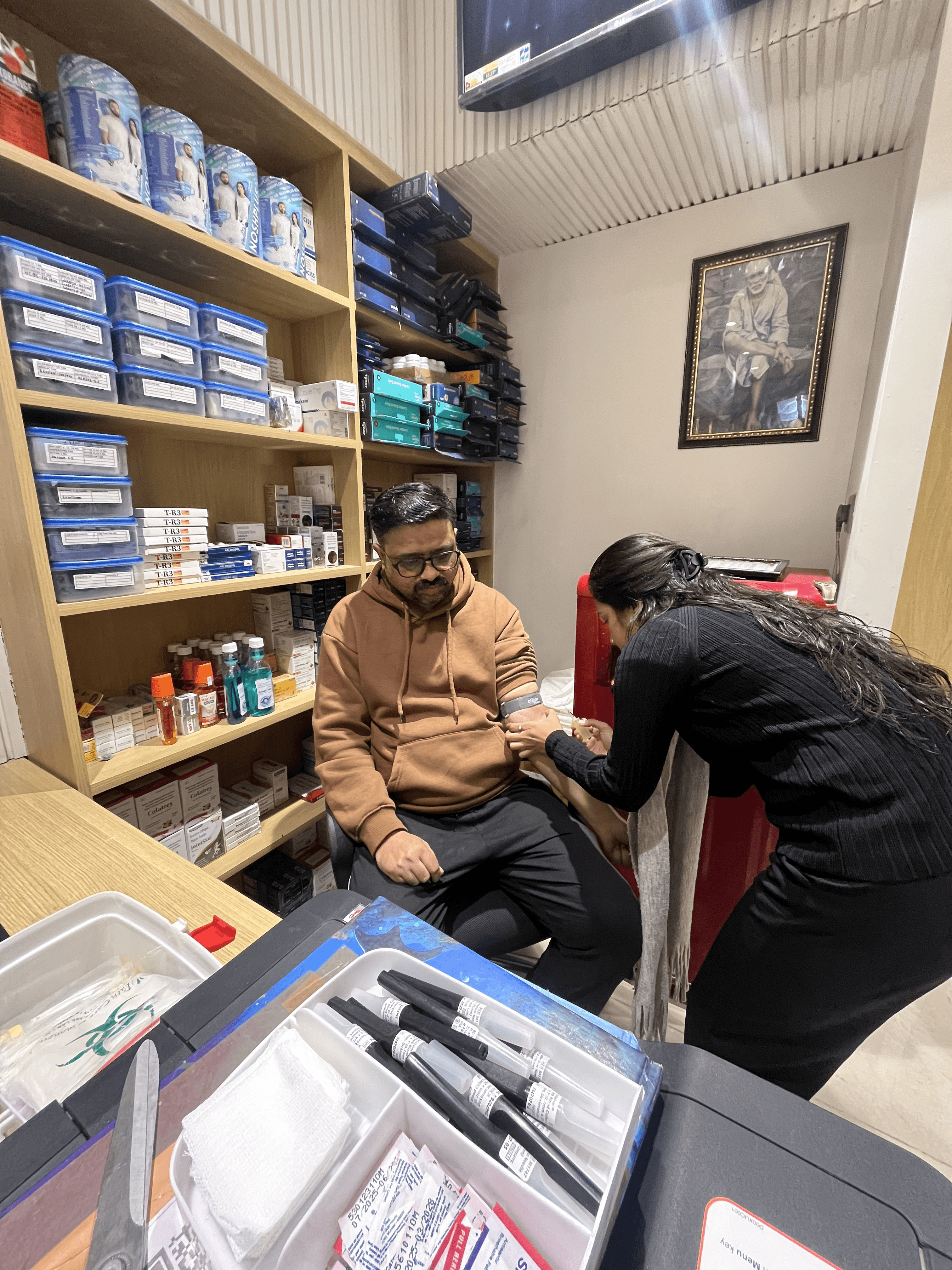
A glimpse into our modern dental clinic, advanced technology, and patient-friendly environment at Renew Dental.
Explore our thoughtfully designed clinic spaces built to provide comfort, cleanliness, and a calming experience for patients of all ages.

Best Dentist in Noida
Renew Dental Clinic located in Noida, Sector 47, is one of the leading dental clinics. Founded by Dr. Suchi Singh who is widely regarded as one of the best dentists in Noida, the clinic is committed to delivering personalised and high-quality dental care. Dr. Suchi Singh focuses on customised treatment plans designed around each patient’s unique needs, ensuring advanced, comfortable and reliable dental care at Renew Dental Clinic.

Your Trusted Dental Experts

Complete Dental Care

Friendly Dental Space

No Hidden Charges
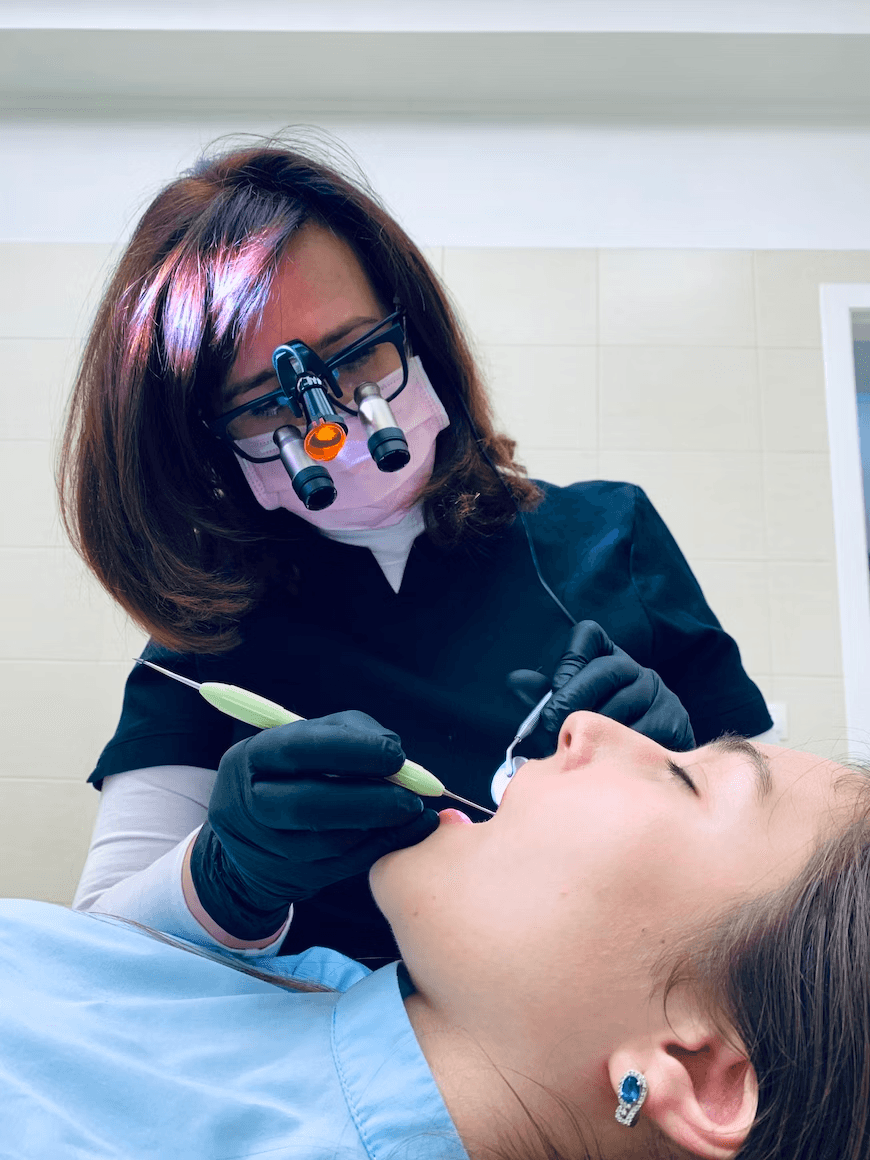
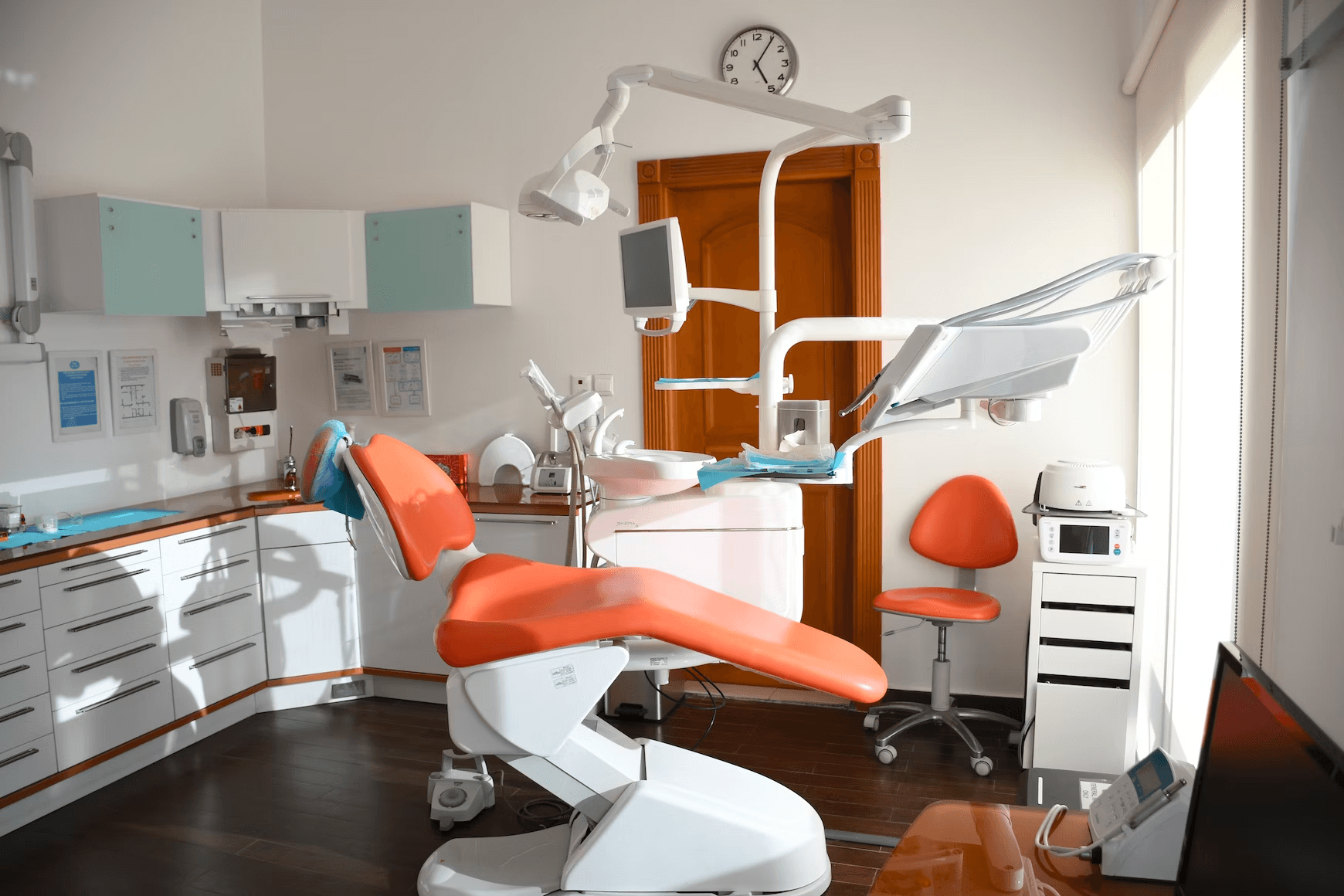

Two trusted dental clinics in Noida — Renew Dental (Sector 47) and Tooth & Truth (Sector 34) — for gentle, modern care.

Renew Orthopedic Clinic, A-321, Basement Floor, Next to Mother Dairy Store, Sector 47, Noida, Uttar Pradesh 201303
 +91 99710 35300
A-98/A, Block A, Sector 34, Noida, Uttar Pradesh 201307
+91 99710 45002© 2026. All rights reserved | Designed and Developed by Zarle Infotech