By Renew Dental ClinicPublished on
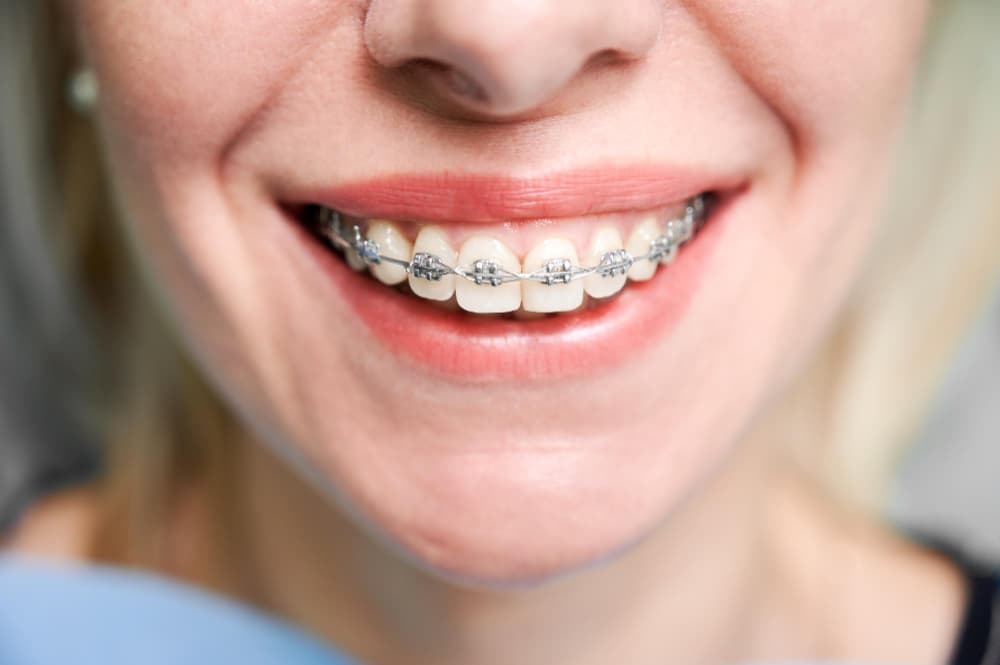
A close-up of a woman's teeth which have braces on them.
Getting braces means committing to two things simultaneously: the treatment itself, and the hygiene that protects your teeth through it. The second one is harder — and far more consequential if ignored — than most patients are warned about at the start.
Brackets and wires create an entirely new landscape in the mouth. Every bracket surface is a plaque trap. Every wire is a barrier between the toothbrush and the gumline. Every space between the bracket base and the tooth surface is a location where bacteria can establish themselves and stay undisturbed for days.
The patients who finish orthodontic treatment with genuinely beautiful results — aligned teeth, healthy gums, no white spots — are the ones who adapted their oral hygiene to this new landscape from day one. Those who didn't adapt sometimes remove their braces to discover new decay or decalcification marks around every bracket — permanent damage to enamel that wasn't there when treatment started.
Before braces, you're cleaning teeth. After braces go on, you're cleaning teeth plus the hardware attached to them.
Each bracket has four corners and a base surface that sits against the tooth. The wire threads through every bracket. The combination creates surfaces that a standard toothbrush cannot reach with normal technique, and spaces between which food and plaque accumulate in ways they wouldn't on unobstructed teeth.
White spot lesions. The most common complication of poor hygiene during braces. Plaque accumulating around brackets produces acid continuously, which dissolves the mineral content of the enamel immediately surrounding the bracket. The result is a permanent white, chalky mark left on the tooth surface where the bracket was — visible the moment the braces come off. These marks cannot be fully reversed; they can only be managed with remineralisation treatments, microabrasion, or composite masking.
Gingivitis and gum inflammation. The bacteria that accumulate between the wire and the gumline drive chronic gum inflammation throughout treatment. Patients with consistently poor hygiene during braces frequently have puffy, swollen gum tissue that may not resolve immediately after treatment ends.
Decalcification and cavity formation. In more severe cases, the enamel doesn't just lose surface mineral — cavities form at the bracket margins. Discovering active decay around a bracket mid-treatment disrupts the orthodontic plan and adds significant treatment complexity.
None of this is inevitable. It's entirely preventable with the right approach and the right tools.
Standard round-headed toothbrushes can be used with braces, but orthodontic toothbrushes — designed with V-shaped or bi-level bristles — are specifically engineered for the bracket-and-wire environment. The V-shaped bristle pattern allows the longer outer bristles to reach the tooth surfaces above and below the bracket while the shorter inner bristles clean around the bracket face itself.
An electric toothbrush on a moderate setting is also effective and is often preferred by patients because it does more of the technique work automatically — particularly useful in the first weeks of treatment when the brackets and wire feel strange and awkward to navigate around.
For cleaning between brackets and under the archwire, the interdental brush — a small bottle-brush-shaped implement — is the most effective tool available. It reaches where a standard toothbrush simply cannot go.
The technique: insert the brush gently under the archwire, then work it between the bracket bases on adjacent teeth. Move it back and forth gently to displace plaque from the bracket sides and the tooth surfaces adjacent to the wire. The brush should fit without forcing — if it won't go without significant pressure, try a narrower size.
Interdental brushes come in different diameter sizes. During orthodontic treatment at Renew Dental Clinic, Sector 47, Noida, Dr. Suchi Singh advises on the appropriate sizes for each patient's specific bracket spacing and arch anatomy.
Studies show interdental brushes are more effective than floss at removing plaque in the spaces around brackets and under wires. For patients with braces specifically, they're the most efficient per-minute cleaning tool for the between-bracket areas.
Standard string floss cannot pass under the archwire without a threader. A floss threader is a flexible, pointed plastic loop that threads the floss under the wire, allowing it to reach the contact point between teeth and the gumline beneath — areas the interdental brush doesn't access as well.
The process: thread the floss through the threader loop, pass the pointed end under the archwire, pull the floss through until you have enough to work with, then clean between the two adjacent teeth in the standard C-shape technique, reaching below the gumline on each tooth. Remove the floss by pulling it out from the side (not back through the wire), and repeat at each contact point.
This process is slow — threading floss for a full mouth takes 15 to 20 minutes when you're learning. Most patients do a full floss thread once daily (before bed is practical) and use interdental brushes as the faster between-meal option.
Superfloss (Oral-B and similar brands) is pre-cut floss with three sections: a stiffened end that passes under the wire without a threader, a spongy floss section that cleans around brackets, and standard floss for between-tooth cleaning. It simplifies the threading process significantly and is popular among orthodontic patients.
Superfloss segments are available in most pharmacies and are more convenient than a separate threader and floss combination for daily use.
A water flosser used at medium pressure effectively dislodges food from between brackets and under wires, and irrigates the gumline. It's not as physically disruptive of plaque as mechanical flossing or interdental brushing — it flushes rather than scrapes — but it's dramatically better than no interdental cleaning.
For patients who find threaded flossing too time-consuming to do consistently, a water flosser as the primary interdental cleaning method is significantly better than the alternative of skipping interdental cleaning altogether. The consistency of use matters more than the theoretical superiority of any single method.
The order matters. Interdental cleaning before brushing clears debris from between the brackets and under the wires, allowing the toothbrush to access surfaces that were previously blocked.
Step 1: Rinse with water to dislodge loose food particles.
Step 2: Use the interdental brush under the archwire and between brackets — work through the full mouth, upper and lower.
Step 3: Floss (or superfloss) through the contact points at least once daily, ideally before the brushing session.
Step 4: Brush with an orthodontic or soft-bristled toothbrush using the modified technique described below.
Step 5: Rinse with an antimicrobial or fluoride mouthwash.
The standard gumline brushing technique needs adjustment with braces in place.
Hold the brush at 45 degrees to the gumline and use short circular strokes — the same technique as without braces. But add two additional angles:
Above the bracket: Angle the brush downward (for upper teeth) or upward (for lower teeth) to clean the tooth surface and gumline above the bracket. This is the space most people miss — between the bracket and the gum.
Below the bracket (at the bracket face): Hold the brush more horizontally to address the bracket face and the tooth surface between the bracket and the biting edge.
The result: you're cleaning three zones per tooth surface — above the wire, at the bracket, and below the bracket — rather than just sweeping across. Each zone gets deliberate attention.
Two minutes of brushing for a full mouth without braces. With braces, plan for 3 to 4 minutes — the additional bracket surfaces take additional time.
Without braces: brushing twice daily is adequate for most adults. With braces: food gets trapped in brackets and wires after every meal, and leaving it there for hours creates sustained bacterial activity at the bracket margins.
The recommendation during orthodontic treatment is to brush after every meal — not just morning and night. This isn't necessarily a full 3-minute session each time; a 60-second focused rinse and interdental brush sweep after lunch significantly reduces the bacterial accumulation that would otherwise persist until the evening brushing session.
For patients at school or at work in Noida who can't brush after lunch: a water flosser if one is available, or at minimum a thorough water rinse to dislodge food before bacteria have time to organise around it.
Fluoride is a particularly important protective measure during brace treatment because of the elevated risk of enamel demineralisation around brackets.
Fluoride toothpaste: Non-negotiable. Use it at every brushing session and don't rinse immediately after — let the fluoride residue work.
Fluoride mouthwash: Using a 0.05% sodium fluoride rinse daily (at a different time from brushing) adds an additional fluoride application that reaches around and behind brackets.
Professional fluoride varnish: At check-up appointments at Renew Dental Clinic, fluoride varnish applied to bracket margins provides targeted high-concentration protection at the most vulnerable areas. This is one of the most effective preventive interventions for patients undergoing orthodontic treatment.
Avoid whitening toothpastes during brace treatment. The whitening abrasives in these products clean the exposed enamel around brackets but cannot reach under the brackets themselves. When braces come off, the exposed bracket areas — protected during treatment — will be whiter than the surrounding enamel that was being whitened. The result is an inverted pattern of discolouration that's more noticeable than if no whitening was attempted at all.
Once braces come off, most patients receive retainers — either removable clear retainers or fixed (bonded) retainers on the inner surfaces of the front teeth.
Removable retainers: Remove, clean with a soft brush and mild soap (not toothpaste, which scratches clear retainer surfaces), and store in a clean case when not in use. Wear as prescribed.
Fixed retainers: A thin wire bonded to the inner surfaces of the lower (and sometimes upper) front teeth. These require exactly the same threaded flossing technique as braces — floss must be threaded under the retainer wire to clean between each tooth. Neglecting to clean under fixed retainers leads to calculus buildup on the wire and the teeth it contacts, which can compromise both gum health and the retainer's long-term success.
My gums bleed when I use the interdental brush — is that normal?
If hygiene has been inconsistent, the gum tissue around brackets will be inflamed and will bleed on contact. This typically improves within 2 to 3 weeks of consistent cleaning as the inflammation reduces. Heavy or persistent bleeding warrants a check-up.
How often should I clean the interdental brush itself?
Rinse it thoroughly after each use. Replace it when the bristles become bent or discoloured — typically every 1 to 2 weeks depending on use frequency.
Can I use any mouthwash with braces?
Yes — fluoride-containing mouthwashes are recommended. Avoid whitening mouthwashes for the same reason as whitening toothpastes during brace treatment.
My orthodontist is at a different clinic — should I still come to Renew Dental for check-ups?
Yes. Orthodontic check-ups monitor the tooth movement. Dental check-ups monitor tooth and gum health throughout treatment. Both are needed. Dr. Suchi Singh coordinates care with the orthodontist where needed.
For orthodontic oral hygiene guidance or a check-up at Renew Dental Clinic, Sector 47, Noida, call (0120) 498-8333.
Monday–Saturday 10:30 AM – 8:00 PM | Sunday 11:00 AM – 2:30 PM.
 Copy
Copy
Most people who floss aren't doing it correctly. This guide covers the proper technique for...
31 Aug 2026
by Renew Dental Clinic

Hormonal changes during pregnancy significantly affect gum health, and untreated dental infections carry real risks....
25 Aug 2026
by Renew Dental Clinic
Diabetes worsens gum disease. Gum disease makes diabetes harder to control. This guide explains both...
24 Aug 2026
by Renew Dental Clinic
Dealing with a sudden sharp zing from a sensitive tooth? This guide covers what to...
14 Jul 2026
by Renew Dental Clinic
Need a tooth filling in Noida? This complete guide covers every type of dental filling...
08 Jun 2026
by Renew Dental Clinic
Do you grind your teeth at night? This guide explains what bruxism is, why it...
27 May 2026
by Renew Dental Clinic
Considering clear aligners in Noida? This complete guide covers how invisible braces work, who they're...
25 May 2026
by Renew Dental Clinic
Looking for orthodontic treatment near Greater Noida? This guide covers all braces and aligner options...
10 Jun 2026
by Renew Dental Clinic
Most Noida parents wait until their teenager asks for braces. Learn when to book an orthodontic assessment, which options suit teens, and what to expect.
09 Oct 2026
by Renew Dental Clinic

Mouth ulcers in children can cause pain, difficulty eating, and irritation. Learn about the causes, symptoms, prevention tips, and treatment options at Renew Dental, Noida.
13 May 2026
by Renew Dental Clinic

Discover the benefits of dental sealants for kids and adults. Understand how this protective procedure...
22 Sept 2025
by Renew Dental Clinic
Looking for a paediatric dentist in Noida? This guide explains when to bring your child...
26 May 2026
by Renew Dental Clinic

Want to know if scaling and polishing are actually necessary for teeth or not? Know...
27 Oct 2025
by Renew Dental Clinic

Having a healthy mouth for life is not just about having a bright smile; it...
03 Sept 2025
by Renew Dental Clinic
Water flossers are increasingly popular in India's urban markets. This guide explains what they actually...
10 Aug 2026
by Renew Dental Clinic
Discover how thousands of patients trust Renew Dental Clinic with their smiles.
Very good staff, within budget and hygienic environment..
Hands down the best dental care I've ever received from Dr.Suchi Singh, She is the best dentist in Noida and had an amazing treatment, and my followup visits were quick and painless. Definitely willing to travel the extra distance for this dentist!
This clinic is perfect and it works very well😁😁
Excellent doc. The entire team is very comforting .
Excellent service, very clean facility, and highly professional staff. Dr. Ganguly was extremely patient and attentive throughout the entire procedure. He clearly explained the process, its impact, and addressed all my concerns. Highly recommended — a truly satisfactory experience.
Best dental clinic in noida..
I had a very good experience at Renew Dental Clinic during my implant and RCT treatment. The doctors and staff were extremely kind, supportive, and professional throughout the entire process. What I appreciated the most was their care and attention towards patient comfort — the treatment was smooth and almost painless.
Excellent experience. Having tried multiple dentists earlier, finally found the one that is excellent at what they do. I live in Delhi, but it was worth traveling to Noida all the way for my treatment. The coordinators were on point, maintained clean hygiene, Dr Pooja in specific was very accommodating and made sure I was comfortable.
Excellent work I have a wonderful experience
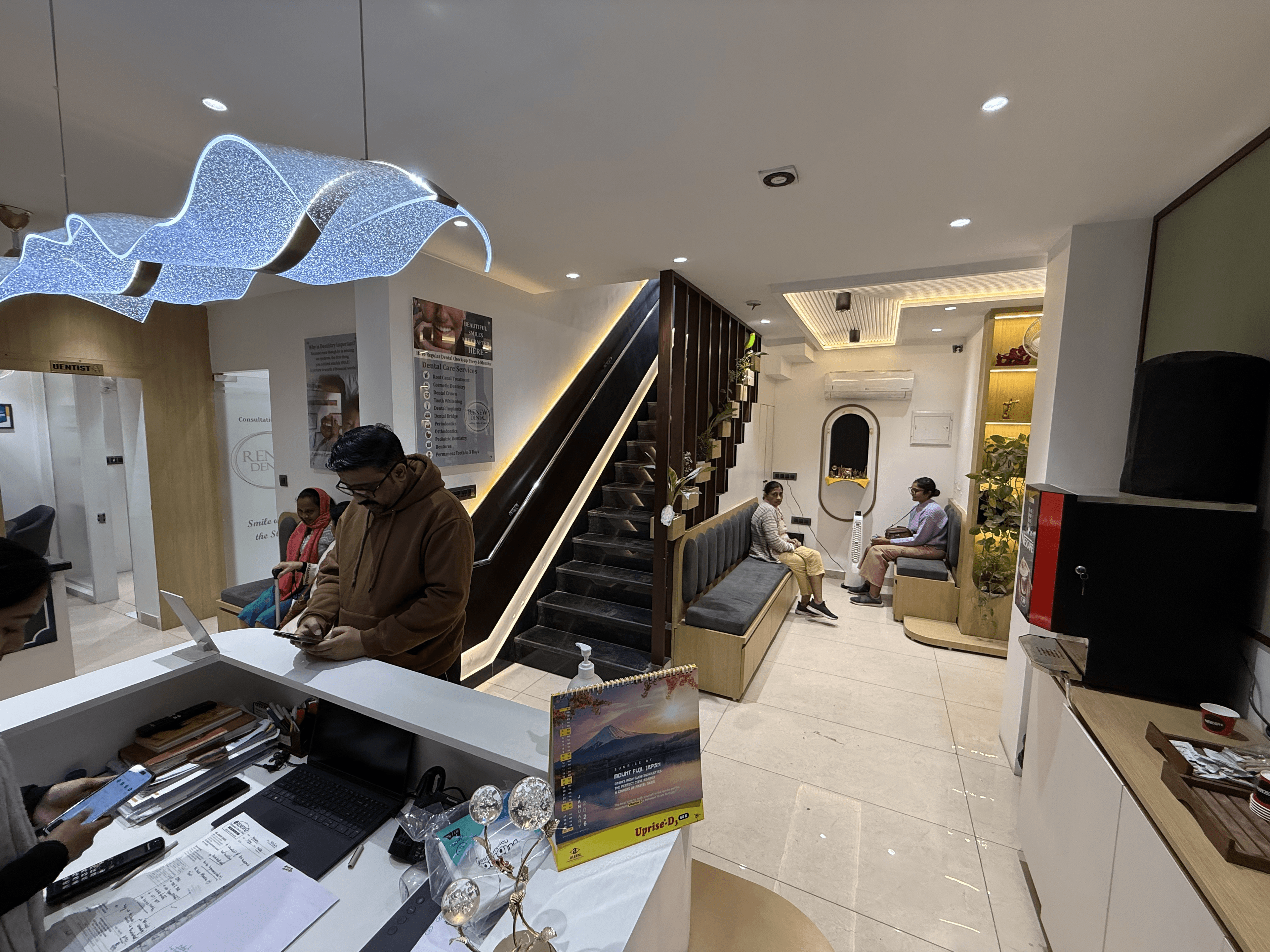
A glimpse into our modern dental clinic, advanced technology, and patient-friendly environment at Renew Dental.
Explore our thoughtfully designed clinic spaces built to provide comfort, cleanliness, and a calming experience for patients of all ages.

Best Dentist in Noida
Renew Dental Clinic located in Noida, Sector 47, is one of the leading dental clinics. Founded by Dr. Suchi Singh who is widely regarded as one of the best dentists in Noida, the clinic is committed to delivering personalised and high-quality dental care. Dr. Suchi Singh focuses on customised treatment plans designed around each patient’s unique needs, ensuring advanced, comfortable and reliable dental care at Renew Dental Clinic.

Your Trusted Dental Experts

Complete Dental Care

Friendly Dental Space

No Hidden Charges
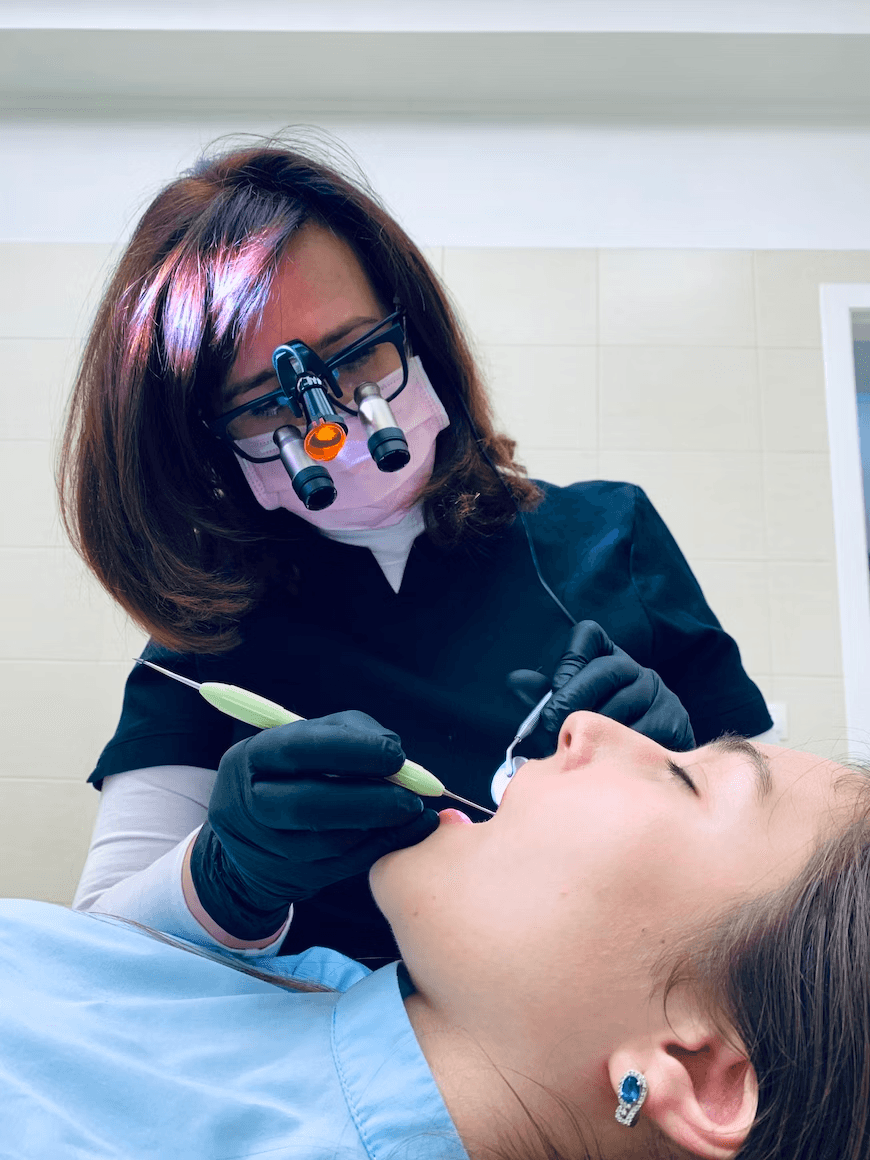
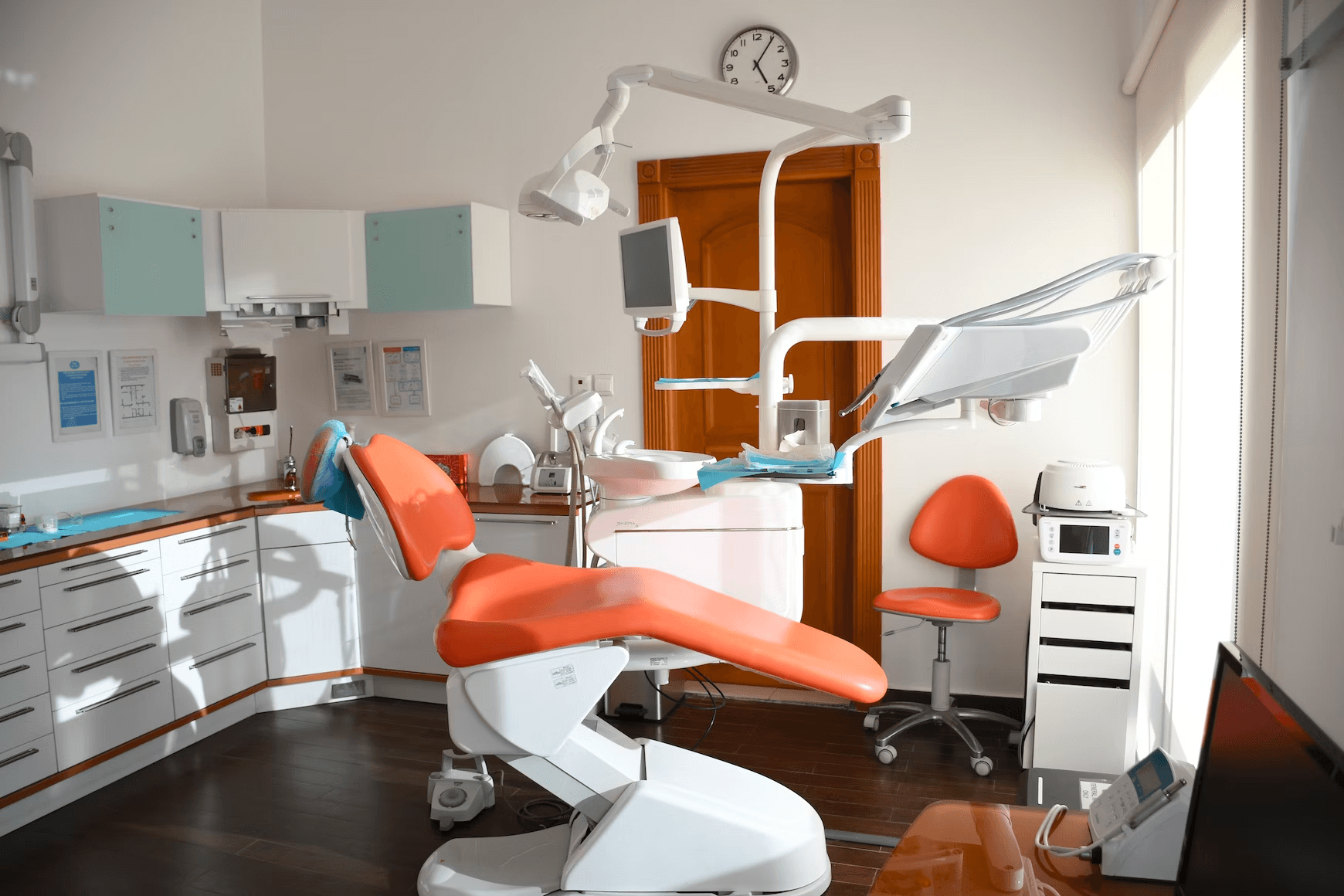

Two trusted dental clinics in Noida — Renew Dental (Sector 47) and Tooth & Truth (Sector 34) — for gentle, modern care.

Renew Orthopedic Clinic, A-321, Basement Floor, Next to Mother Dairy Store, Sector 47, Noida, Uttar Pradesh 201303
 +91 99710 35300
A-98/A, Block A, Sector 34, Noida, Uttar Pradesh 201307
+91 99710 45002© 2026. All rights reserved | Designed and Developed by Zarle Infotech