Clear Aligners In Noida - Invisible Braces For A Confident Smile
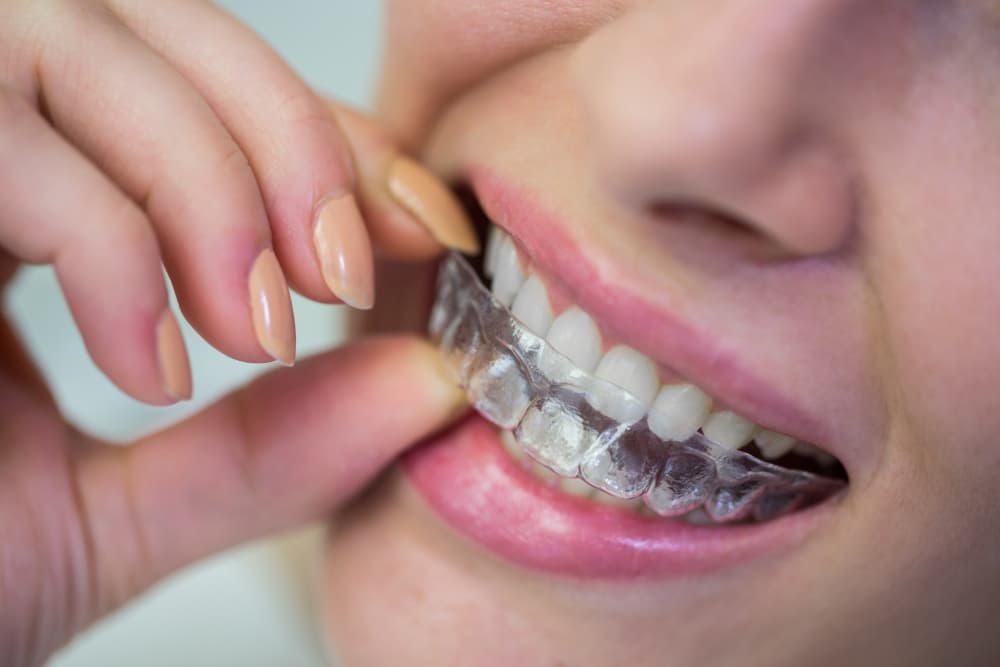
Woman wearing orthodontic silicone invisible braces.
For anyone who wants straighter teeth but has spent years avoiding braces because of how they look, clear aligners changed the conversation. These thin, transparent, removable trays fit snugly over your teeth and move them gradually toward alignment — without brackets, without wires, and without most of the visual impact of traditional braces. When worn, they're nearly impossible to detect at a conversational distance. When removed — for meals, for an important meeting, for a photograph — your teeth look exactly as they do now.
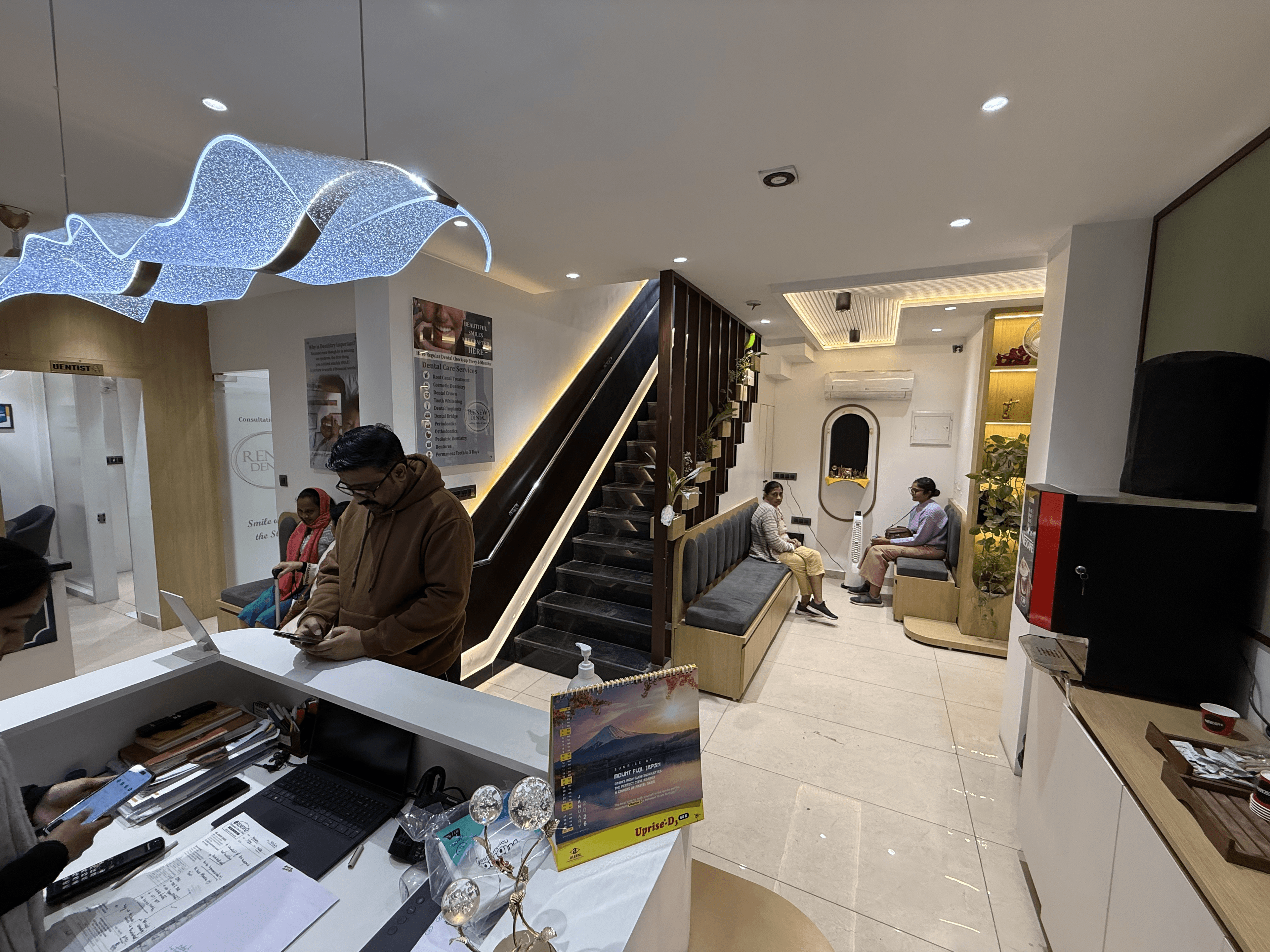
At Renew Dental Clinic in Sector 47, Noida, clear aligner treatment is offered to appropriate candidates following thorough assessment. This guide covers everything you need to know about how aligners work, whether they're right for your teeth, and what the experience of wearing them actually involves.
What Are Clear Aligners?
Clear aligners are a series of custom-made, removable orthodontic trays fabricated from a clear thermoplastic material. Each tray is designed to apply specific pressure to specific teeth, moving them a small amount — typically 0.25 to 0.33 mm per tray — toward their target position.
You wear each tray for approximately 1 to 2 weeks before moving to the next in the series. Over the full course of treatment, the sequence of trays progressively moves all teeth into their corrected positions.
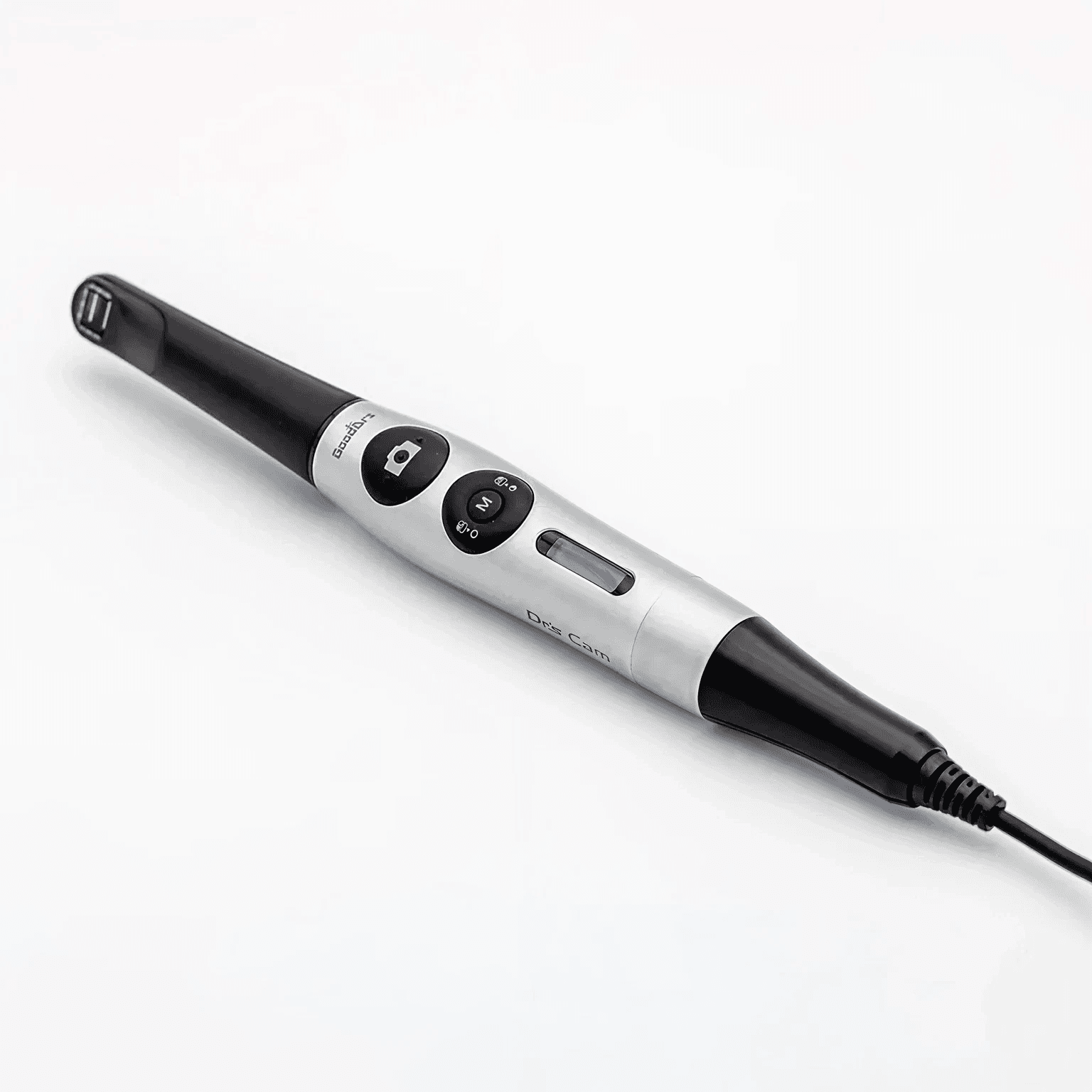
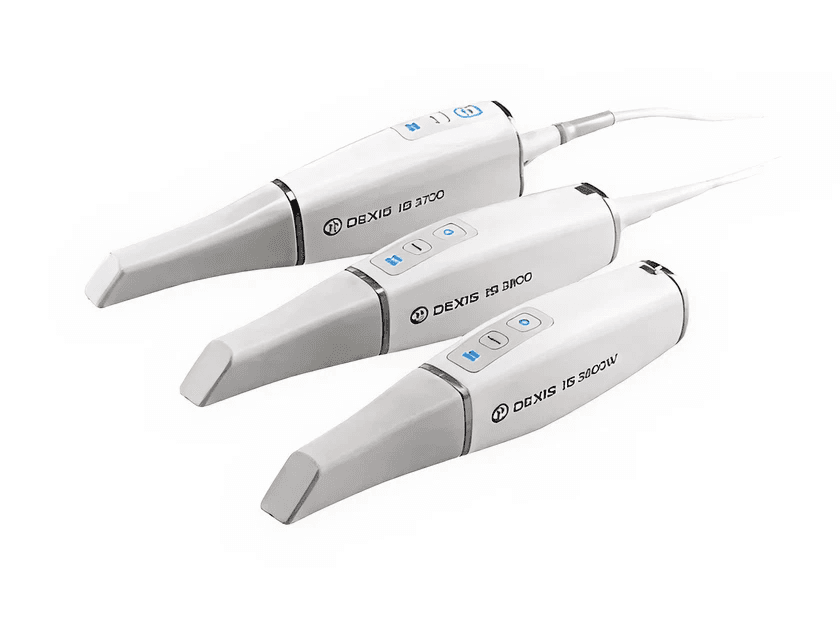
The trays are fabricated using digital 3D models of your teeth — either taken through a digital intraoral scanner or through traditional dental impressions. Software maps the movement required from your current tooth positions to your target positions, and the full series of trays is produced accordingly.
How Clear Aligners Differ from Traditional Braces
Understanding the differences helps patients choose the right treatment — and avoids disappointment later.
Appearance: Clear aligners are virtually invisible during wear. Traditional metal braces are clearly visible. Ceramic braces are more discreet than metal but still noticeable. On pure aesthetics, aligners win decisively.
Removability: Aligners are removed for eating, drinking (anything other than plain water), brushing, and flossing. Fixed braces cannot be removed by the patient. Removability is both an advantage — you eat and clean normally — and a responsibility, because compliance is entirely self-managed.
Comfort: Aligners have no brackets or wires. There's no risk of bracket edges cutting the inside of the cheeks or wires poking the gumline. The pressure from aligners can cause some discomfort when a new tray is first worn, particularly in the first 24 to 48 hours — but this is typically milder than the soreness following a brace wire adjustment.
Suitability: Fixed braces handle a broader range of cases. Aligners are most effective for mild to moderate alignment issues. Severe crowding, complex bite corrections (significant overbites, underbites), and cases requiring rotation of back molar teeth may not be suitable for aligners, or may require longer aligner treatment than equivalent fixed brace treatment.
Discipline requirement: Fixed braces work regardless of patient behaviour (beyond hygiene). Aligners require the patient to wear them for 20 to 22 hours per day. Every hour the trays are out is an hour teeth aren't moving — and if trays are consistently worn for fewer hours than required, treatment extends significantly or fails to complete.
Who Is a Good Candidate for Clear Aligners in Noida?
After a clinical assessment at Renew Dental Clinic, Dr. Suchi Singh determines aligner suitability based on the following:
Suitable Cases for Aligners
- Mild to moderate crowding — teeth that are slightly overlapping or twisted, but not severely
- Mild to moderate spacing — gaps between teeth that need to be closed
- Minor overbite or open bite — small deviations in how upper and lower teeth meet
- Relapse cases — adults whose teeth have shifted after previous orthodontic treatment and need minor correction
- Adults with healthy teeth and gums who can commit to consistent wear
Cases Where Fixed Braces Are Recommended Instead
- Severe crowding — significant overlap that requires substantial tooth movement
- Complex bite issues — significant overbite, underbite, or crossbite
- Significant rotation of back teeth — molars and premolars respond less predictably to aligner forces
- Patients with active gum disease — this must be treated before orthodontic treatment begins
- Patients unlikely to maintain compliance — if wearing the trays for 20 to 22 hours daily isn't realistic, fixed braces will produce better results
One of the most common mistakes in clear aligner treatment across India is fitting patients for aligners when their cases actually require fixed braces — often because the patient requests it and the clinic doesn't push back. At Renew Dental, you're told what your teeth actually need, not just what you want to hear.
The Clear Aligner Treatment Process at Renew Dental, Noida
Step 1 — Consultation and Assessment
Dr. Suchi Singh examines your teeth, discusses your alignment concerns and goals, and assesses whether clear aligners are clinically appropriate for your case. If they are, the process moves to records.
Step 2 — Digital Scanning or Impressions
A precise digital or physical model of your teeth is created. This is the foundation for the aligner fabrication.
Step 3 — Treatment Planning and Simulation
Using specialised software, your dentist maps out the movement your teeth need to undergo — from their current position to the desired final position. In some systems, a 3D simulation of the expected outcome is viewable before treatment begins, giving you an idea of the projected result.
Step 4 — Aligner Fabrication
The complete series of trays — anywhere from as few as 10 to over 40, depending on complexity — is fabricated. The trays are produced in sequence, each one slightly different from the last.
Step 5 — Fitting and Instructions
Your first set of trays is fitted. You receive detailed instructions on:
- How to insert and remove the trays
- How long to wear them each day (20 to 22 hours minimum)
- When to progress to the next tray
- How to clean the trays properly
- What to do if a tray is lost or damaged
Step 6 — Regular Progress Check-ups
You return to Renew Dental every 6 to 8 weeks for progress assessments. Your dentist checks that teeth are moving as planned, makes any minor adjustments needed, and provides the next set of trays.
Step 7 — Completion and Retainers
When the final tray is complete and teeth are in their target positions, the active treatment phase ends. Retainers are then provided — typically clear retainers worn nightly — to hold the result permanently. Skipping retainers means teeth will drift back over time.
Attachments — What Are They and Will You Need Them?
Many patients are surprised to learn that clear aligner treatment sometimes requires small tooth-coloured composite "bumps" bonded to specific teeth — called attachments or buttons. These provide the aligner with something to grip, allowing more controlled movement of teeth that would otherwise slide freely within the tray.
Attachments are tooth-coloured and not easily visible, but they do make the aligner slightly less invisible than the plain tray. They're removed at the end of treatment.
Not every case requires attachments. Your dentist will tell you whether they're part of your specific treatment plan.
Caring for Your Aligners and Teeth During Treatment
Clear aligner treatment is far more straightforward than fixed braces in terms of hygiene, but it does require consistent habits.
Cleaning the Aligners
Rinse trays under cool (not hot) water after removing them. Clean them daily using a soft toothbrush and a small amount of clear soap or a dedicated aligner cleaning solution. Never use toothpaste on aligners — it scratches the surface, creating areas where bacteria accumulate and making the trays cloudy.
Never use hot water — it warps the thermoplastic material and ruins the tray.
Oral Hygiene During Treatment
Because aligners are removed for meals, oral hygiene is considerably simpler than with fixed braces. However, it's important to brush and floss before replacing the trays after eating — food trapped under an aligner against a tooth is a significant cavity risk.
The discipline: every time the aligner comes out for eating, it goes back in after cleaning. No exceptions.
What You Can and Can't Do with Aligners In
Can do: Drink plain water. Speak. Sleep. Work out (at moderate intensity — for high-contact sports, a protective mouthguard over the aligner is advisable).
Cannot do: Eat or drink anything other than plain water. Even tea, coffee, and juice stain the trays and can also pool between the aligner and the tooth, causing decay.
Common Concerns — Answered Honestly
Will aligners affect my speech?
Some patients notice a slight lisp in the first few days as the tongue adjusts to the trays. This resolves for most patients within a week. Speaking while wearing the trays helps the tongue adapt faster.
What if I lose a tray?
Contact Renew Dental immediately. Depending on where you are in treatment, you may need to go back to the previous tray or forward to the next. Keep your previous tray as a backup — always.
Can I eat what I want during treatment?
Yes, because you remove the aligners for eating. There are no dietary restrictions for the eating period itself. The restriction is on what you drink while wearing the trays.
What if I don't wear the aligners for 22 hours?
Treatment will take longer than planned, and the final result may be compromised. Consistent wear is the single most critical factor in aligner success.
Can I use aligners to fix a relapse from previous braces?
Yes. This is one of the strongest use cases for aligners — adults whose teeth have shifted after a previous course of braces often need only minor correction, and aligners are well suited to this.
Clear Aligners vs Fixed Braces — The Honest Summary
| Factor | Clear Aligners | Fixed Braces |
|---|---|---|
| Appearance | Nearly invisible | Visible (ceramic less so) |
| Removability | Yes | No |
| Suitability | Mild to moderate | Mild to severe |
| Discipline required | High | Low |
| Oral hygiene | Easier | More demanding |
| Emergencies | Lost tray | Broken bracket |
| Treatment time | Similar to braces for mild cases | Reliable across complexity |
Neither is universally better. The right choice depends on your teeth, your lifestyle, and your commitment.
Start Your Clear Aligner Journey at Renew Dental, Noida
If you're in Noida, Greater Noida, or across Delhi NCR and want to know whether clear aligners are the right option for your teeth, the starting point is a consultation with Dr. Suchi Singh at Renew Dental Clinic, Sector 47. You'll get an honest assessment — including whether aligners are right for your case or whether fixed braces would serve you better. No pressure, no upselling.
To book a consultation, call (0120) 498-8333.
Open Monday–Saturday, 10:30 AM – 8:00 PM | Sunday, 11:00 AM – 2:30 PM.