Best Toothpaste for Sensitive Teeth — What Actually Works

Two kids brushing their teeth, promoting healthy dental habits and the importance of daily oral care from an early age.
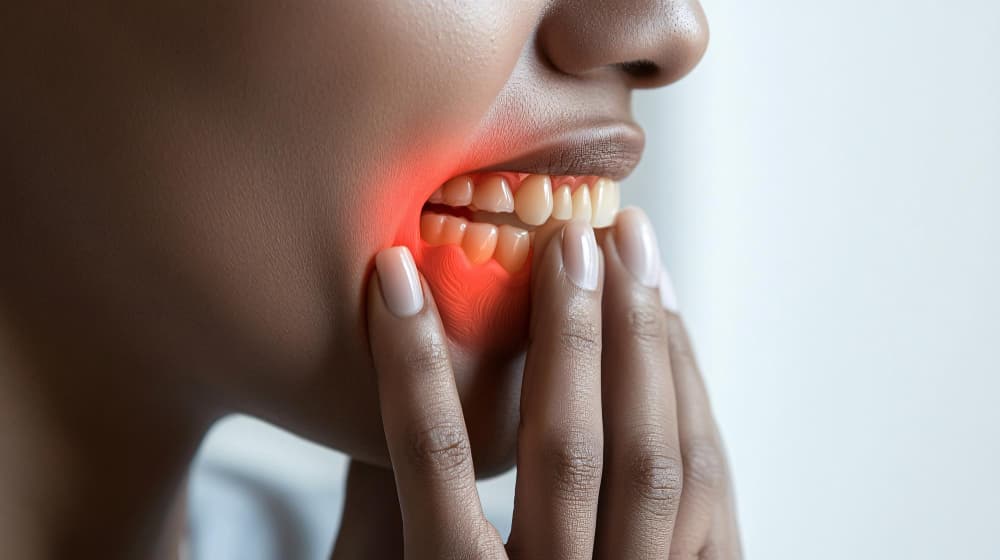
There's a specific kind of frustration that comes from drinking a cold glass of water and getting a sharp jolt of pain from a tooth. Or flinching every time hot chai touches a particular spot. You switch to sensitive toothpaste, wait a few weeks, and the question becomes: is this actually doing anything, or is it just marketing?
The honest answer is that sensitive toothpaste genuinely works — but not all of them work the same way, and some people use them incorrectly, which is why the relief never comes. Here's what the science actually says.
Why Teeth Become Sensitive in the First Place
The tooth's inner layer — dentine — contains thousands of microscopic channels called dentinal tubules. These connect the outer surface of the tooth to the nerve at the centre. When enamel is intact and gums are healthy, these channels are sealed off. When enamel wears down, gums recede, or a root becomes exposed, the tubules open up. Hot, cold, sweet, or even cold air reaches the nerve via these channels. That's the pain.
The triggers that expose dentinal tubules are worth knowing because toothpaste can't fix all of them:
- Enamel erosion from acid (tea, cola, citrus, GERD)
- Gum recession from aggressive brushing or gum disease
- Tooth grinding (bruxism) wearing enamel from the biting surfaces
- Cracked teeth — pain that's localised and gets worse, not better, over weeks
- Recent dental treatment — temporary sensitivity after fillings, whitening, or scaling is normal and settles
Sensitive toothpaste works for the first two and partially the third. A cracked tooth won't respond to it at all — that needs a dentist, not a supermarket aisle.
The Two Mechanisms That Actually Reduce Sensitivity
Most sensitive toothpastes work through one of two pathways.
1. Potassium Nitrate — Nerve Calming
Potassium nitrate works by penetrating through the dentinal tubules and accumulating around the nerve. It raises the nerve's threshold for firing a pain signal. Over time — typically 2 to 4 weeks of consistent twice-daily use — the nerve becomes less reactive to the same stimuli.
This is the ingredient in most Sensodyne formulations and the majority of sensitive toothpastes available in India. It doesn't seal anything. It just turns the volume down on the nerve's response. Stop using the toothpaste, and sensitivity tends to return within weeks, because the effect is ongoing rather than structural.
2. Arginine + Calcium Carbonate / Stannous Fluoride — Tubule Sealing
This mechanism physically blocks the dentinal tubules. Arginine — an amino acid found naturally in saliva — combined with calcium carbonate or stannous fluoride deposits a mineral plug at the entrance to each tubule. This plug can withstand acid exposure better than older formulations.
Colgate Sensitive Pro-Relief uses this approach (Pro-Argin technology). Several studies show it provides faster relief than potassium nitrate and holds up better after acid challenge. Stannous fluoride formulations (like Crest Pro-Health) also seal tubules alongside their antibacterial effect.
Which Is Better?
For speed, arginine-based or stannous fluoride formulations tend to work faster. For long-term management, both work if used consistently. Many dentists suggest that if one isn't giving you adequate relief after 4 weeks, switch to the other type — they work differently enough that a switch is worth trying.
What to Look for on the Label
Most sensitive toothpastes available in Indian pharmacies and supermarkets will have one of these active ingredients:
Potassium nitrate 5% — the most common in India. Works, takes a few weeks.
Stannous fluoride — found in Sensodyne Repair & Protect and similar formulations. Seals tubules and has antibacterial properties. More protective than potassium nitrate alone.
Arginine 8% + calcium carbonate — the Pro-Argin system in Colgate sensitive variants. Good data for rapid relief.
Nano-hydroxyapatite (n-HAp) — a newer ingredient that deposits mineral directly into the tubule. Less common in India currently but increasingly available in premium imports. Particularly useful if enamel remineralisation is also a goal.
Fluoride (sodium fluoride or sodium monofluorophosphate) — non-negotiable in any sensitive toothpaste you buy. Fluoride is what strengthens the remaining enamel and prevents further decay. A "sensitive" toothpaste without fluoride is missing the most important ingredient.
What to avoid: Highly abrasive toothpastes marketed as whitening or tartar control. These strip the enamel faster than sensitivity can be managed. If you have sensitive teeth and want whitening, look for formulations that combine sensitivity ingredients with gentle whitening (low-abrasion silica), not baking soda or harsh abrasives.
How to Use Sensitive Toothpaste Correctly
This matters more than which brand you choose.
The most common mistake is rinsing with water immediately after brushing. When you rinse, you wash away the active desensitising ingredients before they've had time to coat the tubules. The correct technique: spit, don't rinse. Leave the toothpaste residue in your mouth. It continues working for another 30 minutes.
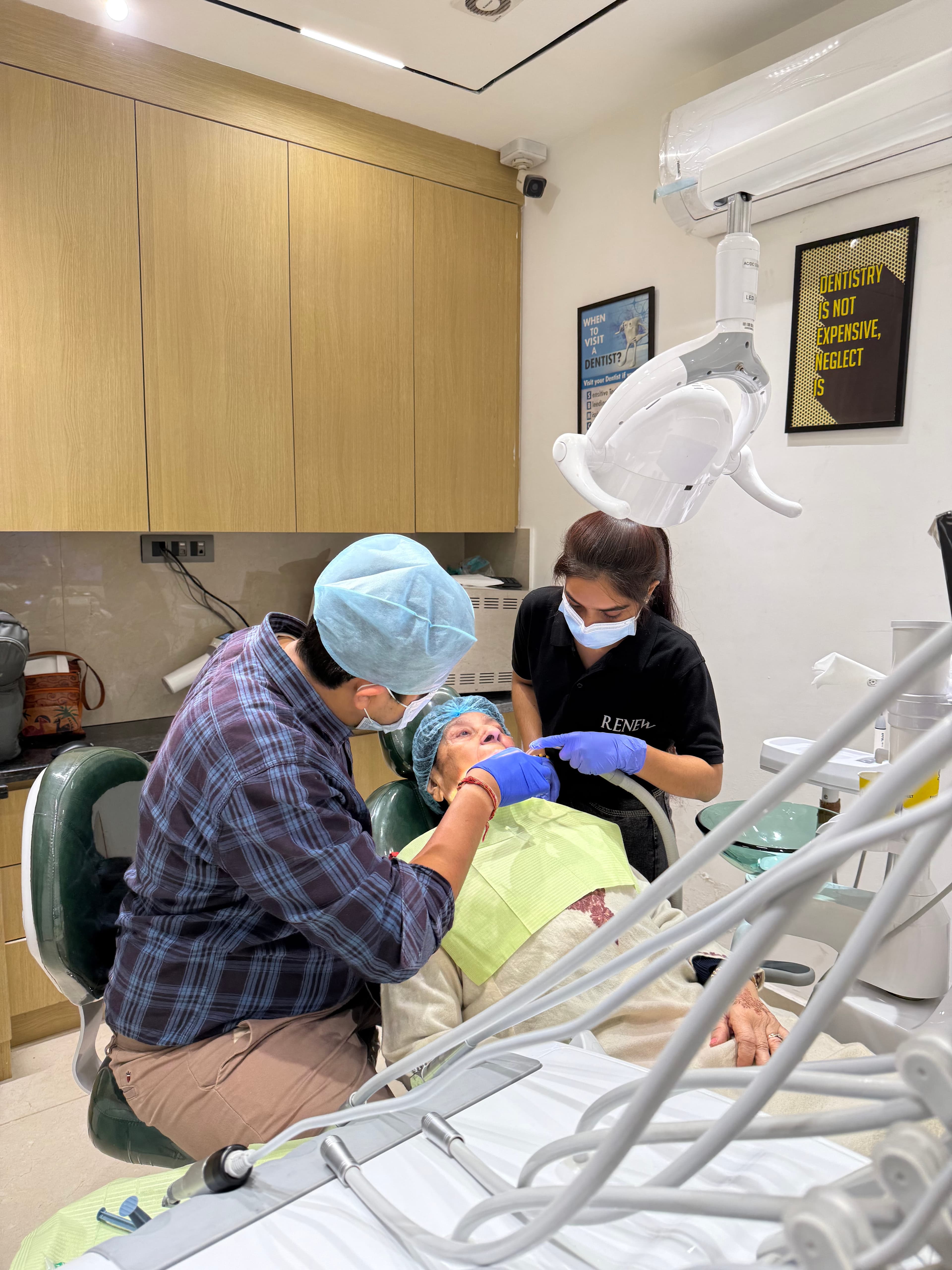
Many dentists at Renew Dental Clinic also recommend smearing a small amount of sensitive toothpaste directly onto the sensitive spot with a fingertip and leaving it for a few minutes before brushing — particularly if one specific tooth is causing most of the discomfort. This concentrates the active ingredient where it's needed.
Use it twice daily, every day. Sensitive toothpaste is not a one-week fix. The effect builds up over weeks of consistent use and diminishes when you stop.
When Toothpaste Isn't Enough
If you've used a sensitive toothpaste correctly for 4 weeks and haven't noticed meaningful improvement, two things are possible.
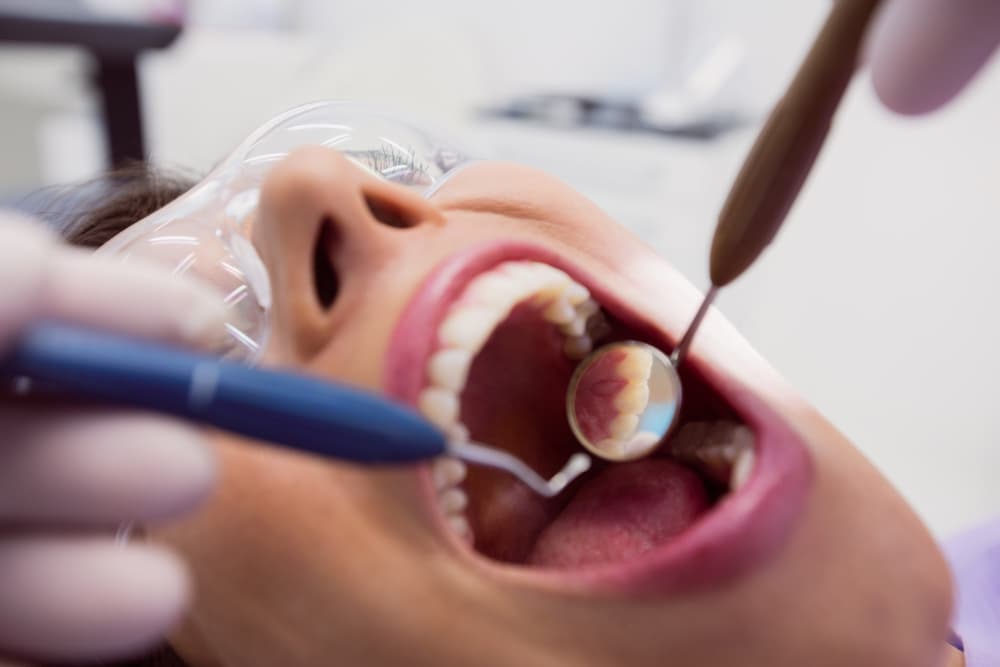
First, the underlying cause may not be dentine hypersensitivity at all. A cracked tooth, a failing filling, a cavity, or early pulpitis (inflammation of the nerve) all cause tooth sensitivity but don't respond to sensitive toothpaste. These need clinical diagnosis.
Second, the degree of enamel loss or gum recession may be too advanced for toothpaste to bridge. Professional treatments provide a stronger intervention:
Professional fluoride varnish — applied at the dental clinic, high-concentration fluoride provides an immediate protective layer over exposed dentine far stronger than any toothpaste can achieve at home. Recommended at every check-up for sensitive patients.
Prescription-strength fluoride toothpaste — available only through a dentist, these contain 5,000 ppm fluoride compared to the standard 1,000–1,450 ppm in over-the-counter products. For patients with significant enamel loss or very high cavity risk, this is a meaningful step up.
Composite bonding or veneers — where gum recession has exposed root surfaces extensively, a composite resin coating applied over the root provides lasting protection that no toothpaste can replicate.
Night guard — if grinding is identified as the cause, a custom-fitted night guard from Renew Dental stops the mechanical enamel loss that's driving sensitivity.
A Note on Sensitivity and Whitening
This combination trips people up regularly. Teeth whitening opens the dentinal tubules temporarily — which is why post-whitening sensitivity is so common. If you already have sensitive teeth and want to whiten, the sequence matters: use sensitive toothpaste for 2 weeks before starting whitening, and for 2 weeks after. This significantly reduces the whitening-related discomfort.
Also: do not use a whitening toothpaste as your daily paste if sensitivity is your primary concern. The abrasives in whitening toothpastes work against the enamel protection you're trying to rebuild.
When to See a Dentist About Tooth Sensitivity
Toothpaste is a starting point. See Dr. Suchi Singh at Renew Dental Clinic if:
- Sensitivity is getting worse rather than better over 4 weeks of using sensitive toothpaste
- Pain is sharp, throbbing, or spontaneous (occurring without a trigger)
- One specific tooth is clearly more affected than others — this pattern suggests structural damage like a crack or cavity
- Sensitivity followed recent dental work and hasn't settled after 2 weeks
- Gums around the sensitive teeth look different — receded, swollen, or discoloured
Sensitivity that progresses despite over-the-counter products almost always has a treatable underlying cause. The earlier it's identified, the simpler the treatment.
To book a consultation at Renew Dental Clinic, Sector 47, Noida, call (0120) 498-8333.
Monday–Saturday 10:30 AM – 8:00 PM | Sunday 11:00 AM – 2:30 PM.