By Renew Dental HospitalPublished on
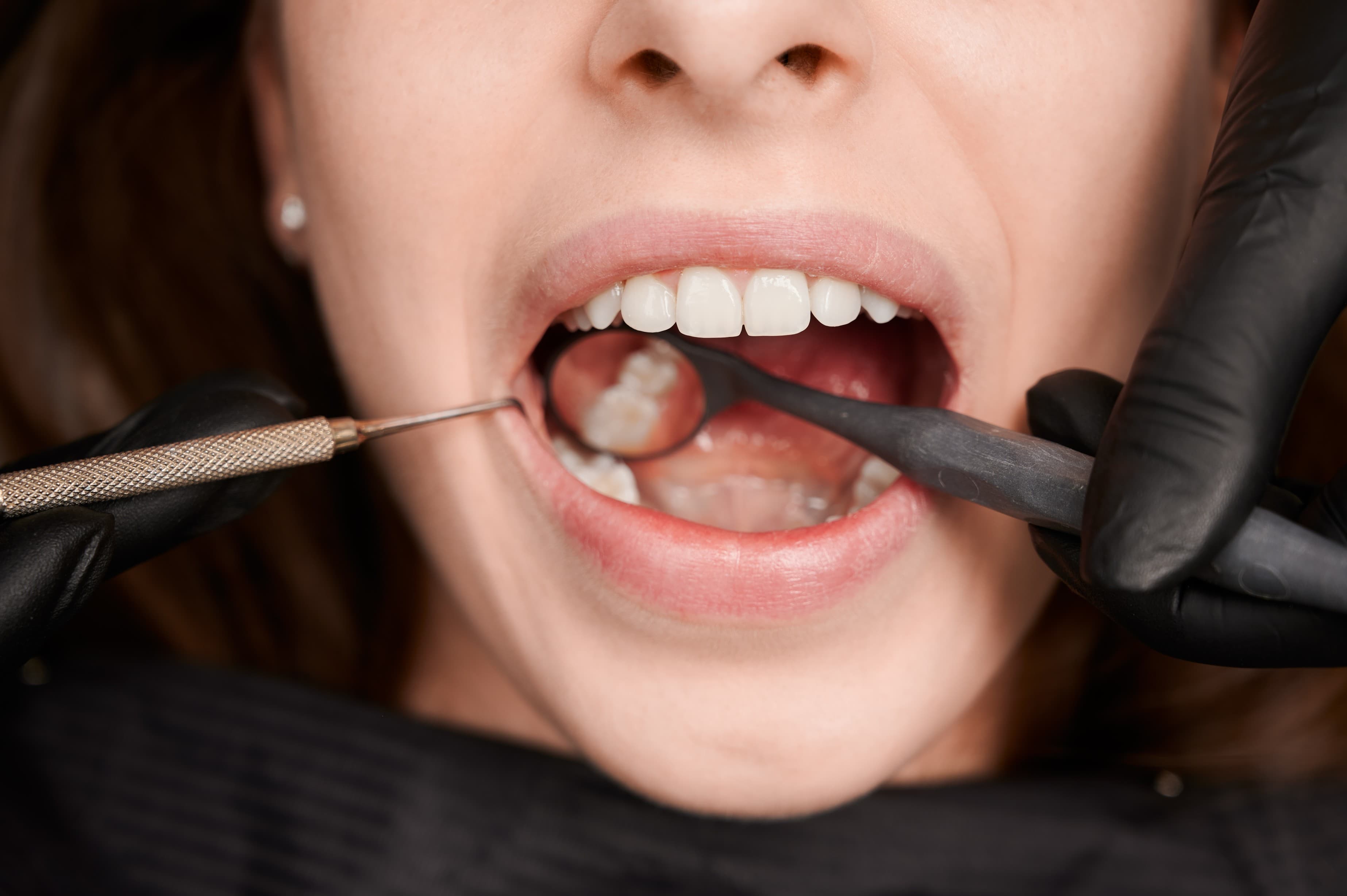
Bonding reshapes chipped, gapped or worn front teeth in one chairside visit, usually without removing enamel.
Composite bonding sits in an interesting position in cosmetic dentistry. It's one of the fastest, least invasive, and most affordable options available for improving smile aesthetics — and it's also consistently oversold as a solution for problems it genuinely can't address well. Understanding both its genuine strengths and its real limitations is the only way to know whether it's the right choice for what you're trying to achieve.
Composite bonding uses tooth-coloured resin — the same material used for modern dental fillings — applied directly to the tooth surface to change its shape, colour, length, or surface texture. Unlike veneers (which are fabricated in a laboratory and bonded in a second appointment), composite bonding is done entirely at the chairside in a single session.
The process: a mild etching agent prepares the tooth surface microscopically, a bonding primer is applied, then composite resin is built up on the tooth in small incremental layers. The dentist sculpts the material in its malleable state, shaping it to the desired form. A curing light hardens each layer. The result is then refined and polished to match the texture and sheen of natural enamel.
What makes it distinctive is how conservative it is. In most bonding cases, no enamel is removed — the bonding material is added to the tooth rather than replacing part of it. This makes it reversible in a way that veneers and crowns are not.
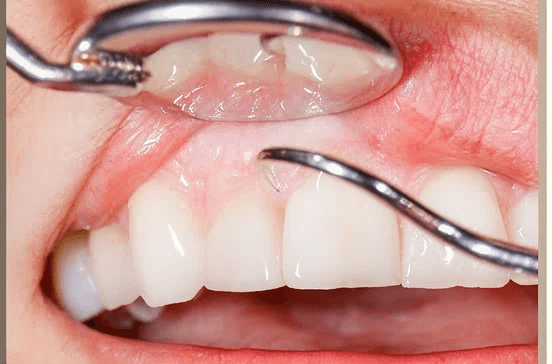
Chipped or fractured incisal edges. The classic application. A chipped corner on an upper front tooth — from biting something hard, a minor fall, or general wear — is restored in 30–60 minutes, no anaesthesia usually required, result indistinguishable from the original tooth when done well. This is probably where bonding performs at its best: the repair is functional, natural-looking, and durable for the light forces that front teeth bear.
Closing small to moderate gaps (diastema). By building out the sides of the teeth adjacent to the gap, bonding can close spaces up to about 2–3 mm. For a single central gap between the upper front teeth, bonding often produces a very natural result. For wider gaps or multiple spaces, orthodontics is a more appropriate first step — bonding to close a very large gap makes teeth appear unnaturally wide.
Minor shape corrections. Teeth that are slightly shorter than ideal, have pointed or sharp edges, or have an irregular shape that the patient wants to refine can often be improved with bonding. Adding material is straightforward; bonding can lengthen, widen, or round teeth with precision in a skilled dentist's hands.
Masking mild to moderate discolouration. When whitening hasn't produced adequate results, or when discolouration is more intrinsic (within the tooth) and whitening can't reach it, a thin composite layer bonded over the tooth surface masks the discolouration effectively. This is sometimes called a direct composite veneer — the effect is similar to a porcelain veneer but produced in one appointment.
Covering exposed root surfaces. When gum recession has exposed the root surface, composite bonding applied over the root covers the sensitive dentine, reduces temperature sensitivity, and protects against root caries. It's not as durable a solution as a gum graft for the underlying recession, but for patients who aren't candidates for surgery or prefer a non-surgical approach, it provides meaningful protection.
Building up worn teeth. Patients with mild bruxism-related enamel wear on the incisal edges of front teeth can have the lost height restored with composite. This works best for mild wear. Significant wear that has reduced the bite dimension requires more extensive (and more complex) restoration.
Significant colour change. Composite can mask discolouration, but the resin itself has some degree of translucency and the underlying tooth colour shows through. For teeth that are very dark — tetracycline-stained, severely discoloured from internal trauma — the composite layer needs to be very opaque to cover the underlying colour, which can look unnatural. Veneers, which are thicker and more opaque, handle significant colour change better.
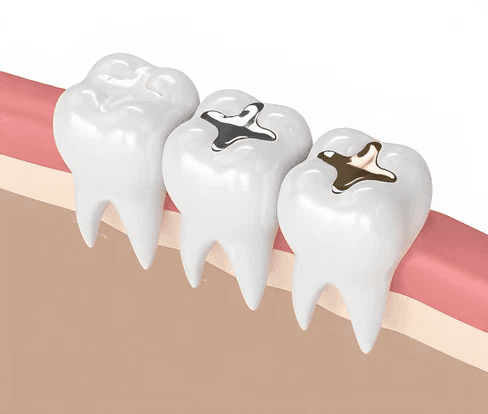
Heavy biting force areas. Back teeth. Composite bonding on molar chewing surfaces, or extensive restorations on back teeth where full chewing force is applied, has limited durability. The resin wears and fractures under high load significantly faster than ceramic or porcelain. For back teeth restorations under significant force, composite is used for fillings (where it's enclosed by remaining tooth structure) but not for large exposed additions. Onlays or crowns in ceramic or zirconia are more appropriate.
Severely crowded or misaligned teeth. Bonding can mask minor position discrepancies but it's not orthodontics. A tooth that's significantly rotated or displaced looks as misaligned after bonding as before — the bonding material follows the tooth's position. For meaningful alignment improvement, braces or aligners are the appropriate tool.
Very large structural deficiencies. If a tooth is missing significant structure — from extensive decay, fracture, or long-term wear — the remaining tooth may not provide adequate support for composite bonding. The bonding "hangs" off the tooth without adequate enamel surface to bond to, and fails rapidly. In these cases, a crown provides the circumferential support that bonding can't.
Typically 5–8 years before needing refreshing or replacement. Several factors affect this:
Staining is the most common aesthetic issue. Composite resin is more porous than porcelain and absorbs staining compounds from tea, coffee, and tobacco over time. Professional polish at each check-up at Renew Dental Clinic in Sector 47, Noida removes surface deposits and maintains the appearance, but after several years the bonding may be noticeably more stained than the surrounding natural teeth.
Chipping and wear. Bonding on incisal edges — the tips of front teeth — is most vulnerable to chipping from hard foods, biting nails, pen-chewing, and similar habits. Front bonding that extends to a thin, unsupported edge is at higher risk than bonding that's well-supported by the existing tooth structure on all sides.
Bruxism significantly reduces bonding longevity. Patients who grind their teeth and don't use a night guard will find bonding worn down or chipped much faster. A night guard from Renew Dental is essentially a prerequisite for long-lasting bonding results in bruxism patients.
The appointment begins with shade selection — matching the composite to the surrounding natural teeth requires careful comparison under consistent lighting. Then the tooth surface is prepared with a mild etch and bonding agent.
The composite is built up incrementally — small layers, each hardened before the next is added. This layering technique allows the dentist to create the correct shape, translucency, and surface characteristics. Composite that matches natural enamel well isn't just the right colour; it has the right optical depth, slightly different translucency at the edges, and the right surface texture.
After the shape is complete, polishing with sequential grits of polishing discs and paste creates the final smooth, light-reflective surface. The appointment takes 60–90 minutes for a single tooth, longer for multiple teeth.
At the end, the bite is checked carefully — composite bonding can feel high on biting if the occlusion hasn't been balanced — and any necessary adjustment is made before the patient leaves.
Q: Does composite bonding require any enamel removal? A: In most cosmetic bonding cases, no. The bonding is added to the tooth, not replacing it. A light etch creates microscopic roughness that helps the composite adhere, but this is surface preparation rather than removal of tooth substance. For specific situations where space needs to be created — such as when covering a dark tooth — minimal enamel removal may be necessary.
Q: How do I care for bonded teeth? A: Brush and floss normally. Avoid biting hard objects (ice, hard sweets, bones) with the bonded teeth. Avoid habits like pen-chewing or nail-biting that create off-axis forces on the bonding. If you grind your teeth, wear your night guard. Attend regular check-ups at Renew Dental for professional polish and inspection of the bonding margins.
Q: Can bonding be done on the same day as consultation? A: Often yes, for single-tooth bonding cases without complex planning requirements. For multiple teeth or cases requiring significant design planning, a second appointment allows proper preparation.
Q: Is bonding a good option if I want minimal dental treatment? A: Yes — it's one of the most conservative cosmetic interventions available. The absence of enamel removal means there's no irreversible commitment, and the procedure is completed without anaesthesia in most cases.
For composite bonding assessment at Renew Dental Clinic, Sector 47, Noida:
📞 +91 99710 35300 A-321, Basement Floor, Next to Mother Dairy Store, Sector 47, Noida, Uttar Pradesh 201303 Monday–Saturday 10:30 AM – 8:00 PM | Sunday 11:00 AM – 2:30 PM
 Copy
Copy
A dental abscess will not resolve on its own. Learn what home care can and...
12 Oct 2026
by Renew Dental Clinic

Jaw pain, clicking or trouble opening your mouth? Learn what causes TMJ problems in Noida, how Renew Dental diagnoses them and what treatment can achieve.
07 Oct 2026
by Renew Dental Clinic
An impacted wisdom tooth doesn't always hurt — which is why so many people ignore...
05 Oct 2026
by Renew Dental Clinic
Sugar doesn't damage teeth directly — it's what bacteria do with it that causes the...
20 Jul 2026
by Renew Dental Clinic

Find out all about dental veneers, such as types, advantages, price, and upkeep suggestions. Find out how veneers can revolutionize your smile and increase confidence.
16 Sept 2025
by Renew Dental Clinic

Water flossers are increasingly popular in India's urban markets. This guide explains what they actually...
10 Aug 2026
by Renew Dental Clinic

Explore the pros, cons, costs, durability, and suitability of teeth whitening and veneers. Learn which cosmetic dental procedure is best for your unique smile.
27 Jun 2025
by Renew Dental Clinic
Considering dental veneers in Noida? This complete guide explains what veneers are, the types available,...
20 May 2026
by Renew Dental Clinic
Teeth reshaping removes small amounts of enamel to refine tooth shape, with no injections and...
13 Oct 2026
by Renew Dental Clinic

Compare Invisalign with traditional braces to find a treatment option that fits your lifestyle, comfort...
18 Nov 2025
by Renew Dental Clinic
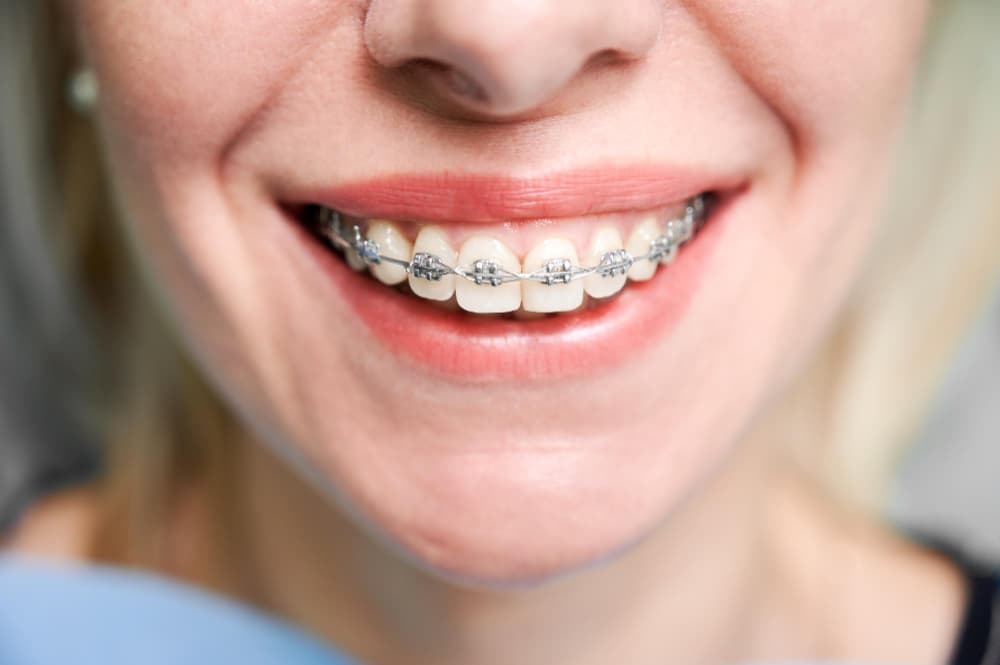
Braces make cleaning between teeth harder — and more important. This guide covers every method...
26 Aug 2026
by Renew Dental Clinic
Planning to get braces in Noida? This complete guide explains how braces work, the different...
18 May 2026
by Renew Dental Clinic
Explore More
Discover how thousands of patients trust Renew Dental Clinic with their smiles.
One of the best doctor in town….must visit…….
I went to Renew Dental and visited Dr. Suchi and team. The staff was very professional and the clinic provides with a very good ambience. The staff was polite and humble.
I got my RCT and crown treatment done at Renew Dental Clinic, along with gum cleaning and a few fillings also, MAJORLY MY SMILE DESIGNING of my front two teeth. I’m really happy with my overall experience. Dr. Chandrava, Dr. Suchi, and the entire team were very caring, supportive, and professional throughout my treatment. They made me feel comfortable and took great care of me. I’m very satisfied with the treatment and would definitely recommend Renew Dental Clinic to others. 😊
Totally painless treatment... Excellent doctor's ... Excellent service Dr suchi singh.
Great experience
I went to the doctor Suchi for my gums and jaw pain, I want to really appreciate her as she takes time to listen to your problem and then gives a detailed solution and prescription. I had my teeth cleaned for the first time, it was a satisfactory experience, the staff is also very cooperative. I just felt that everyone knows that she is a good doctor so waiting time can be around 30 mins in the evenings.
Dr. Suchi singh is the best dental surgeon in noida... highly recommend to her.
Exceptional service and a friendly team at complete dental solutions. They make dental care Comfortable, efficent , and stress- free. highly Recommended !
Great Work With Best Treatment
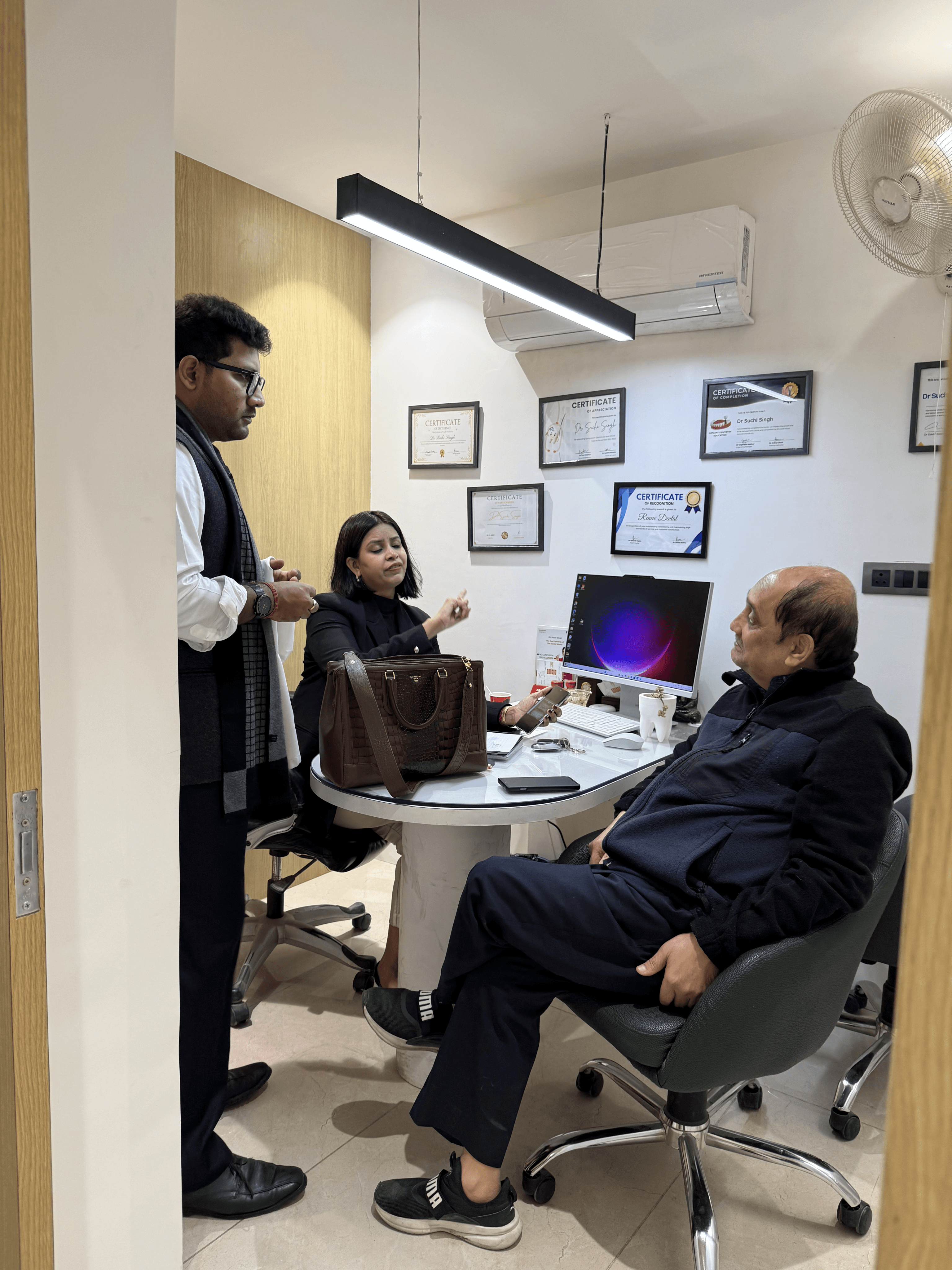
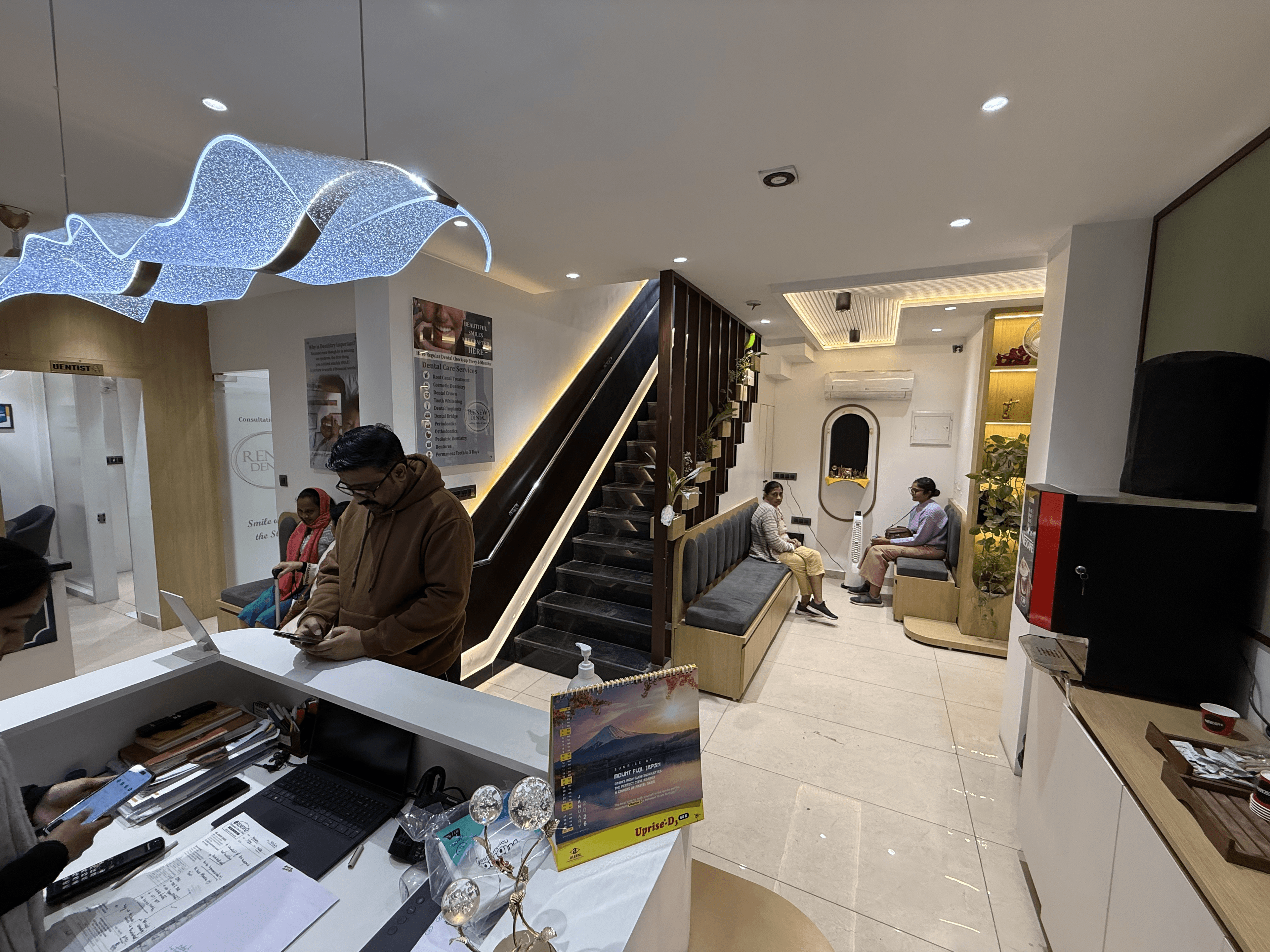
A glimpse into our modern dental clinic, advanced technology, and patient-friendly environment at Renew Dental.
Explore our thoughtfully designed clinic spaces built to provide comfort, cleanliness, and a calming experience for patients of all ages.


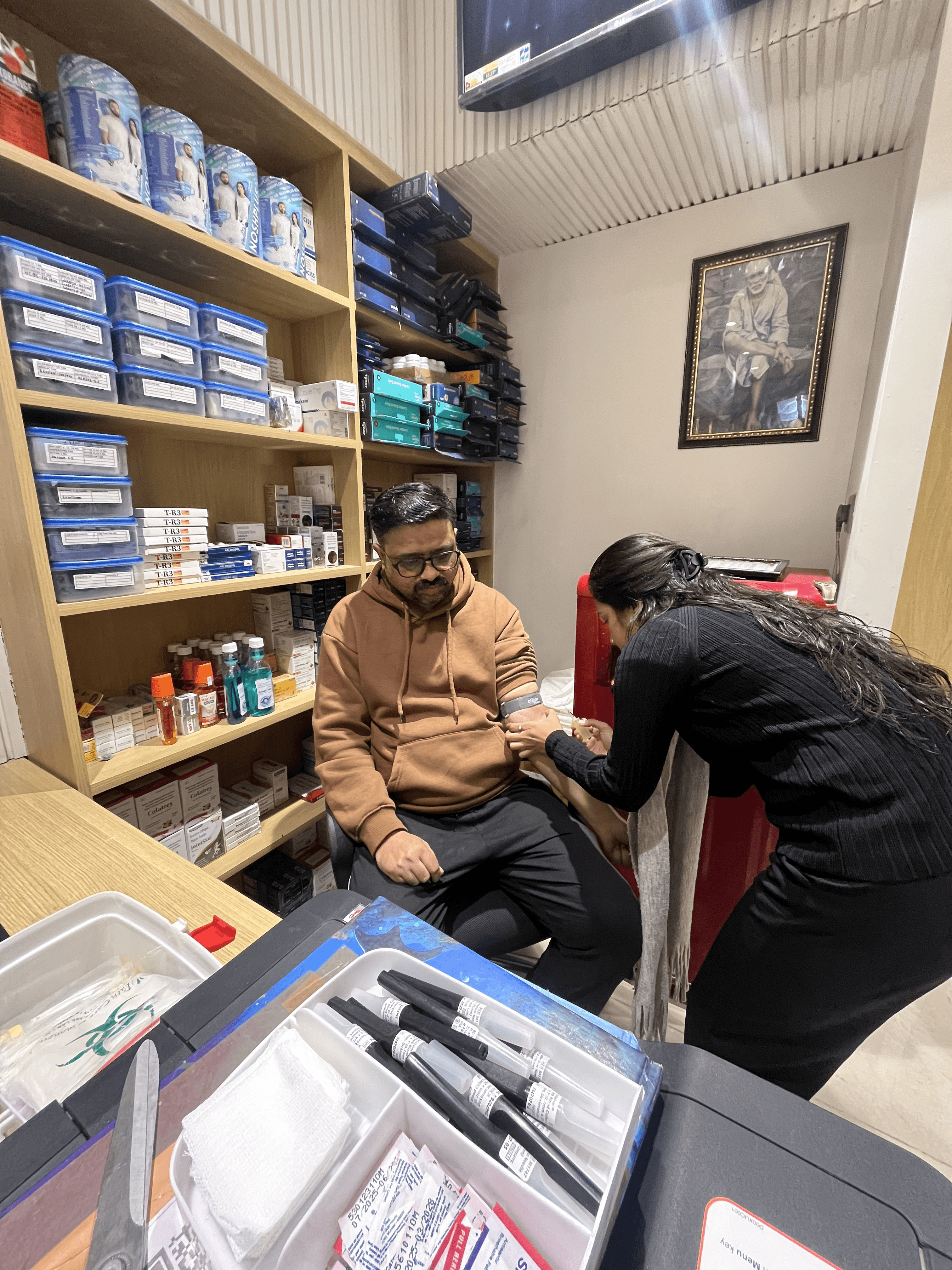
Best Dentist in Noida
Renew Dental Clinic located in Noida, Sector 47, is one of the leading dental clinics. Founded by Dr. Suchi Singh who is widely regarded as one of the best dentists in Noida, the clinic is committed to delivering personalised and high-quality dental care. Dr. Suchi Singh focuses on customised treatment plans designed around each patient’s unique needs, ensuring advanced, comfortable and reliable dental care at Renew Dental Clinic.

Your Trusted Dental Experts

Complete Dental Care

Friendly Dental Space

No Hidden Charges

Two trusted dental clinics in Noida — Renew Dental (Sector 47) and Tooth & Truth (Sector 34) — for gentle, modern care.

Renew Orthopedic Clinic, A-321, Basement Floor, Next to Mother Dairy Store, Sector 47, Noida, Uttar Pradesh 201303
 +91 99710 35300
A-98/A, Block A, Sector 34, Noida, Uttar Pradesh 201307
+91 99710 45002© 2026. All rights reserved | Designed and Developed by Zarle Infotech