Dental Implants in Delhi NCR - A Complete Guide for First-Timers
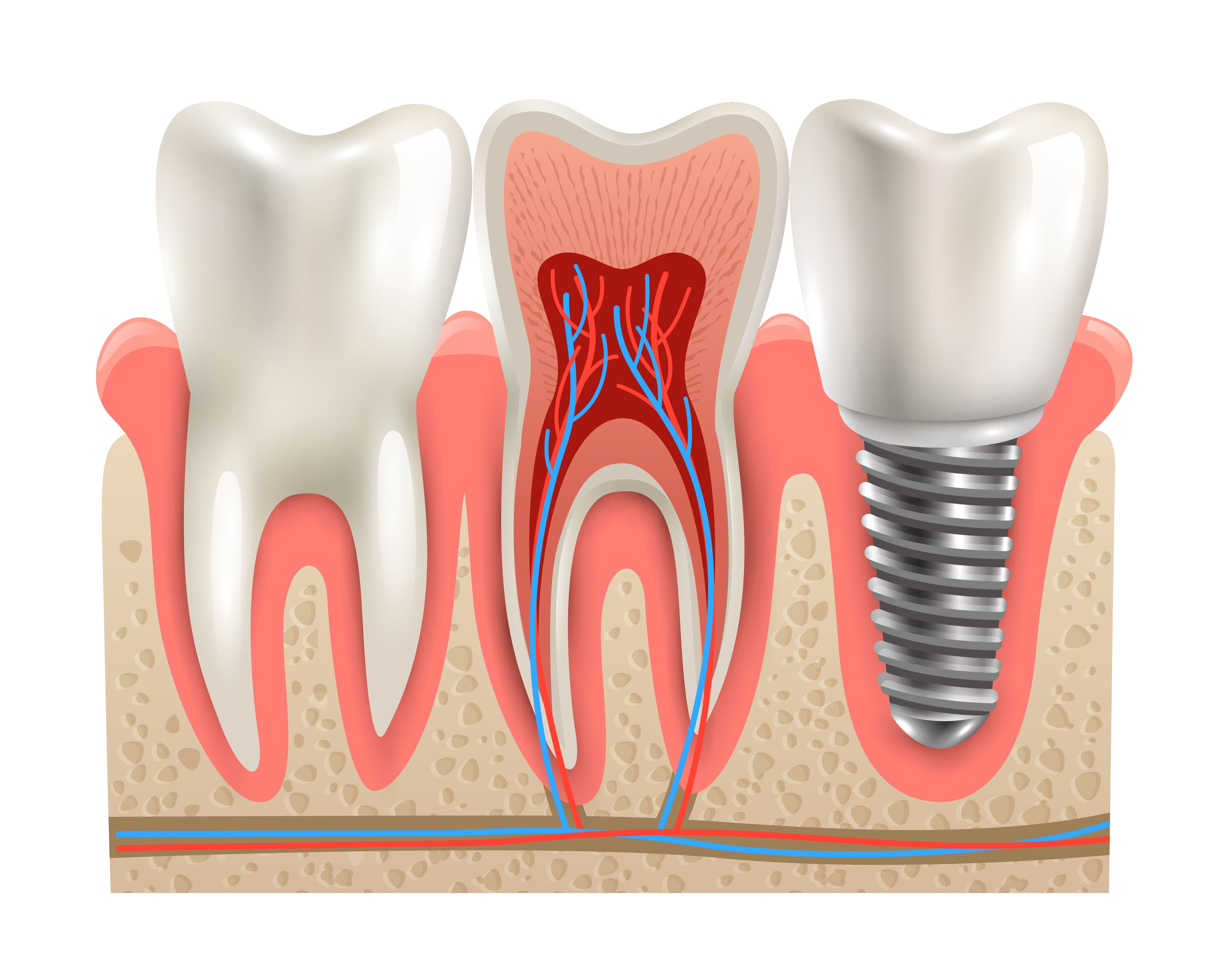
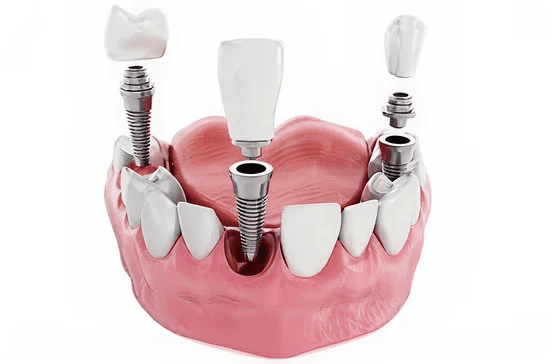
Dental implants anatomy closeup model.
If you've been living with a missing tooth — or missing several — you're already aware of how it affects daily life. Not just the appearance, but the way you eat, the way you speak, and the small self-consciousness that creeps in when you smile or laugh.
Dental implants have become the most clinically trusted solution for replacing missing teeth. Not because of marketing, but because of outcomes — they function like natural teeth, they preserve the jawbone, and they last far longer than alternatives.
But if you've never had an implant before, the questions pile up. What exactly happens? How long does it take? Does it hurt? Am I a candidate? This guide answers all of it — specifically for patients in Noida, Greater Noida, Ghaziabad, Delhi, and the wider NCR considering implant treatment at Renew Dental Clinic in Sector 47, Noida.
Why Replacing a Missing Tooth Is Not Optional
Let's start with something many patients underestimate: the cost of doing nothing.
When a tooth is extracted or falls out, the consequences don't stop with the gap. They accumulate over time.
The neighbouring teeth drift. Without the physical presence of the missing tooth to maintain spacing, adjacent teeth gradually lean into the gap. The opposing tooth (the one that used to meet the missing tooth when biting) elongates (over-erupts) into the space above or below. The bite changes. New pressure points develop on remaining teeth, accelerating their wear.
The jawbone shrinks. A tooth root stimulates the bone around it every time you bite. Remove the root, and that section of bone has no stimulation — it resorbs. The bone shrinks in height and width. This process is irreversible without grafting, and it begins almost immediately after extraction. After a year without a replacement, significant bone loss has already occurred. After several years, the change is dramatic.
Chewing function is affected. People with missing teeth — particularly multiple missing teeth — unconsciously adjust their chewing patterns, favouring certain areas of the mouth. Over time, this causes uneven wear and places disproportionate load on remaining teeth.
Confidence takes a quiet hit. This is rarely discussed clinically but is consistently reported by patients. The effect of missing teeth on confidence and social engagement is real, even when the missing tooth is not obviously visible.
Replacing the tooth — with an implant, a bridge, or another appropriate solution — stops these consequences. Among the available options, implants are the only one that also replaces the missing root and therefore prevent bone loss.
What Is a Dental Implant?
A dental implant is a small, precisely machined titanium post placed directly into the jawbone in the position of the missing tooth root. Titanium is used because it has a unique biological property: bone tissue actively bonds with titanium in a process called osseointegration. Over 3 to 6 months, the bone grows around and fuses with the implant, creating a stable, permanent anchor.
Once osseointegration is complete, a small connector (the abutment) is attached to the top of the implant. A custom-made crown — the visible tooth — is then fitted onto the abutment.
The result: an artificial tooth that is fixed in place (you cannot remove it), that stimulates bone with every bite, that looks natural, and that can last decades with proper care.
How Dental Implants Work for Different Tooth Loss Scenarios
Single Tooth Replacement
The most common implant scenario. One implant post is placed, and one crown is fitted. The adjacent natural teeth are completely untouched — unlike a dental bridge, which requires grinding down the neighbouring teeth to serve as supports.
Multiple Teeth Replacement
Several individual implants can be placed to replace multiple missing teeth in different locations. Alternatively, an implant-supported bridge can replace several adjacent missing teeth using fewer implants — typically two implants supporting a three to four-unit bridge.
Full Arch Replacement (All-on-4)
For patients who have lost all or most teeth in an arch, the All-on-4 system uses four strategically placed implants to support a full fixed arch of teeth. The prosthesis is attached to the four implants and does not sit on the gums like a conventional denture. It's fixed, stable, and functions dramatically better than a full denture.
Are You a Candidate for Dental Implants in Noida?
Most adults in reasonable health are suitable candidates. The key requirements
Sufficient jawbone density and volume. The implant needs bone to anchor into. Patients who have had missing teeth for years may have experienced bone loss that reduces the available bone. This is assessed with dental X-rays and, where needed, a 3D CBCT scan. Bone grafting can often restore adequate volume in patients where it has diminished.
Healthy gums. Active gum disease (periodontitis) must be treated before implant placement. Untreated gum disease significantly increases the risk of implant failure.
Good general health. Conditions that impair healing — uncontrolled diabetes, recent radiation to the jaw, certain blood disorders, bisphosphonate medication for osteoporosis — affect implant candidacy and require individual evaluation. Many patients with managed medical conditions are still candidates; the assessment is patient-specific.
Non-smoker or willingness to quit. Smoking dramatically reduces implant success rates by impairing blood supply to the healing bone. Most implant practitioners strongly recommend stopping smoking — at minimum — around the time of surgery.
Completed jaw growth. Dental implants are not placed in patients whose jaw is still developing — generally, implants are appropriate from the late teenage years onward, with individual variation.
At Renew Dental Clinic, candidacy assessment includes a clinical examination, X-rays, and a thorough review of medical history. Patients are given an honest assessment — including cases where bone grafting is needed before placement, or where other options may be more appropriate.
The Dental Implant Process — Step by Step for NCR Patients
Consultation and Assessment
The process begins with a consultation at Renew Dental Clinic, Sector 47, Noida. Dr. Suchi Singh examines the missing tooth site, the neighbouring teeth and gums, and the condition of your bite. X-rays are taken — and where precise bone assessment is needed, a CBCT scan provides a 3D image of the bone structure.
By the end of the consultation, you have a clear picture of whether you're a candidate, what the process involves, how many appointments to expect, and what the treatment timeline looks like.
Preparatory Treatment (if needed)
If gum disease is present, it's treated first. If bone grafting is needed, this is performed and allowed to heal before implant placement — adding approximately 3 to 6 months to the timeline.
Implant Placement
The implant placement procedure is performed under local anaesthesia. The area is thoroughly numbed — patients feel pressure and vibration, not pain. A small incision is made in the gum, and the implant post is precisely positioned into the prepared channel in the bone. The gum is stitched over or around the implant.
The procedure typically takes 30 to 60 minutes for a single implant. Most patients describe it as far more comfortable than they anticipated — many say it felt easier than a tooth extraction.
Post-placement soreness for 2 to 5 days is normal and managed with prescribed medication. Most patients return to work within a day or two.
Osseointegration — The Healing Phase
This is the waiting period — 3 to 6 months during which the bone integrates with the titanium implant. It is not uncomfortable. You return to normal eating within a few days (avoiding hard food directly on the implant site). A temporary restoration or flipper may be provided for appearance during this period.
This phase cannot be rushed. The stability of the final restoration depends on complete osseointegration.
Abutment Placement
Once osseointegration is confirmed, the abutment is connected to the implant. This is a brief appointment — the gum is reopened, the abutment is placed, and the gum is allowed to heal around it for 2 to 3 weeks.
Final Crown Fitting
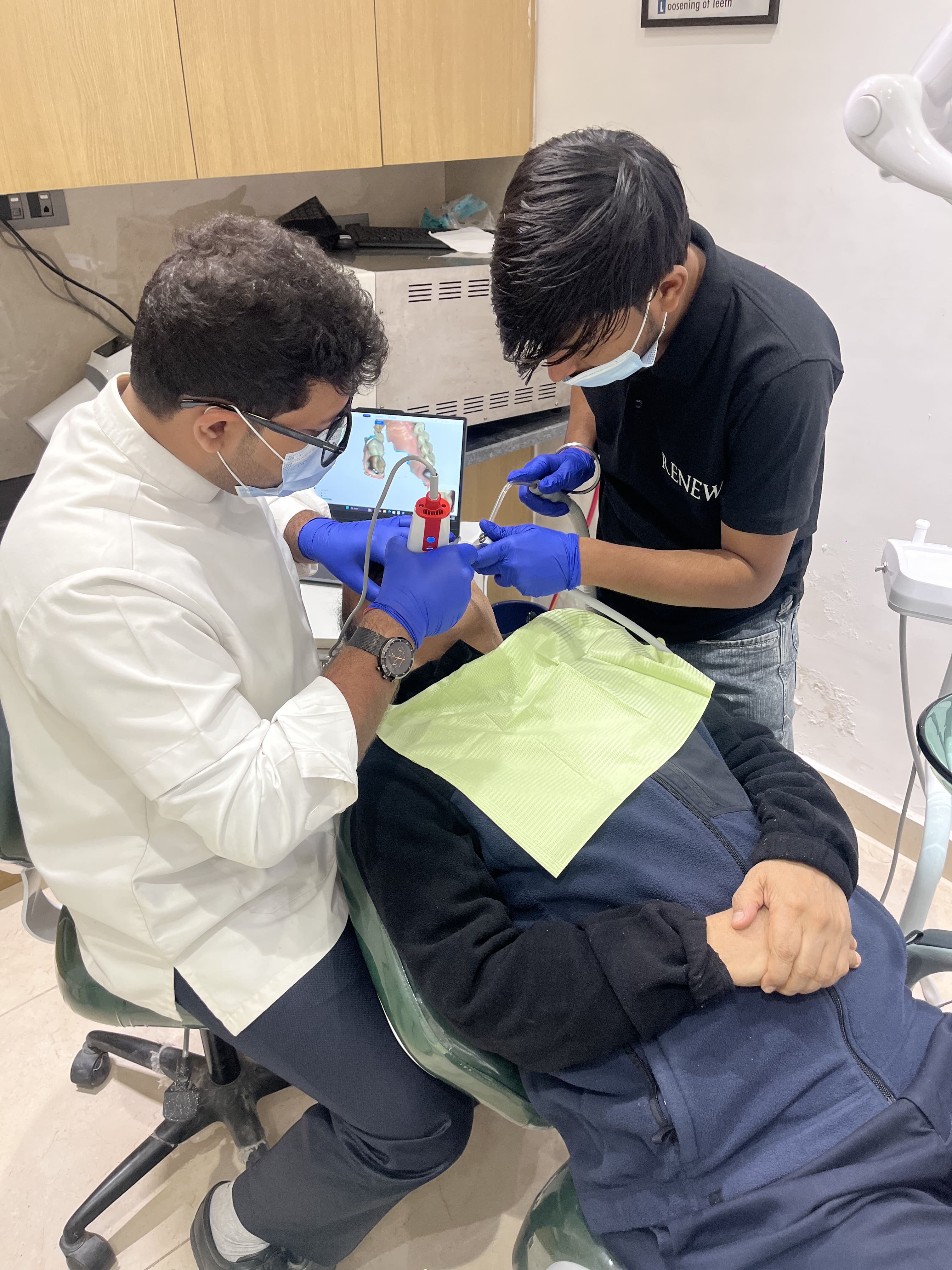
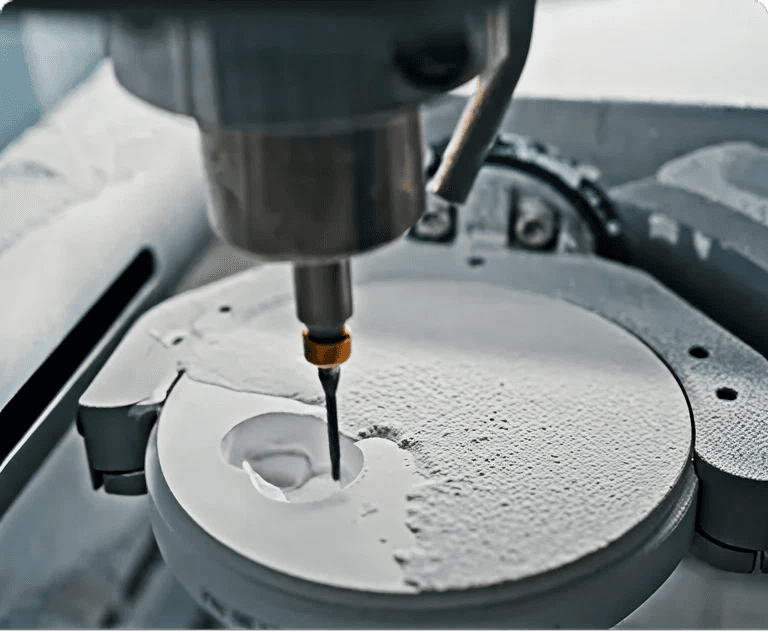
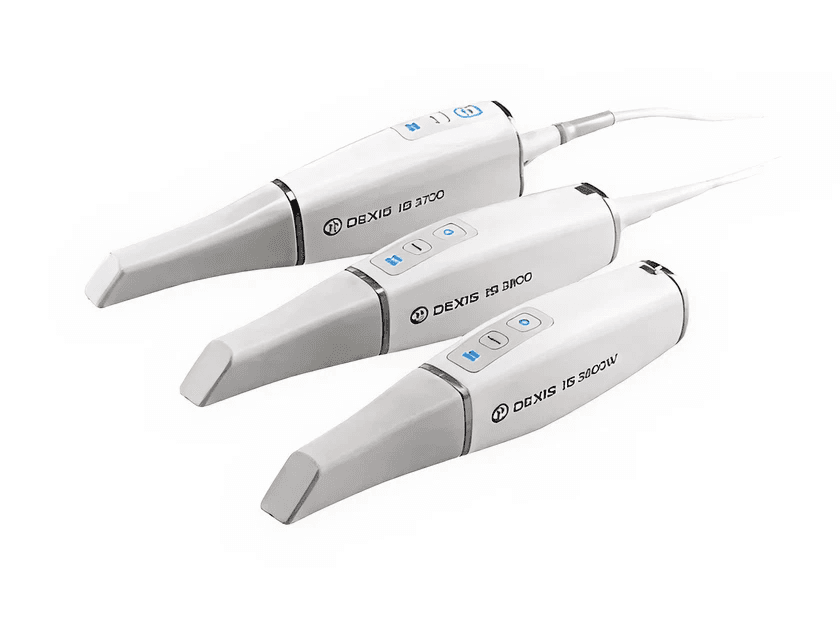
Impressions (or digital scans) of the abutment and surrounding teeth are taken. The laboratory fabricates a custom crown matched precisely to the adjacent teeth in shape, size, and shade. At the fitting appointment, the crown is attached to the abutment, the bite is adjusted, and your new tooth is complete.
Dental Implants vs Other Tooth Replacement Options in Delhi NCR
Implant vs Bridge: A bridge is faster and avoids surgery, but requires grinding down the healthy teeth on either side. It doesn't prevent bone loss. An implant preserves all neighbouring teeth and the bone beneath the gap.
Implant vs Removable Denture: Dentures are removable and can be unstable, particularly lower full dentures. They sit on the gum surface and don't prevent bone loss. Implants are fixed, stable, and preserve bone. They require no adhesives, no removal for cleaning, and no special maintenance beyond standard oral hygiene.
Implant-Supported Denture: A hybrid option for full-arch replacement — the denture clips onto implants for stability while remaining removable. Better than a conventional denture; less involved than replacing every tooth with an individual implant.
How Long Do Dental Implants Last?
With good oral hygiene and regular dental check-ups, dental implants can last 20 to 25 years or more — with many lasting a lifetime. The implant post itself integrates permanently with the bone. The crown on top may need replacement after 10 to 15 years, depending on normal wear.
By comparison, dental bridges typically need replacement or adjustment every 10 to 15 years, and removable dentures need relining or replacement every 5 to 8 years as the mouth changes.
Patients from Across Delhi NCR at Renew Dental
Renew Dental Clinic in Sector 47, Noida receives implant patients from across the NCR
- Greater Noida and Noida Extension — 20 to 35 minutes via Expressway
- Ghaziabad — approximately 30 to 45 minutes via NH-9
- East Delhi (Mayur Vihar, Laxmi Nagar, Noida Mor) — 30 to 40 minutes via DND Flyway
- South Delhi (Sarita Vihar, Jasola, Okhla) — 20 to 35 minutes via DND
- Faridabad — approximately 40 to 55 minutes via NH-44
The clinic's extended hours (Monday–Saturday, 10:30 AM to 8:00 PM) make scheduling appointments around work and family commitments practical for patients travelling from across the NCR.
Frequently Asked Questions
I've been told I don't have enough bone for an implant. Is that final?
Not necessarily. Bone grafting can often restore adequate bone volume. Dr. Suchi Singh will assess whether grafting is feasible in your situation.
How many visits are needed in total?
For a standard single-tooth implant, most patients have 4 to 6 appointments spread over 4 to 6 months. The timeline varies with individual healing and whether preparatory treatment is needed.
Can I have multiple implants placed at the same appointment?
Yes. Where multiple implants are planned, they can often be placed in the same surgical appointment, which is more efficient for the patient.
What is the success rate of dental implants?
In appropriate candidates with good general health and adequate bone, the success rate of dental implants is approximately 95 to 98%. The main factors affecting success are smoking, uncontrolled systemic disease, and post-placement hygiene.
Book Your Implant Consultation in Noida
If you've been living with a missing tooth — or are facing an extraction and want to understand your replacement options — the first step is a consultation with Dr. Suchi Singh at Renew Dental Clinic, Sector 47, Noida. You'll leave with a clear understanding of your candidacy, a realistic treatment plan, and an honest view of what implants can achieve for your specific situation.
To book, call (0120) 498-8333.
Open Monday–Saturday, 10:30 AM – 8:00 PM | Sunday, 11:00 AM – 2:30 PM.