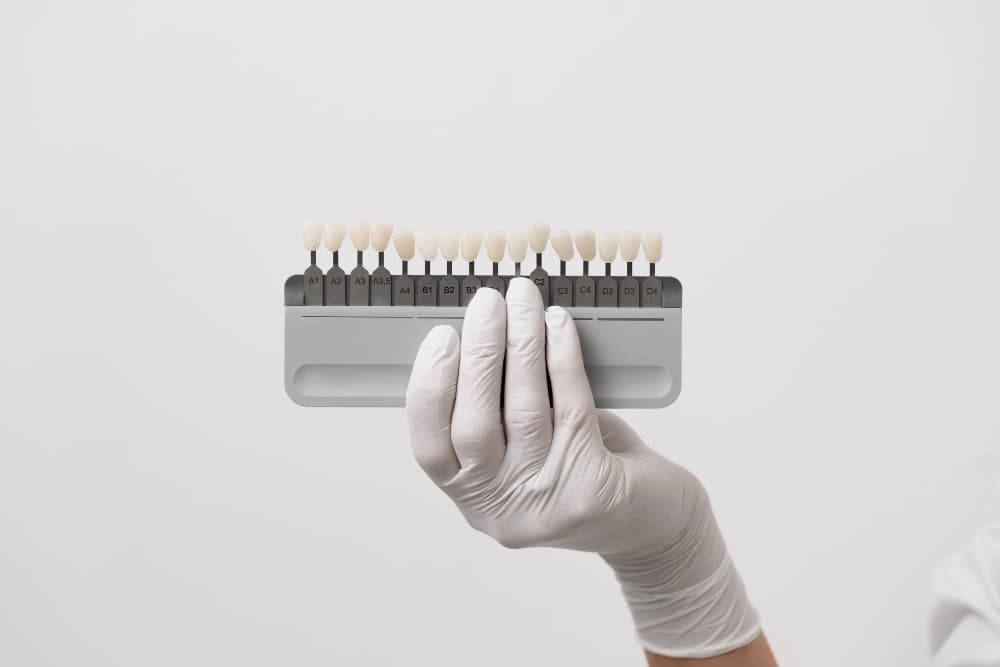
Teeth Whitening vs Laser Whitening - What's Right for You in Noida?
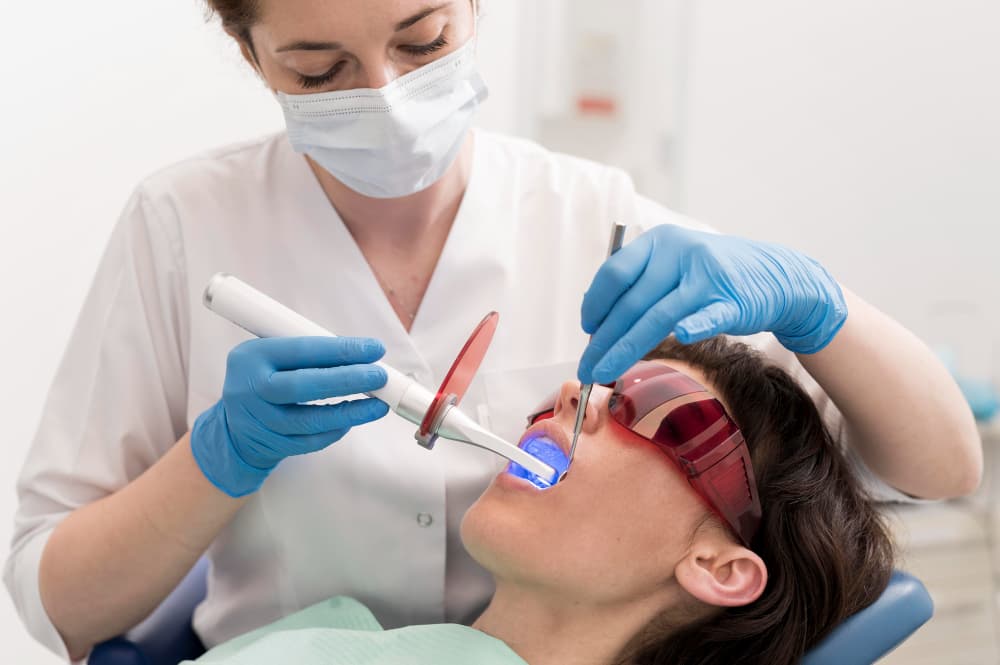
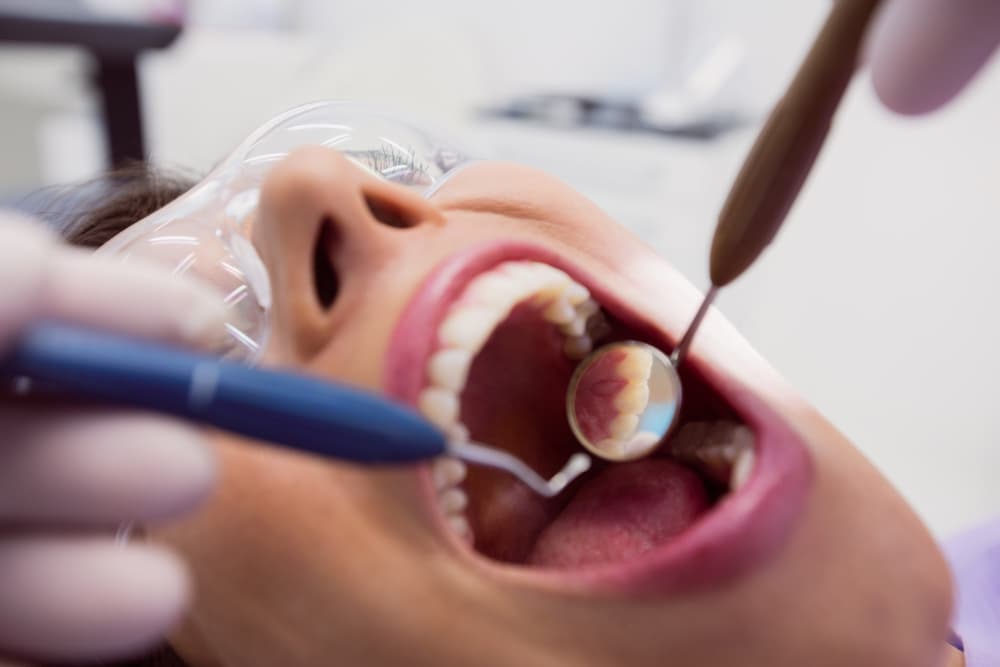
Female patient having a procedure done at the dentist.
Walk into any pharmacy in Noida, and you'll find a shelf of whitening products — strips, toothpastes, gels, and trays — each promising a brighter smile in days. Walk into a dental clinic, and you have professional options that operate at an entirely different level of potency. The question isn't simply which works. It's what works for you, and why.
At Renew Dental Clinic in Sector 47, Noida, whitening consultations begin with an honest look at what type of discolouration you have, what's causing it, and which approach will actually produce the result you're looking for. This guide gives you that same honest foundation.
Why Teeth Discolour — The Two Types of Staining
Before comparing whitening options, it's essential to understand that not all tooth discolouration is the same. The type of staining determines which treatments can help and what results are realistic.
Extrinsic Staining — Surface Level
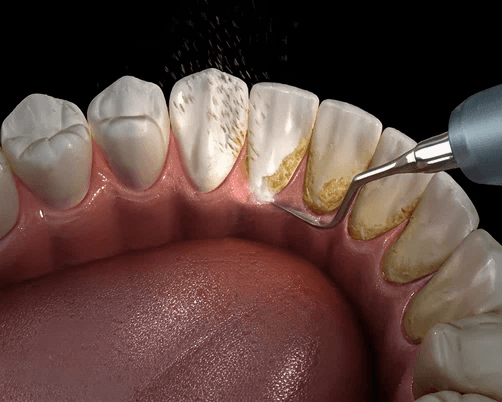
Extrinsic stains sit on the outer surface of the enamel or in the thin film (pellicle) that coats it. These are the results of:
- Tea and coffee — the most common cause in India, where several cups a day are the norm for many adults
- Tobacco — including cigarettes, bidi, and smokeless tobacco products
- Red wine, cola, and dark juices
- Certain foods — curries with turmeric, beetroot, berries, soy sauce
- Poor oral hygiene — allowing surface deposits to build up
Extrinsic staining responds well to whitening treatment. Professional teeth whitening and laser whitening are both designed primarily for this category.
Intrinsic Staining — Within the Tooth Structure
Intrinsic stains are embedded within the dentine — the inner layer of the tooth — or within the enamel structure itself. They include:
- Tetracycline antibiotic staining — grey or brown banding within teeth caused by tetracycline use during tooth development
- Fluorosis — white, yellow, or brown spots or mottling from excessive fluoride during tooth development
- Trauma-related darkening — a tooth that has been knocked or damaged often darkens as the internal structures break down
- Ageing — the natural thinning of enamel over decades allows the yellow dentine beneath to show through increasingly
- Developmental defects — hypocalcification and similar structural issues
Intrinsic staining responds poorly or not at all to standard whitening treatments. For some types (mild tetracycline staining, certain fluorosis presentations), very prolonged professional whitening may achieve partial improvement. For others, the appropriate treatment is veneers or crowns, which cover the discolouration rather than bleaching it.
Understanding which category your staining falls into is the first thing Dr. Suchi Singh establishes at a whitening consultation at Renew Dental in Noida.
Professional Teeth Whitening — The Clinic Options
Laser Teeth Whitening (In-Office)
Laser whitening (also called light-activated whitening or power whitening) is the fastest and most dramatic in-clinic whitening option. A high-concentration hydrogen peroxide gel is applied to the teeth, then activated by a dental laser or a strong light source. The energy from the laser accelerates the bleaching reaction, breaking down stain molecules more rapidly than the gel alone would.
How it works at Renew Dental, Noida:
- The teeth and gums are examined for suitability
- Teeth are cleaned to remove surface deposits that would interfere with even gel penetration
- A protective barrier is applied to the gums and soft tissues
- The whitening gel is carefully applied to each tooth
- The laser is directed at the teeth, activating the gel
- The cycle may be repeated 2 to 3 times within the same session
- The gel is rinsed away, and the results are immediately visible
The entire process takes approximately 45 to 60 minutes. Results are typically 4 to 8 shades lighter — highly visible and immediate.
Laser whitening is best for:
- Patients who want the fastest, most significant result
- Pre-event whitening — before a wedding, interview, or important occasion
- Patients with significant surface staining from years of tea, coffee, or tobacco
- Those who want a single-session solution without weeks of home treatment
Limitations:
- Does not whiten dental crowns, veneers, or composite fillings — only natural enamel bleaches
- Results vary based on the nature and severity of staining
- Temporary sensitivity is common for 24 to 48 hours post-procedure
- Intrinsic staining (as discussed above) responds minimally
In-Office Bleaching Without Laser
Some clinics offer professional-strength bleaching gel without laser activation — the gel remains on the teeth for a longer time without the accelerating effect of the laser. Results are typically less dramatic than laser whitening in a single session but still significantly better than at-home options. This may be offered as a more affordable alternative to laser whitening.
Take-Home Professional Whitening Trays
A dentist-supervised at-home option. Custom-made trays are fabricated from impressions of your teeth and fit precisely over them. A lower-concentration professional-grade whitening gel (typically 10 to 16% carbamide peroxide or 3 to 6% hydrogen peroxide) is placed in the trays and worn for a prescribed duration each day — typically 1 to 2 hours, or overnight depending on the concentration.
Results build gradually over 2 to 4 weeks and are comparable to laser whitening in terms of final shade improvement — the difference is the pace and the experience, not necessarily the outcome.
Take-home trays are best for:
- Patients who prefer gradual whitening over immediate results
- Ongoing maintenance between professional in-office sessions
- Patients who experience significant sensitivity with higher-concentration in-office gels
- Budget-conscious patients who want professional-quality whitening over a longer timeline
The key advantage over pharmacy kits is the precise-fitting tray and the professional-grade gel concentration — pharmacy trays don't fit the teeth and allow the gel to contact gum tissue, which can cause irritation and reduce the effectiveness of each session.
At-Home Whitening — What Pharmacy Options Can and Can't Do
The shelf of whitening products at any pharmacy deserves an honest assessment.
Whitening Toothpastes
Most whitening toothpastes work through mild abrasives that mechanically remove surface staining — not through chemical bleaching. They may remove recent, light surface deposits and prevent new staining from adhering. They do not change the natural colour of the tooth and have minimal effect on established, deep staining.
Some newer whitening toothpastes contain low concentrations of hydrogen peroxide or other bleaching agents. These have a mild whitening effect over extended daily use but are far weaker than professional options.
Realistic expectation: Surface cleaning, not true whitening.
Whitening Strips
Over-the-counter whitening strips contain low-concentration hydrogen peroxide or carbamide peroxide. They're applied directly to the teeth for 30 to 60 minutes per day over 10 to 14 days.
They do produce measurable whitening results — typically 1 to 3 shades over the full treatment course. Limitations include:
- Poor fit means uneven whitening, with the edges and backs of teeth often less treated
- The strips may contact the gumline and cause irritation
- Multiple courses are needed to maintain results
- Significantly less dramatic than professional options
Realistic expectation: Mild whitening suitable for patients with light, recent surface staining.
Whitening Mouthwashes
Typically contain very low concentrations of hydrogen peroxide. The contact time with the teeth (seconds of rinsing) is insufficient to produce meaningful whitening. Primarily useful as an adjunct for freshness and surface deposit reduction.
Realistic expectation: Minimal to no true whitening effect.
Which Option Is Right for You? — A Practical Guide
Choose laser whitening if:
- You have significant established staining from years of tea, coffee, or tobacco
- You want immediately visible results in a single session
- An upcoming event (wedding, interview, reunion) means you can't wait several weeks
- You've tried at-home options and not seen sufficient results
Choose professional take-home trays if:
- You prefer gradual whitening over days to weeks
- You have mild to moderate staining that doesn't require the speed of laser whitening
- You're looking for a more ongoing maintenance approach
- You experience sensitivity easily and want more control over the pace
Choose at-home pharmacy options if:
- You have only mild, recent surface staining
- You want to maintain results between professional sessions
- Budget is the primary consideration, and expectations are modest
Consult before any whitening if:
- You have visible crowns or veneers on front teeth — whitening will not match these, and the contrast may become obvious
- You have significant tooth sensitivity or gum recession
- You are pregnant or breastfeeding — whitening is typically deferred
- Your staining is severe or appears intrinsic — alternatives like veneers may serve you better
Maintaining Your Whitening Results
The longevity of whitening results depends heavily on lifestyle habits after treatment.
The first 48 hours are critical. The enamel pores are more open immediately after whitening, making teeth more susceptible to staining. Avoid tea, coffee, red wine, tobacco, and strongly coloured foods for at least 48 hours.
Long-term maintenance:
- Drink tea and coffee through a straw when possible
- Rinse with water after consuming staining beverages
- Use a non-abrasive fluoride toothpaste
- Attend regular scaling and cleaning at Renew Dental — clean teeth maintain whitening results far better than teeth with surface deposits
- Consider an annual touch-up session for patients with high tea or coffee consumption
Whitening for Patients with Sensitive Teeth
Sensitivity during whitening is the most common concern. The hydrogen peroxide in whitening gels temporarily increases the permeability of dentinal tubules — the channels connecting the enamel surface to the tooth nerve — which is why some sensitivity occurs.
Strategies to manage sensitivity:
- Use a toothpaste designed for sensitivity (containing potassium nitrate or stannous fluoride) for 2 weeks before and after whitening
- Ask about lower-concentration gels applied for longer periods — slower but gentler
- Request desensitising gel application by Dr. Suchi Singh immediately after the whitening session
- Avoid extremely cold food or drink for 48 hours post-treatment
Patients with active gum disease, exposed tooth roots from recession, or cracked teeth should not undergo whitening until these conditions are treated.
Frequently Asked Questions
How white can my teeth get?
This depends on your baseline shade and the type of staining. Most patients achieve 4 to 8 shades of whitening with laser treatment. The goal is always natural-looking, not artificial white — your dentist helps you choose a shade that suits your skin tone.
How long do results last?
Professional whitening results typically last 12 to 24 months, depending on diet and habits. Patients who drink a lot of tea or coffee or who smoke will see faster fading.
Can children or teenagers get whitening treatment?
Professional whitening is generally not recommended before the age of 18 due to developing enamel and larger pulp chambers in younger teeth. Consult Dr. Suchi Singh for age-specific guidance.
Will whitening damage my teeth?
Professional whitening, when done correctly with an appropriate concentration and proper gum protection, does not damage enamel. Overuse of high-concentration products without professional supervision can cause sensitivity and enamel damage — which is why professional guidance matters.
Book a Whitening Consultation at Renew Dental, Noida
If you're considering any form of teeth whitening in Noida, start with a consultation to determine which option is right for your specific type of staining and dental health.
At Renew Dental Clinic, Sector 47, Noida, Dr. Suchi Singh assesses your teeth, determines the appropriate whitening approach, and delivers professional results — whether that's laser whitening in a single session or a supervised take-home programme.
To book a consultation, call (0120) 498-8333.
Open Monday–Saturday, 10:30 AM – 8:00 PM | Sunday, 11:00 AM – 2:30 PM.