Mouth Ulcers In Children: Understanding Oral Health In Kids
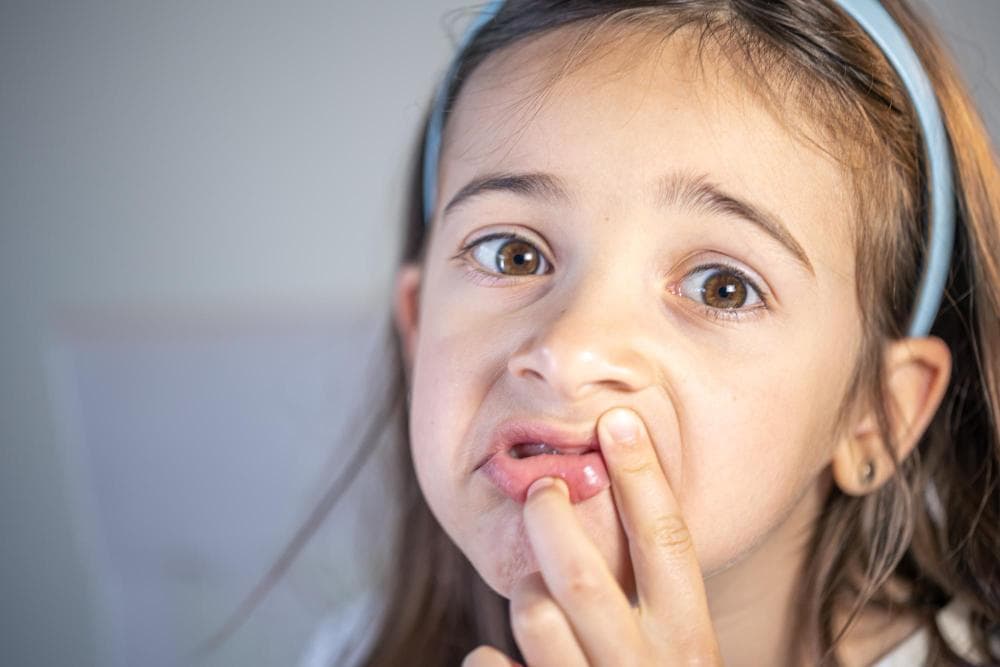
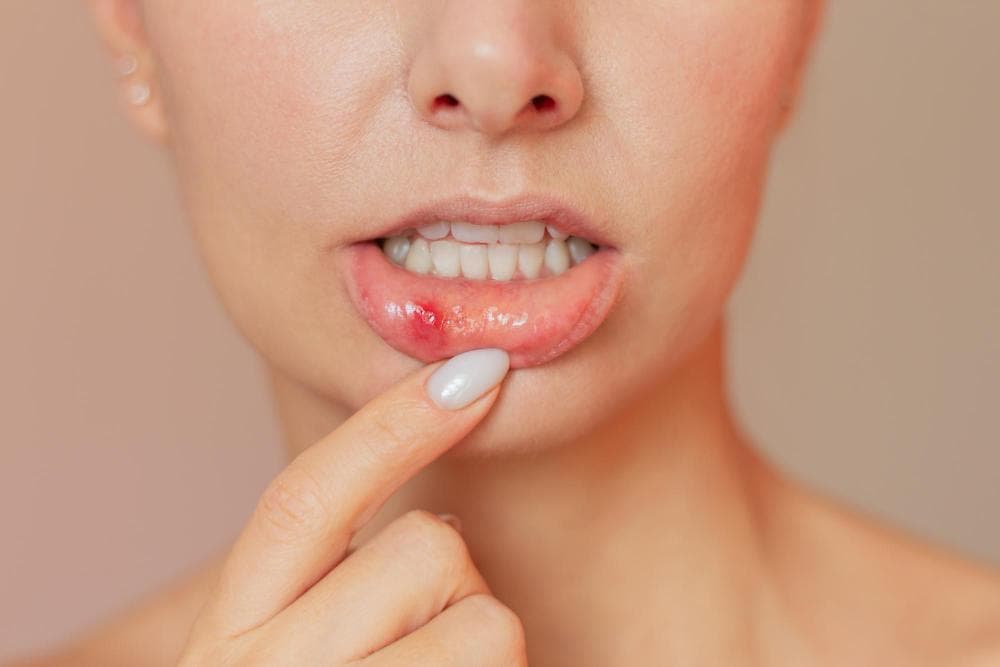
A girl shows discomfort while inspecting her ulcer with her finger.
Mouth ulcers are quite common in children, but they can make everyday activities like eating, drinking, or even speaking uncomfortable. These small sores inside the mouth may look harmless, yet they often cause irritation and pain that affects a child’s mood, appetite, and overall comfort. In many cases, mouth ulcers heal on their own, but frequent or severe ulcers may point toward underlying oral health issues, nutritional deficiencies, infections, or irritation inside the mouth.
Children are more likely to develop mouth ulcers because their oral tissues are delicate and sensitive. Accidental cheek biting, braces, sharp food items, poor oral hygiene, stress, or vitamin deficiencies can all contribute to these painful sores. While most ulcers are temporary, recurring ulcers should not be ignored, especially when they interfere with eating habits or daily life.
Understanding the causes, symptoms, and preventive care for mouth ulcers can help parents manage the condition early and ensure better oral health for their children. In this guide, let’s understand why mouth ulcers occur in kids, how to treat them, and when professional dental care becomes important.
What Are Mouth Ulcers?
Mouth ulcers are small, painful sores that develop inside the mouth, commonly on the tongue, inner cheeks, lips, or gums. They usually appear white, yellow, or red and may cause a burning or stinging sensation.
Unlike cold sores, which appear outside the mouth, mouth ulcers are non-contagious and are mostly linked to irritation, minor injuries, or health-related triggers. Children may find it difficult to eat spicy, salty, or acidic foods when ulcers are present.
Why Children Are More Prone To Mouth Ulcers?
Children are more likely to develop mouth ulcers because their oral tissues are delicate and they are often exposed to habits and factors that can irritate the mouth.
- Softer and more sensitive mouth tissues get irritated easily.
- Frequent accidental cheek or lip biting during eating or playing.
- Irregular brushing habits and poor oral hygiene.
- Higher consumption of spicy, packaged, or junk foods.
- Weak immunity compared to adults.
- Nutritional deficiencies are more common during the growing years.
- Stress, anxiety, or lack of proper sleep can trigger ulcers.
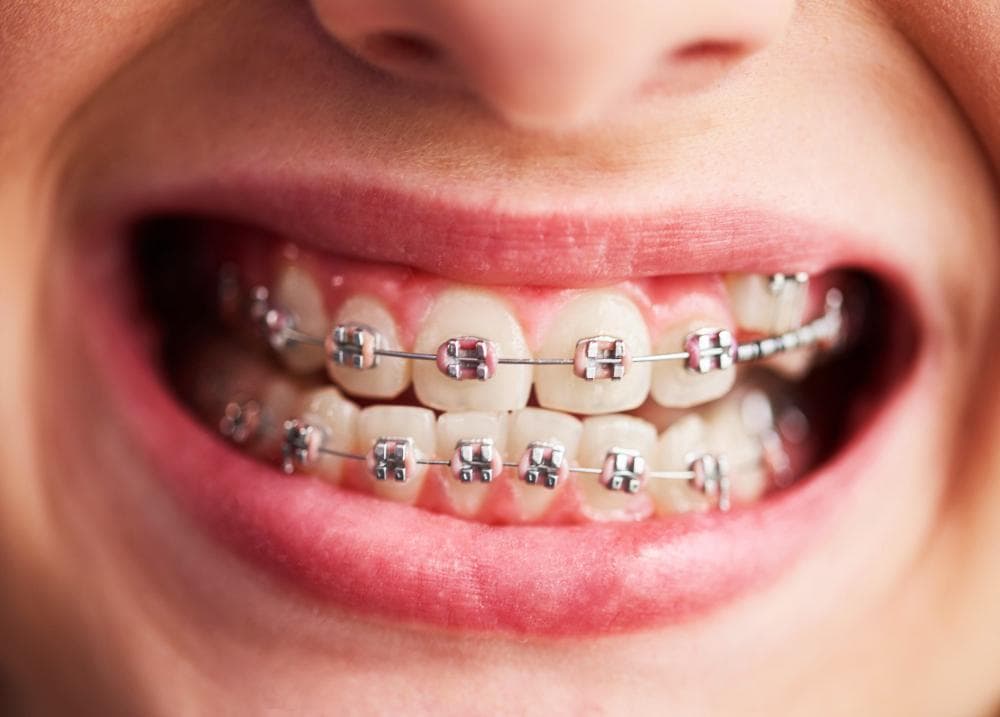
- Braces or sharp teeth may continuously rub against oral tissues.
- Children may not drink enough water, leading to mouth dryness.
- Viral infections are more common in kids and may affect oral health.
Types Of Mouth Ulcers In Children
Mouth ulcers in children can vary based on their size, severity, and cause.
- Minor ulcers are small sores that usually heal within 1-2 weeks.
- Major ulcers are larger, deeper, and may take longer to heal.
- Herpetiform ulcers appear in clusters of multiple tiny sores.
- Traumatic ulcers develop due to accidental biting or injury.
- Nutritional ulcers occur because of vitamin or mineral deficiencies.
- Stress-related ulcers may appear during emotional stress or fatigue.
- Infection-related ulcers may occur due to viral or fungal infections.
- Orthodontic ulcers can develop from braces or dental appliances.
- Allergic ulcers may appear after consuming trigger foods.
- Recurrent ulcers keep coming back over time.
Foods That Help Heal Mouth Ulcers Faster
Certain soft and nutritious foods can help reduce irritation and support faster healing of mouth ulcers in children.
- Curd and yogurt help soothe the irritated mouth tissues.
- Bananas are soft, easy to eat, and gentle on ulcers.
- Coconut water helps keep the body hydrated.
- Khichdi and soft rice are comfortable to chew and swallow.
- Soups provide nutrition without irritating the mouth.
- Boiled vegetables are soft and rich in nutrients.
- Milk and dairy products support oral tissue healing.
- Honey may help soothe irritation naturally.
- Fruits rich in vitamins support immunity and recovery.
- Plenty of water helps prevent dryness and irritation.
How Oral Hygiene Affects Mouth Ulcers In Kids?
Proper oral hygiene plays an important role in preventing mouth ulcers and supporting faster healing.
- Poor oral hygiene can increase bacterial buildup inside the mouth.
- Food particles left in the mouth may irritate soft tissues.
- Gentle brushing helps keep the mouth clean and healthy.
- Hard brushing may damage oral tissues and trigger ulcers.
- Using a soft-bristled toothbrush reduces irritation.
- Regular mouth cleaning lowers the risk of infections.
- Healthy gums and teeth reduce the chances of recurring ulcers.
- Dental plaque buildup may worsen oral discomfort.
- Proper oral care supports faster healing of existing ulcers.
- Routine dental checkups help identify underlying oral problems early.
Common Causes Of Mouth Ulcers In Children
Several factors can lead to mouth ulcers in children. Understanding these causes can help parents reduce the chances of frequent ulcers and maintain better oral health.
1. Accidental Biting Or Injury
Children often accidentally bite their cheeks, lips, or tongue while eating, talking, or playing. Even small injuries inside the mouth can irritate the soft tissues and lead to painful ulcers.
2. Poor Oral Hygiene
Not brushing properly or irregular oral care can allow bacteria to build up inside the mouth. This may irritate the gums and inner cheeks, increasing the risk of mouth ulcers and infections.
3. Nutritional Deficiencies

A variety of fresh vegetables and fruits are displayed on a dark background.
Deficiencies in nutrients such as iron, vitamin B12, folic acid, and zinc can weaken oral tissues and make children more prone to recurring mouth ulcers.
4. Spicy Or Acidic Foods
Very spicy, salty, or acidic foods such as chips, citrus fruits, sauces, and packaged snacks can irritate the delicate lining inside a child’s mouth and trigger ulcers.
5. Stress Or Lack Of Sleep
Stress, anxiety, emotional pressure, or poor sleeping habits may weaken immunity and sometimes contribute to mouth ulcers in children.
6. Braces Or Sharp Dental Edges
Braces, sharp teeth, broken fillings, or rough dental appliances may continuously rub against the soft tissues inside the mouth, causing irritation and sores.
7. Viral Or Fungal Infections
Certain infections can cause inflammation and painful sores inside the mouth. These ulcers may sometimes appear along with fever or throat discomfort.
8. Weak Immune System
Children with low immunity may develop mouth ulcers more frequently because their bodies are less able to fight irritation and infections effectively.
9. Dehydration
Not drinking enough water can make the mouth dry and sensitive, increasing the risk of irritation and ulcer formation.
10. Food Allergies Or Sensitivities
Some children may develop mouth ulcers after consuming foods they are sensitive to or allergic to, such as chocolates, nuts, or certain packaged foods.
11. Excessive Consumption Of Junk Food
Frequent intake of processed and unhealthy foods can affect overall oral health and may contribute to repeated mouth ulcers in kids.
12. Use Of Hard Toothbrushes
Using a toothbrush with hard bristles or brushing too aggressively can damage the soft tissues inside the mouth and lead to ulcers.
Symptoms Of Mouth Ulcers In Kids
Mouth ulcers can cause noticeable discomfort and may affect a child’s eating, speaking, and daily activities. Recognizing the symptoms early can help parents provide timely care and prevent further irritation.
- Pain Or Burning Sensation - Children may complain of a burning, stinging, or painful feeling inside the mouth, especially while eating, brushing, or talking.
- Difficulty Eating - Spicy, salty, crunchy, or hot foods can worsen the discomfort, making children avoid meals or eat less than usual.
- Redness Around The Ulcer - Most mouth ulcers appear as small white or yellow sores surrounded by a red and inflamed border.
- Increased Irritability - Young children may become unusually cranky, fussy, or restless because of constant oral discomfort.
- Swelling Or Sensitivity - The affected area inside the mouth may feel swollen, tender, or painful when touched.
- Difficulty Speaking - Larger or painful ulcers may make speaking uncomfortable, especially if they develop on the tongue or inner lips.
- Excessive Salivation - Some children may produce more saliva than usual because the mouth feels irritated or sore.
- Avoiding Tooth Brushing - Children with mouth ulcers may resist brushing due to pain and sensitivity inside the mouth.
- Bad Breath - In some cases, ulcers along with poor oral hygiene or infection may lead to unpleasant mouth odor.
- Fever In Severe Cases - If mouth ulcers are linked to infections, children may also develop mild fever or weakness.
- Swollen Gums - The gums around the affected area may appear slightly swollen or inflamed.
- Reduced Appetite - Pain while chewing or swallowing may cause children to lose interest in eating or drinking properly.
- White Or Yellow Patches Inside The Mouth - Ulcers often appear as small, round sores with a white, grey, or yellowish surface.
- Discomfort While Drinking Water - Even normal drinks or citrus juices may cause a sharp stinging sensation over the ulcers.
How Mouth Ulcers Are Diagnosed?
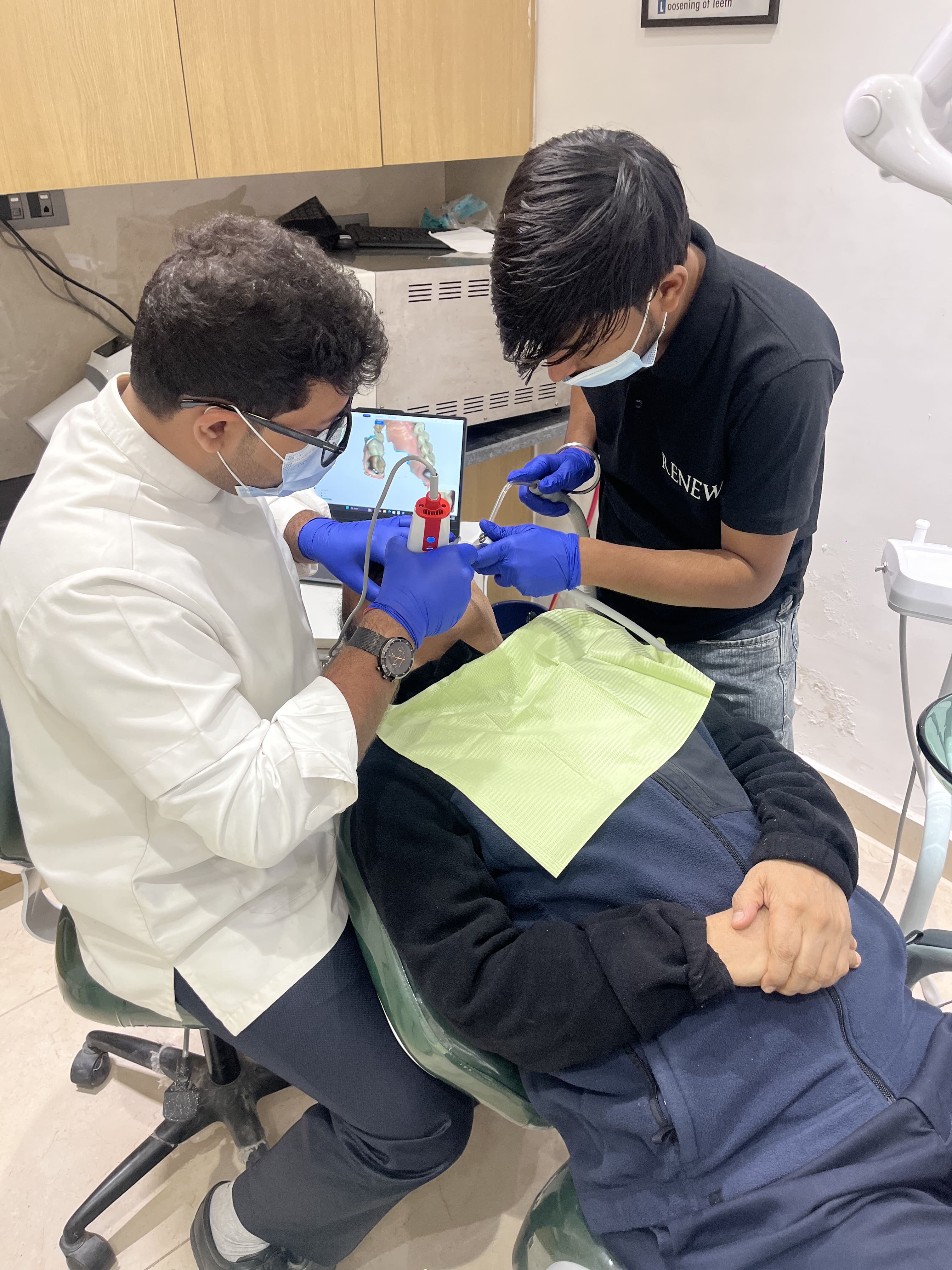
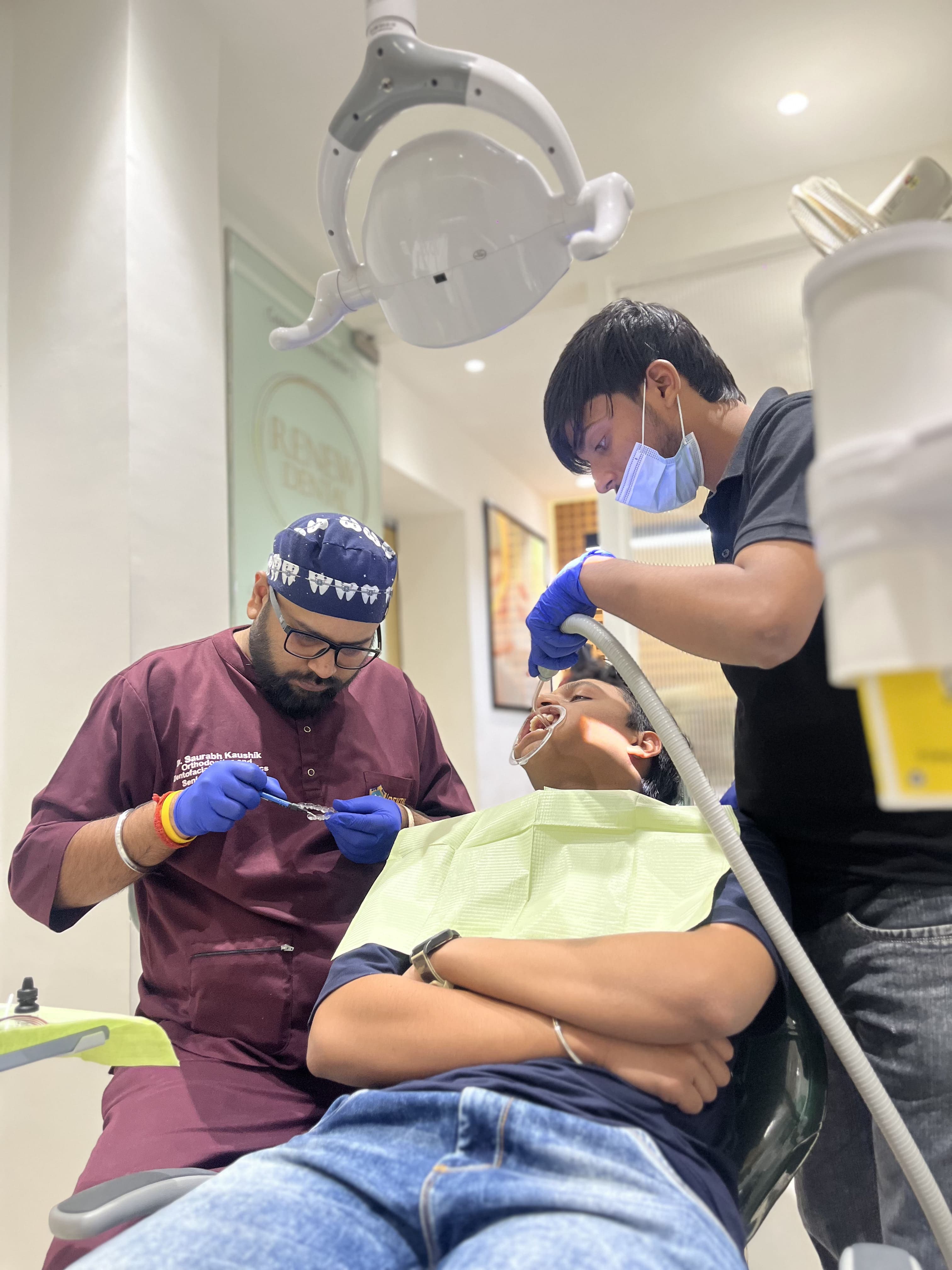
Dentists usually diagnose mouth ulcers through a simple oral examination. They examine the size, location, and appearance of the ulcers to identify possible causes. If ulcers occur frequently or take too long to heal, further evaluation may be suggested to rule out nutritional deficiencies, infections, or underlying health concerns. For proper diagnosis and child-friendly dental care, parents can visit Renew Dental, Noida, for expert pediatric oral health treatment and guidance.
How Dentists Treat Frequent Mouth Ulcers In Children?
Dentists focus on identifying the underlying cause of recurring mouth ulcers and providing treatments that reduce pain, improve healing, and prevent future recurrence.
- Dentists examine the size, location, and frequency of the ulcers.
- Oral examinations help identify irritation from teeth or braces.
- Child-safe oral gels or medications may be prescribed for pain relief.
- Nutritional deficiencies may be identified and addressed.
- Sharp dental edges or rough fillings may be corrected.
- Guidance on proper oral hygiene is provided to parents and children.
- Dentists may recommend avoiding trigger foods and habits.
- Infections causing repeated ulcers may require specific treatment.
- Hydration and dietary improvements are often suggested.
- Regular follow-ups help monitor healing and prevent recurrence.
Understanding Stress-Related Mouth Ulcers In Children
Stress and emotional changes can sometimes affect a child’s oral health and contribute to the development of mouth ulcers.
- Emotional stress may weaken the body’s immune response.
- Anxiety related to school, studies, or social situations can trigger ulcers.
- Poor sleep habits may increase the risk of recurring sores.
- Stress can make children more likely to bite their cheeks or lips.
- Stress-related ulcers may appear repeatedly during difficult periods.
- Children may experience reduced appetite due to oral discomfort.
- Relaxation and healthy routines can help lower recurrence.
- Balanced nutrition supports immunity during stressful phases.
- Parents should observe emotional or behavioral changes linked to ulcers.
- Professional dental care helps rule out other underlying causes.
Treatment Options For Mouth Ulcers In Children
Treatment for mouth ulcers in children mainly focuses on reducing pain, promoting faster healing, and preventing further irritation inside the mouth. Most ulcers heal on their own, but proper care can make children feel more comfortable and reduce the chances of recurrence.
1. Maintaining Good Oral Hygiene

A young girl smiles while holding a toothbrush with toothpaste.
Keeping the mouth clean is important for faster healing. Children should brush gently using a soft-bristle toothbrush to avoid irritating the ulcers further. Proper oral hygiene also helps prevent bacterial buildup that may worsen the sores.
2. Avoiding Trigger Foods
Spicy, acidic, salty, or crunchy foods can increase pain and irritation. Foods like chips, citrus fruits, spicy snacks, and carbonated drinks should be avoided until the ulcer heals completely. Soft and mild foods are usually more comfortable to eat.
3. Staying Hydrated
Drinking enough water helps keep the mouth moist and prevents dryness that may worsen the discomfort. Proper hydration also supports the natural healing process of oral tissues.
4. Topical Gels Or Medications
Dentists may suggest child-safe oral gels, ointments, or pain-relieving medications to reduce discomfort and inflammation. These treatments can help children eat and speak more comfortably during recovery.
5. Correcting Dental Irritation
If the ulcers are caused by braces, sharp teeth, rough fillings, or dental appliances, proper dental adjustments may be required. Removing the source of irritation helps prevent repeated ulcers from developing in the same area.
6. Nutritional Support
A healthy diet rich in iron, vitamin B12, folic acid, and zinc can support healing and lower the chances of recurring mouth ulcers. Fruits, vegetables, dairy products, and nutritious meals help strengthen oral tissues and immunity.
7. Salt Water Rinses
Mild saltwater rinses may help reduce bacteria inside the mouth and soothe irritation. However, this should only be done if the child is old enough to rinse safely without swallowing.
8. Using Soft Foods
Soft foods like curd, bananas, khichdi, soups, or mashed vegetables are easier to eat and cause less irritation to the ulcers while healing.
9. Managing Stress And Sleep
Proper sleep and stress management may also help children who frequently develop stress-related mouth ulcers. A healthy routine supports overall immunity and oral health.
10. Regular Dental Checkups
Frequent mouth ulcers should not be ignored. Regular dental visits can help identify underlying issues such as nutritional deficiencies, infections, or dental problems causing repeated ulcers.
Tips To Prevent Mouth Ulcers In Children
Preventive care can reduce the chances of recurring ulcers and improve overall oral health.
- Encourage Proper Brushing Habits - Using a soft-bristled toothbrush and gentle brushing techniques helps avoid mouth injuries.
- Provide A Healthy Diet - Foods rich in iron, vitamins, and minerals support stronger oral tissues.
- Limit Junk And Spicy Foods - Reducing overly spicy or acidic snacks lowers irritation inside the mouth.
- Regular Dental Checkups - Routine dental visits help identify early oral problems before they worsen.
- Manage Stress And Sleep - Healthy sleep routines and emotional support can also help reduce stress-related ulcers.
When To Visit A Dentist?
Parents should seek dental advice if:
- Mouth ulcers last longer than two weeks
- Ulcers occur very frequently
- The child has a fever or swelling along with ulcers
- Eating and drinking become difficult
- There is severe pain or bleeding
Professional evaluation ensures the child receives the right care and helps identify any hidden dental or health issues.
Final Thoughts
Mouth ulcers in children may seem minor, but they can significantly affect a child’s comfort, eating habits, and oral health. Early attention, proper oral care, and identifying triggers can help prevent repeated ulcers and ensure faster healing.
At Renew Dental, Noida, children receive gentle and expert dental care focused on maintaining healthy smiles and comfortable oral health. From diagnosing recurring mouth ulcers to providing effective treatment and preventive guidance, the clinic focuses on making pediatric dental care safe, supportive, and stress-free for every child.
Frequently Asked Questions
1. Can mouth ulcers in children heal on their own?
Yes, most mouth ulcers usually heal naturally within 7-14 days.
2. Are mouth ulcers in children contagious?
No, common mouth ulcers are generally not contagious.
3. What foods should children avoid during mouth ulcers?
Spicy, acidic, salty, and crunchy foods should be avoided as they can irritate the ulcers.
4. When should parents take their child to a dentist for mouth ulcers?
A dentist should be consulted if ulcers are frequent, severe, or last longer than two weeks.