Dental Care for Seniors: Common Problems and Solutions

Dry mouth is common in older adults, especially due to medications for blood pressure, diabetes, or heart disease, and it increases the risk of tooth decay.
With aging, the importance of oral health is also growing. Correspondingly, over time, teeth and gums weaken; therefore, elderly people are more susceptible to gum diseases, tooth decay, dry mouth, infections, and even to tooth loss. Such oral disorders impact not only chewing and speaking but also contribute to a whole health perspective, nutrition, and level of confidence.
There are natural changes that come with aging, along with side effects from medications and chronic diseases. The following blog discusses some very common dental problems among seniors and gives practical, easily followed solutions to achieve good oral health in later years.
Why Seniors Need Extra Dental Care?
Natural Aging Changes in the Mouth
With the aging of the body, a number of changes also occur in the mouth that raise dental risks. One of the major changes involves the thinning of enamel, which exposes teeth to cavities and sensitivity. Seniors also have reduced salivary flow, leading to dryness of the mouth and raising the risk for bacterial growth.
Receding gums is a very common problem wherein gums pull away from the teeth and expose their roots, making them more vulnerable to decay and soreness.
Through these natural changes, it becomes clear that oral hygiene has to be consistent, and dental check-ups should be part of the routine.
Medications and Current Health Conditions
Medications that many seniors are on include those for diseases like diabetes, high blood pressure, arthritis, and heart disease. Most of these various medications have dry mouth among their side effects. Dry mouth increases the risk of cavities, infections, and difficulty chewing.
Chronic diseases, such as diabetes, weaken the tissues of the gums, thus predisposing seniors to gum disease. Arthritis might reduce hand mobility, hence making brushing and flossing difficult. With all these factors combined, dental care is a significant concern in seniors' health.

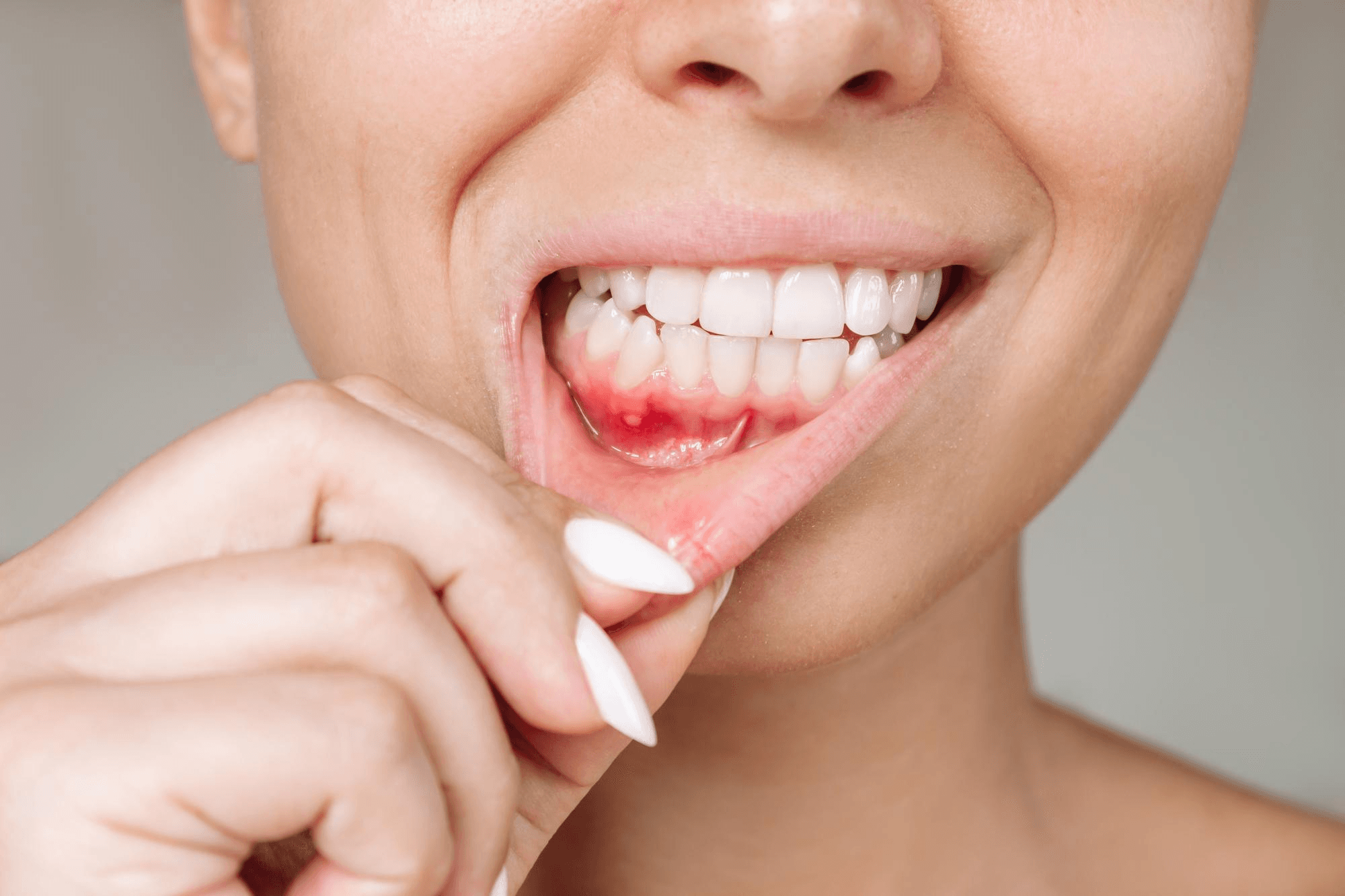
Gum disease becomes more common with age, making regular dental check-ups essential for preventing bleeding gums, bad breath, and tooth loss.
Gum disease becomes more common with age, making regular dental check-ups essential for preventing bleeding gums, bad breath, and tooth loss.
Common Dental Problems Among Seniors
Periodontitis (Gum Disease)
It is considered one of the most common serious dental issues in older adults due to plaque formation, poor hygiene, smoking, diabetes, and aging. Some symptoms of this disease include bleeding gums, swelling, bad breath, and recession of the gums. If left unattended or untreated, these diseases of the gums could result in tooth loss and increase the risk for systemic infections that may include heart complications. Thus, early diagnosis of the disease with regular cleaning can be helpful in managing this condition effectively.
Dental Caries and Cavities
Thinning enamel and dry mouth make seniors particularly vulnerable to cavities. If there is not enough saliva to rinse out the food particles, bacteria can multiply at an alarming rate. If left untreated, caries can progress into sharp pains, infections, and even loss of teeth. Fillings are important in timely interventions to prevent such complications as seniors keep their teeth healthy.
Dry Mouth (Xerostomia)
Dry mouth is increasingly common with age since many elderly people take medications for various diseases. Saliva protects the teeth against tooth decay, assists in digestion, and keeps tissues infection-free. In cases where seniors are afflicted with dry mouth, they may experience difficulty in chewing foods, have unpleasant breath, and an increased risk of dental caries. For this reason, dry mouth should be treated to prevent long-term injury.
Tooth Sensitivity
Sensitivity occurs when worn-out enamel or receded gums expose the inner, sensitive layers of the teeth. This, for a senior, may mean discomfort with hot, cold, or sweet food. While it may sound like a minor thing from the outset, sensitivity usually indicates deeper issues, such as enamel erosion or gum recession.
Tooth Loss
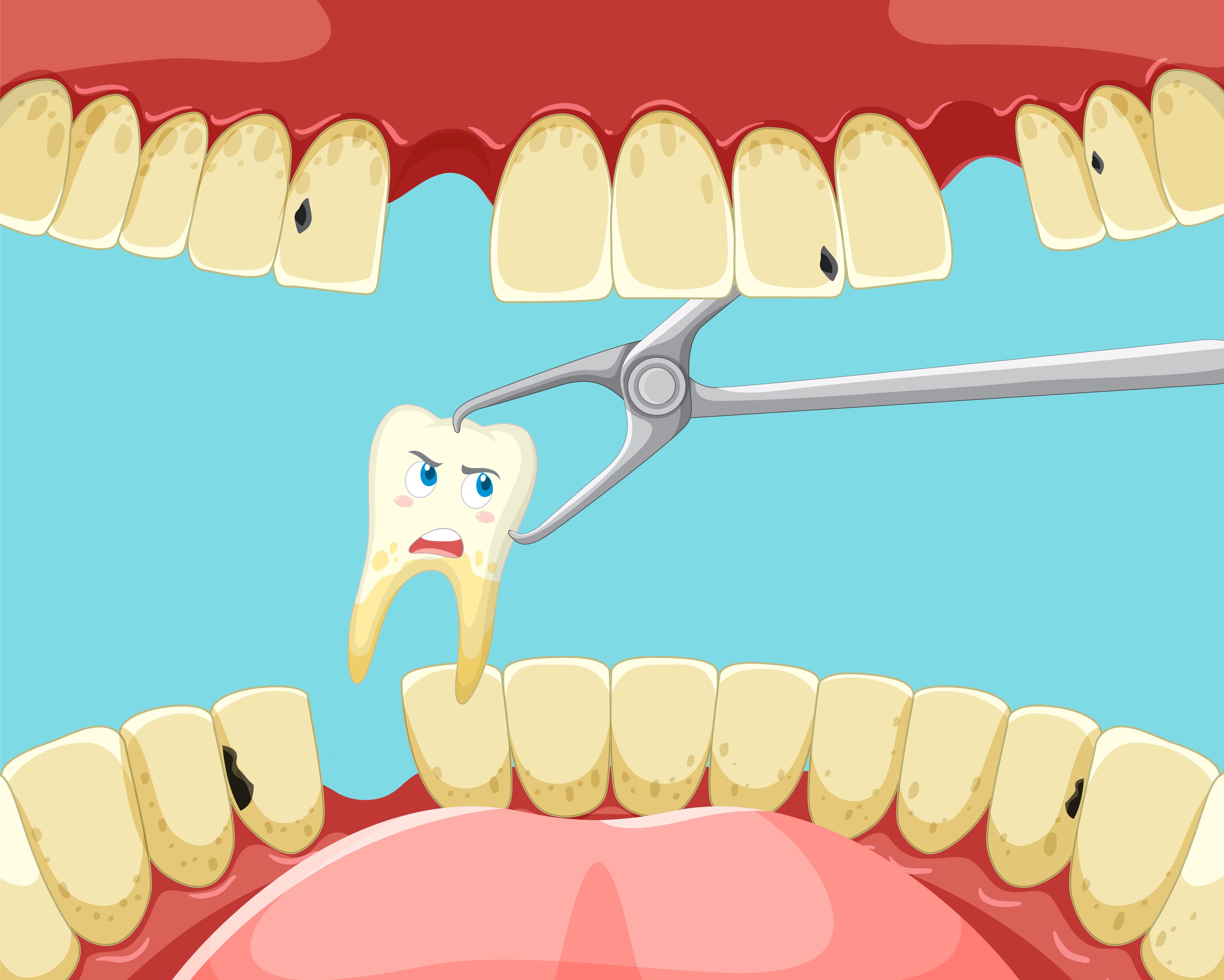
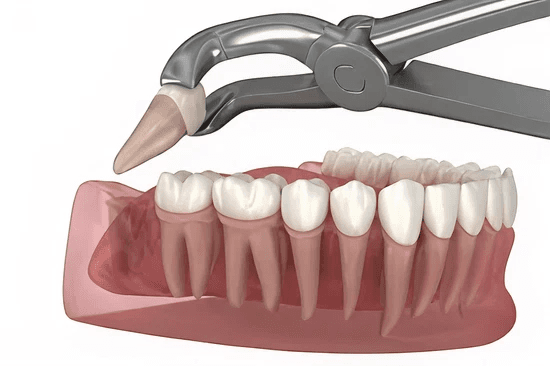
The most common causes of tooth loss for older adults are diseases of the gums, decay, and physical injuries. Missing teeth affect chewing, nutrition, and self-confidence. Speech patterns may change, and over time, it can affect the jawbone.
Oral Infections and Thrush
Immune weaknesses due to senior adulthood, along with uncontrolled diabetes and wearing dentures, ensure that the risk of oral infection is very high. Examples are thrush, which is a fungal infection causing white patches, soreness, and difficulty swallowing. Infections usually require early treatment to avoid discomfort and complications.
Denture Problems
Many older adults wear dentures. Ill-fitting dentures can cause sores that make speaking and eating difficult. Over time gums and the jawbone change; therefore, regular adjustments of dentures are needed. Good care of dentures prevents infection and irritation.

Cavities in seniors often occur at the gum line, which can be harder to clean and may require more frequent professional cleanings.
Practical Solutions for Senior Dental Problems
Practice Good Oral Hygiene
Good oral habits start with daily care. Seniors should brush their teeth, using fluoride toothpaste to strengthen the enamel, at least twice a day. A soft-bristle toothbrush will not agitate sensitive gums and avoid further irritation. Daily flossing can help remove plaque between teeth, although for people with limited use of their hands, a water flosser can be very effective.
Management of Dry Mouth
Saliva substitutes or moisturizing mouth sprays may also help control dry mouth. Dry mouth can be managed by simple changes in lifestyle. Plenty of water intake during the day moistens the mouth. Chewing sugar-free gum stimulates the production of saliva. The caffeine, alcohol, and tobacco that seniors usually consume should be avoided since they worsen dryness.
Improve Diet for Better Oral Health
A healthy diet maintains healthy teeth and gums. Older adults should emphasize calcium-rich foods, such as milk, yogurt, and spinach, that will help strengthen teeth and bones. Vitamin D, too, is important for calcium absorption and can be synthesized in the skin upon sun exposure or ingested as a supplement. Reducing sugary snacking and acidic beverages can help prevent dental caries and erosion of tooth enamel.
Regular Dental Check-ups
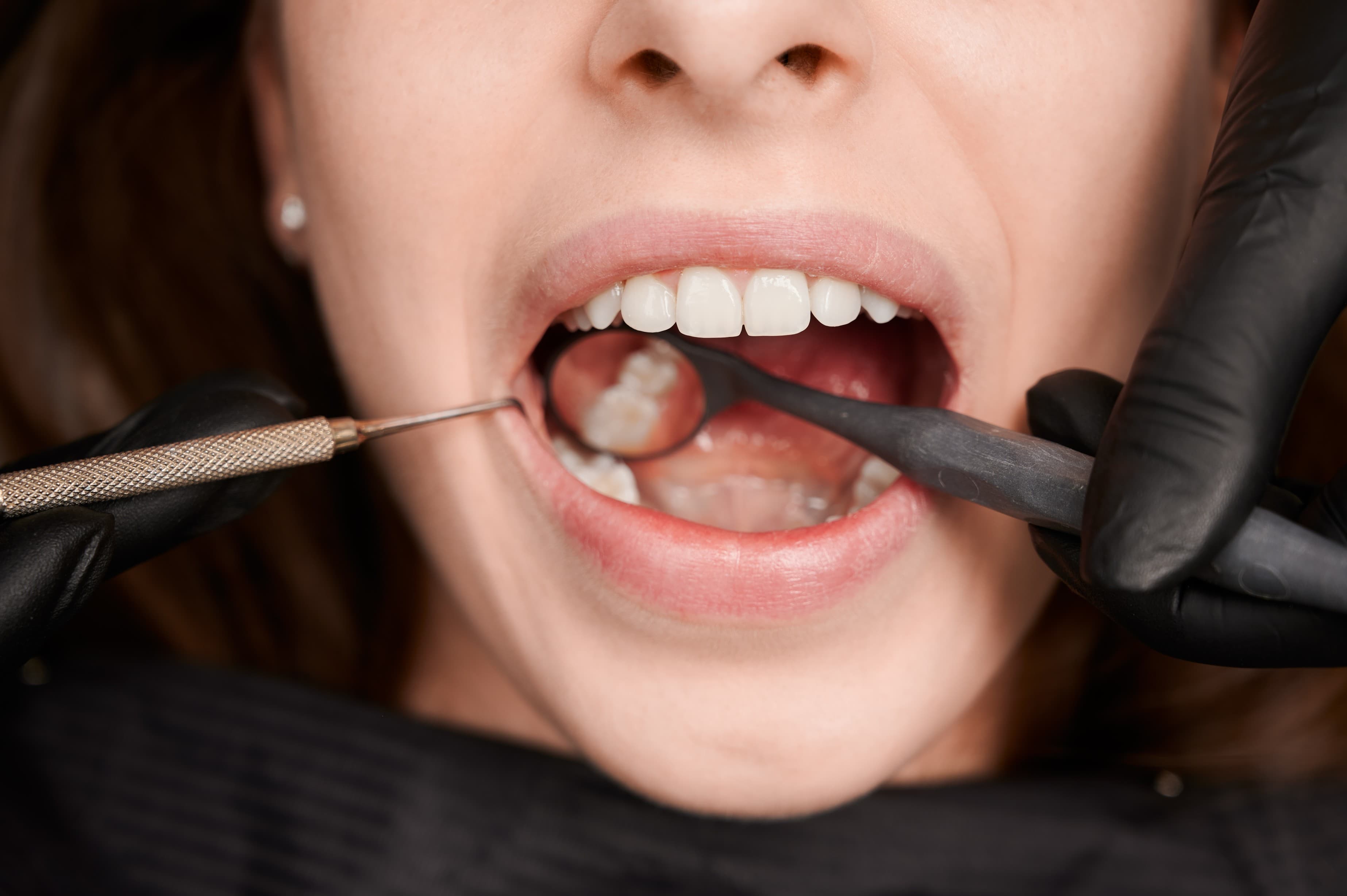
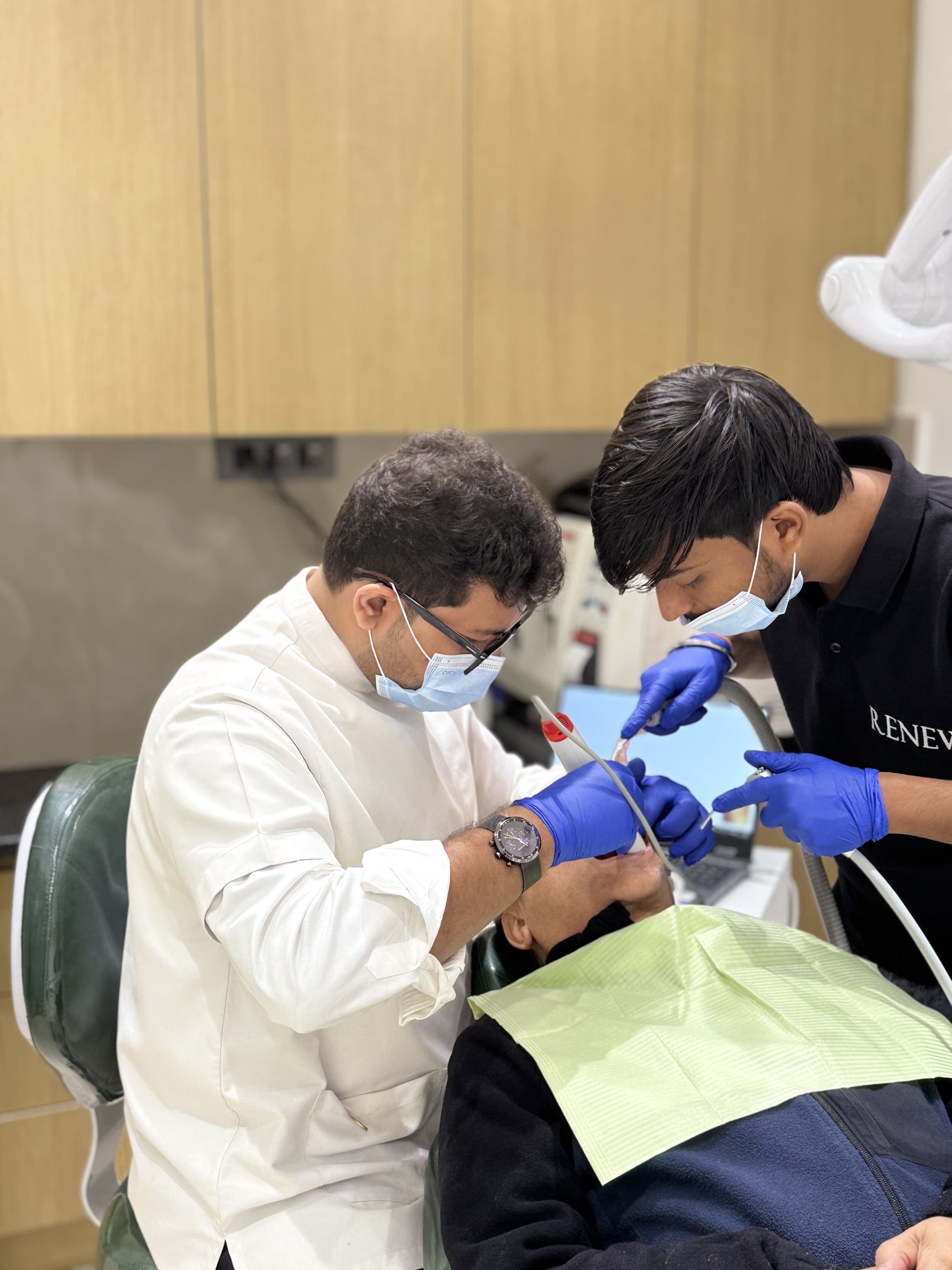
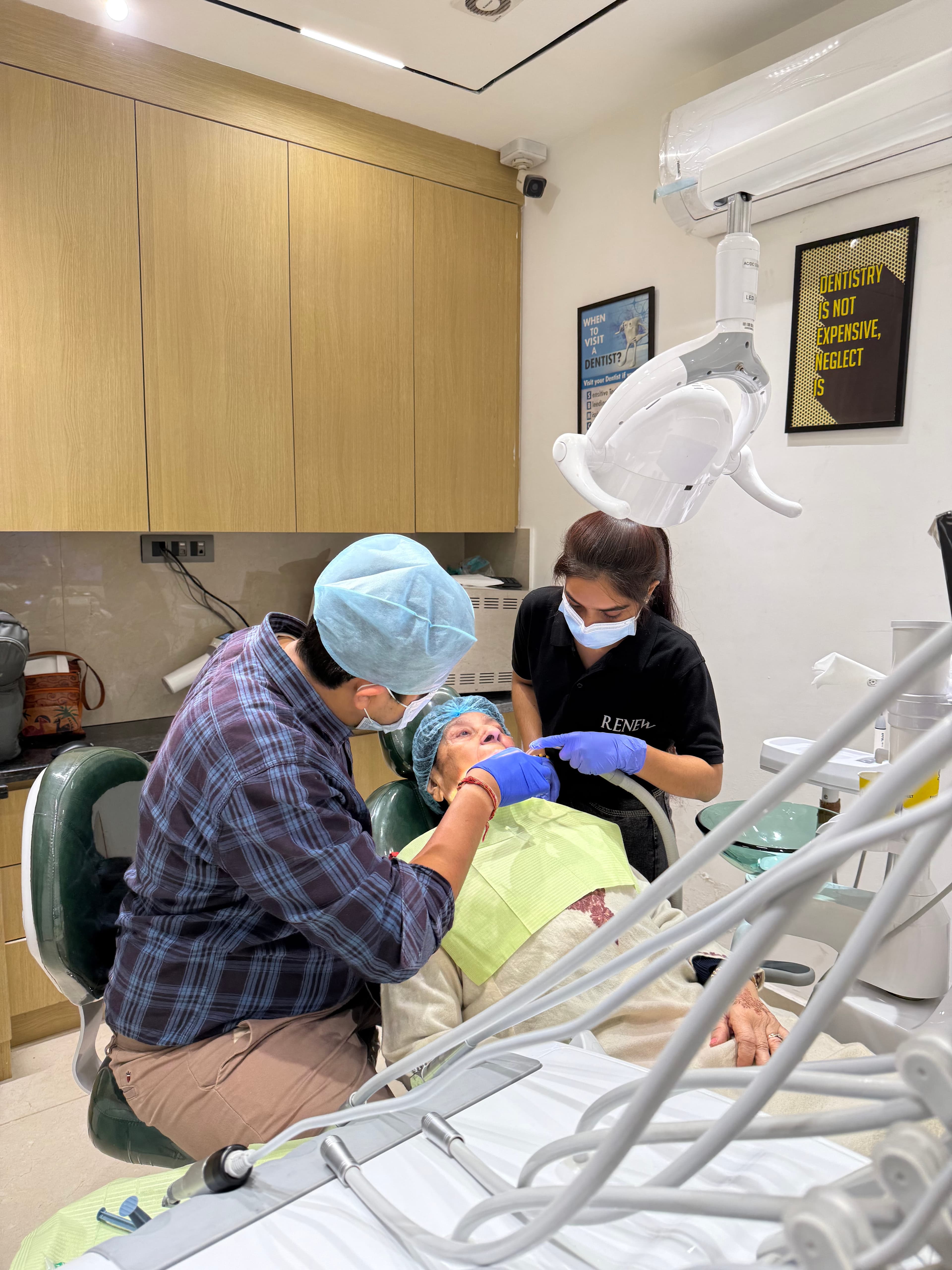
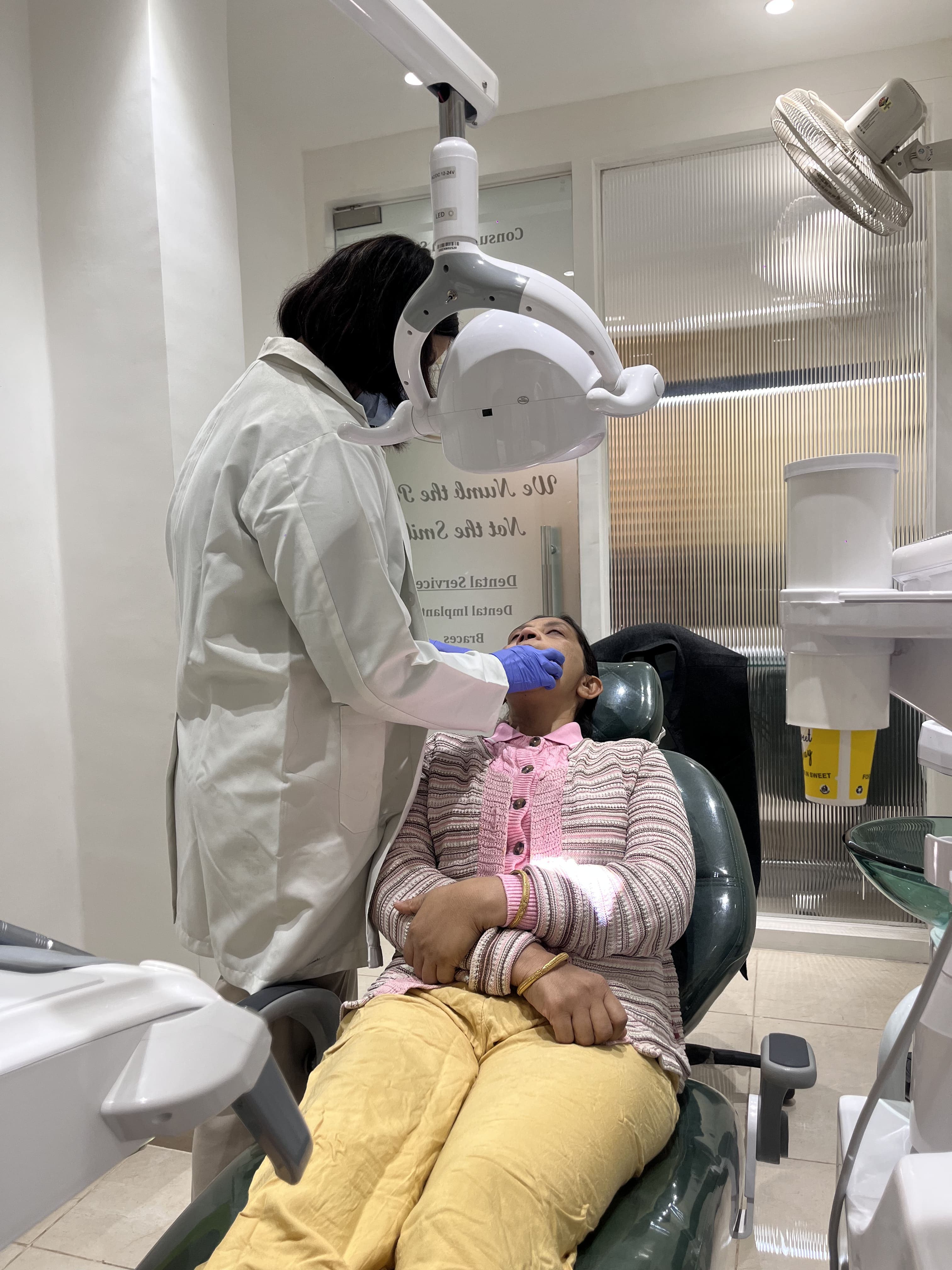
Visiting a dentist for regular cleaning, at least every six months, is highly recommended for seniors. Such professional cleaning removes hardened tartar and helps prevent gum disease. They would also be able to identify any early signs of cavities, infections, or oral cancer, which tend to be more common in older individuals.
Solutions for Tooth Loss
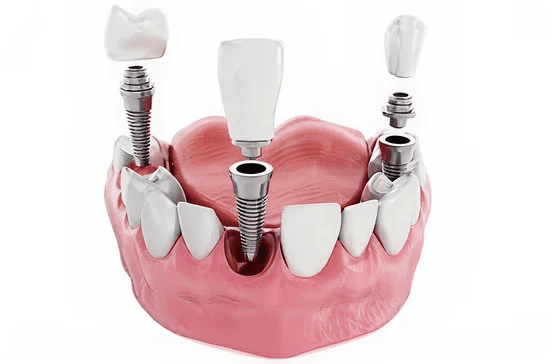
The options available for the management of tooth loss include:
- Dentures: full or partial replacement of teeth.
- Implants provide a more permanent and stable alternative.
- Bridges to replace missing teeth without surgery
The best option would depend on the oral health, medical condition, and budget of the senior.
Proper Care for Dentures
Food particles and bacteria build up on dentures that need to be cleaned daily. Seniors should soak their dentures in a denture-cleaning solution every night and lightly brush them before putting them on. Whenever dentures feel loose or uncomfortable, they need adjustments by the dentist to avoid sores and infections.
Pain and Sensitivity Management
This sensitivity can be managed by the use of desensitizing toothpaste, a fluoride varnish, or other gum recession treatments. Your dentist may recommend procedures that will help protect the root of the tooth that has become exposed and relieve the pain.

Healthy gums support overall health, reducing systemic risks such as heart disease, stroke, and uncontrolled diabetes.
Healthy gums support overall health, reducing systemic risks such as heart disease, stroke, and uncontrolled diabetes.
When Seniors Should See a Dentist Immediately
- However, some symptoms do need immediate dental attention:
- Persistent Toothache
- Bleeding or swollen gums
- Loose teeth
- White patches or sores in the mouth
- Bad breath that does not improve
- Poorly fitted dentures
Early help-seeking prevents complications and protects general health.
Conclusion
Good oral hygiene, proper nutrition, and regular dental visits can help protect teeth and gums. Some problems associated with dental health in older adults include gum disease, dry mouth, tooth loss, and denture problems. These habits of good oral hygiene, proper nutrition, and regular dental visits should be encouraged by the caregiver to ensure that problems are detected early and properly treated. A healthy smile can help older adults maintain better nutrition, confidence, and overall well-being during the senior years.
Frequently Asked Questions
1. Why do seniors have more dental problems compared to younger adults?
Aging can wear away enamel, expose roots through recession of gums, and reduce saliva, all making seniors more susceptible to cavities and gum disease.
2. How can seniors prevent gum disease?
Regular brushing, flossing, professional cleaning, and avoidance of smoking reduce the risk of gum disease.
3. What is the best solution for dry mouth among older adults?
Dry mouth can be relieved by staying hydrated, chewing sugar-free gum, reducing caffeine, and using saliva substitutes.
4. Are dentures safe and effective for seniors?
Yes, dentures are safe and effective, provided they are fitted well and cleaned daily.
5. How often should seniors visit the dentist?
At least every 6 months, or more often if they have diabetes, gum disease, or wear dentures.