First Dental Visit: What Every Parent Should Know

Dentists guide parents on proper brushing techniques, fluoride use, diet recommendations, and how to prevent cavities in children through daily care routines.
A child's smile is one of life's most valued possessions, and their dental care begins much earlier than most parents would think. Early dental visits create the foundation for tooth decay prevention, good oral hygiene practices, and a healthy smile that will last a lifetime. Whether you're one of the parents wondering when you should take your child for that very first visit or how to make it a stress-free one, we've outlined in this guide everything you need to know, from expert pediatric dentist tips to some easy preparation ideas that will make your child's first visit a happy one.
Why Early Dental Care Matters?
Most parents start taking their child to the dentist once the child has several teeth. However, according to the American Dental Association, your child should first see a dentist by his or her first birthday or six months after the eruption of the first tooth.
Early dental checkup care is not solely about checking on teeth, but includes the establishment of trust and comfort with dental visits, detection of early signs of decay, and teaching parents how to take care of tiny teeth. Although the teeth of a baby are temporary, they act like placeholders for permanent ones, so maintaining their health is necessary to avoid later problems in alignment and speech.
An early "dental home" is one in which the child can grow up considering dental visits to be fun, positive, and routine, not scary.
When Should Your Child See the Dentist for the First Time?
Most parents believe that dental care starts in school years. According to professionals, though, the first dental visit of a child should happen by his/her first birthday. The sooner you start, the better your chances of preventing cavities, one of the most common chronic diseases of children.
- A first dental check-up enables the dentist to:
- Observe the development of your child's teeth
- Look for early signs of decay or gum irritation.
- Provide instruction on appropriate brushing technique and healthy dietary habits.
- Make your child as comfortable as possible.
- Early visits also serve to identify potential problems, such as tongue-tie, delayed tooth eruption, or enamel defects that may need attention.
Why are early dental visits so important?
Early dental visits are about prevention, education, and comfort. Children who start visiting the dentist early in life:
- Early identification and treatment with fluoride can prevent dental caries or decay.
- Good brushing practices depend upon the recommendations made by dentists.
- Reduce dental anxiety because they get used to the clinic environment from an early age.
- Save money for the parents, as prevention always costs less compared to treatment.
This will go a long way in ensuring that children who start visiting the dentist early in their lives grow up with healthy, cavity-free smiles and a good attitude toward oral care.

Introducing your child early to a friendly dental environment helps them develop a positive attitude toward oral care and reduces fear of dental visits in the future.
How to Prepare Your Child for Their First Dental Visit
1. Give a compliment about the dentist.
Your child's attitude towards dental visits often reflects your own. Avoid using words associated with fear, such as "pain" or "injection". Use friendly-sounding phrases like "tooth doctor" or "teeth cleaning". You should explain that the dentist will help him/her to have a bright and strong smile.
2. Read Books or View Videos About Dental Visits
They understand through stories and pictures. Reading some picture books like "Peppa Pig Visits the Dentist" or seeing some short kid-friendly videos about it could give them a sense of familiarity and fun. This helps reduce the fear and builds curiosity.
3. The Right Time of Day
Timing is everything, so schedule an appointment when your child has rested and eaten. Often, the early morning works quite well. Try to avoid nap times or right after a long, tiring school day because overtiredness makes them cranky.
4. Consult a Pediatric Dentist
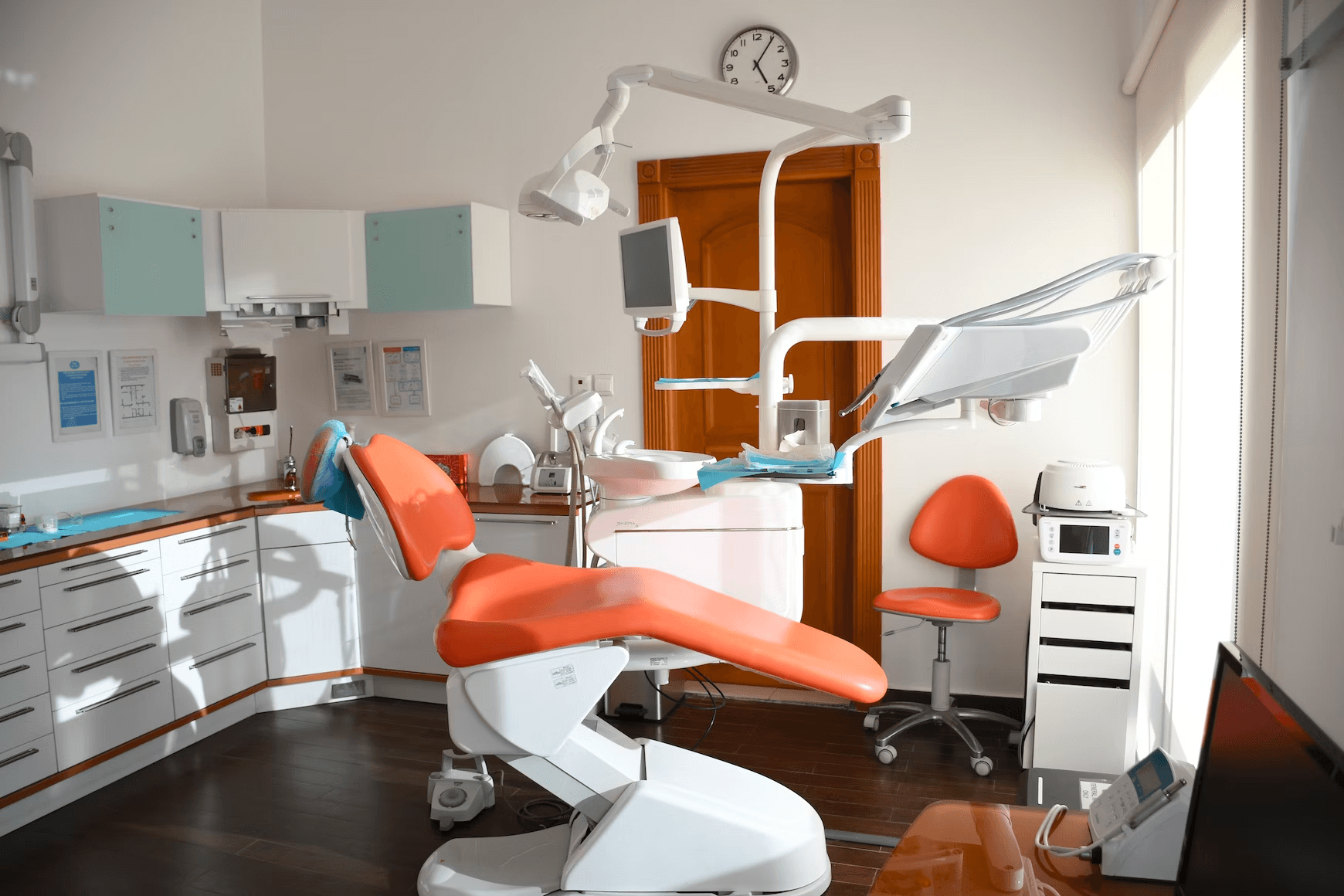
A pediatric dentist is a specialist in children. Their clinics are usually fitted out to be child-friendly; they usually use bright colors everywhere, have toys, and their dental tools are smaller. They make use of gentle methods of communication and behavior techniques that keep your child comfortable and secure during their visit.

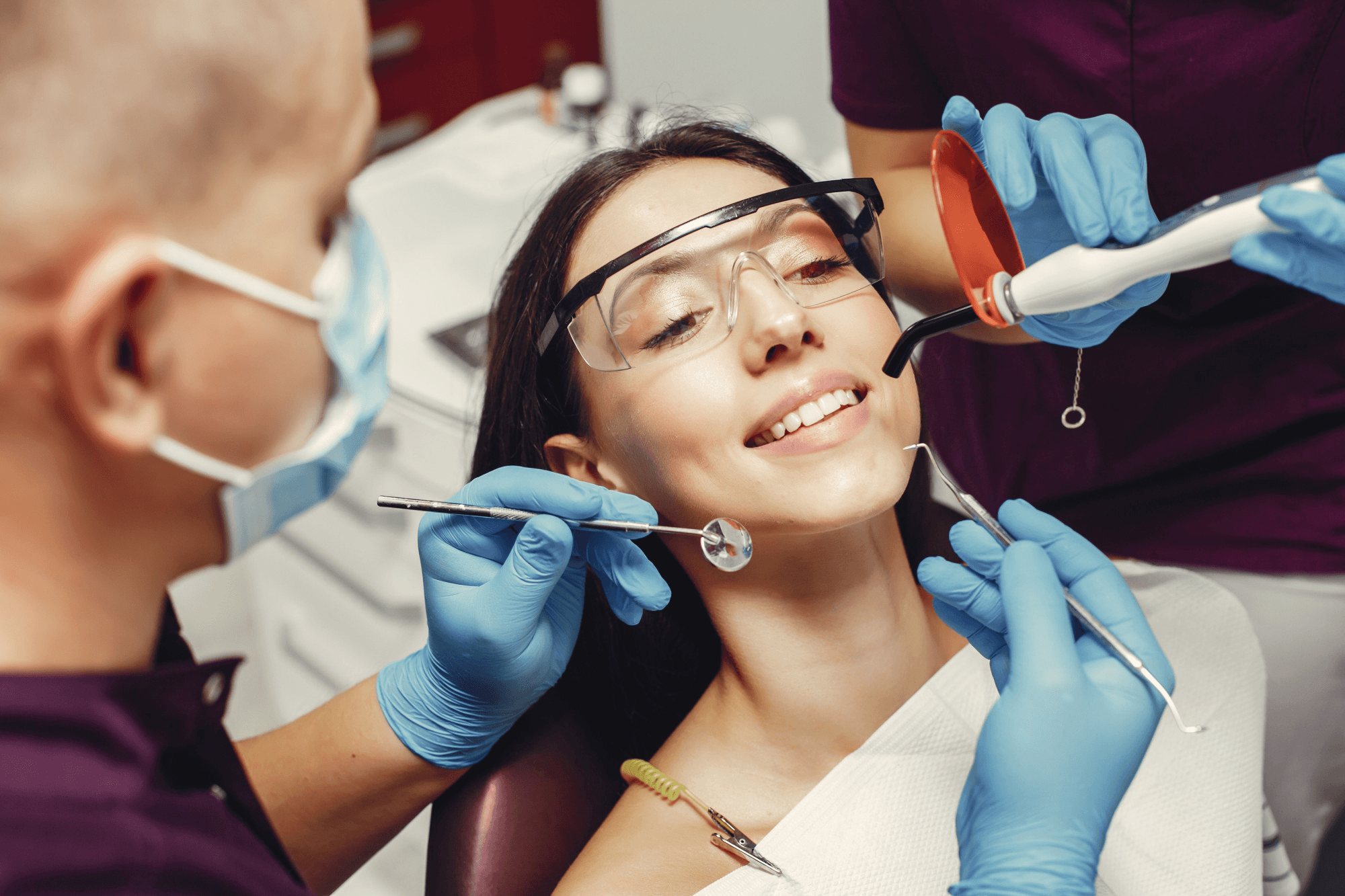
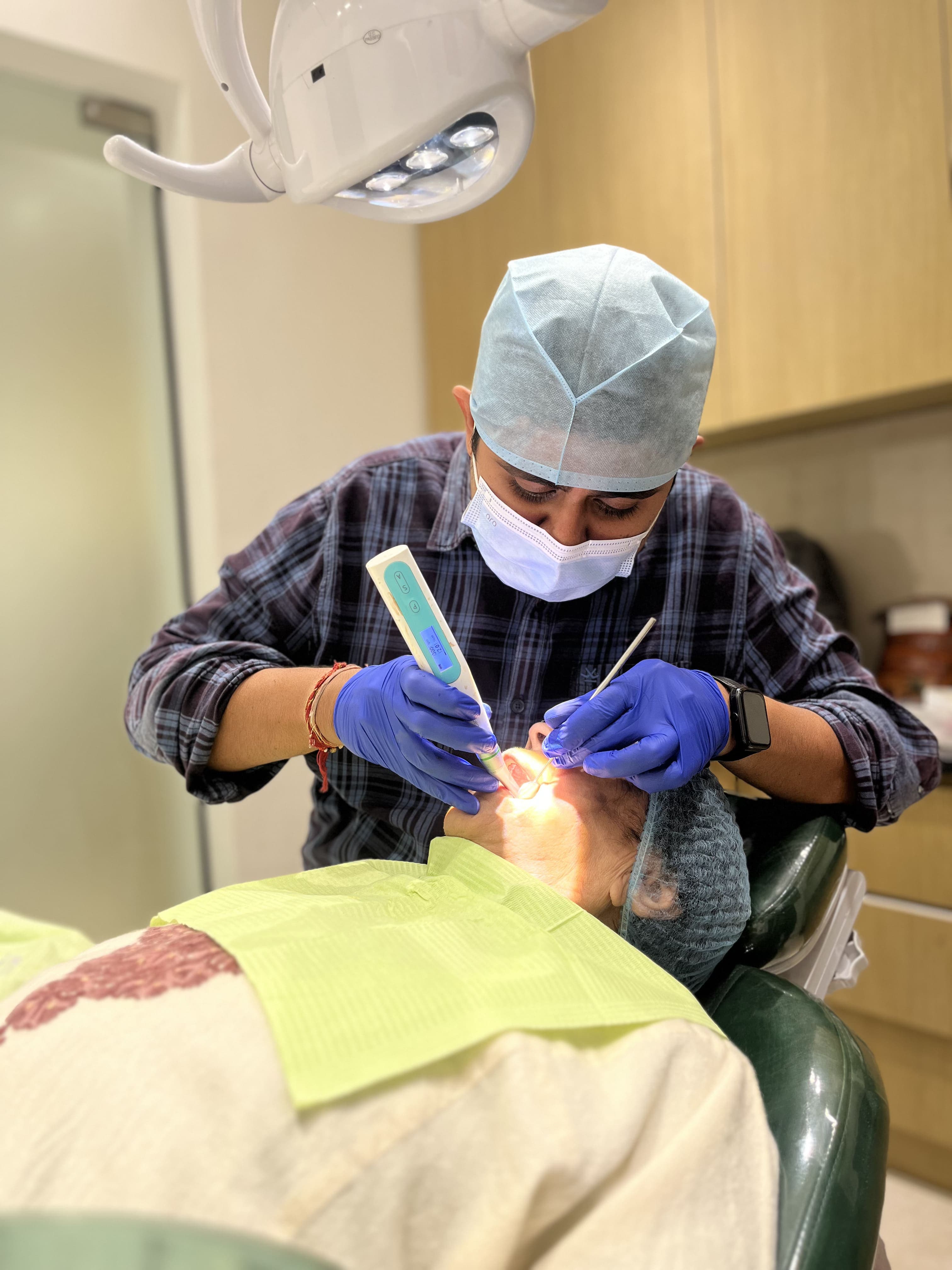
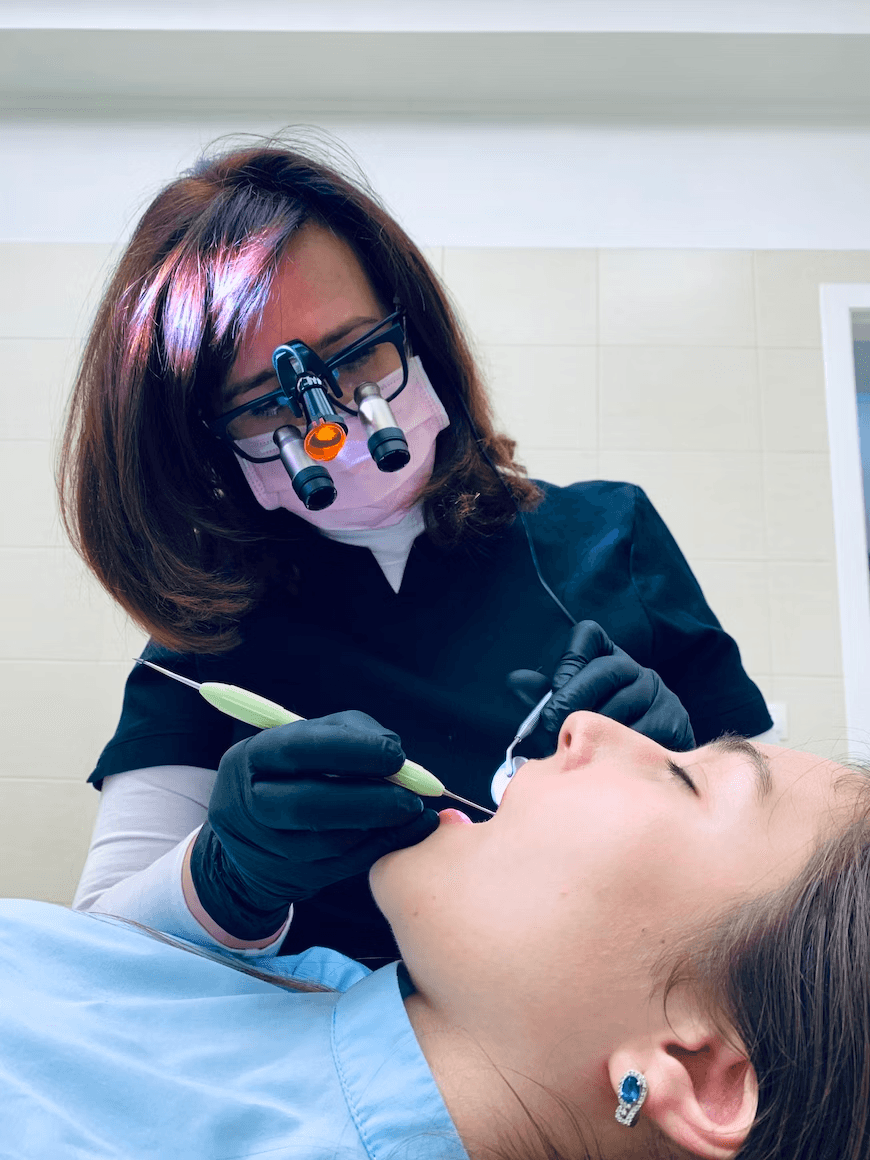
During the first dental visit, the dentist examines your child’s mouth, teeth, and gums while making the experience calm and positive to build trust and reduce dental anxiety.
During the first dental visit, the dentist examines your child’s mouth, teeth, and gums while making the experience calm and positive to build trust and reduce dental anxiety.
What Happens During the First Dental Visit
Your child's first visit is designed to be a short, calm, and educational visit, which should last approximately 20 to 30 minutes.
Here is what normally happens:
- The dentist greets your child and puts them at ease.
- A gentle oral examination by the pediatric dentist will assess teeth and gums, and bite alignment.
- The dentist may do a light cleaning or apply fluoride to prevent cavities, if needed.
- The parents will be advised on how they can help the children in proper brushing and flossing of the teeth, the use of fluoride, and good eating habits.
This visit is to build trust rather than to search out cavities or to perform procedures. Your child becomes familiar with the sights and sounds of the dental office, plus friendly faces very important step in setting a good foundation for future visits.
Common Fears and How to Handle Them
It is very normal for children to feel apprehensive in new situations, and this is most definitely true of dental visits. Sometimes they may be afraid of the chair, light, or instruments. As a parent, your own calmness is reassuring.
- Be positive and relaxed, for children take on your energy.
- Allow them to bring a favorite toy or blanket with them for comfort.
- Praise small acts of bravery and celebrate the visit afterwards.
Also, do not share your fears or any negative dental experiences with them. Early visits help your child build trust and lifelong healthy habits, so make dental visits fun and a rewarding experience.
Taking Care of Your Child's Teeth at Home
Healthy dental care begins well before that first visit to the dentist. Here's how to keep your child's teeth healthy right from day one:
- Before teeth erupt: Gently wipe the gums with a soft, damp cloth.
- After the first tooth appears, use a rice-sized amount of fluoride toothpaste and a baby toothbrush.
- Toothpaste can be increased to a pea-sized amount at 3 years and older, and independent brushing, but under supervision, can be allowed.
- Limit foods and drinks with added sugars, such as juices, candies, and sticky foods.
- Brush twice daily and start flossing when the teeth touch. Be a role model, brush and floss together as a family habit. Remember, good oral hygiene is a family affair.
Children mimic what they see, so let them see you taking care of your smile, too.

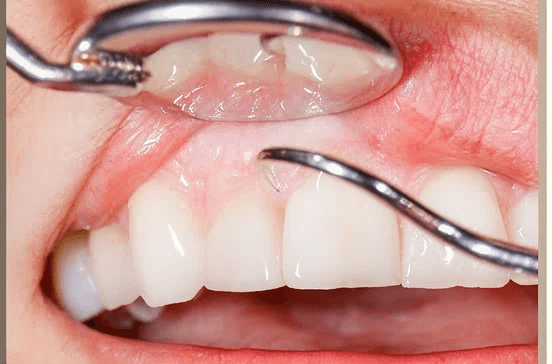
An early dental check-up allows the pediatric dentist to identify potential issues like tooth decay, gum irritation, or misalignment, reducing the risk of future dental complications.
An early dental check-up allows the pediatric dentist to identify potential issues like tooth decay, gum irritation, or misalignment, reducing the risk of future dental complications.
Signs You Should See a Dentist Sooner
Even before the scheduled 6-month visit, watch for signs that your child may need to see the dentist early:
- White or brown spots on the teeth are early signs of decay. Swollen or bleeding gums after brushing.
- Bad breath that is persistent and will not improve after brushing and flossing. Toothache or sensitivity to temperature.
- Delayed tooth eruption or bad positioning.
Early treatment prevents complications and keeps dental problems from getting worse.
How to Make Dental Visits Stress-Free in the Future
Consistency is the key to long-term dental success. For stress-free future visits: Schedule follow-up appointments every 6 months. Make dental visits part of your routine healthcare plan. After appointments, reward your child with small treats, stickers, or praise. This will make sure your child remains familiar and comfortable with the pediatric dentist. Over time, your child will come to view dental care as part of life rather than something to be afraid of.
Conclusion
Your child's first dental visit is more than a milestone; it's the beginning of a lifetime of healthy, happy smiles. Early, positive dental experiences coupled with the right pediatric dentist will help your child avoid dental problems and learn a lifelong habit of good oral care. Early prevention, gentle education, and regular visits hold the key to a confident and cavity-free smile. A happy first visit today will ensure your child continues smiling brightly for years to come.
Frequently Asked Questions
1. At what age should my child see the dentist for the first time?
You should take your child for their first dental visit by their first birthday or six months after the first tooth erupts, whichever is earlier.
2. What do I bring with me for my child's first dental visit?
Please bring your child's medical history, medication list, and comfort item, such as a toy or blanket, which can be used to help them relax during the visit.
3. How do I prepare my child not to fear the dentist?
Use positive words and phrases, read storybooks about the dentist, and describe how trips to the dentist will make their teeth strong and healthy.
4. Will the dentist clean my child's teeth during the first visit?
It usually consists of a gentle examination and cleaning by the dentist, possibly an application of fluoride, and instructions on brushing according to your child's age.
5. How often do children need to visit the dentist?
Children are usually seen by the dentist every 6 months, or more often if there is any pain, swelling, or discoloration of the teeth.