By Renew Dental ClinicPublished on

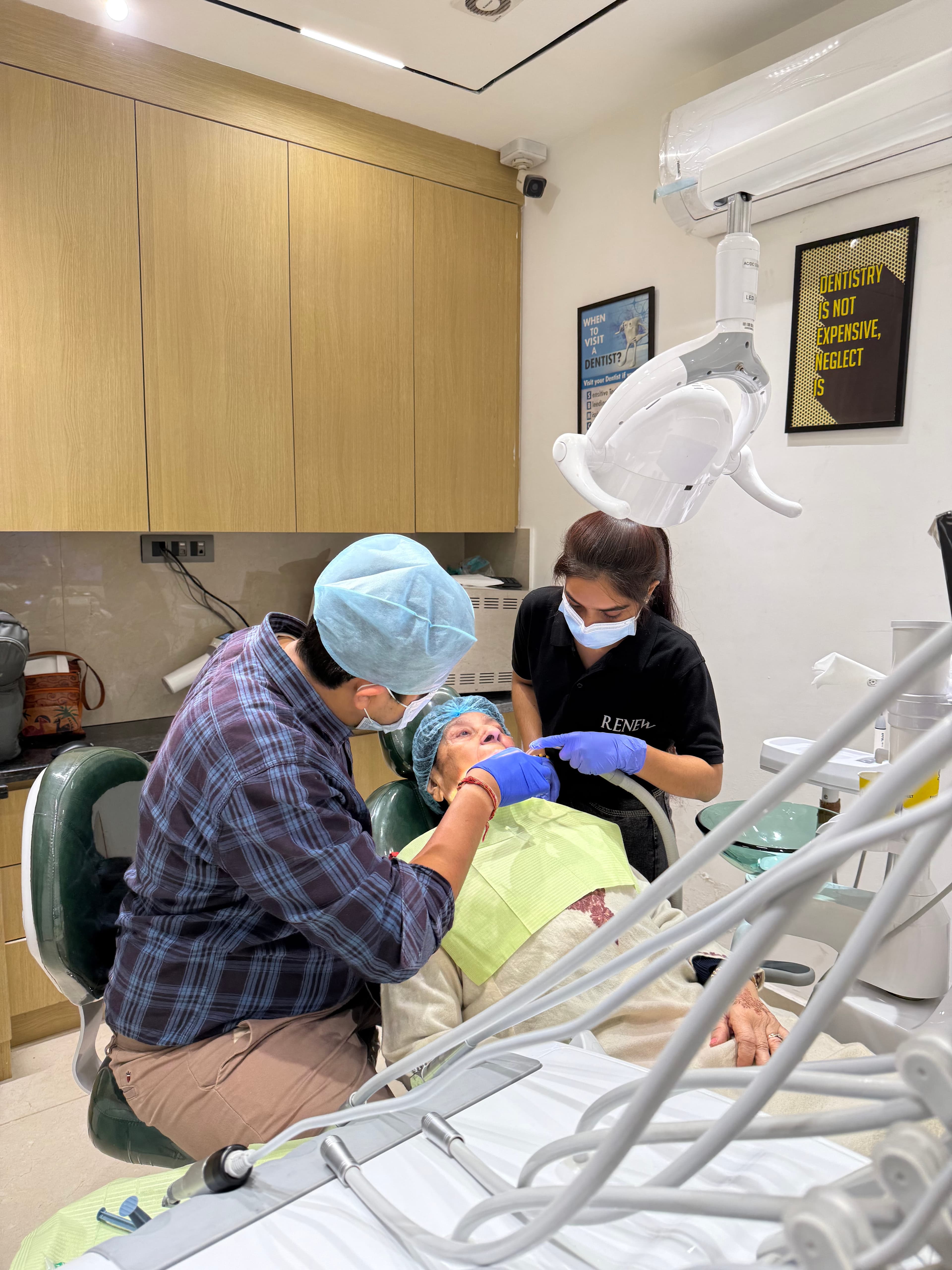
Patient sitting in a dental chair during a tooth extraction.
Dry socket is the complication that most dental clinics warn patients about after a tooth extraction but don't fully explain. The name gives you the general picture — a socket that's dry — but it doesn't capture why that's so painful or what actually needs to happen to fix it.
Understanding dry socket before it happens is useful. Understanding it while it's happening — so you know it requires dental treatment and won't resolve on its own — is essential.
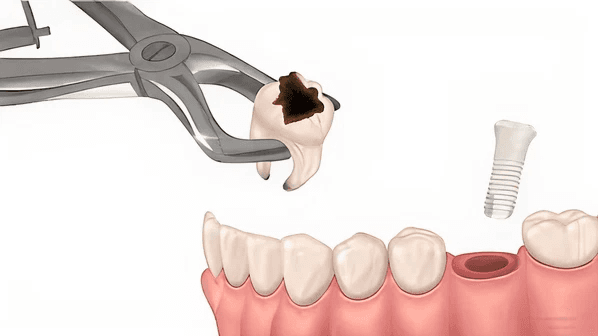
When a tooth is extracted, the empty socket fills with blood that clots within minutes to hours. This blood clot is the foundation of everything that follows in healing. It physically covers the exposed bone and nerve endings at the base of the socket, protecting them from the oral environment — from air, food, liquid, and bacteria. Under the clot, the healing process begins: blood vessels grow inward, new bone cells are recruited, and the socket gradually fills with new tissue over weeks.
Dry socket (alveolar osteitis) is what happens when this clot is lost before the socket has healed enough to protect itself. The clot either fails to form adequately, dissolves prematurely, or is physically dislodged. What's left is exposed bone and nerve tissue sitting in an open socket — directly in contact with everything that enters the mouth.
Bone is innervated. Exposed bone in the jaw is genuinely, severely painful. That's why dry socket is described by patients who've experienced it as some of the worst pain they've had — often notably worse than the pain that led to the extraction in the first place.
Dry socket affects approximately 2–5% of all extractions but rises to 20–35% after impacted lower wisdom tooth removal. The lower wisdom tooth position is more susceptible for multiple reasons: the blood supply to the lower jaw is different, the socket is deeper, the area is harder to keep clean, and the forces of chewing and mouth movement during recovery are more disruptive.
The timing is the most important diagnostic clue. Dry socket doesn't present on day one — it presents on days 2–5, typically after the initial post-extraction soreness has started to ease.
That pattern is what makes it recognisable: things were getting better, then suddenly got significantly worse. Or more precisely — the dull soreness of normal recovery becomes a severe, throbbing, boring pain that doesn't respond to ibuprofen the way the initial soreness did.
Severe, throbbing pain that radiates — toward the ear, the temple, or down the jaw on the same side as the extraction. Patients often say it feels like the pain is coming from inside the bone, not just the surface.
A bad taste or smell from the socket. The exposed bone and the bacteria colonising the unprotected area produce a characteristic foul odour that persists despite rinsing.
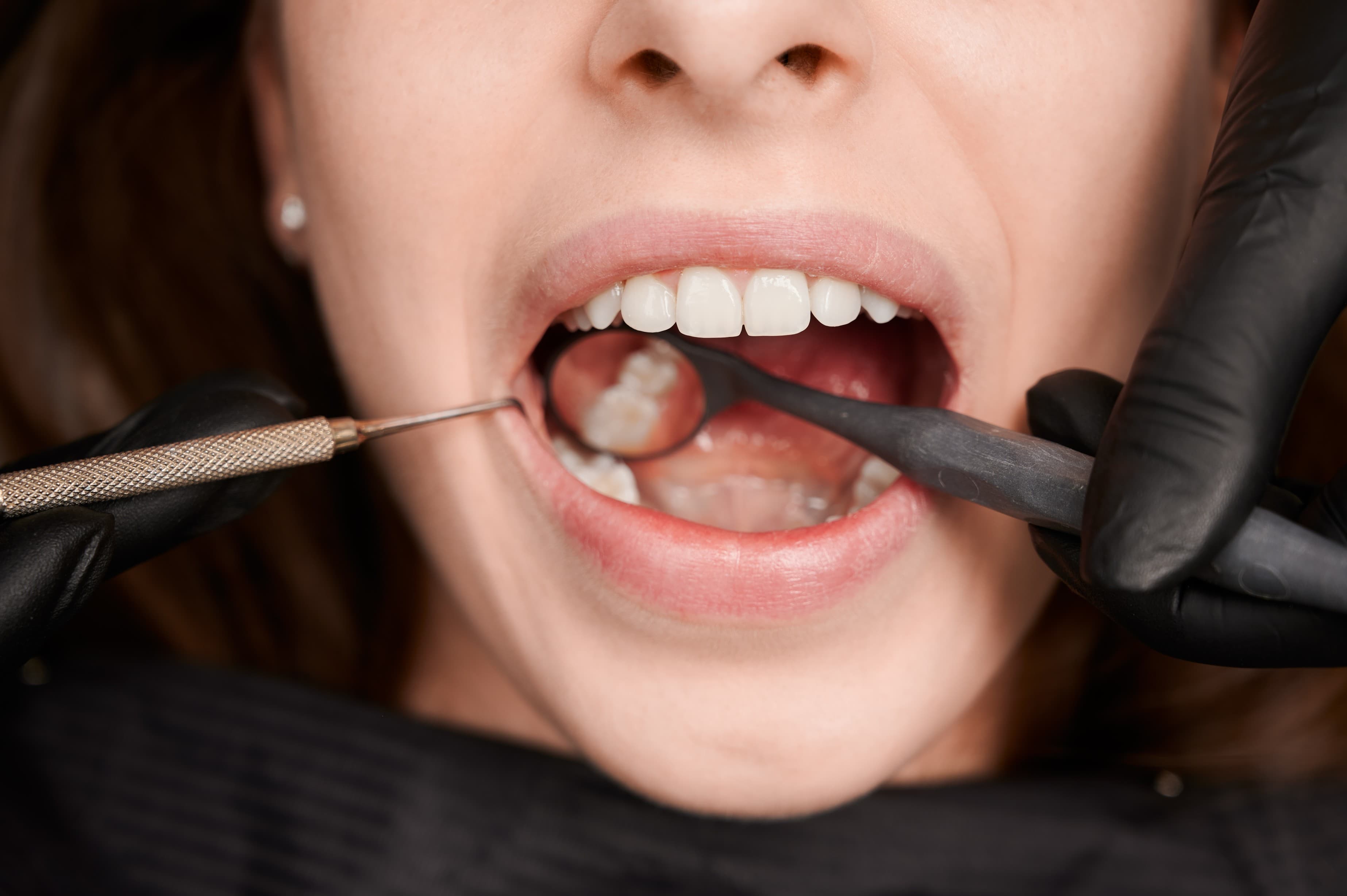
Visually, the socket looks empty or grey. If you look into the socket with a light and mirror, a normal healing socket appears dark from the blood clot. A dry socket appears pale, greyish, or — in more obvious cases — you can see bone.
What dry socket usually doesn't include: fever. Fever alongside dry socket pain suggests infection has developed, which is a different (more serious) complication that needs antibiotics alongside local treatment.
Smoking is the most significant risk factor — roughly 3–5 times the baseline risk. Nicotine constricts blood vessels, reducing blood supply to the healing socket. The suction of smoking also creates negative pressure that can physically dislodge the clot. The 72-hour abstinence advice given after extractions exists specifically because of this.
Using a straw creates the same negative pressure problem as smoking. One enthusiastic pull through a straw within the first 48–72 hours can dislodge a clot that was forming perfectly normally.
Oral contraceptives. Oestrogen in combined oral contraceptive pills interferes with clotting mechanisms in a way that increases dry socket risk. Some practitioners schedule extractions during the pill-free interval of the cycle when oestrogen levels are lower; this is worth discussing with Dr. Suchi Singh at Renew Dental Clinic if relevant.
Inadequate clot formation at the time of surgery. Difficult, prolonged, or very traumatic extractions produce more disrupted local vascularity. Complex impacted wisdom teeth are inherently at higher risk for this reason.
Vigorous rinsing in the first 24 hours. The instructions to avoid rinsing for the first 24 hours exist because swishing displaces the forming clot before it's consolidated. Many cases of dry socket after otherwise uncomplicated extractions happen because the patient rinsed immediately after getting home.
Dry socket does not resolve without dental treatment. Patients who try to manage it at home with ibuprofen and salt water while waiting for a convenient appointment are choosing to extend a genuinely miserable experience for no clinical reason.
The treatment is straightforward and provides rapid relief once it's done.
At Renew Dental, the socket is first irrigated with sterile saline to gently flush out any debris. Local anaesthesia is then applied — either topical or injected, depending on the sensitivity of the area. The socket is then packed with a medicated dressing. The dressing typically contains eugenol (the same compound in clove oil, with its anaesthetic and anti-inflammatory properties), often in a paste or gauze format that sits in the socket.
The relief from the dressing is often immediate or within minutes. The exposed bone is no longer in direct contact with the oral environment. The eugenol numbs the nerve endings and reduces the inflammatory response.
The dressing needs to be changed every 2–3 days until the socket begins generating new granulation tissue and the exposed bone is covered. Most cases resolve within 5–10 days of starting treatment. The socket then continues healing normally, just from a later starting point than if dry socket hadn't occurred.
Some patients also receive a short course of antibiotics if the socket shows signs of infection — swelling, pus, fever — alongside the dry socket. Antibiotics alone don't treat dry socket (they address infection, not the exposed bone); the medicated dressing is always the core treatment.
If dry socket has developed and you're waiting for your appointment:
Alternating ibuprofen (400–600 mg) with paracetamol (500–1000 mg) every two hours provides better pain control than either alone. This approach is supported by Harvard research showing this combination performs as well as or better than opioid analgesics for dental pain.
Diluted clove oil applied carefully to the socket with a cotton bud can provide some temporary relief — eugenol is what's in the professional dressing. Use it diluted (2–3 drops in a teaspoon of carrier oil) and don't pack it in aggressively.
Don't try to clean the socket vigorously. Gentle warm salt water rinsing is fine. Probing or scraping the socket looking for the missing clot does nothing useful and can worsen trauma.
Call Renew Dental Clinic at +91 99710 35300 the morning after you notice the pattern of worsening pain — don't wait for a scheduled follow-up.
The post-extraction instructions given after wisdom tooth surgery aren't arbitrary. Each one addresses a specific dry socket risk mechanism.
No straws for 5–7 days — suction mechanism.
No smoking for at least 72 hours (longer is better) — clot disruption and vasoconstriction.
No vigorous rinsing for the first 24 hours — clot displacement.
Soft diet — reduces mechanical forces on the surgical site.
Gentle salt water rinses from day 2 — keeps the area clean without dislodging the consolidating clot.
Avoid alcohol — vasodilatory effect can worsen bleeding and disrupt clot formation.
Patients who follow these instructions have dramatically lower rates of dry socket than those who don't. This is one of the areas where compliance with post-operative instructions has a clear, measurable effect on outcomes.
Q: I had my wisdom tooth out 4 days ago and the pain is getting worse, not better. Is this definitely dry socket?
A: The worsening-pain-after-initial-improvement pattern at 2–5 days is the classic presentation of dry socket. Call the clinic. Don't try to manage it at home for more than a day — it requires the medicated dressing to resolve.
Q: Can dry socket heal on its own without treatment?
A: Technically yes, over 1–3 weeks of considerable pain. But there's no good reason to endure that when treatment at the dental clinic provides substantial relief within the same appointment. There's no clinical benefit to waiting it out.
Q: I smoked once the day after surgery — do I definitely have dry socket?
A: Not definitely. Smoking increases the risk significantly; it doesn't guarantee dry socket. If pain is improving normally, recovery is probably proceeding. If pain worsens around days 2–5, that's when to contact the clinic.
Q: Can the dressing at the clinic damage the healing socket?
A: No. The medicated dressing is designed specifically for this use. It protects the exposed bone, reduces pain, and creates conditions that allow granulation tissue to form over the bone. It's changed regularly as the socket heals underneath.
Q: How long does recovery take with dry socket, compared to without?
A: Normal wisdom tooth extraction healing — 7–10 days of recovery for most cases. Dry socket adds approximately 5–14 days to this, depending on severity and how quickly treatment was started. Starting treatment promptly shortens this considerably.
For any concerns about post-extraction pain at Renew Dental Clinic, Sector 47, Noida:
📞 +91 99710 35300
A-321, Basement Floor, Next to Mother Dairy Store, Sector 47, Noida, Uttar Pradesh 201303
Monday–Saturday 10:30 AM – 8:00 PM | Sunday 11:00 AM – 2:30 PM
 Copy
Copy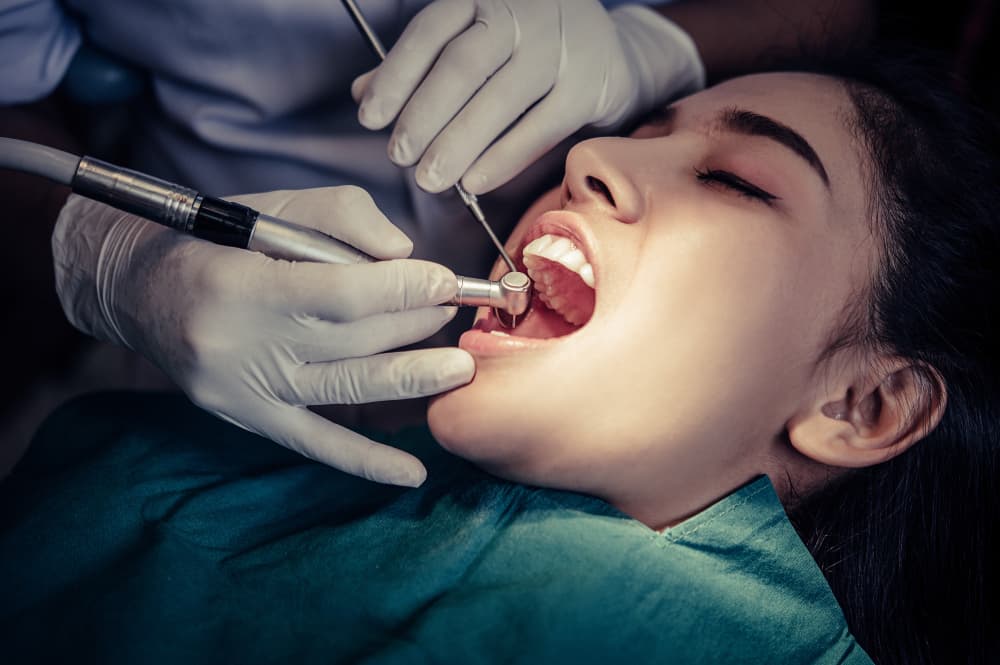
The choice between root canal and extraction is one of the most common decisions in...
01 Oct 2026
by Renew Dental Clinic
Most wisdom tooth stitches dissolve on their own — but not all do, and knowing...
27 Sept 2026
by Renew Dental Clinic

White spots on teeth look different from person to person — and the right way...
24 Sept 2026
by Renew Dental Clinic

Want a long-lasting white smile? Discover five simple steps to keep white teeth after tooth whitening, from diet adjustment to oral health and dentist-approved tips.
03 Oct 2025
by Renew Dental Clinic
Gums bleeding when you brush or floss? This guide explains the real causes of gum...
09 Jul 2026
by Renew Dental Clinic
Not all yellow teeth respond to the same treatment. This guide explains what's actually causing...
23 Sept 2026
by Renew Dental Clinic

Not all pain after wisdom tooth surgery in Noida is normal. Learn which signs mean...
14 Oct 2026
by Renew Dental Clinic

Getting your wisdom teeth removed seems to sound scary, but with proper preparation and post-treatment care, it can be a trouble-free and tensionless process.
21 Oct 2025
by Renew Dental Clinic
Booked for wisdom tooth surgery in Noida and not sure what to expect? This guide...
15 Sept 2026
by Renew Dental Clinic
Need a dental crown in Noida? This complete patient guide explains every type of dental...
18 Jun 2026
by Renew Dental Clinic

If you’ve ever had a damaged, cracked, or root canal-treated tooth, your dentist probably suggested...
21 Oct 2025
by Renew Dental Clinic

Dilemma between dental implants and bridges? Weigh the cost, longevity, procedure, and advantages to determine which tooth replacement method is superior.
03 Oct 2025
by Renew Dental Clinic
The fear around root canals is almost always worse than the procedure itself. This guide...
04 Oct 2026
by Renew Dental Clinic
Not every cavity needs a root canal — but many patients aren't sure where the...
23 Sept 2026
by Renew Dental Clinic

Curious about the root canal treatment? Learn the step-by-step process, benefits, recovery, and FAQs to know the popular dental procedure.
03 Oct 2025
by Renew Dental Clinic
Explore More
Discover how thousands of patients trust Renew Dental Clinic with their smiles.
Best dental clinic in Noida
Excellent.....
Exceptional service and care at Renew Dental clinic. From the warm reception to the skilled dental professionals, every aspect exceeded my expectations. The clinic's modern facilities and attention to patient comfort make it a top choice for anyone seeking dental care in noida.
1.Highly satisfied
Yet to come across such a efficient,well behaved and dedicated Doctor. Will go high like sky.
Dr.suchi is the best dentist
Best dentist I have visited here, the doctor listed here is a very experienced doctor and the staff here is very nice and caring.
Very nice and senenior doctor.
Excellent explanation, punctual, welcoming staff, High hygiene standards, great team..
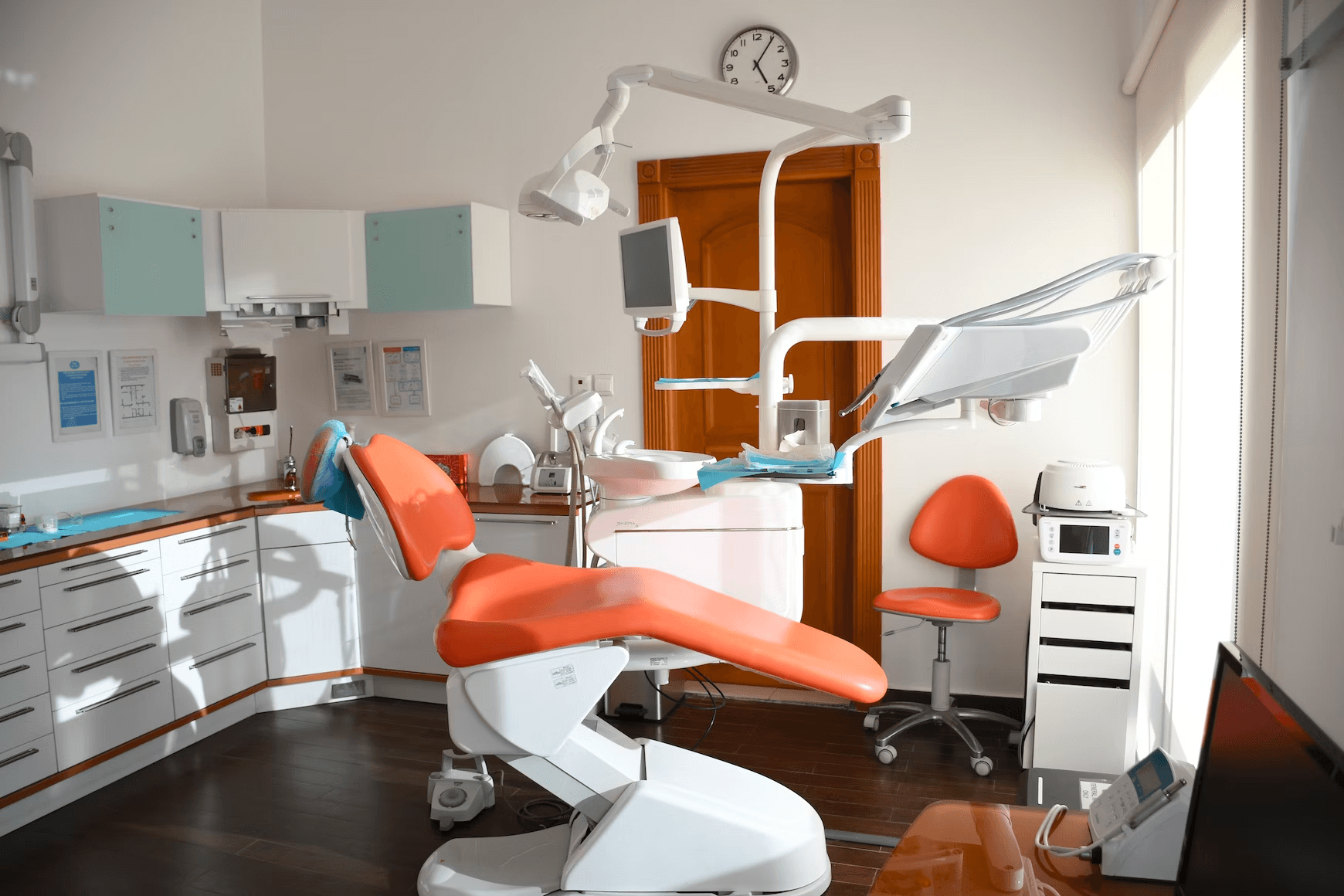
A glimpse into our modern dental clinic, advanced technology, and patient-friendly environment at Renew Dental.
Explore our thoughtfully designed clinic spaces built to provide comfort, cleanliness, and a calming experience for patients of all ages.



Best Dentist in Noida
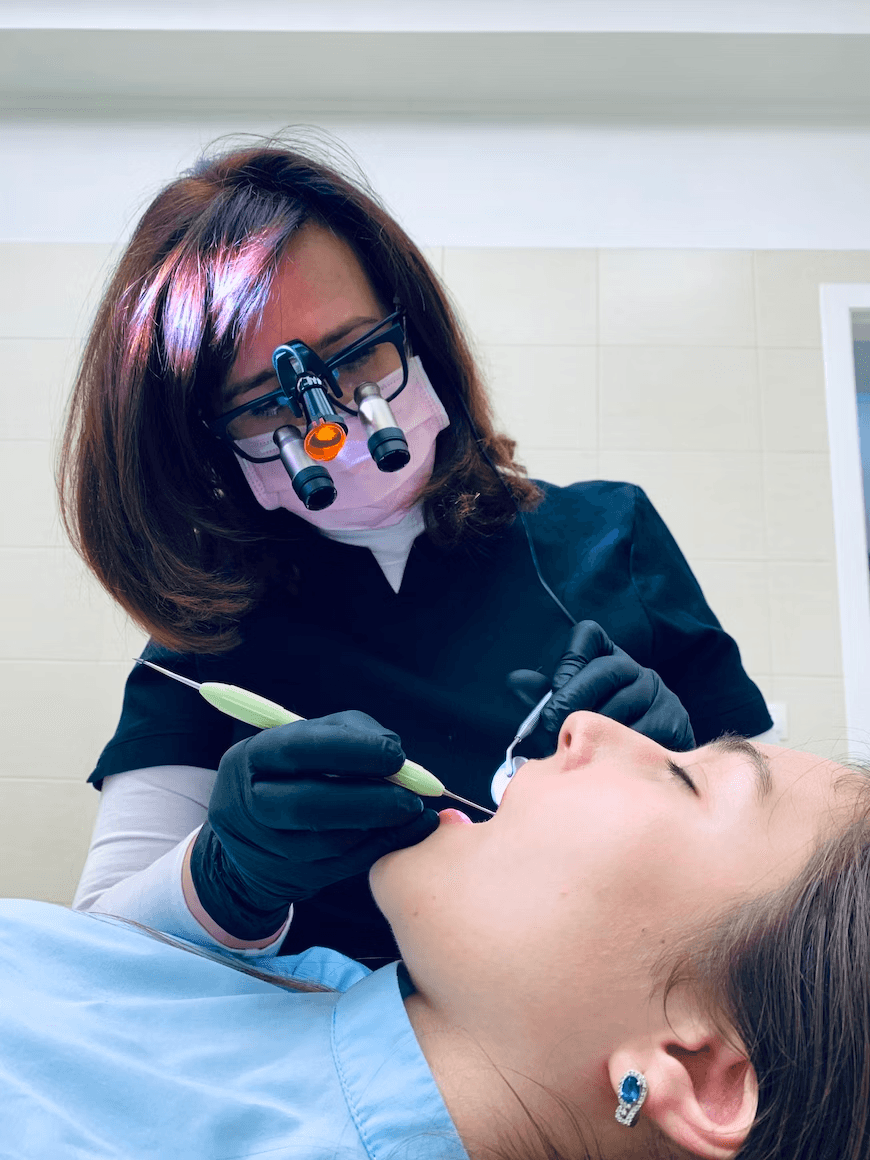
Renew Dental Clinic located in Noida, Sector 47, is one of the leading dental clinics. Founded by Dr. Suchi Singh who is widely regarded as one of the best dentists in Noida, the clinic is committed to delivering personalised and high-quality dental care. Dr. Suchi Singh focuses on customised treatment plans designed around each patient’s unique needs, ensuring advanced, comfortable and reliable dental care at Renew Dental Clinic.

Your Trusted Dental Experts

Complete Dental Care

Friendly Dental Space

No Hidden Charges


Two trusted dental clinics in Noida — Renew Dental (Sector 47) and Tooth & Truth (Sector 34) — for gentle, modern care.

Renew Orthopedic Clinic, A-321, Basement Floor, Next to Mother Dairy Store, Sector 47, Noida, Uttar Pradesh 201303
 +91 99710 35300
A-98/A, Block A, Sector 34, Noida, Uttar Pradesh 201307
+91 99710 45002© 2026. All rights reserved | Designed and Developed by Zarle Infotech