After Tooth Extraction - What to Eat and How to Care for Your Mouth
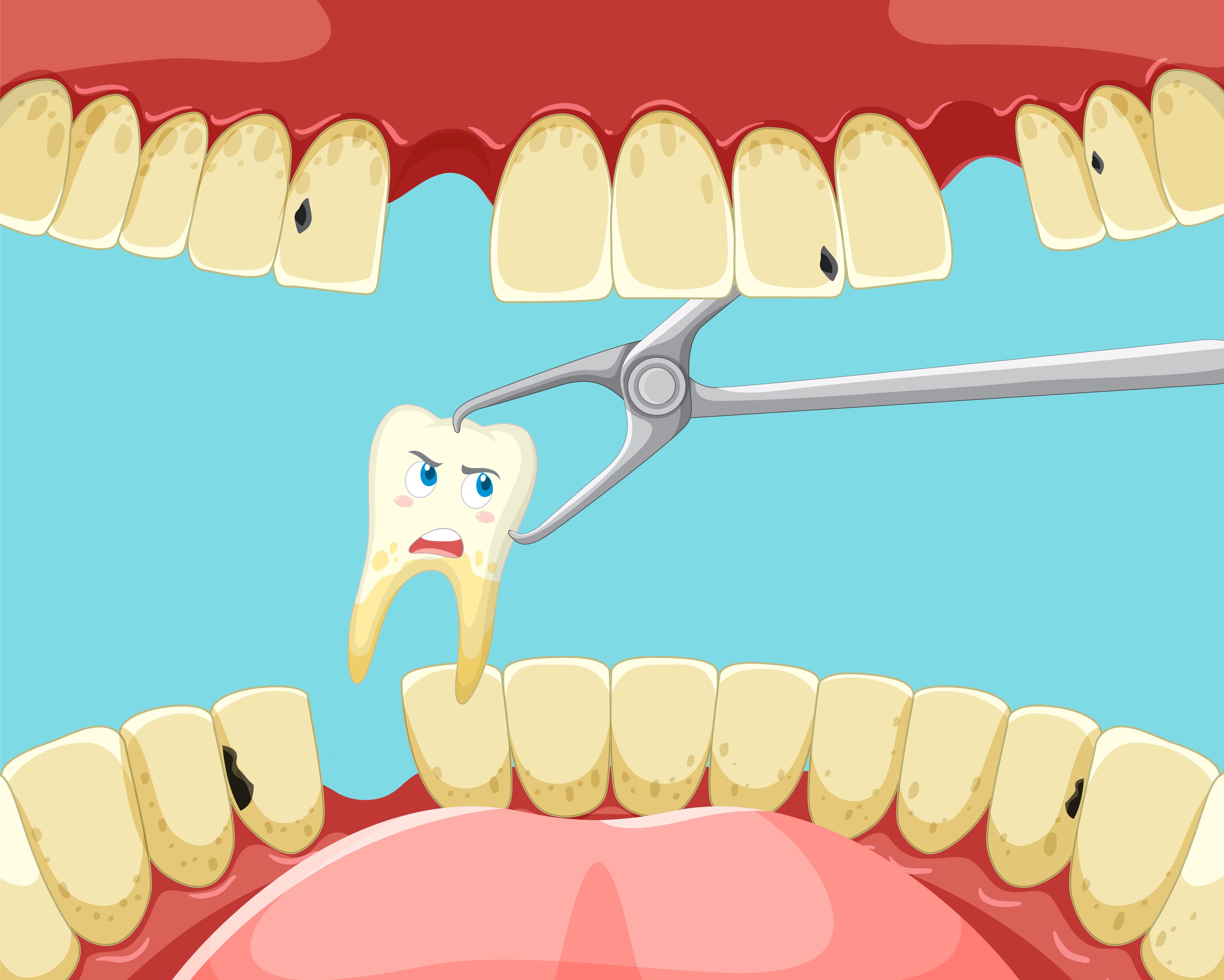
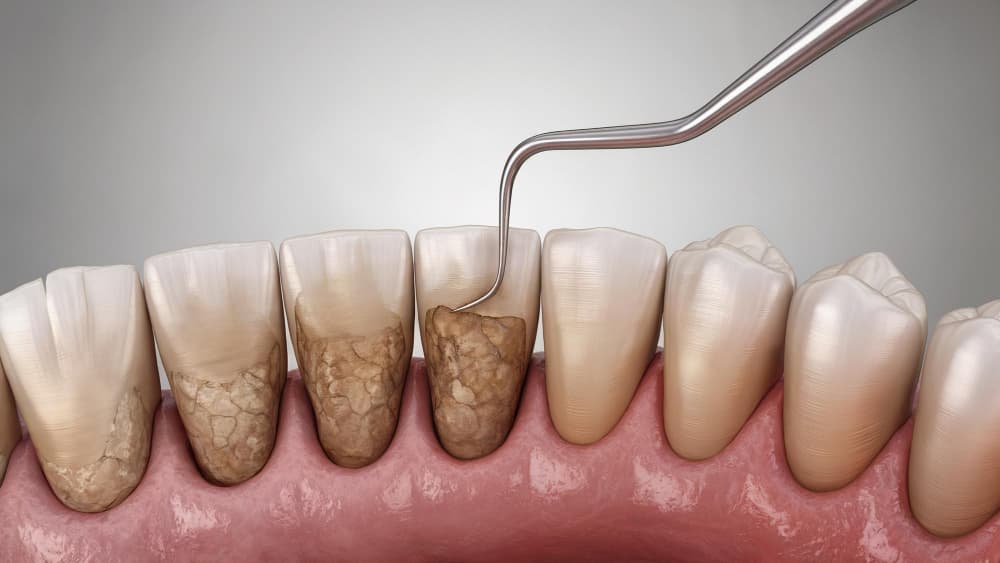
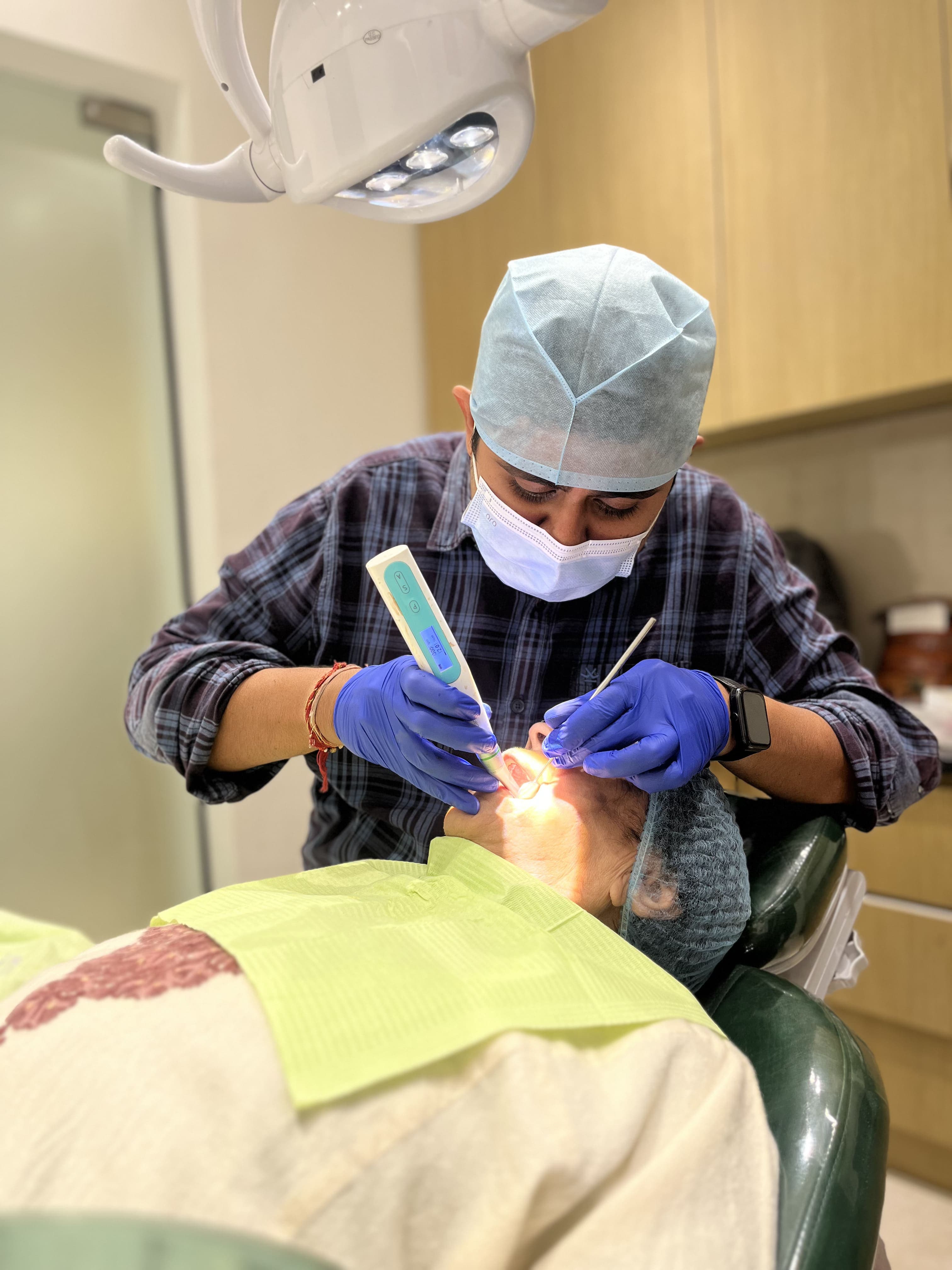
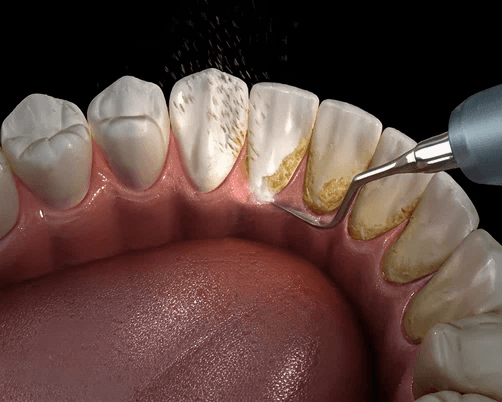
Tooth extraction inside human mouth.
Getting a tooth extracted is usually the straightforward part. The recovery that follows — specifically the first 72 hours — is where patients' choices make the biggest difference to how comfortable and complication-free the healing process is.
The most significant post-extraction complication is dry socket — a painful condition where the blood clot that protects the healing socket is dislodged before new tissue has formed. Dry socket affects approximately 2 to 5% of extractions and almost 25% of wisdom tooth removals. It's almost entirely avoidable with the right aftercare.
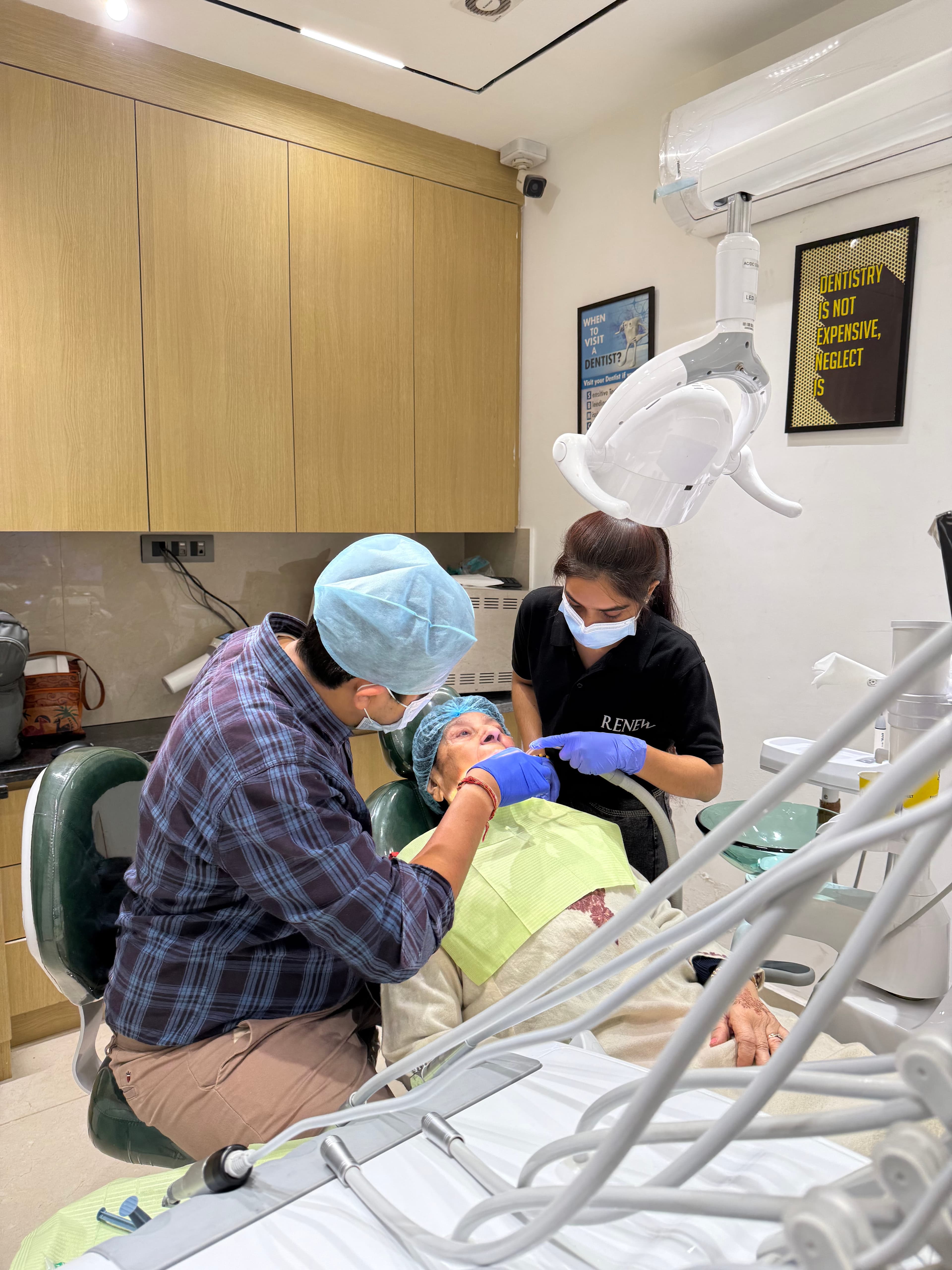
This guide from Renew Dental Clinic in Sector 47, Noida gives you a clear, practical, day-by-day framework for what to eat and how to care for your mouth after an extraction — so the healing is as smooth as possible.
Why the First 48 Hours Are Critical
When a tooth is removed, the body immediately begins forming a blood clot in the empty socket. This clot:
- Protects the exposed bone and nerve endings from air, food, and bacteria
- Acts as a scaffold for new tissue to grow into the socket
- Is the foundation of the entire healing process
The clot is fragile for the first 48 to 72 hours. It can be dislodged by:
- Suction — using straws, smoking, spitting forcefully, or even vigorous gargling
- Mechanical disruption — hard, sharp, or crunchy food making contact with the socket
- Thermal disruption — very hot food or liquid dissolving the clot
- Physical activity — increased blood pressure from exercise, increasing bleeding at the site
If the clot is lost before the socket has healed, the result is dry socket — the bone and nerve beneath are exposed, producing a severe, throbbing pain that typically begins 2 to 4 days after the extraction and doesn't respond to standard over-the-counter pain relief. Dry socket requires treatment at the dental clinic (a medicated dressing placed in the socket to protect it and relieve pain).
Everything in this guide — the dietary choices, the restrictions, the hygiene guidance — exists to protect that clot.
Day 1 — The Day of Extraction
General Rules for Day 1
- Bite on gauze for 30 to 45 minutes immediately after leaving the clinic. This maintains pressure that helps the clot form. Change the gauze if it becomes saturated before this time.
- Eat nothing until the anaesthetic has fully worn off — typically 2 to 4 hours after the procedure. Eating while numb risks biting the cheek or tongue without noticing.
- Apply an ice pack to the outside of the cheek — 20 minutes on, 20 minutes off — for the first 24 hours to reduce swelling.
- Keep the head slightly elevated — avoid lying completely flat.
- Rest — avoid strenuous physical activity for the remainder of the day.
What to Eat on Day 1
Everything consumed on the day of extraction must be cool or room temperature, require no chewing, and have no small particles that could lodge in the socket.
Suitable foods:
- Plain water — sipped gently without swallowing forcefully
- Cold or room-temperature khichdi — blended smooth if possible
- Chilled dahi (curd) — smooth, soothing, and easy to swallow
- Cold milk or cold lassi — no straw
- Cold or room-temperature blended soup — strained of all chunks or solid pieces
- Cold smoothies — consumed with a spoon rather than a straw
- Cold rice porridge / congee — made very soft and smooth
Avoid on Day 1:
- Anything hot — dissolves the clot
- Straws — the suction is one of the most common causes of dry socket
- Anything that requires chewing
- Spicy or acidic foods
- Alcohol
- Carbonated drinks
Day 2 and Day 3 — Soft Foods, Careful Eating
By day 2, the clot is becoming more stable but remains vulnerable. You can introduce slightly more varied soft foods, but eating must still be entirely on the side opposite the extraction.
Good options for days 2 to 3:
Idli — one of the best soft foods available in the Indian diet for post-extraction recovery. Soft, moist, essentially no chewing required, and nutritious. Eat with smooth sambar (no chunky vegetables) or soft coconut chutney.
Curd rice — cool or room temperature. One of the most comforting and appropriate foods for this period. Provides calcium, carbohydrate, and probiotics (particularly helpful if antibiotics have been prescribed).
Mashed dal (lentils) — smooth, without whole lentils. Protein-rich and nourishing. Dal makhani or a smooth moong dal without chunky garnish.
Scrambled eggs — cooked very soft. High in protein, which supports tissue healing. Add minimal seasoning; avoid chilli.
Soft upma or poha — cooked until completely softened, with no hard ingredients like nuts or hard vegetables.
Banana — soft, easy to chew on the unaffected side, nutrient-dense.
Mashed potato or sweet potato — soft enough to require no real chewing.
Paneer — soft paneer (not the hard variety), cut into very small pieces. Provides protein and calcium.
Soft chapati soaked in dal — only if the chapati is fully softened; avoid any dry or crumbly texture.
What to still avoid on days 2 to 3:
- Hard foods of any kind
- Crunchy foods — namkeen, crackers, chips, toast
- Spicy foods — irritate healing tissue
- Acidic foods — lemon, tamarind, tomato-heavy dishes
- Seeds and small grain pieces — sesame, poppy seeds, whole jeera — that could lodge in the socket
- Straws — still avoid until day 5 to 7
Days 4 to 7 — Gradual Expansion
If healing is progressing normally — no severe pain, no unusual swelling or discharge, no bad taste — you can begin expanding the diet toward more varied soft foods.
Additional foods that become suitable:
- Soft pasta or well-cooked noodles — cooked until very soft
- Steamed or boiled vegetables — carrots, zucchini, pumpkin, beans cooked until fully tender
- Soft fish — steamed or lightly cooked, flaked finely to avoid hard pieces
- Soft dosa — if not crispy; a thick, soft dosa is fine
- Well-cooked rice dishes — biryani where the rice is soft, without hard fried onions or hard whole spices
- Oatmeal / daliya — cooked to a smooth consistency
- Avocado — excellent nutritionally, very soft
Still avoiding: Hard, crunchy, chewy, or very sticky foods. Anything that requires significant chewing force.
Days 7 to 14 — Return to Normal Eating
Most straightforward single-tooth extractions are substantially healed by days 7 to 10. You can begin reintroducing normal foods — starting with softer versions and progressing based on how the site feels.
Return gradually: Try one more solid food at a time. If it causes pain or discomfort at the extraction site, wait another few days before trying again.
Wisdom tooth extractions: Take longer — typically 10 to 14 days of a soft diet, sometimes more for impacted lower wisdom tooth surgery. The socket is larger and deeper, and healing is slower.
After-Extraction Oral Hygiene — A Careful Approach
First 24 Hours — No Rinsing
Do not rinse the mouth at all during the first 24 hours. This includes mouthwash, salt water, or plain water. Rinsing in the first 24 hours dislodges the forming clot.
After 24 Hours — Gentle Salt Water Rinses
From the second day onward, gentle warm saltwater rinses (half a teaspoon of salt in a glass of warm water) help keep the area clean and reduce bacterial activity.
How to rinse correctly: Tilt the head gently to let the solution reach the socket without active swishing. Don't spit forcefully — let the liquid flow out gently. Rinse after every meal and before bed for the first week.
Brushing
Continue brushing all other teeth normally from day 2. Around the extraction site, brush very gently with a soft toothbrush — avoid direct contact with the socket in the first few days, but keep surrounding teeth clean.
No Probing
Do not probe the socket with your tongue, a toothpick, or any object. The socket feels different, and curiosity is understandable — but disturbing the healing tissue delays recovery and risks infection.
What Causes Dry Socket — And How to Avoid It
Dry socket (alveolar osteitis) is the most common and most painful post-extraction complication. Symptoms:
- Severe, throbbing pain that begins 2 to 4 days after extraction
- Pain that radiates toward the ear and temple
- A bad taste or smell from the socket
- The socket appears empty or grey when examined
Risk factors for dry socket:
- Smoking — the most significant risk factor; nicotine and the sucking action both contribute
- Using straws within the first week
- Vigorous rinsing or spitting in the first 24 hours
- Poor oral hygiene before and after extraction
- Diabetes (impairs healing)
- Certain oral contraceptive use (hormonal effects on clotting)
- Wisdom tooth extractions — particularly lower impacted wisdom teeth
If you develop dry socket, contact Renew Dental Clinic immediately on (0120) 498-8333. A medicated dressing placed in the socket provides significant relief and supports healing. Dry socket does not resolve without dental intervention.
Warning Signs That Need Prompt Attention
Contact Renew Dental or seek assessment if
- Severe, increasing pain from day 3 onward (rather than gradually improving pain)
- Swelling that increases after 48 to 72 hours rather than subsiding
- Fever alongside dental pain
- Persistent bad taste or smell that suggests infection
- Numbness that doesn't resolve 24 hours after the anaesthetic should have worn off
- Heavy, uncontrolled bleeding beyond the first hour or two
Normal post-extraction recovery involves gradually improving pain, decreasing swelling from day 2, and mild soreness that resolves over 5 to 7 days.
Indian Diet-Specific Tips for Post-Extraction Recovery
For patients in Noida and across Delhi NCR, some specific practical notes
Chai: Avoid for the first 24 to 48 hours due to heat and tannin content. After 48 hours, a lukewarm, mild chai is fine — drink without a straw and rinse with plain water afterward.
Dal and sabzi: Excellent soft foods, but avoid chunky or heavily spiced preparations in the first week. Smooth dal, soft sabzi with well-cooked vegetables, and soft rotis or rice are ideal.
Spice: Indian cooking uses chilli, which can irritate the healing socket. Keep spice levels low for the first week.
Fried foods: Avoid entirely for the first week — the hard, crunchy texture of fried snacks is incompatible with socket protection.
Frequently Asked Questions
Can I drink tea after extraction?
Not on day 1. From day 2, lukewarm tea (not hot) without a straw is acceptable. Rinse with water afterward.
When can I eat normal food again?
Most patients can return to a normal diet by day 7 to 10 for a simple extraction, 10 to 14 days for wisdom tooth removal.
Can I exercise after a tooth extraction?
Avoid strenuous exercise for the first 24 to 48 hours. Light activity can resume from day 2 to 3 if there's no significant pain or swelling. Heavy exercise increases blood pressure and can trigger renewed bleeding.
What if food gets stuck in the socket?
A gentle saltwater rinse usually dislodges it. Never probe with an implement. If food seems persistently stuck and causes discomfort, contact the clinic.
Questions About Your Recovery? Contact Renew Dental, Noida
The team at Renew Dental Clinic, Sector 47, Noida is available for any questions about post-extraction recovery.
Call (0120) 498-8333.
Open Monday–Saturday, 10:30 AM – 8:00 PM | Sunday, 11:00 AM – 2:30 PM.