5 Certain Steps to Keep White Teeth After Tooth Whitening

Teeth whitening results can last from 6 months to 2 years, depending on lifestyle habits
A white, bright smile can truly boost your self-confidence, your initial impressions, and overall looks. No wonder, then, that whitening teeth is one of the most popular cosmetic dental procedures these days. Both professionally in a dental office and using whitening kits at home, both procedures are capable of a whiter, much better-looking dentition.
But teeth whitening only has a temporary outcome. If you are not careful, your teeth will go back to their original shade or get stained again. Diet, lifestyle, oral condition, and natural aging may affect how long your teeth can be whitened. If you are committed and determined, you can extend the period of teeth whitening treatment and have a dazzling smile in the future.
In this article, we will cover five proven ways to keep your whitened teeth. These tips are simple to implement, practical, and recommended by dental professionals.
Watch What You Eat and Drink
One of the biggest secrets to maintaining whitened teeth is paying attention to what you consume. Some beverages and foods are particularly notorious for staining because of pigments or acidity. Paying attention to your diet can make whitening treatments really more enduring.
Foods and Drinks to Limit
- Coffee and tea: Both contain tannins, organic molecules that may stick to tooth enamel and turn yellow over time.
- Red wine: Because of the pigmented color and acidity, red wine can penetrate pores in enamel and stain teeth.
- Berries: While healthy, dark berries like blueberries, blackberries, and pomegranates contain pigments that can stain teeth.
- Soy sauce, balsamic vinegar, and tomato sauces: Dark sauces also cause tooth staining.
- Curry and other strongly colored spices: Strongly colored spices have the potential to, over a period of time, discolour teeth to a yellowish or orange colour.
2. Be Consistent with a Good Oral Hygiene Routine
Oral hygiene is the secret to a bright, radiant smile. Even after a whitening procedure, neglecting to brush, floss, or rinse with mouthwash will allow plaque to build up, which is the culprit that dulls teeth and creates stains.
Key Steps
- Brush two times a day: Brushing away the surface stains as well as stopping plaque from developing into tartar. Use a soft-bristled toothbrush to avoid damaging the enamel and brush for at least two minutes each time.
- Floss daily: Flossing reaches in between teeth where brushing does not, stopping plaque and stains in hard-to-reach areas.
- Rinse with mouthwash: An alcohol-free mouthwash can decrease bacteria, freshen breath, and keep the mouth generally healthy. There are some mouthwashes on the market that have been created to help keep teeth.
- Occasionally use a toothpaste for whitening: While not a replacement for professional whitening, toothpastes that whiten can remove minor surface stains and help keep teeth looking bright.
Adhere to a regular oral care regimen that not only helps maintain whitening results but also maintains healthy gums, prevents tooth decay, and enhances overall oral health.
3. Regular Dental Cleaning

Dark beverages like coffee, tea, and red wine are the most common causes of post-whitening stains.
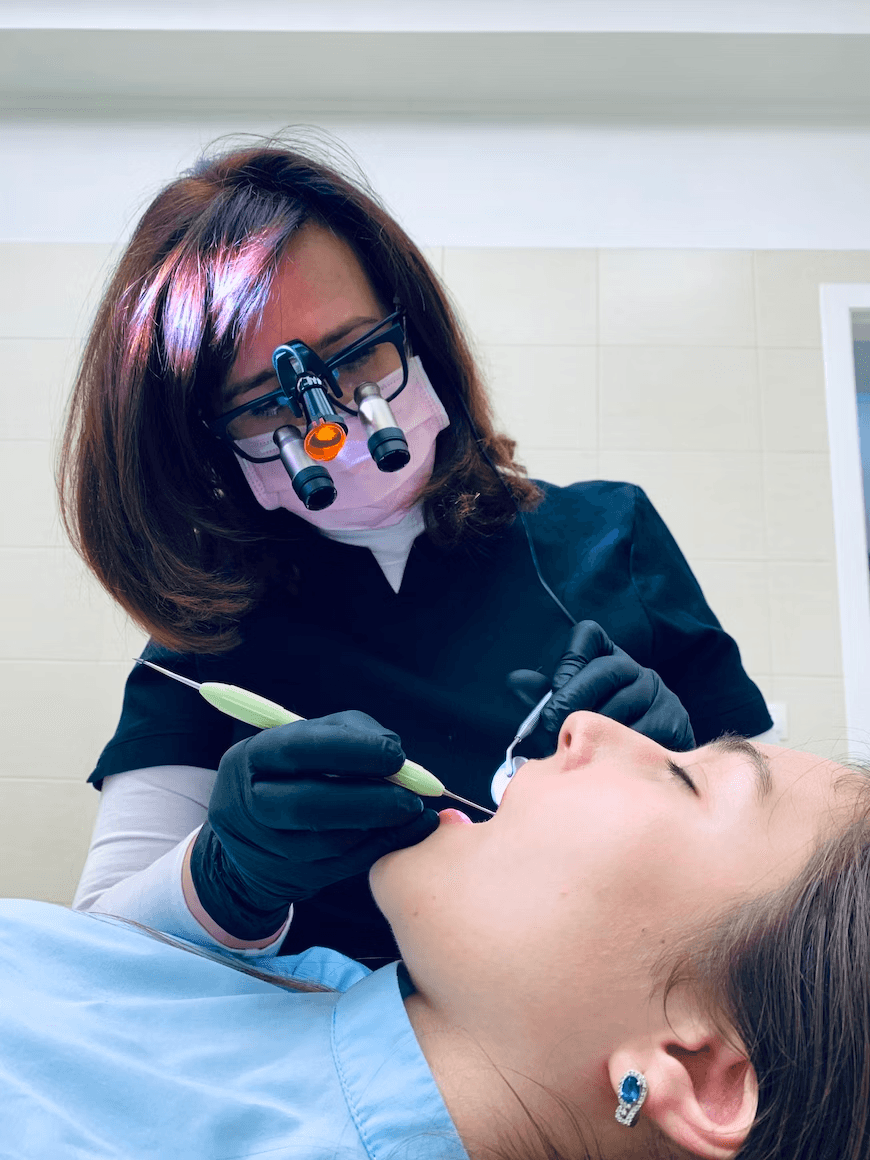
Cleanings by a dentist are a key aspect of how to keep teeth white. Regardless of good home oral hygiene, tartar and plaque will form in places you can't reach, and this can cause yellowing and stains.
Advantages of Professional Teeth Cleaning
- Removing tartar and plaque: Dental hygienists use specialized equipment to remove hardened tartar and plaque, which cannot be eliminated through flossing or brushing.
- Teeth polishing: Polishing eliminates tiny surface spots that leave your teeth shining.
- Early detection of problems: Regular dental visits allow for early identification of cavities, gum disease, or other problems that can sap the color of your teeth and overall oral health.
Keep your overall oral health: Clean teeth and gums are less likely to be stained or discolored in the future.
4. Avoid Using Tobacco Products
Tobacco is among the biggest threats to a white smile, such as cigarette smoking or smokeless tobacco use. Tobacco products not only stain teeth but also cause gum disease and other oral problems, including halitosis.
Effects of Tobacco on Teeth
- Staining: Tar and nicotine from tobacco products adhere to tooth enamel and cause yellow or brown stains. They are difficult to remove and require more than one whitening treatment.
- Gum disease: Tobacco weakens your immune system and makes it vulnerable to gum disease, leading to tooth loss and staining.
- Delayed healing: Smoking can slow down healing following dental treatment, such as whitening treatment, and make it more difficult to achieve the desired effect.
Benefits of Quitting
- Teeth will stay whiter for longer periods.
- Gums and oral tissues will be healthier, with less risk of staining and other oral problems.
- General health is better, e.g., less risk of heart disease, lung disease, and cancer.
- Tobacco smoking cessation is not merely a step towards the attainment of a white smile but also to oral and overall well-being.
5. Take Advantage of Touch-Up Whitening Procedures
Even with proper maintenance, the effects of natural teeth whitening might fade over time. Touch-up procedures may restore a radiant smile without necessarily undergoing the whole whitening process.
Touch-Up Options
- Home whitening kits: Your dentist can prescribe home trays or gels for regular daily use as maintenance. Be sure to take advice from your dentist in order not to overdo it and damage the enamel.
- Whitening strips or gels: The over-the-counter whitening strips or gels are effective in performing minor maintenance between visits to the dentist.
- Professional touch-ups: Periodic whitening at your dentist guarantees maximum results and minimizes dangers such as sensitivity or uneven whitening.

Brushing teeth at least twice daily with a whitening toothpaste helps maintain brightness.
Brushing teeth at least twice daily with a whitening toothpaste helps maintain brightness.
Conclusion
Care for white teeth following the whitening process needs work, diligence, and an understanding of your own habits. These five methods described above, monitoring your diet, having a robust oral hygiene routine, arranging regular dental cleaning, staying away from tobacco products, and the option of touch-up whitening treatments, are useful, realistic methods to keep your pearly whites.
While whitening treatments are stunning, they won't be permanent. By taking charge up front, you can extend the effects and enjoy the self-assurance that comes with a healthy, radiant smile. Consultation with your dentist for personalized advice will enable you to make the best positive decisions for your teeth, lifestyle, and overall health.
A mix of proper food choices, good oral health, and professional consultation is the key to having your smile bright and your teeth white for years to come.
Frequently Asked Questions
1. For how long does teeth whitening last?
With regular maintenance, professional whitening will last six months to two years. It will be based on your diet, oral hygiene habits, and natural aging. Individuals who frequently consume stain foods and beverages may see the effects last shorter.
2. Is coffee safe to drink post-whitening treatment?
It is ideal to wait a minimum of 48 hours after treatment before consuming coffee or any other stain-producing beverages. After this, try to use a straw and spit out water in your mouth to minimize contact and minimize stains.
3. Do whitening toothpastes really prolong results?
Tooth whitening toothpastes are effective for erasing light surface stains and maintaining the brightness of your smile. They cannot, however, be used to replace professional whitening and eliminate discoloration from aging, medication, or enamel loss.
4. How much and how often does touch-up whitening cost?
Touch-ups should ideally be done every six to twelve months. Your dentist will make the optimum schedule depending on your lifestyle, dietary habits, and initial reaction to whitening treatment.
5. Is too frequent whitening of teeth safe?
Repeated and frequent whitening erodes enamel and causes sensitivity in teeth. Better to stick to your dentist's advice and not self-repeated, frequent whitening.