By Renew Dental HospitalPublished on

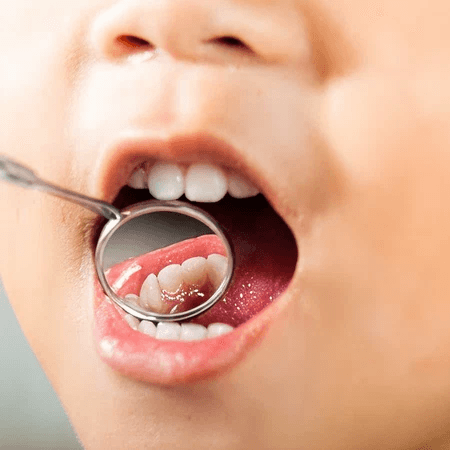
A child's 20 milk teeth hold the space for the 32 permanent teeth that replace them from around age 6.
"It's just a baby tooth — it'll fall out anyway."
This is one of the most commonly cited reasons parents in India delay or avoid dental treatment for their children's milk teeth. It's an understandable position on the surface: if the tooth is going to be replaced, why invest in treating it? The problem is that it's built on a misunderstanding of how long milk teeth stay, what they do while they're there, and what happens to the permanent teeth that follow them.
A child gets two sets of teeth during their lifetime.
The primary dentition — the milk teeth — consists of 20 teeth in total: 8 incisors (front teeth), 4 canines (corner teeth), and 8 molars (back teeth). These begin erupting from around 6 months of age and the full set is typically in place by age 2 to 3.
The permanent dentition consists of 32 teeth, including the four wisdom teeth that may or may not erupt. The permanent teeth begin replacing the milk teeth from around age 6 and the process continues until around age 12 to 13 for most teeth (wisdom teeth appear later, typically 17 to 25).
Here's the number that changes the conversation: a child's first milk molar doesn't typically fall out until age 9 to 11. The second milk molar — the last baby tooth — usually stays until age 10 to 12.
If a child develops a decayed milk molar at age 5, "it'll fall out anyway" assumes that falling out is 5 to 7 years away. That's a long time to have an infected, painful tooth in a child's mouth.
Milk teeth serve more functions than simply being temporary placeholders.
They enable chewing and nutrition. Young children eat with their milk teeth for years. A child with several decayed, painful, or extracted milk teeth cannot chew adequately. Restricted diet, preference for soft foods, and compromised nutrition are well-documented consequences of early childhood tooth loss from decay.
They're involved in speech development. The tongue, lips, and teeth work together to produce specific sounds. Missing or badly decayed front teeth affect how children produce certain consonants during the years when speech is actively developing. This is more than an aesthetic concern — speech therapists frequently see children whose pronunciation problems are partly explained by their dental situation.
They guide permanent teeth into correct position. This is the function most often underestimated by parents. Each milk tooth holds the space that its permanent successor needs to erupt into. The roots of the milk tooth actually guide the permanent tooth growing beneath it into the correct position in the arch.
When a milk tooth is lost prematurely from decay, the adjacent teeth drift into the empty space over weeks and months. The permanent tooth beneath, which would have erupted into that space, now has nowhere to go. It erupts into a narrowed or blocked space — crooked, impacted, or ectopic (erupting in completely the wrong position). This is one of the leading causes of significant orthodontic problems in older children and teenagers.
They affect a child's self-confidence and social development. Children with visibly decayed or missing front teeth are conscious of their appearance during years when peer relationships and social confidence are forming. This is not trivial.
Milk teeth are more susceptible to decay than permanent teeth for a specific reason: the enamel of primary teeth is thinner and less mineralised than adult enamel. Bacteria breach the outer layer faster, and once into the dentine, decay spreads more quickly to the pulp than it does in adult teeth.
This means a cavity in a milk tooth that might take 12–18 months to reach the pulp of an adult tooth can do so in 3–6 months in a child. What looks like a small surface cavity in a milk tooth can become a pulp exposure requiring either pulpotomy (a partial root canal for milk teeth) or extraction in a matter of months.
Early childhood caries (ECC) — also called baby bottle tooth decay — is characterised by rapid, extensive decay in young children, typically beginning at the upper front teeth and spreading quickly. The causes are well understood:
Night-time bottle feeding with anything other than plain water. When a child falls asleep with a bottle of milk, formula, or diluted juice, the liquid pools around the teeth during sleep when saliva is at its lowest. Bacteria ferment the sugars in this pooled liquid and produce acid that attacks enamel for hours without being neutralised.
On-demand breastfeeding to sleep beyond the eruption of teeth. Breast milk contains lactose, which is fermentable by cavity bacteria. Breastfeeding to sleep, particularly with frequent night feeds after teeth have erupted, carries a similar (though lower) cavity risk.
Continuous access to sweet drinks throughout the day. Sippy cups or bottles of juice, squash, or sweetened milk throughout the day mean constant acid exposure with no recovery time for the enamel.
The appropriate approach to a decayed milk tooth depends on several factors: the child's age, which tooth is affected, how much time before natural exfoliation, and the extent of decay.
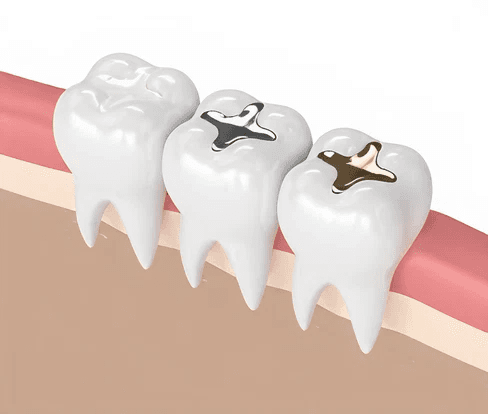
Small to moderate decay in a milk tooth with several years before its natural loss: filling is appropriate. The treatment is similar to adult filling, adapted for the child's cooperation level and the smaller tooth. Stainless steel crowns are sometimes used for milk molar fillings when the decay is extensive but the tooth has several years left — they're more durable than composite in heavily restored primary molars.
Decay reaching the pulp in a milk molar with years before natural exfoliation: pulpotomy. The infected upper portion of the pulp is removed, the canal is medicated, and the tooth is restored with a stainless steel crown. This preserves the tooth for space-holding and chewing function without requiring extraction.
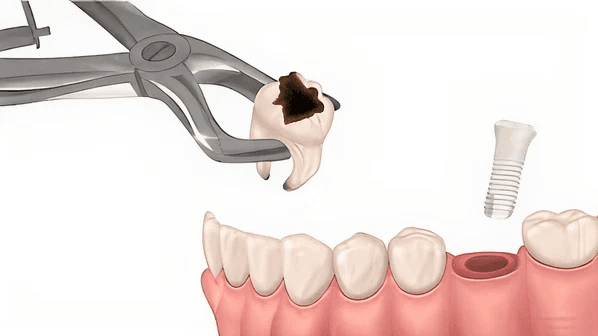
A milk tooth near its natural exfoliation time with significant decay: extraction may be appropriate since the permanent tooth is nearly ready to erupt and the space-holding function is less critical. The decision depends on the X-ray showing how close the permanent tooth's root development is.
A badly infected milk tooth with abscess: extraction with consideration of whether a space maintainer is needed. A space maintainer — a simple appliance that holds the gap open for the permanent tooth — is placed after premature milk tooth extraction to prevent drifting.
When a milk tooth is extracted prematurely, a space maintainer preserves the gap for the permanent tooth. Without it, adjacent teeth drift inward over months, narrowing or closing the space. The permanent tooth then erupts into inadequate space, producing crowding or impaction.
Space maintainers are custom-fitted appliances — simple bands or wires that hold the space open with minimal inconvenience. They're recommended particularly for premature loss of milk molars, which have permanent successors scheduled to erupt months to years later.
At Renew Dental Clinic in Sector 47, Noida, Dr. Suchi Singh assesses whether a space maintainer is needed after any milk tooth extraction, based on the child's age and the X-ray findings for the developing permanent tooth beneath.
Q: My child's milk tooth is wobbly but also decayed — should it be treated or just extracted? A: Depends on how loose. A very loose milk tooth about to fall out imminently doesn't need treatment for the decay — the problem is almost resolved naturally. A tooth that's slightly wobbly but has significant structural decay and years left before natural exfoliation is different. An X-ray assessment shows the permanent tooth's proximity and guides the decision.
Q: My child refuses to let anyone examine their teeth — what can we do? A: This is common and manageable with the right approach. At Renew Dental, anxious children are introduced to the clinic environment gradually — sitting in the chair, seeing the instruments without them being used, building familiarity over one or two very gentle visits before any examination or treatment. Call us to discuss the specific situation.
Q: When do milk teeth start falling out? A: Lower central incisors typically first at age 5.5 to 6. Upper central incisors shortly after. The sequence continues with the lateral incisors, then first molars, then canines, then second molars — the last baby teeth typically falling out around age 10 to 12.
For children's dental appointments at Renew Dental Clinic, Sector 47, Noida:
📞 +91 99710 35300 A-321, Basement Floor, Next to Mother Dairy Store, Sector 47, Noida, Uttar Pradesh 201303 Monday–Saturday 10:30 AM – 8:00 PM | Sunday 11:00 AM – 2:30 PM
 Copy

Baby bottle tooth decay is common but preventable. Learn why it happens, how to spot...
02 Nov 2026
by Renew Dental Clinic
Found white spots when your braces came off? Learn why they form, whether they fade...
30 Oct 2026
by Renew Dental Clinic

Diabetes and dental health have a two-way relationship. This guide shows what diabetic patients in Noida need to do differently and how Renew Dental helps.
29 Oct 2026
by Renew Dental Clinic

Some dental symptoms can wait for a routine appointment. These can't. This guide identifies the...
29 Jul 2026
by Renew Dental Clinic

Diabetes worsens gum disease. Gum disease makes diabetes harder to control. This guide explains both...
24 Aug 2026
by Renew Dental Clinic
An impacted wisdom tooth doesn't always hurt — which is why so many people ignore...
05 Oct 2026
by Renew Dental Clinic
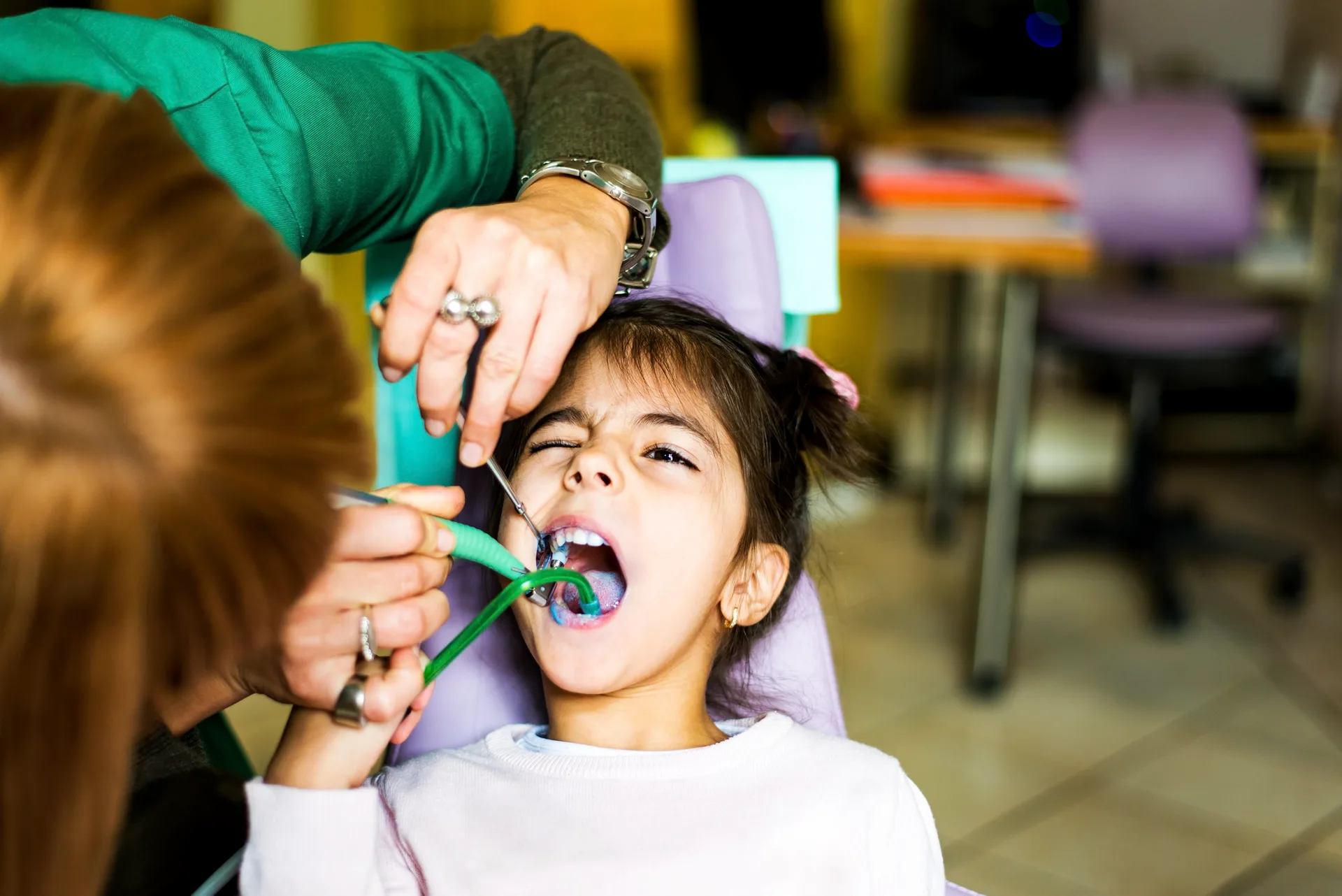
Looking for a paediatric dentist in Noida? This guide explains when to bring your child...
26 May 2026
by Renew Dental Clinic

Mouth ulcers in children can cause pain, difficulty eating, and irritation. Learn about the causes, symptoms, prevention tips, and treatment options at Renew Dental, Noida.
13 May 2026
by Renew Dental Clinic

Worried about your child's thumb sucking or pacifier use? Learn what dentists recommend, when to intervene, and how to prevent long-term dental issues.
27 Jun 2025
by Renew Dental Clinic

Dry socket is the most painful post-extraction complication and it doesn't get better on its...
28 Sept 2026
by Renew Dental Clinic
Swelling after wisdom tooth surgery is normal — but how much is normal, when should...
16 Sept 2026
by Renew Dental Clinic
The right food choices after wisdom tooth removal protect the blood clot, speed healing, and...
30 Sept 2026
by Renew Dental Clinic
White spots on teeth look different from person to person — and the right way...
24 Sept 2026
by Renew Dental Clinic
Most Noida parents wait for a toothache before a child's first dental visit. Learn why...
27 Oct 2026
by Renew Dental Clinic

Recurring mouth ulcers that flare up during stressful periods? This guide explains exactly why stress...
22 Jun 2026
by Renew Dental Clinic
Explore More
Discover how thousands of patients trust Renew Dental Clinic with their smiles.
Great treatment and much hospitality.
We feel homely at clinic
Best dental surgeon in noida ncr
Dr Suchi is flawless, I took my grandmother for her dental checkup and she helped us with the right treatment plan. Highly recommended.
Exceptional service and a friendly team at complete dental solutions. They make dental care Comfortable, efficent , and stress- free. highly Recommended !
Best dental clinic in Noida
Very Good doctor with correct advice. Nice clinic.
Very impressed with the quality of service. The clinic is clean, modern, and organized. The staff is friendly, and the doctor explained everything in detail. Great experience from start to finish.
Dr suchi singh is very good dental surgeon, & very polite person
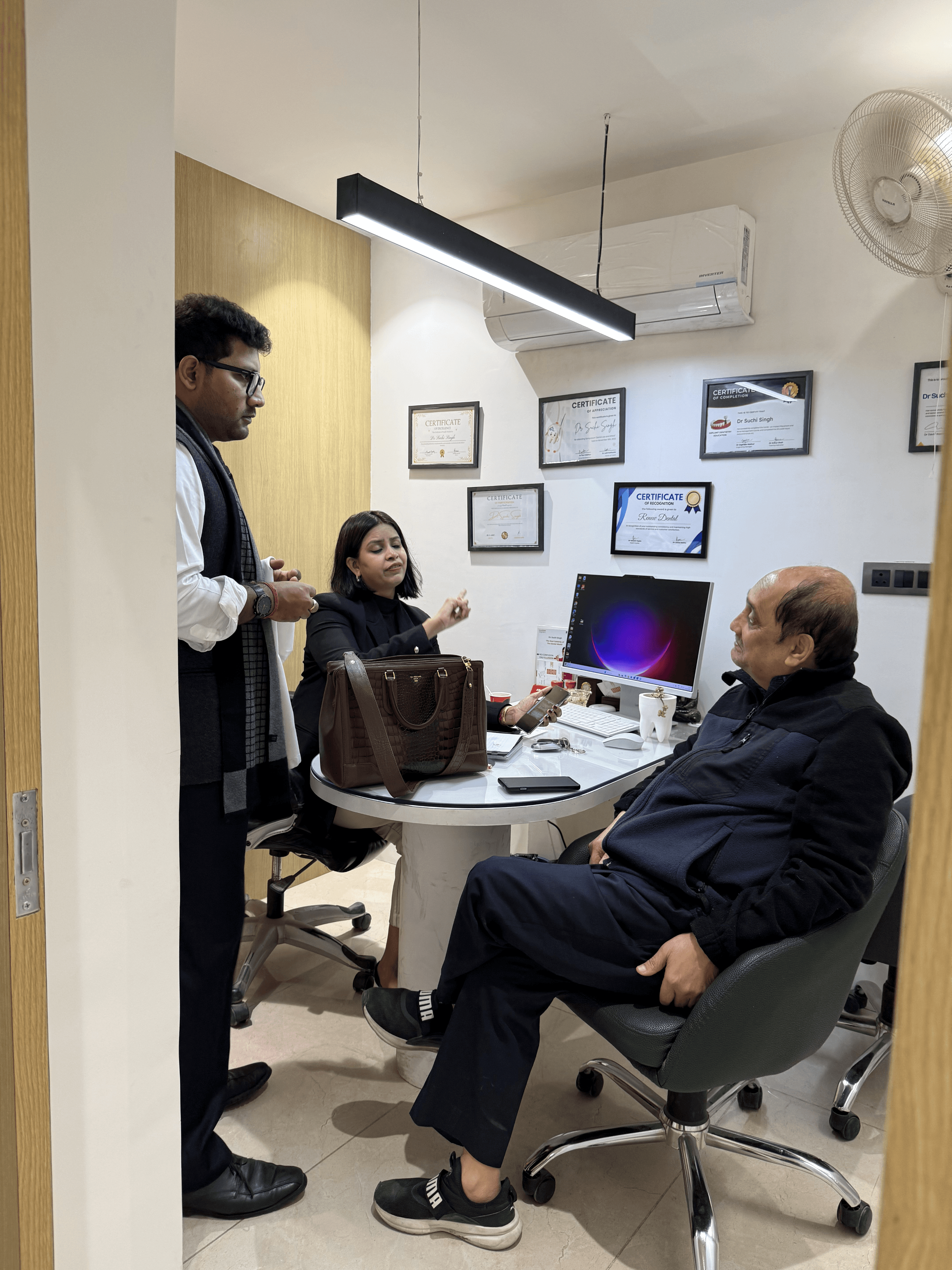
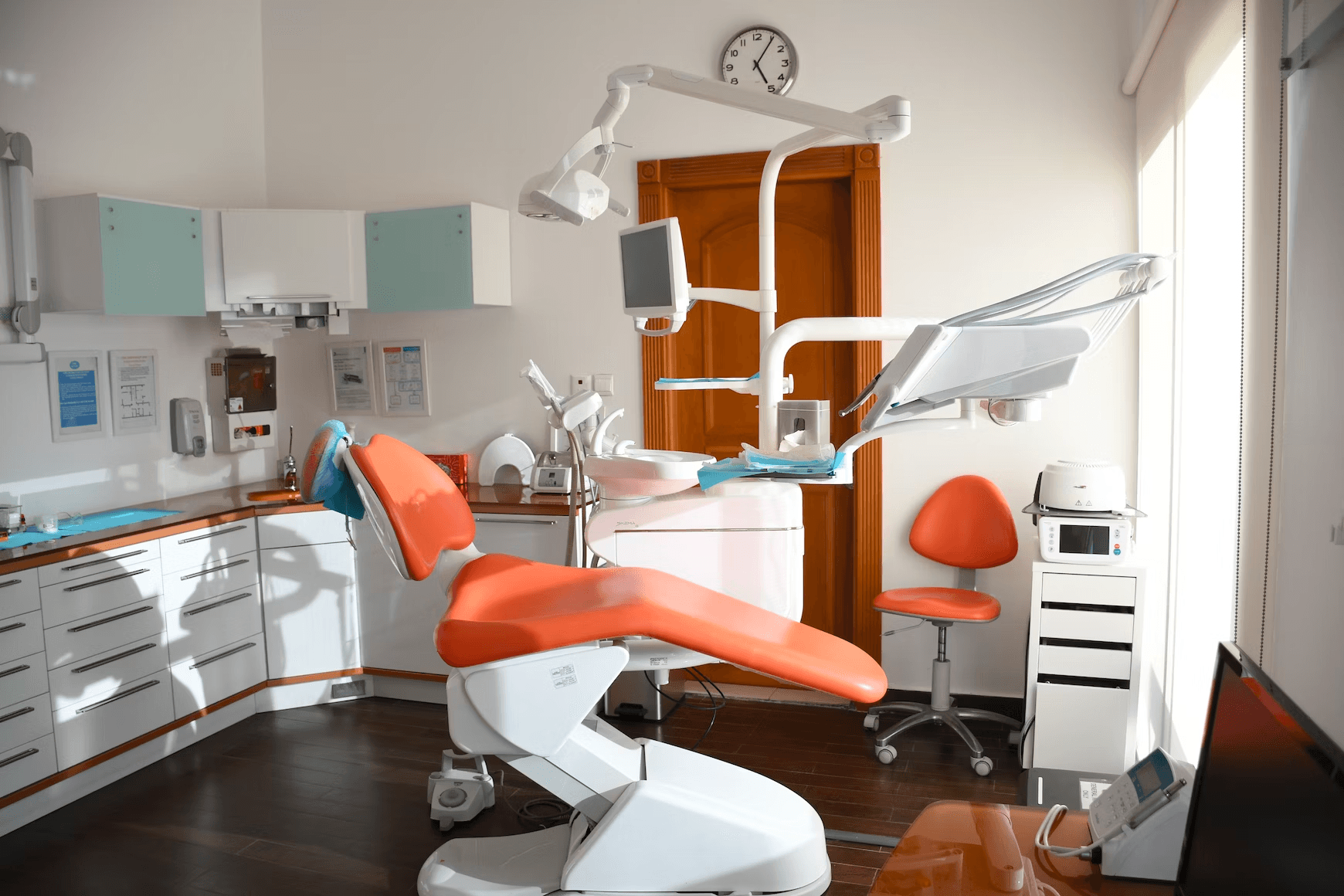
A glimpse into our modern dental clinic, advanced technology, and patient-friendly environment at Renew Dental.
Explore our thoughtfully designed clinic spaces built to provide comfort, cleanliness, and a calming experience for patients of all ages.



Best Dentist in Noida
Renew Dental Clinic located in Noida, Sector 47, is one of the leading dental clinics. Founded by Dr. Suchi Singh who is widely regarded as one of the best dentists in Noida, the clinic is committed to delivering personalised and high-quality dental care. Dr. Suchi Singh focuses on customised treatment plans designed around each patient’s unique needs, ensuring advanced, comfortable and reliable dental care at Renew Dental Clinic.

Your Trusted Dental Experts

Complete Dental Care

Friendly Dental Space

No Hidden Charges

Two trusted dental clinics in Noida — Renew Dental (Sector 47) and Tooth & Truth (Sector 34) — for gentle, modern care.

Renew Orthopedic Clinic, A-321, Basement Floor, Next to Mother Dairy Store, Sector 47, Noida, Uttar Pradesh 201303
 +91 99710 35300
A-98/A, Block A, Sector 34, Noida, Uttar Pradesh 201307
+91 99710 45002© 2026. All rights reserved | Designed and Developed by Zarle Infotech