By Renew Dental HospitalPublished on
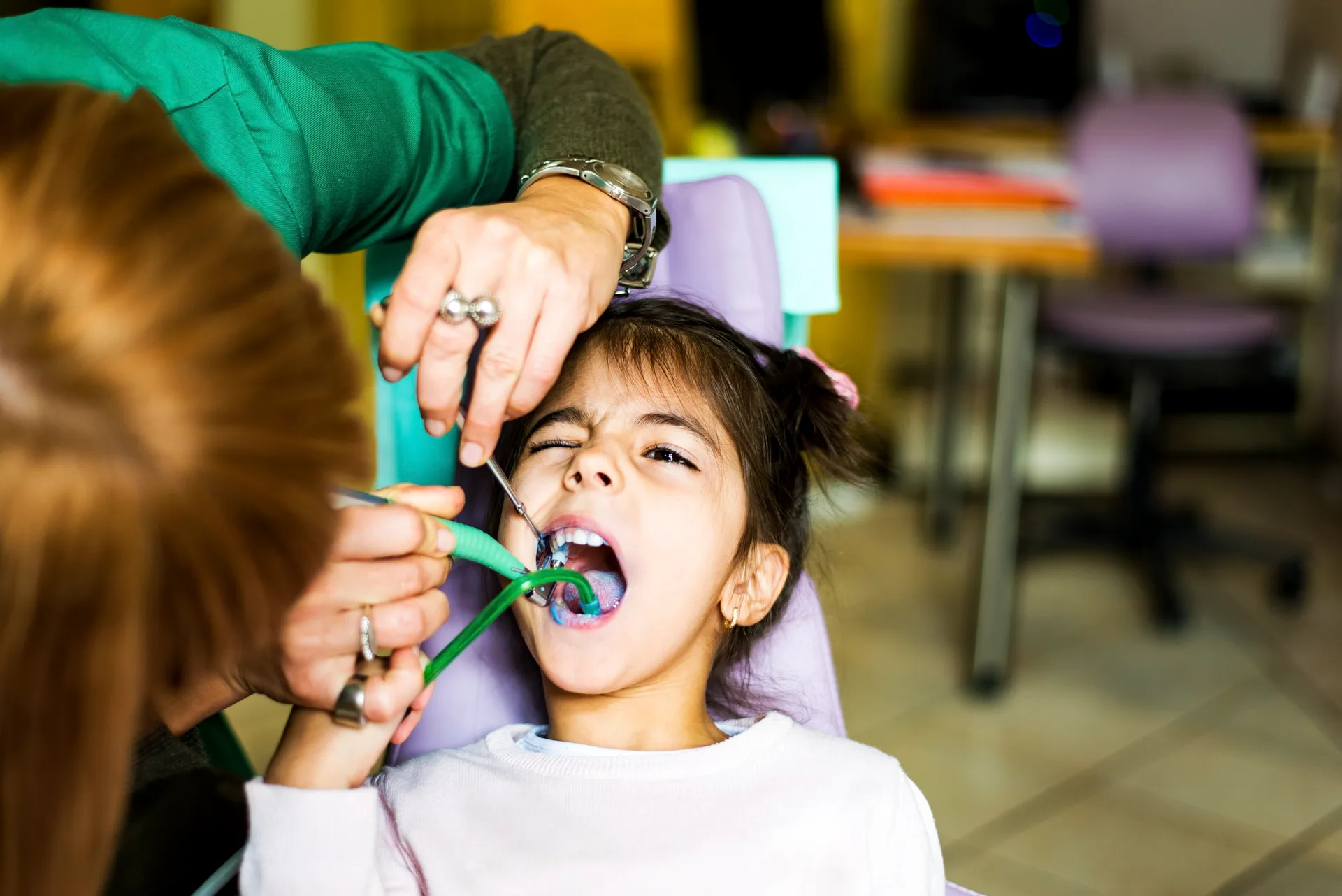
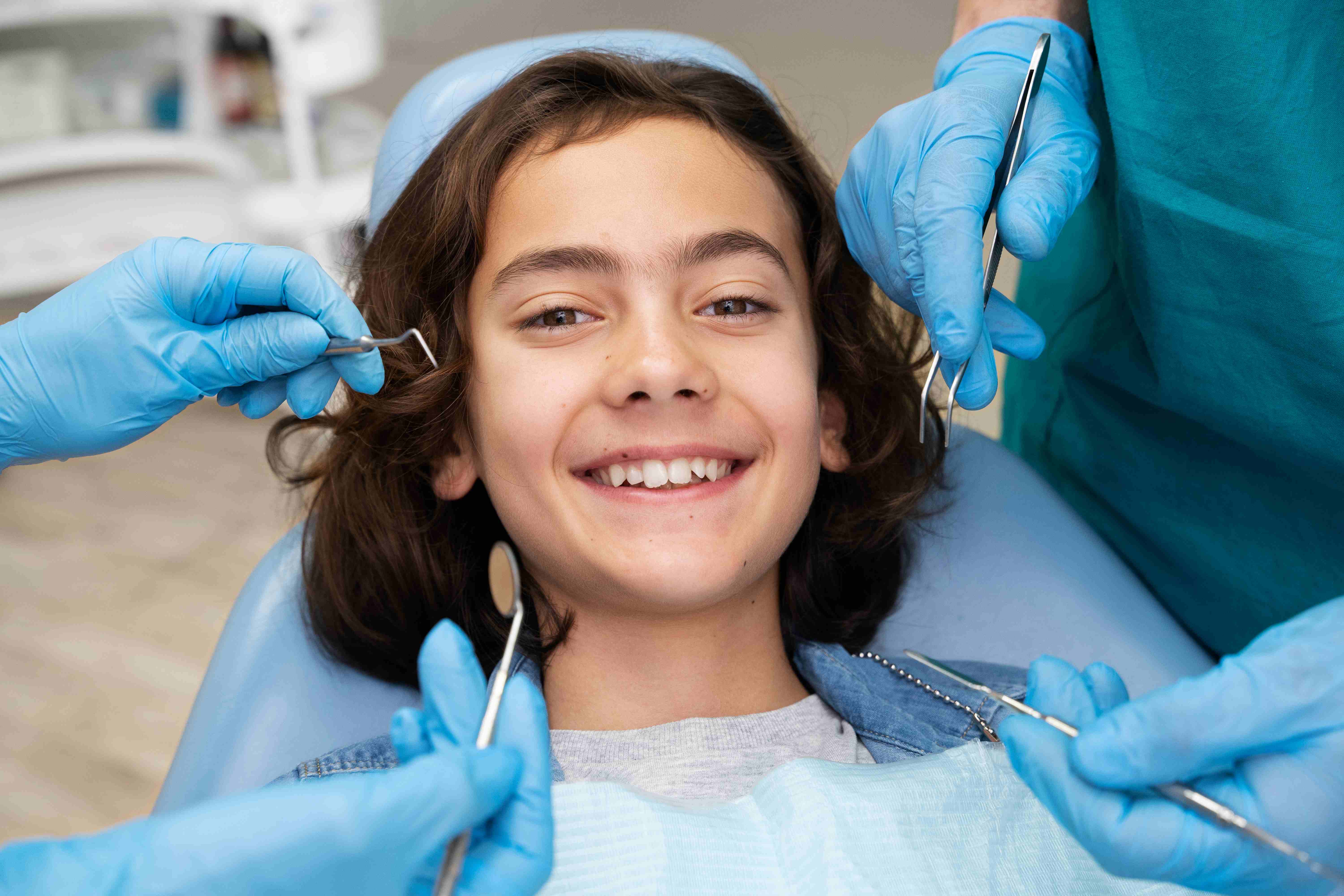
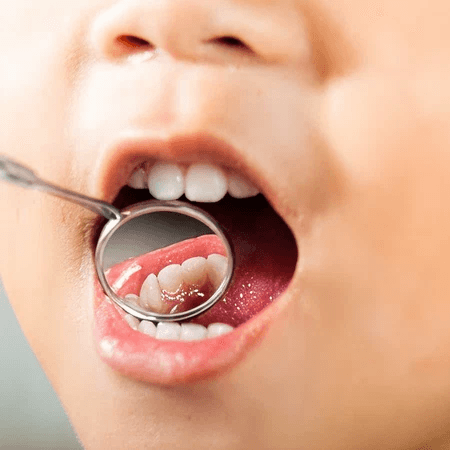
The first dental visit is due by age one, or within six months of the first tooth.
The most common answer parents give when asked when they first took their child to a dentist is: "When their tooth started hurting." This is genuinely understandable. Dental visits can feel unnecessary when nothing is visibly wrong, and children's schedules are already full. The problem is that by the time a tooth hurts, the dental problem behind it has usually been progressing silently for months, sometimes years.
The recommended timing for a child's first dental visit is considerably earlier than most parents expect — and there are specific, practical reasons for each stage of the timeline.
Dental organisations worldwide — including the Indian Dental Association — recommend a child's first dental visit by the age of one or within six months of the first tooth erupting, whichever comes first. In most children, the first tooth erupts between 6 and 10 months.
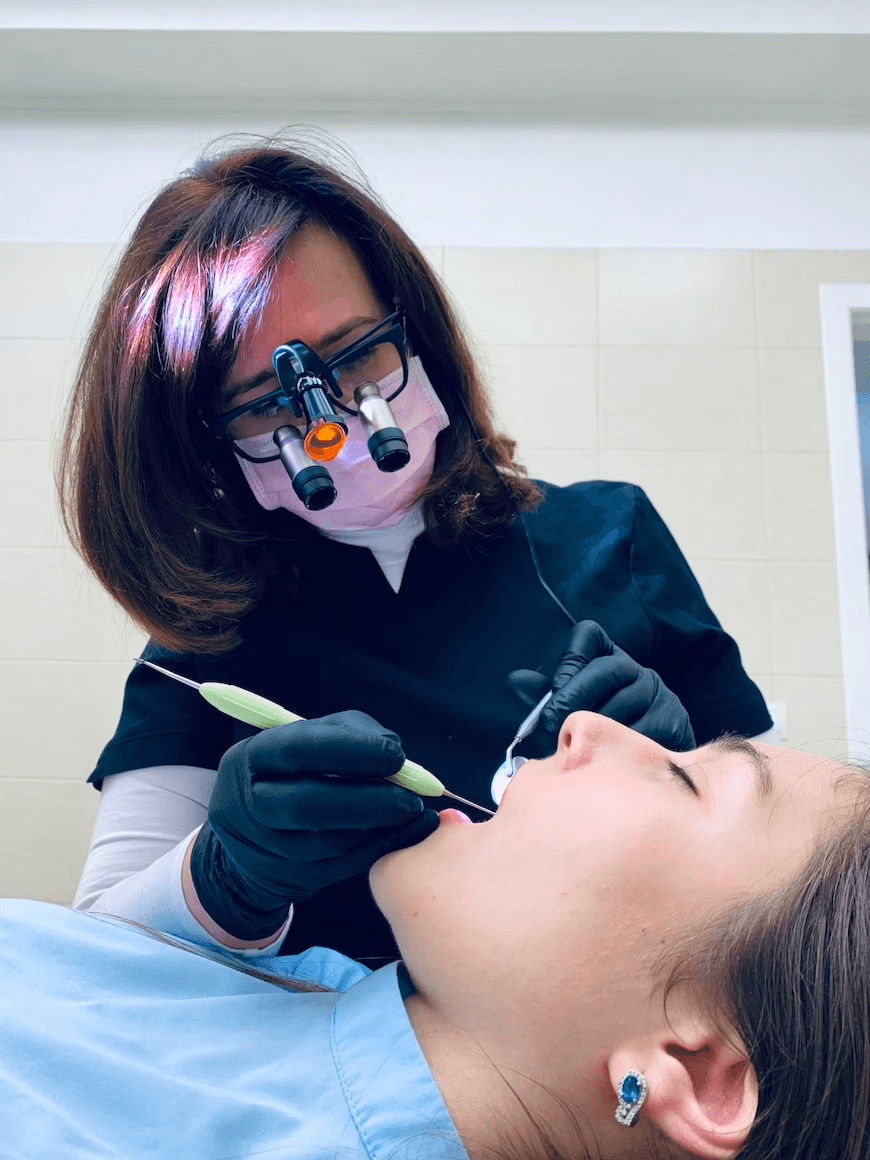
This isn't about examining a single tooth. The first visit is about several things simultaneously:
Establishing the dental home. A child who first experiences a dental clinic during a calm, brief, positive visit — not in the middle of a toothache — develops a very different relationship with dental care than one whose first visit involves pain and treatment. The early visits build familiarity, normalise the environment, and reduce the anxiety that develops when dental care is associated only with problems.
Oral hygiene guidance for parents. At this stage, the child can't brush their own teeth. Parents are the ones cleaning the erupted teeth, and they're often doing it incorrectly or inconsistently. The first dental visit at Renew Dental Clinic in Sector 47, Noida includes specific guidance for parents on technique, products, and frequency appropriate for the child's age.
Diet counselling. The feeding practices that most affect early dental health — night-time bottle feeding with milk or formula, continuous access to sugary drinks, breastfeeding to sleep — are discussed at the first visit so parents can make informed choices.
Examination of what's erupted. Even one or two erupted teeth can show early signs of decay in certain feeding patterns. Catching these at the first visit is incomparably better than discovering them when the child starts complaining.
After the initial visit, six-monthly check-ups maintain the relationship and allow the dentist to track eruption pattern, decay risk, and hygiene as more teeth come through.
Early childhood caries (ECC), formerly called baby bottle tooth decay, is one of the most common chronic childhood diseases globally — and India's rates are high. ECC can develop rapidly in young children, progressing from white spot lesions to extensive decay in a matter of months. Children who are seen regularly from age one have these early signs caught and managed. Children seen for the first time at age four or five with toothache often present with decay that has progressed to the point where pulp involvement and extraction are necessary.
Between ages 1 and 3, the dental appointments are brief and primarily clinical — a quick examination, a gentle clean, fluoride varnish applied to erupted teeth, and parent guidance. The experience is normalised rather than clinical.
By age three, children can begin participating more actively in their dental visit — opening their mouth on request, tolerating a short examination with instruments, understanding simple instructions. This is the period when a cooperative dental relationship becomes established.
This is also the age when several habit concerns become relevant:
Thumb sucking and dummy/pacifier use beyond age three can begin affecting how the erupting teeth position themselves — creating open bites (where upper and lower front teeth don't meet) and crossbites. The dental visit at this stage assesses whether existing habits are producing any dental effects and what management is appropriate.
Fluoride varnish applied at each check-up provides targeted protection to baby teeth that are at high decay risk.
First X-rays may be introduced between ages 4 and 6 if there are concerns about decay between teeth that isn't visible clinically, or to assess eruption patterns.
From around age 6, baby teeth begin falling out and permanent teeth start erupting. This is the most dynamically changing period in dental development — teeth erupting, spaces appearing and closing, jaw dimensions changing.
The first permanent teeth to erupt are the lower central incisors and the first permanent molars (at around age 6). The first permanent molars are particularly important:
They erupt at the back without replacing any baby tooth — they simply arrive behind the last baby molar. Many parents don't realise these are permanent teeth. They're often assumed to be baby teeth and allowed to decay without urgency because "it'll fall out anyway." These molars are permanent and irreplaceable.
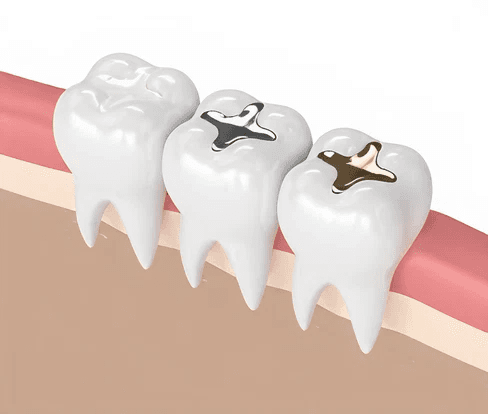
Dental sealants on the newly erupted first permanent molars are one of the most cost-effective preventive interventions in dentistry — thin resin coatings placed in the deep fissures of these teeth reduce cavity risk significantly in the cavity-prone years of primary school age.
Orthodontic assessment is often initiated during this period — the mixed dentition phase (baby and permanent teeth present simultaneously) is when early orthodontic intervention is most appropriately timed if it's needed. Early assessment at Renew Dental identifies whether any interceptive treatment is warranted or whether observation until the full permanent dentition has erupted is appropriate.
Before teeth erupt: wipe the gum pads with a soft damp cloth after feeds.
First teeth to age 3: brush with a rice-grain smear of fluoride toothpaste (children's 500 ppm) twice daily. Parent does the brushing.
Age 3 to 6: pea-sized amount of children's fluoride toothpaste. Parent supervises and assists — most children don't have the fine motor control or consistency to brush adequately alone until at least age 7–8.
Age 7 and above: children can brush independently but benefits from parental check on technique periodically. Flossing begins when adjacent teeth are touching — any contact between teeth is a space where floss needs to reach.
Q: My child has baby teeth — why does it matter if they get cavities? Won't they just fall out? A: Baby teeth fall out between ages 6 and 12, meaning a child with a decayed baby tooth may have that tooth for several more years — years during which the decay can cause pain, infection, and difficulty eating. Baby teeth also hold space for permanent teeth; a baby tooth lost prematurely from decay allows adjacent teeth to drift, potentially blocking the permanent tooth's eruption path.
Q: My child is terrified of dentists — is it too late to change this? A: No. With patience and the right approach, most dental anxiety in children can be reduced significantly. The strategy involves beginning with very gentle, non-threatening visits, not forcing procedures the child isn't ready for, allowing the child to hold instruments and understand what's happening, and building gradually over multiple visits. Contact Renew Dental to discuss the approach for anxious children.
Q: At what age should I start worrying about my child's teeth being crooked? A: Before age 7, most apparent crowding and irregularity is normal variation in the mixed dentition. An orthodontic assessment at age 7 is the point at which most orthodontists can identify whether intervention is warranted early or whether waiting for the full permanent dentition is appropriate.
For your child's dental appointment at Renew Dental Clinic, Sector 47, Noida:
📞 +91 99710 35300 A-321, Basement Floor, Next to Mother Dairy Store, Sector 47, Noida, Uttar Pradesh 201303 Monday–Saturday 10:30 AM – 8:00 PM | Sunday 11:00 AM – 2:30 PM
 Copy
Diabetes and dental health have a two-way relationship. This guide shows what diabetic patients in Noida need to do differently and how Renew Dental helps.
29 Oct 2026
by Renew Dental Clinic
Crooked teeth are fixable in teens and adults. Compare braces, aligners, bonding, veneers and retainers at Renew Dental Noida, plus the results to expect.
26 Oct 2026
by Renew Dental Clinic

Toothache while pregnant? Learn what dental treatment is safe, which pain medicines to take or avoid, and whether seeing a dentist could affect your baby.
23 Oct 2026
by Renew Dental Clinic

Two minutes sounds simple. Most people brush for 45 seconds. Here's what the research says...
03 Aug 2026
by Renew Dental Clinic
Oil pulling has a loyal following and bold claims. This guide from Renew Dental Clinic...
30 Jun 2026
by Renew Dental Clinic
Alcohol affects oral health in ways most people don't expect — from dry mouth to...
23 Jul 2026
by Renew Dental Clinic
Not all pain after wisdom tooth surgery in Noida is normal. Learn which signs mean...
14 Oct 2026
by Renew Dental Clinic

Milk teeth are not just baby teeth. Learn how they differ from permanent teeth, why...
03 Nov 2026
by Renew Dental Clinic

Find out what preventive dentistry is, why it matters to your oral health, and how...
22 Sept 2025
by Renew Dental Clinic

Compare Invisalign with traditional braces to find a treatment option that fits your lifestyle, comfort...
18 Nov 2025
by Renew Dental Clinic
Discover the benefits, types, and treatment process of dental braces on teeth. Learn how braces...
12 May 2026
by Renew Dental Clinic
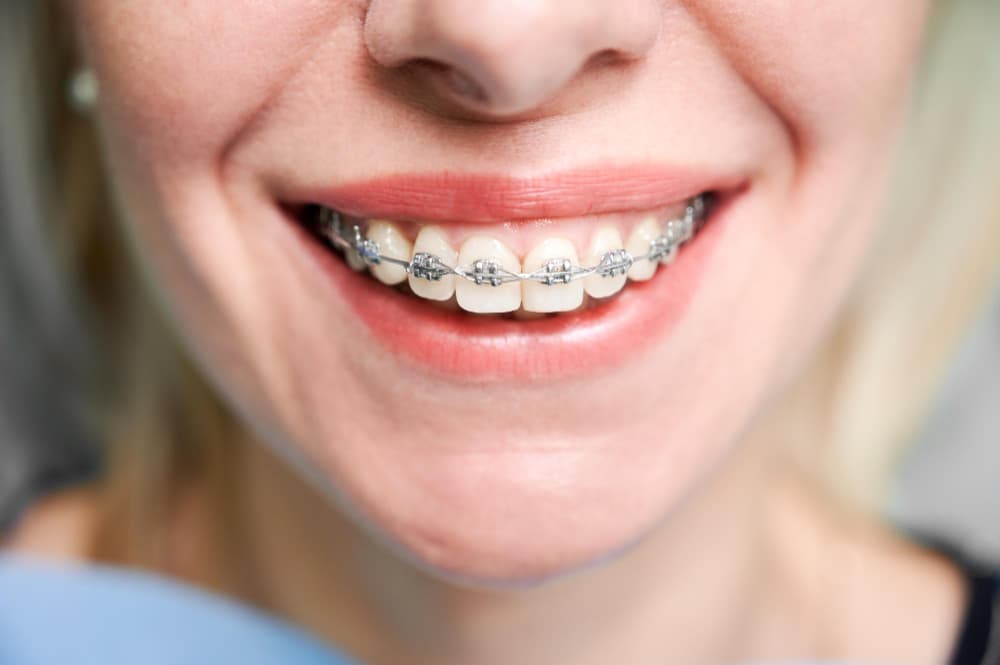
Most Noida parents wait until their teenager asks for braces. Learn when to book an orthodontic assessment, which options suit teens, and what to expect.
09 Oct 2026
by Renew Dental Clinic

Curious about the root canal treatment? Learn the step-by-step process, benefits, recovery, and FAQs to know the popular dental procedure.
03 Oct 2025
by Renew Dental Clinic

When you have persistent tooth pain or sensitivity that just will not seem to go...
10 Nov 2025
by Renew Dental Clinic
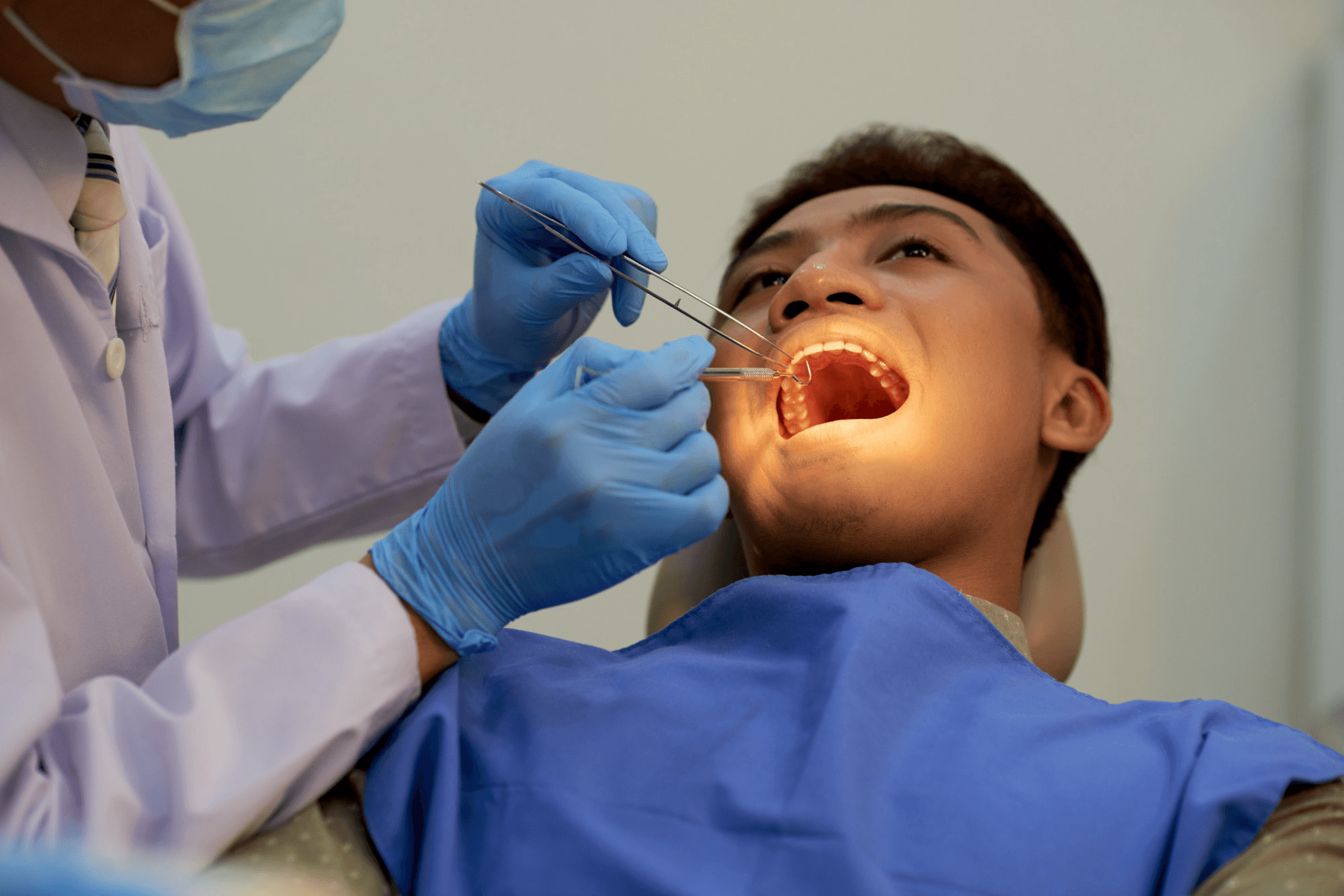
Learn whether root canal treatment is painful, how the procedure works, and what to expect before, during, and after treatment.
11 May 2026
by Renew Dental Clinic
Explore More
Discover how thousands of patients trust Renew Dental Clinic with their smiles.
Good experience
I went to the doctor Suchi for my gums and jaw pain, I want to really appreciate her as she takes time to listen to your problem and then gives a detailed solution and prescription. I had my teeth cleaned for the first time, it was a satisfactory experience, the staff is also very cooperative. I just felt that everyone knows that she is a good doctor so waiting time can be around 30 mins in the evenings.
Exceptional service and care at Renew Dental clinic. From the warm reception to the skilled dental professionals, every aspect exceeded my expectations. The clinic's modern facilities and attention to patient comfort make it a top choice for anyone seeking dental care in noida.
Renew Dental Clinic is one of the best dental clinic in Noida and NCR.I have taken many services and almost all my dental processes from Renew. They guide and suggest the best possible options before the job, set time and processes as per one's convinience and actual requirements, process the dental processes almost painlessly and without any inconvinience.I feel like my family doctor when I take advice or service from Renew. I guarantee that any person visit this lab once, will never opt to consult any other dentist even if they find a nearest dentist from their home. Thanks Renew for taking care of all my tooth.
Outstanding dental care by Dr. Suchi Singh! She is skilled, patient, and attentive to every detail. The clinic is clean and welcoming, and the entire team is professional. Highly recommended for anyone seeking reliable and comfortable dental treatment
I am extremely satisfied with the treatment given by Dr. Suchi. Renew dental clinic offers excellent treatment with a professional and friendly team, ensuring a comfortable and positive experience for patients. I highly recommend anyone seeking quality dental services.
She is the best doctor in Noida
I recently had my RCT (Root Canal Treatment) and dental crown done at Renew Dental Clinic, and I am extremely satisfied with the entire experience. Dr. Chandrava and Dr. Suchi are highly professional, skilled, and caring. They explained every step of the treatment clearly and made me feel comfortable throughout the procedure.
Highly recommended for anyone seeking top-notch dental care
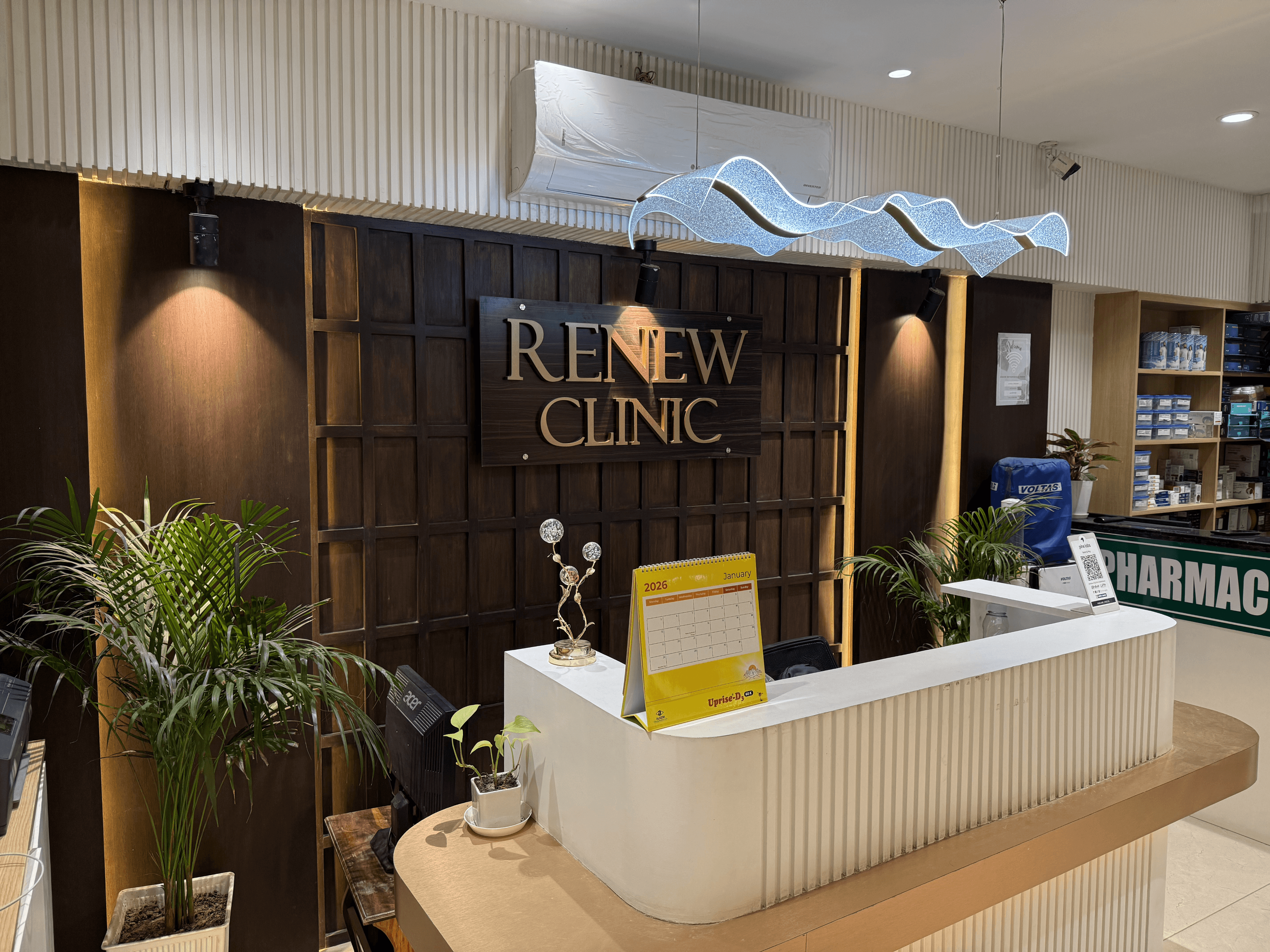
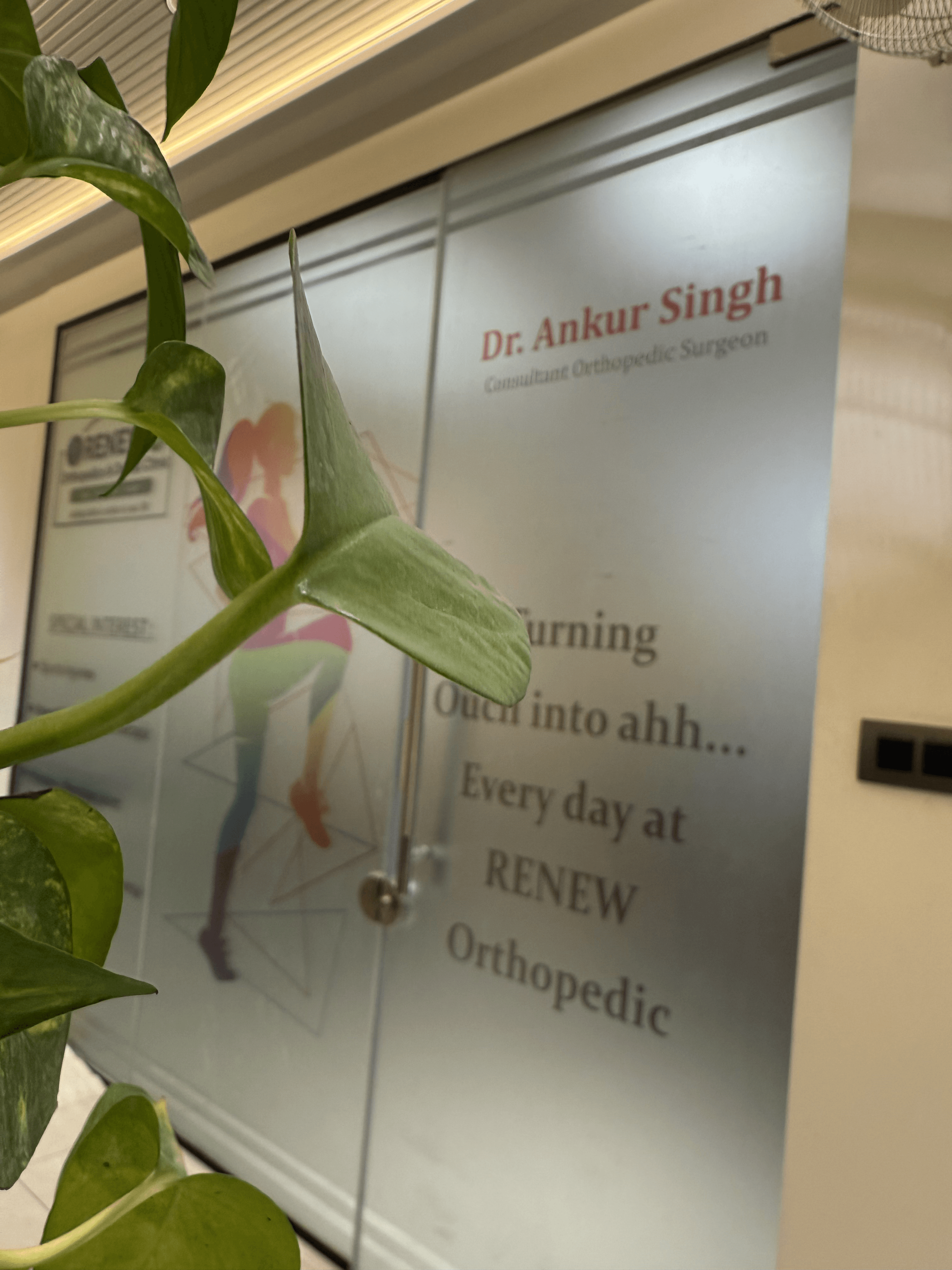
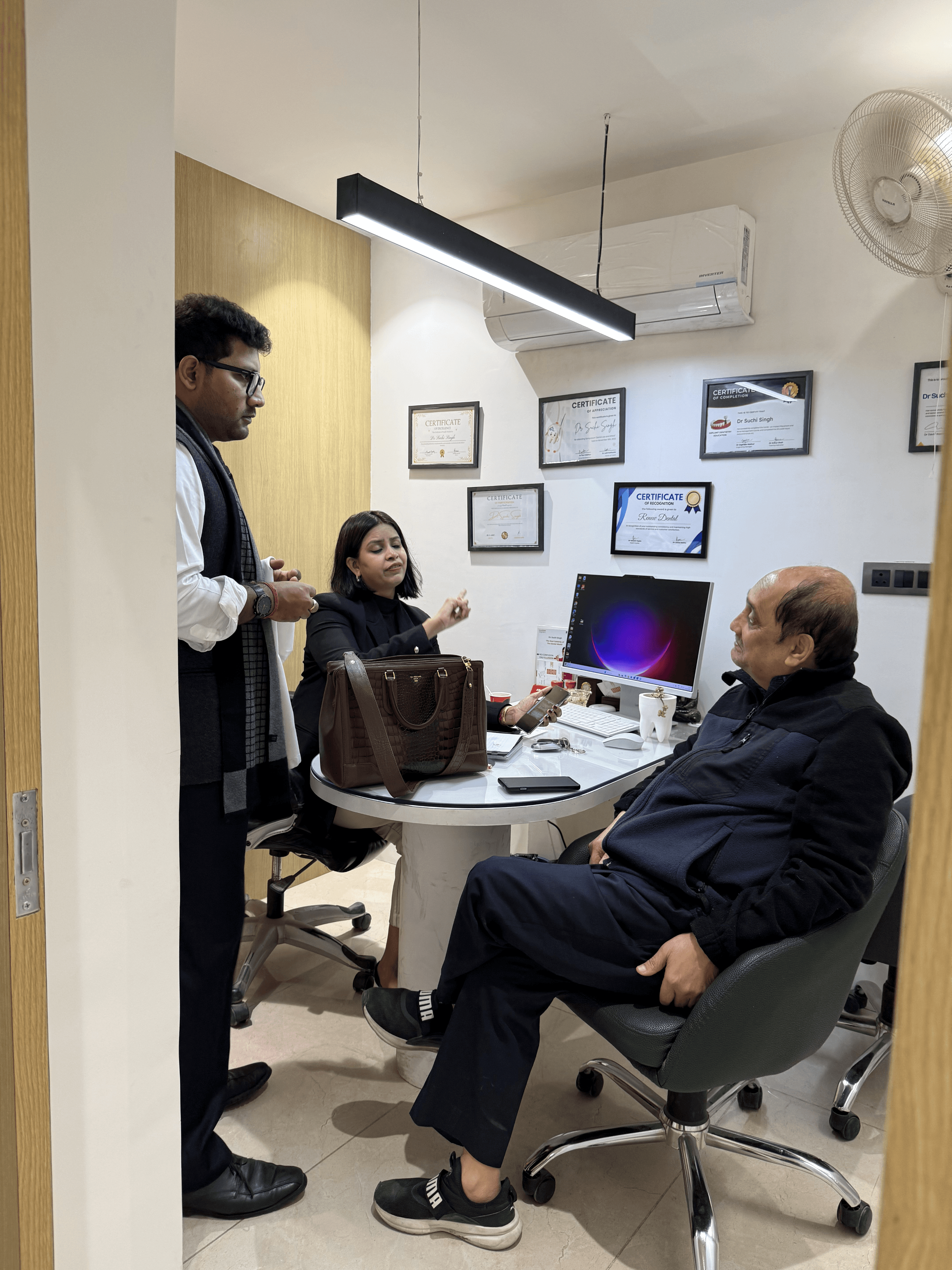
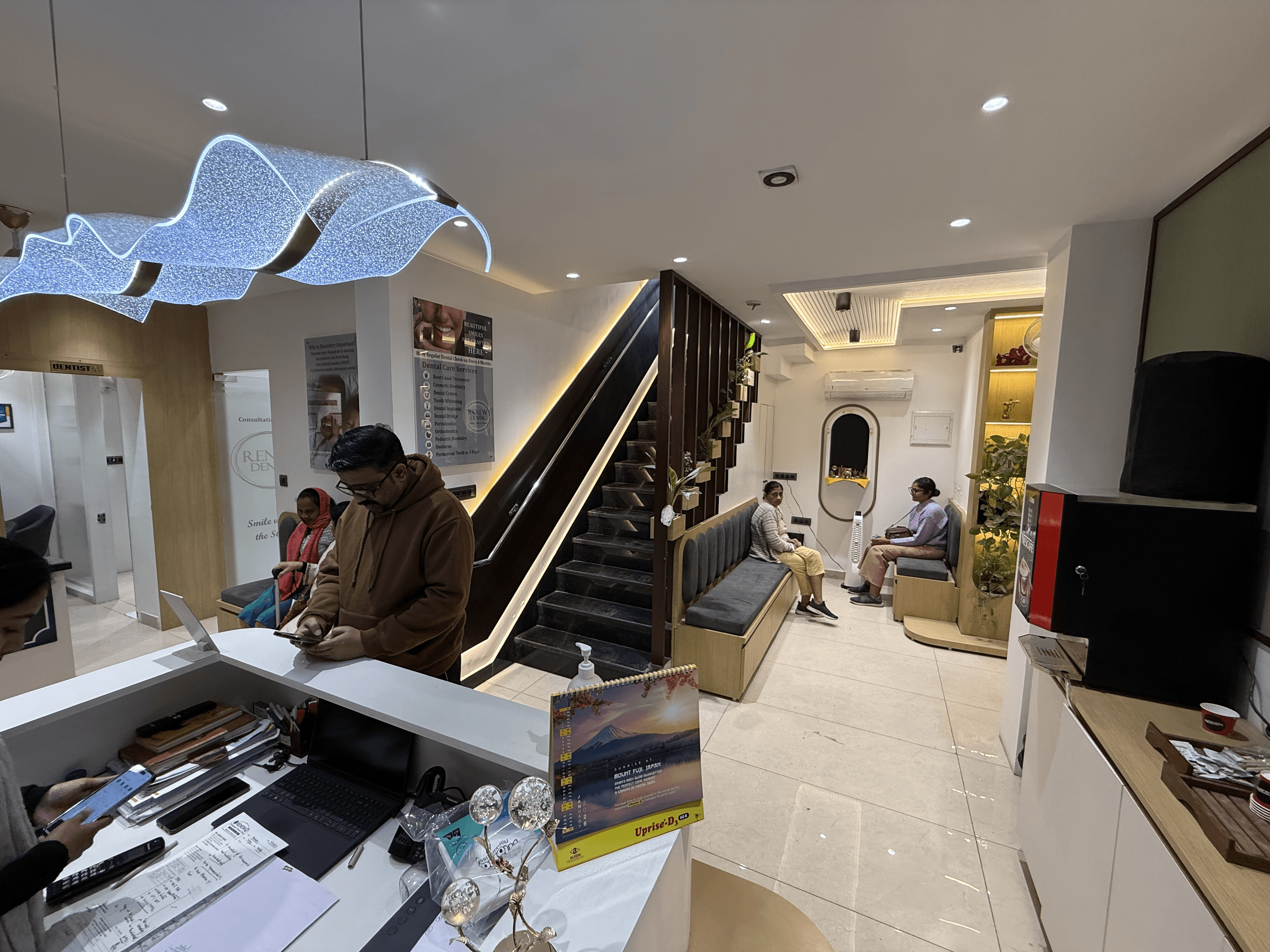
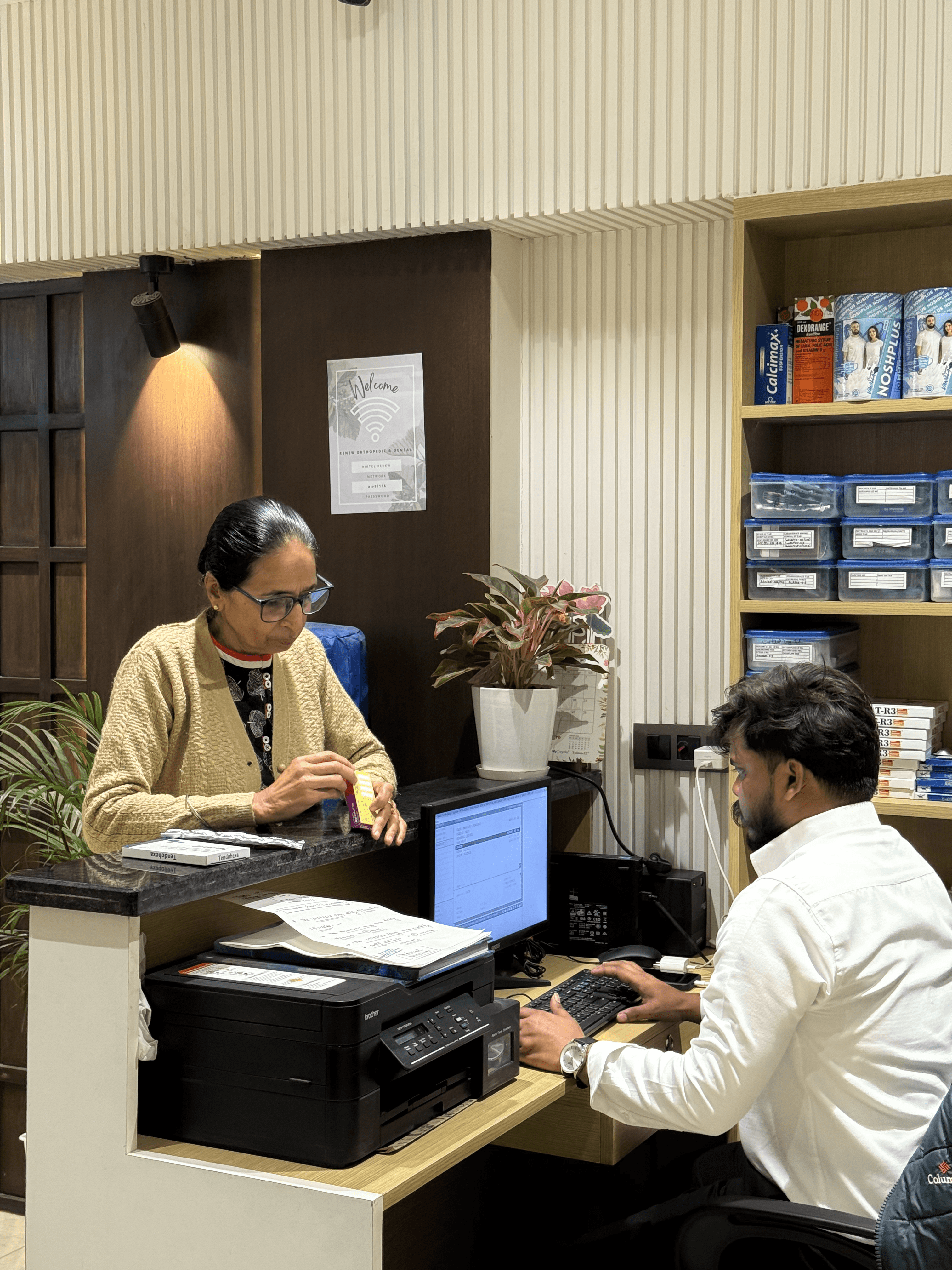
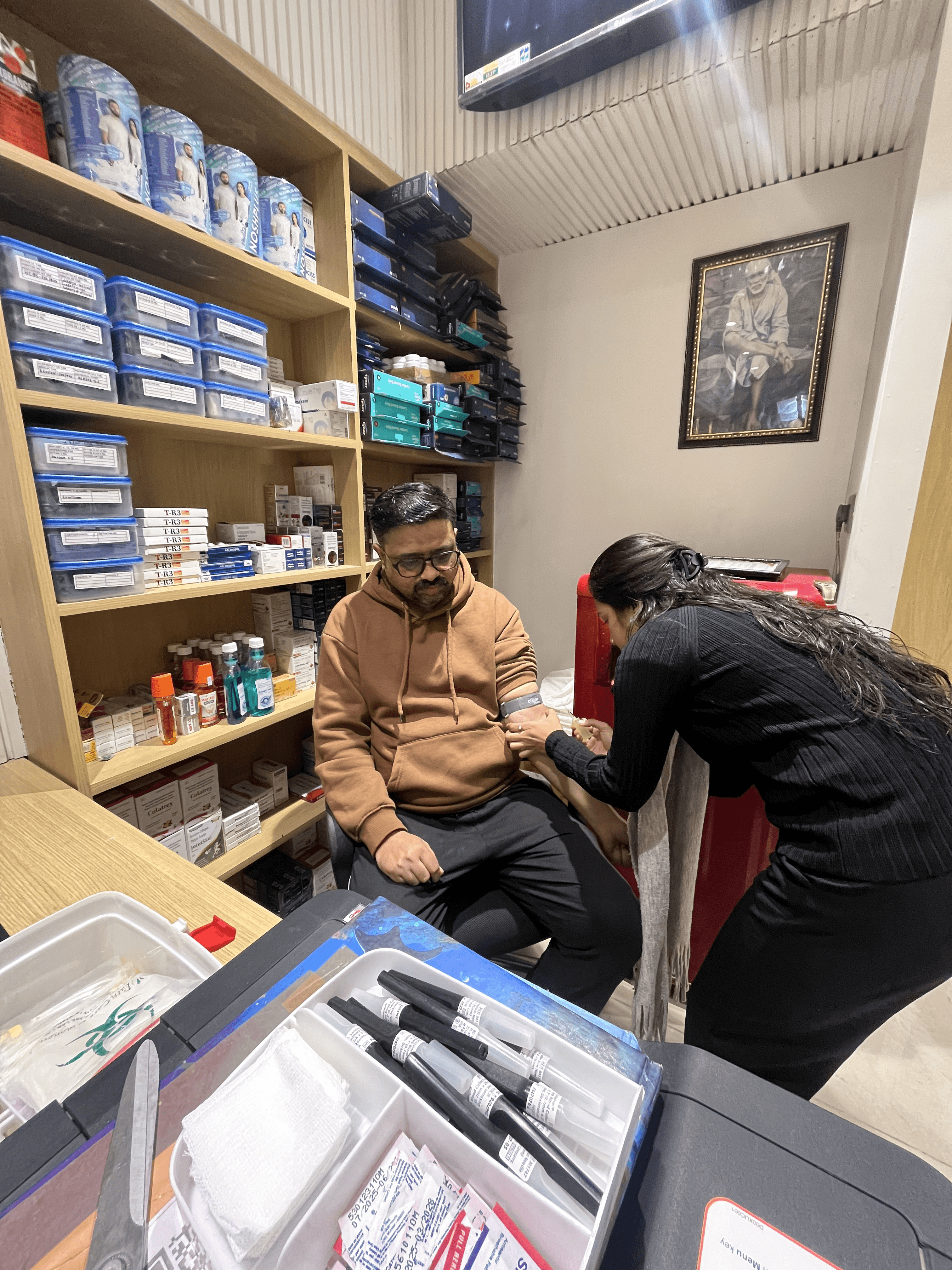
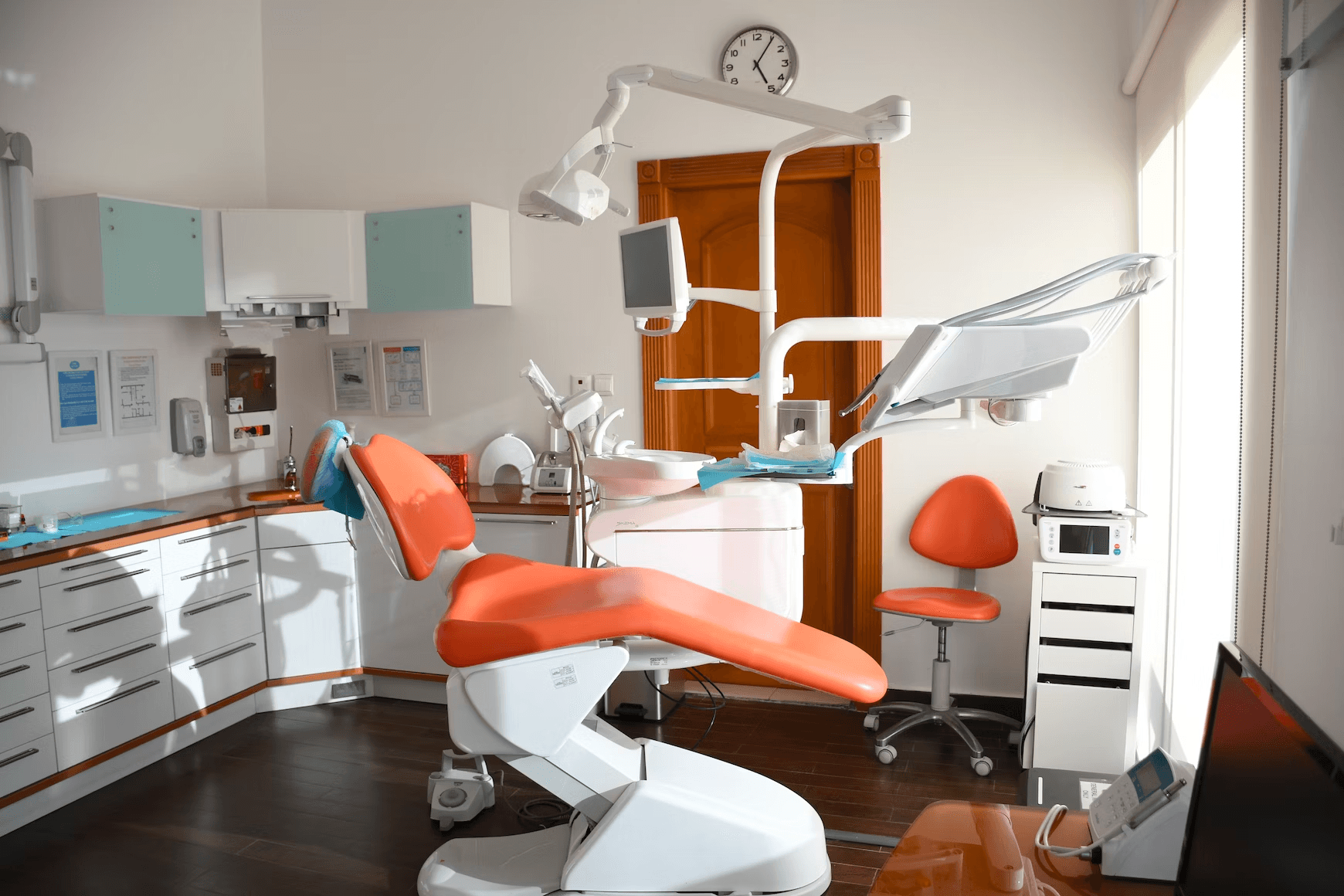
A glimpse into our modern dental clinic, advanced technology, and patient-friendly environment at Renew Dental.
Explore our thoughtfully designed clinic spaces built to provide comfort, cleanliness, and a calming experience for patients of all ages.
Best Dentist in Noida
Renew Dental Clinic located in Noida, Sector 47, is one of the leading dental clinics. Founded by Dr. Suchi Singh who is widely regarded as one of the best dentists in Noida, the clinic is committed to delivering personalised and high-quality dental care. Dr. Suchi Singh focuses on customised treatment plans designed around each patient’s unique needs, ensuring advanced, comfortable and reliable dental care at Renew Dental Clinic.

Your Trusted Dental Experts

Complete Dental Care

Friendly Dental Space

No Hidden Charges

Two trusted dental clinics in Noida — Renew Dental (Sector 47) and Tooth & Truth (Sector 34) — for gentle, modern care.

Renew Orthopedic Clinic, A-321, Basement Floor, Next to Mother Dairy Store, Sector 47, Noida, Uttar Pradesh 201303
 +91 99710 35300
A-98/A, Block A, Sector 34, Noida, Uttar Pradesh 201307
+91 99710 45002© 2026. All rights reserved | Designed and Developed by Zarle Infotech