By Renew Dental HospitalPublished on
Most diabetic patients need check-ups every three to four months rather than every six.
India has over 100 million people with diabetes, and Noida — with its urban lifestyle and dietary patterns — has particularly high prevalence. Most people with diabetes know about the risk to their kidneys, eyes, and cardiovascular system. What far fewer know is that the mouth is equally involved in the diabetes picture, and the relationship runs in both directions: diabetes makes gum disease worse, and gum disease makes diabetes harder to manage.
This guide is specifically for diabetic patients — what changes in your dental care, what you need to tell your dentist, and what treating your gum disease can actually do for your blood sugar control.
Diabetes worsens gum disease. Chronically elevated blood glucose impairs neutrophil function — the immune cells that form the body's first line of defence against oral bacteria. The same bacteria that cause gum disease in everyone are more difficult for a diabetic body to control. Advanced glycation end-products (AGEs) that accumulate in tissues from chronic hyperglycaemia amplify the inflammatory response to those bacteria. The result: a diabetic patient with equivalent oral hygiene to a non-diabetic patient will typically develop more severe gum disease, faster.
Studies consistently find that diabetic patients are 2–3 times more likely to develop periodontitis than non-diabetics, even after adjusting for other factors.
Gum disease worsens diabetes. Active periodontitis produces systemic inflammation through elevated circulating cytokines — TNF-α, IL-6, prostaglandins. These inflammatory mediators directly interfere with insulin signalling, contributing to insulin resistance. The higher the systemic inflammation from periodontitis, the harder it is to control blood glucose.
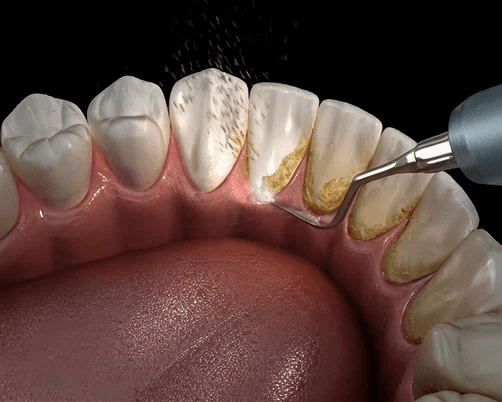
Multiple randomised controlled trials have now confirmed that treating periodontitis in diabetic patients — through professional scaling and root planing — produces a modest but statistically significant reduction in HbA1c (0.4–0.6 percentage points in most studies). This is meaningful clinical effect — comparable to some pharmacological add-on treatments for glucose management — and it's frequently overlooked in diabetes management plans that don't include oral health.
The standard 6-monthly dental check-up interval is not sufficient for most diabetic patients.
For diabetic patients with no established gum disease and well-controlled HbA1c: 4-monthly check-up and cleaning. The elevated baseline risk means closer monitoring catches early gum changes before they progress to established disease.
For diabetic patients with a history of gum disease or poorly controlled HbA1c: 3-monthly appointments. The more frequent interval matches the rate at which periodontal bacteria recolonise treated pockets and allows professional cleaning to stay ahead of disease progression.
For diabetic patients with actively progressing periodontitis: intensive treatment phase (multiple scaling and root planing sessions) followed by 3-monthly maintenance indefinitely.
The relationship is circular in the best possible way when managed proactively: better gum health contributes to better glucose control, which contributes to better immune response to periodontal bacteria, which contributes to better gum health. Breaking into this cycle with professional periodontal care is worth the frequency of appointments.
Tell Renew Dental Clinic at every appointment:
Your current HbA1c value — the best single indicator of recent glucose control. This affects treatment planning, healing assessment, and antibiotic decisions.
Any new medications or medication changes — particularly if they affect bleeding (anticoagulants), healing (immunosuppressants), or cause dry mouth.
Any recent infection history — diabetic patients are more susceptible to oral and systemic infection, and a history of recent infections affects what procedures are appropriate.
Whether glucose has been well-controlled recently — a patient with an acute glucose crisis or very poorly controlled period (HbA1c above 10%) has elevated surgical risk and healing impairment that affects timing of elective dental procedures.
Diabetic patients heal more slowly. This is relevant for several dental contexts:
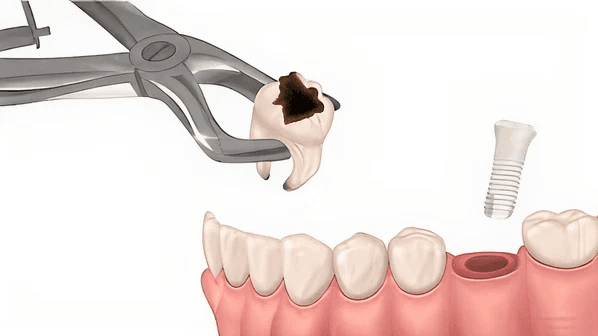
After extractions: the socket takes longer to close and is more susceptible to infection. Post-operative instructions about diet, smoking avoidance, and salt water rinsing are more important, not less. Contact the clinic promptly if healing seems delayed or pain is worsening rather than improving.
After periodontal treatment: the gum tissue response to scaling and root planing is somewhat slower in poorly controlled diabetics. The post-treatment assessment at 4–6 weeks may show less pocket reduction than expected if glucose control was poor during the healing period.
Before surgical procedures: implant placement, periodontal surgery, or any elective oral surgery is ideally timed when HbA1c is below 8% and recent glucose control has been stable. The risk of infection and poor healing increases significantly above this level.
Many diabetic patients experience dry mouth — from a combination of the condition itself (autonomic neuropathy affecting salivary glands) and from the multiple medications commonly used in diabetes management (metformin, certain antihypertensives, some diabetes medications).
Dry mouth dramatically increases cavity risk and gum disease severity. Without adequate saliva — which buffers acid, washes teeth, and suppresses bacterial growth — the oral environment is significantly more hostile.
At Renew Dental, diabetic patients with dry mouth are managed with:
Higher-frequency cleaning appointments Prescription-strength fluoride toothpaste Xylitol lozenges or gum to stimulate residual salivary gland output Alcohol-free mouthwash (alcohol worsens dryness) Guidance on consistent hydration throughout the day
Oral candidiasis (thrush): elevated salivary glucose promotes Candida overgrowth. Denture-wearing diabetic patients are at particularly high risk — the acrylic surface of dentures harbours Candida biofilm effectively.
Root caries: dry mouth combined with any gum recession exposing root dentine creates high root surface cavity risk. Prevention is far more effective than treatment for root caries.
Burning mouth syndrome: associated with diabetic neuropathy — a burning sensation in the mouth without obvious clinical cause.
Slow-healing ulcers: any mucosal trauma — from ill-fitting dentures, accidental cheek biting, or any cause — heals more slowly in diabetic patients and requires monitoring for secondary infection.
Dental implants are possible in diabetic patients but require more careful planning than in non-diabetic patients.
Osseointegration — the bone fusing with the implant surface — is somewhat impaired in hyperglycaemic conditions. Poorly controlled diabetes is associated with higher implant failure rates. Well-controlled diabetics (HbA1c below 8%) achieve implant success rates approaching those of non-diabetics in most studies.
Before implant placement, Dr. Suchi Singh discusses current HbA1c, healing history, and overall health stability with the patient and, where appropriate, coordinates with the treating physician. The decision is individual and evidence-based — not a blanket refusal or blanket acceptance.
Q: My blood sugar is currently well-controlled — can I have dental surgery? A: Well-controlled diabetes is the best scenario for dental surgery. The main pre-operative considerations are morning appointment timing (blood sugar is generally more stable earlier in the day and after a normal breakfast), antibiotic prophylaxis assessment based on the procedure, and close post-operative monitoring.
Q: I've been told my HbA1c is high — should I delay my dental treatment? A: Urgent dental treatment (abscess, severe pain, active infection) should not be delayed regardless of HbA1c — untreated dental infection in a diabetic patient is dangerous. Elective surgical procedures (implants, periodontal surgery) may be better timed after glucose control is improved. Call Renew Dental to discuss your specific situation.
Q: Will treating my gum disease lower my blood sugar? A: The evidence shows a modest but real reduction — approximately 0.4–0.6 percentage points in HbA1c in most studies of periodontal treatment in diabetic patients. This is meaningful but not a substitute for medication and lifestyle management. It's an additional contribution from managing oral health that's frequently overlooked.
For diabetes-aware dental care at Renew Dental Clinic, Sector 47, Noida:
📞 +91 99710 35300 A-321, Basement Floor, Next to Mother Dairy Store, Sector 47, Noida, Uttar Pradesh 201303 Monday–Saturday 10:30 AM – 8:00 PM | Sunday 11:00 AM – 2:30 PM
 Copy

Baby bottle tooth decay is common but preventable. Learn why it happens, how to spot...
02 Nov 2026
by Renew Dental Clinic
Veneers and composite bonding both improve a smile but work differently. This honest guide helps patients in Noida choose the right option for their teeth.
28 Oct 2026
by Renew Dental Clinic
Most Noida parents wait for a toothache before a child's first dental visit. Learn why...
27 Oct 2026
by Renew Dental Clinic

Oral health is a part of overall well-being, but one often overlooked until it's painful...
21 Aug 2025
by Renew Dental Clinic
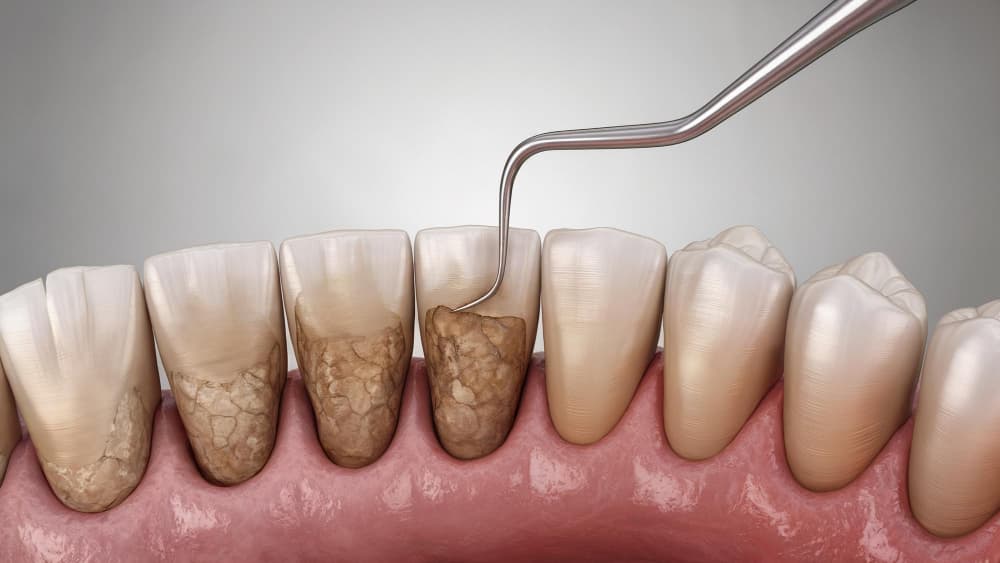
Crooked teeth are fixable in teens and adults. Compare braces, aligners, bonding, veneers and retainers at Renew Dental Noida, plus the results to expect.
26 Oct 2026
by Renew Dental Clinic

Composite bonding is a minimally invasive cosmetic treatment. Learn what it fixes, its real limits, and when Renew Dental Noida recommends another option.
08 Oct 2026
by Renew Dental Clinic
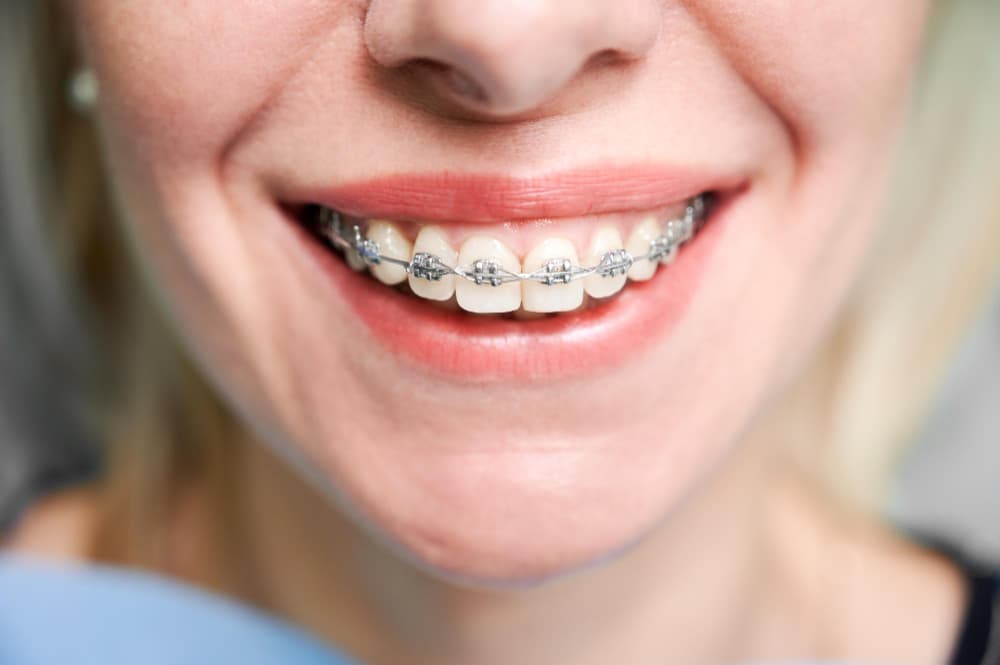
Choosing between traditional braces and clear aligners in Noida? This practical comparison covers appearance, effectiveness,...
11 Jun 2026
by Renew Dental Clinic
Most Noida parents wait until their teenager asks for braces. Learn when to book an orthodontic assessment, which options suit teens, and what to expect.
09 Oct 2026
by Renew Dental Clinic

Compare Invisalign with traditional braces to find a treatment option that fits your lifestyle, comfort...
18 Nov 2025
by Renew Dental Clinic
Brushing alone cleans only 60% of tooth surfaces. This guide explains what happens to the...
07 Jul 2026
by Renew Dental Clinic
Teeth looking longer than they used to? Gum recession is one of the most commonly...
19 Aug 2026
by Renew Dental Clinic

Having a healthy mouth for life is not just about having a bright smile; it...
03 Sept 2025
by Renew Dental Clinic
Explore More
Discover how thousands of patients trust Renew Dental Clinic with their smiles.
One of the best doctor in town….must visit…….
Had an excellent experience with Dr. Suchi Singh at Renew Dental Clinic. She made my root canal and capping procedure surprisingly comfortable. The doctors and staff were all so polite and compassionate. I highly recommend them to anyone in need of dental care.
I had an outstanding experience at this dental clinic in Sector 47, Noida. I opted for Basel/Cortical implants, and the entire treatment was started and completed in just 5 days, beginning on 2nd January. The efficiency and expertise of the doctor truly amazed me - highly competent, reassuring, and deeply committed to patient care.
Best dental treatment in noida NCR
Dr.Suchi Singh is definitely the best dentist in Noida! She saved my smile after an unfortunate accident that knocked my front teeth out. Now my teeth, truthfully, look better than they ever did before
It was a smooth and painless experience through all my three sittings
I got my dental treatment from Dr Suchi.
Suchi was a fabulous dentist and she fixed the teeth in an hour or so, pretty great and I plan to visit her again. Thanks again!
Very Good doctor with correct advice. Nice clinic.
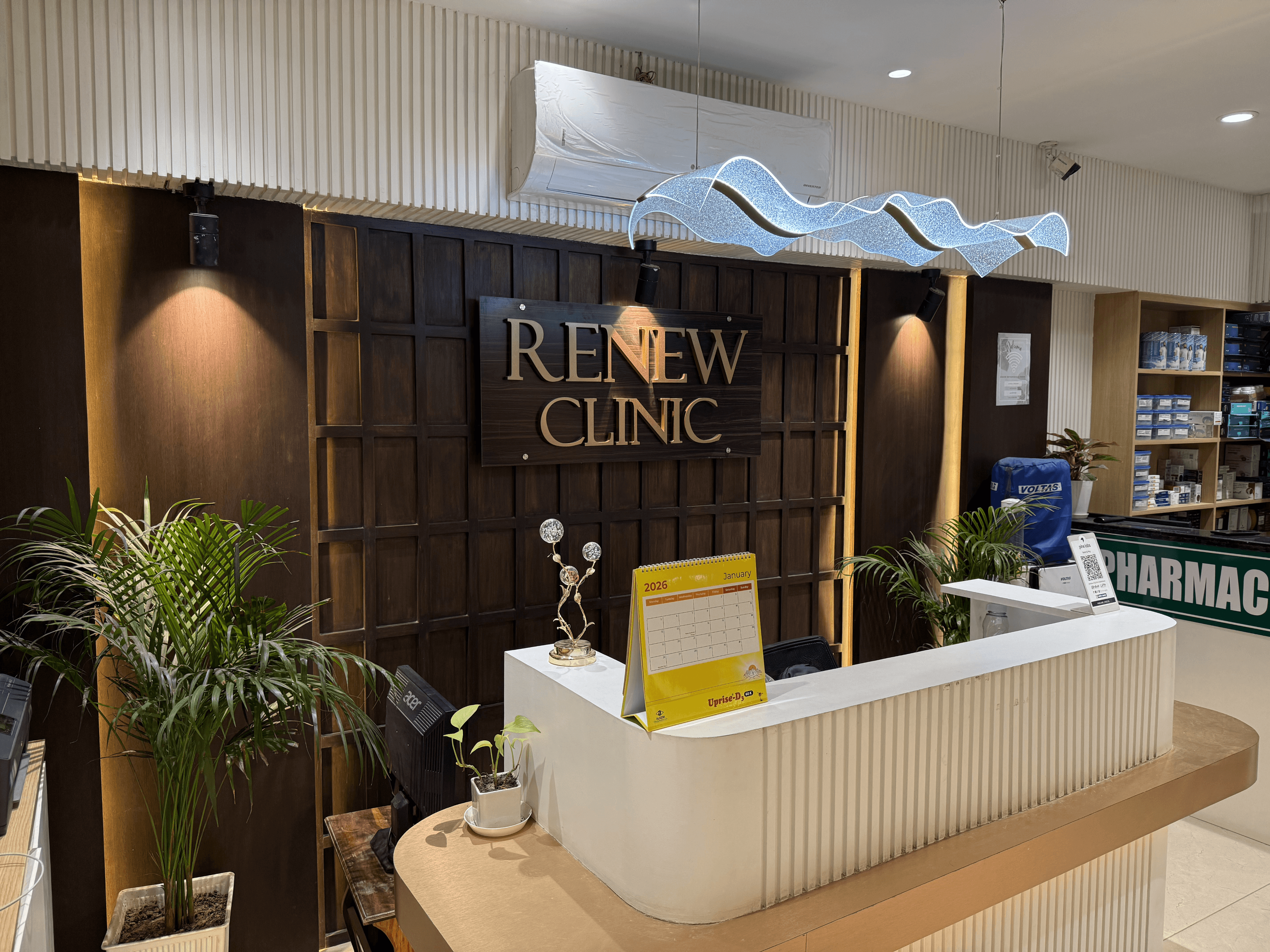
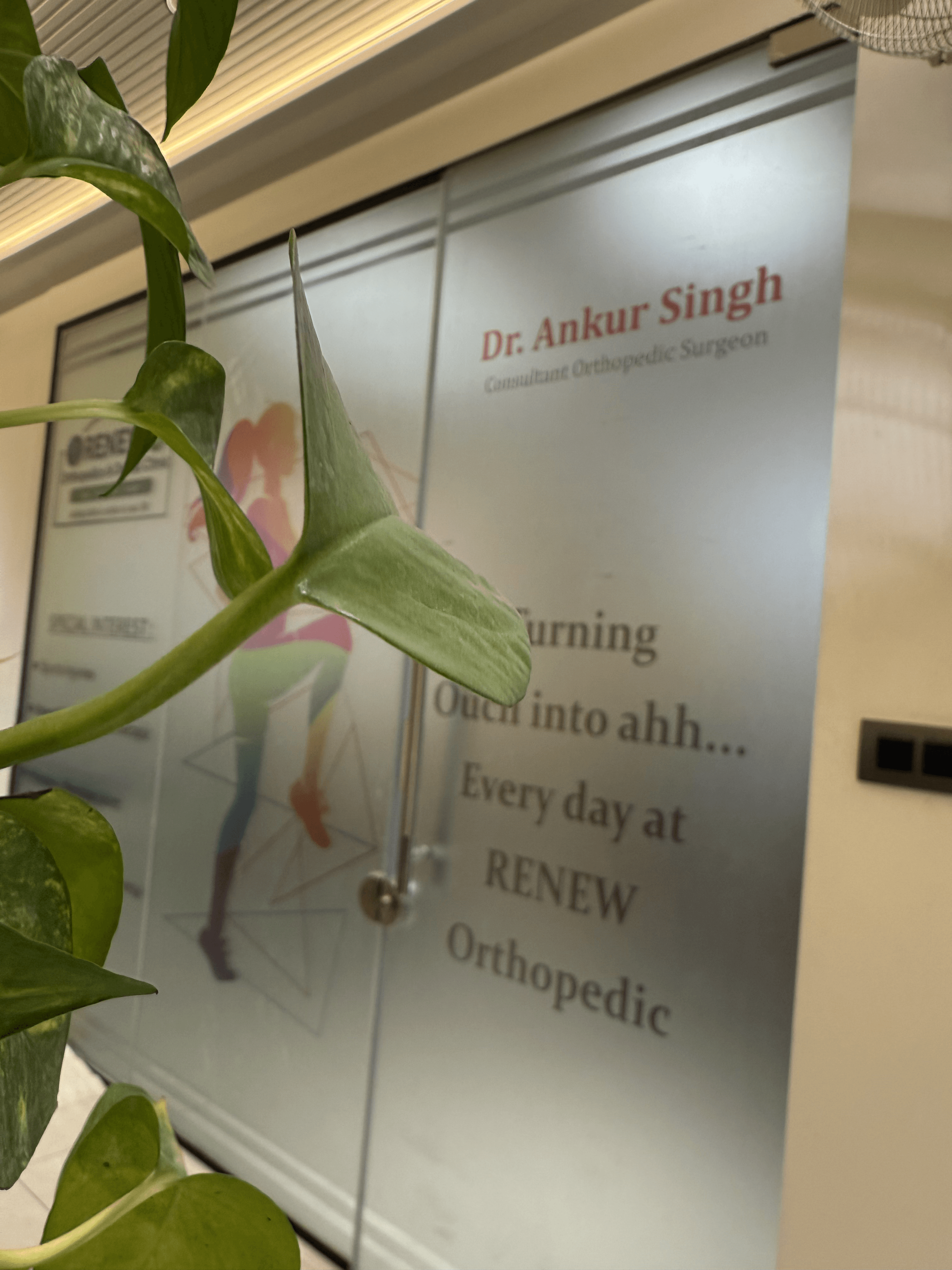
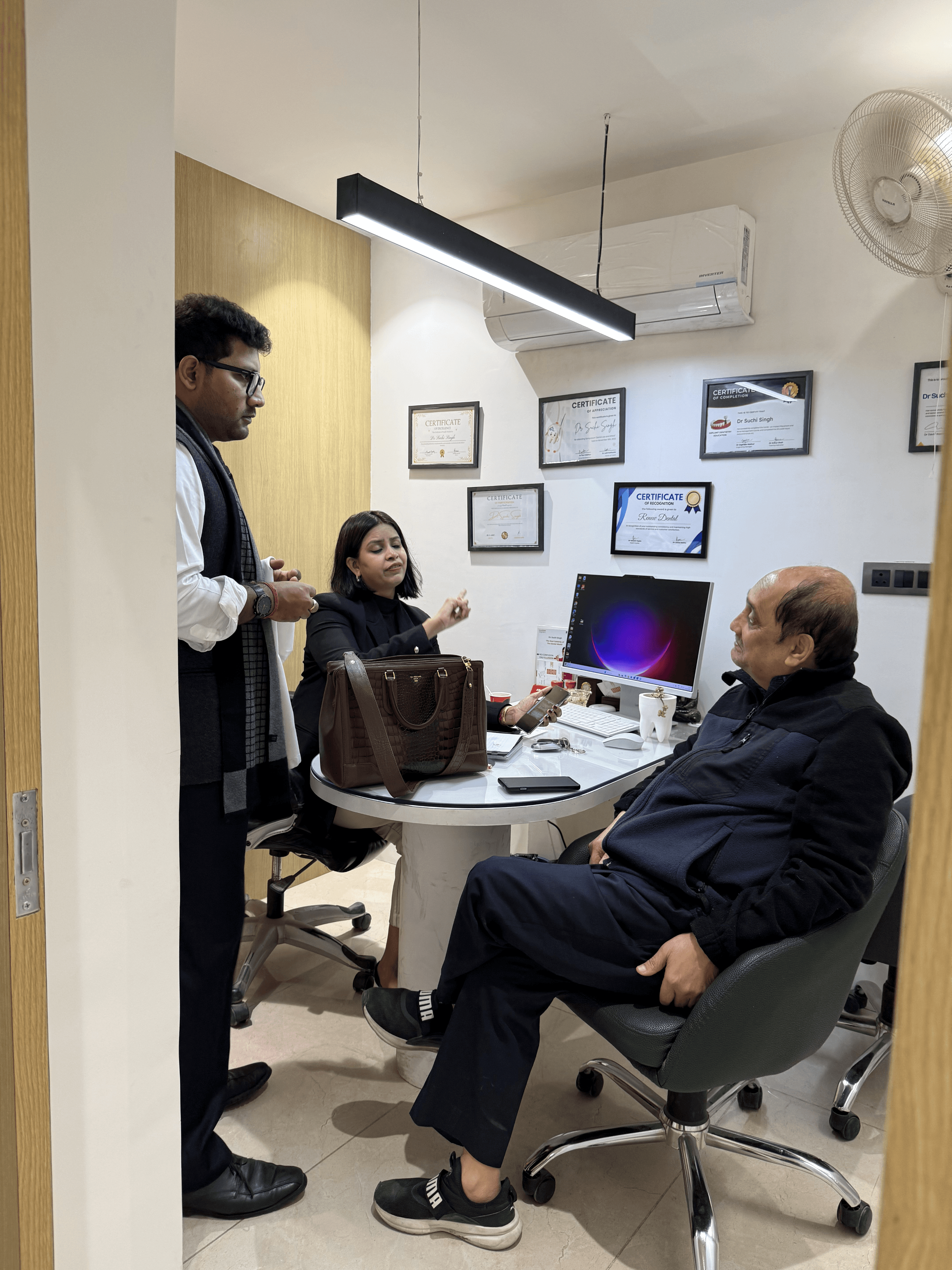
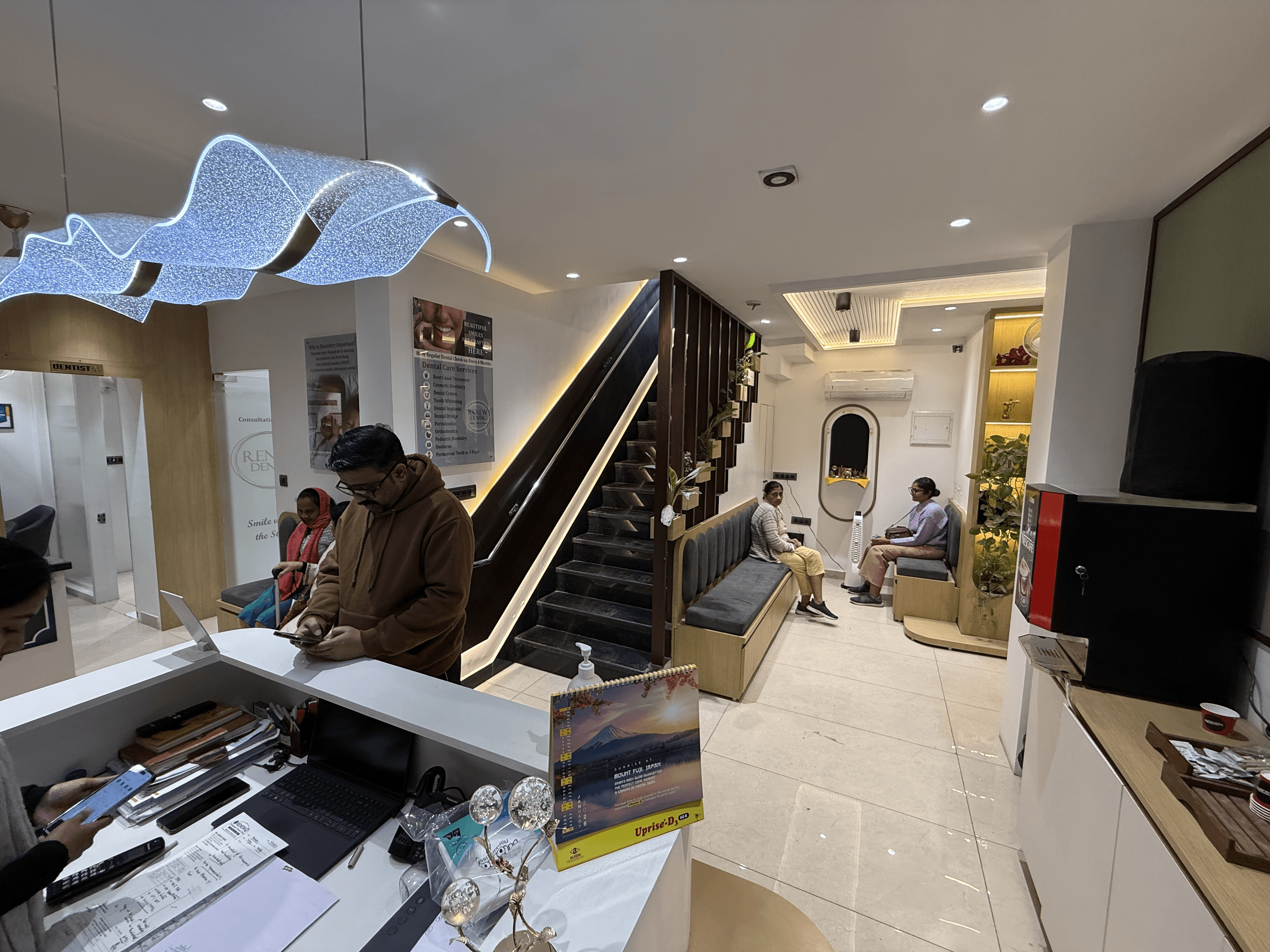
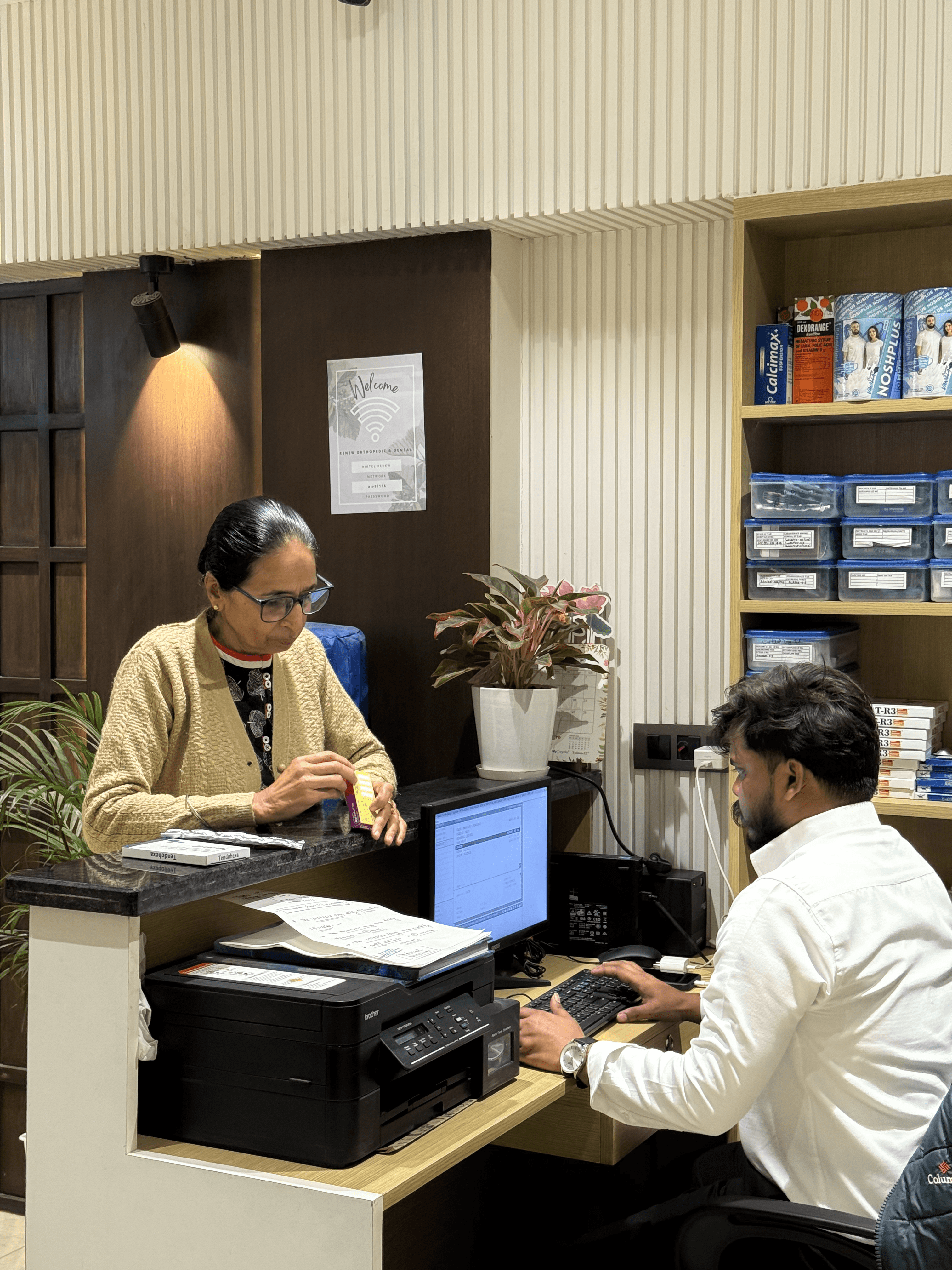
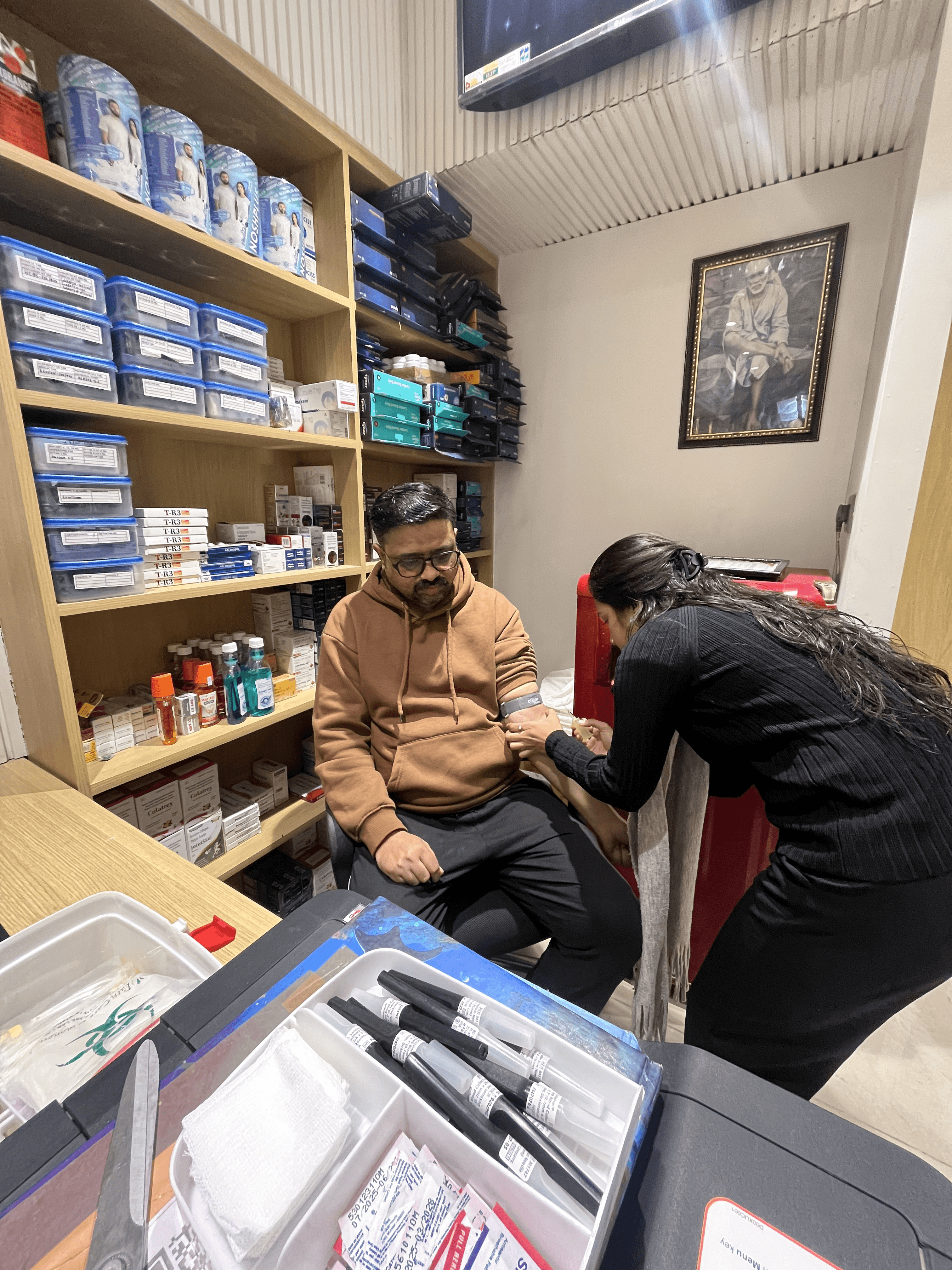
A glimpse into our modern dental clinic, advanced technology, and patient-friendly environment at Renew Dental.
Explore our thoughtfully designed clinic spaces built to provide comfort, cleanliness, and a calming experience for patients of all ages.
Best Dentist in Noida
Renew Dental Clinic located in Noida, Sector 47, is one of the leading dental clinics. Founded by Dr. Suchi Singh who is widely regarded as one of the best dentists in Noida, the clinic is committed to delivering personalised and high-quality dental care. Dr. Suchi Singh focuses on customised treatment plans designed around each patient’s unique needs, ensuring advanced, comfortable and reliable dental care at Renew Dental Clinic.

Your Trusted Dental Experts

Complete Dental Care

Friendly Dental Space

No Hidden Charges
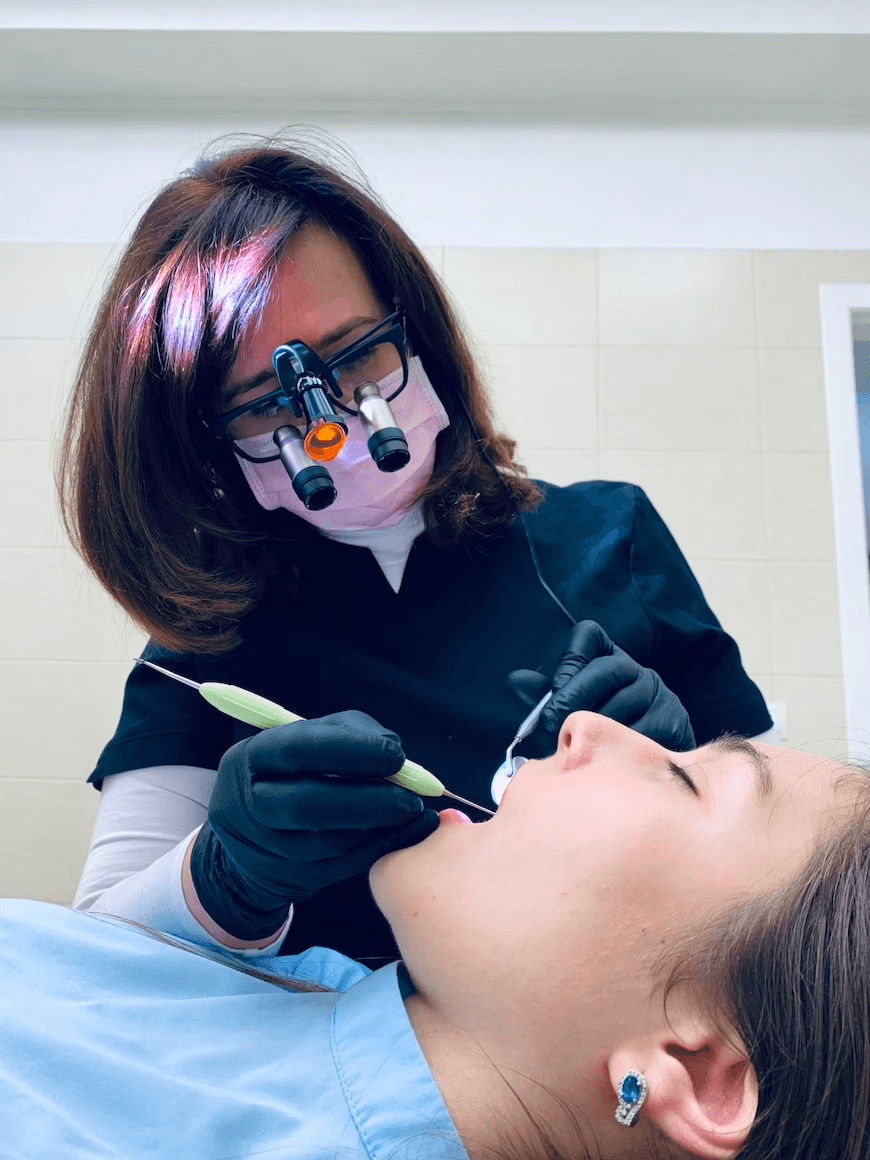
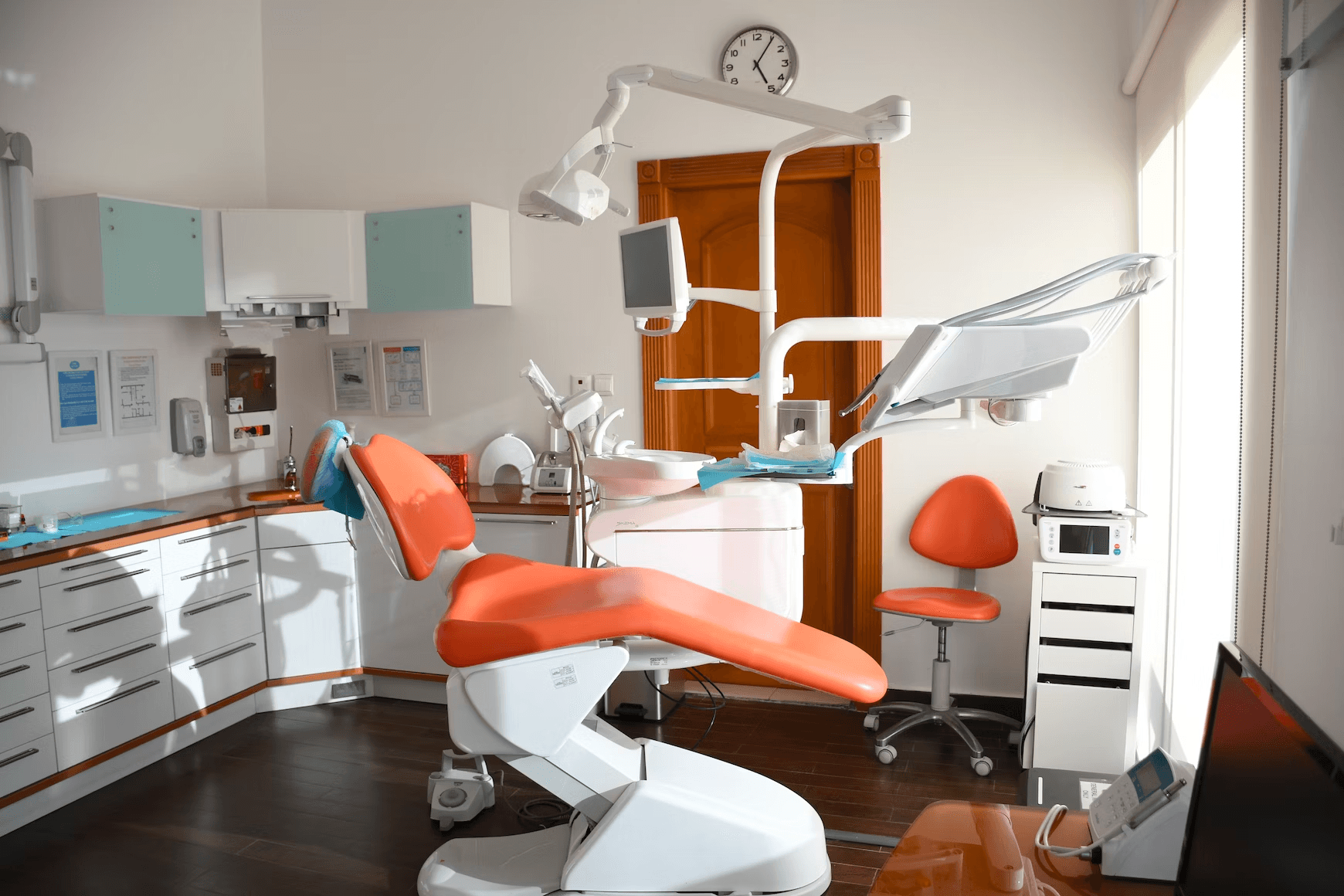

Two trusted dental clinics in Noida — Renew Dental (Sector 47) and Tooth & Truth (Sector 34) — for gentle, modern care.

Renew Orthopedic Clinic, A-321, Basement Floor, Next to Mother Dairy Store, Sector 47, Noida, Uttar Pradesh 201303
 +91 99710 35300
A-98/A, Block A, Sector 34, Noida, Uttar Pradesh 201307
+91 99710 45002© 2026. All rights reserved | Designed and Developed by Zarle Infotech