Signs You Need to See a Dentist Right Now — Don't Wait

Stress and Mouth Ulcers — The Connection Dentists Don't Want You to Miss
"I'll see what happens" is a phrase dentists hear constantly. Sometimes the patient is right — mild sensitivity from a new filling settles on its own, occasional gum soreness improves with better brushing, a small chip doesn't need immediate attention. But sometimes the wait turns a two-appointment problem into a six-appointment one, or turns a filling into a root canal, or allows an infection to spread somewhere it shouldn't go.
The signs below are the ones where waiting is not the right call.
Spontaneous Toothache That Wakes You at Night
Pain from sensitivity is brief and triggered. You drink something cold, the tooth hurts for a few seconds, then it stops. That's dentinal hypersensitivity — uncomfortable, but rarely urgent.
Pain that wakes you from sleep is different. Spontaneous pain — occurring without a trigger, especially at night when you're lying down and blood pressure to the head increases — typically indicates that the nerve inside the tooth is significantly inflamed (pulpitis) or that infection is present.
This doesn't resolve on its own. Over-the-counter pain relief manages the symptom temporarily; it doesn't treat the cause. And the cause — usually advanced decay reaching the pulp, a cracked tooth, or an infection — will worsen. Pulpitis that isn't treated progresses to pulp death, abscess formation, and potentially spreading infection.
If a tooth is waking you at night, call the clinic the next morning. Don't wait weeks for a routine slot.
Swelling of the Face, Jaw, or Cheek
Facial swelling from a dental source is an infection spreading beyond the tooth into the surrounding tissue. This is not a problem that resolves without treatment, and it can progress rapidly.
Dental abscesses — pockets of pus formed when bacteria from an infected tooth or gum spread into adjacent tissue — can extend into the spaces around the jaw, throat, and neck. Spreading infection to the airway or into the bloodstream (sepsis) are rare but documented outcomes of untreated dental infections. The speed of spread is unpredictable.
Facial swelling with or without fever, difficulty swallowing, or difficulty breathing is a dental emergency. If swallowing or breathing is affected, this is a medical emergency — go to a hospital.
Facial swelling without these severe symptoms still needs prompt dental assessment on the same day.
A Knocked-Out Permanent Tooth
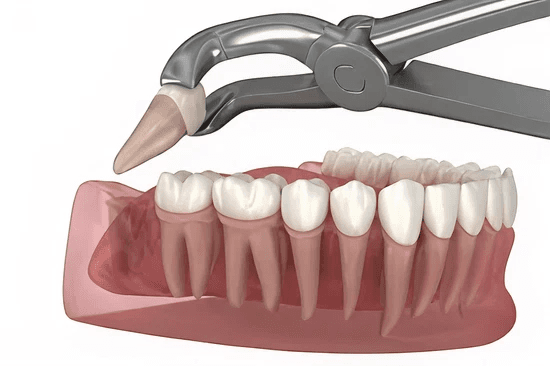
Time matters more here than with almost any other dental emergency. An avulsed (knocked-out) permanent tooth can potentially be reimplanted if the patient arrives at the clinic within 30 to 60 minutes.
What to do immediately:
Pick the tooth up by the crown (the white part), not the root. Don't scrub it. If it's dirty, rinse gently with milk or clean water — don't scrub.
The best storage medium is the patient's own saliva — hold the tooth inside the cheek during transport if the patient is calm enough to do so without swallowing it. Alternatively, store in cold milk (better than water). Don't wrap in tissue and don't let it dry out.
Call the dental clinic immediately and go straight there.
Baby teeth (milk teeth) are not reimplanted — attempting to do so can damage the developing permanent tooth below. But a knocked-out permanent tooth is a dental emergency.
Severe, Throbbing Pain After a Tooth Extraction
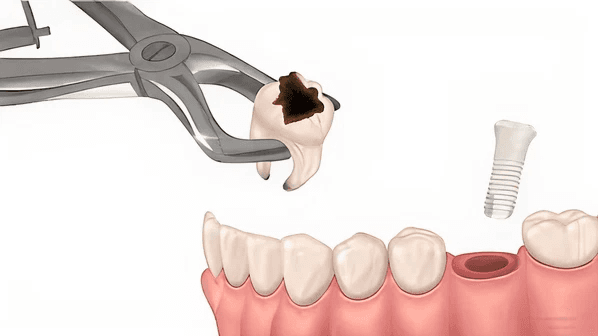
Some soreness after an extraction is entirely normal. The area heals over several days, and mild to moderate soreness in the first 2 to 3 days is expected.
Severe, throbbing pain that begins 2 to 4 days after the extraction — particularly if earlier post-operative soreness was resolving and then got worse — is the classic presentation of dry socket. The blood clot that protects the healing bone has been dislodged.
Dry socket doesn't heal without intervention. Over-the-counter pain relief provides minimal relief for this particular pain. A medicated dressing placed in the socket by a dentist provides significant relief and allows healing to progress. Don't try to manage dry socket at home for more than a day.
Numbness in the Jaw or Gum After Anaesthetic Has Worn Off
Local anaesthetic from a dental procedure typically wears off within 2 to 4 hours. If the lip, chin, gum, or tongue remains numb 24 hours after treatment — particularly after a lower molar procedure — this may indicate nerve involvement.
The inferior alveolar nerve, which runs through the lower jaw, is in close proximity to lower molar roots and can be affected by procedures in that area. Prolonged numbness (beyond 24 hours) warrants contact with the treating clinic to assess whether the sensory change is likely to resolve, what the timeline is, and what monitoring is appropriate.
A Broken or Very Loose Dental Restoration
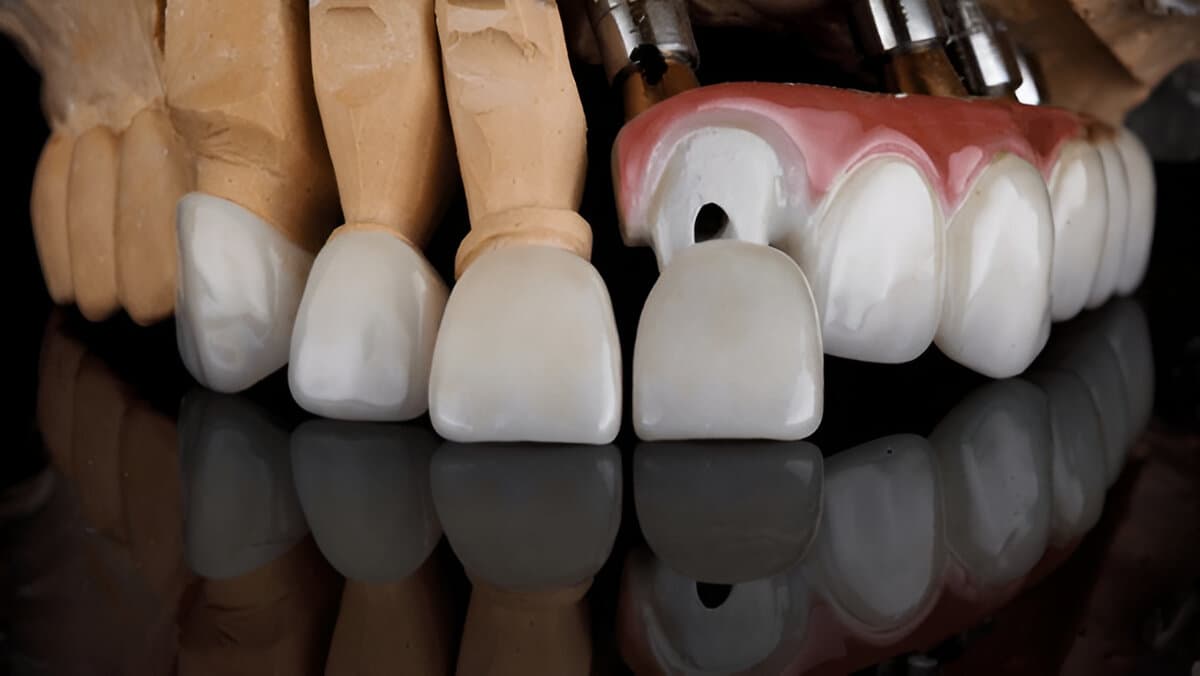
Crowns, veneers, bridges, and fillings that have failed leave the underlying tooth exposed. An unprotected root-canal-treated molar, for example, is at significant risk of fracture under normal chewing force — and a fracture that reaches the root typically means the tooth is unrestorable.
A broken crown or dislodged bridge that leaves the tooth exposed should be addressed within days, not weeks. The restoration may sometimes be re-cemented if the tooth and restoration are undamaged; waiting longer allows the tooth to become sensitive, shift slightly, or sustain further damage that makes re-cementation impossible.
If a restoration has come off, keep it safe and contact the clinic.
A White or Red Patch in Your Mouth That's Been There for 3 Weeks
This is the one that people most commonly delay, and the one where delay has the most serious potential consequences.
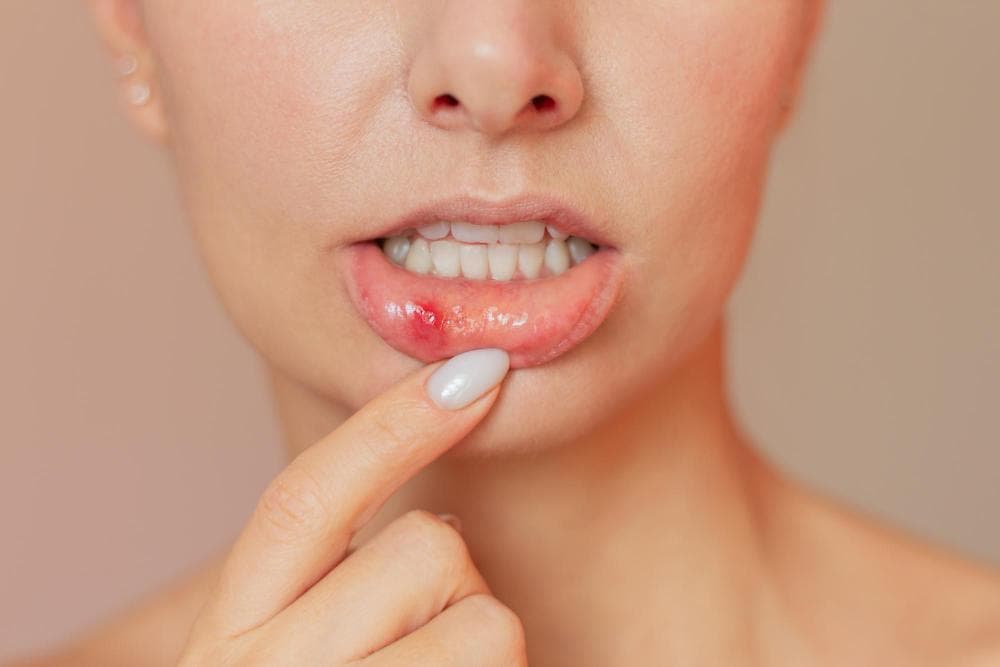
Most white patches in the mouth are benign — trauma from biting, early thrush, fordyce spots. Most red patches are also benign — inflamed tissue, minor injury.
But persistent white patches (leukoplakia) and red patches (erythroplakia) that haven't resolved after 3 weeks can be pre-cancerous or malignant. The 3-week threshold exists because almost all benign oral lesions resolve within this time. What remains at 3 weeks needs professional assessment and, where indicated, biopsy.
Oral cancer caught at early stages has much better outcomes than oral cancer caught late. The patients who delay because "it doesn't hurt" are the ones who more often present at advanced stages — because early oral cancer often doesn't hurt.
Any lesion, patch, or unusual area in the mouth that's been present for 3 weeks without resolution: book an appointment today.
A Tooth That's Changed Colour Suddenly
A tooth that becomes significantly darker — particularly without obvious recent trauma — may have a dying or dead nerve inside. The discolouration comes from breakdown of blood components within the pulp.
This sometimes follows an injury that the patient may not clearly remember — a knock to the mouth months earlier that seemed minor at the time. The darkening can develop weeks to months after the original trauma.
A darkening tooth usually requires root canal treatment and possibly internal bleaching or a crown to restore appearance. It also may have a periapical infection developing at the root tip, visible on X-ray, even without pain.
Jaw Locking or Inability to Open Fully
Sudden inability to fully open the mouth — or a jaw that locks in the open or closed position — requires same-day assessment. This can occur from severe TMJ joint issues, infection-related muscle spasm (trismus), or dislocation of the TMJ disc.
Trismus alongside dental pain and swelling suggests a spreading infection, which is urgent for the reasons discussed above.
Gum Swelling or Abscess Around a Specific Tooth
A raised, pimple-like bump on the gum near a tooth — or a localized area of swelling directly adjacent to a tooth — is usually a periodontal or periapical abscess draining through the gum. This is chronic infection. It may not be acutely painful, but it indicates active infection that needs treatment.
These don't resolve without intervention. The tooth causing it needs to be assessed and treated.
Don't Self-Diagnose and Wait
Dental problems share a consistent characteristic: they're almost always cheaper, simpler, and less uncomfortable to treat early than late. The infection that could be treated with a straightforward procedure at one appointment becomes a multi-appointment case when it's been progressing for months.
At Renew Dental Clinic, Sector 47, Noida, Dr. Suchi Singh prioritises urgent cases. If you're experiencing any of the situations described above, contact the clinic directly.
Call (0120) 498-8333.
Monday–Saturday 10:30 AM – 8:00 PM | Sunday 11:00 AM – 2:30 PM.