By Renew Dental HospitalPublished on
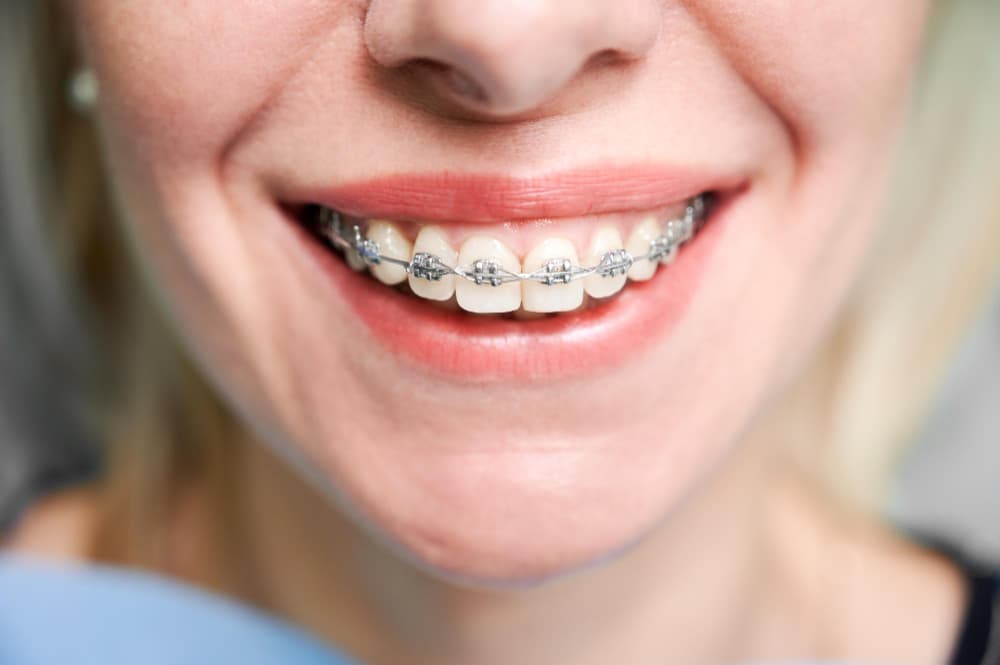
Plaque trapped around brackets during treatment is what leaves white spots behind when braces come off.
Braces come off after a year or two of treatment. The teeth are aligned. You look in the mirror expecting to be pleased — and there are white patches around where the brackets were.
This is one of the more demoralising dental discoveries a patient can make, because it happens at what should be a celebratory moment. Understanding why it happened, what these spots mean, and what can genuinely be done about them is the starting point for addressing it.
The white spots that appear around orthodontic brackets after brace removal are a specific type of lesion called enamel decalcification or a white spot lesion (WSL). The mechanism is straightforward once you understand the conditions braces create.
Each bracket sits on the tooth surface with an adhesive base. The bracket changes the tooth's profile — it creates small retention points around its edges where food and plaque accumulate in ways they wouldn't on an unobstructed tooth. The gingival margin (gumline edge) of the bracket and the interproximal areas adjacent to the bracket wire are particularly prone to accumulation.
Plaque left undisturbed around brackets produces acid continuously. Acid dissolves mineral from the adjacent enamel surface in a process called demineralisation. The area directly adjacent to the bracket — which was never exposed because it was under the adhesive — is protected. The area around the bracket is where the damage occurs.
The result: when the bracket is removed, the tooth surface directly under the adhesive is often the most normal-looking area, surrounded by a chalky white ring or patches of demineralised enamel.
The key point: this is entirely preventable. It happens because of inadequate oral hygiene during brace treatment — insufficient cleaning around the brackets to remove the plaque that drives the acid attack. It's not a random occurrence or bad luck. Better brushing technique, interdental brushes used consistently, and fluoride use during treatment significantly reduces the incidence of post-brace white spots.
Sometimes. Partially. Over time.
When the braces come off, the demineralised areas are exposed to saliva for the first time. Saliva contains calcium, phosphate, and fluoride — the building blocks of new mineral. With adequate fluoride exposure and removal of the acid source (no braces to trap plaque in the same way), remineralisation begins. The enamel gradually regains some mineral density and the white spots may become less opaque, blending better with the surrounding tooth.
This process takes months. Studies show that white spot lesions 6–12 months after brace removal are typically less obvious than immediately post-removal. In mild cases, the spots may become barely noticeable through natural remineralisation alone.
But significant demineralisation doesn't fully reverse on its own. The spots fade to a degree; they don't disappear in moderate to severe cases without treatment. Waiting to see if they improve on their own for 3–6 months before pursuing active treatment is a reasonable strategy — but waiting indefinitely isn't.
For white spots that are mild to moderate, fluoride-focused remineralisation treatment can produce significant improvement.
Professional fluoride varnish applied at the dental clinic provides high-concentration fluoride directly to the affected areas. 5% sodium fluoride varnish is far more concentrated than any toothpaste and drives mineral back into the demineralised enamel faster than passive remineralisation from saliva alone. Applied every 4–6 weeks over 3–6 months, it produces measurable reduction in spot opacity in many cases.
CPP-ACP products (GC Tooth Mousse) — available from dental clinics — deliver casein phosphopeptide-amorphous calcium phosphate, which deposits calcium and phosphate into the porous enamel matrix. Used nightly after brushing (applied directly, not rinsed off), it provides the mineral substrate that fluoride converts into new mineral crystal.
Prescription-strength fluoride toothpaste (5000 ppm sodium fluoride) used twice daily instead of standard strength accelerates remineralisation compared to over-the-counter products.
The combination of these three approaches, used consistently for 3–6 months at Renew Dental Clinic in Sector 47, Noida, produces the best remineralisation outcomes for patients willing to commit to the programme.
If white spots remain after a remineralisation programme — or if immediate improvement is wanted rather than waiting months for gradual change — microabrasion is the next step for spots that are confined to the very outer enamel layer.
The technique uses a mild abrasive acid compound that removes a very thin layer of enamel from the spot surface, along with the demineralised area within it. The result is often dramatic for superficial spots — the opacity disappears and the remaining enamel looks much more like the surrounding tooth.
This works well for white spots that are primarily a surface phenomenon. It doesn't work for spots that extend more deeply into the enamel — removing the surface doesn't reach the deeper demineralisation.
At Renew Dental, microabrasion is combined with fluoride varnish application immediately after — the freshly treated enamel surface is more receptive to fluoride uptake, and varnish strengthens what's left.
For white spots that don't respond adequately to remineralisation or microabrasion — larger areas, deeper demineralisation, or spots on teeth that are highly visible — composite resin bonding covers the affected area.
The spot is masked by tooth-coloured resin applied over it. Done well, this blends almost invisibly with the surrounding enamel. The procedure takes 30–60 minutes per tooth, doesn't require anaesthesia in most cases, and produces an immediate visible result.
The longevity consideration applies as always with bonding — it will need refreshing after 5–8 years. And if staining from tea and coffee affects the bonding more than the surrounding tooth over time, the treated area may become noticeable for a different reason.
If you or your child currently has braces, this section matters more than all the treatment options above.
White spots after braces are not an acceptable inevitability. They're a preventable complication of inadequate oral hygiene during treatment. The prevention:
Brushing after every meal using an orthodontic toothbrush (V-shaped bristles that fit around brackets). Every meal — not just morning and night.
Interdental brushes (TePe or similar) used under the archwire and around each bracket daily. This is the only tool that removes plaque from the area immediately adjacent to the bracket where the spots form.
High-fluoride mouthwash (0.2% sodium fluoride rinse or similar) used daily, separate from brushing — after lunch is practical. This provides ongoing fluoride exposure to the bracket-adjacent enamel throughout the day.
Fluoride varnish applied at every check-up appointment at Renew Dental. Professional-strength fluoride applied directly to bracket margins provides targeted protection.
Reduced sugar intake during treatment. Every sugar exposure creates an acid attack on enamel that's already vulnerable around the brackets.
Q: My braces just came off and I can see several white spots — will they go away? A: Mild spots often fade significantly over 6–12 months of natural remineralisation, particularly with fluoride varnish accelerating the process. Start the remineralisation programme now rather than waiting. The earlier treatment begins, the better the outcome.
Q: Is there a whitening treatment I can use to make my other teeth match the white spots? A: Whitening the rest of the teeth to match the spots sounds logical but doesn't work well. Whitening temporarily makes all enamel more opaque (from dehydration), which can make spots more prominent initially. Professional whitening after the spots have been treated and the teeth are stable can refresh overall colour. Whitening while spots are active isn't the sequence that produces the best result.
Q: My child has white spots after braces — who should treat them? A: A general dentist with experience in cosmetic dentistry handles this well. Dr. Suchi Singh at Renew Dental assesses the spots, determines their depth and extent, and recommends the appropriate starting treatment for that specific pattern.
Q: Are white spots permanent if left untreated? A: Mild white spot lesions can partially self-reverse over 6–12 months. More significant ones persist without treatment and may eventually progress to cavities if the enamel continues to weaken. Treating them promptly is always better than leaving them indefinitely.
For white spot assessment and treatment after braces at Renew Dental Clinic, Sector 47, Noida:
📞 +91 99710 35300 A-321, Basement Floor, Next to Mother Dairy Store, Sector 47, Noida, Uttar Pradesh 201303 Monday–Saturday 10:30 AM – 8:00 PM | Sunday 11:00 AM – 2:30 PM
 Copy

Milk teeth are not just baby teeth. Learn how they differ from permanent teeth, why...
03 Nov 2026
by Renew Dental Clinic
Diabetes and dental health have a two-way relationship. This guide shows what diabetic patients in Noida need to do differently and how Renew Dental helps.
29 Oct 2026
by Renew Dental Clinic
Veneers and composite bonding both improve a smile but work differently. This honest guide helps patients in Noida choose the right option for their teeth.
28 Oct 2026
by Renew Dental Clinic
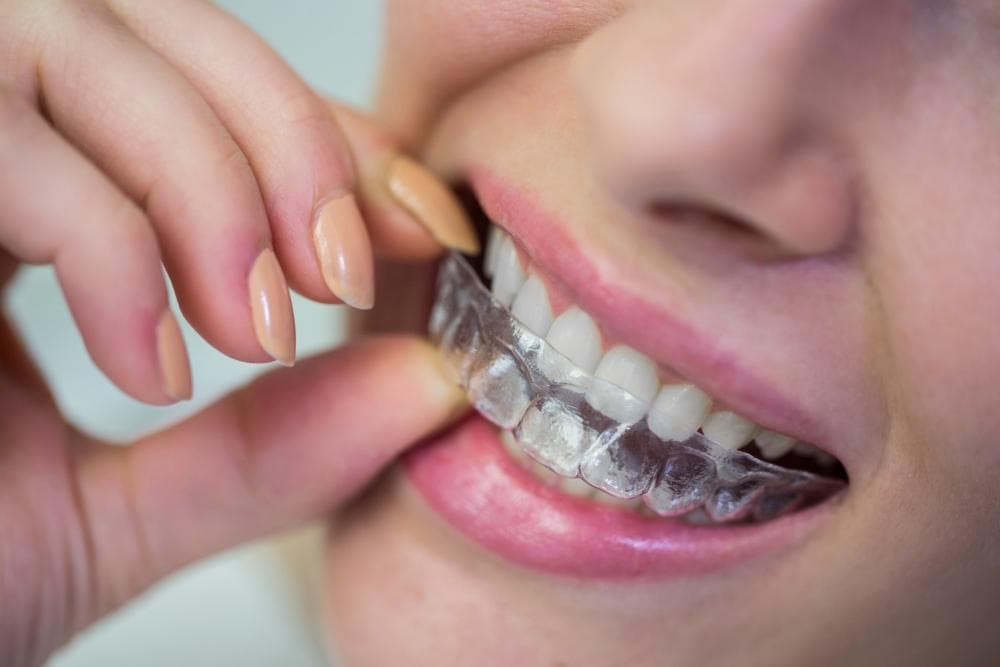
Wondering whether clear aligners are better than braces? Discover the differences, benefits, treatment time, comfort, and which option suits you best at Renew Dental Noida.
13 May 2026
by Renew Dental Clinic

Seen the coloured stripes on the bottom of your toothpaste tube and wondered what they...
11 Aug 2026
by Renew Dental Clinic
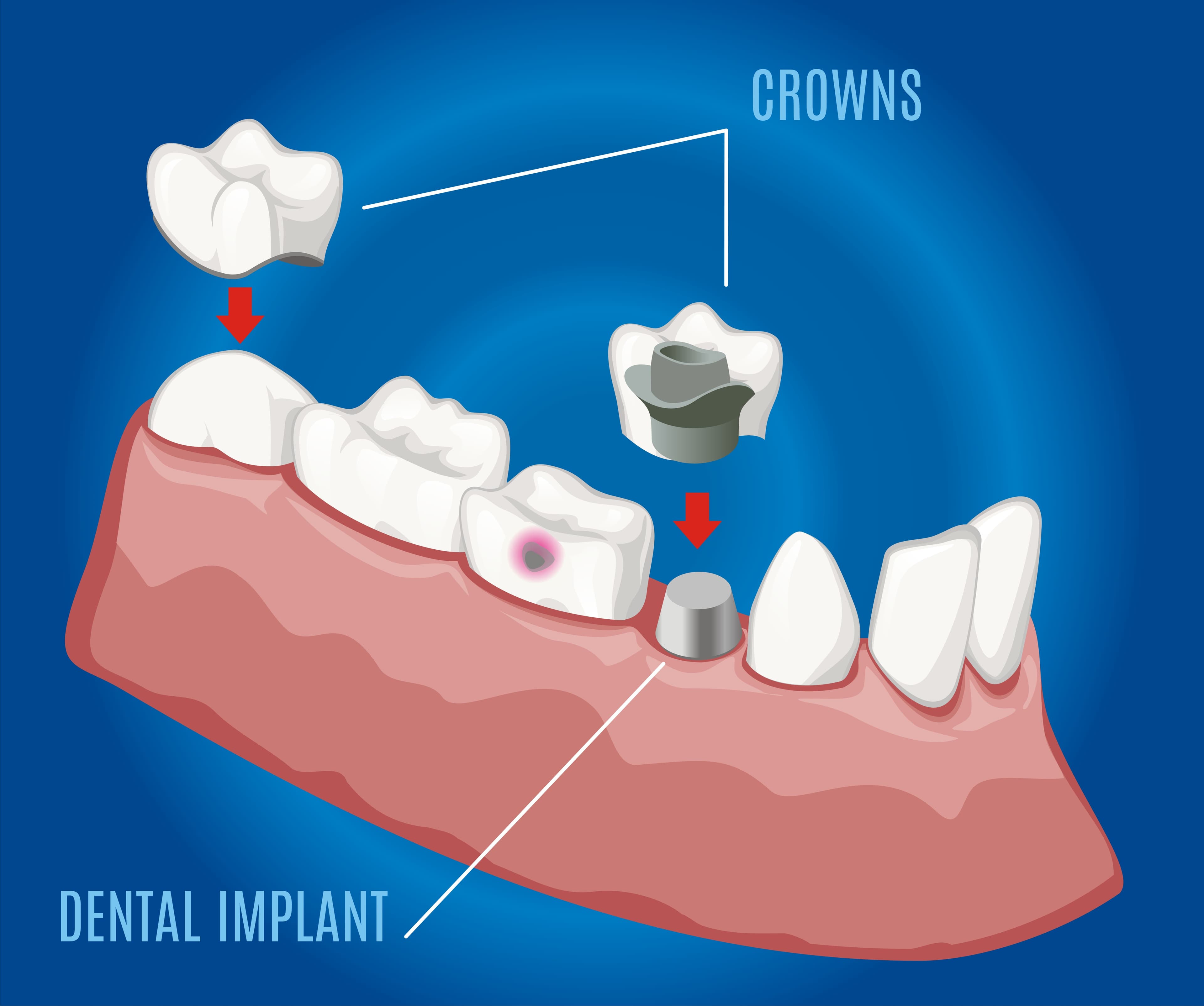
Been told you need a bone graft before an implant? This guide explains what dental...
26 Jun 2026
by Renew Dental Clinic
Braces make cleaning between teeth harder — and more important. This guide covers every method...
26 Aug 2026
by Renew Dental Clinic
Looking for orthodontic treatment near Greater Noida? This guide covers all braces and aligner options...
10 Jun 2026
by Renew Dental Clinic

Compare Invisalign with traditional braces to find a treatment option that fits your lifestyle, comfort...
18 Nov 2025
by Renew Dental Clinic

Dilemma between dental implants and bridges? Weigh the cost, longevity, procedure, and advantages to determine which tooth replacement method is superior.
03 Oct 2025
by Renew Dental Clinic
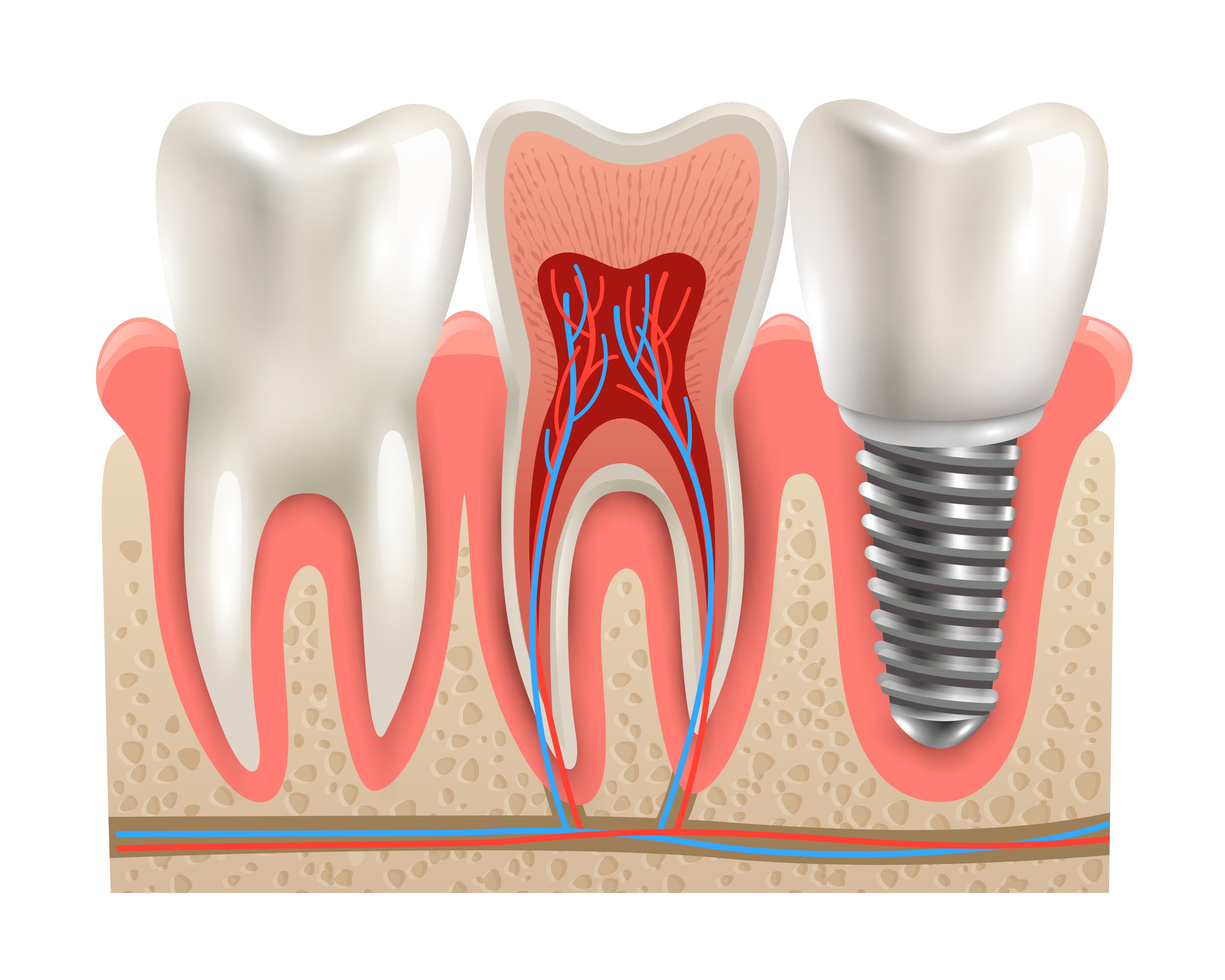
Considering dental implants in Delhi NCR? This first-timer's guide covers everything — how implants work,...
03 Jun 2026
by Renew Dental Clinic
Thinking about dental implants in Noida? This complete guide covers how implants work, who qualifies,...
14 May 2026
by Renew Dental Clinic
The choice between root canal and extraction is one of the most common decisions in...
01 Oct 2026
by Renew Dental Clinic
Not every cavity needs a root canal — but many patients aren't sure where the...
23 Sept 2026
by Renew Dental Clinic

When you have persistent tooth pain or sensitivity that just will not seem to go...
10 Nov 2025
by Renew Dental Clinic
Explore More
Discover how thousands of patients trust Renew Dental Clinic with their smiles.
"Highly recommended.."
Wonderful experience, the staff was extremely accomodating from start to finish.
Excellent.....
I recently had my RCT (Root Canal Treatment) and dental crown done at Renew Dental Clinic, and I am extremely satisfied with the entire experience. Dr. Chandrava and Dr. Suchi are highly professional, skilled, and caring. They explained every step of the treatment clearly and made me feel comfortable throughout the procedure.
I got my dental implant crown and RCT crown done at Renew Dental Clinic, and I am extremely satisfied with the treatment. The doctors and the entire team were very professional, caring, and supportive throughout the process. I am really happy with the results and would definitely recommend Renew Dental Clinic to others.
I am extremely satisfied with the treatment given by Dr. Suchi. Renew dental clinic offers excellent treatment with a professional and friendly team, ensuring a comfortable and positive experience for patients. I highly recommend anyone seeking quality dental services.
Awesome experience
Great clinic with nice staff satisfied with the treatment .
I am very happy with my treatment. It was 8-9 months long process and not for once I felt any difficulty in terms of service and hospitality.
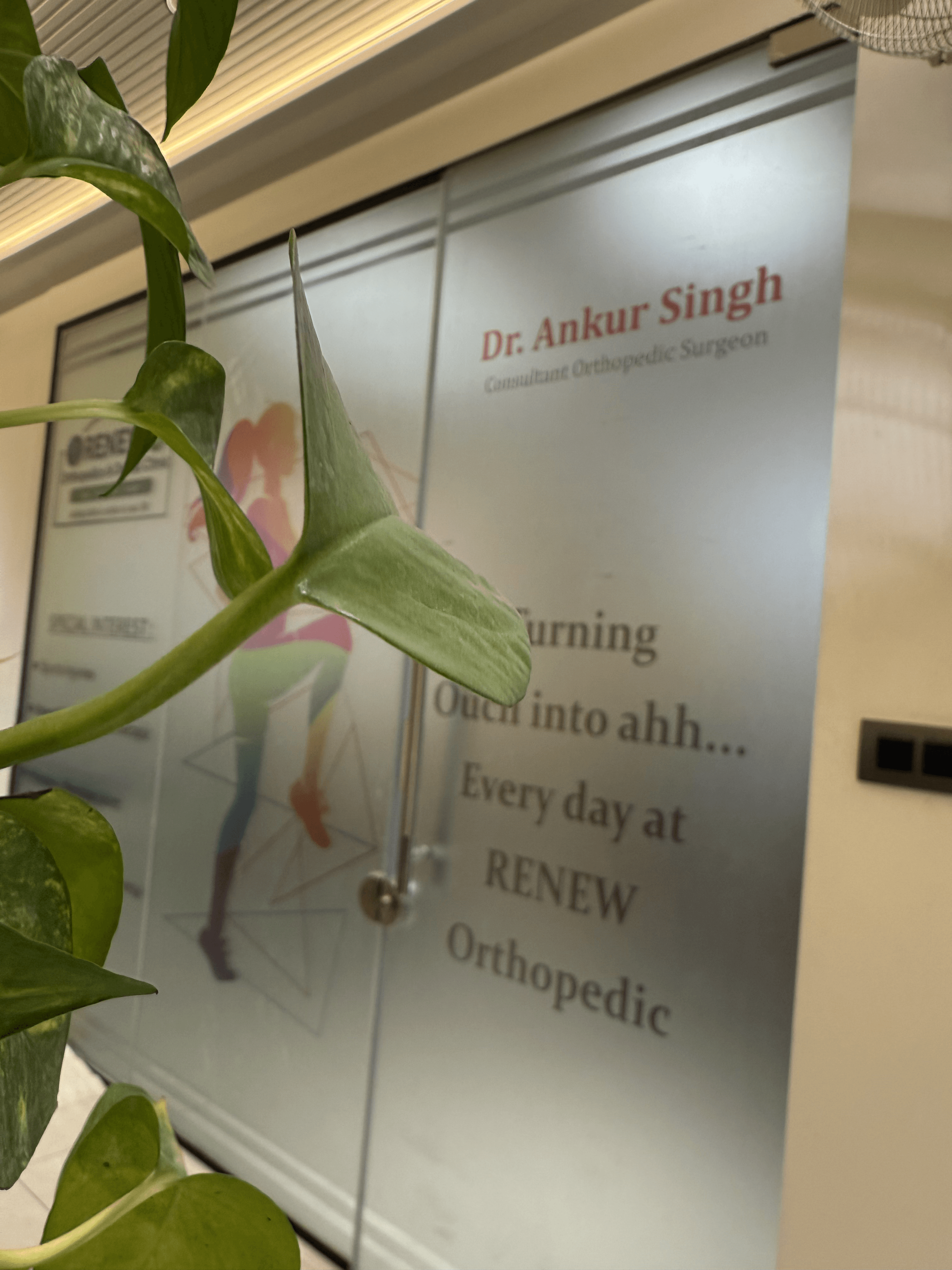
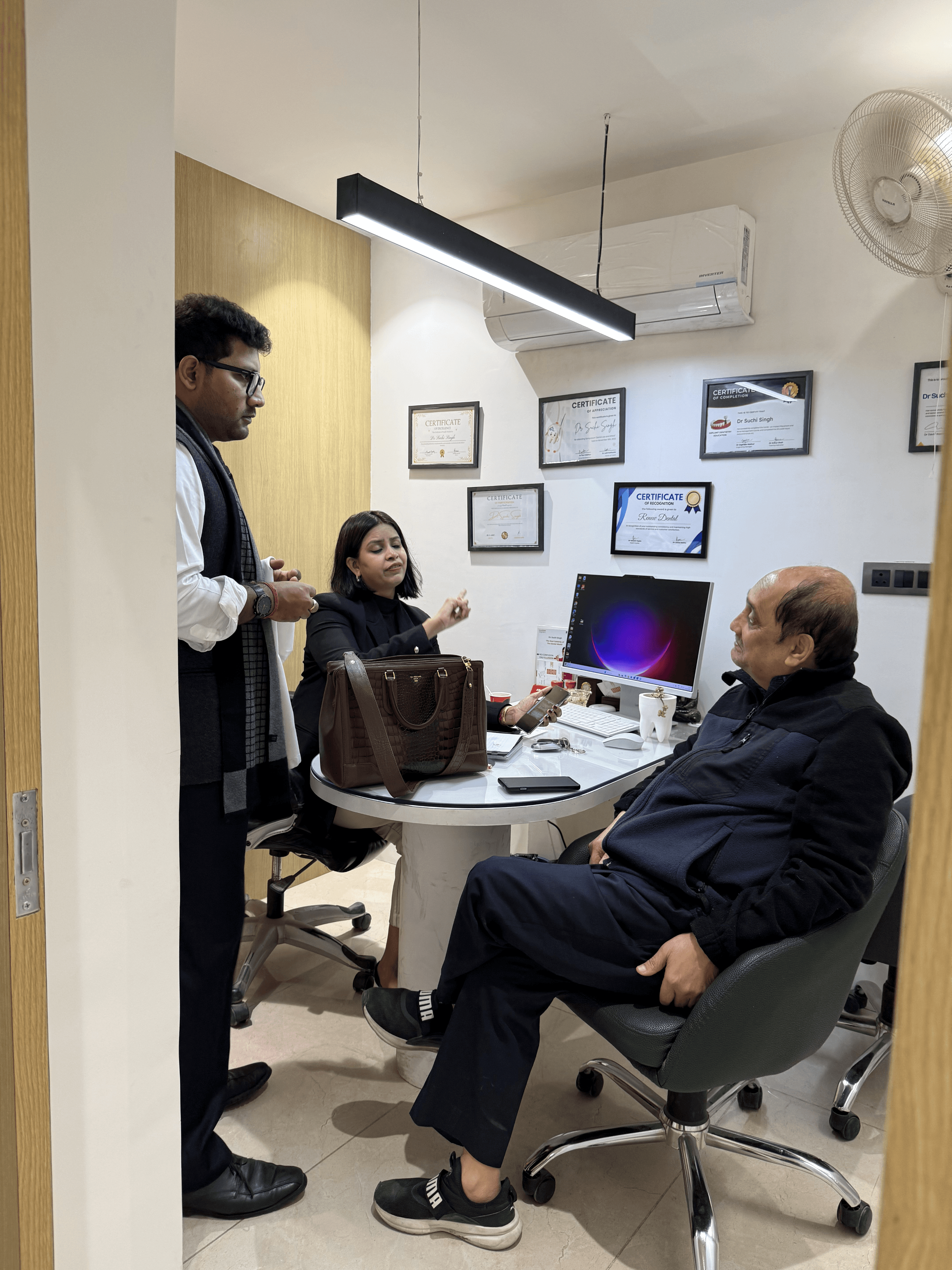
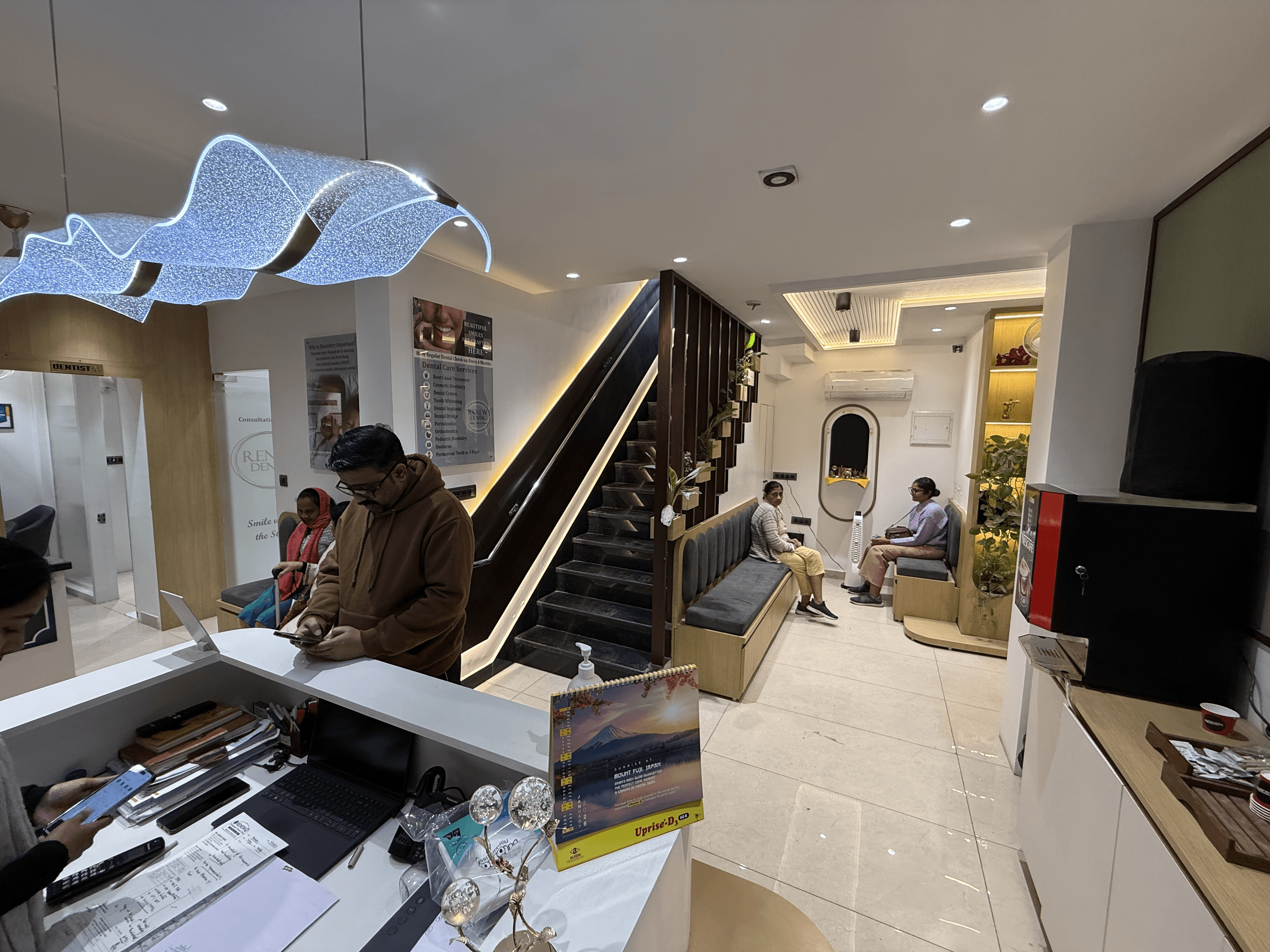
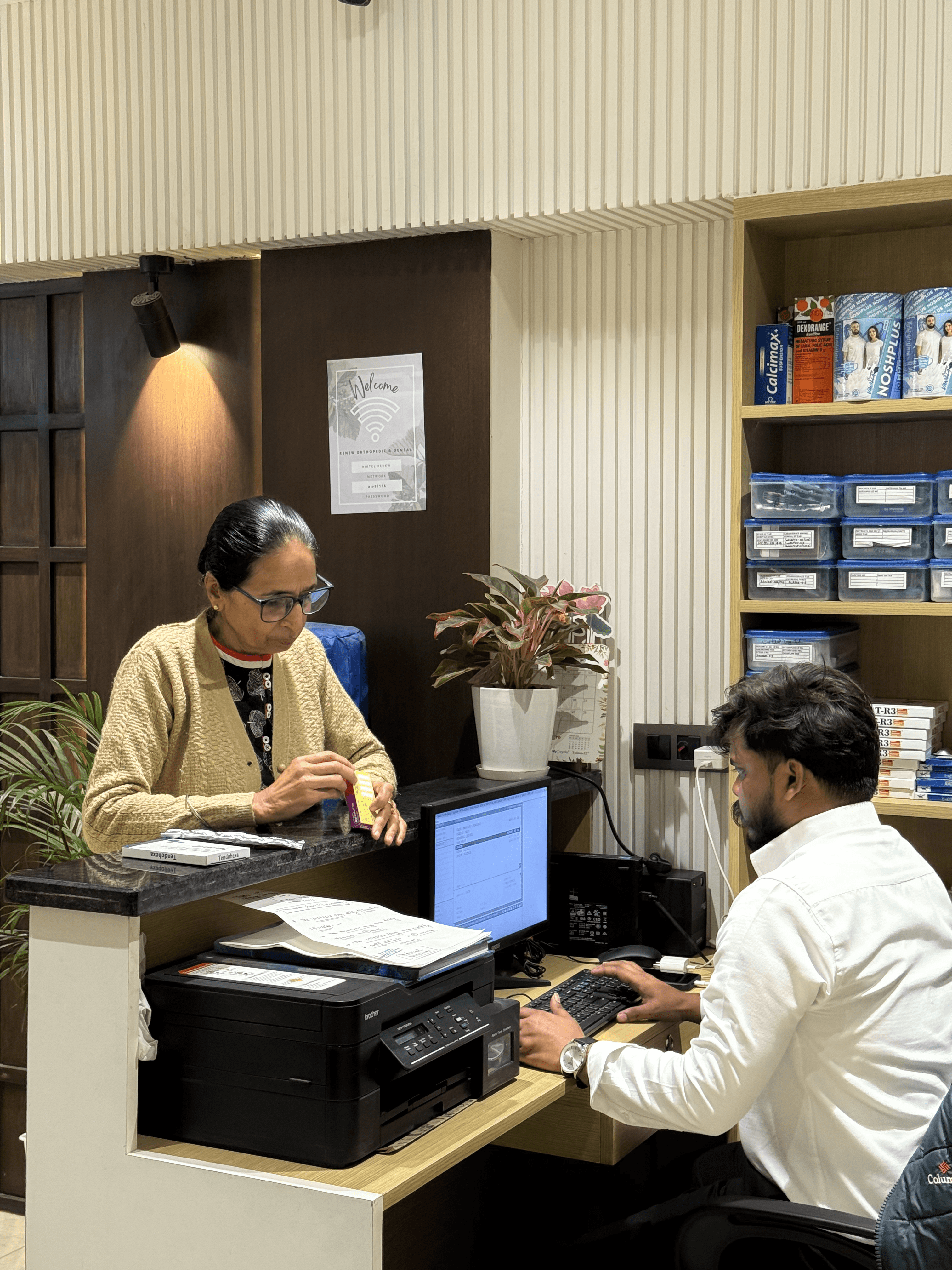
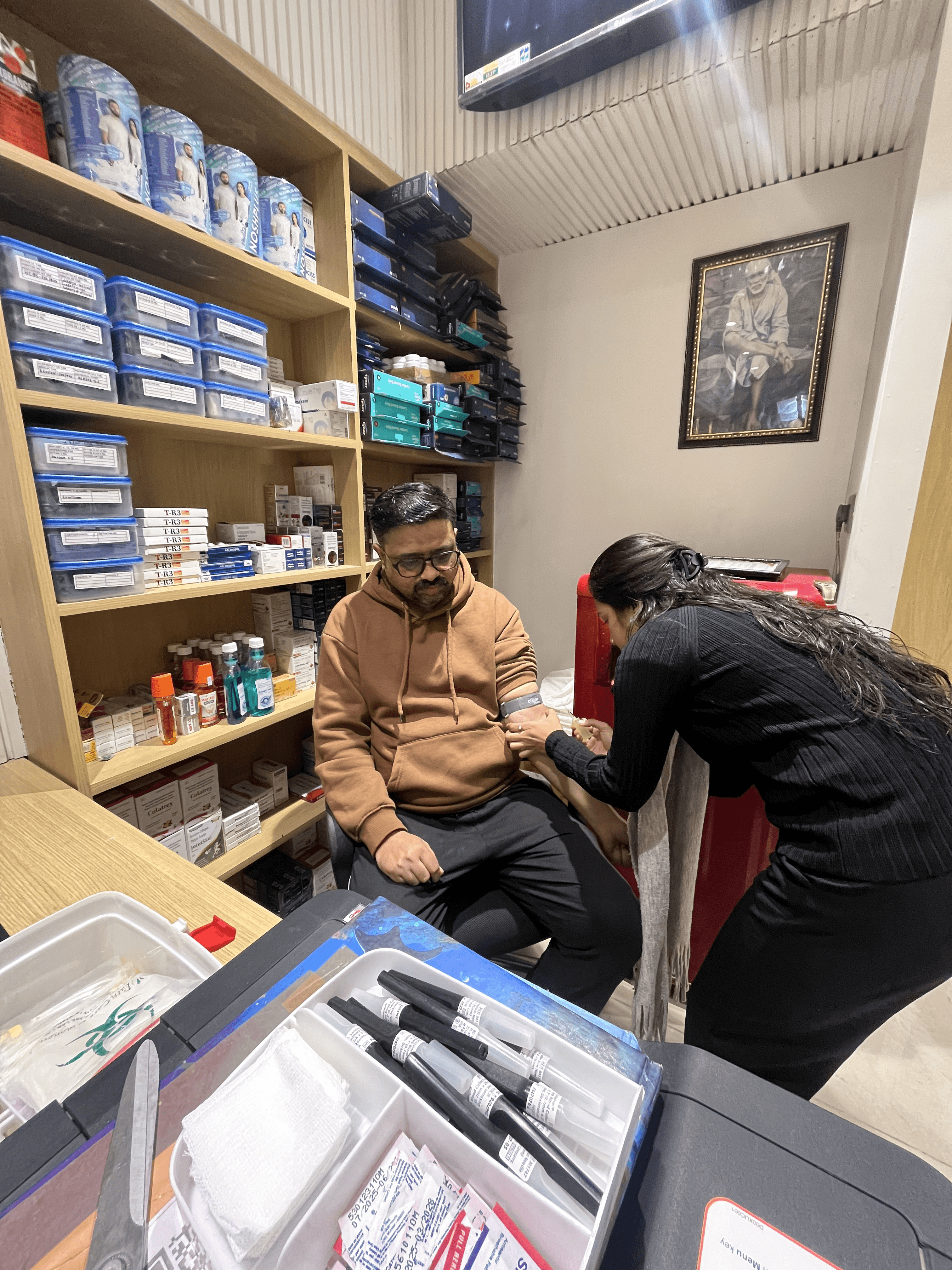
A glimpse into our modern dental clinic, advanced technology, and patient-friendly environment at Renew Dental.
Explore our thoughtfully designed clinic spaces built to provide comfort, cleanliness, and a calming experience for patients of all ages.

Best Dentist in Noida
Renew Dental Clinic located in Noida, Sector 47, is one of the leading dental clinics. Founded by Dr. Suchi Singh who is widely regarded as one of the best dentists in Noida, the clinic is committed to delivering personalised and high-quality dental care. Dr. Suchi Singh focuses on customised treatment plans designed around each patient’s unique needs, ensuring advanced, comfortable and reliable dental care at Renew Dental Clinic.

Your Trusted Dental Experts

Complete Dental Care

Friendly Dental Space

No Hidden Charges
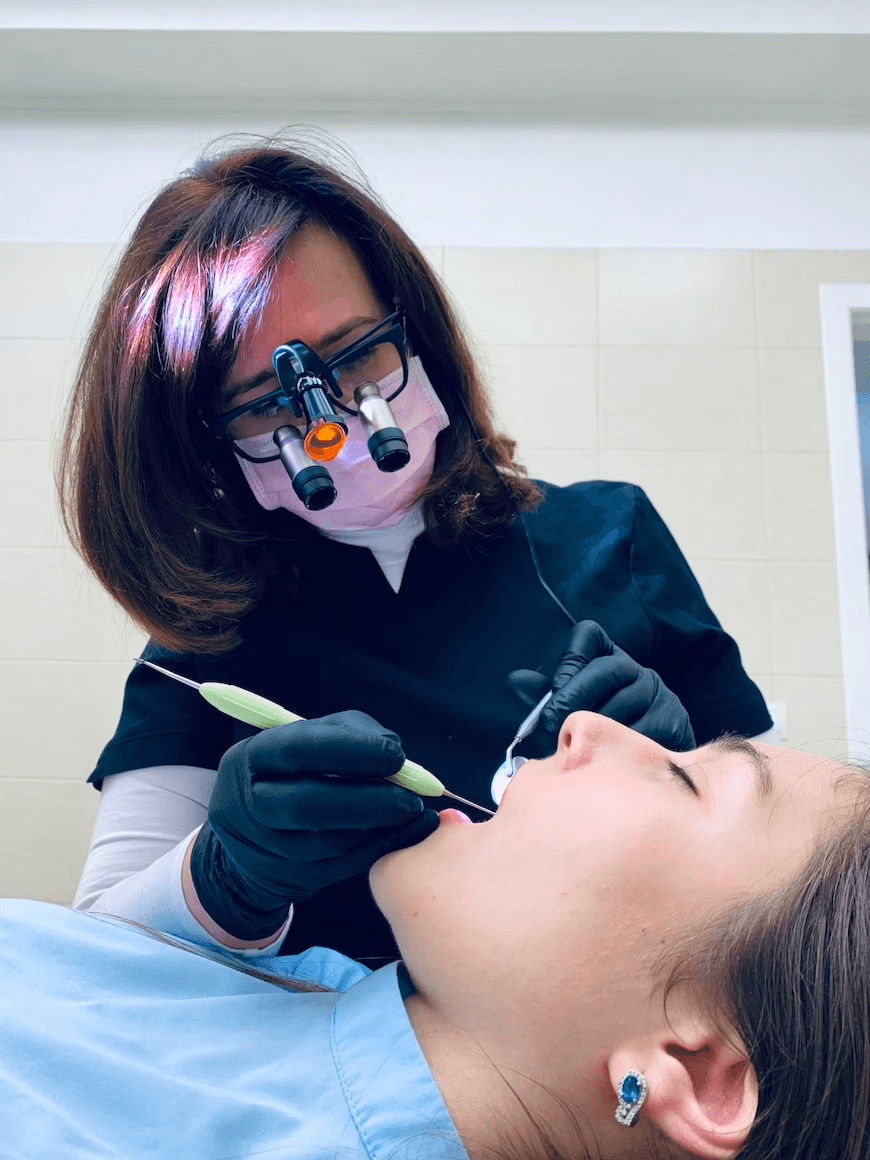
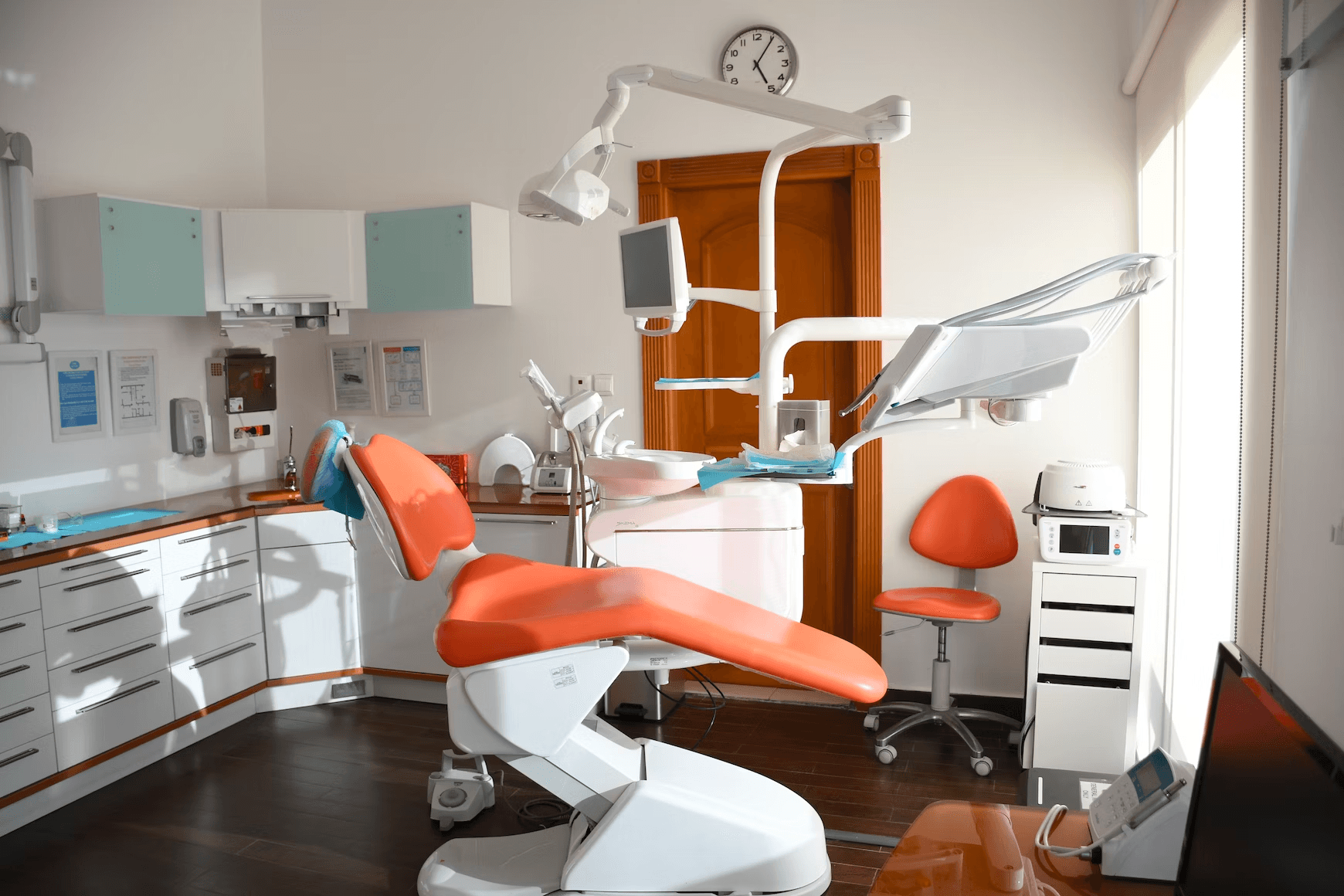


Two trusted dental clinics in Noida — Renew Dental (Sector 47) and Tooth & Truth (Sector 34) — for gentle, modern care.

Renew Orthopedic Clinic, A-321, Basement Floor, Next to Mother Dairy Store, Sector 47, Noida, Uttar Pradesh 201303
 +91 99710 35300
A-98/A, Block A, Sector 34, Noida, Uttar Pradesh 201307
+91 99710 45002© 2026. All rights reserved | Designed and Developed by Zarle Infotech