Paediatric Dentistry in Noida - Gentle Dental Care for Your Child

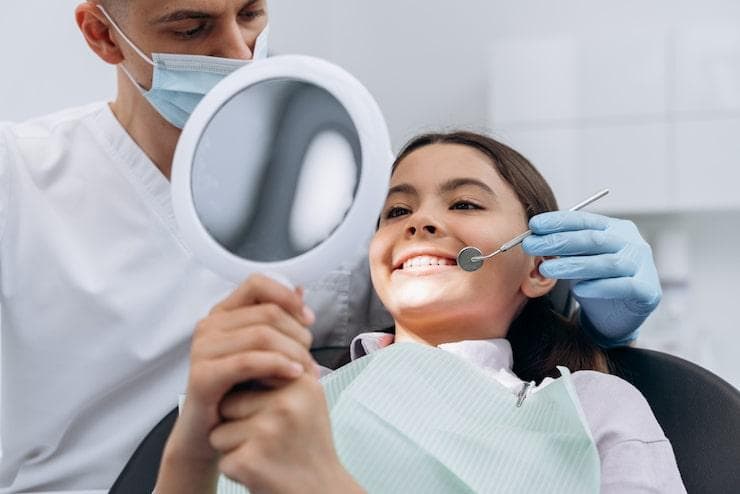
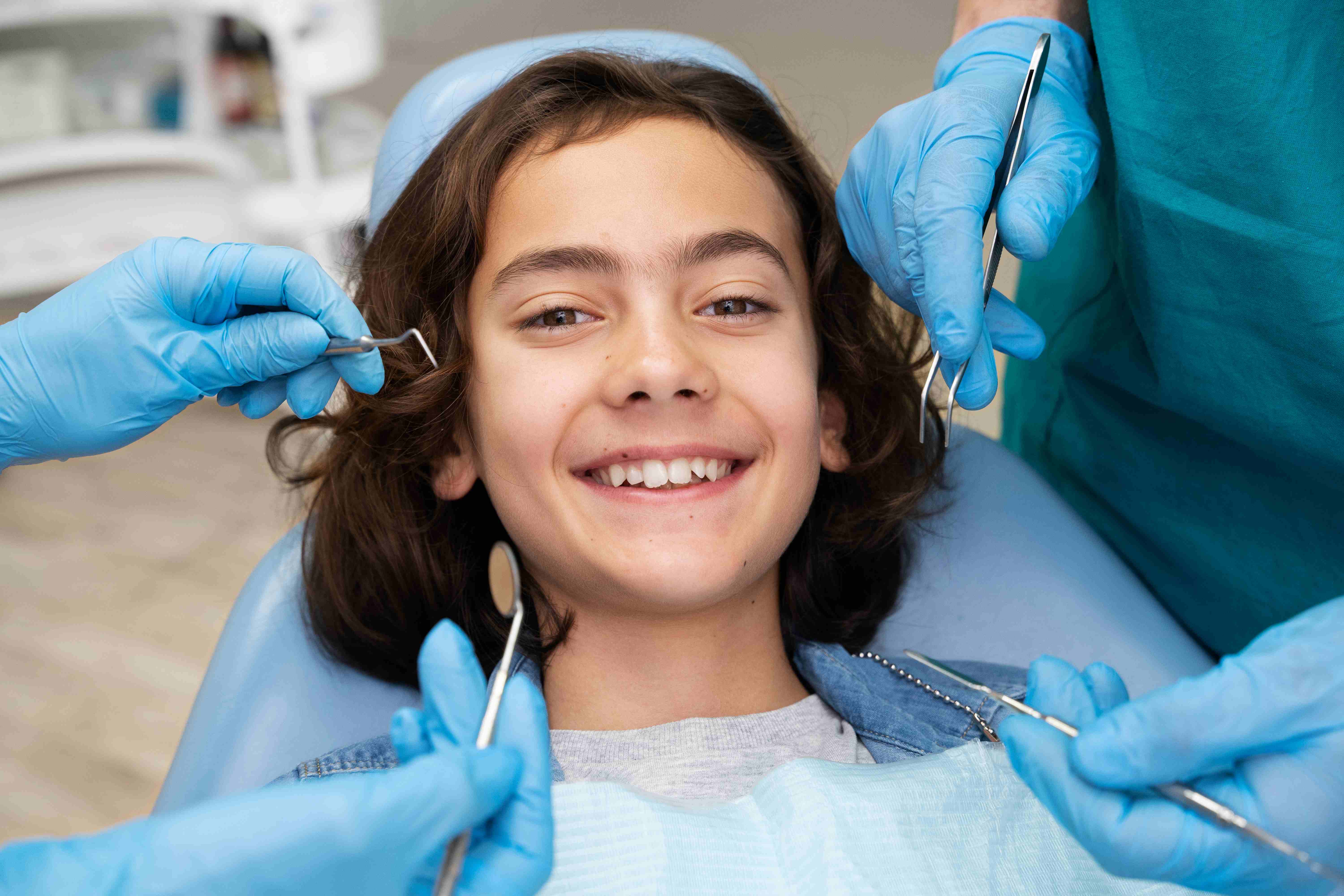
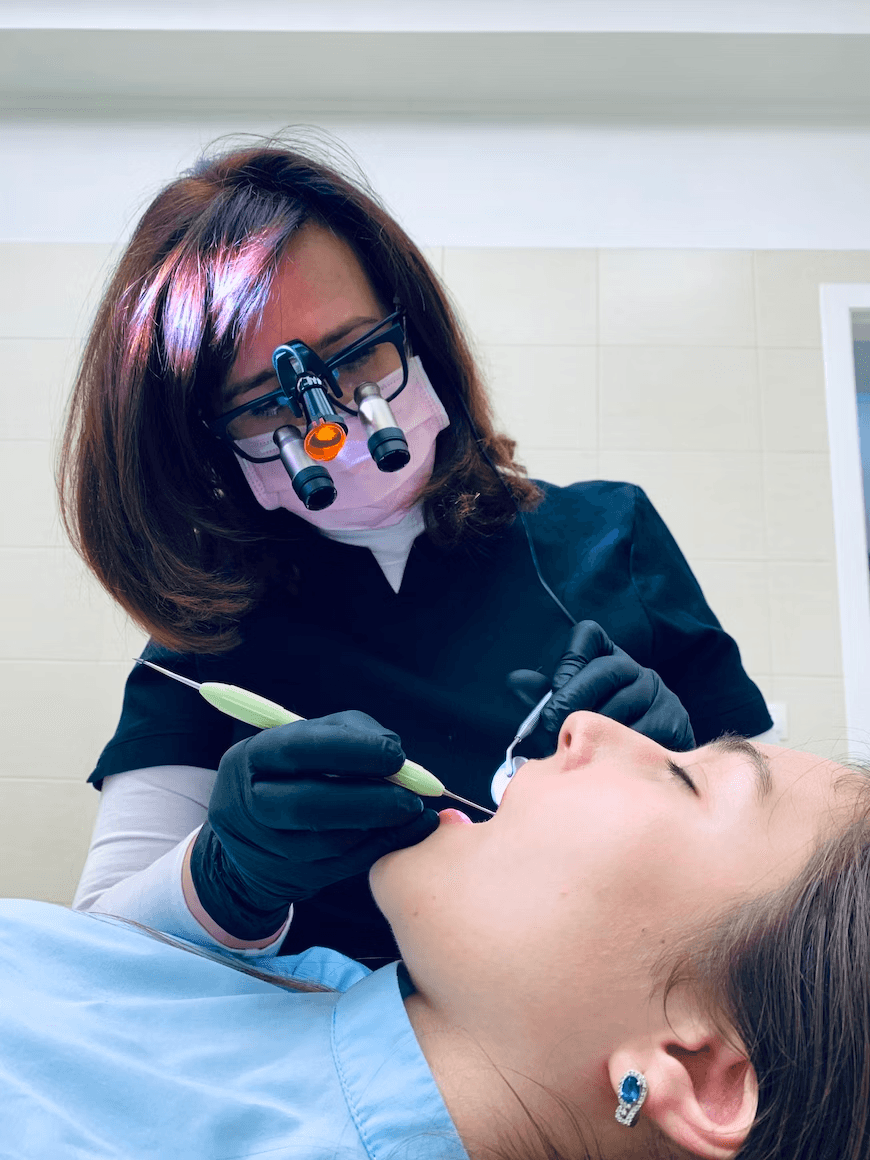
Young child sitting comfortably in a dental chair while a dentist examines their teeth, highlighting the importance of early dental care for healthy growth and strong oral hygiene habits.
The dental habits a child forms in their early years follow them into adulthood. The relationship they develop with dental care — whether it's something they approach with ease or something they learn to dread — shapes how well they look after their teeth for the rest of their lives.
This is why paediatric dentistry matters beyond simply fixing cavities. It's about creating a foundation: healthy teeth, healthy habits, and a child who isn't afraid of the dentist.
At Renew Dental Clinic in Sector 47, Noida, children are seen with patience, care, and an understanding that the dental chair looks different to a seven-year-old than it does to an adult. This guide covers everything parents need to know — from when to bring a child for their first visit, to what signs suggest a dental problem, to how to prepare a nervous child for an appointment.
When Should a Child First Visit the Dentist?
The general recommendation from paediatric dental organisations is that a child's first dental visit should happen when the first tooth appears — or by their first birthday, whichever comes first.
This may sound early, and many parents delay well beyond this. But the first visit isn't necessarily about treatment. It's about:
- Examining the emerging teeth for early signs of decay or developmental concerns
- Assessing the gumline and soft tissues
- Evaluating the bite relationship as teeth continue to develop
- Giving parents guidance on infant oral care, teething, and diet
- Beginning a positive, gentle relationship between the child and the dental environment
Children who visit the dentist early and regularly are far less likely to develop dental anxiety, because the dental clinic becomes a familiar and non-threatening place rather than somewhere they only go when something hurts.
At Renew Dental Clinic in Noida, first visits for young children are kept brief, friendly, and low-pressure. The goal is simply to make the experience a positive one.
Common Dental Problems in Children
Children are not immune to dental disease. In fact, dental decay (cavities) is among the most common chronic conditions affecting children worldwide. Understanding what to look for helps parents catch problems early.
Early Childhood Tooth Decay (Baby Bottle Decay)
Also called nursing bottle caries, this is a specific and unfortunately common form of tooth decay in infants and toddlers. It's caused by prolonged exposure of the baby teeth to sugary liquids — including formula, fruit juice, and even breast milk — particularly when a baby is put to bed with a bottle.
The upper front teeth are most commonly affected, showing white chalky patches in the early stage that progress to brown or black decay. Early-stage decay can sometimes be managed with fluoride applications and dietary changes; advanced cases may require restorations or, in severe cases, extractions of the affected teeth.
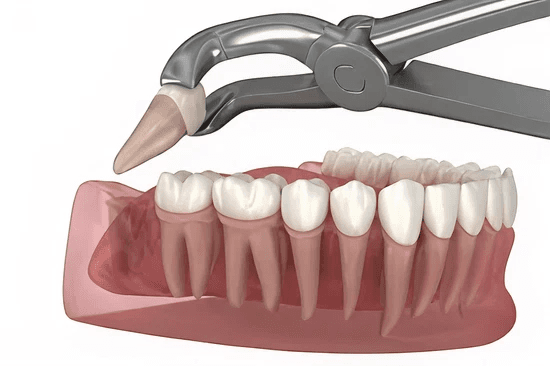
Baby teeth matter even though they fall out. They hold space for the permanent teeth, support speech development, and allow normal chewing and nutrition. Early loss of baby teeth through decay can disrupt the spacing of permanent teeth.
Dental Cavities in School-Age Children
As children begin eating more varied foods and particularly as they consume sweets, biscuits, and sugary drinks, cavity risk increases. The molars — which erupt from around age 6 — have deep grooves and fissures that trap food and bacteria.
Regular check-ups at Renew Dental allow early cavity detection, when treatment is simpler and less invasive. A small cavity treated with a simple filling is far preferable to a large cavity requiring a more extensive restoration or, in a child's case, potentially an early extraction.
Dental Sealants — Prevention Before the Cavity Develops
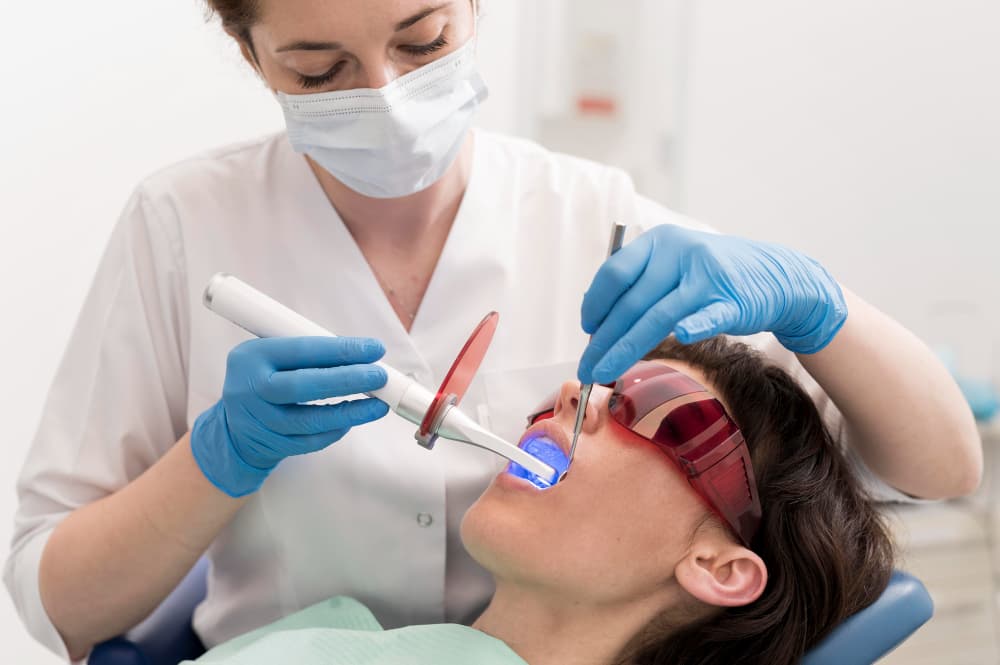
Dental sealants are thin, plastic coatings applied to the chewing surfaces of the back teeth — particularly the first and second permanent molars — to seal the grooves and fissures where decay most commonly starts.
This is one of the most effective preventive interventions in paediatric dentistry. Sealants are quick to apply, painless, and can reduce cavity incidence in the protected teeth by up to 80% when placed at the right time.
At Renew Dental Clinic in Noida, Dr. Suchi Singh assesses whether sealants are appropriate when the relevant teeth have fully erupted.
Gum Problems in Children
Gingivitis — the mildest form of gum disease, causing redness, swelling, and bleeding of the gumline — is common in children, particularly around the time of mixed dentition (when baby teeth are falling out and permanent teeth are coming in). It's usually caused by inadequate brushing and responds well to improved cleaning techniques.
More significant gum problems in children may indicate underlying systemic conditions and warrant assessment.
Bite and Alignment Problems (Malocclusion)
Many orthodontic problems — crowding, crossbite, open bite — are detectable from a relatively early age. The significant advantage of early detection is that some issues can be addressed during childhood when the jaw is still growing, making correction simpler and potentially avoiding more complex treatment later.
At Renew Dental Clinic, orthodontic assessment is offered as part of routine paediatric check-ups. Where early intervention is warranted — for example, with functional appliances to guide jaw development — this is discussed with parents in clear terms.
Thumb Sucking and Pacifier Habits
Prolonged thumb sucking or pacifier use beyond the age of 3 to 4 can begin to affect the development of the teeth and jaw. The persistent pressure of a thumb or pacifier against the developing dental arches can cause an open bite (where upper and lower front teeth don't meet) and protrusion of the upper front teeth.
If a child is still using a thumb or pacifier beyond age 4, it's worth discussing with Dr. Suchi Singh. Early intervention with gentle behavioural strategies is far more effective than trying to correct the dental consequences later.
What Happens at a Child's Dental Appointment at Renew Dental?
The experience at Renew Dental is intentionally different from what many adults remember from their own childhood dental visits.
First Visits (Infants and Toddlers)
The first few visits are primarily educational for parents and familiarisation for the child. The dentist examines the child's mouth gently — often with the child sitting in the parent's lap — and discusses:
- How to clean infant teeth
- When to stop bottle use
- Diet guidance for dental health
- What to watch for as more teeth emerge
There is no drilling, no anaesthesia, and no stress. The goal is an entirely positive association.
Regular Check-ups (School-Age Children)
As children grow, appointments develop into full check-ups
- Examination of all teeth, gums, and soft tissues
- X-rays, when appropriate, to check between teeth and monitor developing permanent teeth
- Professional cleaning (scaling or polishing where needed)
- Fluoride application
- Orthodontic assessment as part of the routine
- Oral hygiene instruction appropriate to the child's age
Appointments are paced to the child. Anxious children are given time — explanations are given simply and honestly before anything happens. At Renew Dental, a child is never held down, rushed, or treated as a problem. If a child needs an extra visit just to feel comfortable in the chair before any examination happens, that's what happens.
How to Prepare Your Child for a Dental Visit
Parents have an enormous influence over how their child approaches a dental appointment.
Use positive, neutral language. Avoid words like "hurt," "needle," or "drill" when talking about the dentist. Instead, use phrases like "the dentist will check your teeth" or "they'll count your teeth and make sure they're healthy."
Don't share your own dental anxiety. Children are highly attuned to parental anxiety. If you have dental fear, try to keep it separate from the way you speak to your child about their appointment.
Read dental books or watch shows together. There are many children's books and short films that normalise dental visits. These can help desensitise children who haven't been before.
Make it a routine, not an event. Children who visit the dentist every six months from a young age treat it as a normal part of life. Children who only go when something hurts associate the dentist with pain and fear.
Avoid using the dentist as a threat. "If you don't brush your teeth, you'll have to go to the dentist" is among the most counterproductive things a parent can say. It associates dental visits with punishment.
Bring a comfort item. A favourite toy or blanket in the waiting area — and potentially during the appointment — reduces anxiety in younger children.
Fluoride for Children — How Much Is Enough?
Fluoride is one of the most effective caries-prevention tools available. It strengthens enamel and makes it more resistant to acid attack.
For infants (before teeth appear): Fluoride is available through fluoridated water, where available. If the local water supply is not fluoridated (which varies across different parts of NCR), your dentist may recommend supplementation.
For children 2 to 6 years: A pea-sized amount of fluoride toothpaste. Spitting rather than swallowing should be taught from as early as possible. Fluoride varnish applied professionally at the clinic twice yearly is also highly effective.
For children 6 and above: Standard fluoride toothpaste, twice daily brushing, and professional fluoride treatments at dental check-ups.
The goal is adequate fluoride exposure without excess. Fluorosis (white or brown spots on developing teeth from excessive fluoride) is a real concern, which is why amounts are age-appropriate and professionally guided.
Paediatric Dental Emergencies — What to Do
Knocked-out baby tooth: Do not attempt to reimplant a baby tooth — it can damage the developing permanent tooth beneath. Keep the child calm, control any bleeding with gentle pressure, and see the dentist.
Knocked-out permanent tooth: This is an emergency requiring immediate action. Hold the tooth by the crown (not the root), rinse gently with clean water without scrubbing, and either:
- Place it back in the socket immediately (if the child is calm enough)
- Or store it in a glass of milk or the child's saliva (inside the cheek) and get to the dentist immediately — ideally within 30 minutes for the best chance of saving the tooth
Toothache: Give age-appropriate pain relief and see the dentist at the earliest opportunity. Do not apply clove oil directly to a child's tooth or gum without dental guidance.
Dental fracture: Collect any broken fragments, keep the area clean, avoid very cold or very hot foods, and see the dentist promptly.
Frequently Asked Questions About Paediatric Dentistry in Noida
At what age should a child start brushing their own teeth?
Children develop the fine motor skills to brush effectively only around age 7 to 8. Until then, parents should brush their child's teeth — and continue to supervise brushing until about age 10.
How often should a child see the dentist?
Every 6 months for a check-up and cleaning. More frequent visits may be recommended if a child has had cavities or other concerns.
Should I worry about my child losing baby teeth early?
Losing baby teeth significantly earlier than expected may indicate decay or trauma. See the dentist. Early space loss can affect the positioning of permanent teeth.
Can a child with braces come to Renew Dental?
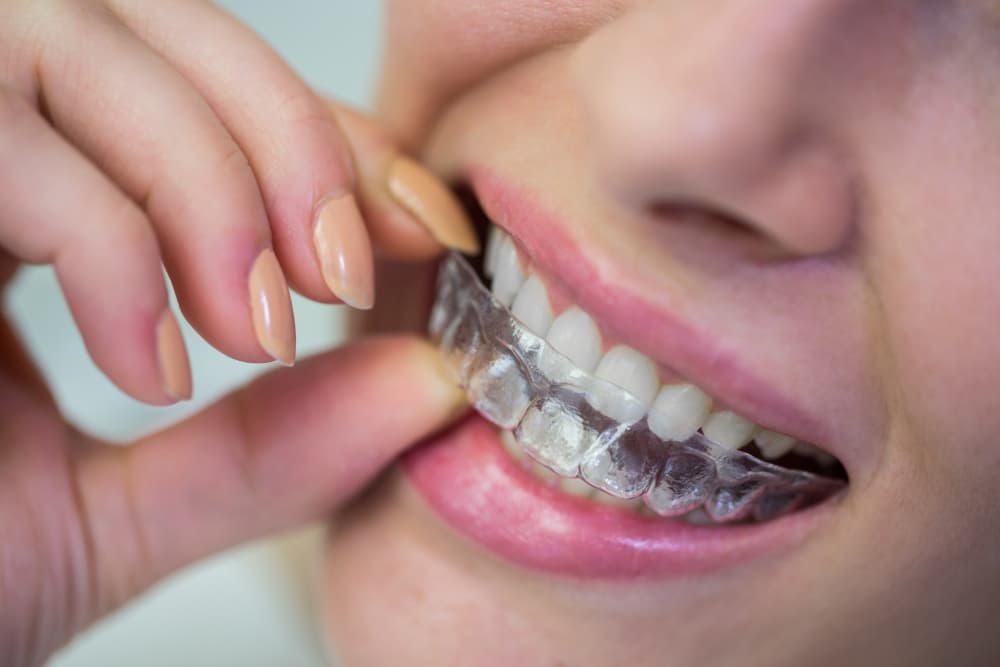
Yes. Renew Dental offers orthodontic treatment for children and teenagers, and children with active orthodontic treatment are seen for their routine dental care alongside their orthodontic appointments.
Book Your Child's Appointment at Renew Dental Clinic, Noida
Whether your child is coming for their very first dental visit, a routine check-up, or treatment for a specific concern, Renew Dental Clinic in Sector 47, Noida offers gentle, professional paediatric dental care. Dr. Suchi Singh and the team understand that a positive dental experience in childhood is one of the most valuable health investments a parent can make.
To book your child's appointment, call (0120) 498-8333.
Open Monday–Saturday, 10:30 AM – 8:00 PM | Sunday, 11:00 AM – 2:30 PM.