By Renew Dental ClinicPublished on
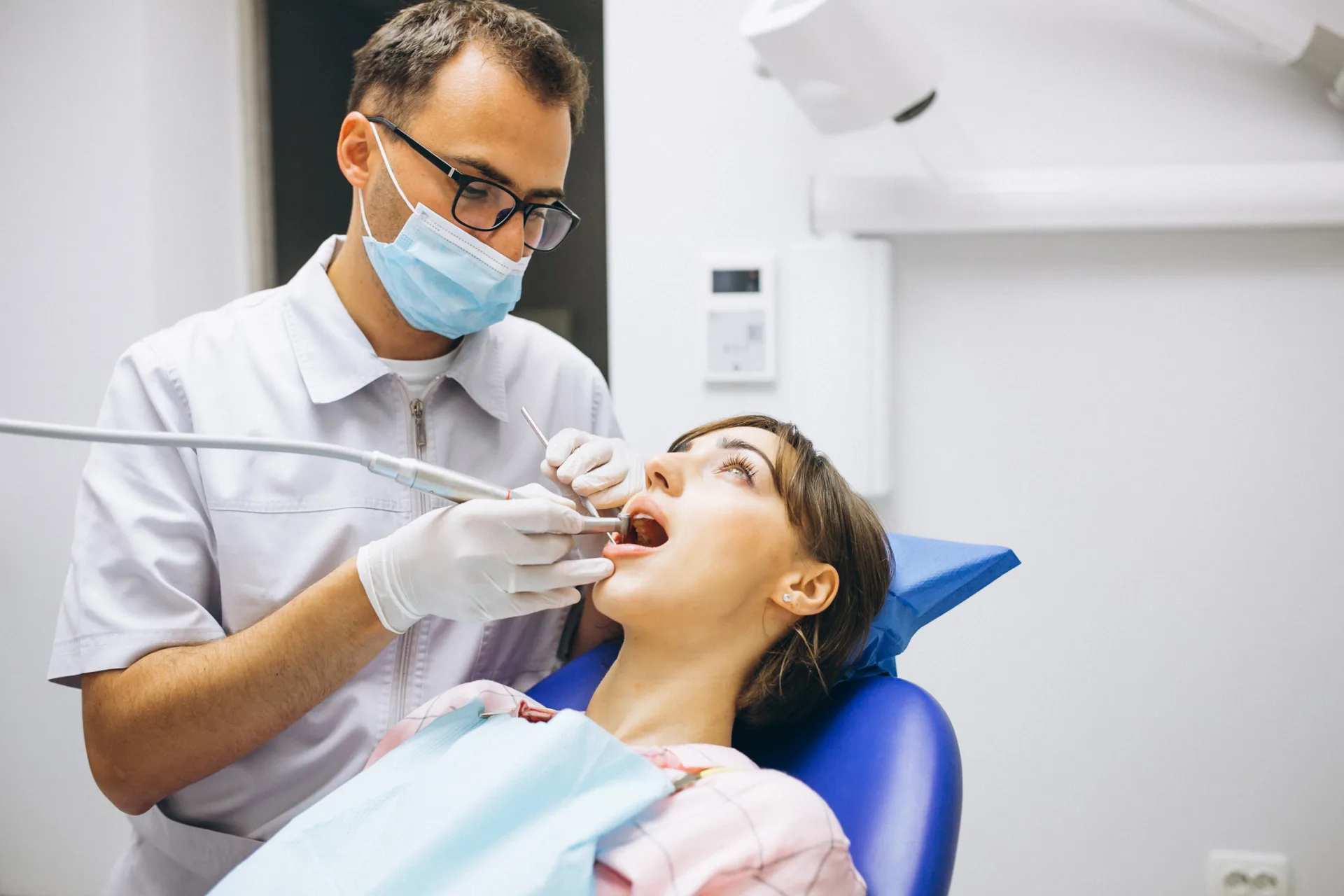
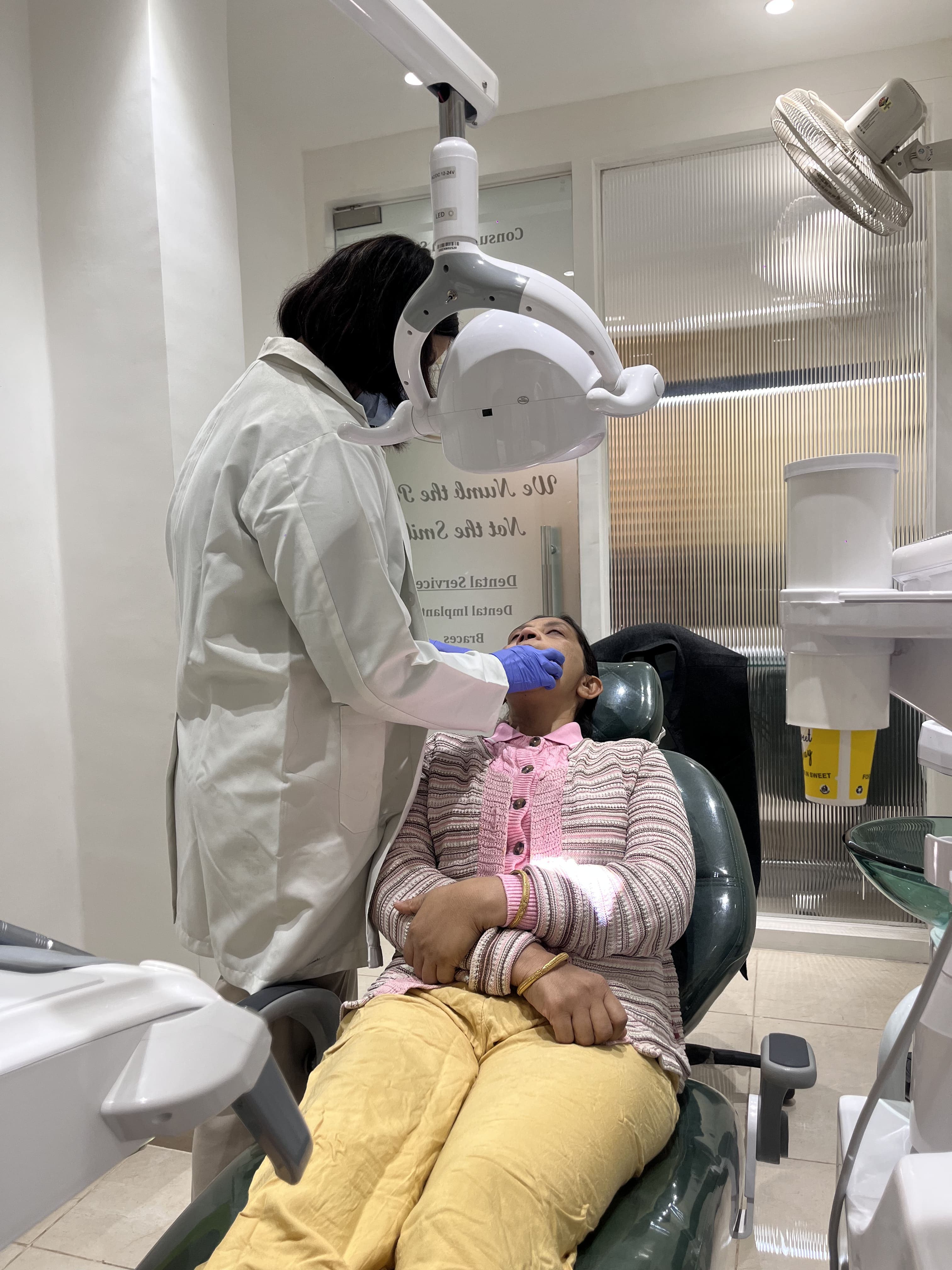
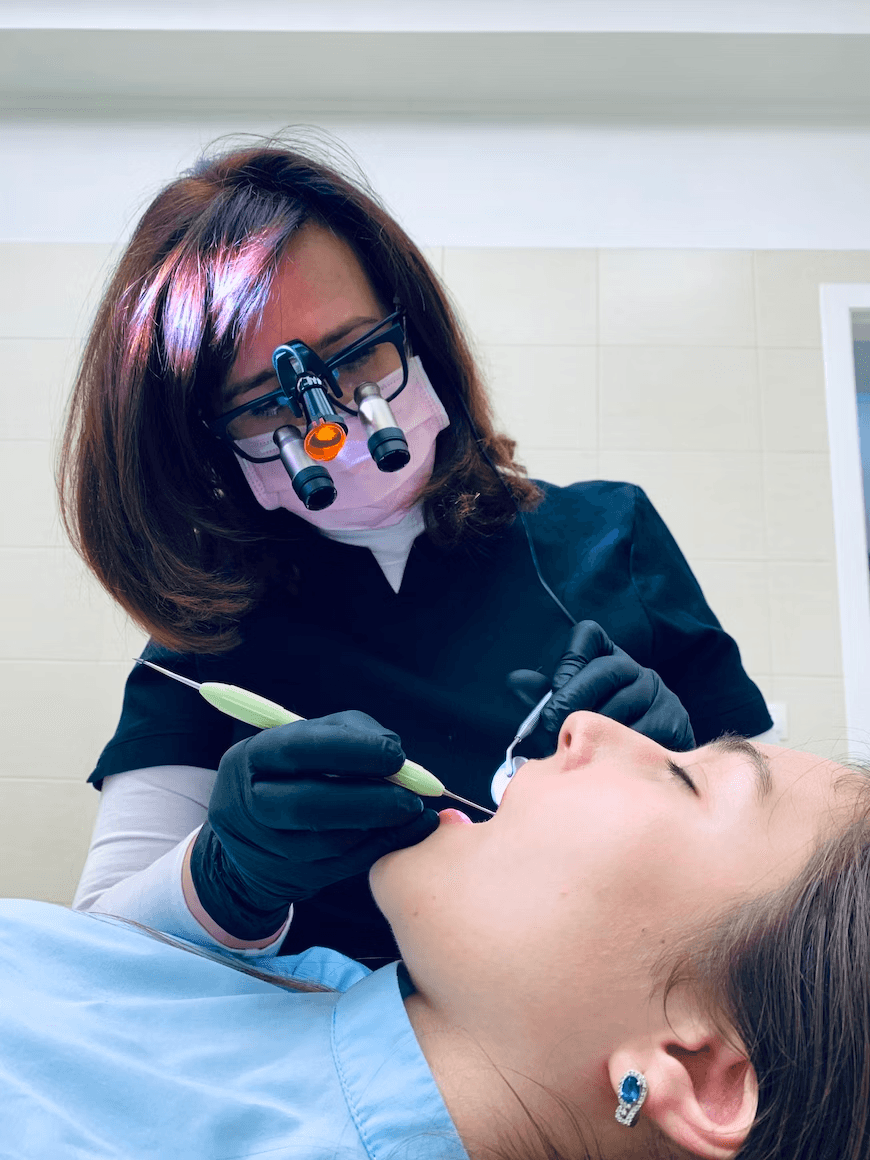
Patient sitting in a dental chair during a routine dental check-up to maintain oral health.
India has one of the highest rates of diabetes in the world — estimated at over 100 million people with the condition and many more undiagnosed. In Noida, Greater Noida, and Delhi NCR, where urban lifestyles, dietary patterns, and sedentary work conditions create significant metabolic risk, the prevalence is particularly high.
Most people with diabetes know about the risks to their kidneys, eyes, cardiovascular system, and peripheral nerves. What fewer know is that the mouth is equally involved — and that the relationship between diabetes and oral health runs in both directions. Diabetes worsens gum disease. Gum disease makes diabetes harder to control.
Understanding both sides of this relationship has direct, practical implications for how diabetic patients should approach their dental care.
Diabetes affects oral health through several distinct mechanisms that operate simultaneously.
Impaired immune response. Chronic hyperglycaemia — elevated blood glucose — impairs the function of neutrophils, the immune cells forming the body's first line of defence against bacterial invasion. Neutrophils need to migrate to sites of infection, engulf and destroy bacteria, and support tissue healing. In a high-glucose environment, this entire process is slower and less effective.
At the gumline, where bacteria in dental plaque continuously challenge the immune system, this impaired neutrophil function allows periodontal bacteria to establish themselves more readily and more deeply. The body's defence against gum disease is genuinely weaker in poorly controlled diabetes.
Advanced glycation end-products (AGEs). Excess glucose in the bloodstream reacts with proteins through a process called glycation, producing compounds known as AGEs. These compounds accumulate in tissues throughout the body — including the periodontal tissues — and trigger an inflammatory response independent of bacterial load. AGEs essentially amplify the inflammatory reaction to any given level of periodontal bacteria.
The practical effect: a diabetic patient with equivalent plaque accumulation to a non-diabetic patient will typically show more severe gum inflammation and more rapid progression to bone destruction.
Impaired healing. Diabetes impairs the formation of new blood vessels (angiogenesis) and the migration of healing cells to tissue repair sites. Wounds — including the micro-wounds of daily gum tissue challenge and the deliberate wounds of dental treatment — heal more slowly and less reliably in poorly controlled diabetes. This means dental procedures have a longer and more complicated recovery in patients with poorly managed blood glucose.
Altered saliva. High blood glucose affects both saliva quantity (reduced flow, contributing to dry mouth) and salivary glucose concentration (elevated, above normal levels). Elevated salivary glucose provides additional substrate for cavity-causing and gum disease bacteria — literally feeding the organisms that cause dental disease.
Peripheral neuropathy. In patients with established diabetic neuropathy, reduced sensation in the oral mucosa may mask pain signals that would normally prompt dental attention. Dental infections or ulcerations may be less painful in affected patients, allowing them to progress further before being noticed.
The evidence for this is robust and consistent across multiple large studies. Diabetic patients — particularly those with poorly controlled diabetes — have significantly higher rates of severe periodontitis than non-diabetics, even after adjusting for other risk factors like smoking and oral hygiene.
Key findings from the research:
This is not inevitable. Diabetics with well-controlled blood glucose and excellent oral hygiene can maintain good periodontal health. But the risk is genuinely elevated, and the margin for error in oral hygiene is narrower than for non-diabetic patients.
This is the part of the relationship that most patients — and many general practitioners — are less familiar with. And it's the part that has the most immediate practical implication for diabetes management.
Active periodontitis drives systemic inflammation. The bacteria in periodontal pockets produce inflammatory mediators — cytokines, prostaglandins, tumour necrosis factor alpha (TNF-α), interleukin-6 (IL-6) — that enter the systemic circulation. These same inflammatory mediators are directly implicated in insulin resistance.
TNF-α, in particular, interferes with insulin receptor signalling — it impairs the ability of cells to respond to insulin and take up glucose from the bloodstream. The higher the level of systemic inflammation from periodontitis, the greater the insulin resistance, and the more difficult blood glucose becomes to control.
The clinical evidence has accumulated over two decades. Multiple randomised controlled trials have found that treating periodontitis in diabetic patients — through professional scaling and root planing — produces modest but statistically significant reductions in HbA1c (glycated haemoglobin, the standard measure of blood glucose control over 2 to 3 months).
A systematic review and meta-analysis confirmed this: periodontal treatment was associated with reduction in HbA1c of approximately 0.4 to 0.6 percentage points at 3 to 4 months compared to no treatment. An effect size of 0.4 to 0.6 percentage points in HbA1c is clinically meaningful — comparable to the effect of some pharmacological interventions for glucose control.
This isn't a replacement for diabetes medication or lifestyle management. It's a real, measurable contribution from oral health management that's frequently being overlooked in diabetes care.
Diabetic patients need a modified approach to dental care that accounts for both the higher risk profile and the healing implications.
More frequent professional cleaning. The standard recommendation for healthy adults is every 6 months. For diabetic patients — particularly those with any history of gum disease or poor glucose control — every 3 to 4 months is more appropriate. This more frequent interval prevents the buildup of calculus and bacterial load that would otherwise drive rapid gum disease progression between visits.
Comprehensive periodontal assessment at every visit. Pocket depths, bleeding on probing, bone levels on X-ray — these are monitored specifically and systematically for diabetic patients at Renew Dental Clinic, Sector 47, Noida, because gum disease can progress rapidly and silently between appointments.
Coordination with the treating physician. Before surgical procedures — extractions, implant placement, periodontal surgery — blood glucose control needs to be assessed. Very poorly controlled diabetes (HbA1c above 10%) significantly increases complication risk and may require stabilisation before elective dental surgery.
Antibiotic considerations. For certain dental procedures in diabetic patients, adjunctive antibiotic cover may be considered — particularly when healing is likely to be compromised due to poor glucose control. This decision is made individually.
Implant assessment requires careful planning. Dental implants in diabetic patients can succeed but have lower success rates than in non-diabetics, particularly when glucose control is poor. Osseointegration (bone fusing with the implant) is slower and less reliable in the presence of hyperglycaemia-related bone physiology changes. Well-controlled diabetics with good oral hygiene can be appropriate implant candidates — the assessment is individual and requires knowing current HbA1c.
Beyond gum disease, diabetic patients have elevated rates of several other oral conditions:
Oral candidiasis (thrush). Elevated salivary glucose provides ideal growth conditions for Candida albicans. Diabetics — particularly those with dentures or reduced saliva — are more prone to oral thrush. Management involves antifungal treatment alongside blood glucose optimisation.
Burning mouth syndrome. A condition characterised by a burning sensation in the mouth without obvious clinical cause. Its association with diabetes is documented, possibly through neuropathic mechanisms.
Root caries. Reduced saliva flow and elevated salivary glucose create conditions favouring decay at the gum margin and root surfaces. Fluoride supplementation is particularly important as a preventive measure for diabetic patients.
Slower post-extraction healing. Extraction sites take longer to close, are more prone to infection, and require closer post-operative monitoring. Patients with poorly controlled diabetes should be aware that routine extractions carry a higher healing burden than for non-diabetics.
Tell your dentist about your diabetes — at every visit. Include the current HbA1c value if you know it. Dental practitioners at Renew Dental factor this into treatment planning, post-procedure care, and monitoring frequency.
Attend dental check-ups every 3 to 4 months, not every 6 months. The additional two to three appointments per year catch deterioration before it becomes significant — and each one has the potential to contribute to better glucose control through improved periodontal status.
Control blood glucose as a dental priority, not just a medical one. Well-controlled diabetes dramatically reduces the excess risk of gum disease and healing complications. The motivation isn't abstract — it's directly connected to how well teeth and gums age over decades.
Don't skip dental appointments when blood glucose has been difficult to manage. The instinct to avoid the dentist when things feel out of control is understandable. But these are precisely the periods when dental monitoring matters most — worsening periodontal status may be contributing to the glucose control difficulty.
My diabetes is well controlled — do I still need more frequent dental visits?
Yes — though the urgency is somewhat less than for poorly controlled diabetes. Well-controlled diabetics still have somewhat elevated gum disease risk compared to non-diabetics, and 3 to 4-monthly visits allow earlier detection of any deterioration.
Will treating my gum disease lower my HbA1c significantly?
The evidence suggests a modest but real reduction — approximately 0.4 to 0.6 percentage points in most studies. This is meaningful as part of overall diabetes management, though not a substitute for medication and lifestyle interventions.
Can I get dental implants if I have diabetes?
Yes, if blood glucose is adequately controlled and oral hygiene is good. The assessment at Renew Dental considers your specific situation including current HbA1c, healing history, and overall oral health status.
I've been told my gums are fine — should I still come more often?
If your gums are genuinely healthy and your diabetes is well controlled, the standard 6-monthly interval may be appropriate. This is a clinical decision Dr. Suchi Singh makes at assessment based on the specific findings — not a one-size-fits-all answer.
To book a diabetes-aware dental assessment at Renew Dental Clinic, Sector 47, Noida, call (0120) 498-8333.
Monday–Saturday 10:30 AM – 8:00 PM | Sunday 11:00 AM – 2:30 PM.
 Copy
Copy
Braces make cleaning between teeth harder — and more important. This guide covers every method...
26 Aug 2026
by Renew Dental Clinic
Post-whitening sensitivity is the most common complaint after teeth whitening. This guide explains why it...
21 Aug 2026
by Renew Dental Clinic

Bleeding gums that don't respond to better brushing may have a nutritional cause. Several vitamin...
20 Aug 2026
by Renew Dental Clinic
Choosing between traditional braces and clear aligners in Noida? This practical comparison covers appearance, effectiveness,...
11 Jun 2026
by Renew Dental Clinic
Alcohol affects oral health in ways most people don't expect — from dry mouth to...
23 Jul 2026
by Renew Dental Clinic
Gum bleeding during pregnancy is extremely common — and frequently mismanaged. This guide explains why...
07 Sept 2026
by Renew Dental Clinic

Seen the coloured stripes on the bottom of your toothpaste tube and wondered what they...
11 Aug 2026
by Renew Dental Clinic

Discover how diabetes can impact your gums and teeth. Learn about the relationship between blood...
27 Oct 2025
by Renew Dental Clinic

What you eat directly affects your dental health. This guide from Renew Dental Clinic Noida...
05 Jun 2026
by Renew Dental Clinic

A dazzling, pearl white smile can boost confidence levels, enhance appearance, and make a lasting...
03 Sept 2025
by Renew Dental Clinic
Noticing your teeth turning yellow despite brushing regularly? This guide explains every cause of tooth...
12 Jun 2026
by Renew Dental Clinic

Want a long-lasting white smile? Discover five simple steps to keep white teeth after tooth whitening, from diet adjustment to oral health and dentist-approved tips.
03 Oct 2025
by Renew Dental Clinic

If you’ve ever had a damaged, cracked, or root canal-treated tooth, your dentist probably suggested...
21 Oct 2025
by Renew Dental Clinic
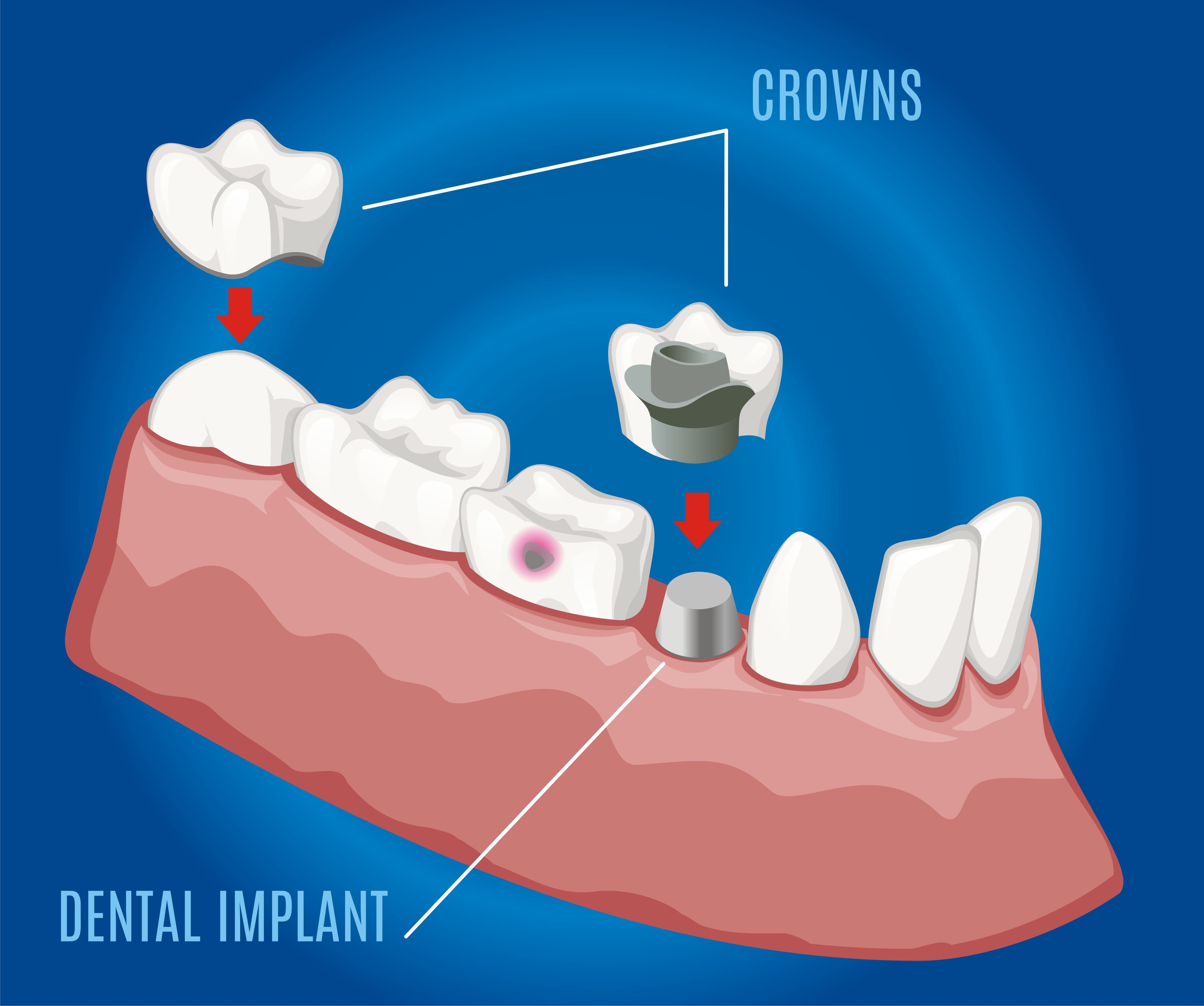
Need a dental crown in Noida? This complete patient guide explains every type of dental...
18 Jun 2026
by Renew Dental Clinic
Dental crowns are a long-term investment, not a permanent one. Learn lifespans by material, signs...
16 Oct 2026
by Renew Dental Clinic
Explore More
Explore More
Discover how thousands of patients trust Renew Dental Clinic with their smiles.
Super clean clinic and beautiful facility. The staff and dentist took their time and were very calming. Great experience! Best Dental Clinic in Noida.
Excellent treatment with all due care, Dr Suchi is very polite and attentive.
Excellent explanation, punctual, welcoming staff, High hygiene standards, great team..
Dr. Suchi, Dr Ganguly and Dr srishti, at Renew Dental Clinic did an excellent job with my full-mouth rehabilitation. The shift from old bridges to premium Zirconia crowns, along with laser gum treatment, was handled with great care and professionalism.
Great dental care provided by Dr. Suchi Singh and Dr. Chandrava Ganguli. They are knowledgeable, gentle, and attentive to patients' needs. The clinic staff is courteous and helpful, making the entire experience smooth and pleasant. Highly recommended! 🦷✨ Caring, Supportive Staff, Recommended
It was a very good experience, doctor was very polite and professional
I am satisfied with my RCT single sitting and painless thanku Doctor Suchi .😊
Best dental treatment in noida
Doctor n her team very much concerned with patient 👍👍👍
A glimpse into our modern dental clinic, advanced technology, and patient-friendly environment at Renew Dental.
Explore our thoughtfully designed clinic spaces built to provide comfort, cleanliness, and a calming experience for patients of all ages.

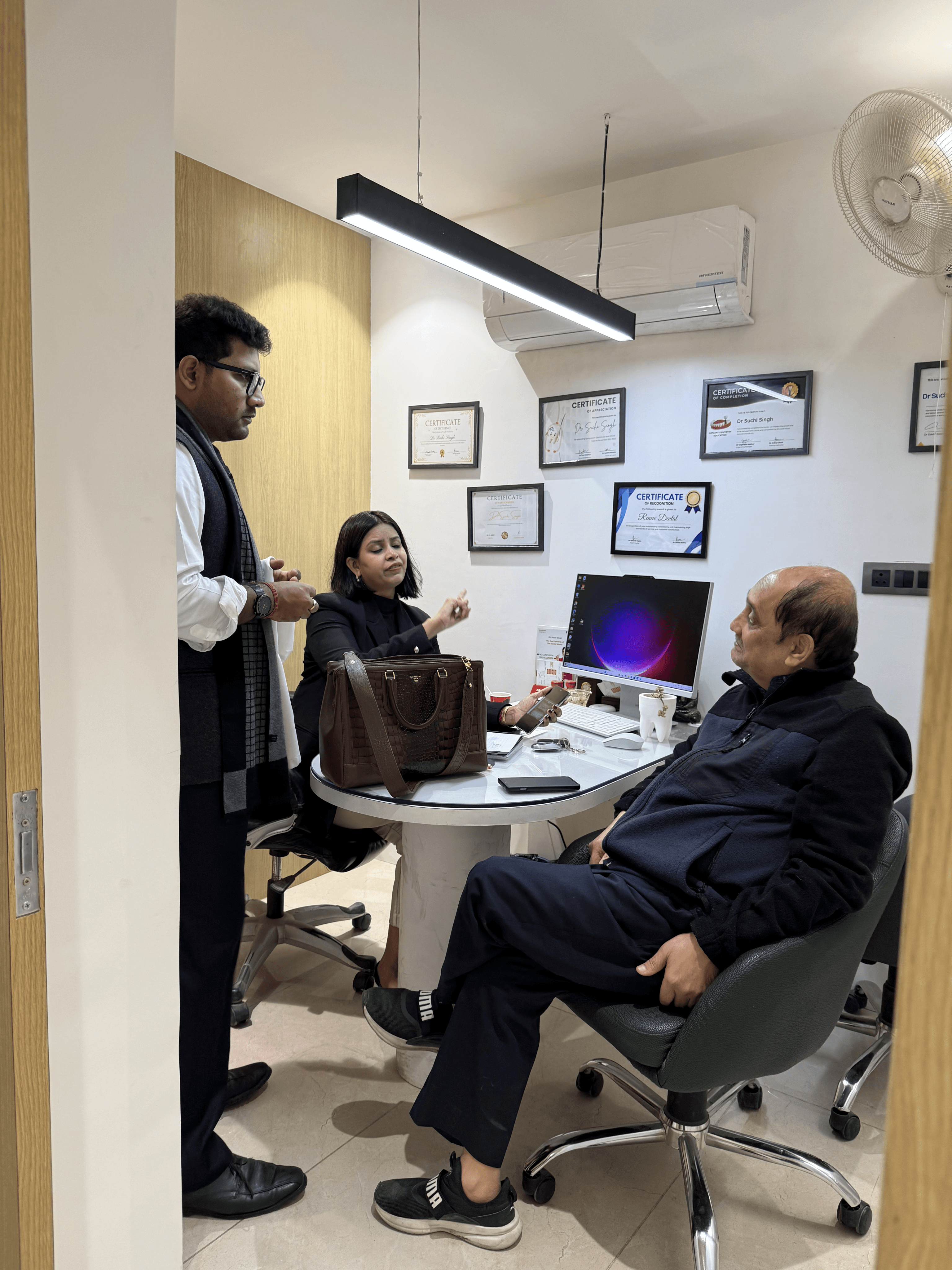


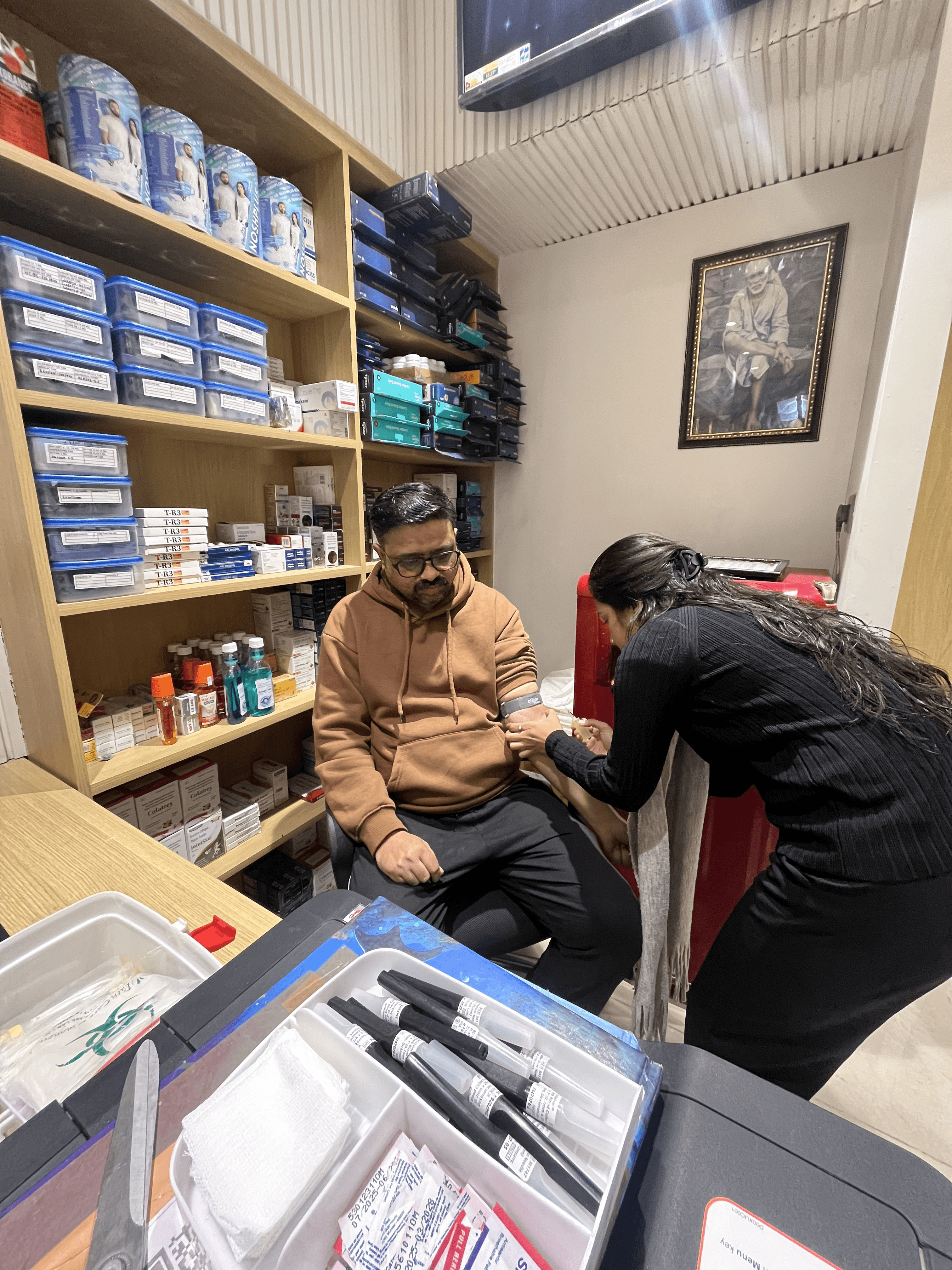
Best Dentist in Noida
Renew Dental Clinic located in Noida, Sector 47, is one of the leading dental clinics. Founded by Dr. Suchi Singh who is widely regarded as one of the best dentists in Noida, the clinic is committed to delivering personalised and high-quality dental care. Dr. Suchi Singh focuses on customised treatment plans designed around each patient’s unique needs, ensuring advanced, comfortable and reliable dental care at Renew Dental Clinic.

Your Trusted Dental Experts

Complete Dental Care

Friendly Dental Space

No Hidden Charges



Two trusted dental clinics in Noida — Renew Dental (Sector 47) and Tooth & Truth (Sector 34) — for gentle, modern care.

Renew Orthopedic Clinic, A-321, Basement Floor, Next to Mother Dairy Store, Sector 47, Noida, Uttar Pradesh 201303
 +91 99710 35300
A-98/A, Block A, Sector 34, Noida, Uttar Pradesh 201307
+91 99710 45002© 2026. All rights reserved | Designed and Developed by Zarle Infotech