By Renew Dental HospitalPublished on

Milk left pooling around the teeth during sleep, when saliva flow drops, is the main cause of bottle decay.
Baby bottle tooth decay — formally called early childhood caries (ECC) — is one of the most frustrating conditions in paediatric dentistry because it's almost entirely preventable, extremely common, and often not identified until it's already progressed significantly. By the time parents notice visible decay or their child begins refusing food because of tooth pain, the condition has typically been developing for months.
Understanding what causes it, how to recognise the earliest signs, and what treatment looks like at different stages is what allows parents to intervene early enough to make a real difference.
Baby bottle tooth decay is extensive, rapid tooth decay in young children, typically beginning in the upper front teeth and spreading quickly to other teeth. It's caused by prolonged exposure of erupted teeth to fermentable sugars — primarily from bottle feeding with milk, formula, or juice, especially during sleep.
The mechanism: milk (including breast milk) and formula contain lactose and other sugars that bacteria in the mouth ferment to produce acid. When a baby or toddler falls asleep with a bottle and feeds throughout sleep, this liquid pools around the teeth. Saliva, which normally neutralises acid and washes the mouth clean, is produced in much lower volumes during sleep. The result is prolonged, uninterrupted acid exposure to the enamel — sometimes for hours each night — without the natural neutralisation that occurs during waking hours.
The upper front teeth are affected first and most severely because they're most directly bathed in the liquid that pools from the bottle nipple. The lower front teeth are somewhat protected by the tongue.
ECC rates in India are high — studies in various regions find prevalence ranging from 30 to 70% of children under 5, depending on the population studied and the diagnostic criteria used. Urban populations aren't exempt; access to bottled drinks and formula, combined with feeding habits that persist beyond the introduction of solid foods, means ECC is common across income groups.
In Noida and Delhi NCR, the combination of working parents, late-night feeds, and widespread use of formula and sweetened drinks means ECC presents regularly at Renew Dental Clinic. Many cases arrive at first appointment already in the moderate-to-severe category because parents weren't aware of the early signs.
The earliest stage of ECC is a white, chalky, opaque band along the gumline of the upper front teeth. This is the same demineralisation pattern as white spot lesions — the bacteria's acid has begun dissolving mineral from the enamel. At this stage, the damage is reversible with fluoride and feeding habit changes.
Most parents don't notice this white line. The teeth look whiter near the gum, which doesn't trigger alarm. This is the stage that's missed most consistently.
As the condition progresses, the white band becomes yellow, then brown, then develops into visible cavities. The brown, pitted decay spreading across the front teeth of a toddler is the image most associated with baby bottle tooth decay — but by this point, the decay has been progressing for months.
Advanced ECC produces teeth that are significantly broken down, sometimes to the gumline, with active infection and abscess formation. Pain from infected pulps in young children manifests as food refusal, difficulty sleeping, and general irritability rather than the verbal complaint of pain that older children and adults produce.
Night-time bottle with anything other than plain water. The single most implicated habit. Any bottle given to a baby to fall asleep with, containing milk, formula, diluted juice, or sweetened water, creates the prolonged overnight acid exposure described above. The solution is to offer the bottle before the child falls asleep rather than as the mechanism for going to sleep, and to use only plain water if a bottle is given after the child has teeth.
On-demand breastfeeding to sleep, repeatedly overnight, after teeth have erupted. Breast milk contains lactose. Frequent, prolonged breastfeeding to sleep after teeth have erupted carries ECC risk, particularly at the upper front teeth. The relative risk compared to bottle feeding is lower but not zero — particularly in toddlers who continue very frequent night nursing.
Continuous daytime access to sweetened drinks. Sippy cups or bottles of juice, squash, sweetened milk, or flavoured drinks throughout the day mean constant acid exposure with no recovery time for the enamel. The enamel needs periods of time free from acid — the 20-minute rule that applies to adult snacking applies to children's drink habits equally.
Dipping dummies in honey or sugar. Occasionally encountered but worth addressing directly: this combines prolonged sugar contact with erupted teeth with frequent application throughout the day. Honey in particular should not be given to children under one year (botulism risk) and should not be used on dummies at any age.
The most effective prevention:
From the first tooth eruption: brush with a rice-grain smear of fluoride toothpaste (appropriate children's formulation) twice daily. Parents do the brushing.
Don't put the child to sleep with a bottle containing anything other than plain water. This is the single highest-impact habit change.
Don't allow continuous daytime access to sweetened drinks in a bottle or sippy cup. Water and milk with meals; water between meals.
Once feeding is complete, wipe gum pads with a damp cloth before the infant age, or brush teeth gently if erupted.
First dental visit by age one. The dentist can identify early demineralisation and apply fluoride varnish before cavities develop, and provide specific guidance based on the child's individual situation.
At Renew Dental Clinic in Sector 47, Noida, the treatment for ECC depends on how advanced the decay is and the child's age and cooperation level.
Early demineralisation (white spot stage): fluoride varnish applied at the clinic every 3 months, habit counselling for parents, monitoring. No drilling. The window where reversal is possible.
Cavities in cooperative older toddlers and preschool children: tooth-coloured fillings for smaller cavities; stainless steel crowns for extensively decayed front or back teeth where the tooth has significant remaining life. The stainless steel crown is the most durable restoration available for badly decayed primary teeth and is placed in a single appointment.
Pulp involvement in young children: pulpotomy (partial nerve treatment for milk teeth) followed by stainless steel crown. Preserves the tooth for its space-holding and functional role.
Unrestorable teeth with active infection: extraction, with space maintainer assessment for back teeth.
For very young children or those with significant anxiety or extensive decay, treatment under general anaesthesia at a hospital facility is sometimes the most appropriate option — allowing complete dental rehabilitation in a single controlled session rather than multiple challenging clinic appointments.
Q: I breastfeed frequently at night — am I causing decay? A: It depends on frequency, duration, and the overall oral environment. Occasional night nursing poses less risk than frequent, prolonged nursing sessions multiple times per night in toddlers with erupted teeth. If you're concerned, a dental assessment specifically looking at early ECC signs gives a clearer picture than general advice can.
Q: My child's upper front teeth look chalky near the gum — should I be worried? A: Yes — take them to Renew Dental soon. That white chalky appearance is early demineralisation and is reversible if addressed promptly. Waiting to see if it changes means waiting for it to progress to cavities.
Q: My toddler won't let anyone near their teeth — how is dental treatment possible? A: Young children are managed with specific behavioural techniques appropriate to their age — tell-show-do, distraction, positive reinforcement, short appointments. For very young children or those where extensive treatment is needed, treatment under general anaesthesia at a hospital is the appropriate route. Call Renew Dental to discuss the specific situation.
For children's dental care at Renew Dental Clinic, Sector 47, Noida:
📞 +91 99710 35300 A-321, Basement Floor, Next to Mother Dairy Store, Sector 47, Noida, Uttar Pradesh 201303 Monday–Saturday 10:30 AM – 8:00 PM | Sunday 11:00 AM – 2:30 PM
 Copy
Found white spots when your braces came off? Learn why they form, whether they fade...
30 Oct 2026
by Renew Dental Clinic

Diabetes and dental health have a two-way relationship. This guide shows what diabetic patients in Noida need to do differently and how Renew Dental helps.
29 Oct 2026
by Renew Dental Clinic

Milk teeth are not just baby teeth. Learn how they differ from permanent teeth, why...
03 Nov 2026
by Renew Dental Clinic
Sugar doesn't damage teeth directly — it's what bacteria do with it that causes the...
20 Jul 2026
by Renew Dental Clinic
The right food choices after wisdom tooth removal protect the blood clot, speed healing, and...
30 Sept 2026
by Renew Dental Clinic
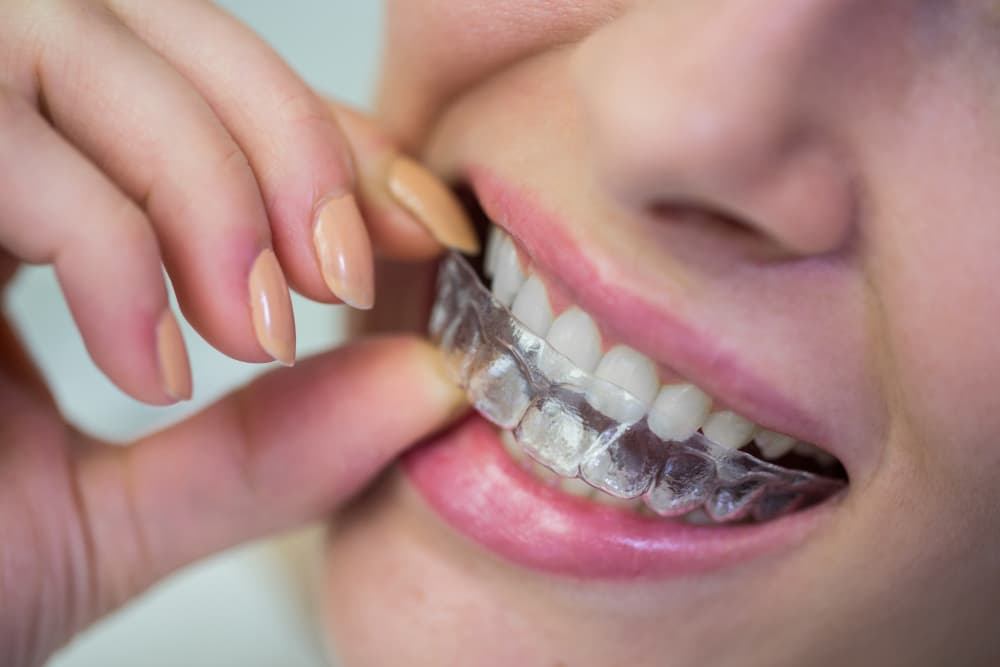
Considering clear aligners in Noida? This complete guide covers how invisible braces work, who they're...
25 May 2026
by Renew Dental Clinic

Noticing your teeth getting shorter or flatter? This guide explains tooth attrition, the progressive wear...
16 Jun 2026
by Renew Dental Clinic

Spotted a dark mark on your tooth and not sure if it's a stain or...
25 Jun 2026
by Renew Dental Clinic

Reveal the truth surrounding fluoride treatment, its benefits to dentistry, and popular myths that prevail...
22 Sept 2025
by Renew Dental Clinic
An impacted wisdom tooth doesn't always hurt — which is why so many people ignore...
05 Oct 2026
by Renew Dental Clinic

Nervous about minor oral surgery in Noida? This guide covers what procedures fall under minor...
24 Jun 2026
by Renew Dental Clinic
The choice between root canal and extraction is one of the most common decisions in...
01 Oct 2026
by Renew Dental Clinic

Discover the benefits of dental sealants for kids and adults. Understand how this protective procedure...
22 Sept 2025
by Renew Dental Clinic
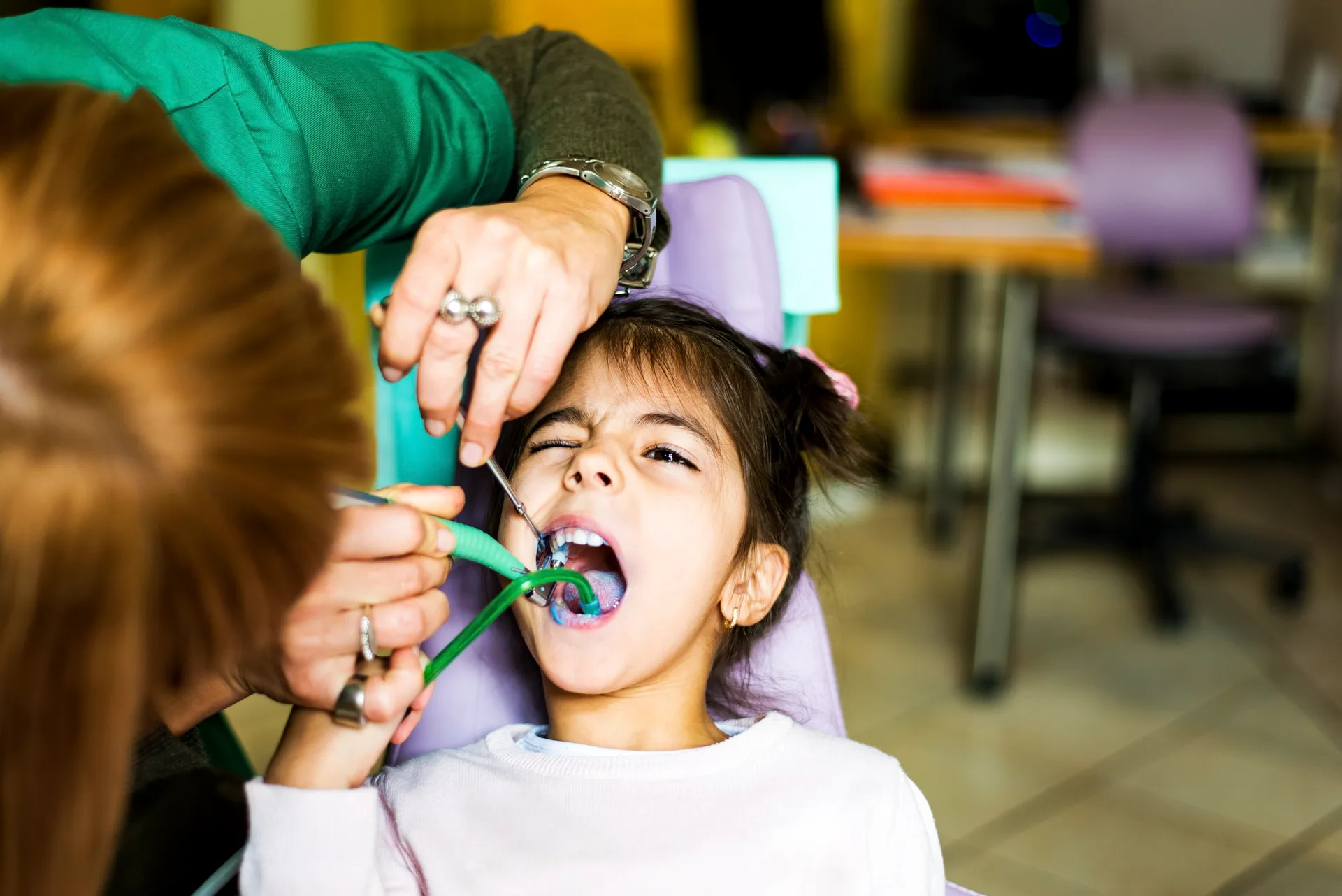
Most Noida parents wait for a toothache before a child's first dental visit. Learn why...
27 Oct 2026
by Renew Dental Clinic

A child's smile is one of life's most valued possessions, and their dental care begins...
10 Nov 2025
by Renew Dental Clinic
Explore More
Explore More
Discover how thousands of patients trust Renew Dental Clinic with their smiles.
Highly recommended for anyone seeking top-notch dental care
She is the Best Dentist in Noida, She has a gentle touch as well and I'm glad I discovered this practice. An extra bonus is that the clinic is extremely efficient and well run.
I really had a good experience with Dr Suchi and Dr Ganguly. They not even helped with a successful tooth extraction but also helped me overcome my fear of seeing a dentist. I highly recommend this team of amazing dentists. Thank you so much Dr Suchi and Dr Ganguly.
It was a very good experience, doctor was very polite and professional
Hi,I would like to thank Renew Clinic and special thanks to Dr.Suchi and Dr.Ganguli,Had ever best experience with you both and also would like to thank your supporting staff as well,Since I am working professional therefore I wanted to seamless procedure and that both Drs. Worked really hard and it’s a remarkable Job,,Had 14 Crowns and 8 root Canal almost they have transformed my smile the way I wanted to.Both are very polite and humble .
This clinic is perfect and it works very well😁😁
I had visited in clinic for treatment very good experience doctors & polite behaviour
I brought my mom for her dental care to Dr. Suchi. We highly recommend the doc for such an expertise.
Hands down the best dental care I've ever received from Dr.Suchi Singh, She is the best dentist in Noida and had an amazing treatment, and my followup visits were quick and painless. Definitely willing to travel the extra distance for this dentist!
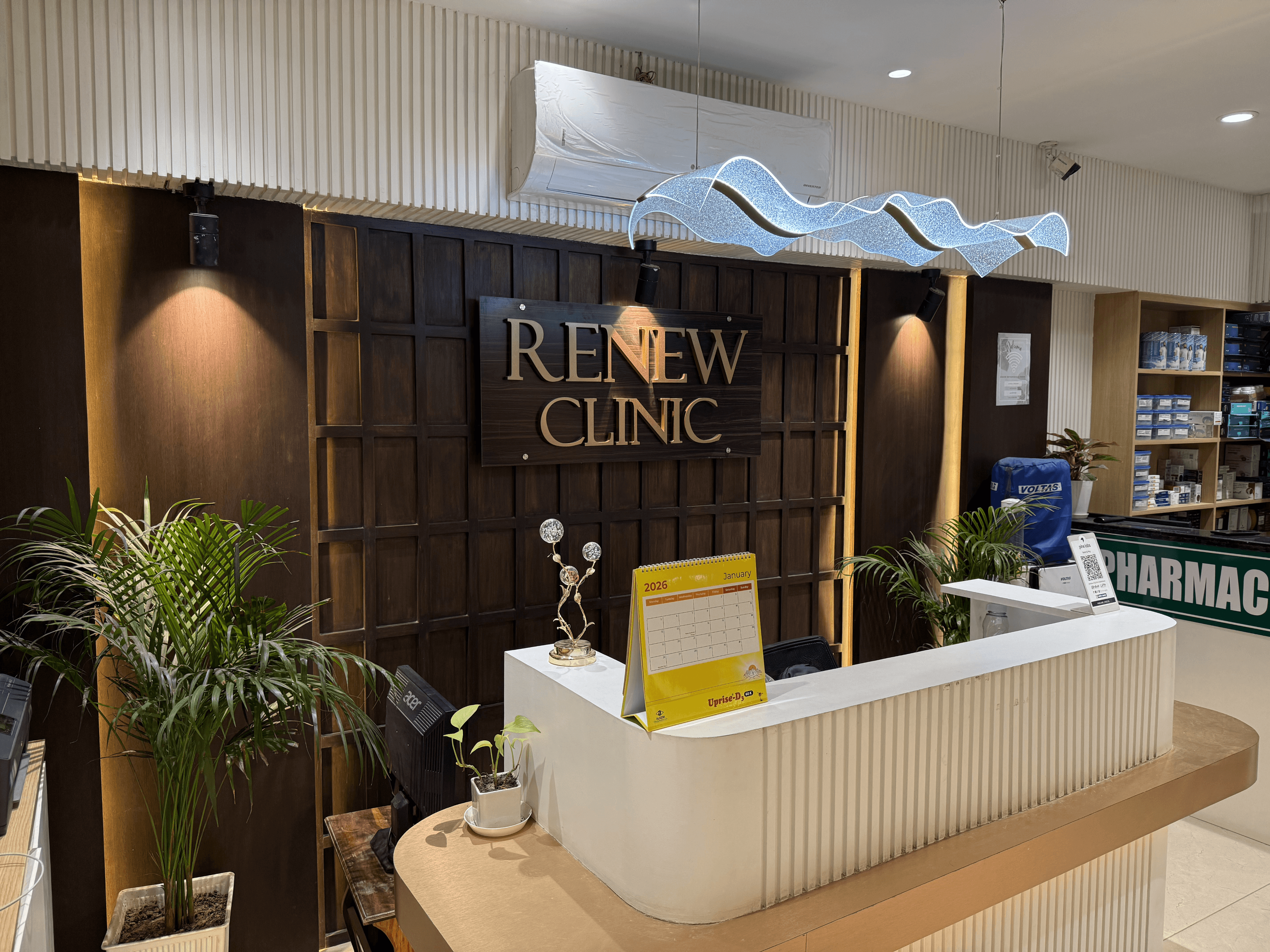
A glimpse into our modern dental clinic, advanced technology, and patient-friendly environment at Renew Dental.
Explore our thoughtfully designed clinic spaces built to provide comfort, cleanliness, and a calming experience for patients of all ages.


Best Dentist in Noida
Renew Dental Clinic located in Noida, Sector 47, is one of the leading dental clinics. Founded by Dr. Suchi Singh who is widely regarded as one of the best dentists in Noida, the clinic is committed to delivering personalised and high-quality dental care. Dr. Suchi Singh focuses on customised treatment plans designed around each patient’s unique needs, ensuring advanced, comfortable and reliable dental care at Renew Dental Clinic.

Your Trusted Dental Experts

Complete Dental Care

Friendly Dental Space

No Hidden Charges

Two trusted dental clinics in Noida — Renew Dental (Sector 47) and Tooth & Truth (Sector 34) — for gentle, modern care.

Renew Orthopedic Clinic, A-321, Basement Floor, Next to Mother Dairy Store, Sector 47, Noida, Uttar Pradesh 201303
 +91 99710 35300
A-98/A, Block A, Sector 34, Noida, Uttar Pradesh 201307
+91 99710 45002© 2026. All rights reserved | Designed and Developed by Zarle Infotech