By Renew Dental HospitalPublished on
When roughly half of a tooth has been lost to decay or fracture, a crown is usually the safer repair.
One of the more common moments of mild suspicion in a dental appointment is when a filling is recommended and the dentist says, "actually, I think this needs a crown." Patients who've had fillings for smaller problems before hear this and wonder: is this necessary, or is it upselling?
The answer, when the recommendation comes from a dentist applying clinical criteria honestly, is that it's necessary. And understanding why removes the suspicion and helps you make a better decision. Here's how the determination is actually made.
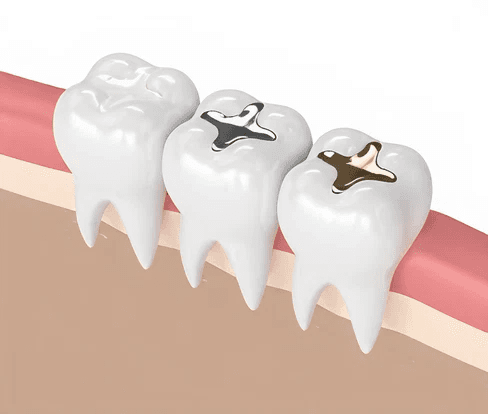
A filling works by bonding to the remaining tooth structure and completing the tooth's shape. For a filling to be durable, there needs to be enough remaining tooth to support it. The filling is not independently strong — it requires an adequate wall of natural tooth around it to hold it in place under biting forces.
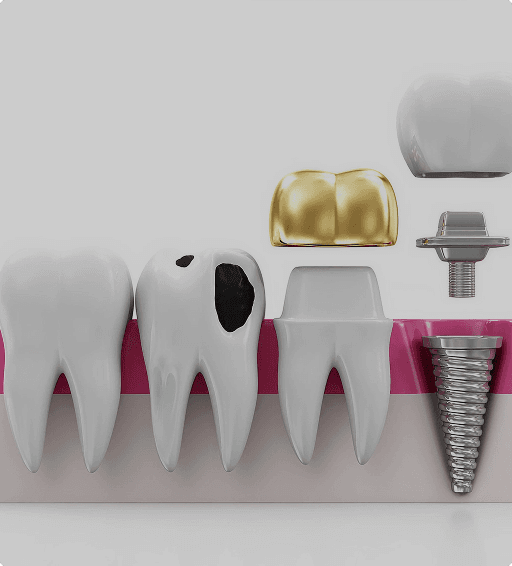
A crown works differently. It caps the entire tooth from the outside — covering all the remaining visible structure and holding it together, like a helmet over the tooth. A crown doesn't depend on the tooth below it for strength in the same way. If anything, the crown is providing strength to the tooth beneath it.
The decision point is this: when there isn't enough remaining tooth structure to adequately support a filling, a crown is required. When there is, a filling is appropriate.
Dr. Suchi Singh at Renew Dental Clinic in Sector 47, Noida uses several assessments to determine which is appropriate.
The proportion of remaining tooth. The general clinical guideline is that if more than approximately half of the natural tooth structure has been compromised — by decay, by fracture, or by a combination — a crown is the more appropriate restoration. Less than half: a filling. More than half: a crown.
The walls of the tooth. A molar has four walls — four vertical sides surrounding the central pulp chamber. A filling that replaces two cusps is substantially different from a filling that replaces four cusps. When multiple walls are missing or weakened, the remaining tooth is prone to fracturing under normal chewing forces. A crown that encircles and supports all the remaining walls prevents this fracture.
Cuspal fracture risk. Back teeth bear significant biting force. If a tooth has a very large filling or a crack running through the enamel, the remaining cusp material is under stress with each bite. Without a crown to bind the cusps together, that stressed cusp can fracture — sometimes cleanly, sometimes down into the root in a way that makes the tooth unrestorable. A crown, placed before the fracture, is the intervention that prevents the worst outcome.
Post root canal treatment. A root-canal-treated tooth has had its pulp removed. The internal moisture and flexibility that living pulp provides to the tooth structure is gone. Root-canal-treated teeth are measurably more brittle than living teeth and significantly more prone to catastrophic fracture under chewing forces. This is particularly true for molars and premolars, which bear high loads. For these teeth, a crown is considered a standard part of completing the root canal treatment rather than an optional add-on.
Fillings are appropriate and excellent when there's enough sound tooth structure remaining.
A small to moderate cavity in an otherwise intact tooth: the cavity is removed, the space is shaped for a filling, and the filling is bonded in. The remaining tooth walls are strong. The filling completes the tooth. This is the vast majority of cavity treatments.
A chipped incisal edge on a front tooth with no underlying structural weakness: composite bonding restores the shape without crowning the tooth.
A worn enamel surface that needs a protective layer: in some cases, composite bonding can add protective material without the more extensive tooth preparation of a crown.
The filling category is large. Most dental cavities never require crowns. Crowns become relevant when the structural situation has changed — either from the size of the cavity, previous fillings, fracture, or post-endodontic treatment.
The most common story in dentistry involving crown vs filling goes like this: a large cavity was recommended to be crowned. The patient opted for a large filling instead. The large filling worked for two or three years. Then a cusp fractured — a crack ran down the side of the tooth into the root. The tooth became unrestorable. It was extracted.
The patient spent less on the filling and more on the extraction and eventual implant than the crown would have cost. And they lost a tooth they didn't need to lose.
This isn't a hypothetical pattern — it's one of the most consistent recurring scenarios in restorative dentistry. Not every large filling leads to fracture, but the risk is substantially elevated when the remaining tooth structure is insufficient to support the filling adequately.
The crown in this context isn't upselling. It's preventing a specific, well-documented failure mode.
When a crown is recommended and accepted, the process typically involves two appointments.
At the first appointment, the tooth is prepared — a small amount of enamel is removed from all surfaces to create space for the crown. An impression or digital scan is taken. A temporary crown is placed to protect the prepared tooth while the permanent crown is fabricated in the dental laboratory.
At the second appointment, the temporary crown is removed and the permanent crown is cemented. Materials available at Renew Dental include zirconia (the current gold standard — strong, tooth-coloured, no metal at the gumline), E-max (porcelain, highest aesthetics for front teeth), and PFM (porcelain-fused-to-metal) for specific situations.
The temporary crown is made from acrylic — functional but not as strong as the permanent crown. During the 1–2 weeks the temporary is in place:
Avoid sticky or very chewy foods — they can pull the temporary crown off. Avoid biting hard things on that side. If the temporary comes off, call the clinic rather than waiting — the prepared tooth underneath needs protection.
Mild sensitivity with the temporary is normal. If pain is significant or the bite feels obviously uneven, contact the clinic.
Q: My dentist says I need a crown for a tooth that doesn't hurt at all — is that really necessary? A: Pain isn't the indicator for crown necessity. Structure is. A tooth can be intact enough that it doesn't hurt while being structurally compromised enough that a filling won't hold reliably. X-ray and clinical examination reveal the structural picture; absence of pain doesn't tell you the tooth can safely take a filling.
Q: Can I request a filling instead of a crown to save money? A: Yes — it's your mouth and your decision. But understanding the specific structural reason the crown is being recommended lets you make that choice with full information. If the recommendation is coming from sound clinical criteria and you choose a filling, your dentist should document the discussion. The risk of cusp fracture with large fillings is real and should be part of the conversation.
Q: How long do crowns last compared to large fillings? A: Well-placed crowns on appropriate teeth last 15–20 years on average, often longer. Large composite fillings on teeth that would have been better crowned often need replacement sooner, and carry fracture risk that crowns eliminate. The long-term cost-effectiveness of crowns in appropriate cases is generally better.
Q: My crown recommendation is for a tooth I've had a filling in for years — why does it suddenly need a crown? A: Existing large fillings weaken over time — margins deteriorate, the filling material fatigues, and sometimes adjacent tooth structure fractures or develops new decay. When enough of the surrounding tooth is compromised in a tooth that already has a large filling, the total remaining sound tooth structure may fall below the threshold where a new filling is appropriate.
For crown and restoration assessment at Renew Dental Clinic, Sector 47, Noida:
📞 +91 99710 35300 A-321, Basement Floor, Next to Mother Dairy Store, Sector 47, Noida, Uttar Pradesh 201303 Monday–Saturday 10:30 AM – 8:00 PM | Sunday 11:00 AM – 2:30 PM
 Copy
Toothache that's manageable by day often becomes unbearable at night. Learn why dental pain worsens when you lie down and what actually helps until morning.
21 Oct 2026
by Renew Dental Clinic
Most people who grind their teeth do it during sleep and have no idea. Learn...
20 Oct 2026
by Renew Dental Clinic

Toothache while pregnant? Learn what dental treatment is safe, which pain medicines to take or avoid, and whether seeing a dentist could affect your baby.
23 Oct 2026
by Renew Dental Clinic
Mouth ulcers may signal stress, nutritional deficiencies, infections, or oral health issues. Learn about causes,...
12 May 2026
by Renew Dental Clinic
Dental crowns are a long-term investment, not a permanent one. Learn lifespans by material, signs...
16 Oct 2026
by Renew Dental Clinic
Dental anxiety is extremely common and entirely real. This guide explains where it comes from,...
31 Jul 2026
by Renew Dental Clinic

Noticing your teeth getting shorter or flatter? This guide explains tooth attrition, the progressive wear...
16 Jun 2026
by Renew Dental Clinic

White spots on teeth look different from person to person — and the right way...
24 Sept 2026
by Renew Dental Clinic
Need a dental crown in Noida? This complete patient guide explains every type of dental...
18 Jun 2026
by Renew Dental Clinic

Bleeding gums that don't respond to better brushing may have a nutritional cause. Several vitamin...
20 Aug 2026
by Renew Dental Clinic

A gummy smile isn't one problem but several that look alike. Learn what drives excess...
19 Oct 2026
by Renew Dental Clinic

Oil pulling has a loyal following and bold claims. This guide from Renew Dental Clinic...
30 Jun 2026
by Renew Dental Clinic

Looking for a paediatric dentist in Noida? This guide explains when to bring your child...
26 May 2026
by Renew Dental Clinic

A child's smile is one of life's most valued possessions, and their dental care begins...
10 Nov 2025
by Renew Dental Clinic

Worried about your child's thumb sucking or pacifier use? Learn what dentists recommend, when to intervene, and how to prevent long-term dental issues.
27 Jun 2025
by Renew Dental Clinic
Explore More
Explore More
Discover how thousands of patients trust Renew Dental Clinic with their smiles.
Best dental treatment
Awesomely excellent services…amazing
मैं और मेरे परिवार के सभी सदस्य दंत चिकित्सा के लिए जाते रहते हैं।
Exceptional service and a friendly team at complete dental solutions. They make dental care Comfortable, efficent , and stress- free. highly Recommended !
I recently had my RCT (Root Canal Treatment) and dental crown done at Renew Dental Clinic, and I am extremely satisfied with the entire experience. Dr. Chandrava and Dr. Suchi are highly professional, skilled, and caring. They explained every step of the treatment clearly and made me feel comfortable throughout the procedure.
I am in touch with Dr.Suchi as a patient from last 8 years during this period i have gone through number of times dental treatment eg Root Canal , Implant etc. I am fully satisfied with the work of Dr.Suchi Singh she is excellent.
Renew Dental Clinic is one of the best dental clinic in Noida and NCR.I have taken many services and almost all my dental processes from Renew. They guide and suggest the best possible options before the job, set time and processes as per one's convinience and actual requirements, process the dental processes almost painlessly and without any inconvinience.I feel like my family doctor when I take advice or service from Renew. I guarantee that any person visit this lab once, will never opt to consult any other dentist even if they find a nearest dentist from their home. Thanks Renew for taking care of all my tooth.
Highly recommended for anyone seeking top-notch dental care
Had a great experience with Dr. Suchi singh.. Best doctor in Noida...
A glimpse into our modern dental clinic, advanced technology, and patient-friendly environment at Renew Dental.
Explore our thoughtfully designed clinic spaces built to provide comfort, cleanliness, and a calming experience for patients of all ages.

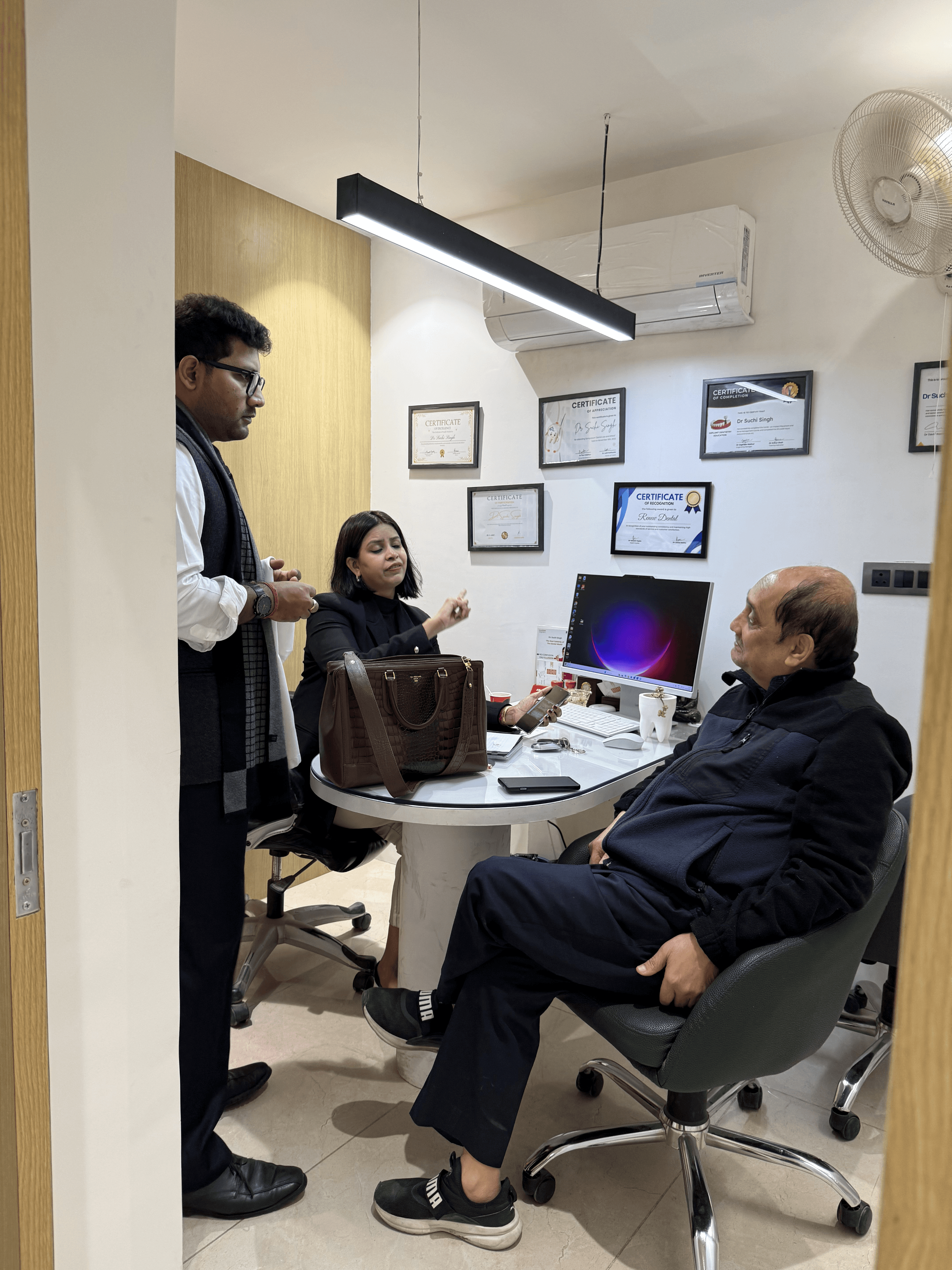


Best Dentist in Noida
Renew Dental Clinic located in Noida, Sector 47, is one of the leading dental clinics. Founded by Dr. Suchi Singh who is widely regarded as one of the best dentists in Noida, the clinic is committed to delivering personalised and high-quality dental care. Dr. Suchi Singh focuses on customised treatment plans designed around each patient’s unique needs, ensuring advanced, comfortable and reliable dental care at Renew Dental Clinic.

Your Trusted Dental Experts

Complete Dental Care

Friendly Dental Space

No Hidden Charges
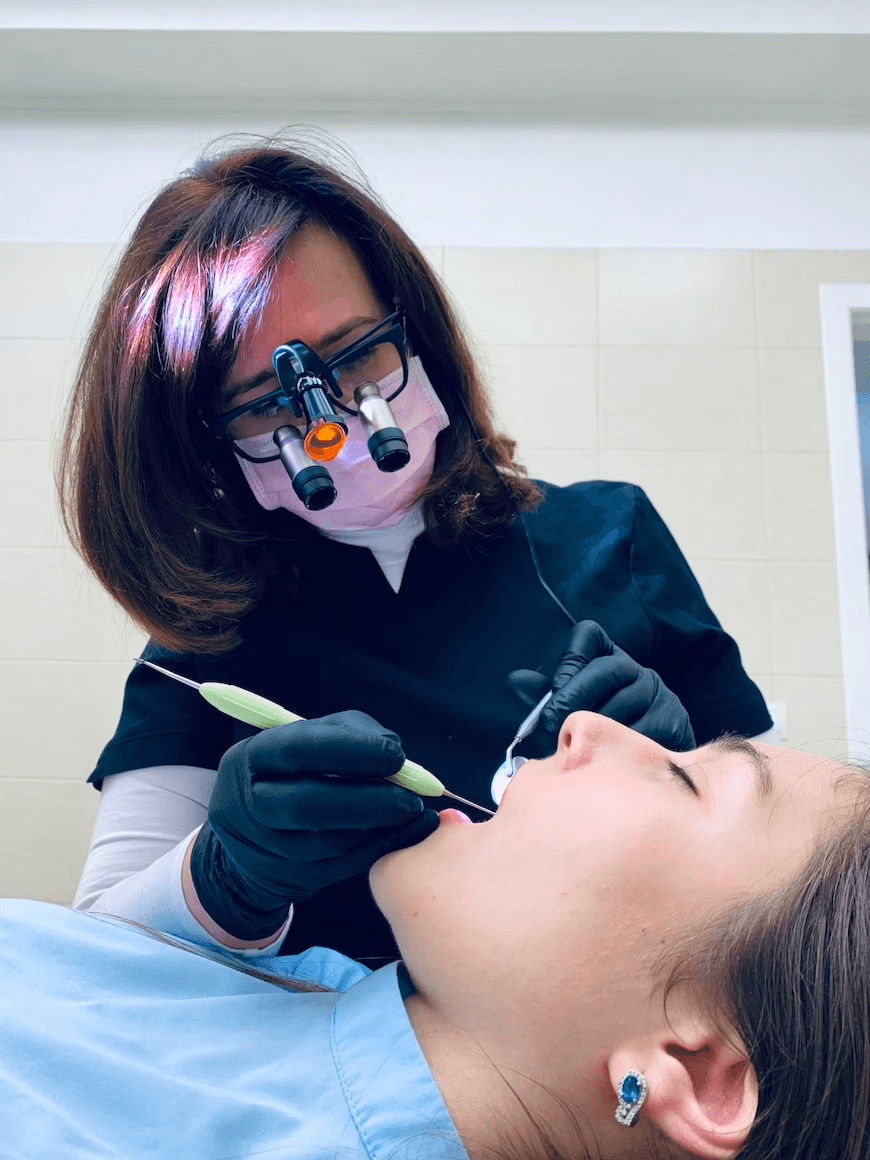
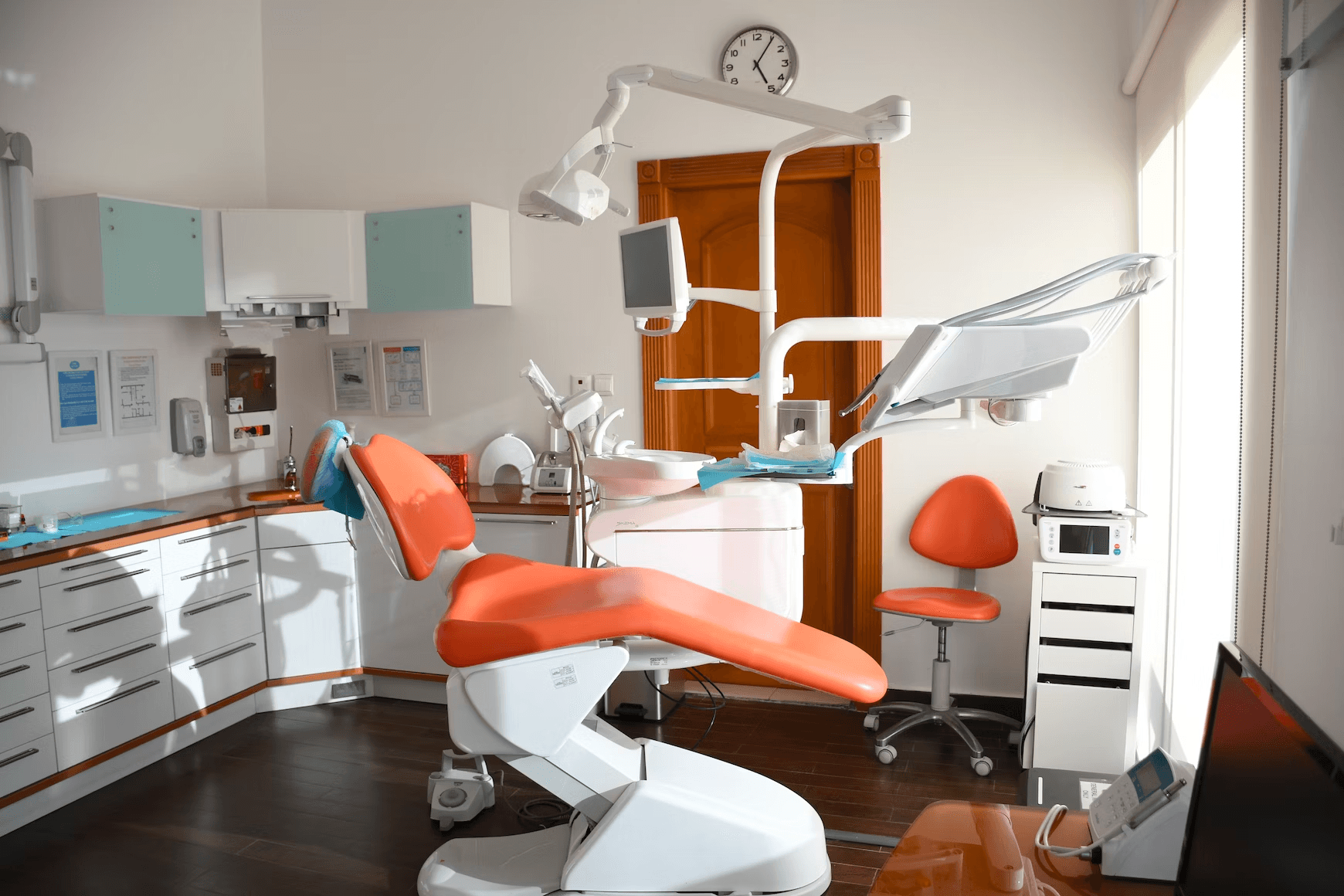

Two trusted dental clinics in Noida — Renew Dental (Sector 47) and Tooth & Truth (Sector 34) — for gentle, modern care.

Renew Orthopedic Clinic, A-321, Basement Floor, Next to Mother Dairy Store, Sector 47, Noida, Uttar Pradesh 201303
 +91 99710 35300
A-98/A, Block A, Sector 34, Noida, Uttar Pradesh 201307
+91 99710 45002© 2026. All rights reserved | Designed and Developed by Zarle Infotech