Alcohol-Free Mouthwash vs Regular — What's the Difference and Which Should You Use?
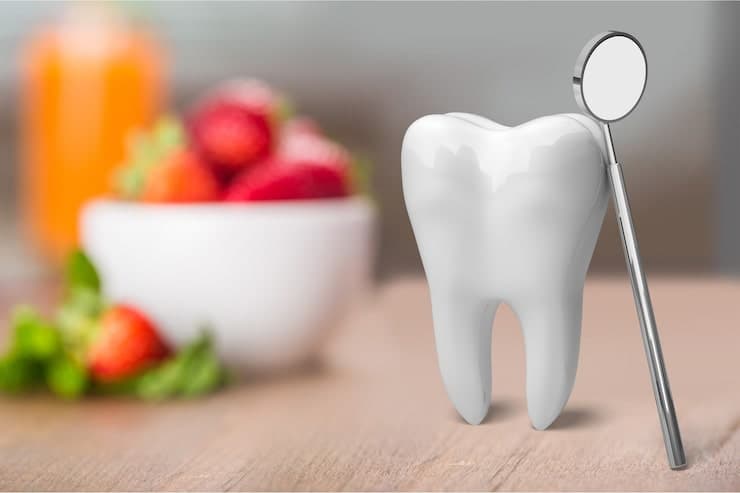
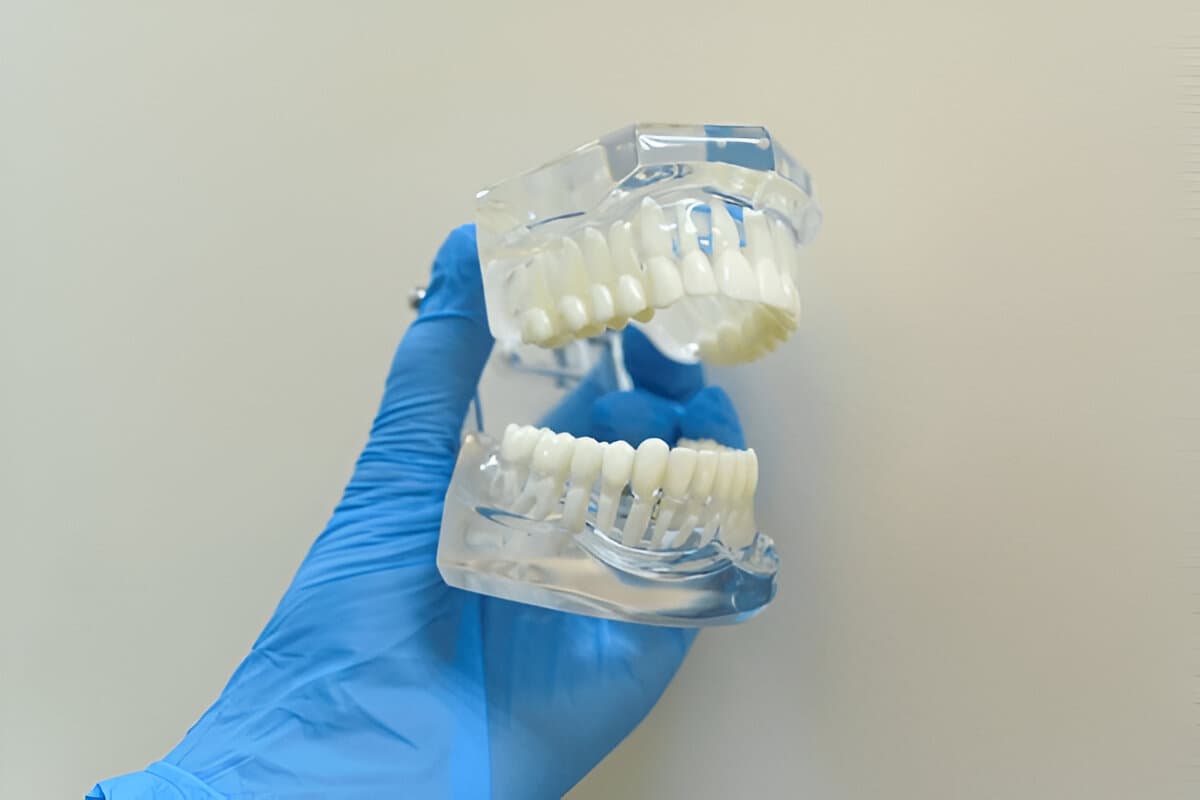
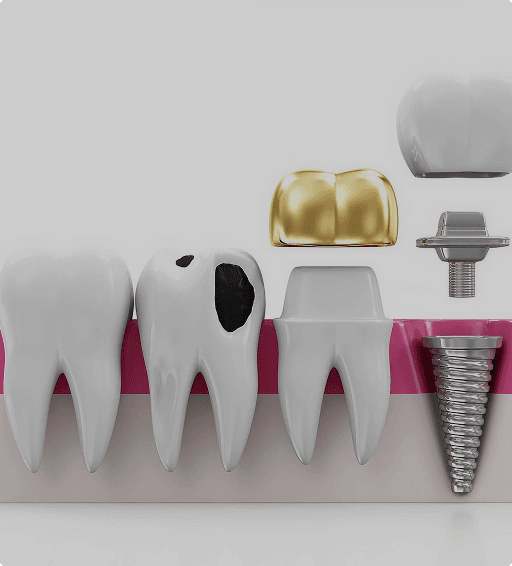
Anatomical model of a healthy tooth
Most people pick a mouthwash based on whether they like the flavour. That's understandable, but there are situations where the alcohol content matters more than the mint intensity — and situations where people are using mouthwash entirely wrong and getting no benefit from it at all.
Let's sort through it properly.
What Mouthwash Actually Does
First, what mouthwash is and isn't.
Mouthwash is an adjunct — it adds something to a hygiene routine, but it doesn't replace brushing or flossing. No mouthwash cleans plaque off teeth. Plaque is a biofilm that adheres to tooth surfaces and requires physical disruption — a toothbrush — to remove. Rinsing with liquid, however antibacterial, doesn't dislodge established plaque.
What mouthwash can do:
- Reduce the bacterial count in saliva temporarily
- Reach areas a toothbrush doesn't — the soft tissues, the tongue, the back of the throat
- Freshen breath (temporarily)
- Deliver fluoride to tooth surfaces (fluoride mouthwash)
- Reduce gum inflammation if the right antibacterial agent is used consistently
The most effective therapeutic mouthwash for gum disease is chlorhexidine — which works with or without alcohol. The function of alcohol in mouthwash is more limited than most people assume.
What Alcohol Does in Mouthwash
Alcohol (typically ethanol at 14 to 27% in commercial mouthwashes) was historically added for several reasons:
1. Preservation: Alcohol acts as a preservative, extending shelf life. Modern preservative alternatives have reduced this necessity.
2. Solubilising flavour oils: Menthol and other flavouring compounds are more soluble in alcohol than water, which is why alcoholic mouthwashes often feel more intensely flavoured.
3. Antibacterial effect: At concentrations above 20%, alcohol has antibacterial properties. Whether this adds meaningfully to the effect of other active ingredients in the mouthwash is less clear — the contact time during rinsing (30 to 60 seconds) is short enough that the primary antibacterial work is done by the other active agents, not the alcohol itself.
4. The "clean" burning sensation: This is effectively marketing translated into biology. The burning sensation isn't evidence that the mouthwash is working harder. It's just what ethanol feels like on mucosal tissue.
The Case Against Alcohol in Mouthwash
There are several legitimate reasons to choose alcohol-free mouthwash, and some of them apply to a significant portion of the population.
1. Dry Mouth
Alcohol is a desiccant — it dries out oral tissues. For patients with dry mouth (xerostomia), using an alcohol-containing mouthwash exacerbates the problem significantly. Dry mouth increases cavity risk, encourages oral thrush, and causes genuine discomfort. An alcohol-free formulation provides the antibacterial benefit without worsening what's already a problem.
This matters considerably in India, where dry mouth from medications is common, hydration is often suboptimal in the heat, and many patients already have reduced saliva flow.
2. Oral Ulcers and Mucosal Sensitivity
Alcohol stings on contact with any break in the oral mucosa. Patients with active mouth ulcers, post-surgical healing, or generally sensitive oral tissue find alcoholic mouthwash genuinely uncomfortable. Alcohol-free formulations can be used without this issue.
3. Children
Mouthwash containing alcohol should not be used by children — not because small amounts of rinsing are dangerous, but because the risk of accidental swallowing is a real consideration.
4. Patients Who Avoid Alcohol
For religious or personal reasons, some patients prefer alcohol-free products. This is a legitimate preference with commercially available alternatives that provide equivalent or better therapeutic benefit.
5. Possible Link to Oral Cancer (Debated)
Some research has raised questions about whether long-term regular use of high-alcohol mouthwash might be associated with increased oral cancer risk. The evidence is not conclusive and the associations observed were largely in the context of heavy alcohol use generally. Most dental organisations don't consider alcohol in mouthwash to be an established cancer risk. But for patients who use mouthwash multiple times daily long-term, choosing an alcohol-free alternative removes even the theoretical concern.
The Case For Keeping Alcohol — Or At Least Not Worrying About It
If you're a healthy adult who uses mouthwash once daily as part of a routine, don't have dry mouth, don't have ulcers, and like the product you're using — there's no compelling reason to change. Listerine and similar alcoholic mouthwashes have decades of clinical use and evidence for reducing plaque and gingivitis.
The concern about alcoholic mouthwash is primarily for people who have specific reasons to avoid it — not a general condemnation.
What the Active Ingredients Actually Matter
The debate about alcohol often distracts from the more important question: what other ingredients are in the mouthwash?
1. Chlorhexidine (0.12% to 0.2%): The most effective antibacterial mouthwash for treating and preventing gingivitis. Available with and without alcohol. Not for long-term daily use — it stains teeth brown with extended use and alters taste. Best used short-term (2 to 4 weeks) during active gum inflammation, as directed by a dentist.
2. Cetylpyridinium chloride (CPC): A quaternary ammonium compound with antibacterial properties. Less potent than chlorhexidine but suitable for ongoing daily use without staining. Found in many over-the-counter antibacterial mouthwashes.
3. Fluoride: Sodium fluoride in mouthwash provides an additional fluoride application after brushing, which helps strengthen enamel and prevent cavities. Particularly beneficial for patients at higher cavity risk. Should be used separately from brushing — not immediately after — to avoid washing away the fluoride from toothpaste.
4. Essential oil blends (menthol, thymol, eucalyptol): Found in Listerine and similar products. Multiple studies show these reduce plaque and gingivitis. The mechanism isn't fully understood but the clinical evidence is solid.
5. Benzydamine: An anti-inflammatory and local anaesthetic, typically used short-term for mouth ulcers and post-surgical discomfort. Not a general-purpose mouthwash ingredient.
How to Use Mouthwash Correctly
This is where most people go wrong.
1. Don't use mouthwash immediately after brushing. This washes away the fluoride from your toothpaste. Use mouthwash at a different time — after meals, before bed separately from brushing, or during the day.
2. Rinse for 30 to 60 seconds. Less than this doesn't give the active ingredients adequate contact time. More doesn't add meaningful benefit.
3. Don't eat or drink for 30 minutes after using a fluoride mouthwash. This allows the fluoride to remain in contact with the enamel.
4. Don't rely on mouthwash as a substitute for brushing. This cannot be said enough. Mouthwash is an addition, not a replacement.
Which Mouthwash for Which Situation
1. Active gum disease / gum bleeding: Chlorhexidine 0.2% mouthwash for 2 to 4 weeks, as directed by your dentist. Rinse twice daily. Accept the temporary staining.
2. General maintenance / freshening: Alcohol-free CPC-based mouthwash once daily. Use after meals, not immediately after brushing.
4. Cavity prevention: Fluoride mouthwash used at a separate time from brushing (e.g., after lunch). 0.05% sodium fluoride for daily use.
5. Dry mouth: Alcohol-free only. Some products are specifically formulated for dry mouth patients and contain salivary proteins or betaine as moisturising agents.
6. Mouth ulcers: Alcohol-free chlorhexidine or benzydamine-based mouthwash, short-term.
7. Children (age 6 and above when spitting reliably): Fluoride mouthwash, alcohol-free, at age-appropriate concentration.
A Note on Mouthwash in India
The Indian market has a wide range of mouthwash options, with chlorhexidine-based products particularly widely available given their use in post-dental procedure recovery. Many patients use chlorhexidine mouthwash daily without realising it's intended for short-term therapeutic use, not permanent daily routine. If you're using a prescription mouthwash regularly without dental guidance, it's worth checking in with Renew Dental Clinic on whether your current product is appropriate for your situation.
For any questions about your oral care routine, call (0120) 498-8333.
Renew Dental Clinic, Sector 47, Noida. Monday–Saturday 10:30 AM – 8:00 PM | Sunday 11:00 AM – 2:30 PM.