By Renew Dental ClinicPublished on

A woman surrounded by oral hygiene tools like a toothbrush, dental floss, and tongue scraper, representing complete dental care habits.
Most people brush their teeth every day. Yet many still develop cavities, gum problems, and bad breath. The reason is simple: brushing alone is not enough.
Oral hygiene is a complete routine. It involves how you clean your teeth, what you eat, and how often you visit a dentist. When done correctly, it protects not just your smile but your overall health.
This guide explains the science behind good oral hygiene and gives you practical steps you can follow every day.
The mouth is the entry point to your body. Poor oral health does not stay limited to the teeth and gums. Research has linked it to serious conditions elsewhere in the body.
Here is what poor oral hygiene can lead to:
Your mouth hosts over 700 species of bacteria. Most are harmless. But without proper cleaning, harmful bacteria multiply rapidly and cause damage.
Brushing removes plaque, the sticky film of bacteria that forms on your teeth. Done incorrectly, it leaves plaque behind and can even damage the enamel.
Follow these guidelines for effective brushing:
Brush twice daily: once in the morning and once before bed. Brushing before bed is especially important. Saliva production drops during sleep, making teeth more vulnerable to acid attack.
Replace your toothbrush or brush head every three months. Worn bristles clean poorly.
A toothbrush cleans only about 60% of the tooth surface. The spaces between teeth and beneath the gum line are left untouched. This is where flossing becomes essential.
Proper flossing technique:
Floss at least once daily. If traditional floss is difficult to use, interdental brushes or water flossers are good alternatives.
Mouthwash can reach areas that brushing and flossing miss. It helps reduce bacteria, freshen breath, and in some formulations, strengthen enamel.
Choose the right mouthwash for your needs:
Swish for 30 seconds. Do not rinse your mouth with water immediately after, as this dilutes the active ingredients.
Mouthwash does not replace brushing or flossing. Think of it as the finishing step in your routine.
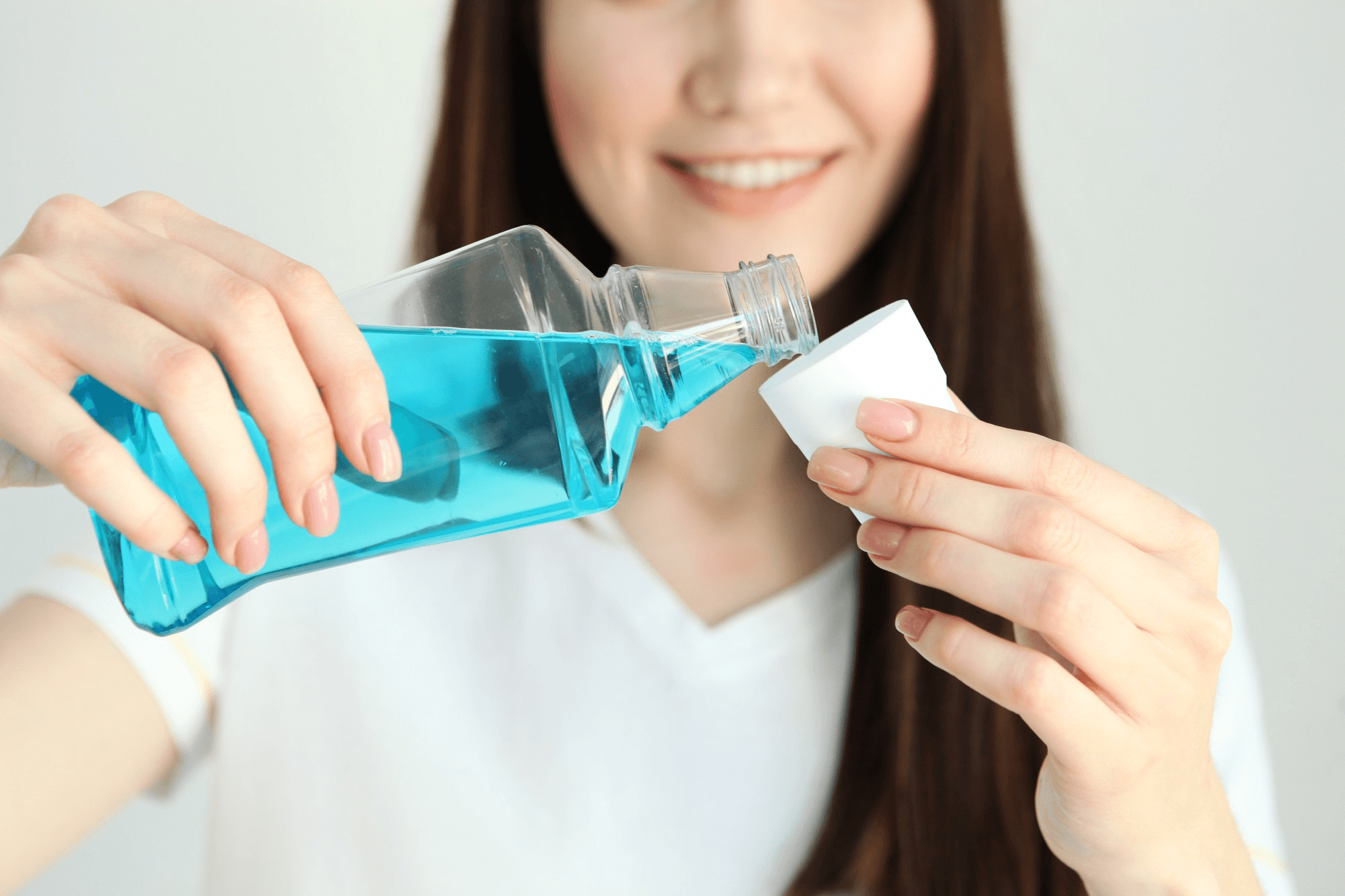
A woman pouring mouthwash into a cup as part of her daily oral hygiene and dental care routine.
Every time you eat sugary or starchy food, the bacteria in your mouth produce acids. These acids attack the enamel for up to 30 minutes after eating.
Foods that harm your teeth:
Foods that protect your teeth:
Limit snacking. Each time you eat, you restart the acid attack. Fewer eating occasions mean fewer acid attacks.
Even people who are careful with their dental routine make mistakes that reduce the effectiveness of their efforts.
Acid from food temporarily softens enamel. Brushing right after can cause enamel erosion. Wait at least 30 minutes.
A pea-sized amount is sufficient. More foam does not mean better cleaning.
Most plaque accumulates at the base of the teeth, not the chewing surfaces.
Many problems have no symptoms until they become serious. Regular check-ups catch them early.
This transfers bacteria between people, including those that cause cavities.
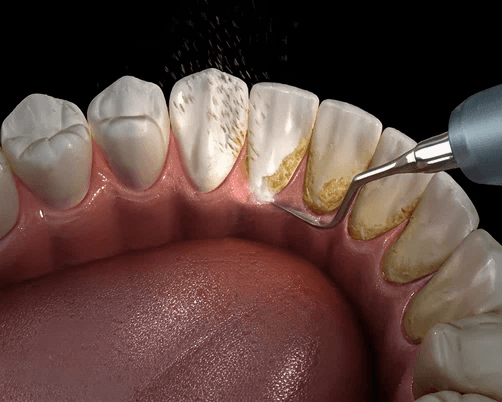
Professional dental care is a crucial part of oral hygiene. Home care is effective, but it cannot remove hardened tartar. Only a dentist or hygienist can do that.
General recommendations:
During a professional cleaning, the dentist removes tartar, polishes the teeth, and checks for signs of decay, gum disease, oral cancer, and other conditions. Early detection saves both teeth and costs.
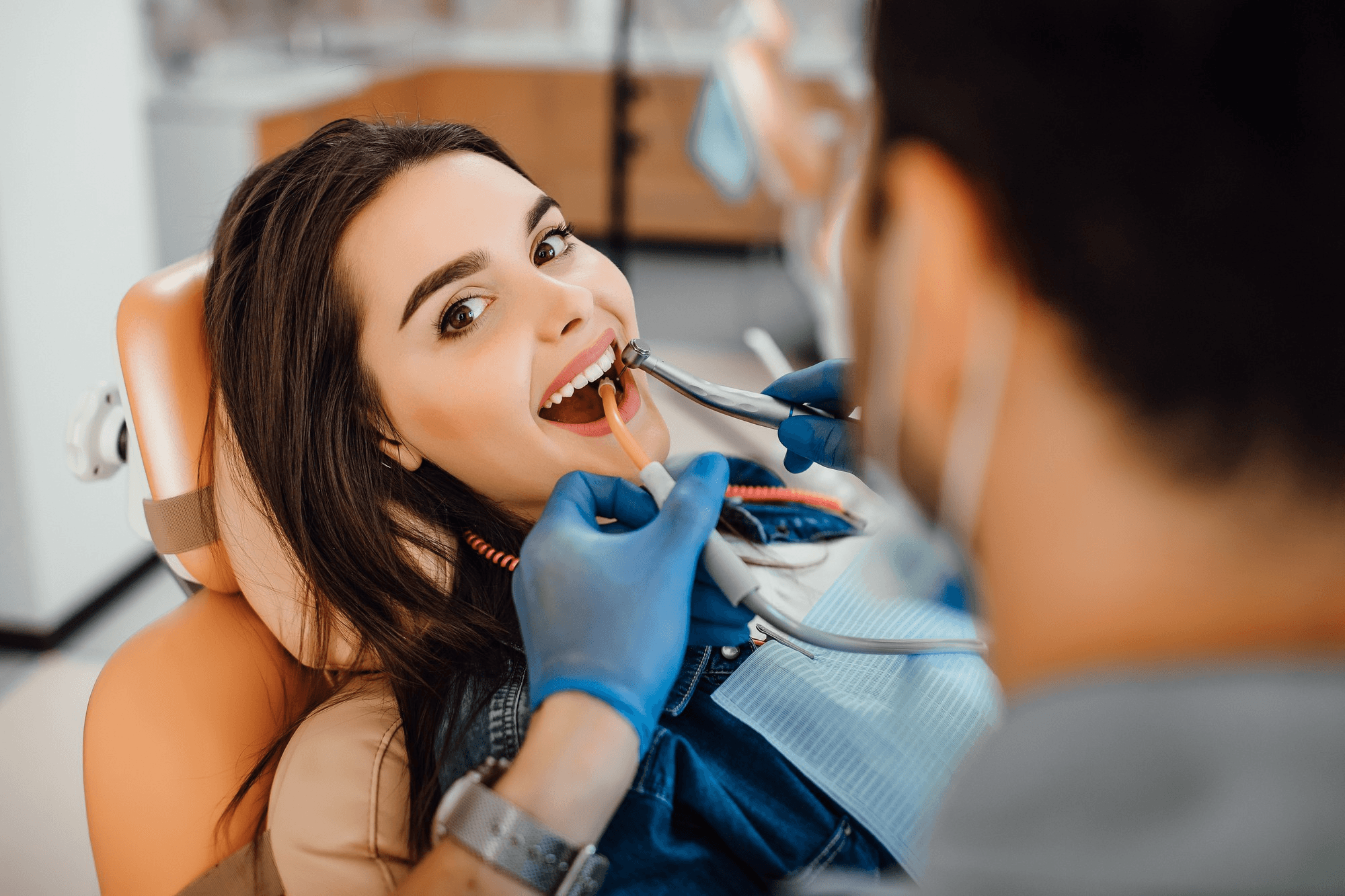
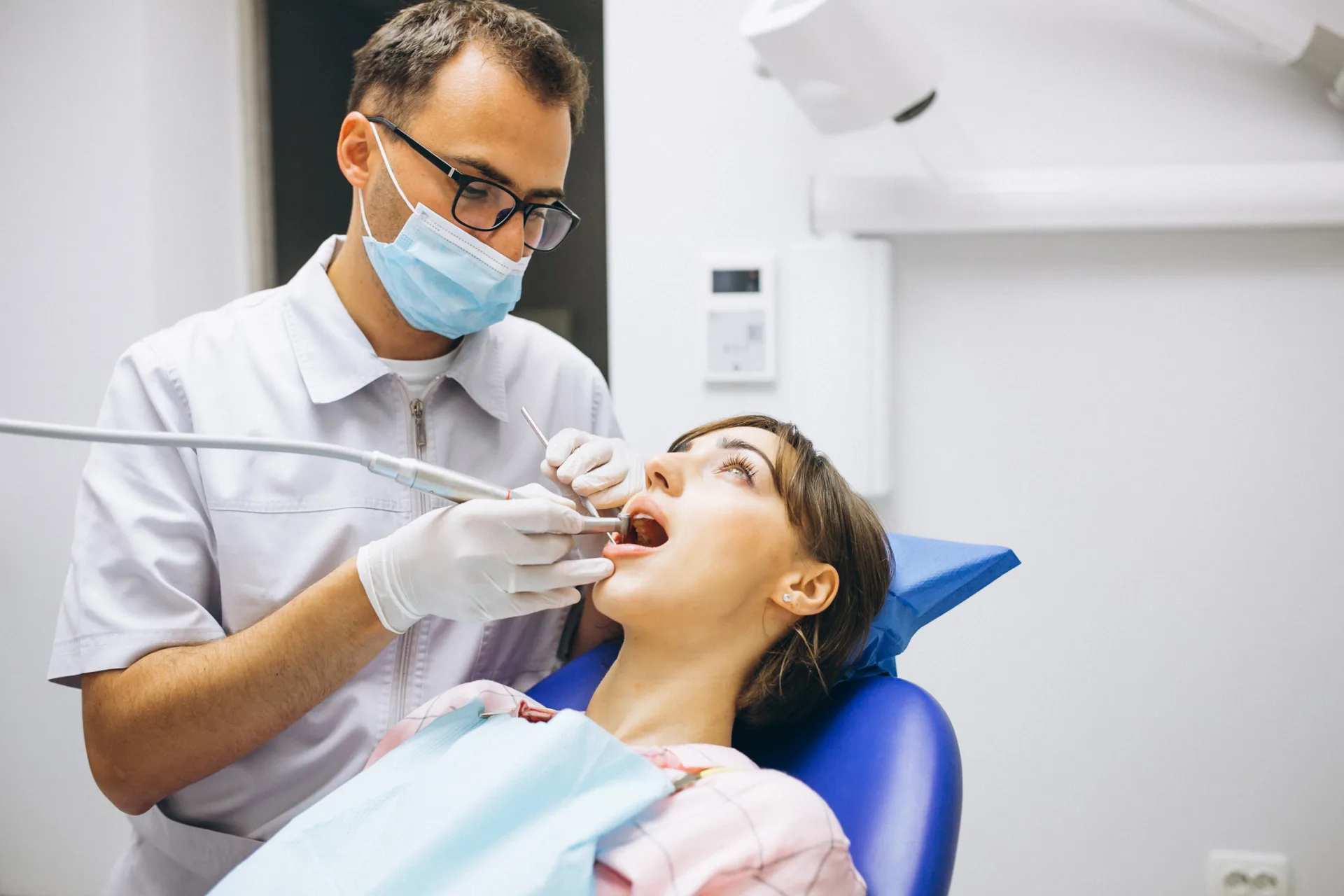
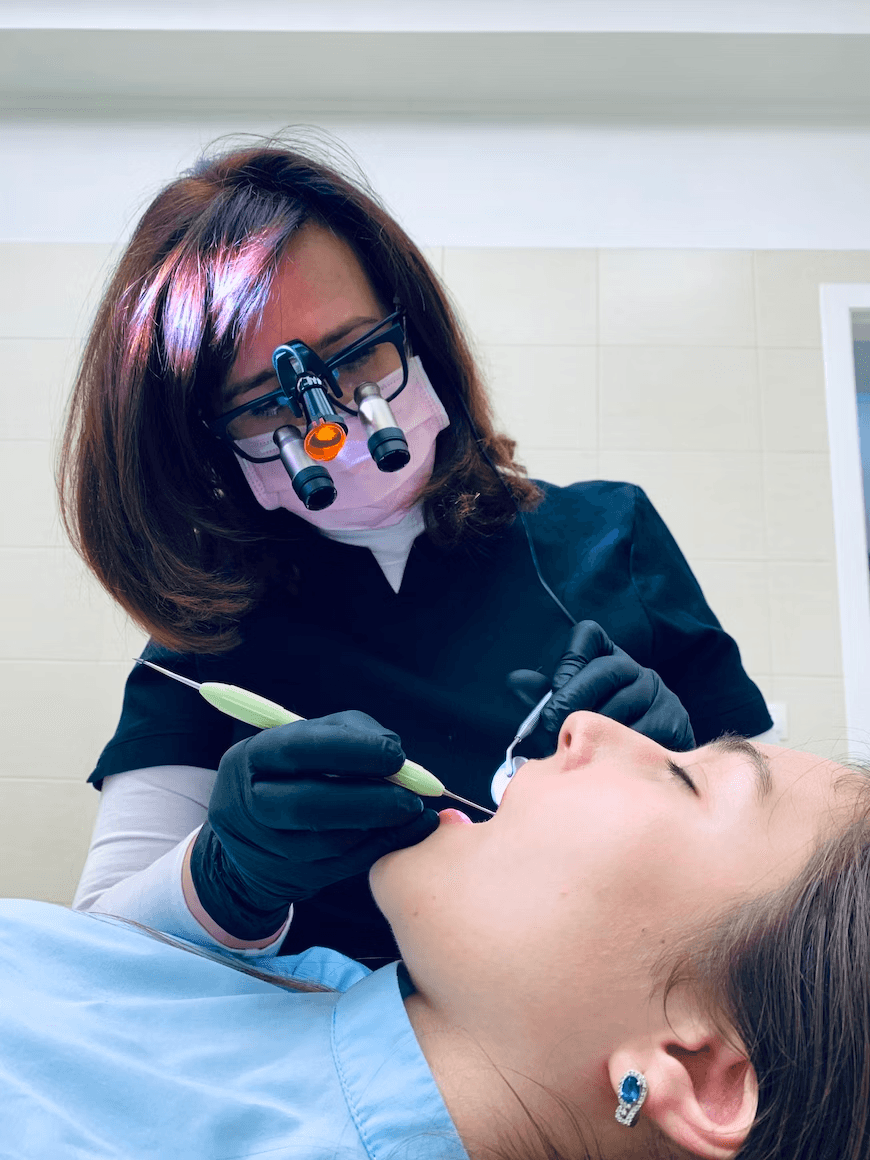
A woman visiting a dentist for a routine dental checkup and oral health examination.
Watch out for these warning signs. They indicate that your current routine may not be sufficient:
None of these symptoms should be ignored. They often indicate an underlying condition that requires professional attention.
Ready to Take Your Oral Health Seriously? Book an appointment at Renew Dental Clinic, Noida.
Call us or visit www.renewdental.in
Dr. Suchi Singh and our team are here to help you smile with confidence.
Brush for two full minutes, twice a day. Using a timer or an electric toothbrush with a built-in timer helps you stay consistent.
Electric toothbrushes are more effective at removing plaque, particularly for people who find manual brushing difficult. However, a manual toothbrush used with the correct technique is also effective.
Yes. Research has established a connection between gum disease and cardiovascular disease. The bacteria associated with gum inflammation can enter the bloodstream and contribute to arterial inflammation.
Bleeding gums during flossing are usually a sign of gingivitis, the early stage of gum disease. With regular flossing, the bleeding typically reduces within two weeks. If it continues, consult a dentist.
Lick the inside of your wrist, let it dry, then smell it. Alternatively, ask your dentist. Persistent bad breath that does not improve with brushing is usually a sign of gum disease or another underlying condition.
Most whitening toothpastes are safe for daily use. However, those with abrasive particles can wear down enamel over time. Consult your dentist before starting any whitening product.
 Copy
Copy
Learn whether root canal treatment is painful, how the procedure works, and what to expect before, during, and after treatment.
11 May 2026
by Renew Dental Clinic

Learn about the most common dental problems that beset seniors, including gum disease, dry mouth,...
18 Nov 2025
by Renew Dental Clinic

Discover how diseases of the gums and poor oral hygiene accelerate heart ailments. Explore the...
18 Nov 2025
by Renew Dental Clinic
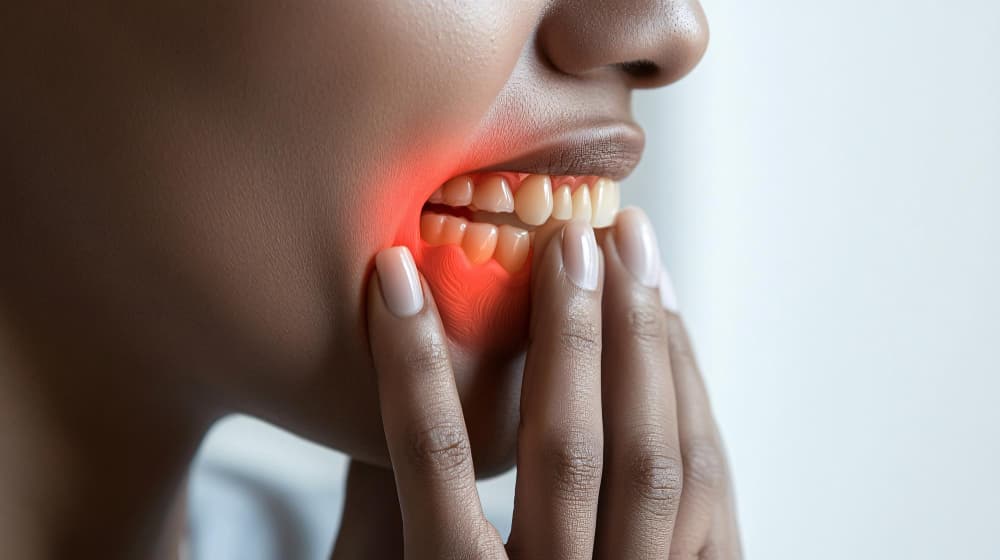
Gum disease starts silently — often years before it causes pain or visible damage. This...
13 Aug 2026
by Renew Dental Clinic

Having your first dental cleaning? Want to know what to expect during the appointment step-by-step,...
03 Oct 2025
by Renew Dental Clinic
From baking soda to oil pulling to turmeric — this guide cuts through the noise...
14 Sept 2026
by Renew Dental Clinic

Did your antibiotics cause mouth ulcers or sores? This guide explains why it happens, which...
21 May 2026
by Renew Dental Clinic
Diabetes worsens gum disease. Gum disease makes diabetes harder to control. This guide explains both...
24 Aug 2026
by Renew Dental Clinic
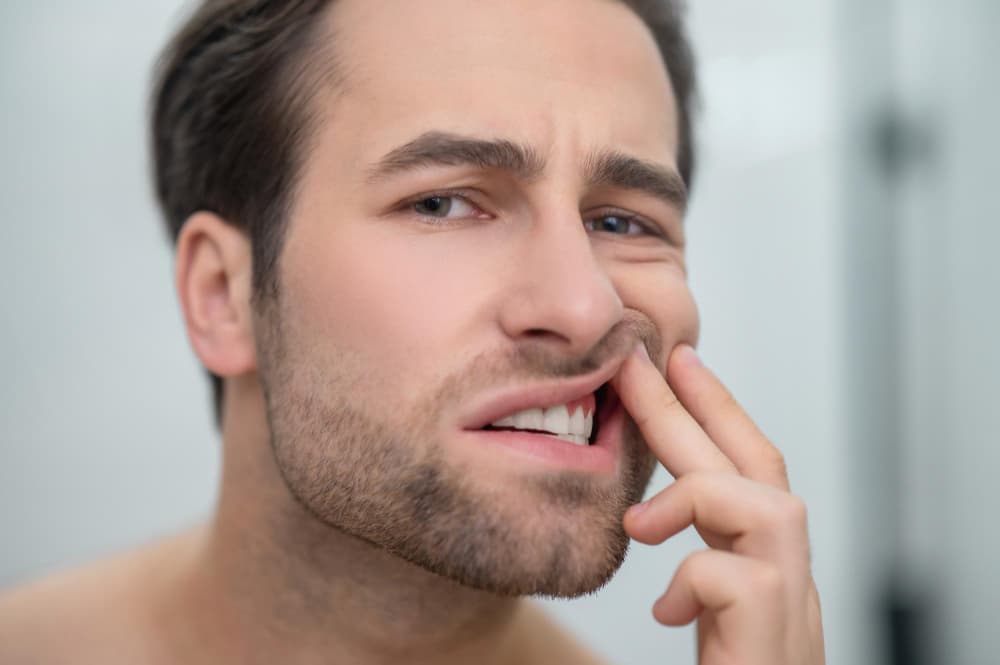
Tooth erosion from acid is different from cavities — and it's permanent. This guide identifies...
21 Jul 2026
by Renew Dental Clinic
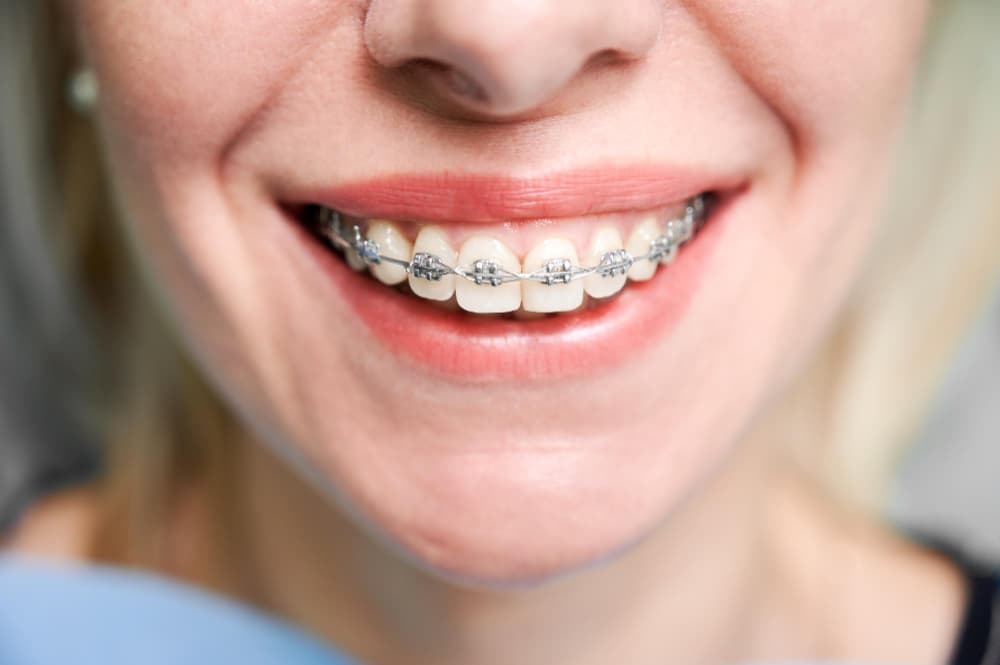
Braces make cleaning between teeth harder — and more important. This guide covers every method...
26 Aug 2026
by Renew Dental Clinic
Planning to get braces in Noida? This complete guide explains how braces work, the different...
18 May 2026
by Renew Dental Clinic
A gap between your front teeth has multiple treatment options in Noida — and which...
20 Sept 2026
by Renew Dental Clinic

Dilemma between dental implants and bridges? Weigh the cost, longevity, procedure, and advantages to determine which tooth replacement method is superior.
03 Oct 2025
by Renew Dental Clinic
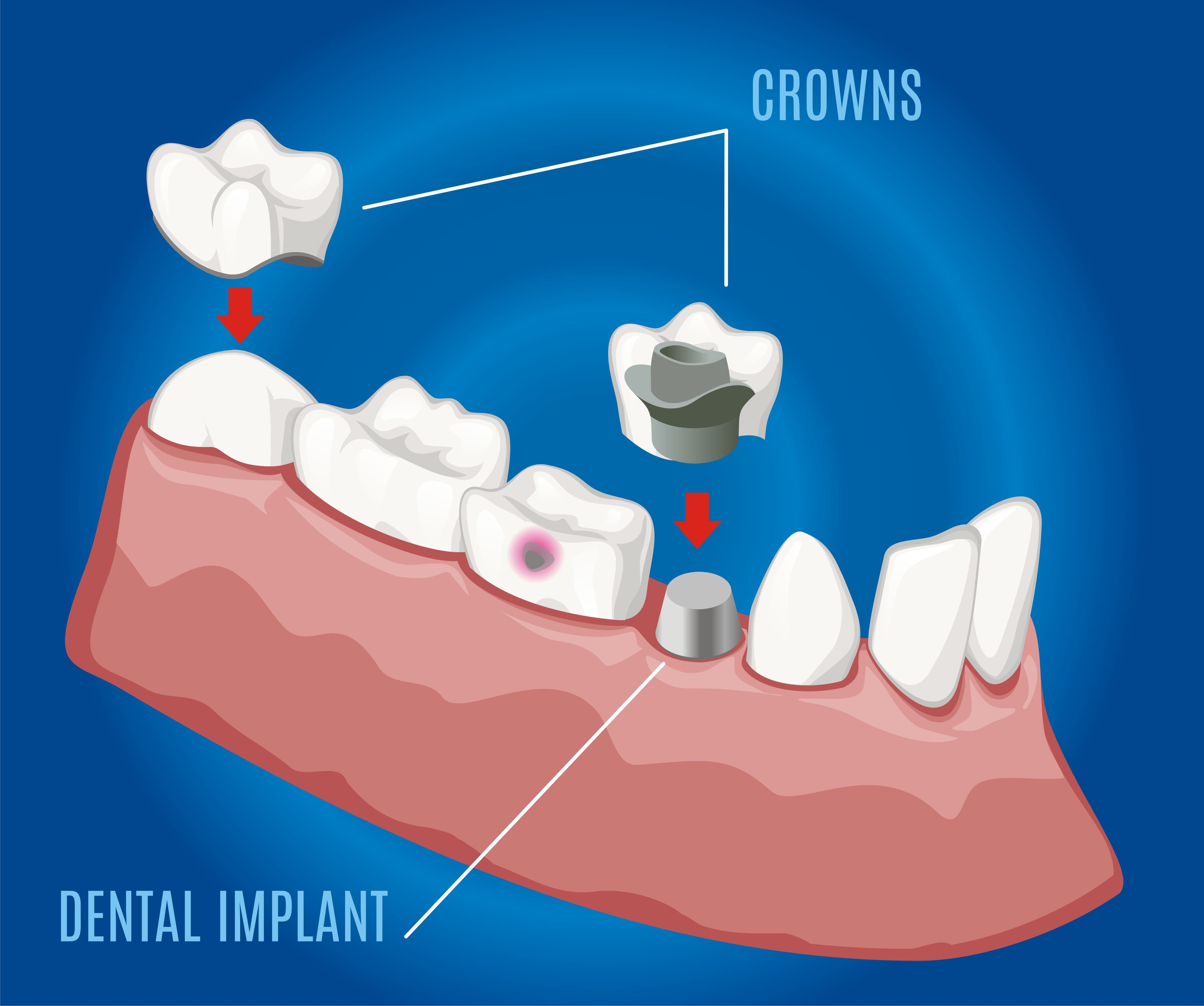
Been told you need a bone graft before an implant? This guide explains what dental...
26 Jun 2026
by Renew Dental Clinic
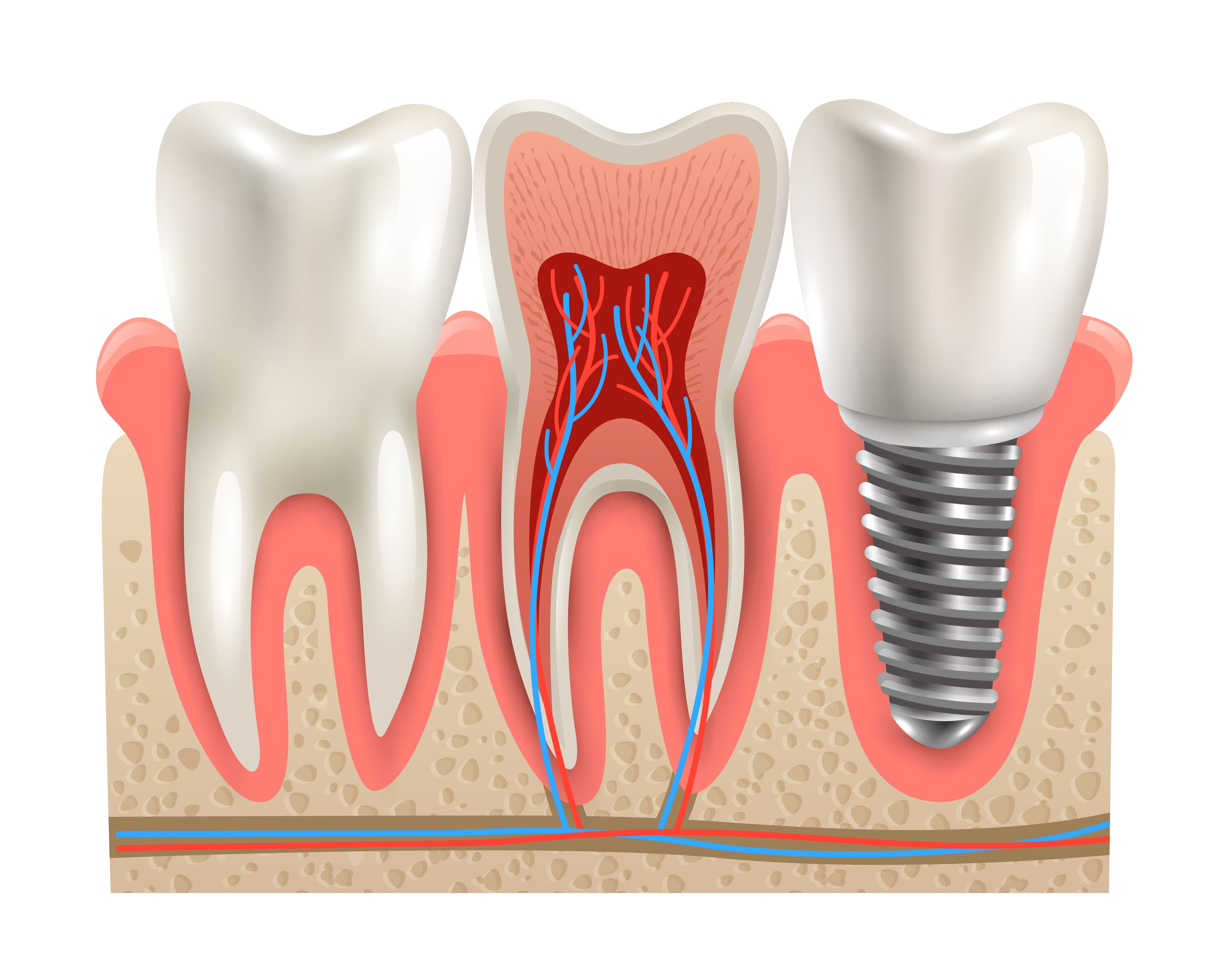
Considering dental implants in Delhi NCR? This first-timer's guide covers everything — how implants work,...
03 Jun 2026
by Renew Dental Clinic
Explore More
Discover how thousands of patients trust Renew Dental Clinic with their smiles.
Best dental treatment in noida
I have never been one to like going to the dentist because of past bad experiences but Dr Suchi and her team extremely change my attitude towards dentist.
I visited Renew Orthopedic Clinic for my wisdom tooth extraction. It was totally comfortable and painless. Thanks Dr. Suchi maam and entire staff for treating me so well.
Exellant work doneby Dr suchi in a phase manner. Strongly Recommend others to consult for the genuine and reasonable treatment
Exceptional service and care at Renew Dental clinic. From the warm reception to the skilled dental professionals, every aspect exceeded my expectations. The clinic's modern facilities and attention to patient comfort make it a top choice for anyone seeking dental care in noida.
I am in touch with Dr.Suchi as a patient from last 8 years during this period i have gone through number of times dental treatment eg Root Canal , Implant etc. I am fully satisfied with the work of Dr.Suchi Singh she is excellent.
मैं और मेरे परिवार के सभी सदस्य दंत चिकित्सा के लिए जाते रहते हैं।
Great dental care provided by Dr. Suchi Singh and Dr. Chandrava Ganguli. They are knowledgeable, gentle, and attentive to patients' needs. The clinic staff is courteous and helpful, making the entire experience smooth and pleasant. Highly recommended! 🦷✨ Caring, Supportive Staff, Recommended
I am very happy with my treatment. It was 8-9 months long process and not for once I felt any difficulty in terms of service and hospitality.
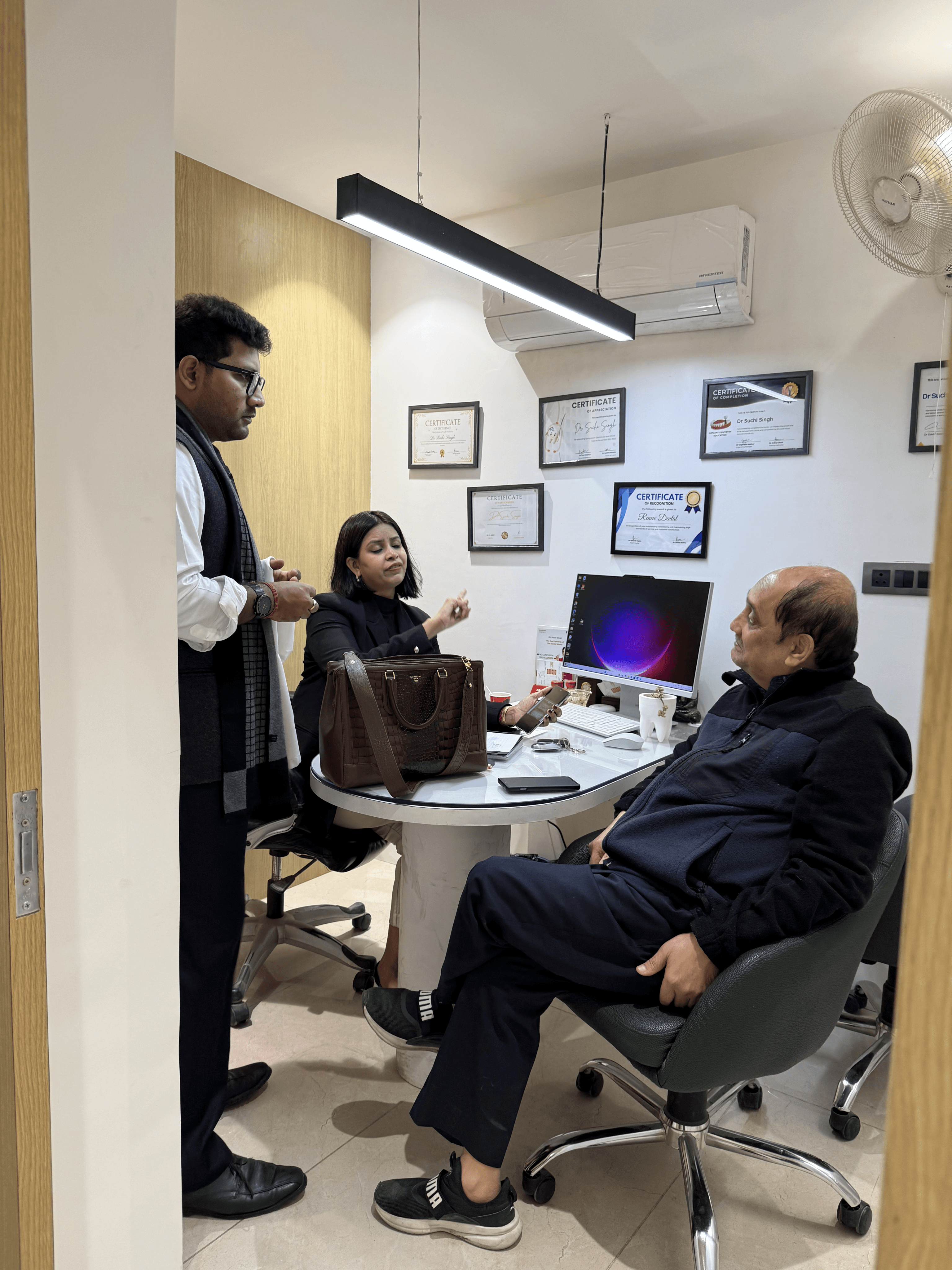
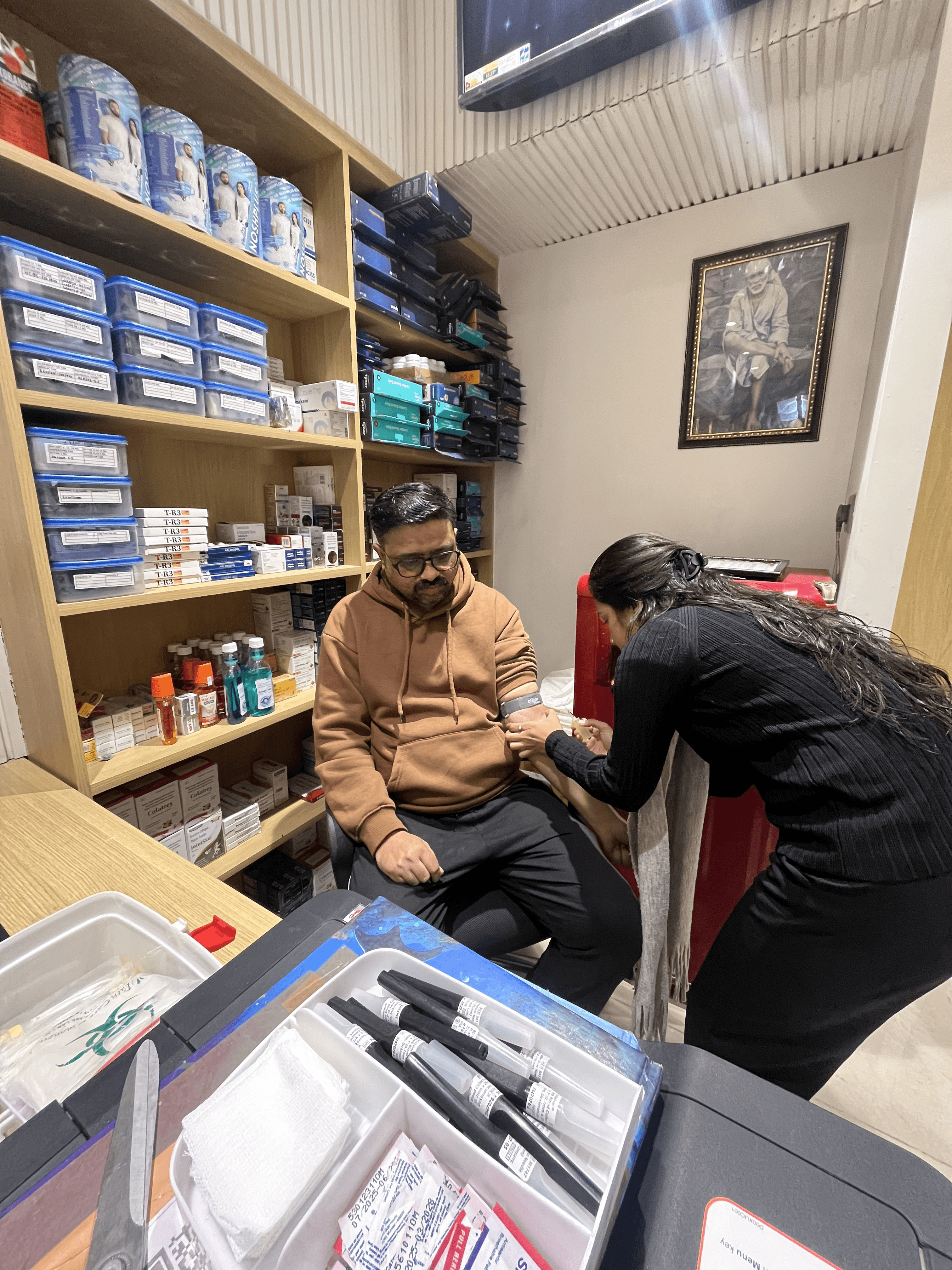
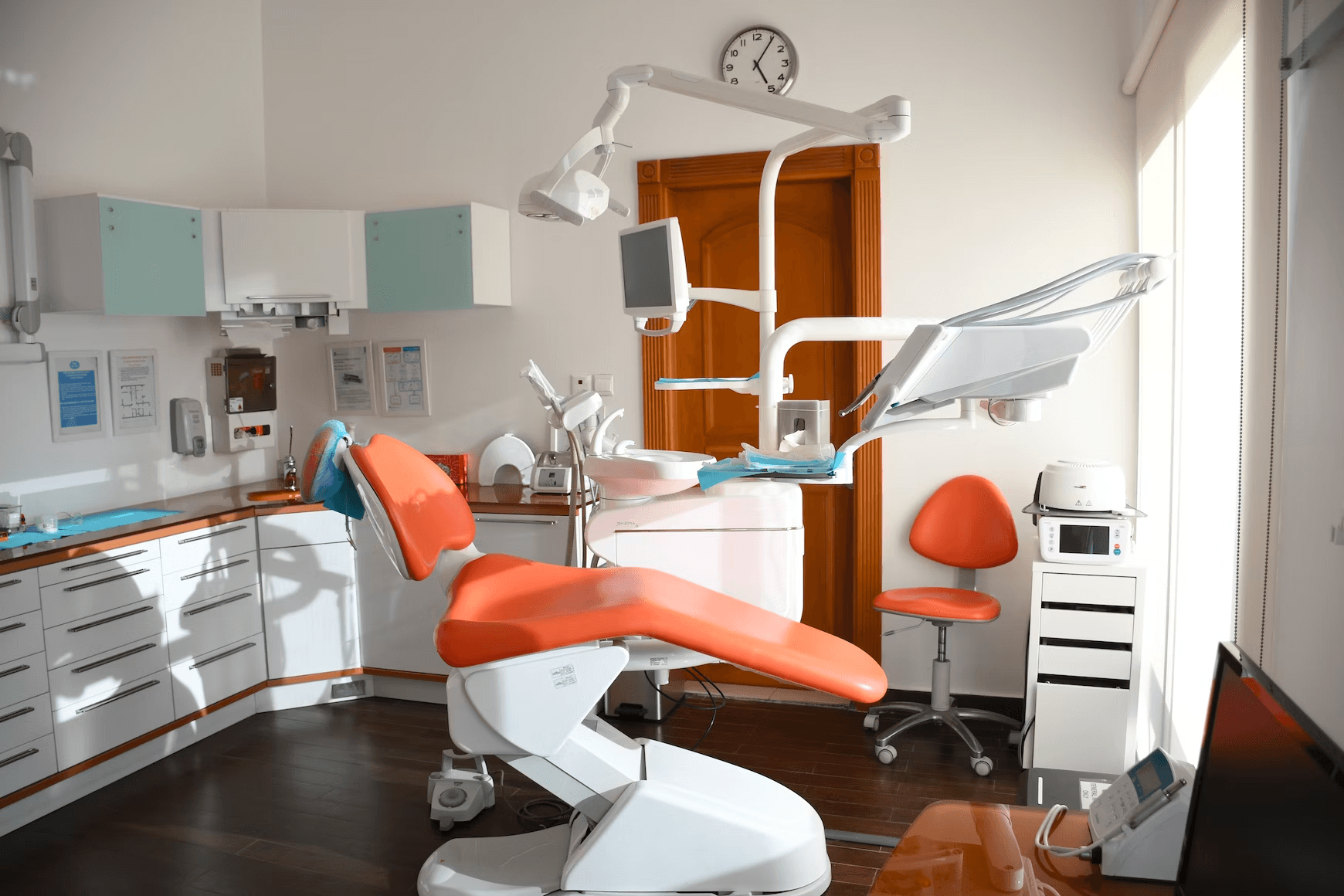
A glimpse into our modern dental clinic, advanced technology, and patient-friendly environment at Renew Dental.
Explore our thoughtfully designed clinic spaces built to provide comfort, cleanliness, and a calming experience for patients of all ages.



Best Dentist in Noida
Renew Dental Clinic located in Noida, Sector 47, is one of the leading dental clinics. Founded by Dr. Suchi Singh who is widely regarded as one of the best dentists in Noida, the clinic is committed to delivering personalised and high-quality dental care. Dr. Suchi Singh focuses on customised treatment plans designed around each patient’s unique needs, ensuring advanced, comfortable and reliable dental care at Renew Dental Clinic.

Your Trusted Dental Experts

Complete Dental Care

Friendly Dental Space

No Hidden Charges
Two trusted dental clinics in Noida — Renew Dental (Sector 47) and Tooth & Truth (Sector 34) — for gentle, modern care.

Renew Orthopedic Clinic, A-321, Basement Floor, Next to Mother Dairy Store, Sector 47, Noida, Uttar Pradesh 201303
 +91 99710 35300
A-98/A, Block A, Sector 34, Noida, Uttar Pradesh 201307
+91 99710 45002© 2026. All rights reserved | Designed and Developed by Zarle Infotech