Everything You Should Know about Dental Veneers

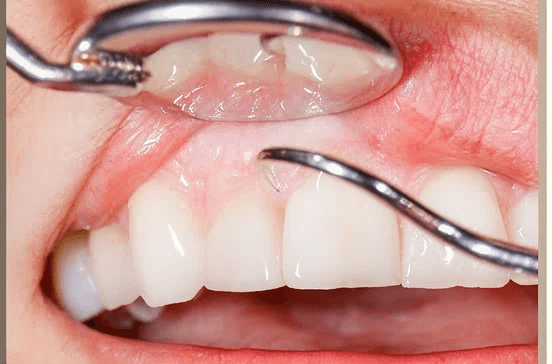
Dental veneers are thin, custom-made shells designed to cover the front surface of teeth for a flawless smile.
A bright smile can have a tremendous impact on self-esteem and leave a lasting impression. Dental veneers are no longer a new cosmetic procedure for those who desire to improve the appearance of their teeth. Thin, personalized shells crafted to fit over the front of teeth, addressing numerous imperfections such as stains, chips, and crookedness, have become a standard treatment among adults, as they can create a natural, long-lasting smile makeover.
Here, in this tutorial, we will be watching the different types of dental veneers, how they are done, their benefits and drawbacks, and some tips on how to take care of them so that they can be long-lasting.
What Are Dental Veneers?
Dental veneers are thin, individually molded shells that are bonded to the front of your teeth to disguise imperfections. They are typically made from two primary materials:
- Porcelain Veneers: They are durable and natural, and they do not stain and can last 10 to 15 years if properly cared for.
- Composite Resin Veneers: They are less expensive and can be completed in one day, but they are not too durable and need to be replaced every 5 to 7 years.
The choice between porcelain veneers and composite veneers is dependent on individual needs, cost, and goals.
Types of Dental Veneers
Porcelain Veneers
- Strength: Porcelain veneers are highly resistant to stains and very strong, and are a long-term smile solution.
- Aesthetics: They maintain the natural translucency of teeth, making them look very natural.
- Customization: Porcelain veneers are made to closely resemble the shape, color, and size of your original teeth.
Composite Resin Veneers
- Cost-Effective: Composite veneers are more affordable than porcelain.
- Fast Application: They can be applied in a single visit to the dentist, which makes it a quick procedure.
- Repairable: Composite veneers that are damaged are repairable rather than replaced.
Temporary and Alternative Veneers
Temporary veneers are also used as a method of covering teeth until preparation for permanent ones. Others, like no-prep veneers, are also done with little to no reduction of enamel, preserving more of the tooth structure.

Veneers are commonly made from porcelain or composite resin for natural-looking results.
Who Should Look into Dental Veneers?
Dental veneers are suitable for individuals who wish to improve cosmetic dental flaws, such as:
- Discolored Teeth: Stain-resistant teeth that cannot be lightened.
- Chipped or Worn Teeth: Minor damages that make the smile less appealing.
- Misalignment: Very slightly crooked or irregular.
- Gaps Between Teeth: Spaces that may make an individual self-conscious.
There should be healthy gums and sufficient tooth enamel to hold veneers. A dental professional consultation is needed to determine candidacy.
The Dental Veneer Procedure Step by Step
Initial Consultation
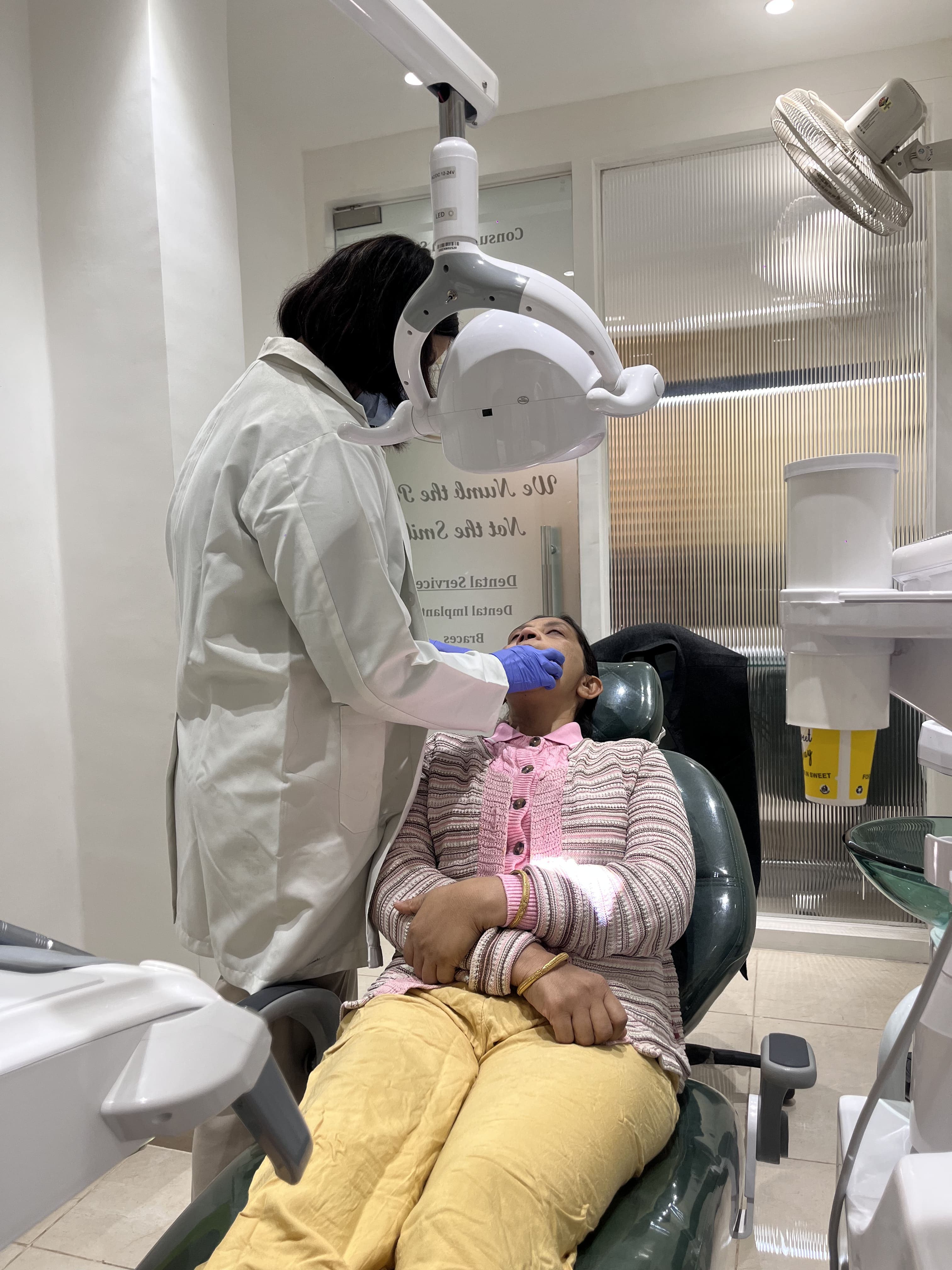
It begins with an extensive dental examination, including X-rays, to analyze the oral condition and suitability for veneers. The dentist will establish aesthetic requirements and expectations.
Teeth Preparation
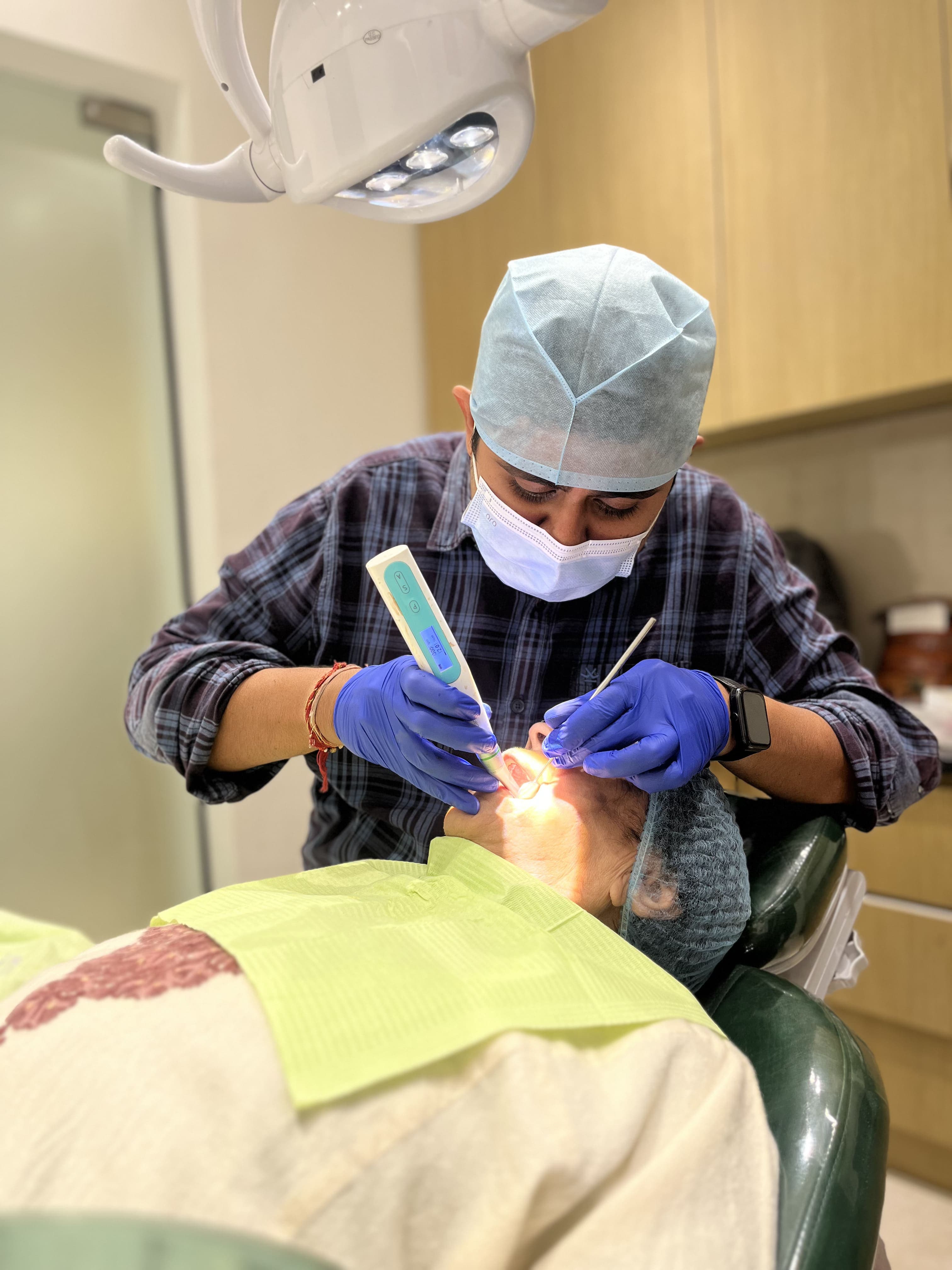
The tooth enamel is very slightly reshaped to allow veneer adaptation. A local anesthetic might be required for this process to render it tolerable.
Impressions and Shade Selection
Intracrystalline impressions of the prepared teeth are taken to create individual veneers. The dentist also selects the shade of the natural tooth.
Temporary Veneers
Temporary veneers are temporarily fitted during the fabrication of permanent veneers to cover and support the teeth esthetically.
Bonding the Veneers
Permanent veneers are cemented over the teeth when fabricated using a strong cement. Adjustments of fitting and appearance are completed.
Follow-Up
The follow-up appointment confirms that the veneers are working fine and the gums are healing fine.
Advantages of Dental Veneers
- Better Look: Veneers provide a uniform, white smile, enhancing self-confidence.
- Less Shaping of Teeth: Veneers require less shaping of tooth enamel compared to crowns.
- Stain Resistant: Porcelain veneers are resistant to stains from food and drinks.
- Long Term: Veneers are suitable for a few years with proper maintenance.

Dental veneers can instantly boost confidence by transforming a person’s smile.
Risks and Considerations
- Tooth Sensitivity: Sensitivity may be more after the procedure.
- Irreversibility: Loss of enamel is irreversible.
- Cost: Veneers are expensive, and insurance does not cover them.
- Maintenance: Proper oral hygiene can prevent complications.
Caring for Your Dental Veneers
- Oral Hygiene: Brush and floss the oral cavity properly.
- Avoid Hard Foods: Steer clear of hard or sticky food items that may damage veneers.
- Regular Dental Check-Ups: Attend regular check-ups to examine the condition of the veneers.
- Protective Measures: Use a mouthguard in case you grind your teeth while sleeping.
Conclusion
Dental veneers are a smile makeover solution for individuals seeking to enhance their smile. Cosmetic dentistry advances have provided patients with long-term, naturally colored options that potentially repair most dental imperfections. A consultation with a competent dental professional is necessary to determine the best approach for personal needs. Dental veneers may be the solution to a beautiful, self-assured smile.
Frequently Asked Questions
1. What are dental veneers, and how can they enhance your smile?
Dental veneers are fragile layers that are cemented on the front surface of teeth to restore imperfections such as cracks, discoloration, or gaps, giving a natural and gorgeous smile.
2. How are porcelain and composite veneers different?
Porcelain veneers are more durable, stain-resistant, and have a natural look, while composite veneers are faster and cheaper for minor cosmetic fixes.
3. Are veneers for everybody?
Veneers are ideal for patients who have cosmetic dental issues like chipped or stained teeth, but not if there is extensive decay, gum disease, or weakened tooth structure.
4. How long do veneers last?
With proper treatment, porcelain veneers survive 10–15 years, and composite veneers typically survive approximately 5–7 years before needing repair or replacement.
5. Is the process of getting the dental veneer painful or uncomfortable?
It is not a painful process, even though some patients may be a little sensitive or uncomfortable, and this usually subsides after treatment.
6. How do I take care of my veneers to make them last longer?
Dental care, regular trips to the dentist, avoiding hard food, and gentle toothpaste are all routine habits for the longevity of your veneers and smile.