How Long Do Dental Crowns Last?

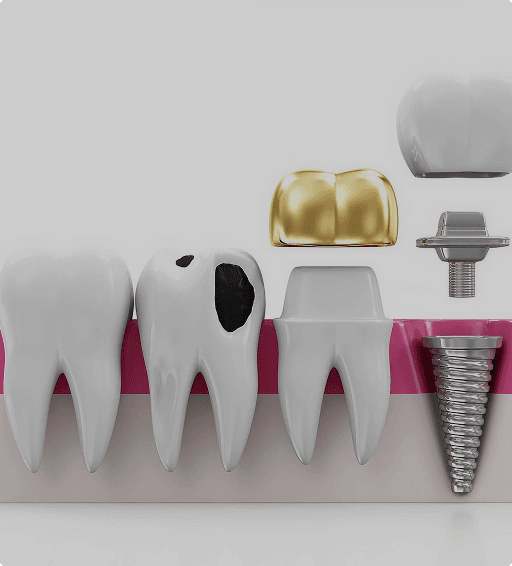
Dental crowns are protective caps placed over damaged, decayed, or root canal treated teeth to restore their shape, strength, and appearance.
If you’ve ever had a damaged, cracked, or root canal-treated tooth, your dentist probably suggested getting a dental crown. A crown is like a strong, custom-made cap placed over a tooth to restore its shape, strength, and appearance.
They are typically administered after root canal treatments, deep cavities, or cracks, and even for cosmetic reasons like whitening teeth or reshaping them. But the one query by nearly all patients is, "How long do dental crowns last?"
The short answer: it depends! The lifespan of a dental crown depends on its category, your upkeep of it, and your normal lifestyle. The majority of crowns endure 10 to 20 years, but some have endured forever with proper maintenance.
Average Lifespan of Different Types of Crowns
All crowns are not created equal, durability and appearance will be extremely material-dependent. Below is a general division of each type and how long you can expect it to last for in reasonable terms:
1. Porcelain-Fused-to-Metal (PFM) Crowns (10-15 years):
These crowns blend the strength of metal and the natural look of porcelain. They are very attractive and durable but have a porcelain veneer that does wear off eventually, and there is a halo of black metal around the gums. Nevertheless, they're a fair compromise between looks and durability.
2. All-Ceramic Crowns (10-15 years):
Ceramic crowns suit front teeth because they are natural translucency. They appear stunning next to adjacent teeth but are not as durable in resisting chewing forces as metal crowns.
3. Zirconia Crowns (15-20+ years):
They are the dentistry battleship, very strong and durable. They appear stunning on front teeth and back teeth and can comfortably last more than two decades as long as they are well taken care of.
4. Full Metal Crowns (Gold or Alloy) (20+ years):
As they are not in vogue these days because of their metallic look, metal crowns are the most durable of all the varieties. They're resistant to chipping or breaking and have a lifespan of over 25 years.
5. Temporary Crowns (Few weeks to months):
These are just temporary ones until your permanent crown arrives. They're not meant to last, just long enough to protect your tooth until your permanent crown arrives, nothing more.
So while the material that was chosen does have something to do with it, what really makes or breaks its longevity is how you take care of your crown on a daily basis.

Good oral hygiene plays a major role in how long a crown lasts. Regular brushing, flossing, and dental cleanings help prevent decay around the crown edges.
Factors That Determine How Long a Crown Will Last
You wonder how one crown will last 25 years and another 8. Here's why:
1. Hygiene Habits in the Mouth:
Even though the crown itself will not rot, the tooth upon which it sits might. Brushing twice a day, flossing, and mouthwash are ways of preventing plaque from building on the sides of the crown.
2. Grinding or Clenching (Bruxism):
Nighttime grinding can loosen or compromise your crown at night. Fitting grinding with a mouth guard at night can significantly affect how long it will last.
3. Dentist Skill and Material Strength
Dentist skill and material strength are a major contrast. A badly fitting crown will harbor bacteria, pain, and early failure.
4. Diet and Lifestyle Habits:
Crunching on sweet or hard foods, ice chewing, or biting hard objects routinely can slowly loosen your crown. Smoking also harms your gums and indirectly reduces the life of your crown.
5. Gum and Bone Health:
Healthy gum and dense bone provide a proper base for your crown. Bone loss or gum disease can loosen your crown even if it is not faulty in some manner or other.
That is to say, good manners and gentle care can virtually double the life of your dental crown with virtually no effort at all.
Signs That Your Crown Needs to Be Replaced
Just like any other dental restoration, crowns will sooner or later get worn out. Be on the lookout for these tell-tale signs that it's time to have it replaced:
Pain or sensitivity:
- Pain to bite or hot/cold sensitivity: The crown has worked loose or decay has developed beneath it.
- Visible looseness or cracks: A loose or cracked crown is absolute proof that it must be repaired before more damage occurs.
- Dark line along the gum: This is usually with older PFM crowns when metal leakage under them happens.
- Gum recession: Because gums do recede with the passage of time, your crown margin gets exposed and develops plaque or decay.
- Bad taste or odor: Leakage under crown traps food particles and results in bad breath and potential decay, sure indication to see your dentist.
Don't delay dental visit if you experience any of them. Repair or replacement earlier can prevent you from developing expensive and severe problems in the future.

Crowns do not decay, but the underlying tooth can. Cavities can form where the crown meets the gumline if plaque builds up, shortening the crown’s lifespan.
How to Make Your Dental Crown Last Longer
The key to surviving crowns isn't the material, it's your habit. Use these easy tips to make your crowns last longer than they're meant to:
- Brush and floss every day: Leave your crown free of plaque, particularly where the crown meets the gumline, to avoid damaging the underlying natural tooth.
- Eat soft foods: Don't bite ice, pens, or packets with your teeth. They'll wear down even the hardest crowns like zirconia.
- Wear a nightguard: If you grind, you will be provided with a special nightguard to fit over your crown (and teeth) to protect them from wear.
- Visit for checkups regularly: Visit your dentist every six months to clean and have a check-up. They can spot things before they become big issues.
- Care for gum disease early: Healthy gums hold on to your crown. When it gets puffy or bleeds, tend to it early so it doesn't fall off.
Good care fits crowns quite comfortably 15–25 years, sometimes forever.
Cost vs Longevity, Worth It?
Crowns are an expensive investment up front, but they're actually investing in your oral health down the road. It's much more costly to repair a severely broken or rotten tooth.
Porcelain-fused-to-metal crowns are affordable and have a lifespan of ten years or more.
Zirconia or all-ceramic crowns are expensive up front but have excellent strength and aesthetics. Metal crowns are economical in the long run with their excellent longevity.
Also, most dental insurance plans cover some or all medically necessary crowns (as opposed to purely aesthetic ones). So, remain in touch with your dentist at all times and see what is covered.
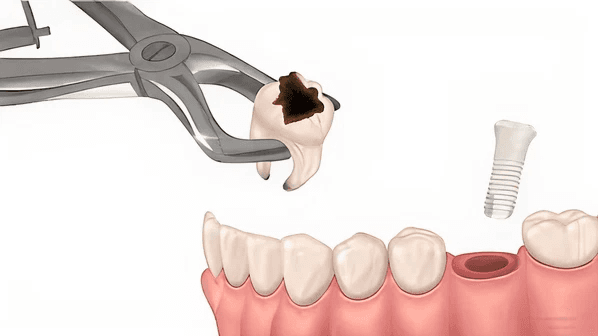
Assuming you take care of your crown, you're really stretching the cost out over 15–20 years, and it's good value if you think about it in terms of losing your tooth and having to have a dental implant.

Metal and zirconia crowns are the most durable, making them ideal for molars that experience heavy chewing forces.
Conclusion
The crown is the longest and most lasting of all dental work. You can average doing without them for 10 to 20 years, but with proper oral care, precautions, and periodic visits and consultations with the dentist, the majority of patients are able to maintain their crowns for a lifetime.
Prevention and maintenance is the key to crown longevity, brushing, not poor habits, and taking care of little issues at their source. Properly-used crown keeps your smile protected and your tooth protected for the long haul.
Then, if you've paid for a crown, treat it like an old buddy, because with affectionate care, it will take care of you for the long haul.
Frequently Asked Questions
1. Will a crowning dental tooth last forever?
Yes, yes! Most crowns are 10-20 years old, but crowns made with long-lasting materials such as gold or zirconia and perfect oral care will last forever. It is simply a check-up every so often to make sure the tooth and gums underneath stay healthy, though.
2. Do teeth with crowns after root canals live longer?
Yes, they do. A crown protects the fragile structure of a tooth that's been treated with a root canal from chipping or breaking and significantly lengthens its life. Without a crown, a tooth is more likely to get damaged.
3. Will a crown ever come off on its own?
Yes, occasionally, if the cement loosens, or in the event of rot under the crown. If it is loose, don't try to re-glue it. Save it and go see your dentist immediately to have it redone or re-glued.
4. Can crowned teeth be repaired or do they need to be replaced?
Small rough places or small chips on a crown can be polished or even restored by your dentist occasionally. But where a crack, leakage, or rotting is present beneath the surface, replacement will most likely be the course of action to follow.
5. How frequently should I have crowns examined by the dentist?
Ideally, every six months when you see your dentist on a regular basis. Your dentist assesses the wear and tear, fit, and health of your gums. Detection of any signs of trouble early on ensures your crown will continue to be of use to you for many years to come.